Documented synthetic research peptides are supplied for controlled laboratory and analytical research environments only.
Peptide Bundles
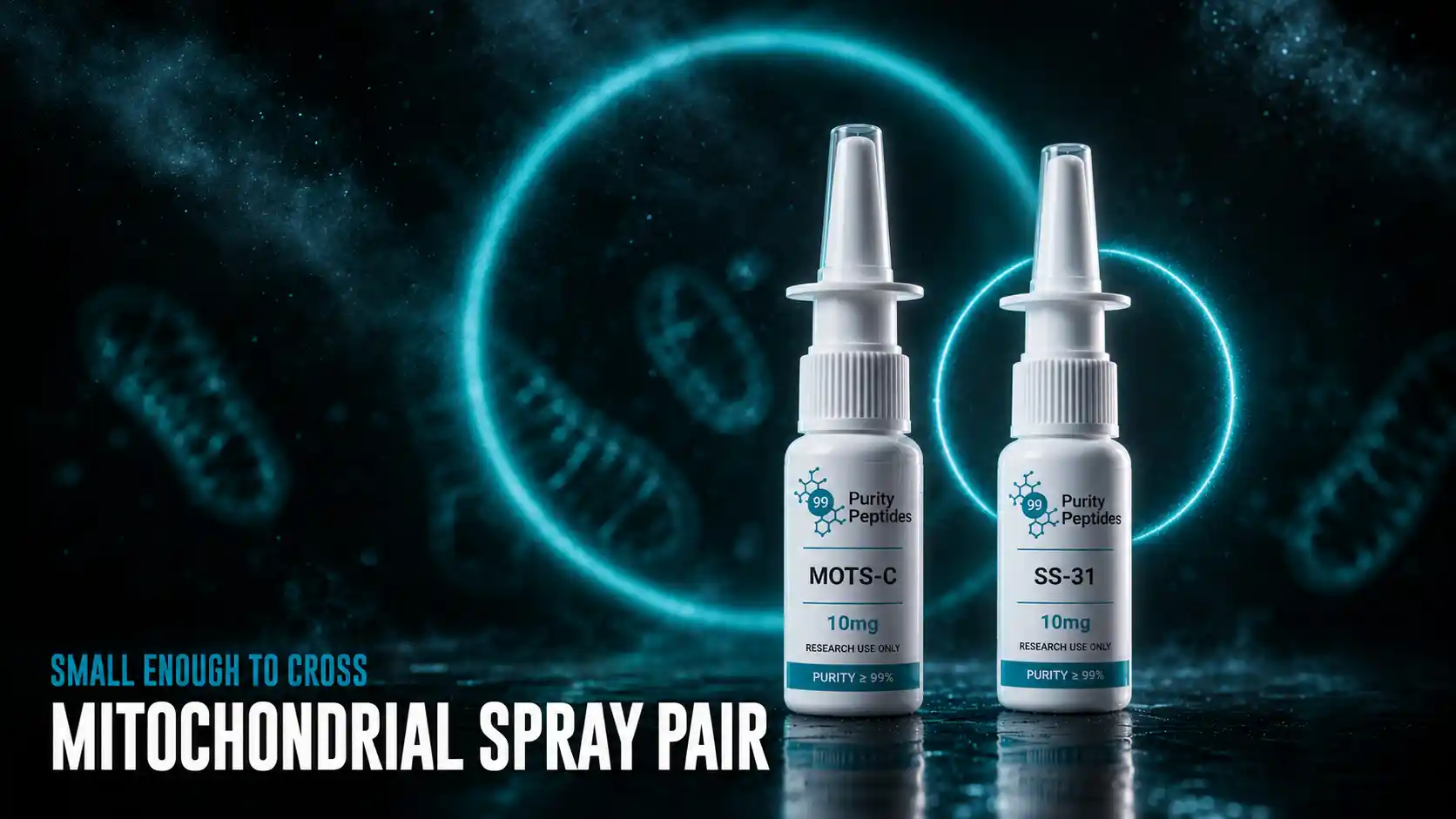
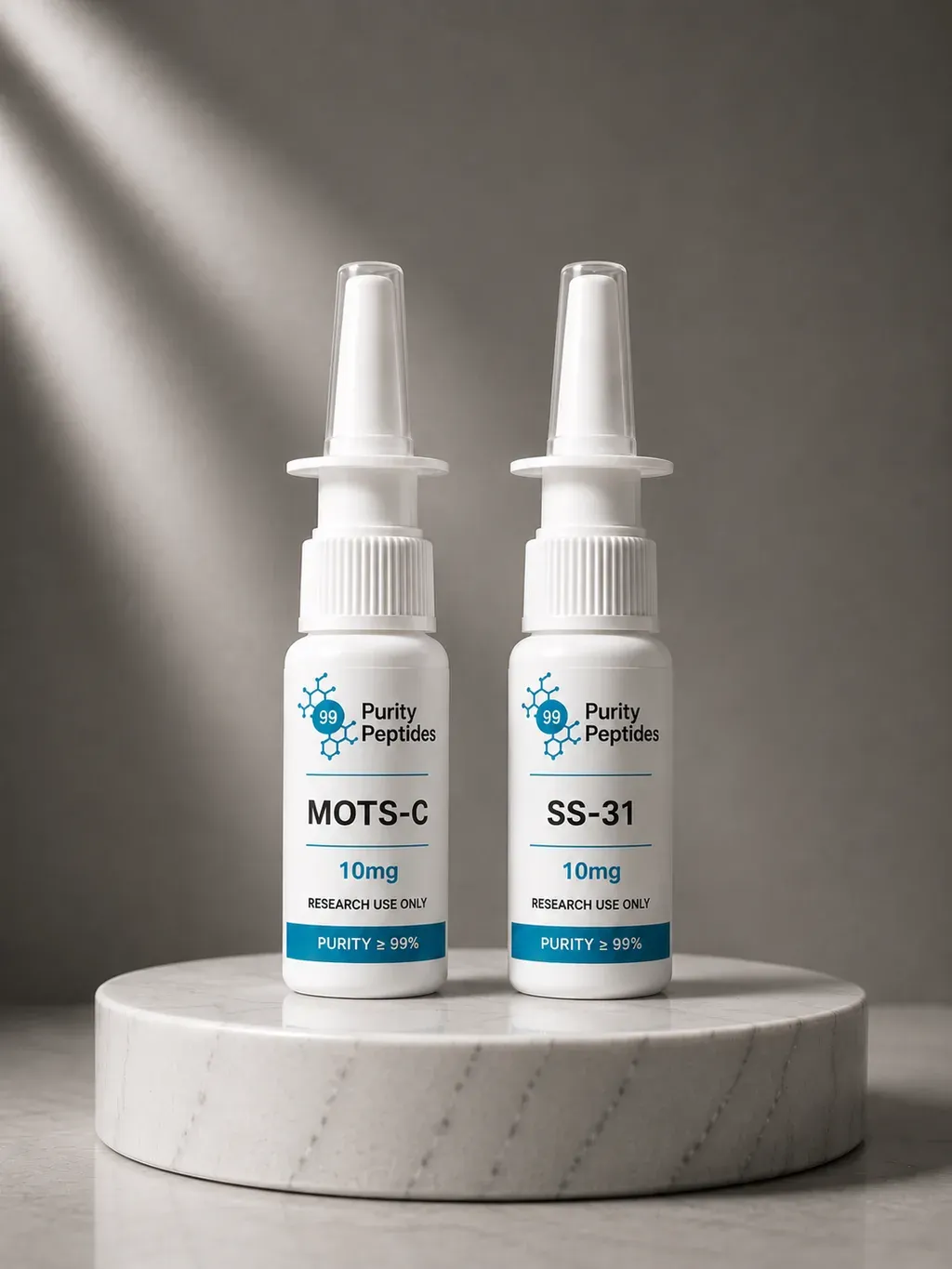
The Mitochondrial Nasal Spray Pair supplies MOTS-c and SS-31 in nasal format, each bottle containing 10 mg across approximately 45 actuations. The two compounds differ substantially in size — SS-31 is a tetrapeptide, MOTS-c a sixteen-residue peptide — which places them in different nasal absorption ranges. The format suits SS-31 considerably better on molecular weight grounds. For research use only.
Peptide Bundles
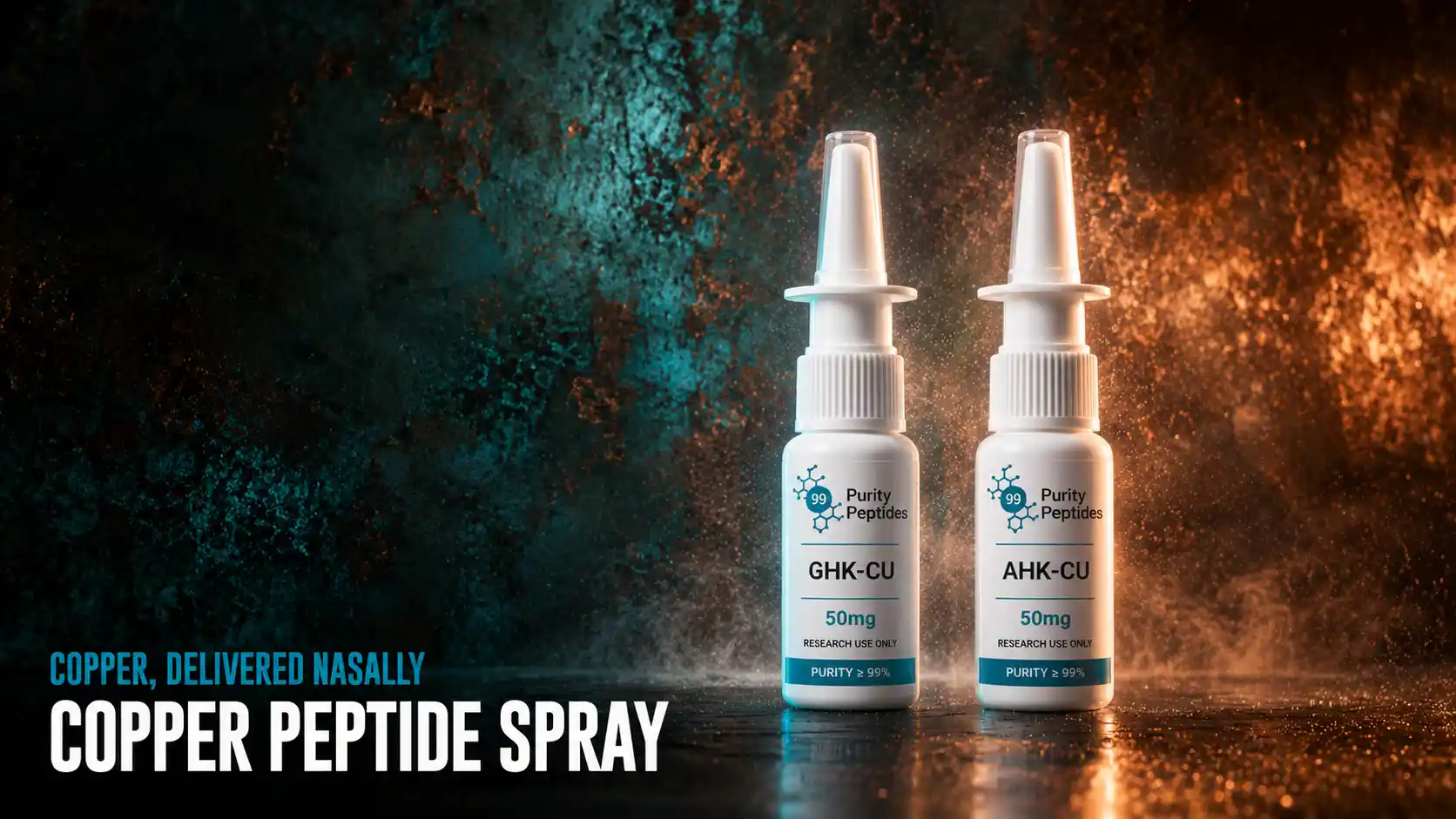
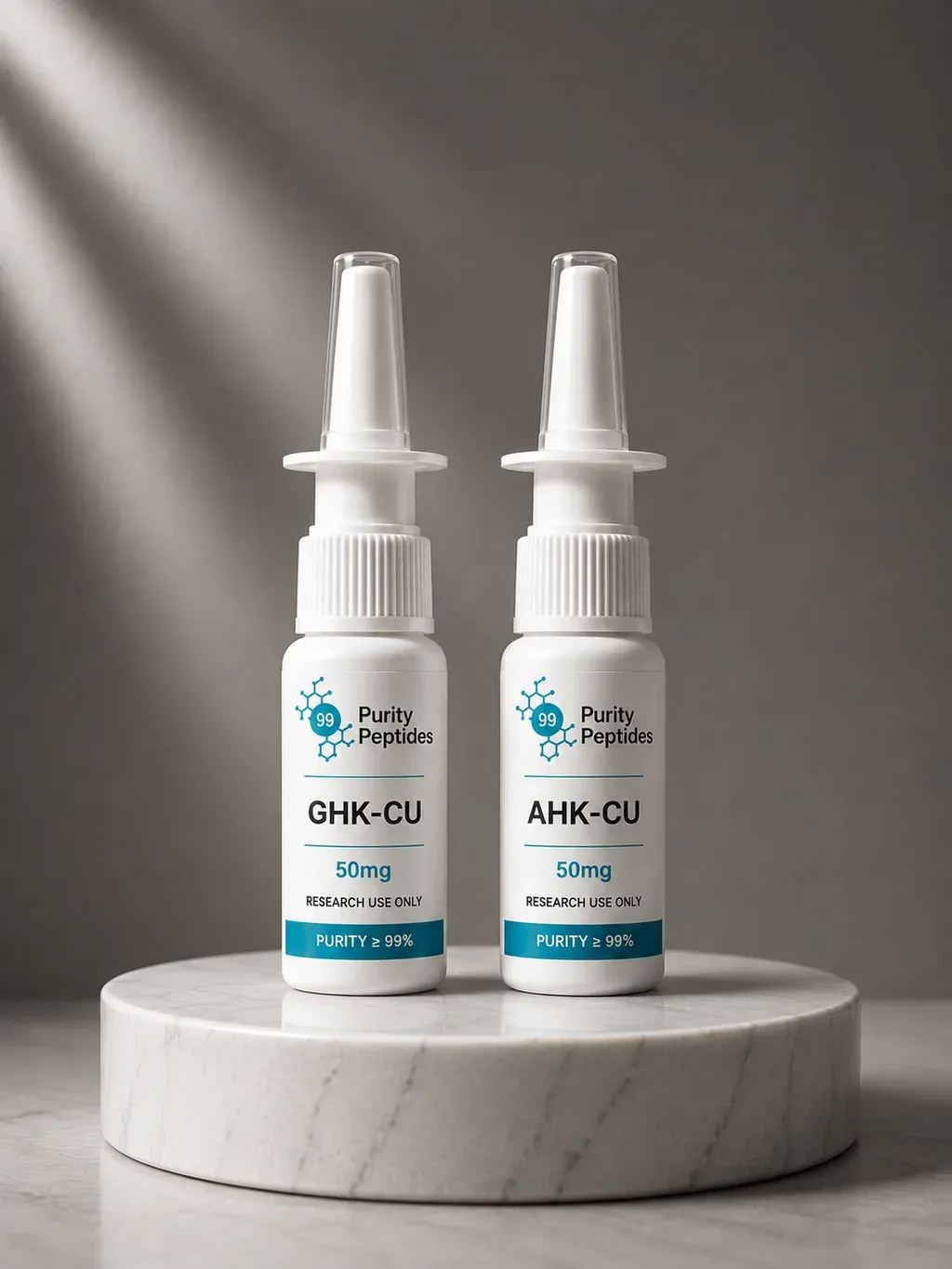
The Copper Peptide Nasal Spray Comparator supplies GHK-Cu and AHK-Cu in nasal format, each bottle containing 50 mg across approximately 45 actuations. Both copper tripeptides fall well below 1,000 daltons, the range in which nasal absorption of peptides is most favourable. Both are supplied as prepared copper(II) complex solutions. For research use only.
Peptide Bundles
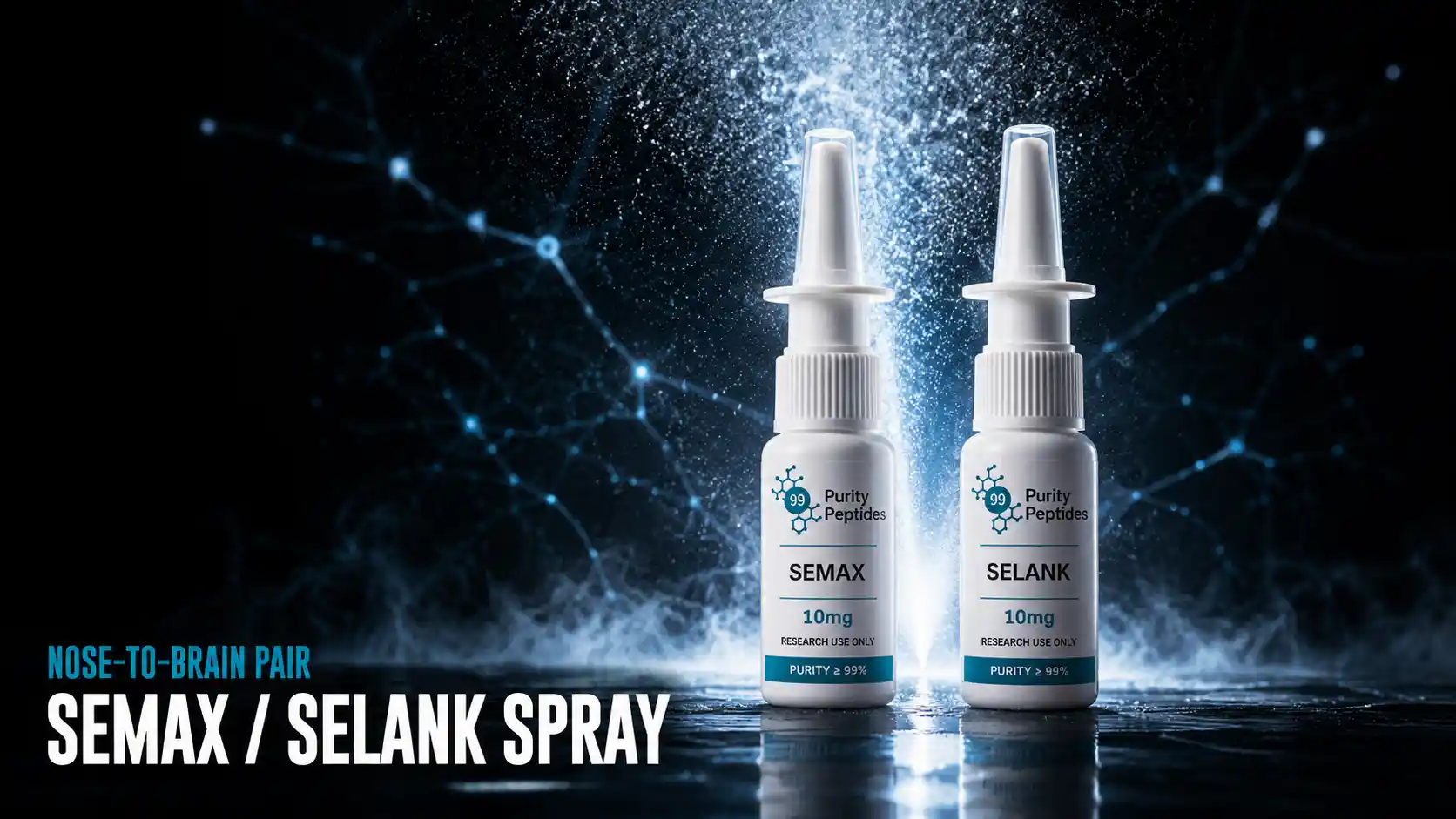
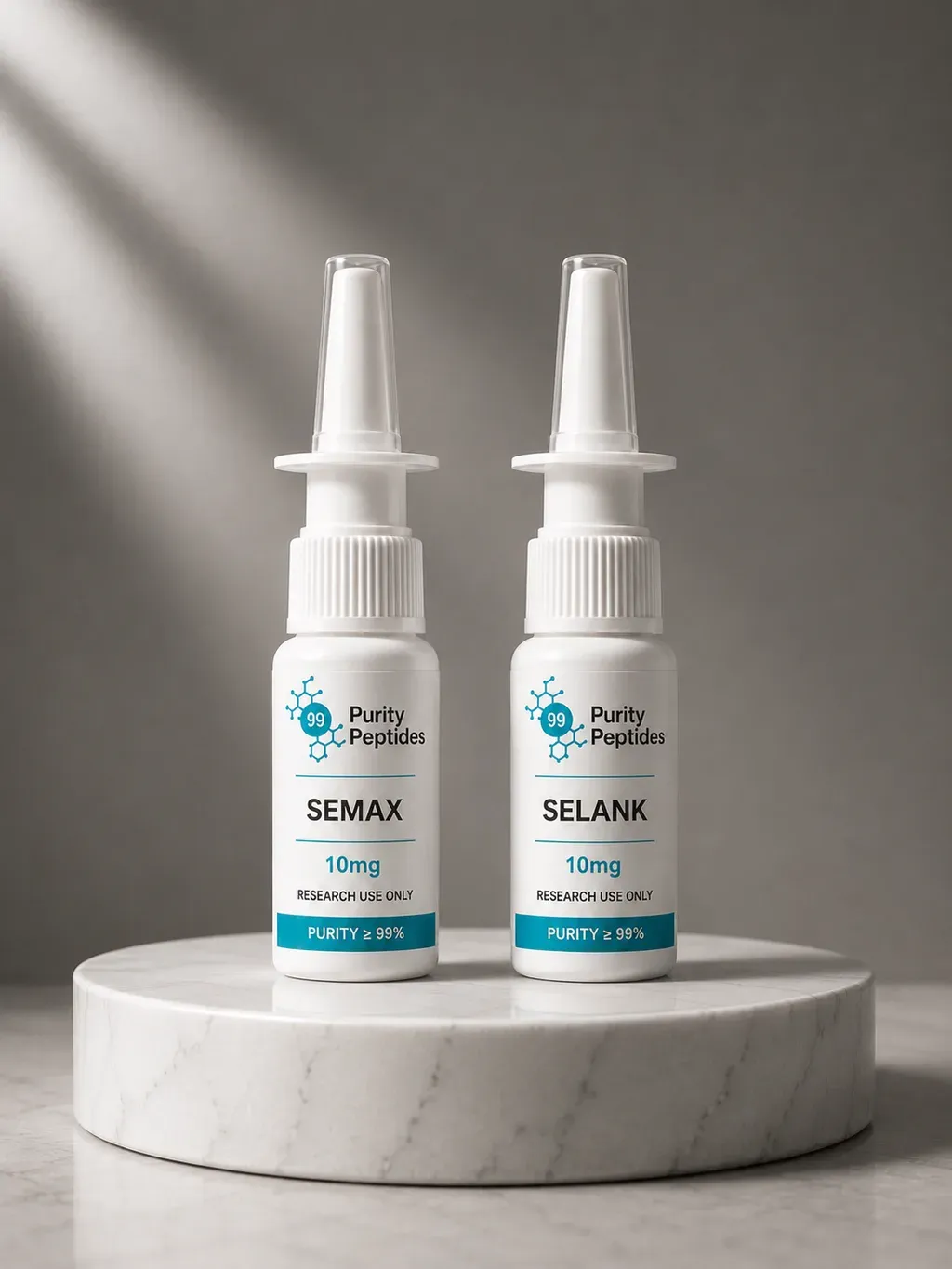
The Semax and Selank Nasal Spray Comparator supplies both neuropeptides in nasal format, each bottle containing 10 mg across approximately 90 actuations. The labelled mass describes the bottle, not the individual spray. Both peptides fall under 1,000 daltons, the molecular weight range in which nasal absorption is most favourable. Supplied as prepared solutions. For research use only.
Peptide Bundles
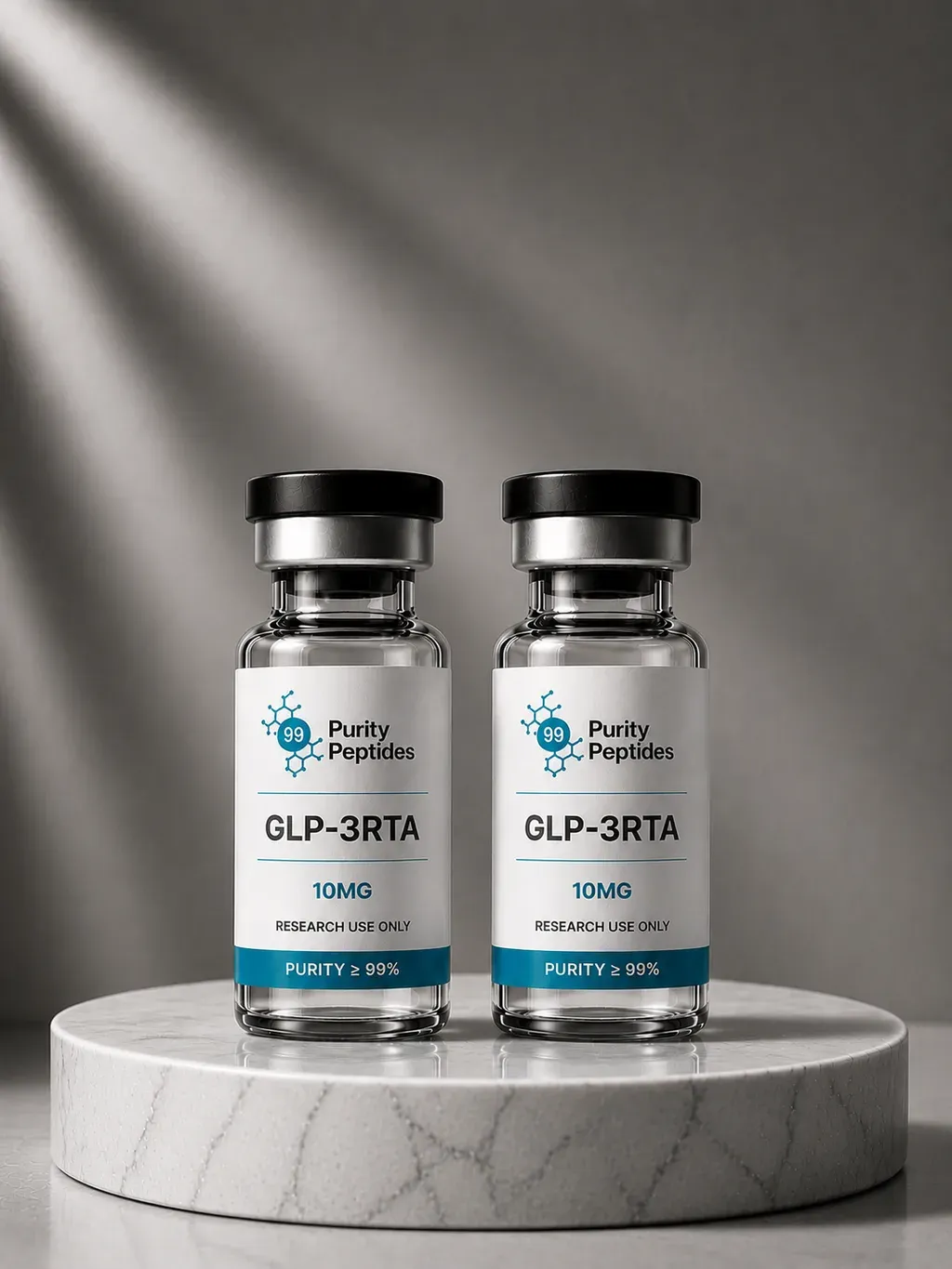
The Glp-3RTA Research Pair supplies two 10 mg vials of the same material, 20 mg in total. Two separate vials allow two independently reconstituted preparations rather than aliquots of a single one, and permit one vial to be held lyophilized while the other is in use. For research use only.
Peptide Bundles
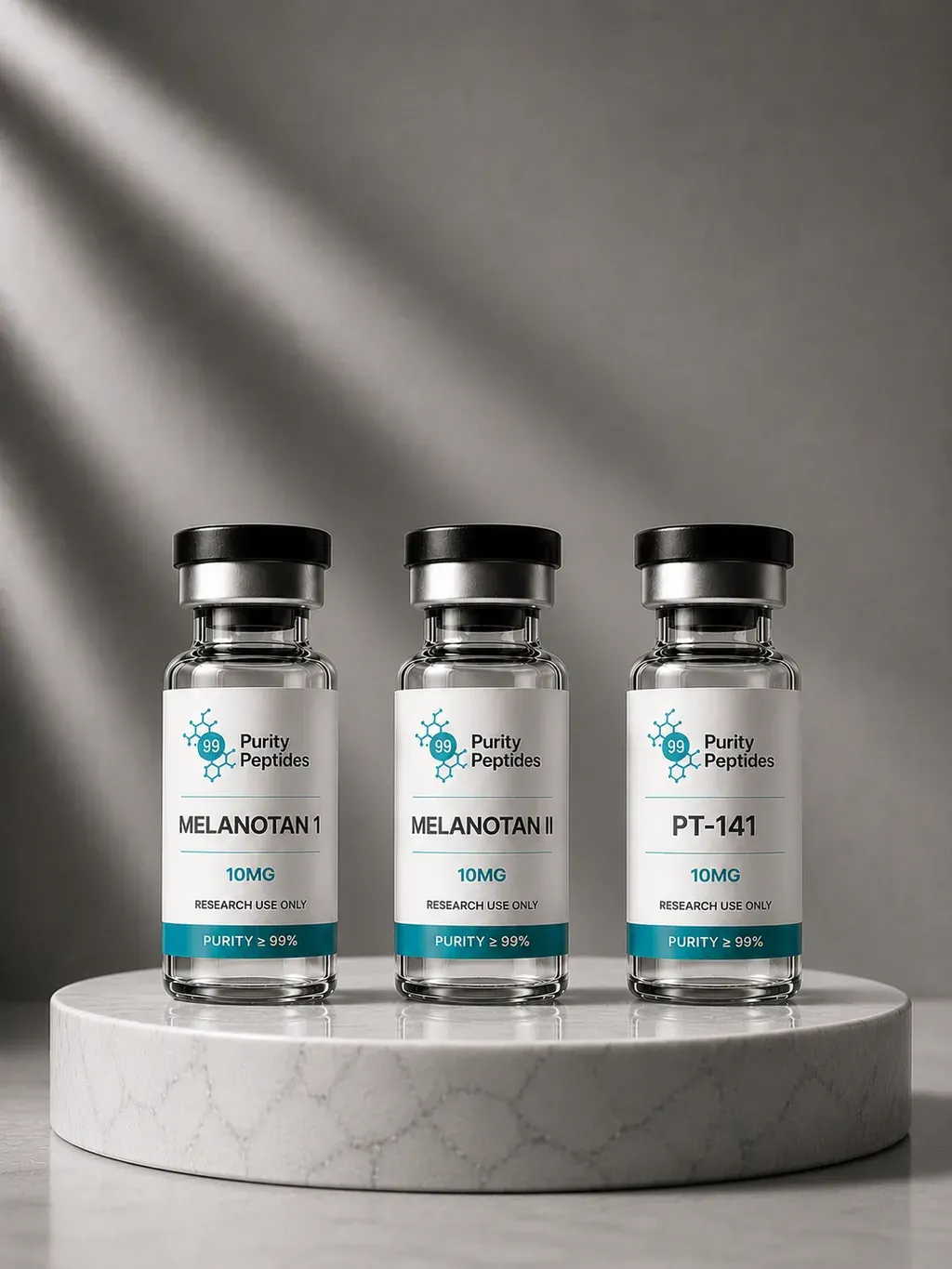
The Melanocortin Analog Comparator supplies three analogs of α-melanocyte-stimulating hormone at 10 mg each. Melanotan I is a linear 13-residue analog with two substitutions. Melanotan II is a truncated cyclic heptapeptide. PT-141 is the deamidated metabolite of Melanotan II. All three retain the shared His-Phe-Arg-Trp core sequence and differ in structure and receptor selectivity across the melanocortin receptor family. For research use only.
Peptide Bundles
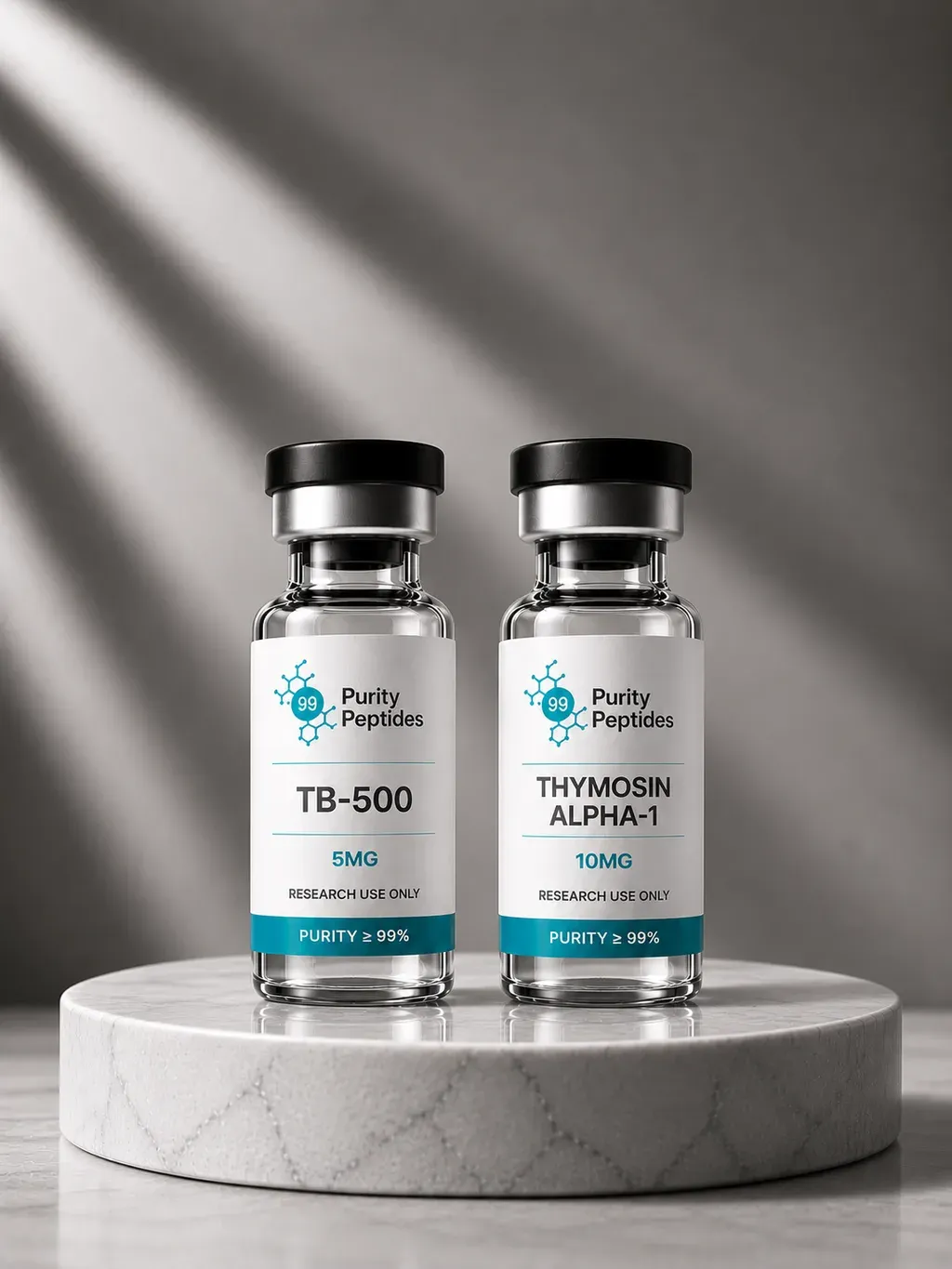
The TB-500 and Thymosin Alpha-1 Comparator supplies two peptides that share a name and little else. Thymosin Alpha-1 is a 28-residue peptide derived from prothymosin alpha and studied in immune signalling. TB-500 is a synthetic fragment of thymosin β-4, studied for actin binding. They derive from different genes with no sequence homology, and the shared "thymosin" name reflects 1970s fractionation rather than relatedness. For research use only.
Peptide Bundles
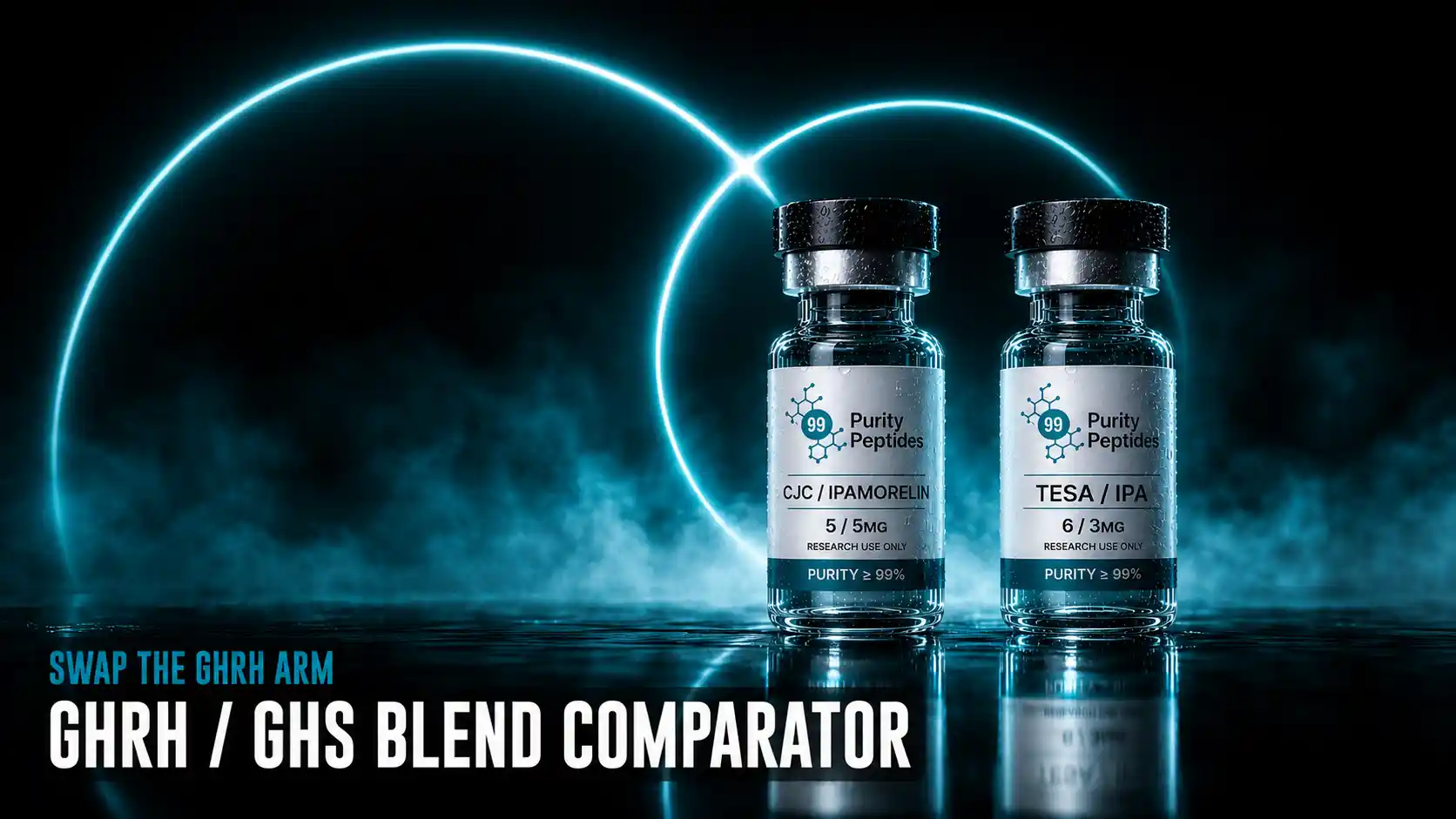
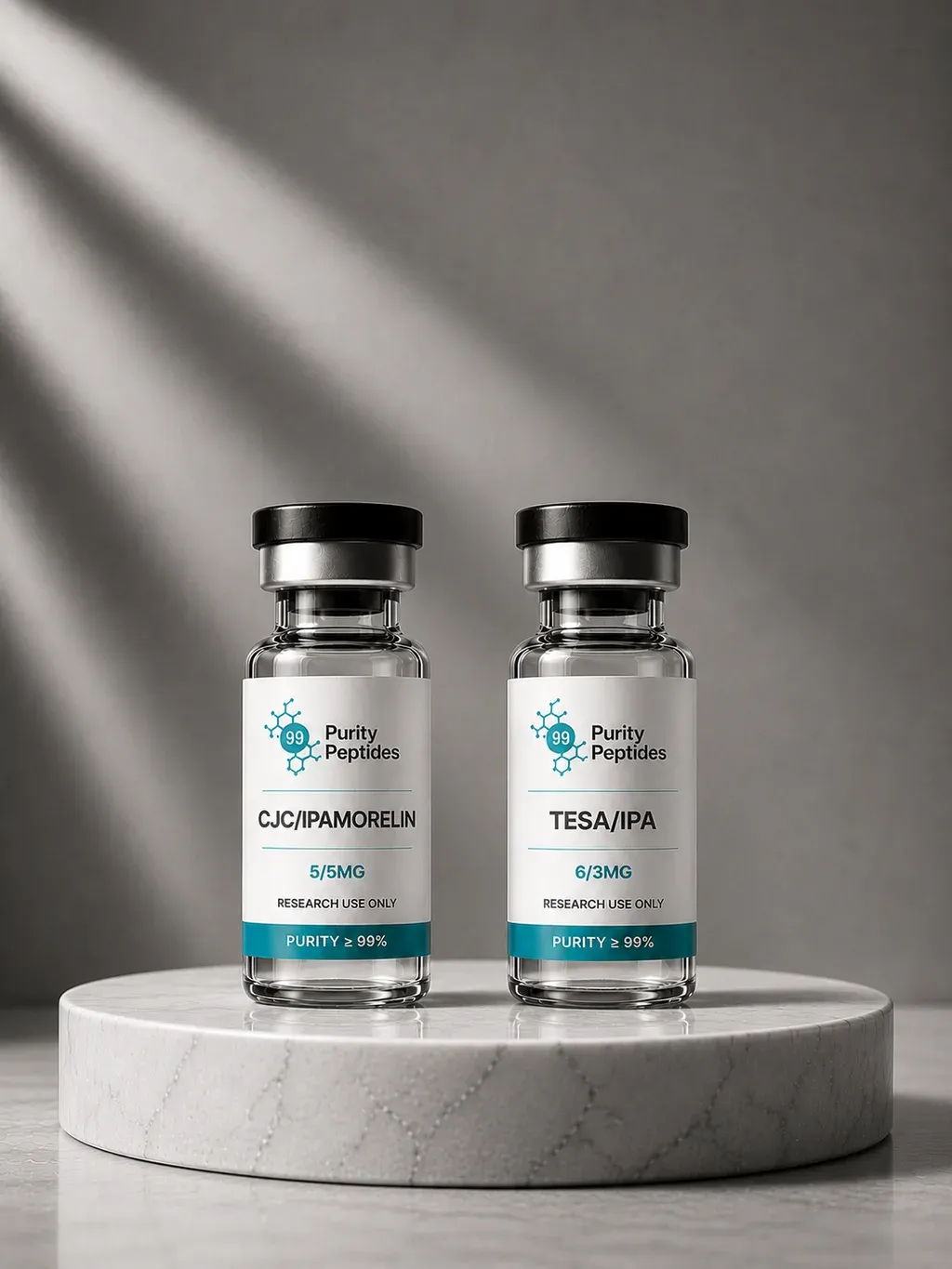
The GHRH / GHS Blend Comparator supplies two premixed formulations, each pairing a GHRH-receptor agonist with Ipamorelin: CJC-1295/Ipamorelin at 5 mg/5 mg and Tesamorelin/Ipamorelin at 6 mg/3 mg. The two differ in both the GHRH component and the component ratio. Notation gives mass per component, so the vials contain 10 mg and 9 mg in total. For research use only.
Peptide Bundles
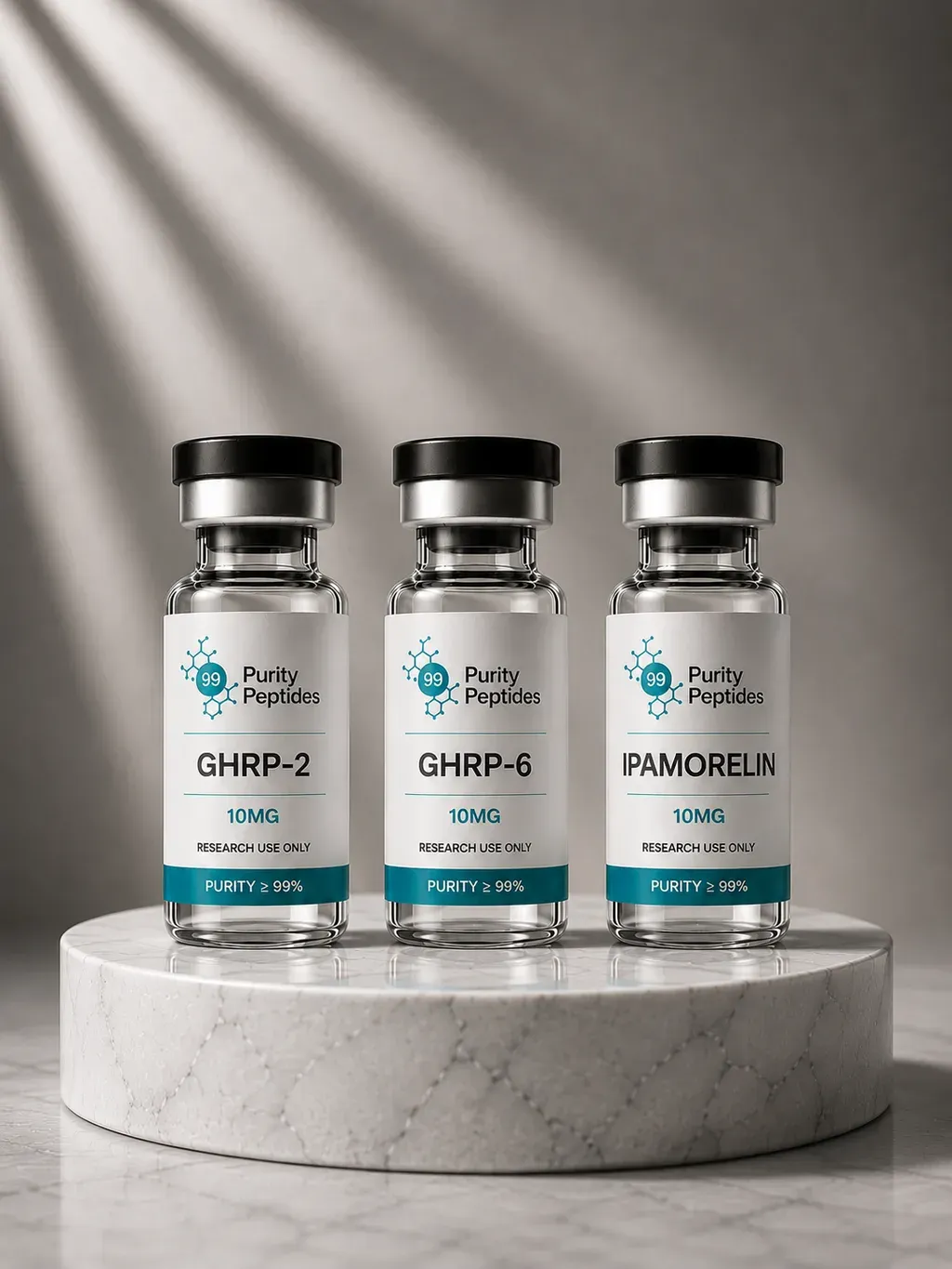
The GHS-R Ligand Comparator supplies three growth hormone secretagogue receptor agonists at 10 mg each: GHRP-6, GHRP-2 and Ipamorelin. All three act at the same receptor and share a primary mechanism. What separates them is the breadth of secondary endocrine response reported at GH-releasing concentrations, spanning first to third generation secretagogue design. For research use only.
Peptide Bundles
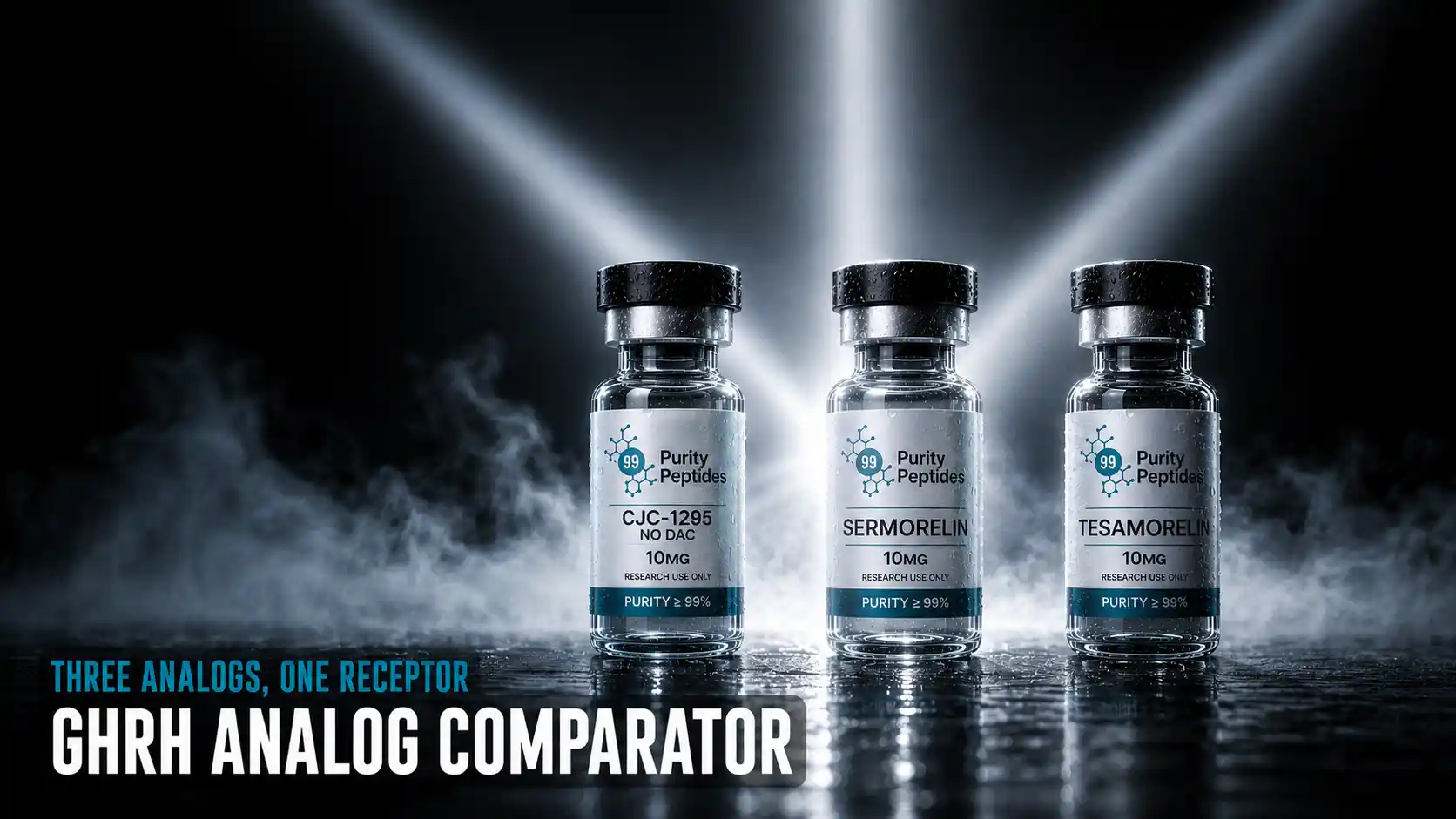
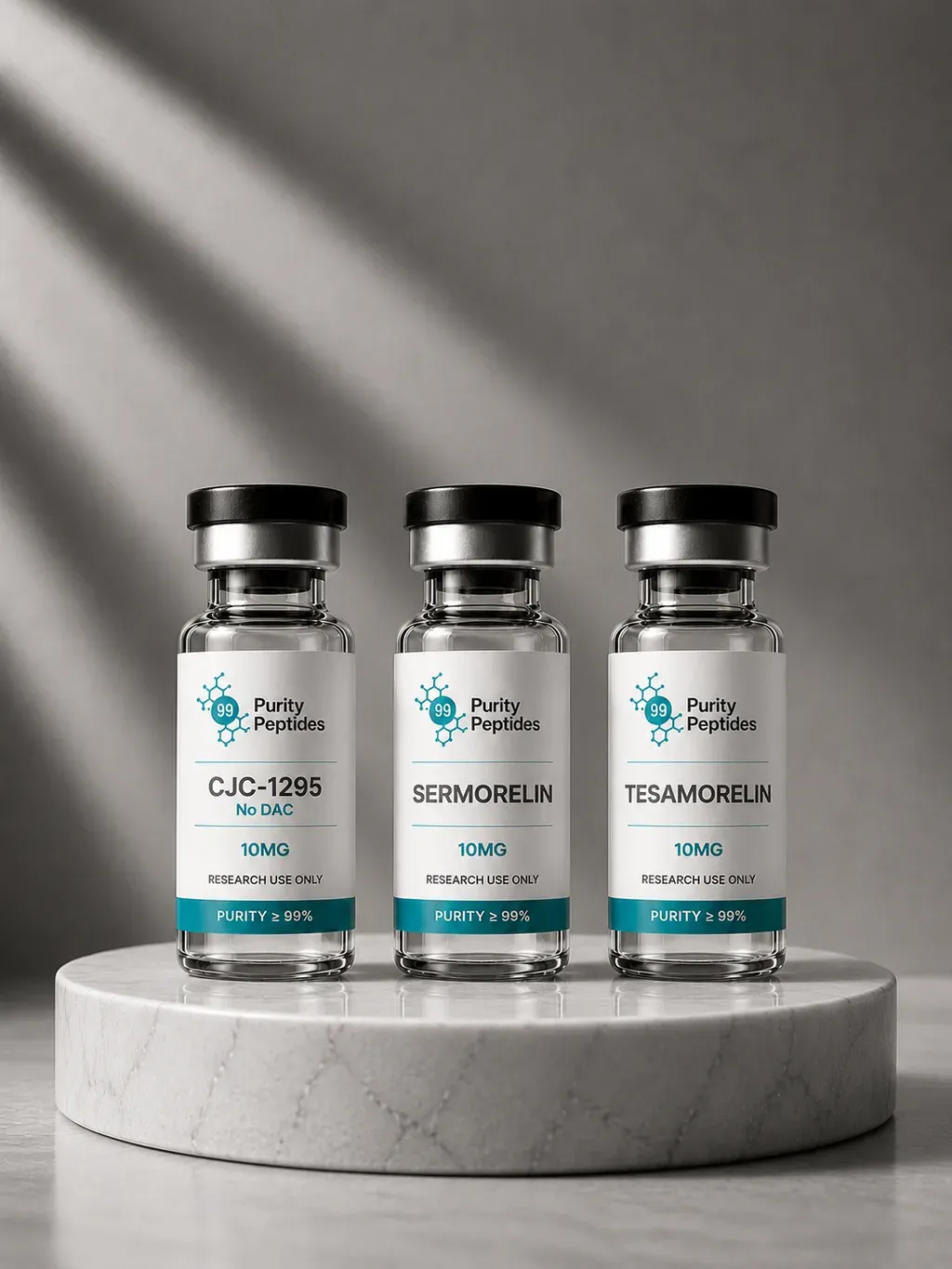
The GHRH Analog Comparator supplies three growth hormone-releasing hormone analogs at 10 mg each: sermorelin, the unmodified GHRH(1-29) sequence; CJC-1295 No DAC, the same sequence with four stabilising amino acid substitutions; and tesamorelin, the full-length GHRH(1-44) sequence with an N-terminal acyl group. All three act at the same receptor, so the set isolates modification strategy as the variable. For research use only.
Peptide Bundles
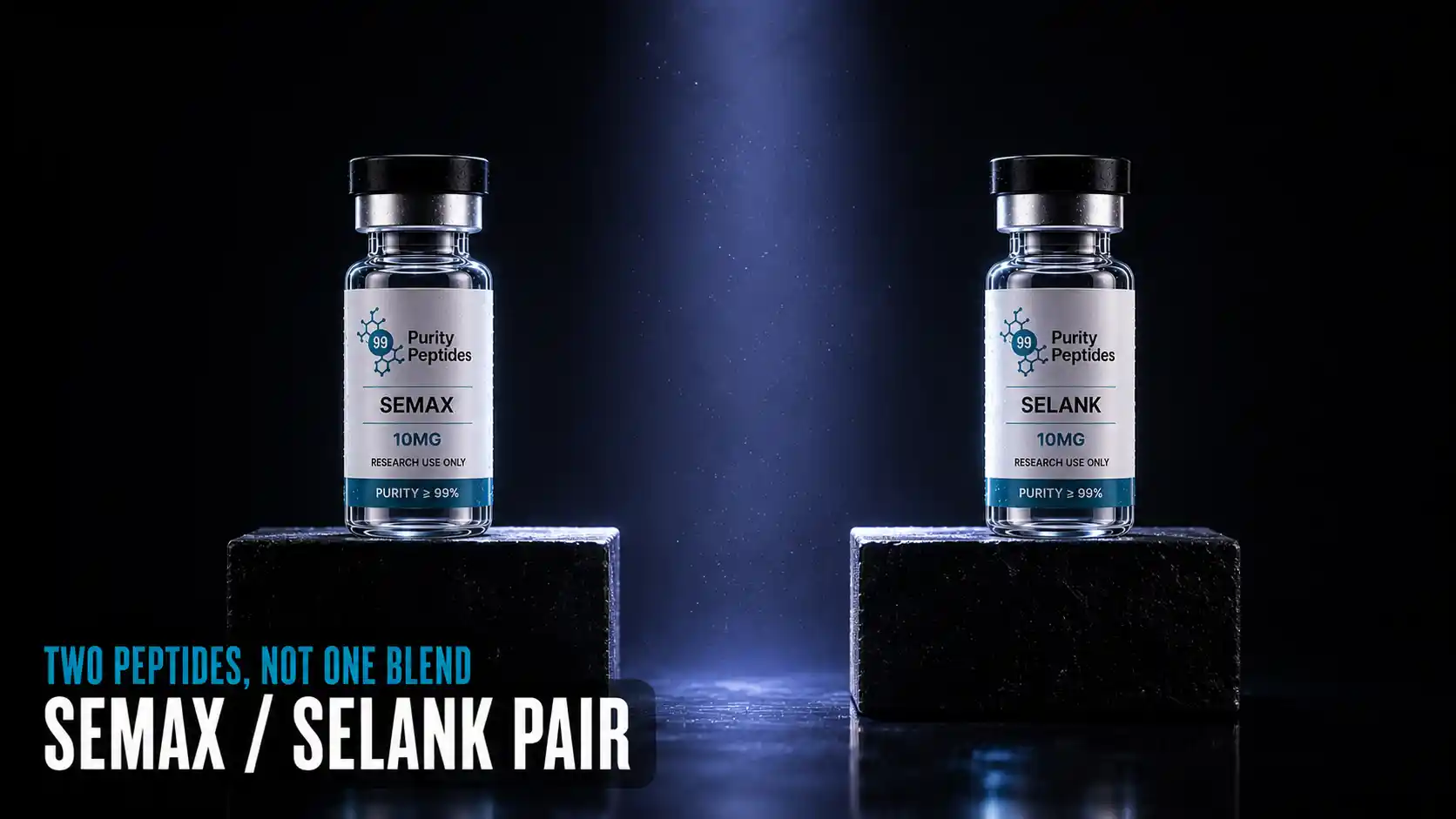
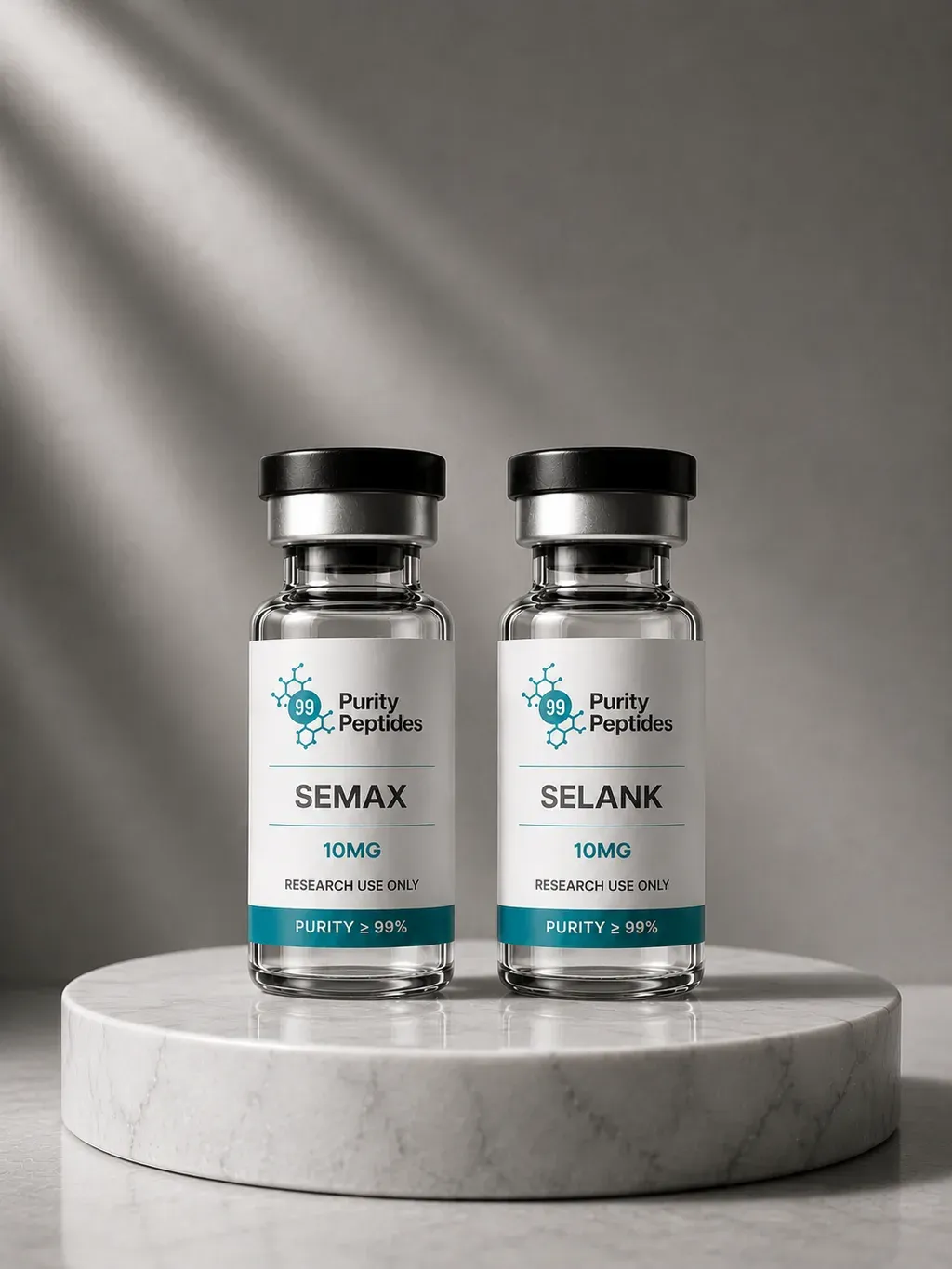
The Semax / Selank Separate-Vial Pair supplies both peptides at 10 mg each in individual vials rather than as a premixed blend. Separate vials allow either compound to be prepared alone as a control arm, or combined at a chosen ratio. A premixed blend supplies only the fixed combination. Supplied lyophilized. For research use only.
Peptide Bundles
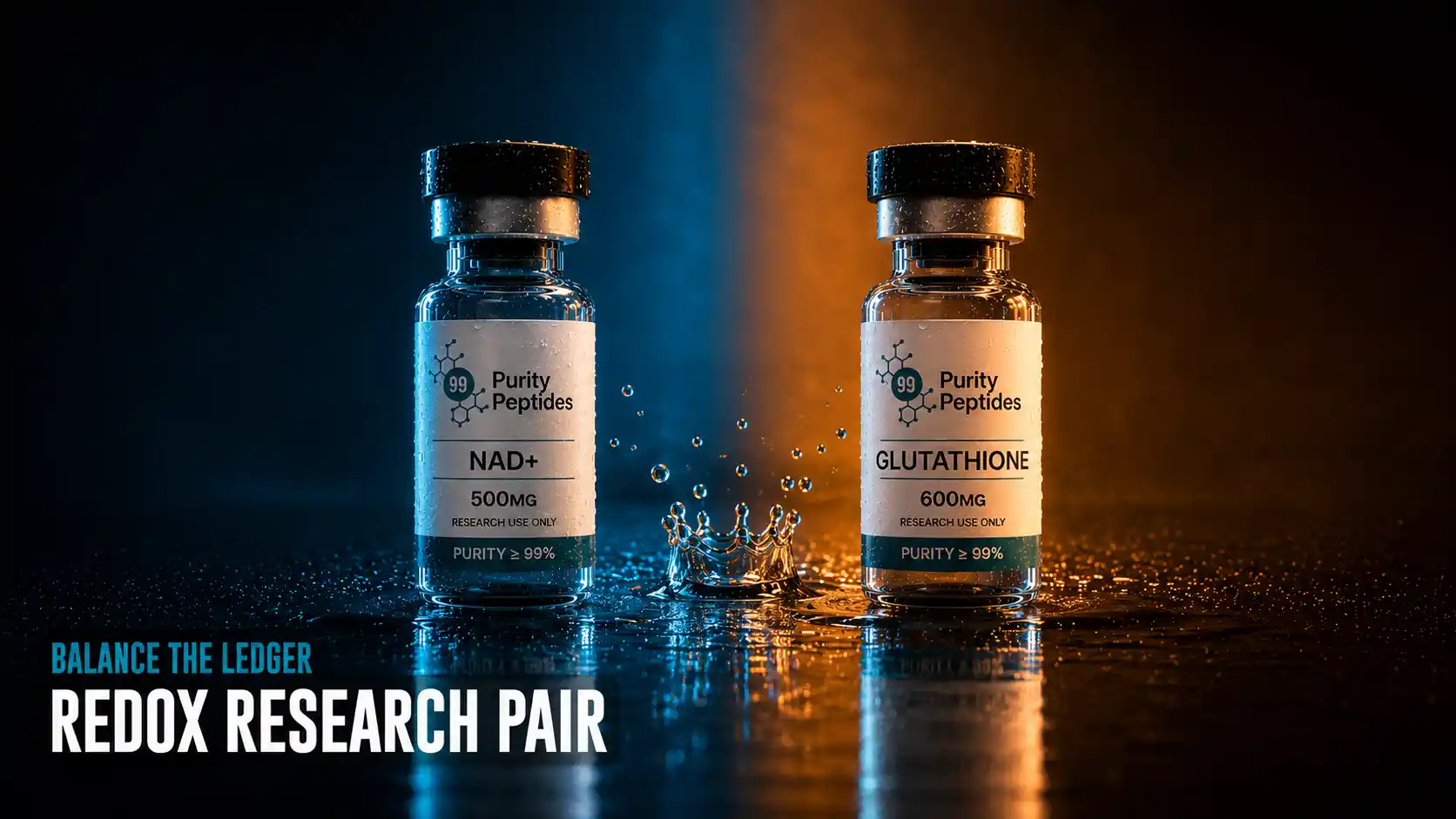
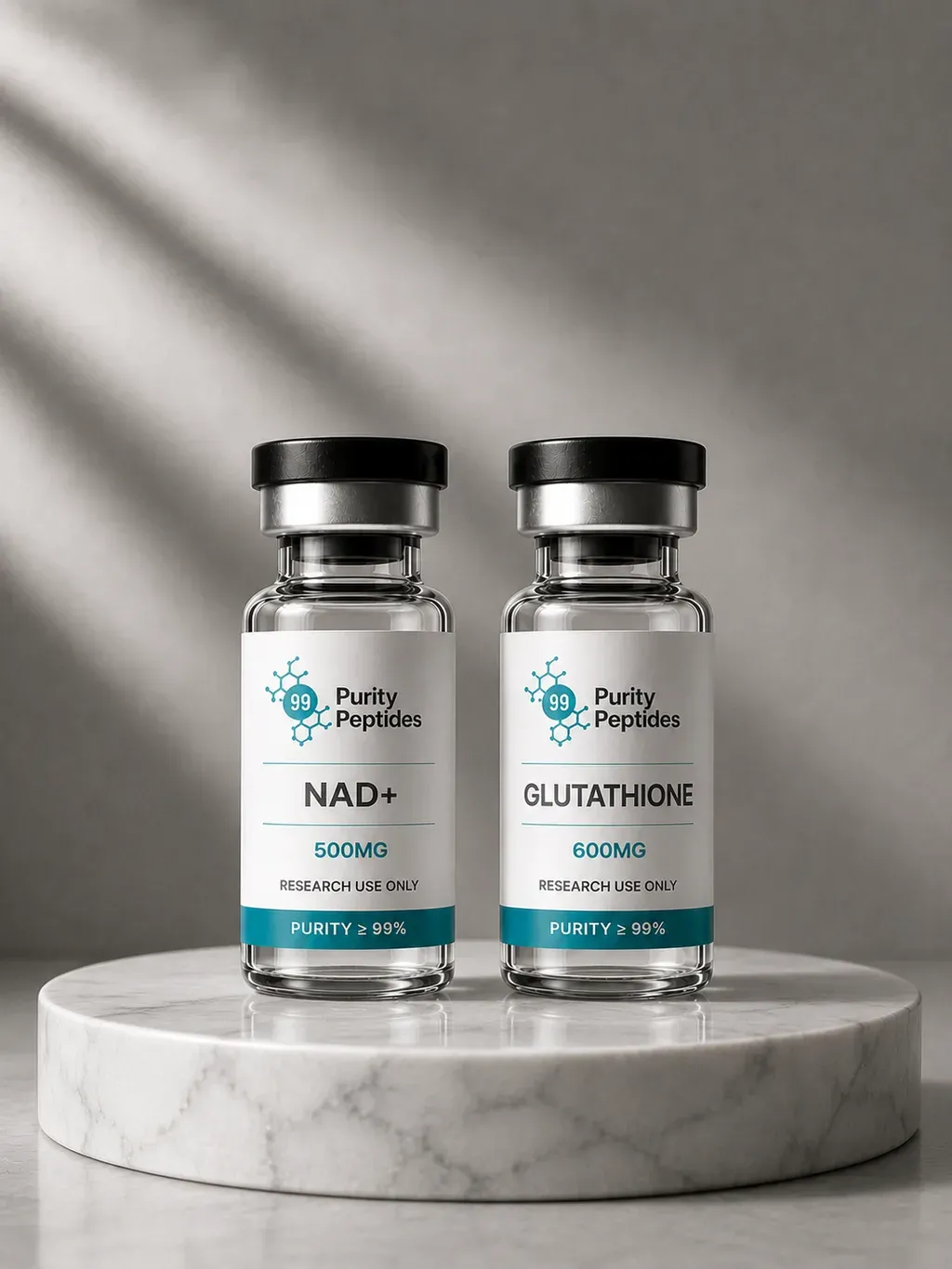
The Redox Research Pair supplies NAD+ at 500 mg and glutathione at 600 mg. Both are described as redox compounds, but they occupy different roles: glutathione is a thiol redox buffer and a direct antioxidant, while NAD+ is a redox cofactor carrying electrons in catabolic metabolism. The two connect indirectly, through NADP+ and NADPH. Supplied lyophilized. For research use only.
Peptide Bundles
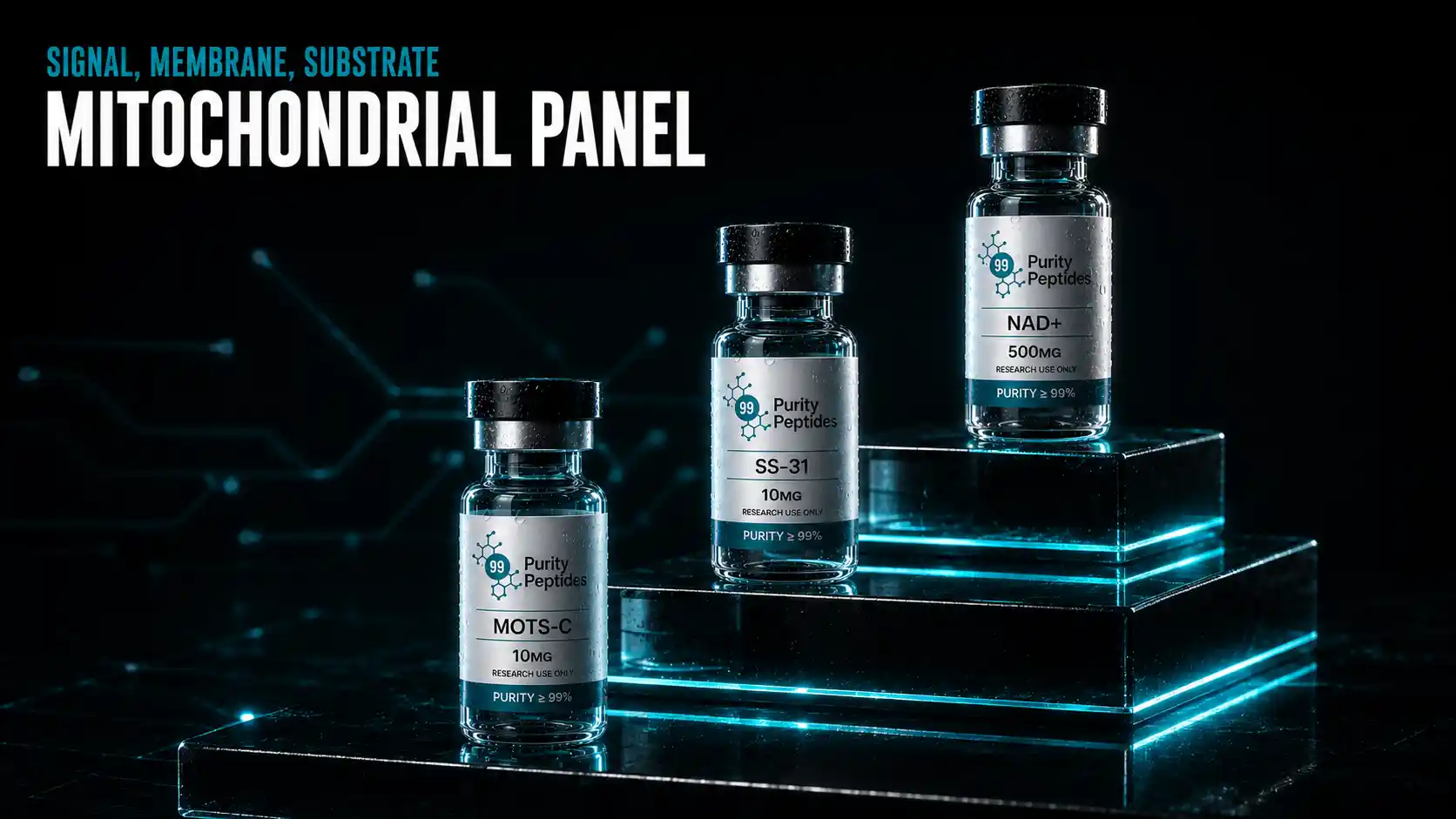
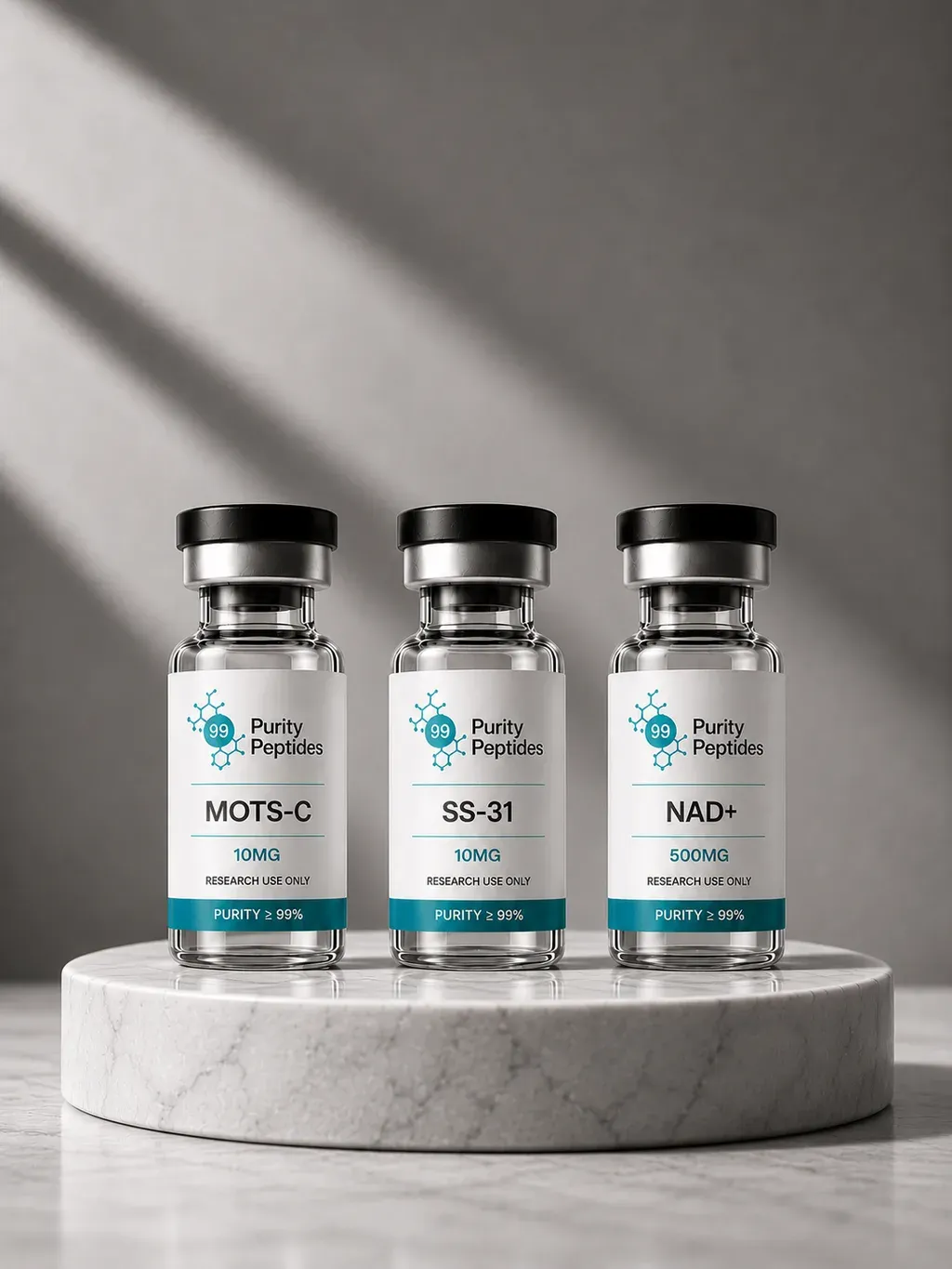
The Mitochondrial Research Panel supplies three compounds examined at different levels of mitochondrial function: MOTS-c at 10 mg, a peptide encoded in mitochondrial DNA; SS-31 at 10 mg, a synthetic peptide associating with the inner mitochondrial membrane; and NAD+ at 500 mg, a dinucleotide coenzyme central to electron transport. NAD+ is not a peptide, and the panel spans signal, membrane and substrate rather than one mechanism. For research use only.
Peptide Bundles
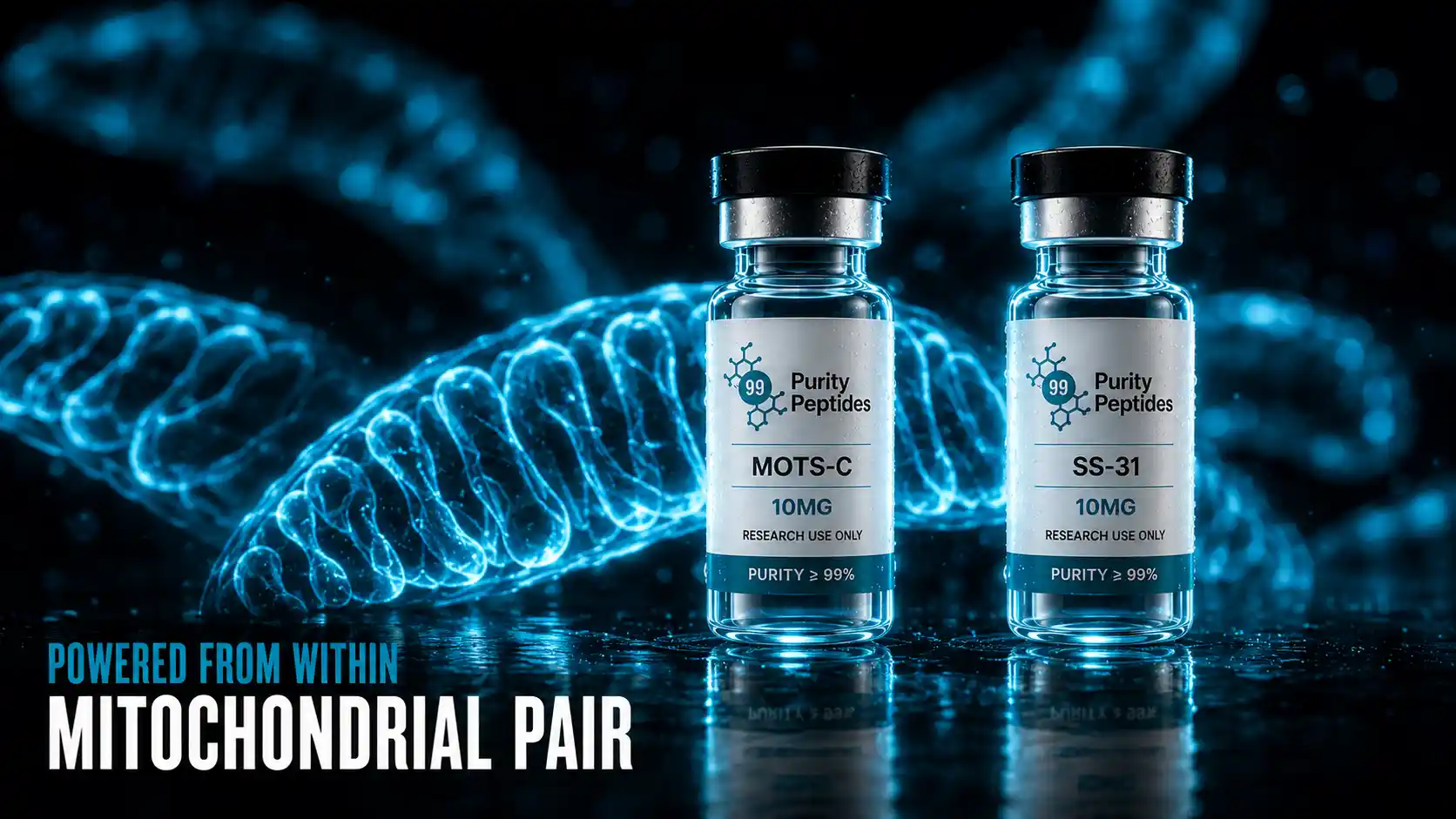
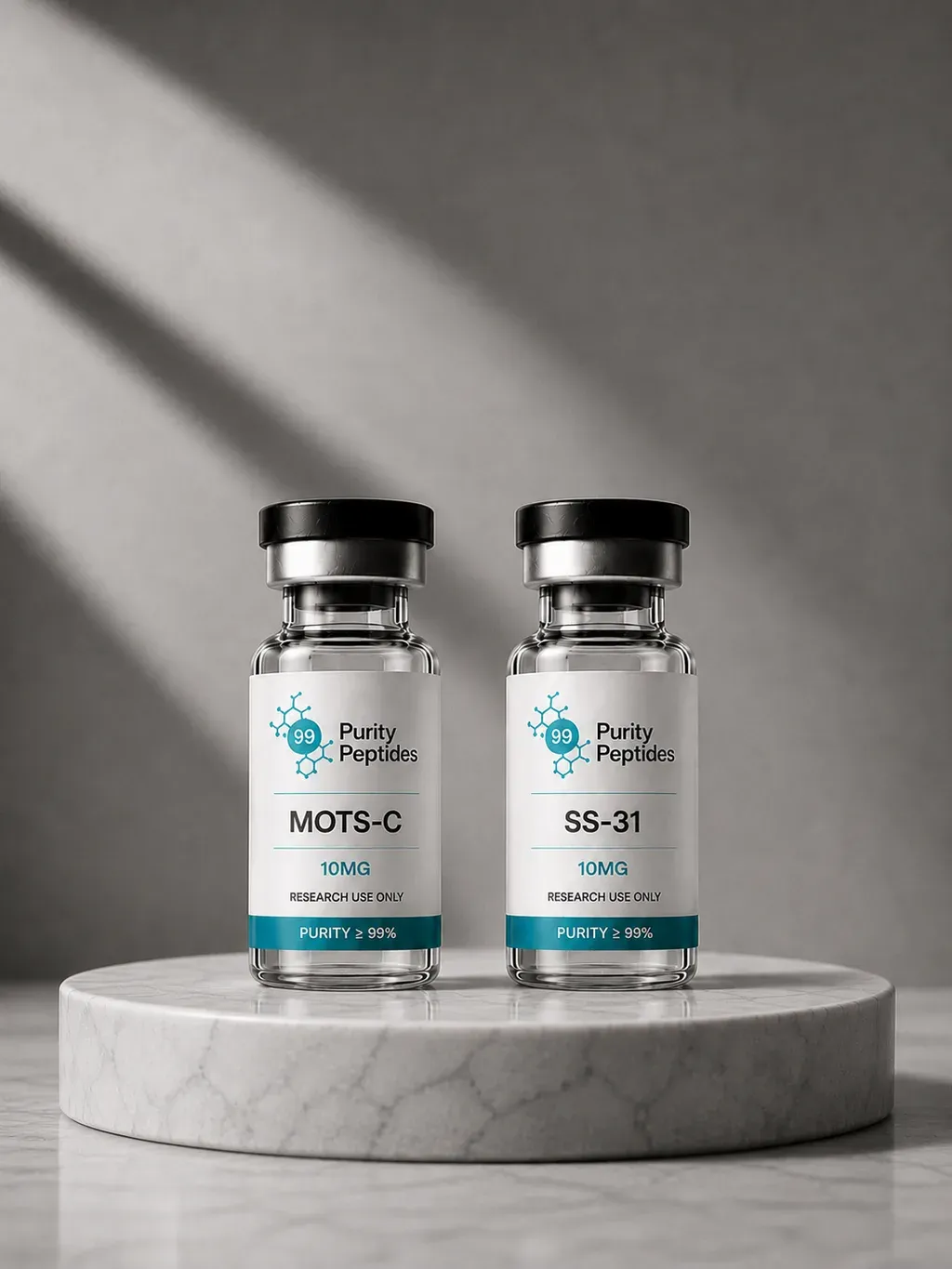
The Mitochondrial Peptide Pair supplies MOTS-c and SS-31 as matched 10 mg research vials. The two peptides share an organelle rather than a mechanism: MOTS-c is a sixteen-residue peptide encoded within mitochondrial DNA that signals outward to the nucleus, while SS-31 is a synthetic tetrapeptide designed to concentrate at the inner mitochondrial membrane. Supplied lyophilized. For research use only.
Peptide Bundles
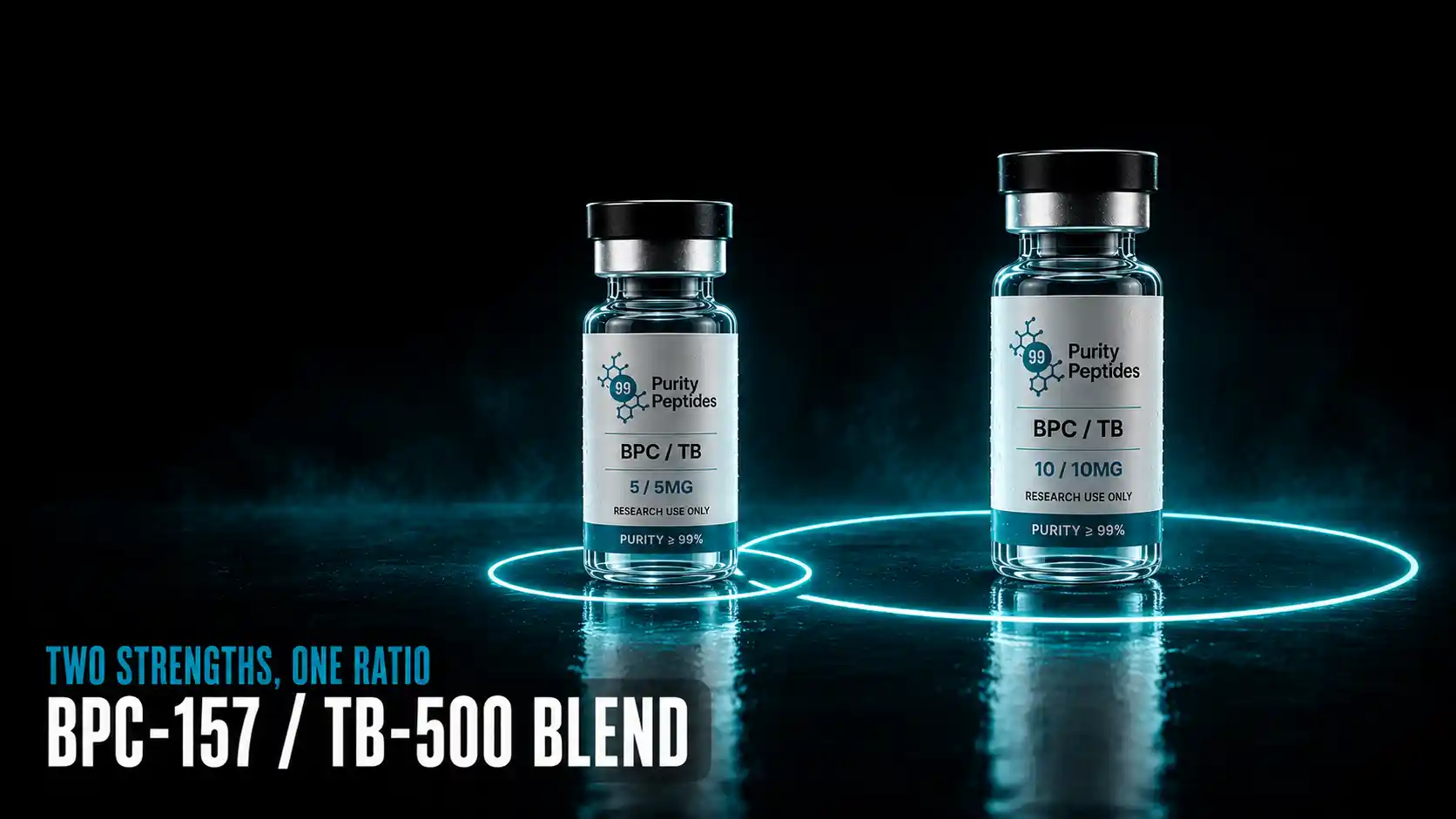
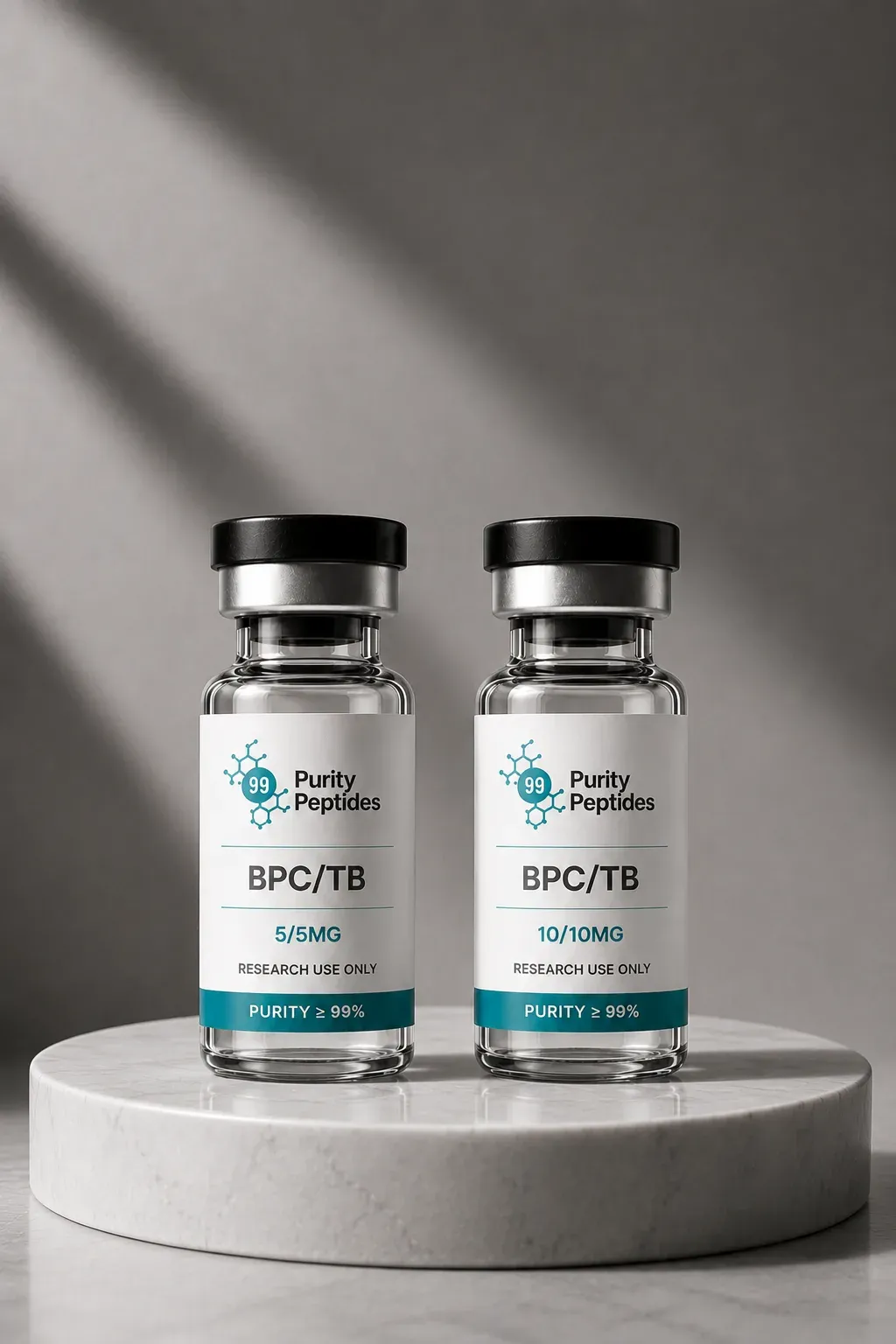
The BPC-157 / TB-500 research blend is supplied in two formats: 5 mg/5 mg and 10 mg/10 mg. The notation gives per-component mass, so a 5/5 vial contains 10 mg in total and a 10/10 vial contains 20 mg. Both formats hold the two compounds at a 1:1 ratio. Supplied lyophilized for laboratory reconstitution. For research use only.
Peptide Bundles
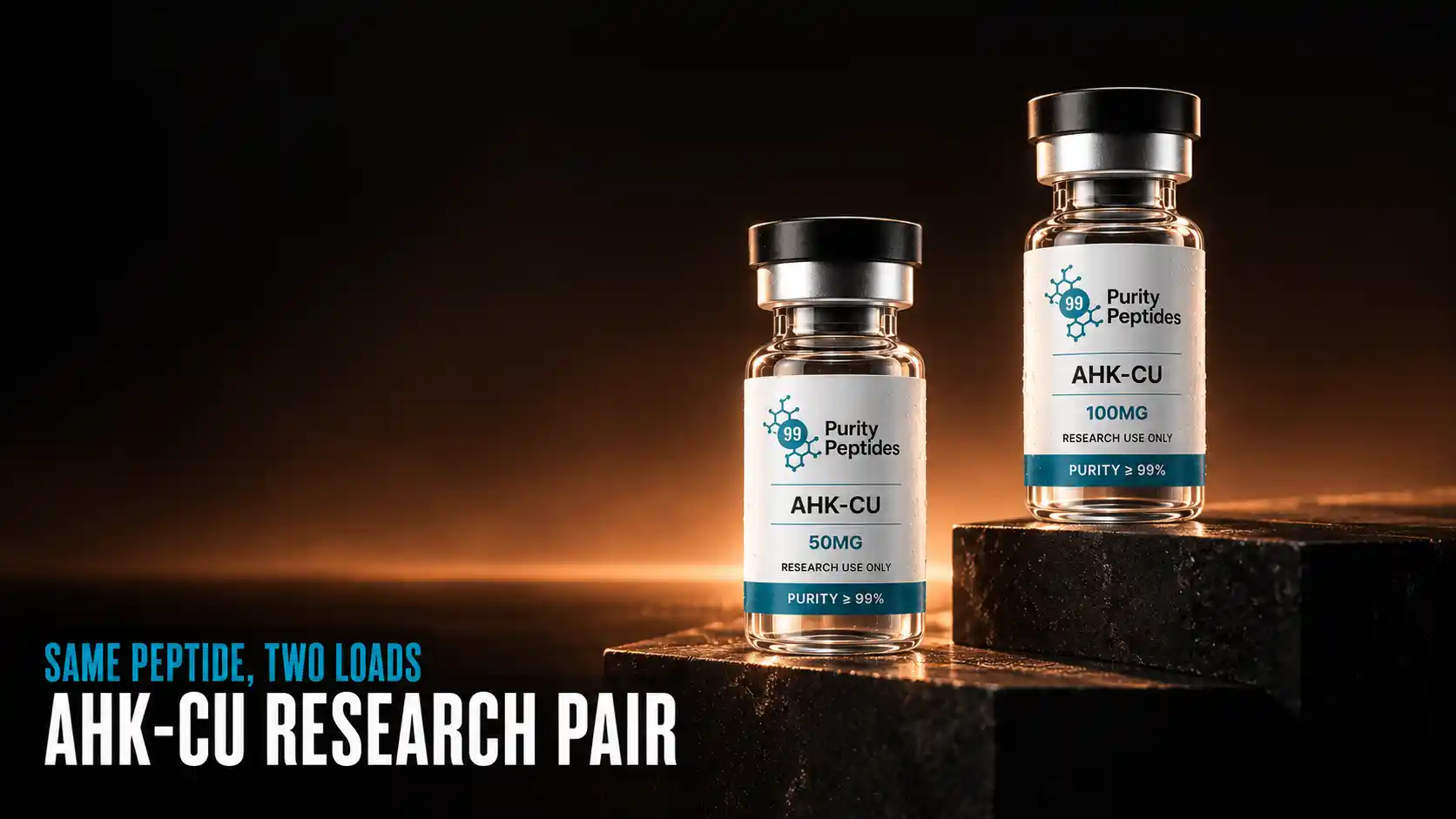
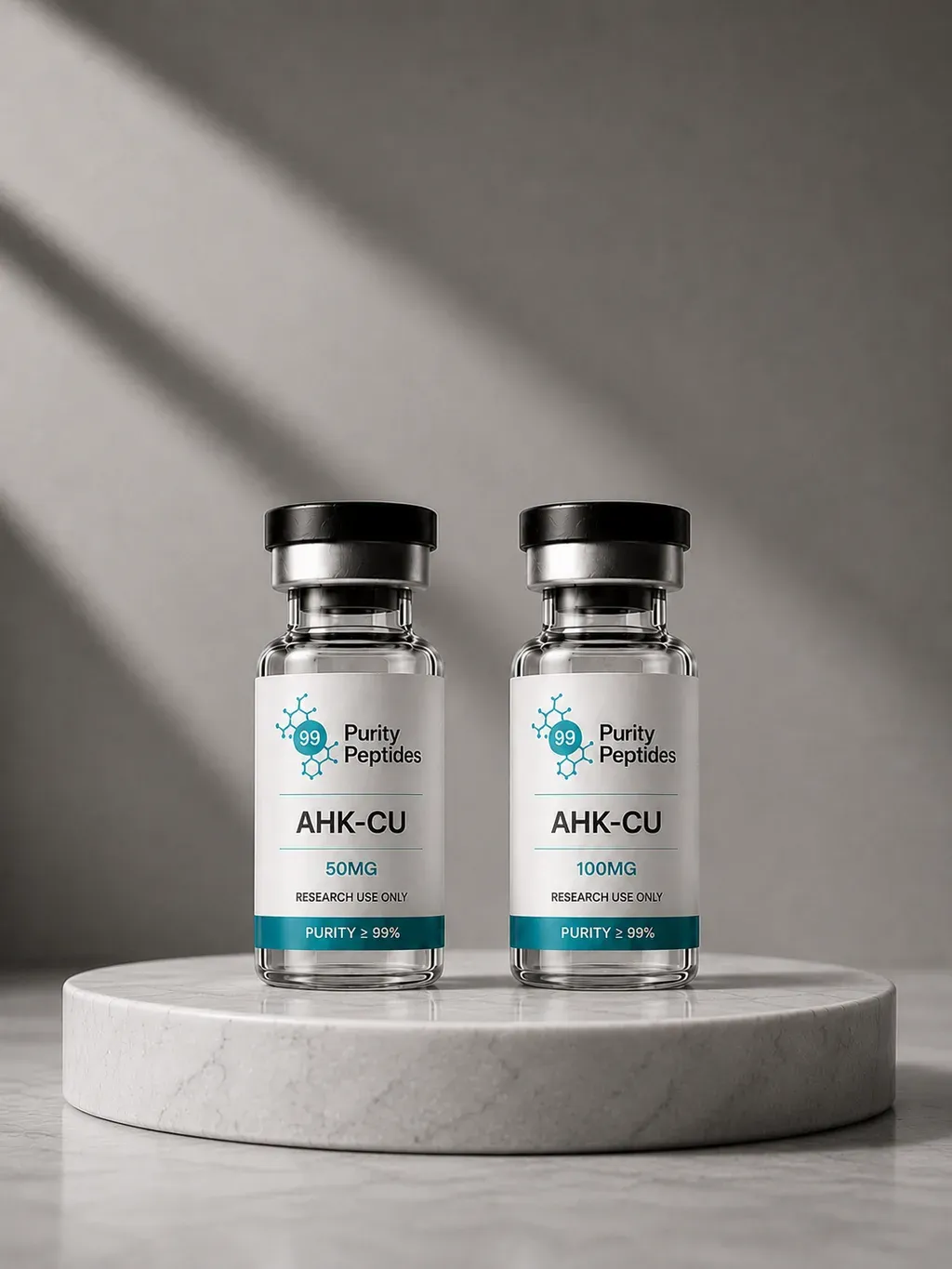
The AHK-Cu Research Pair supplies the copper tripeptide at two fill masses — 50 mg and 100 mg, 150 mg in total. Both vials contain the same compound to the same specification; only the quantity per vial differs. Two fill masses allow a target concentration to be reached at two different prepared volumes. For research use only.
Peptide Bundles
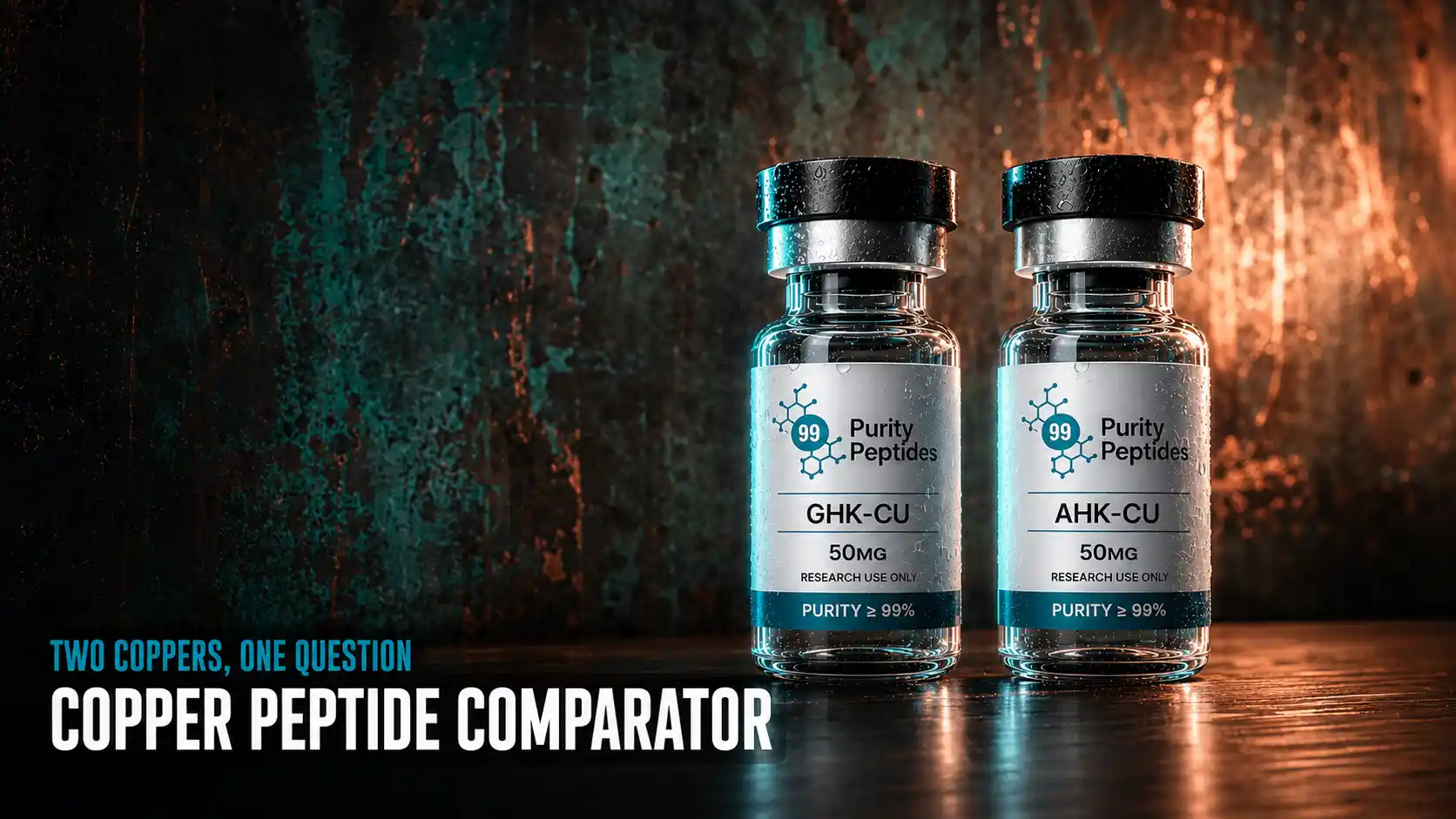
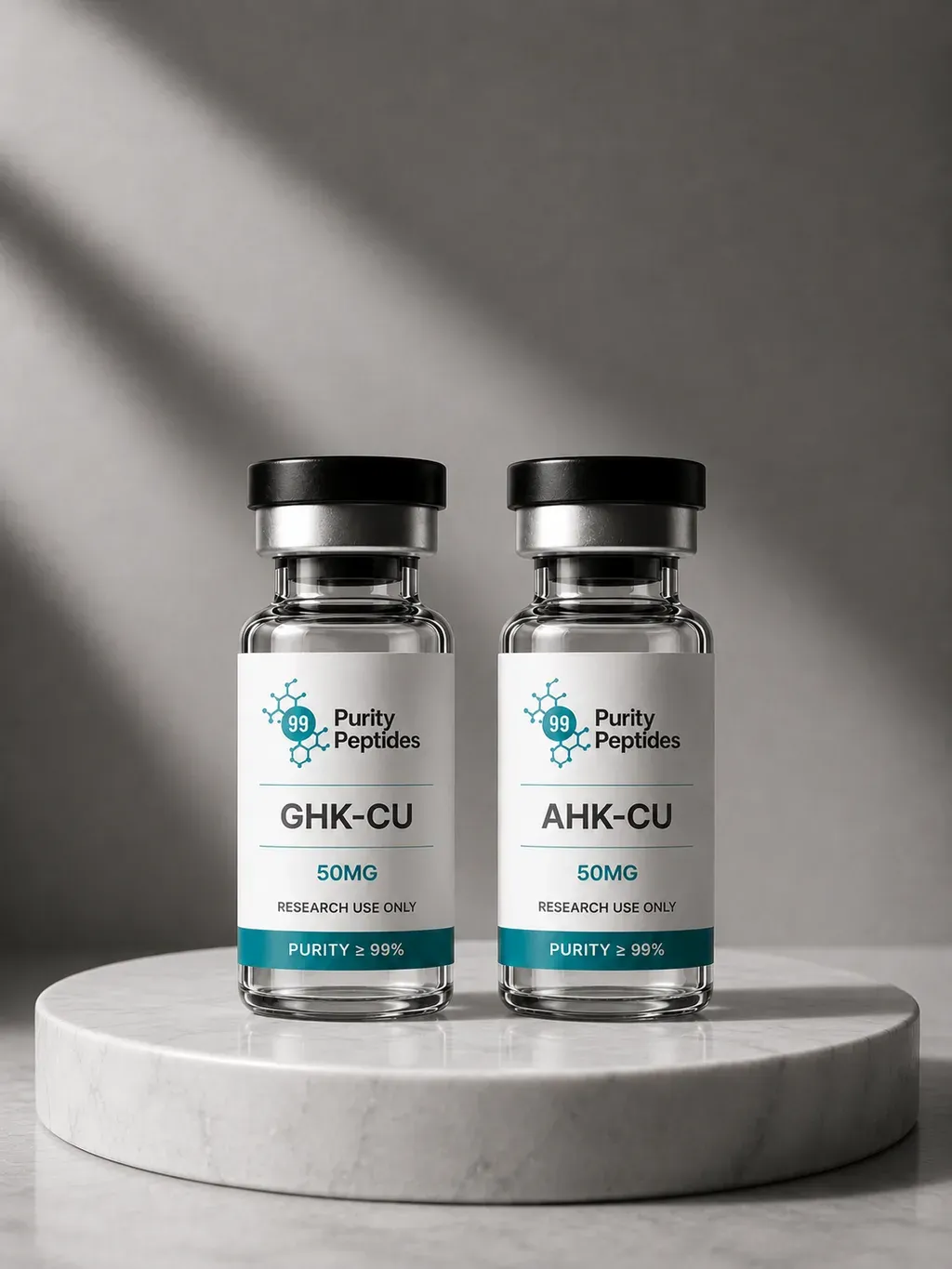
The Copper Peptide Comparator supplies GHK-Cu and AHK-Cu as matched 50 mg research vials. The two copper-binding tripeptides differ at a single position — glycine in GHK-Cu, alanine in AHK-Cu — at a residue that participates directly in copper coordination. The pair supports structure-activity comparison between a well-characterised endogenous peptide and its synthetic analog. Supplied lyophilized. For research use only.
Peptide Bundles
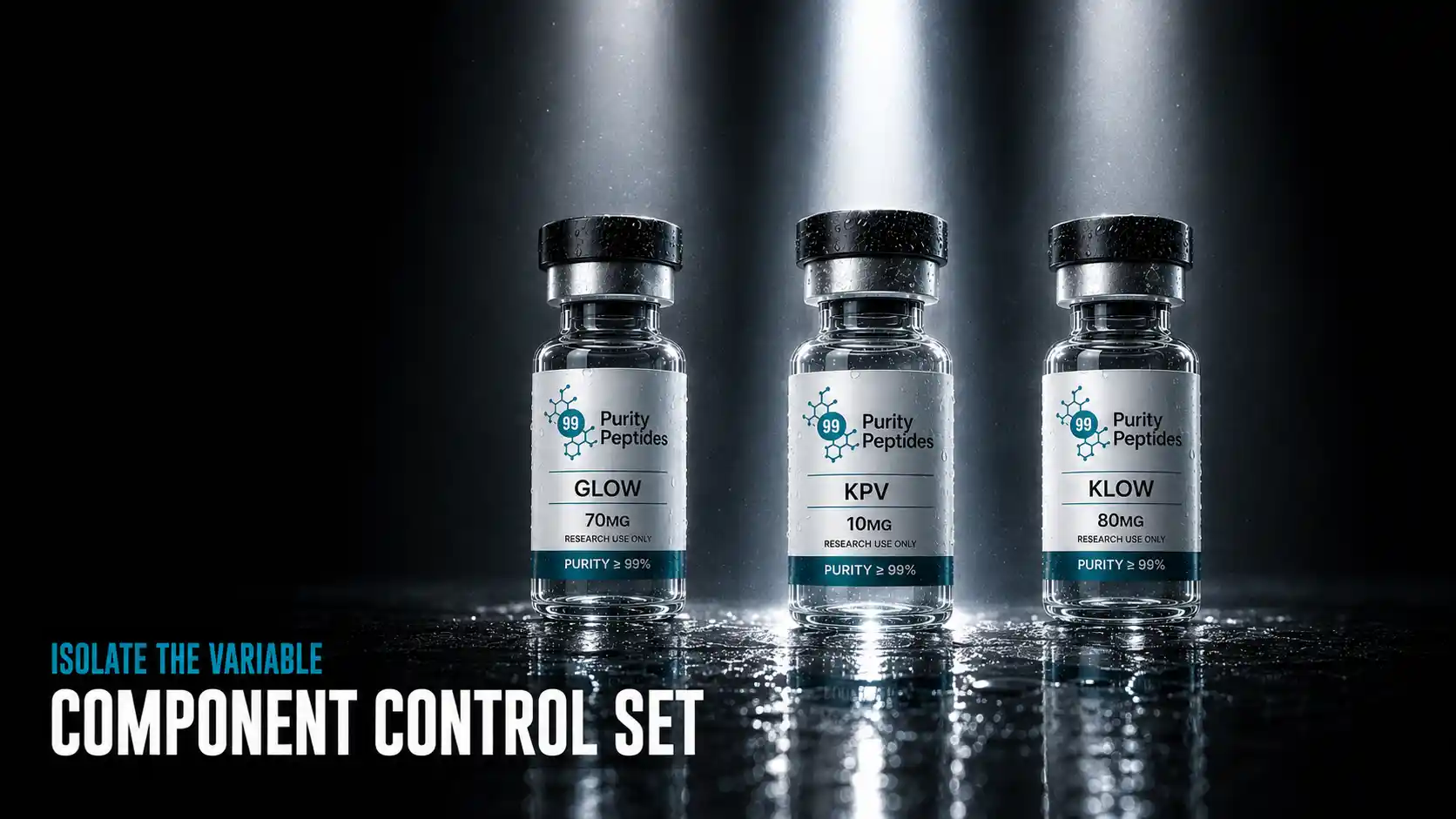
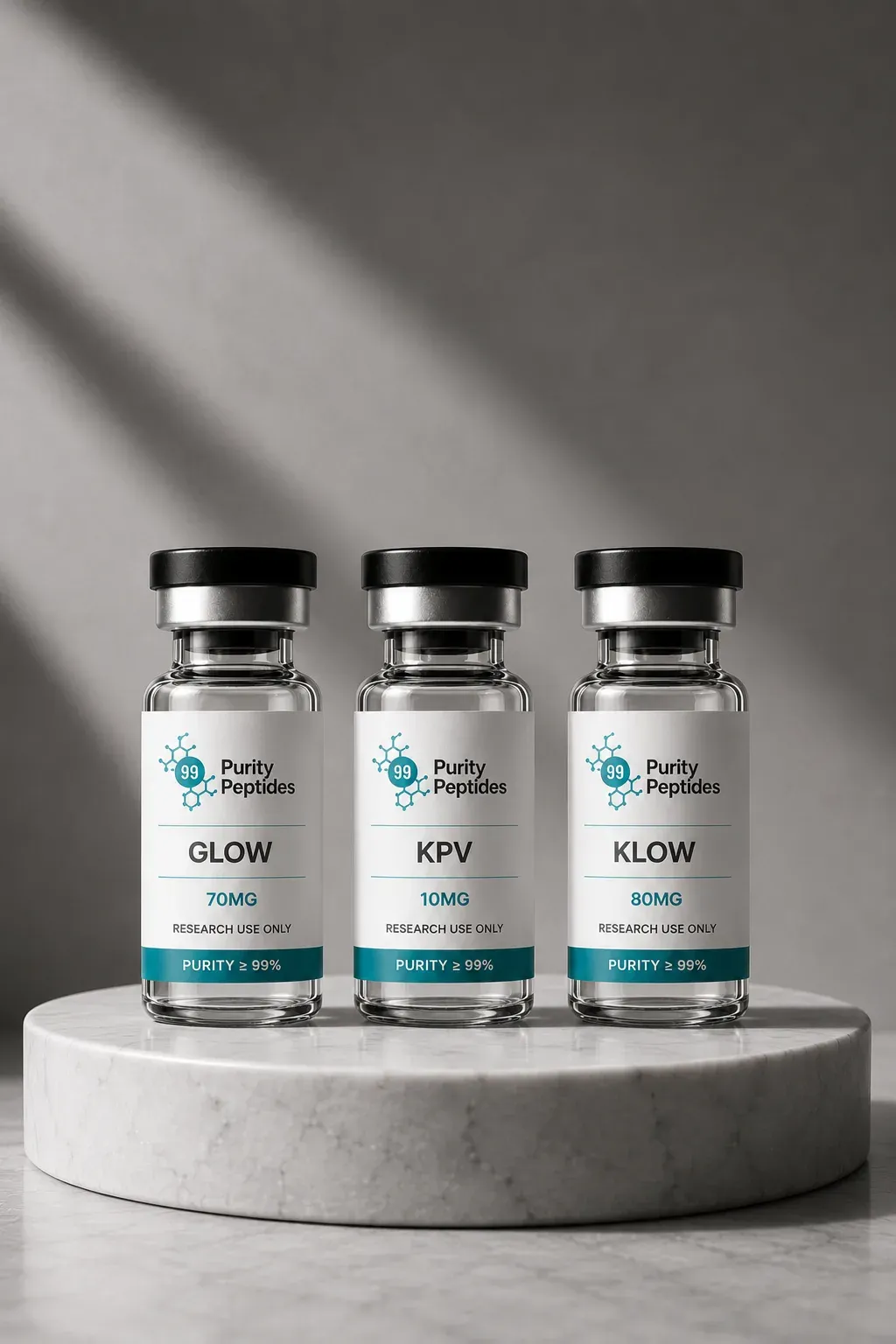
The KLOW Component-Control Set supplies three research vials: GLOW at 70 mg, KPV at 10 mg, and KLOW at 80 mg. GLOW is the three-component base, KLOW is that base plus KPV, and the standalone KPV vial isolates the compound that separates them. All three reconstitute to matching concentrations at a single volume. Supplied lyophilized for laboratory use. For research use only.
Peptide Bundles
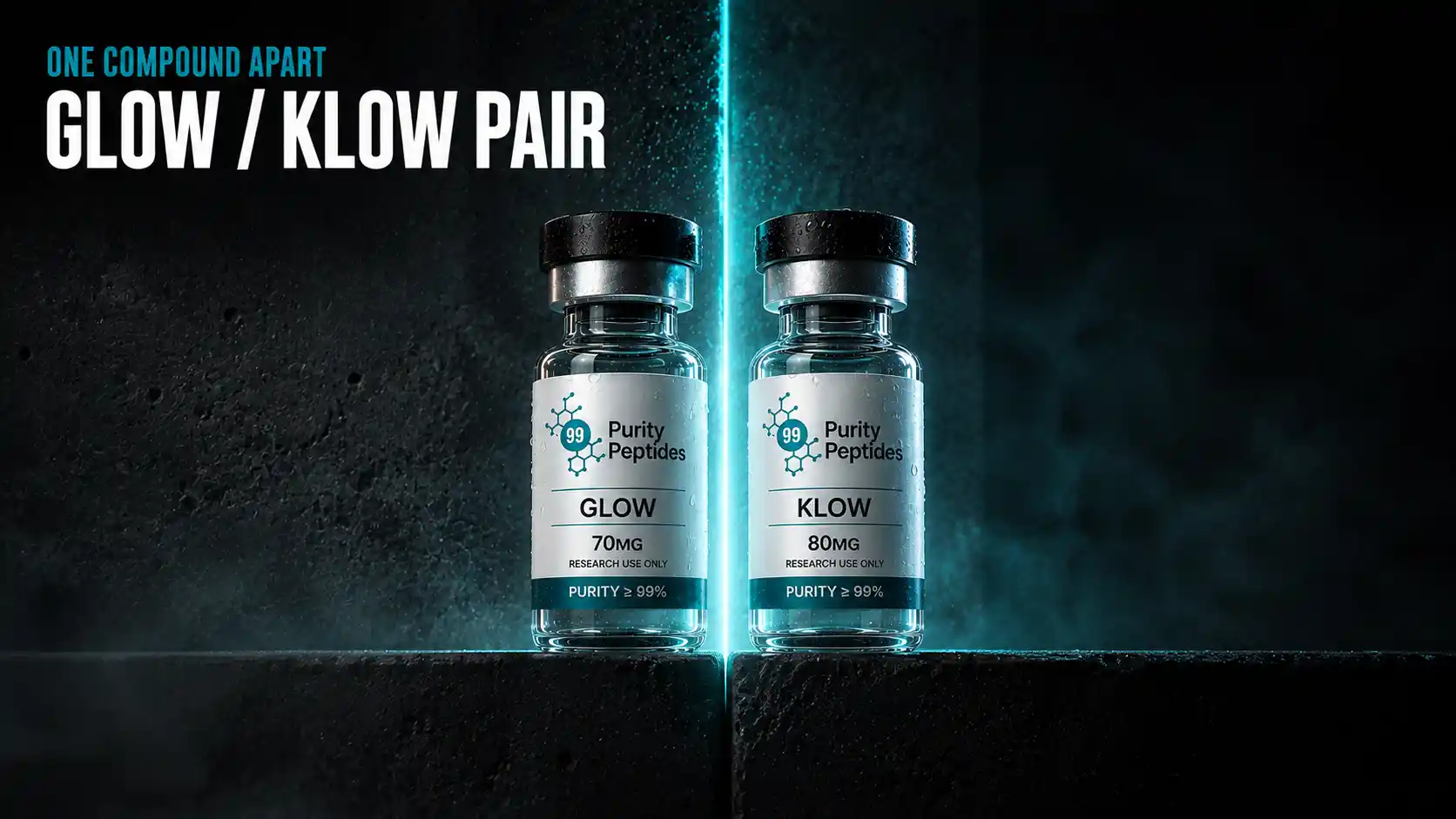
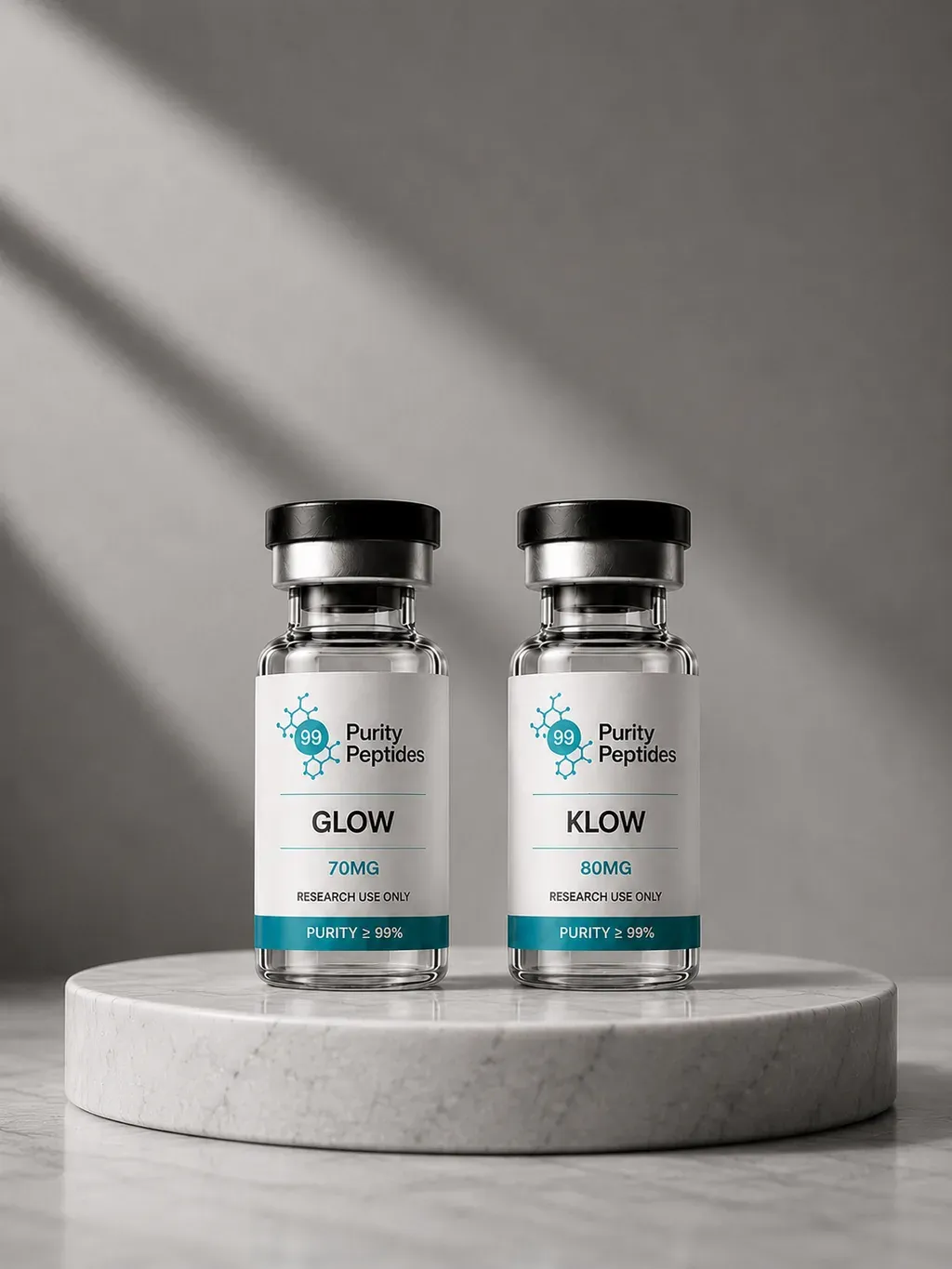
The GLOW / KLOW Comparative Pair supplies both blends as matched research vials — GLOW at 70 mg across three compounds, and KLOW at 80 mg across four. KLOW contains the same components as GLOW with KPV added, at the same base masses. That makes KPV the only compositional variable between the two vials. Supplied lyophilized for laboratory reconstitution. For research use only.
Nasal Sprays
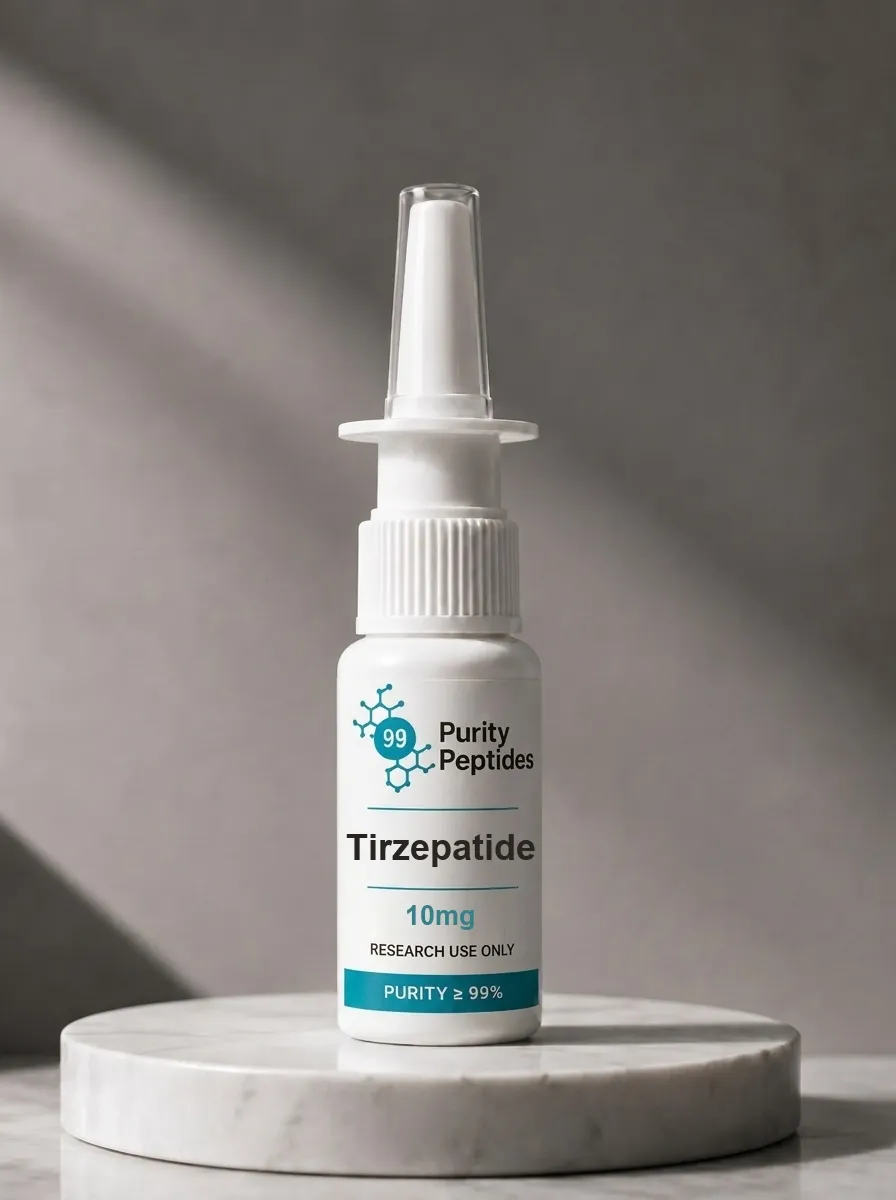
Glp-1TRZ Spray is a research-grade synthetic dual GIP and GLP-1 receptor agonist peptide formulated in a pre-metered liquid vehicle for non-invasive laboratory research. As a lipidated 39-amino-acid peptide (C20 fatty diacid attached via a hydrophilic linker at Lys20), Glp-1TRZ (sequence: GIP-derived base) is highly resistant to enzymatic degradation. Formulated as a stabilized solution at a strength of, each bottle contains analytically verified peptide by HPLC to support reproducible metabolic and glucose regulation investigations.
Nasal Sprays
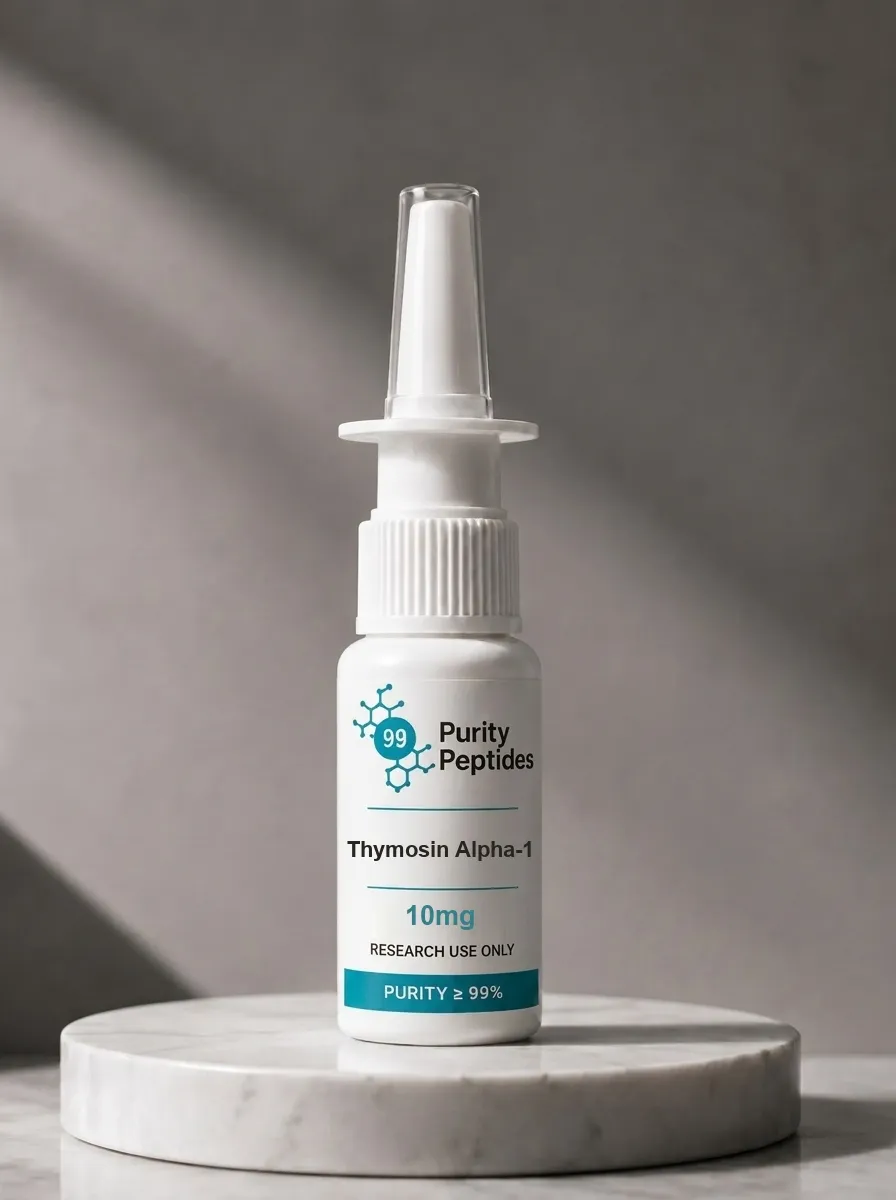
Thymosin Alpha-1 Spray is a research-grade synthetic 28-amino-acid peptide immunomodulator formulated in a pre-metered liquid vehicle for non-invasive laboratory research. Functioning as a stable analog of endogenous thymic peptide, Thymosin Alpha-1 (sequence: Ac-Ser-Asp-Ala-Ala-Val-Asp-Thr-Ser-Ser-Glu-Ile-Thr-Thr-Lys-Asp-Leu-Lys-Glu-Lys-Lys-Glu-Val-Val-Glu-Glu-Ala-Glu-Asn-OH) is studied for its ability to bind Toll-like receptors (TLR4 and TLR9), stimulating dendritic cell maturation and T-cell differentiation. Formulated as a stabilized solution, each bottle contains total active peptide, analytically verified by HPLC to support reproducible scientific investigations.
Nasal Sprays
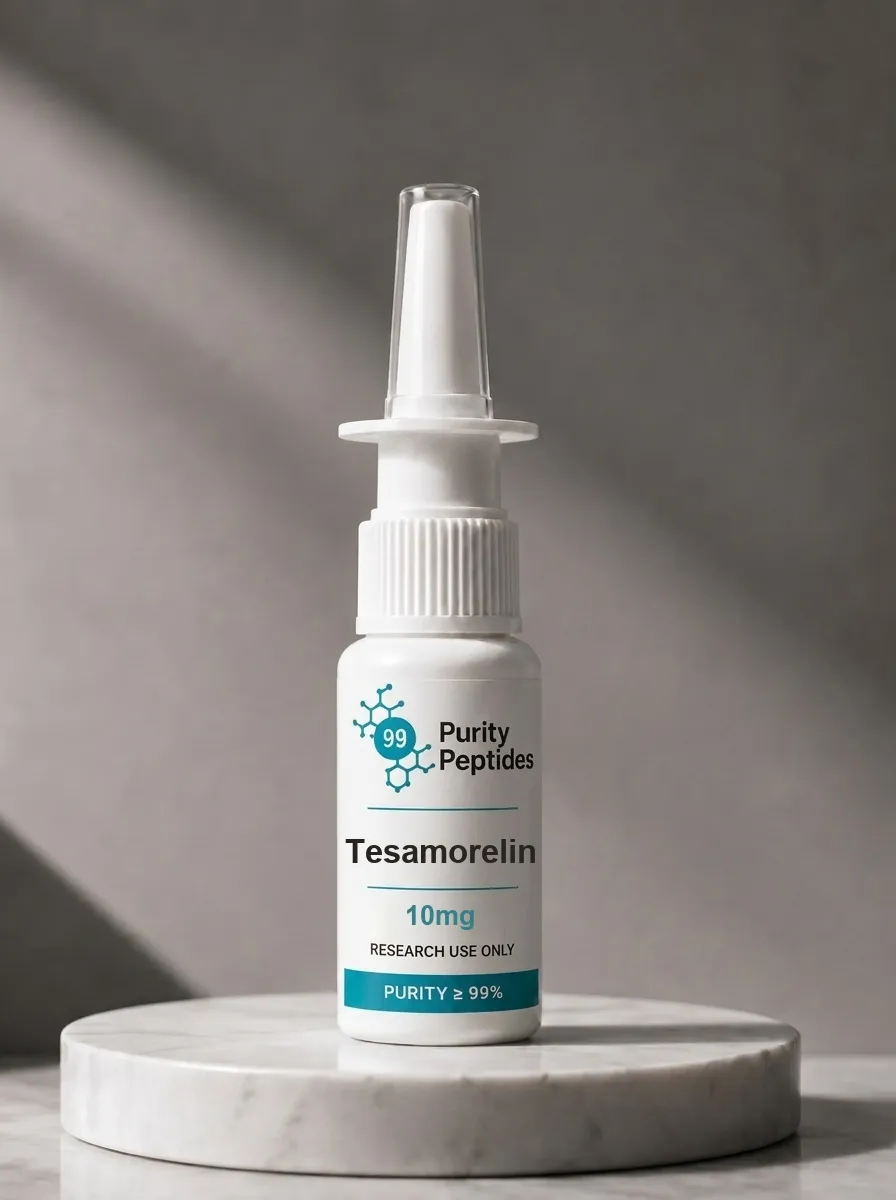
Tesamorelin Spray is a research-grade synthetic Growth Hormone-Releasing Hormone (GHRH) receptor agonist analog formulated in a pre-metered liquid vehicle for non-invasive laboratory research. Stabilized with a trans-3-hexenoic acid group at the N-terminus, Tesamorelin (sequence: trans-3-hexenoyl-GHRH(1-44)NH2) is highly resistant to dipeptidyl peptidase-4 (DPP-4) enzymatic degradation. Formulated as a stabilized solution at a strength of, each bottle contains analytically verified peptide by HPLC to support reproducible endocrine investigations.
Nasal Sprays
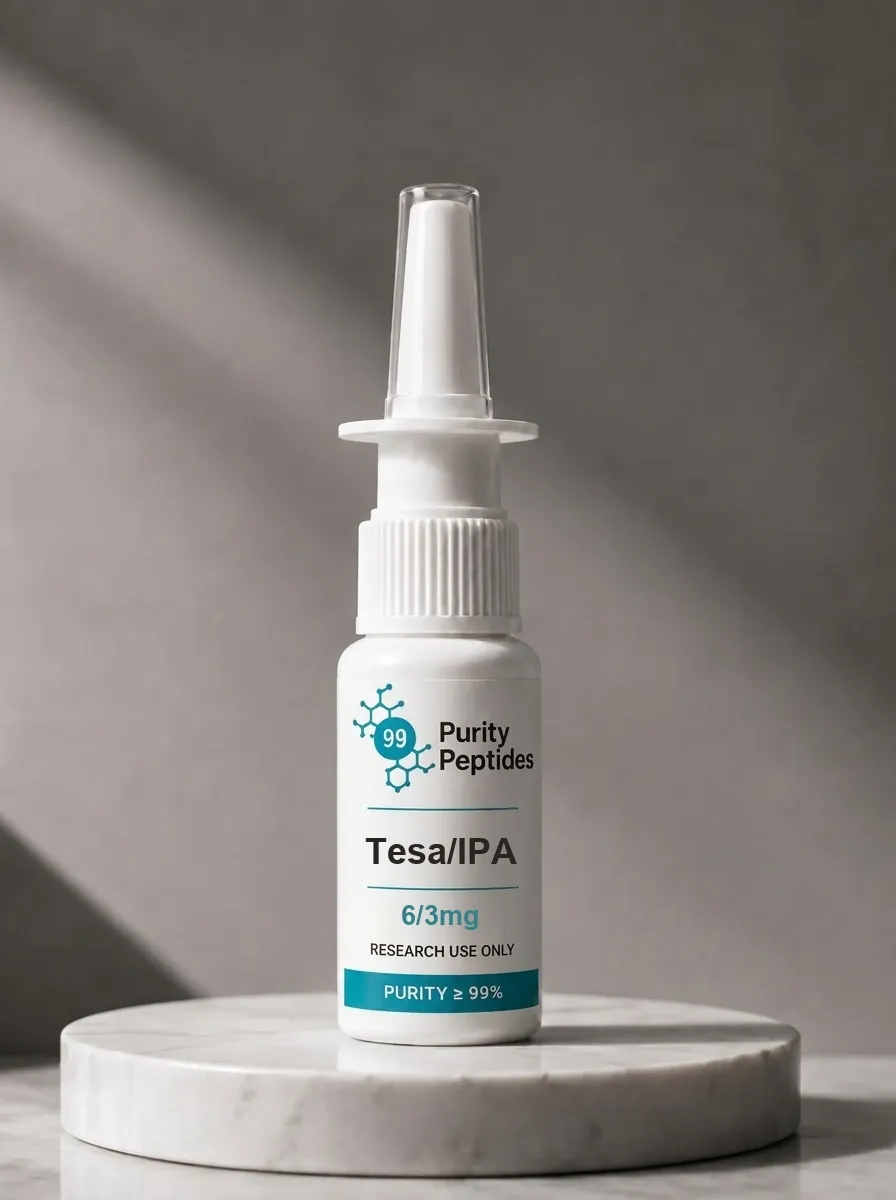
Tesa/IPA 6/3mg Spray is a compounded dual-peptide research solution formulated in a pre-metered liquid vehicle for non-invasive laboratory research. Combining a stabilized GHRH receptor agonist with a selective growth hormone secretagogue, each bottle delivers 6mg Tesamorelin Tesamorelin (trans-3-hexenoyl-GHRH) and 3mg Ipamorelin Ipamorelin (`Aib-His-D-2-Nal-D-Phe-Lys-NH2`). Formulated as a stabilized solution, it is designed to investigate the synergistic pathways of pituitary somatotroph secretagogue signaling and lipolysis in mucosal transport models.
Nasal Sprays
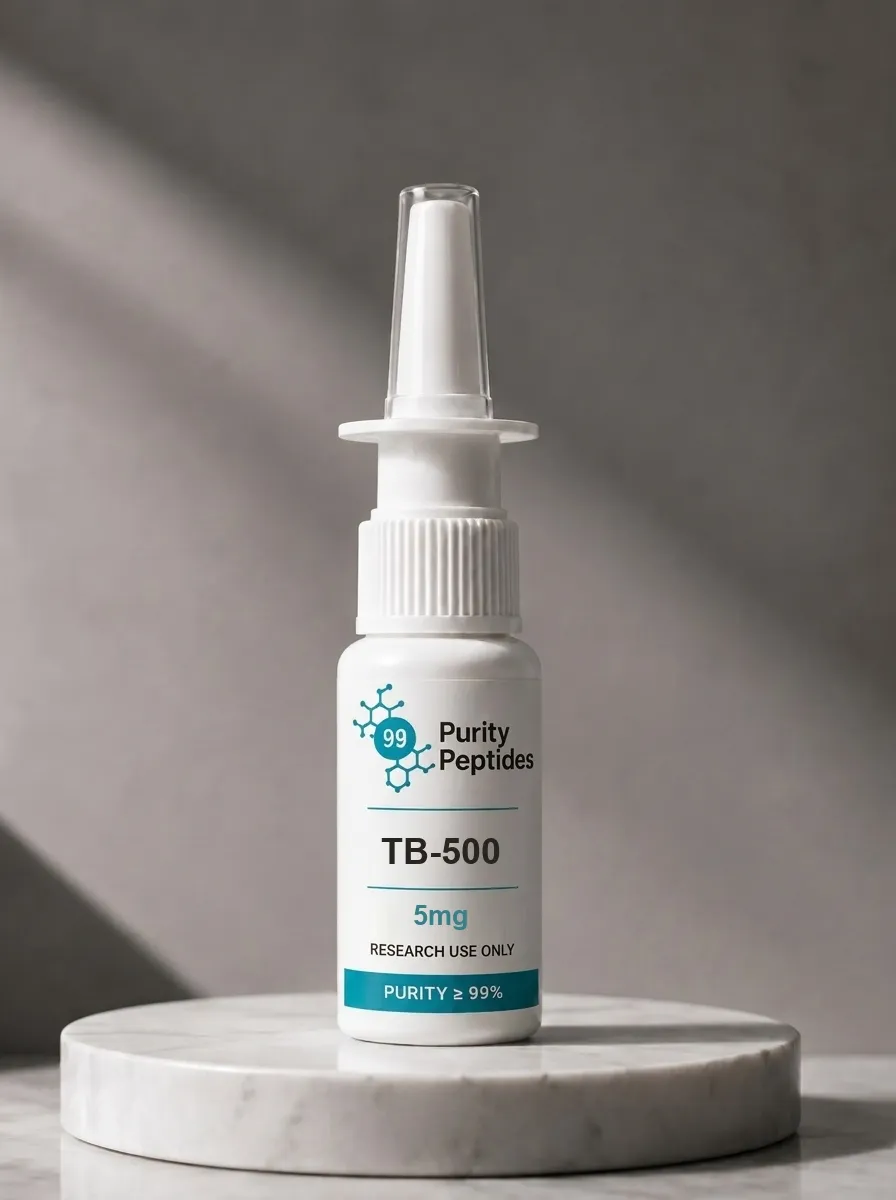
TB-500 Spray (Thymosin Beta-4 analog) is a research-grade synthetic peptide formulated in a pre-metered liquid vehicle for non-invasive laboratory research. Mimicking endogenous Thymosin Beta-4, TB-500 (sequence: Ac-Ser-Asp-Lys-Pro-Asp-Met-Ala-Glu-Ile-Glu-Lys-Phe-Asp-Lys-Ser-Lys-Leu-Lys-Lys-Thr-Glu-Thr-Gln-Glu-Lys-Asn-Pro-Leu-Pro-Ser-Lys-Glu-Thr-Ile-Glu-Gln-Glu-Lys-Gln-Ala-Gly-Glu-Ser-OH) acts as a primary actin-sequestering peptide, binding monomeric G-actin in a 1:1 ratio. Formulated as a stabilized solution at a strength of, each bottle supports reproducible tissue repair and angiogenesis investigations.
Nasal Sprays
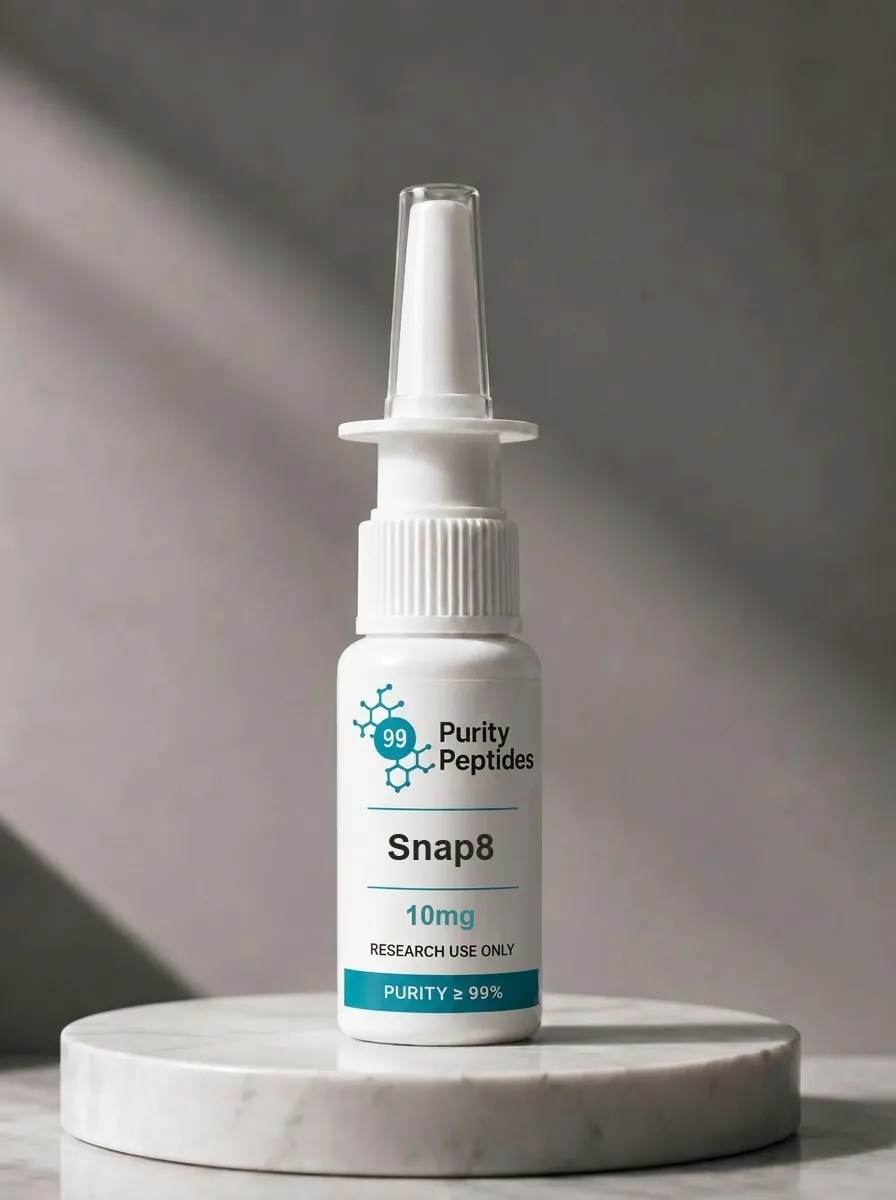
Snap8 Spray (Acetyl Octapeptide-3) is a research-grade synthetic octapeptide designed to destabilize the SNARE complex, formulated in a pre-metered liquid vehicle for non-invasive laboratory research. As a stable analog of the N-terminal end of SNAP-25, Snap8 (sequence: Ac-Glu-Glu-Met-Gln-Arg-Arg-Ala-Asp-NH2) competes for binding in the SNARE complex, suppressing calcium-dependent acetylcholine release at the neuromuscular junction. Formulated as a stabilized solution at a strength of, each bottle supports reproducible neuromuscular investigations.
(faqs)
Common questions about research peptides, ordering, and lab standards