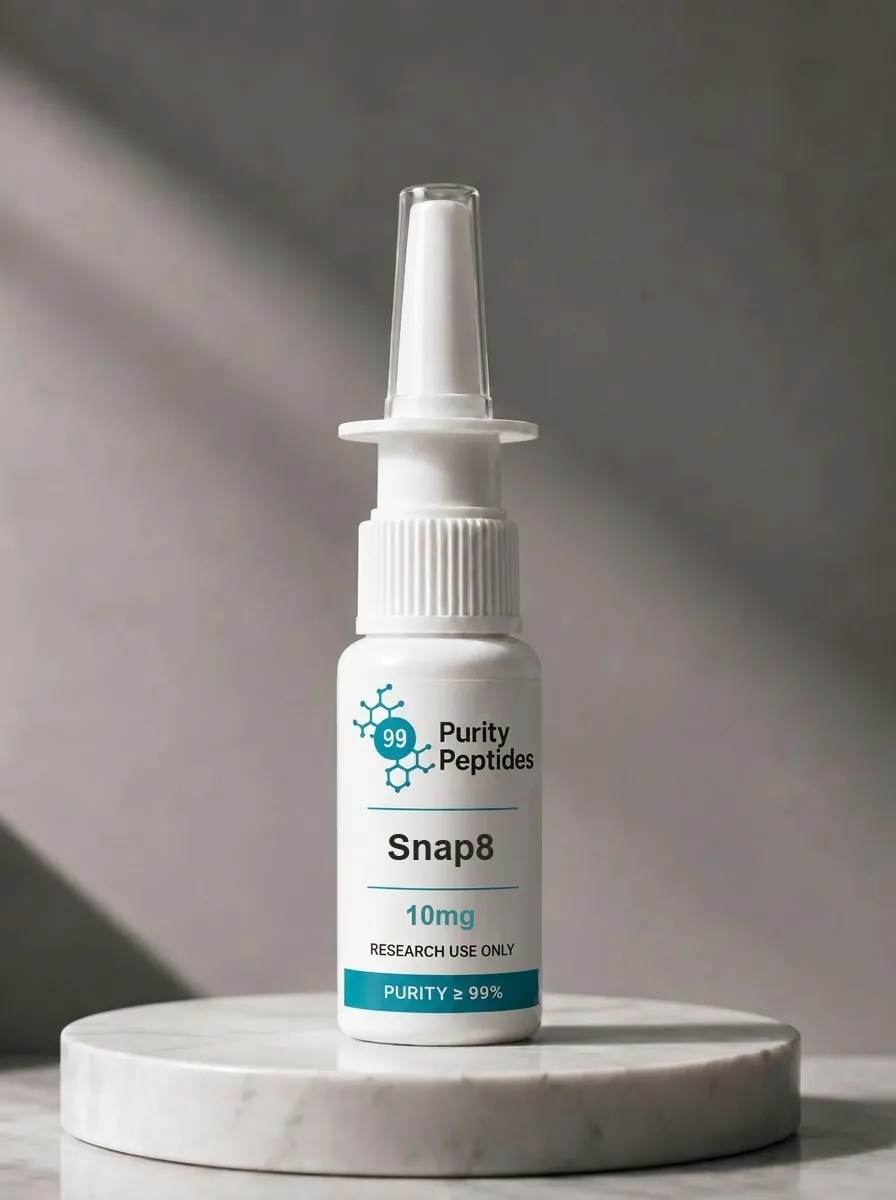
Snap8 10mg Spray (Acetyl Octapeptide-3) is a research-grade synthetic octapeptide designed to destabilize the SNARE complex, formulated in a pre-metered liquid vehicle for non-invasive laboratory research. As a stable analog of the N-terminal end of SNAP-25, Snap8 (sequence: Ac-Glu-Glu-Met-Gln-Arg-Arg-Ala-Asp-NH2) competes for binding in the SNARE complex, suppressing calcium-dependent acetylcholine release at the neuromuscular junction. Formulated as a stabilized solution at a strength of 10mg, each bottle supports reproducible neuromuscular investigations.
HPLC certified
Independent analysis
Highest standard
Full traceability
Snap8 10mg Spray is a synthetic 8-amino-acid peptide solution designed to evaluate non-invasive mucosal/topical transport kinetics and localized neuromuscular synaptic transmission. Functioning as a SNAP-25 competitive mimic, Snap8 destabilizes the SNARE protein complex, reducing the release of the neurotransmitter acetylcholine from synaptic vesicles and attenuating muscle cell contractility. Unlike standard cosmetic formulations, this 10mg research-grade spray provides a concentration-verified, pre-dissolved liquid format calibrated for controlled laboratory assays.
Researchers continue to investigate Snap8 across major areas of cell biology, including neuromuscular junction mechanics, calcium-regulated vesicle exocytosis, myofibrillar tension, and dermal transport kinetics in skin models. The liquid spray formulation is of high scientific interest because it allows researchers to study epithelial membrane transport kinetics of small peptides and tight junction interactions in mucosal or epidermal tissues without invasive administration. Formulated with high-purity research-grade materials and verified by HPLC, Snap8 10mg Spray is a specialized molecular tool for laboratories examining synaptic vesicle fusion under controlled conditions.
Snap8 10mg Spray is a research-grade synthetic peptide solution developed for laboratory investigations involving synaptic transmission, vesicle biology, and non-invasive delivery methods. Chemically classified as Acetyl Octapeptide-3, it comprises 8 amino acid residues with the sequence Ac-Glu-Glu-Met-Gln-Arg-Arg-Ala-Asp-NH2, containing an acetylated N-terminus and an amidated C-terminus. As an investigational compound, Snap8 is studied for its ability to bind to the SNARE complex components, inhibiting calcium-dependent neurotransmitter release.
From a molecular research perspective, Snap8 Spray provides a valuable model for investigating the transport kinetics of small synthetic peptides across epithelial cell layers. Standard peptide studies frequently depend on topical creams or emulsions; however, liquid spray preparations enable researchers to evaluate how polar octapeptides cross mucosal membranes, interact with tight junctions, and engage localized neuromuscular junctions. This spray format is particularly suited for research involving nasal mucosal cell lines.
Current laboratory investigations examine Snap8's interaction with the SNARE (Soluble NSF Attachment Protein Receptor) complex at the presynaptic membrane. The SNARE complex—consisting of SNAP-25, syntaxin, and synaptobrevin (VAMP)—is the core macromolecular machinery mediating synaptic vesicle fusion. Snap8 mimics the N-terminal end of SNAP-25, competing for assembly in this complex. This competitive binding results in a destabilized SNARE structure, preventing vesicle fusion and inhibiting the exocytosis of acetylcholine into the synaptic cleft.
Beyond vesicle fusion inhibition, researchers use Snap8 to explore muscle cell contractility and mechanical tension in cell culture models. Studies measure the reduction in cellular calcium-dependent twitch responses and muscle cell line contraction frequency when exposed to the peptide. This pathway is studied to analyze receptor sensitivity, cellular signaling thresholds, and mechanical feedback mechanisms under varying concentration ranges.
In neurobiology and dermatological research, the intranasal spray format provides an optimized experimental model for studying direct blood-brain barrier (BBB) bypass or localized topical absorption kinetics. Researchers evaluate whether mucosal delivery via olfactory or trigeminal nerve pathways facilitates direct transport of octapeptides to cranial nerve synaptic terminals. This allows the study of central synapse modulation and localized neuromuscular relaxation without systemic variables.
Each bottle of Snap8 Spray is manufactured using solid-phase peptide synthesis (SPPS), followed by purification and solution formulation steps. The resulting active peptide is dissolved in a stabilized, buffered aqueous solution calibrated to ensure exact concentration per metered spray activation. Quality control protocols include reverse-phase high-performance liquid chromatography (HPLC) for purity verification and liquid chromatography-mass spectrometry (LC-MS) for molecular identity confirmation.
To preserve the stability of the peptide in solution, Snap8 Spray should be stored under refrigeration (2°C to 8°C) and protected from light. Because small peptides can undergo hydrolysis or peptide cleavage in aqueous environments over time, maintaining refrigerated storage and minimizing atmospheric exposure is critical to preserving peptide integrity. Proper handling supports consistent concentration and analytical reproducibility across laboratory protocols.
Scientific interest in Snap8 continues to expand as researchers seek to characterize its stability, SNARE complex interactions, and transport kinetics. Nevertheless, many aspects of its cellular signaling and epithelial transport remain active areas of scientific inquiry. Ongoing studies continue to refine the understanding of vesicle fusion inhibitors in biological systems. For this reason, Snap8 Spray should be regarded as an investigational compound whose primary value lies in advancing scientific knowledge of neurobiology receptor biology.
Snap8 Spray is supplied exclusively for laboratory research and analytical applications. It is intended for Research Use Only (RUO) and is not approved for human consumption, therapeutic use, veterinary use, or diagnostic purposes.
Be the first to share your experience with this product and help other researchers!
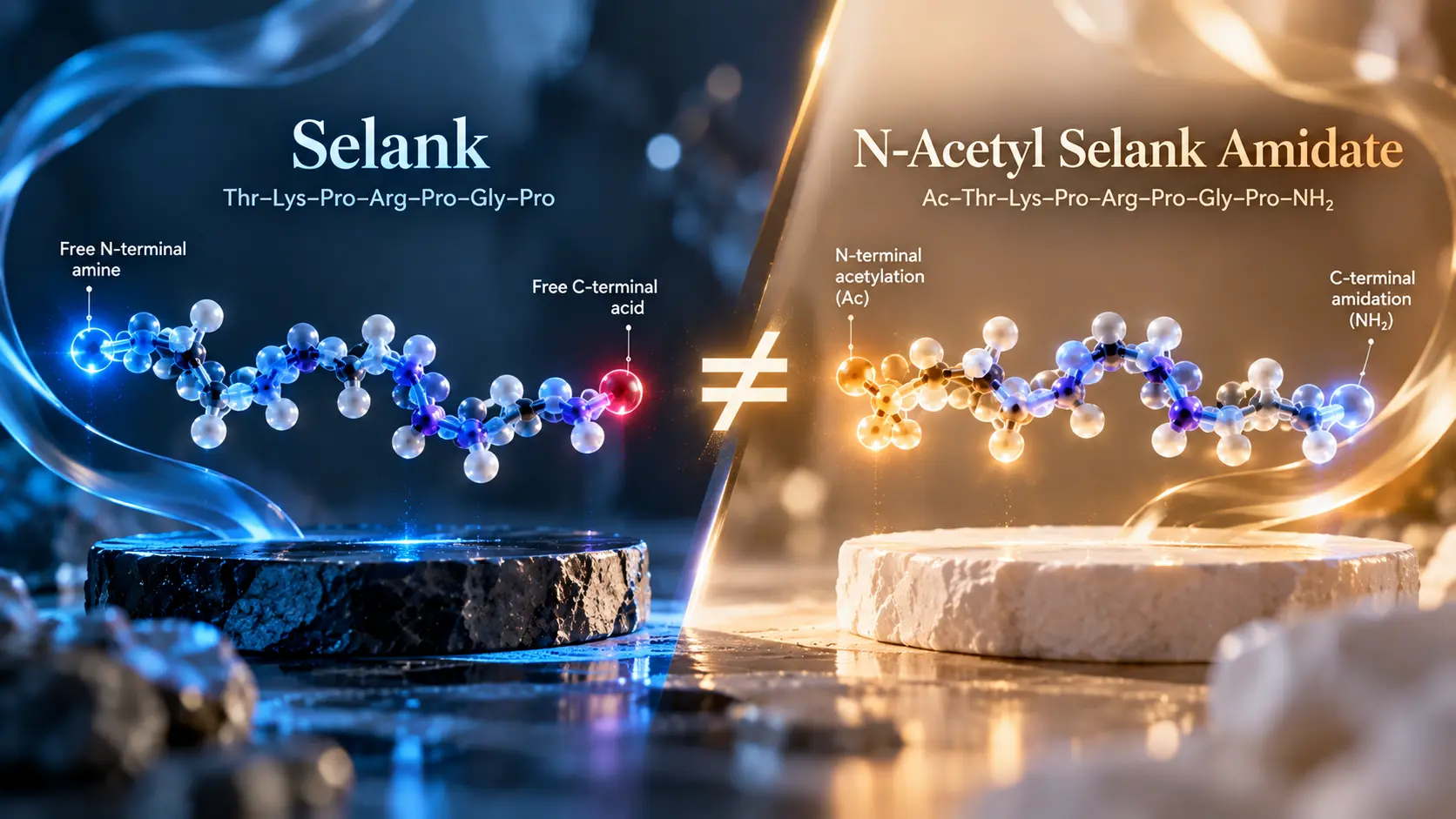
N-acetyl selank amidate is not Selank's full chemical name. Compare sequences, masses and database records, and learn how to tell the two apart on a COA.
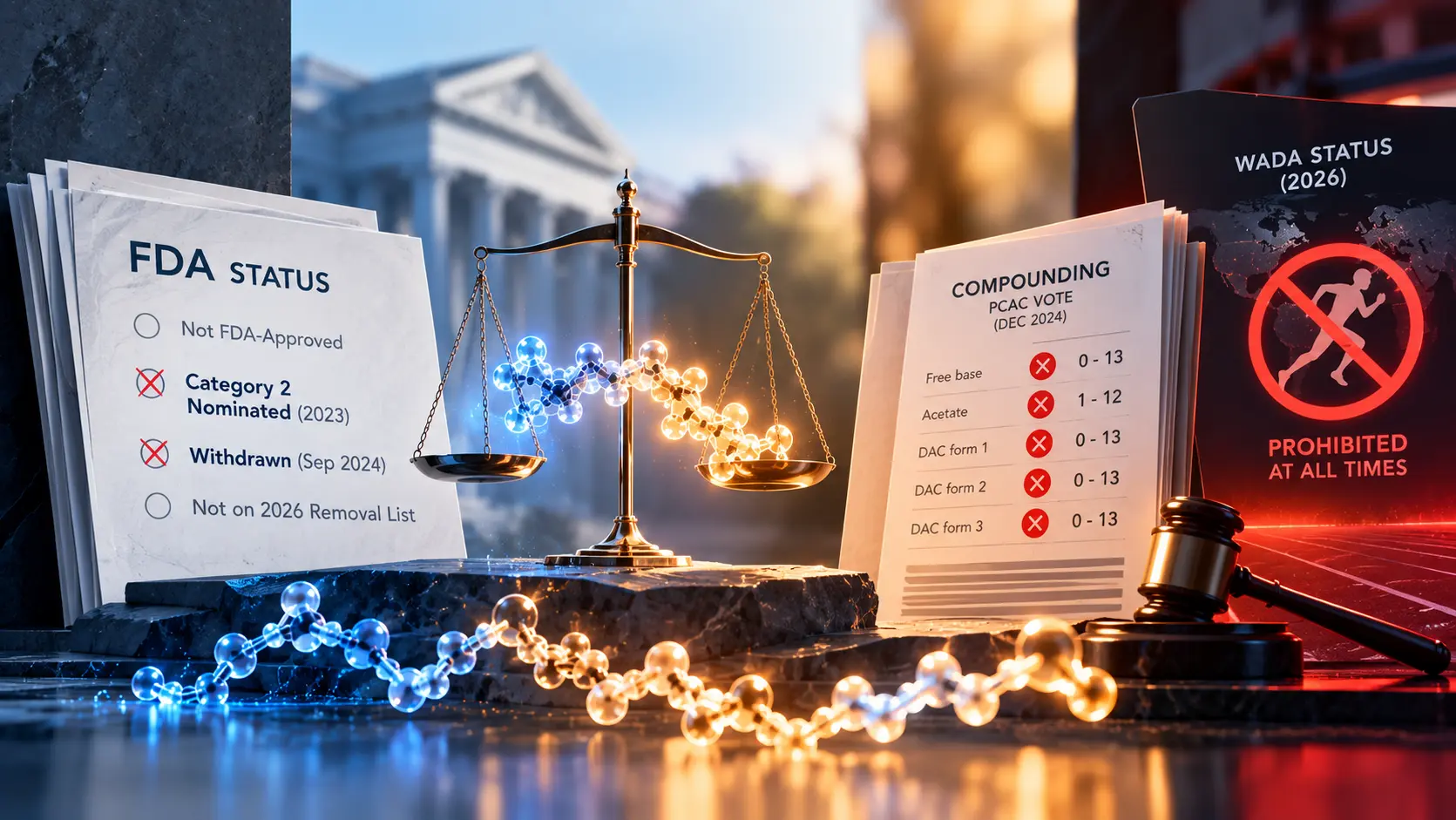
Is CJC-1295 legal? It is not FDA-approved, left FDA Category 2 in 2024, was voted down for 503A compounding, and is banned by WADA. Verified status.
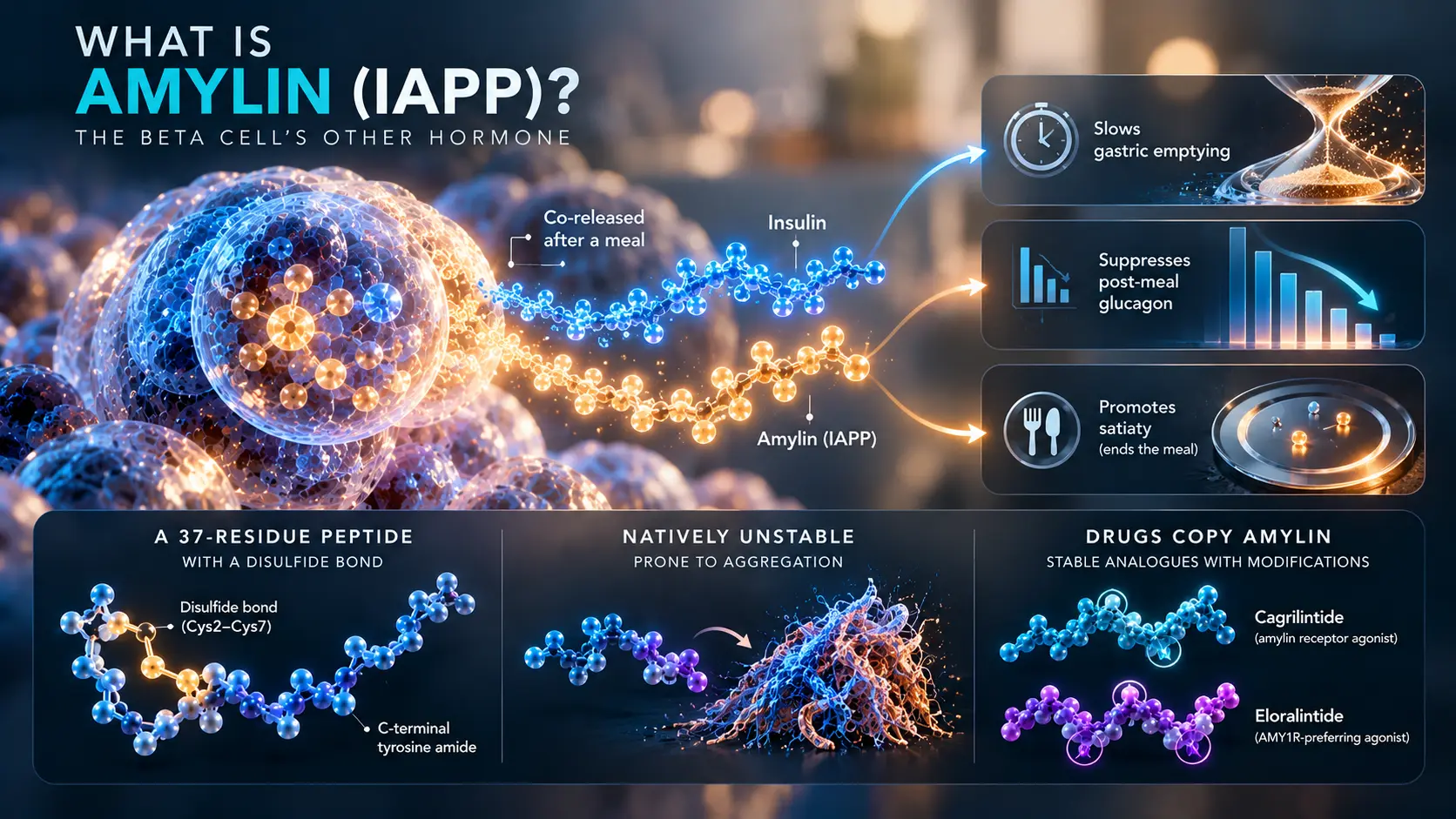
What is amylin? A 37-residue hormone the beta cell releases alongside insulin. Its real job, why it clumps, and how cagrilintide and eloralintide copy it.
(faqs)