
Peptide Nasal Sprays For Research
Pre-metered research sprays in single-compound and blend formats. See how the format works, what published research says about the nasal route, and how to read a listing before you order.
What Are Peptide Nasal Sprays?
A peptide nasal spray is a research peptide supplied as a liquid in a bottle with a metered pump. It arrives already in solution, so there is no reconstitution step.
Researchers who study the nasal route need a format that delivers the same volume each time. That is what the pump is for. This page explains how the format differs from a lyophilized vial, summarizes what published research says about nasal delivery, and lists every spray we carry.
All products are supplied strictly for laboratory research use. They are not for human or veterinary use, and nothing on this page is guidance on using any product in people or animals.
All Peptide Nasal Sprays
Open any listing to see its strength, description, and available documentation.
5-Amino-1MQ Spray
Nasal Sprays
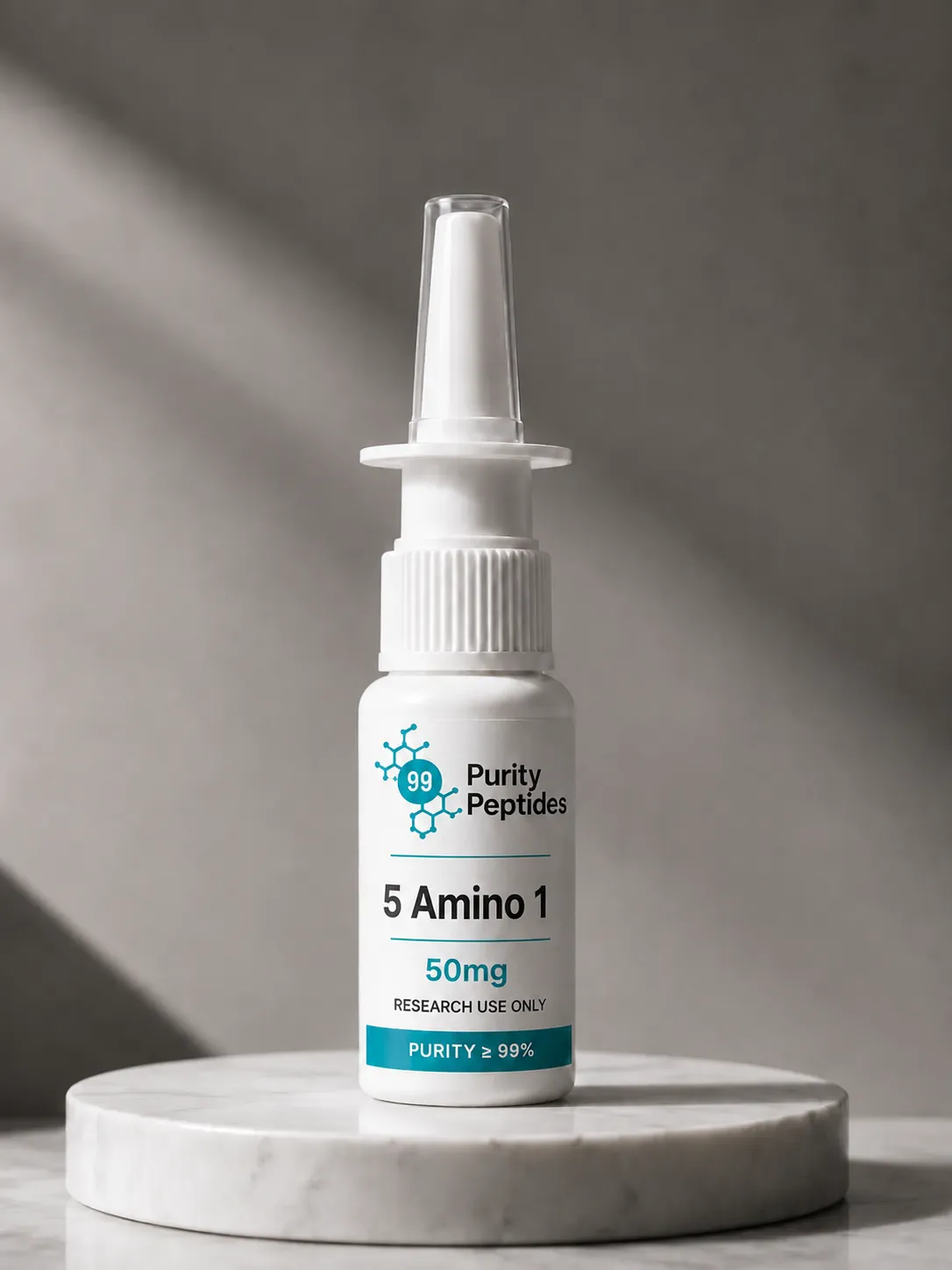
5-Amino-1MQ Spray (5-Amino-1-methylquinolinium) is a research-grade small molecule selective inhibitor of the enzyme nicotinamide N-methyltransferase (NNMT), formulated in a pre-metered liquid vehicle for non-invasive laboratory research. By preventing the methylation of nicotinamide, 5-Amino-1MQ increases intracellular S-adenosylmethionine (SAM) and NAD+ levels, activating SIRT1, AMPK, and downstream mitochondrial biogenesis. Formulated as a stabilized solution, each bottle contains total active compound, analytically verified by HPLC to support reproducible scientific investigations.
AHK-Cu Spray
Nasal Sprays
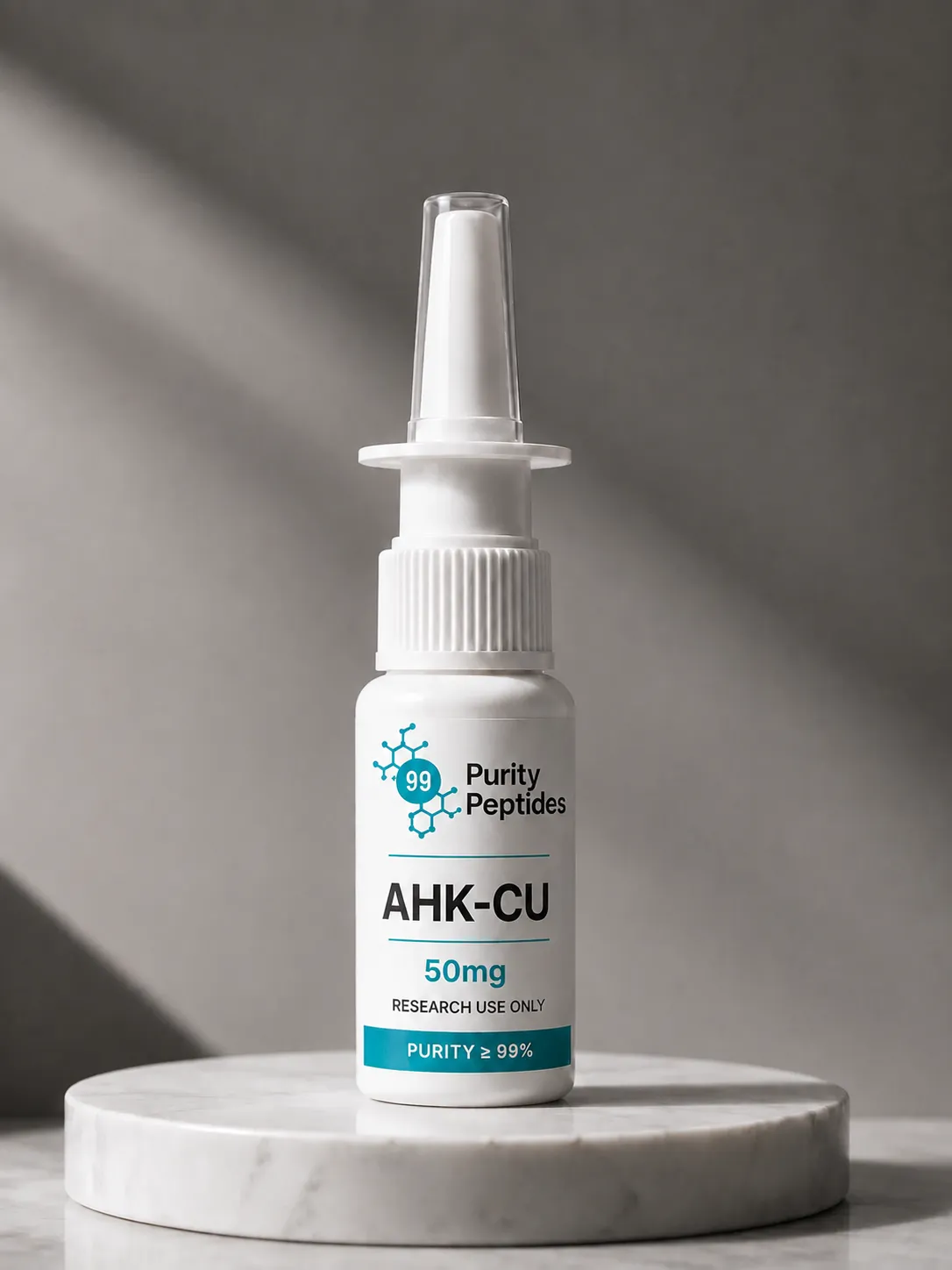
AHK-Cu Spray (Copper Tripeptide-3) is a research-grade synthetic copper-complexed tripeptide formulated in a pre-metered liquid vehicle for non-invasive laboratory research. Consisting of a stabilized aqueous solution with total active peptide, AHK-Cu (sequence: Ala-His-Lys-Cu) selectively complexes with divalent copper (Cu2+). Formulated to study follicular and dermal cellular dynamics, each bottle supports reproducible investigations in extracellular matrix synthesis and localized angiogenesis.
AOD9604 Spray
Nasal Sprays
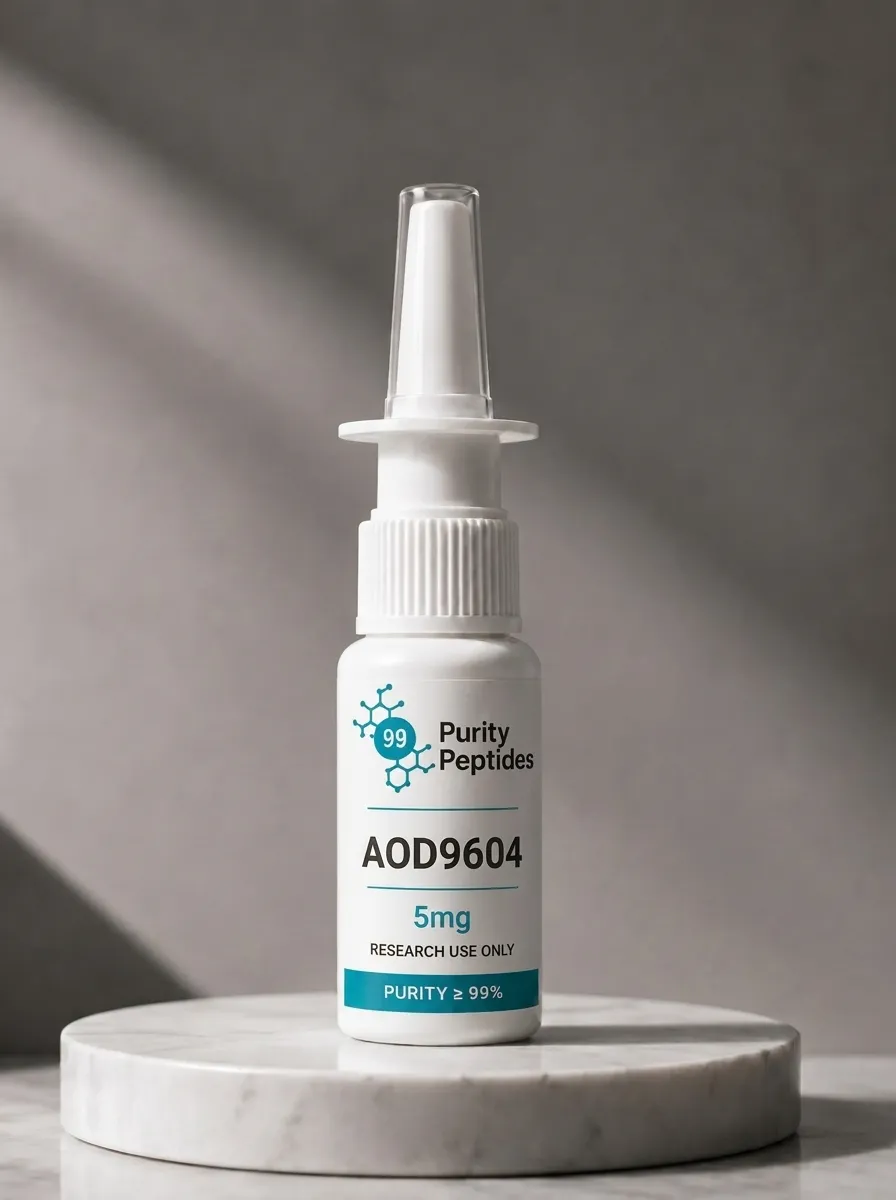
AOD9604 Spray (Advanced Obesity Drug 9604) is a research-grade synthetic cyclic peptide analog derived from the C-terminus of human Growth Hormone (hGH), formulated in a pre-metered liquid vehicle for non-invasive laboratory research. Representing hGH residues 177-191 with a C-terminal cyclizing tyrosine residue, AOD9604 (sequence: Tyr-Leu-Arg-Ile-Val-Gln-Cys-Arg-Ser-Val-Glu-Gly-Ser-Cys-Gly-Phe, disulfide bridged) selectively stimulates lipolysis. Formulated as a stabilized solution at a strength of, each bottle supports reproducible lipolytic and fat metabolism investigations.
ARA-290 Spray
Nasal Sprays
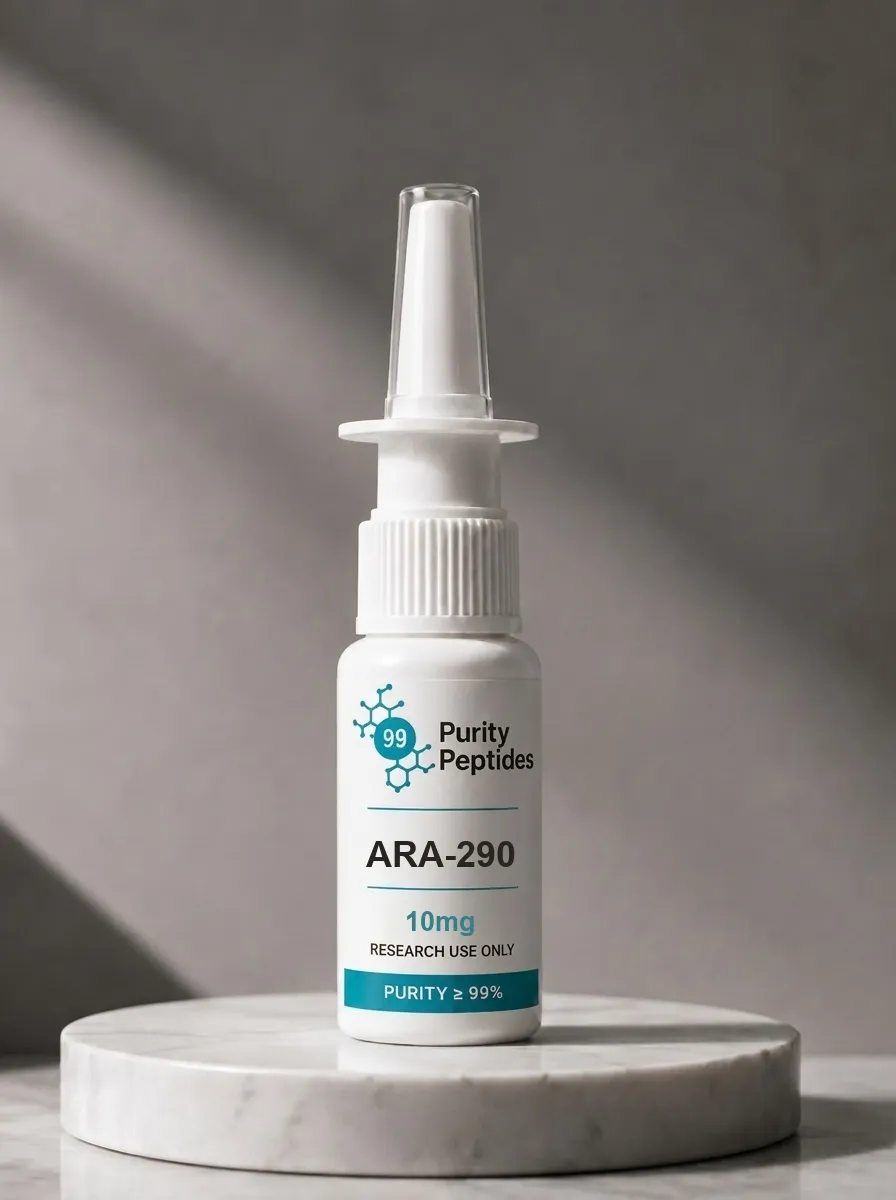
ARA-290 Spray (Cibinetide) is a research-grade synthetic 11-amino-acid peptide derived from erythropoietin (EPO), formulated in a pre-metered liquid vehicle for non-invasive laboratory research. Functioning as a highly selective agonist of the Innate Repair Receptor (IRR), ARA-290 (sequence: pyroGlu-Glu-Gln-Leu-Glu-Arg-Ala-Leu-Asn-Ser-Ser-OH) is studied for its potent anti-inflammatory, cytoprotective, and neuro-regenerative effects. Formulated as a stabilized solution, each bottle contains total active peptide, analytically verified by HPLC to support reproducible scientific investigations.
BPC-157 + TB-500 Spray
Nasal Sprays
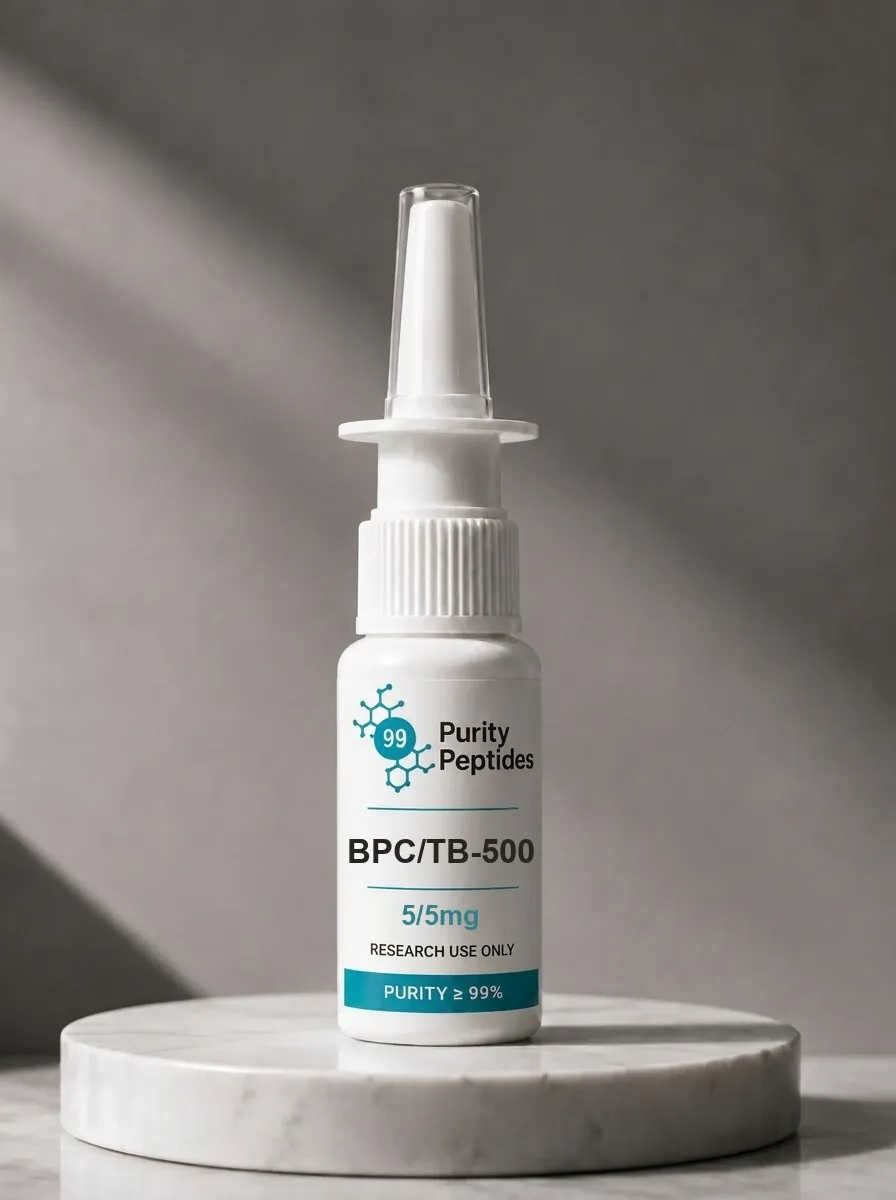
BPC/TB-500 5/5mg Spray is a combined research formulation containing 5mg of BPC-157 and 5mg of TB-500. The two peptides have been investigated separately in preclinical research related to tissue repair, angiogenesis, cellular responses, and inflammation. Direct evidence for the specific combination and spray formulation is much more limited, so the product should be studied as a combined experimental system rather than assuming that findings from either peptide alone establish an effect for the combination.
BPC-157 Spray
Nasal Sprays
BPC-157 Spray is a research-grade peptide nasal spray available in 5mg and 10mg strengths, studied for peptide signaling, cellular communication, and tissue biology research.
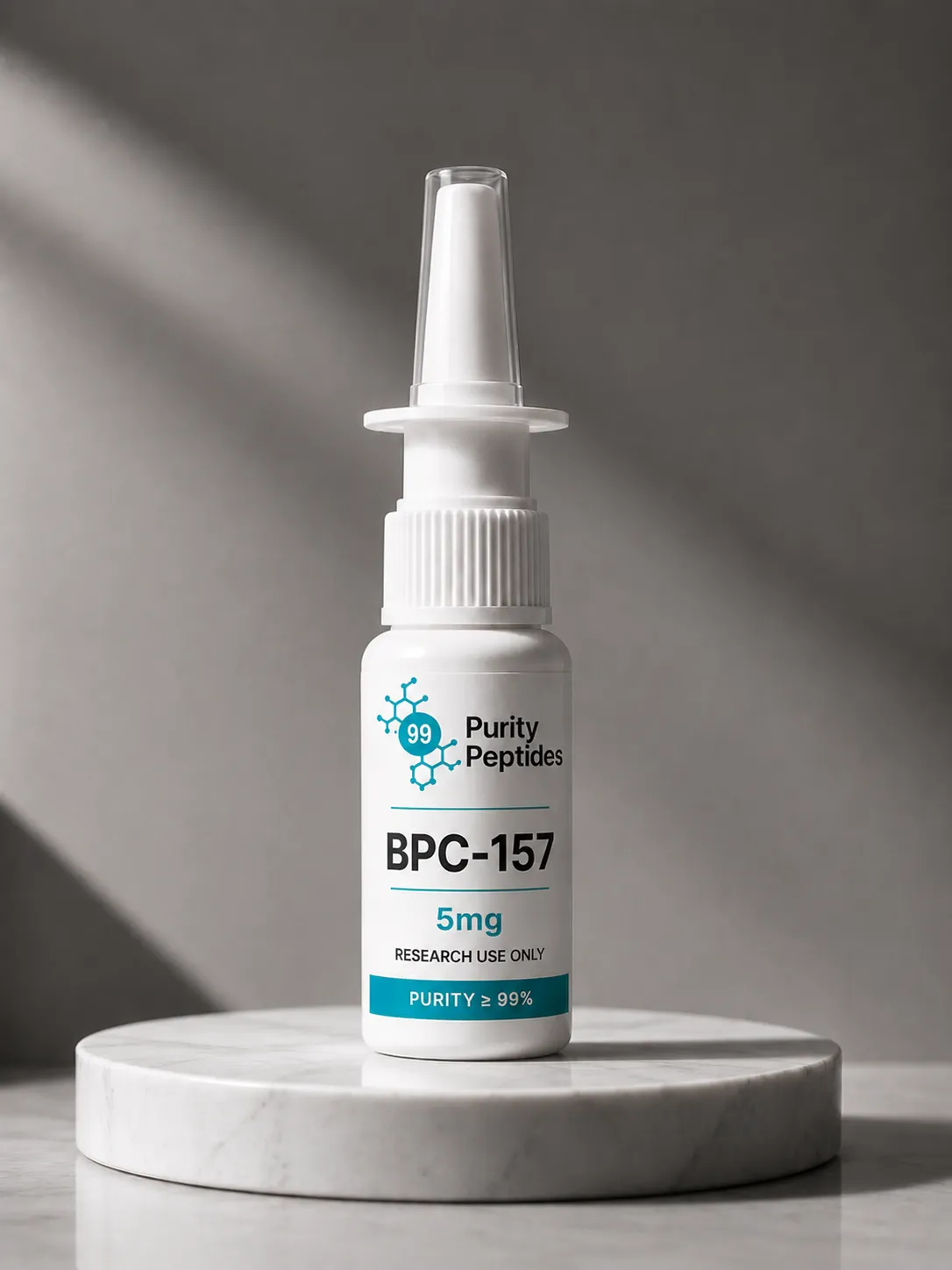
Cagrilintide Spray
Nasal Sprays
Cagrilintide Spray is a research-grade synthetic acylated amylin analog formulated in a pre-metered liquid vehicle for non-invasive laboratory research. As a long-acting co-agonist targeting both amylin receptors (AMY1, AMY2, AMY3) and calcitonin receptors (CTR), Cagrilintide is investigated for its capacity to stimulate hindbrain satiety pathways, delay gastric emptying, and modulate glucagon secretion. Formulated as a stabilized solution, each bottle contains total active peptide, analytically verified by HPLC to support reproducible scientific investigations in metabolic regulation and mucosal delivery kinetics.
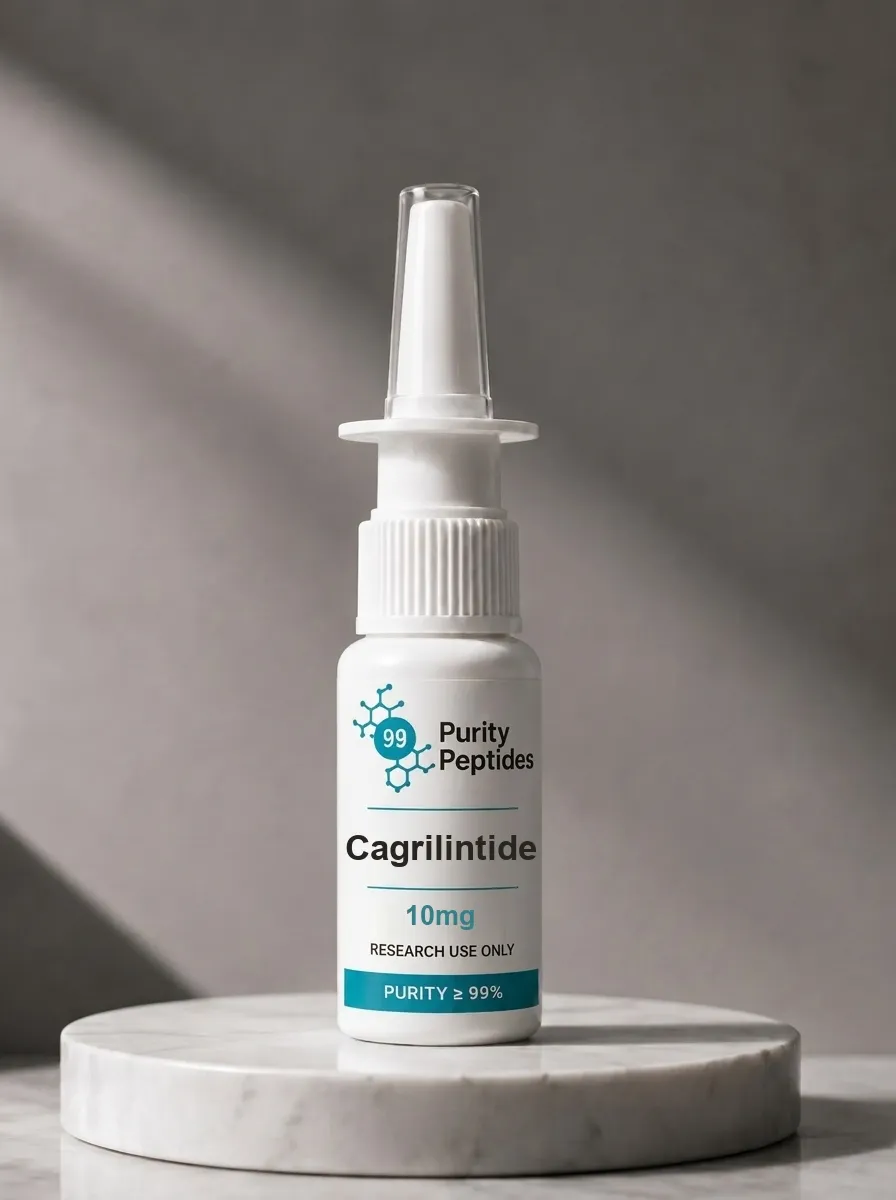
CJC-1295 + Ipamorelin Spray
Nasal Sprays
CJC/Ipamorelin 5/5mg Spray is a research-grade synergistic peptide blend formulated in a pre-metered liquid vehicle for non-invasive laboratory research. Combining CJC-1295 No DAC (Modified GRF 1-29, GHRH agonist) and Ipamorelin (selective GHSR agonist), this dual-action solution stimulates pulsatile growth hormone secretion via complementary cellular pathways. Formulated as a stabilized solution, each bottle contains 5mg of CJC-1295 No DAC and 5mg of Ipamorelin, analytically verified by HPLC to support reproducible scientific investigations in endocrinology and mucosal transport kinetics.
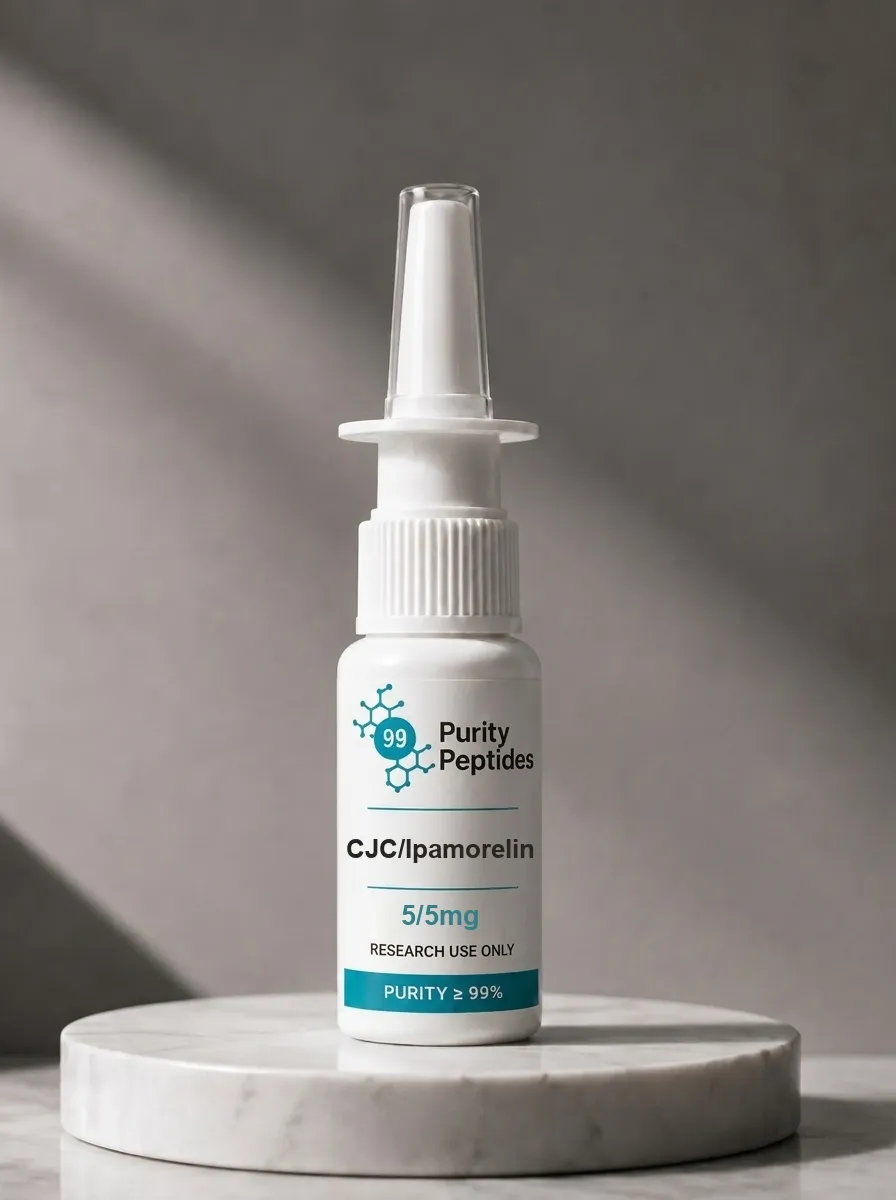
CJC-1295 No DAC Spray
Nasal Sprays
CJC-1295 No DAC spray (also known as Modified GRF 1-29 or Mod GRF 1-29) is a research-grade synthetic GHRH analog formulated in a pre-metered liquid vehicle for non-invasive laboratory research. As a tetrasubstituted 29-amino-acid peptide, it targets GHRH receptors on pituitary somatotrophs to stimulate pulsatile growth hormone secretion. Formulated as a stabilized solution without Drug Affinity Complex (DAC), each bottle contains total active peptide, analytically verified by HPLC to support reproducible scientific investigations in endocrinology and mucosal transport kinetics.
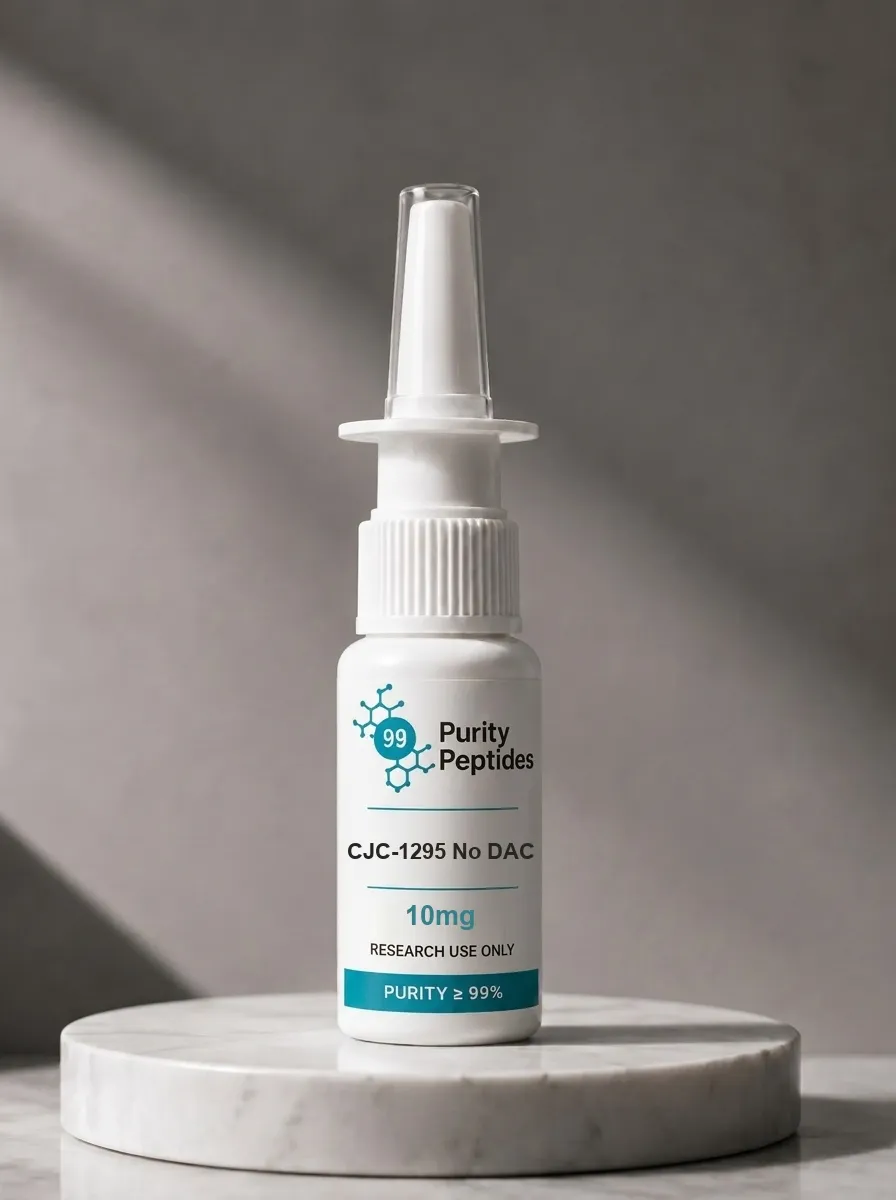
CJC-1295 W/DAC Spray
Nasal Sprays
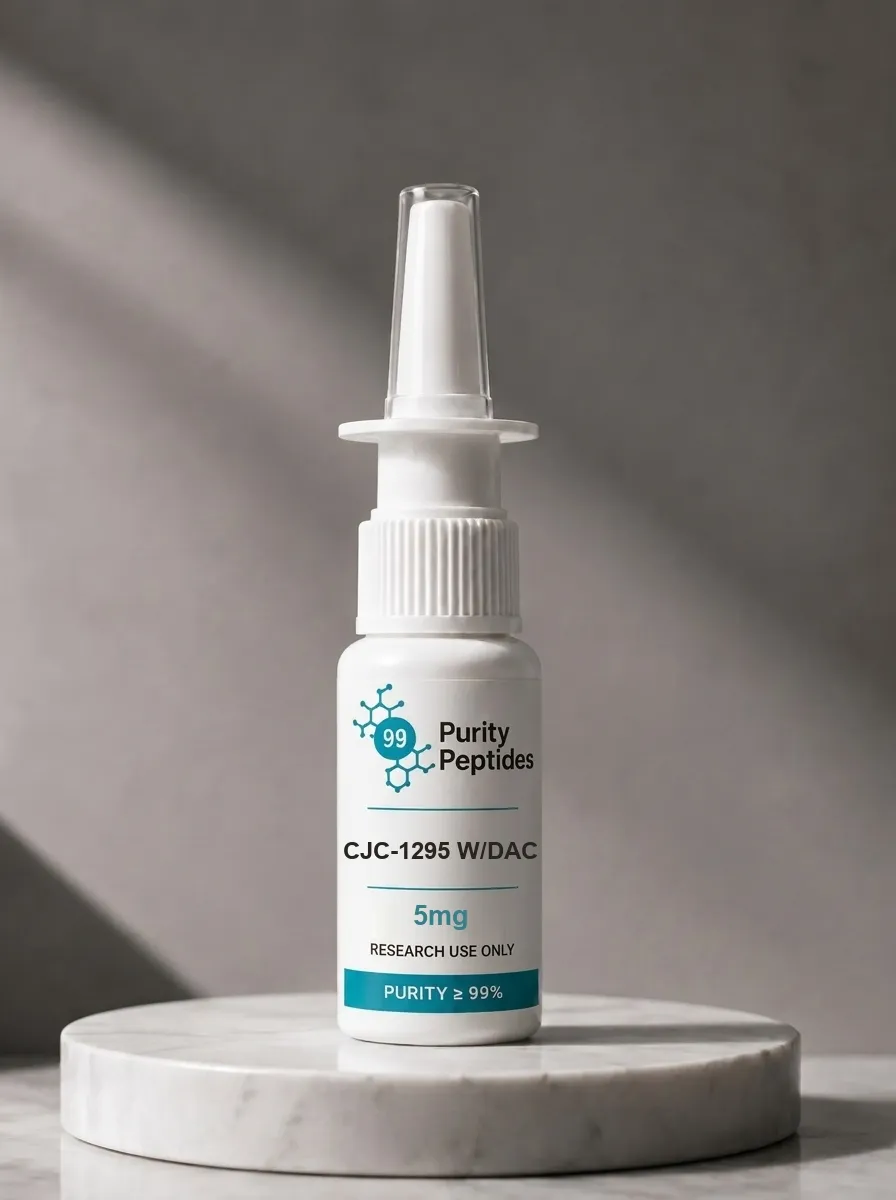
CJC-1295 W/DAC spray is a research-grade synthetic GHRH analog conjugated to a Drug Affinity Complex (DAC), formulated in a pre-metered liquid vehicle for non-invasive laboratory research. Consisting of a modified GHRH(1-29) peptide linked to a maleimidopropionic acid group, it covalently binds to endogenous albumin to evaluate extended, non-pulsatile somatotroph stimulation. Formulated as a stabilized solution, each bottle contains total active peptide, analytically verified by HPLC to support reproducible scientific investigations in endocrinology and mucosal transport kinetics.
DSIP Spray
Nasal Sprays
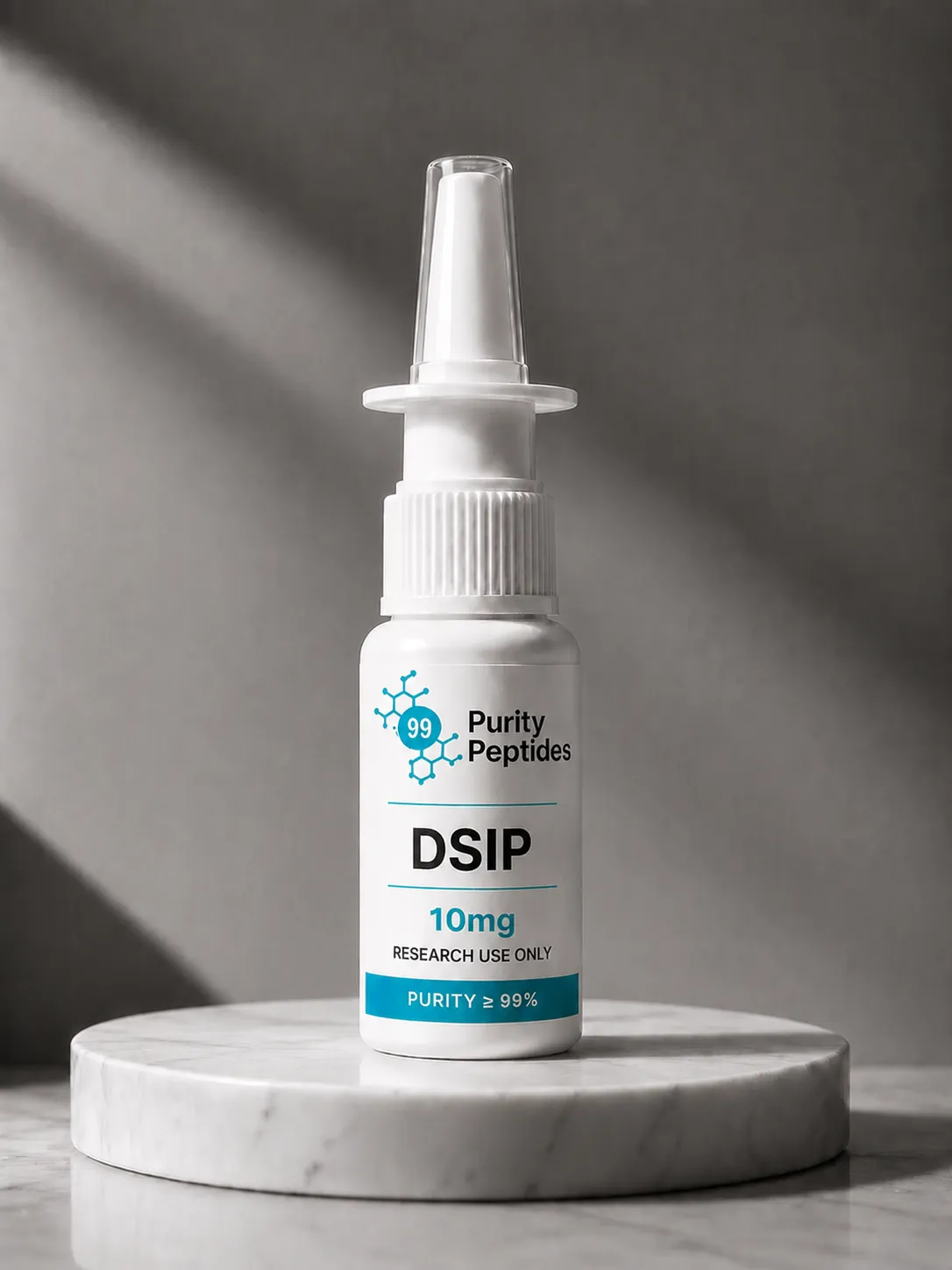
DSIP Spray 10mg is a research-grade intranasal peptide formulation developed for laboratory investigations involving Delta Sleep-Inducing Peptide (DSIP), neuropeptide signaling, circadian biology, and molecular pharmacology. The standardized spray formulation supports investigations into peptide stability, formulation science, receptor biology, and intranasal delivery systems while maintaining rigorous analytical quality standards for Research Use Only applications.
Epitalon Spray
Nasal Sprays
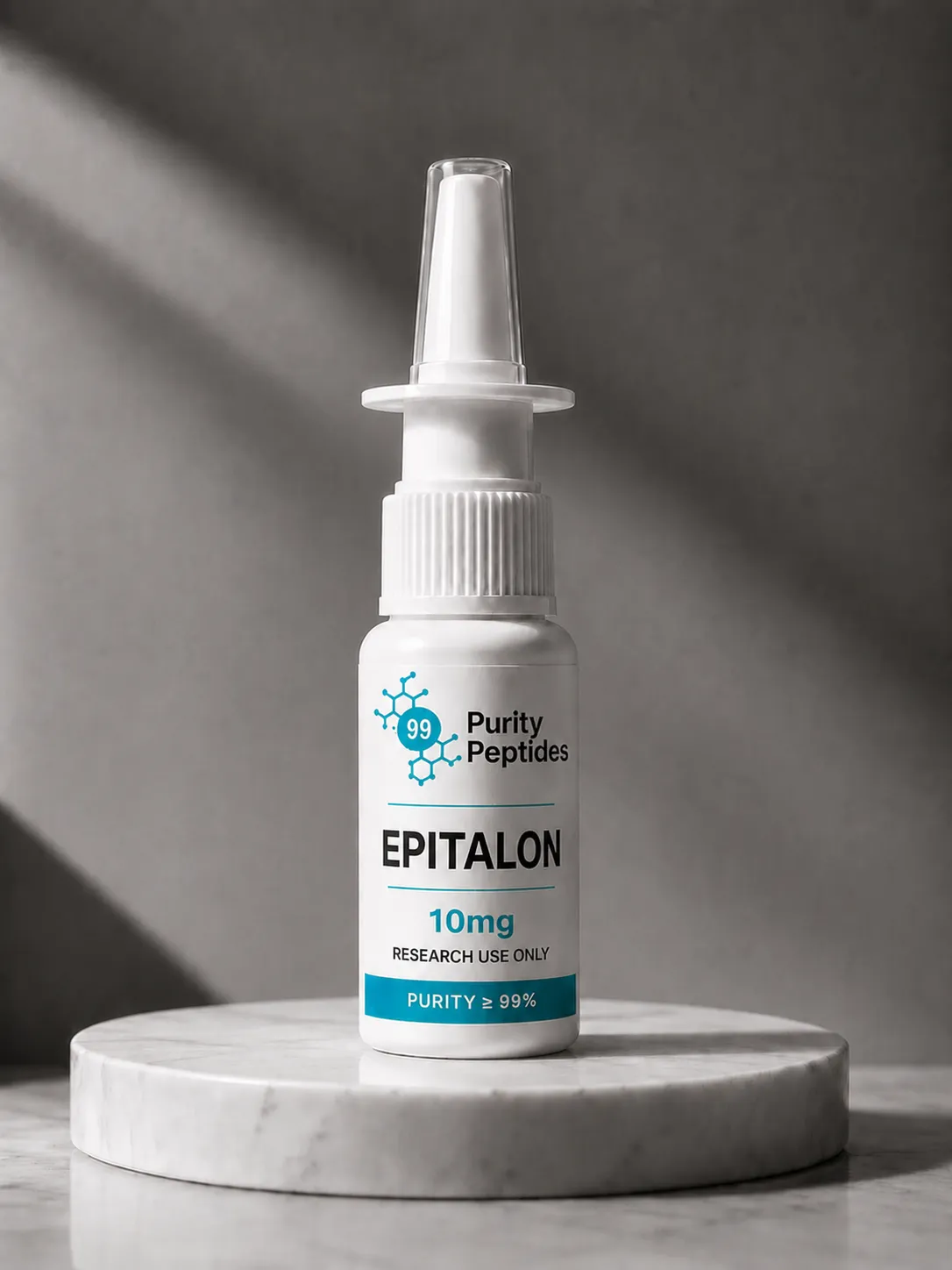
Epitalon Spray is a research-grade peptide nasal spray studied in laboratory environments for peptide signaling, telomere biology, and cellular communication research.
GHK-Cu Spray
Nasal Sprays
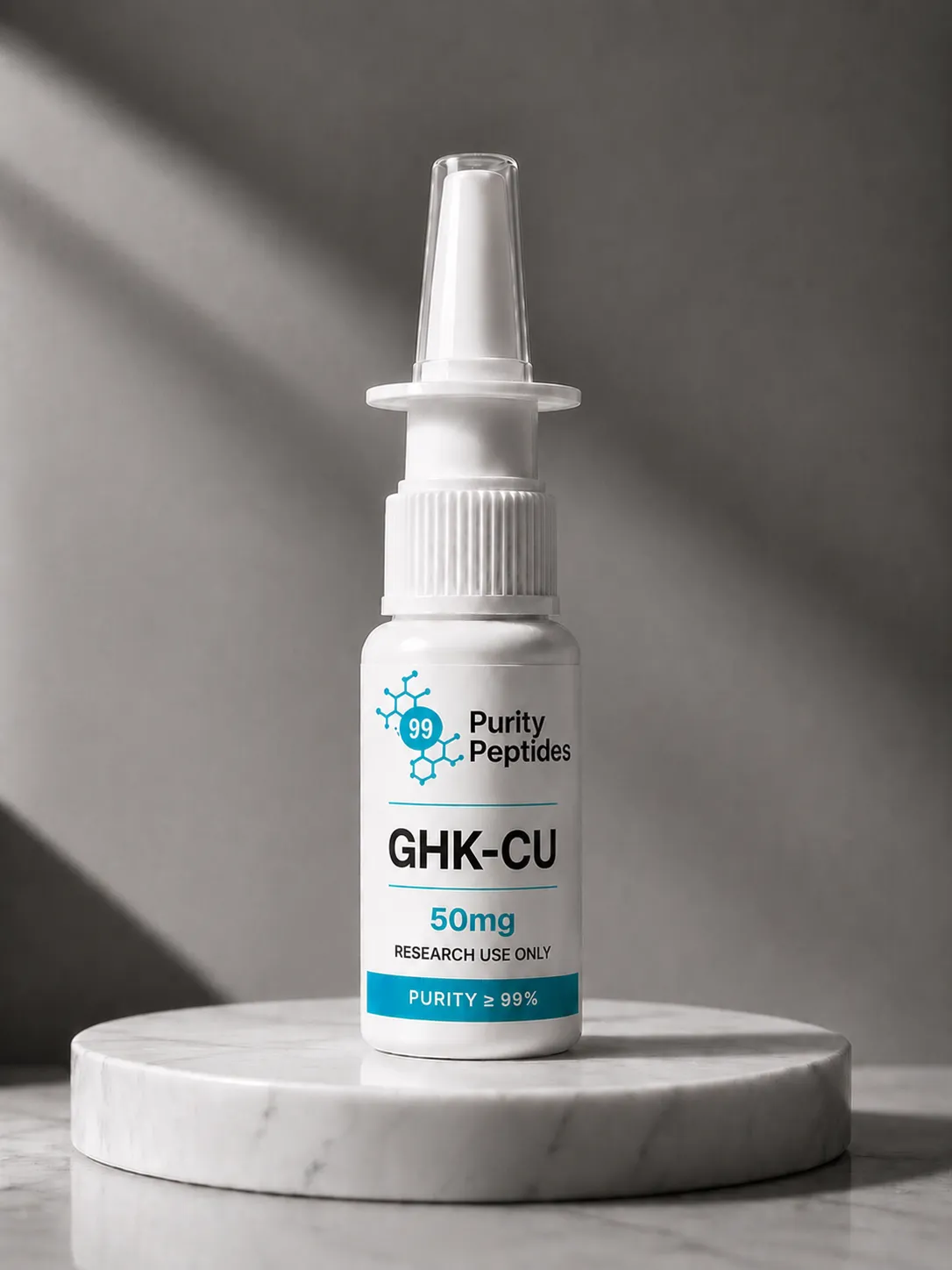
GHK-Cu Spray is a research-grade copper peptide nasal spray available in 50mg and 100mg strengths, studied for copper peptide signaling, extracellular matrix biology, and cellular communication research.
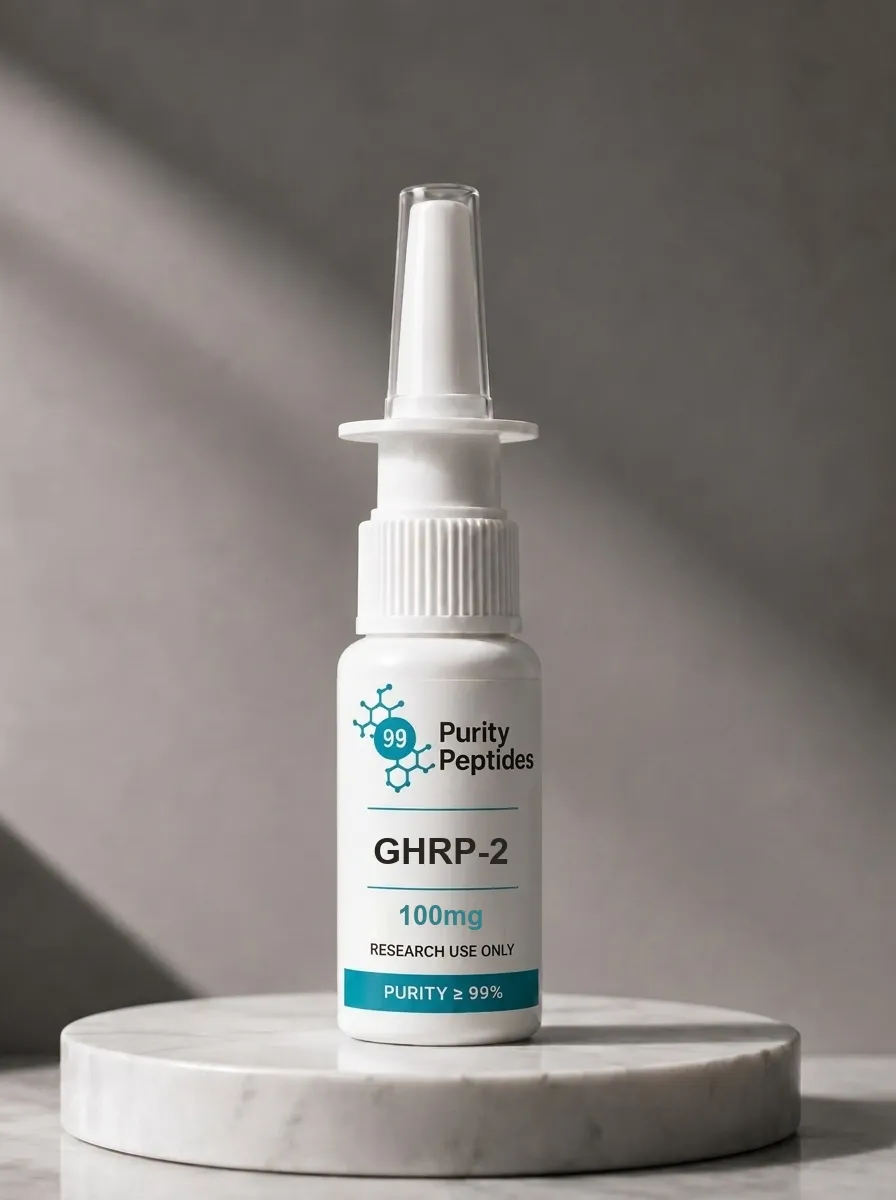
GHRP-2 Spray
Nasal Sprays
GHRP-2 Spray (Pralmorelin) is a research-grade synthetic growth hormone secretagogue receptor (GHSR) agonist hexapeptide formulated in a pre-metered liquid vehicle for non-invasive laboratory research. Targeting somatotropic pathways, GHRP-2 (sequence: D-Ala-D-2-Nal-Ala-Trp-D-Phe-Lys-NH2) is studied for its capacity to stimulate pulsatile endogenous growth hormone secretion, modulate hypothalamic appetite signaling, and interact with the HPA axis. Formulated as a stabilized solution at a high-strength concentration, each bottle contains analytically verified peptide by HPLC to support reproducible scientific investigations.
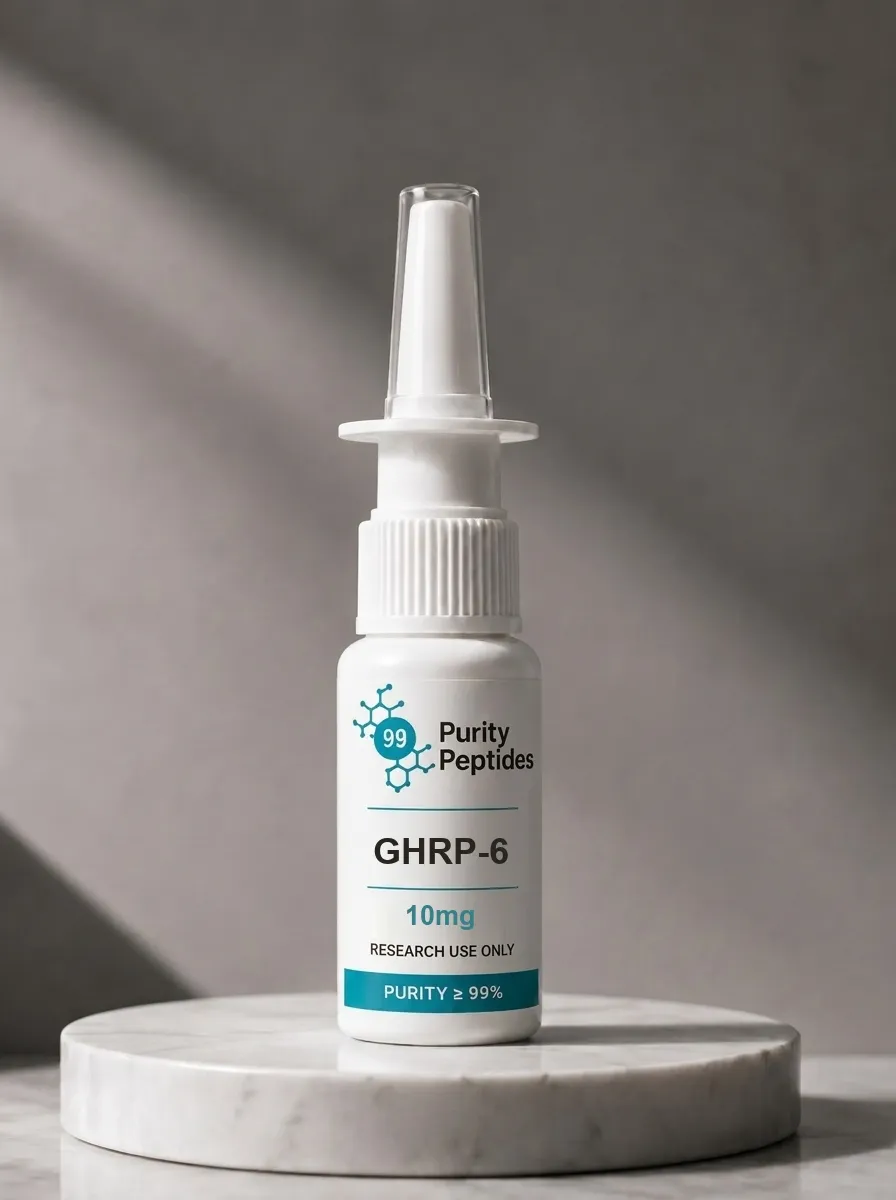
GHRP-6 Spray
Nasal Sprays
GHRP-6 Spray is a research-grade synthetic growth hormone secretagogue receptor (GHSR) agonist hexapeptide formulated in a pre-metered liquid vehicle for non-invasive laboratory research. Targeting endocrine pathways, GHRP-6 (sequence: His-D-Trp-Ala-Trp-D-Phe-Lys-NH2) is studied for its capacity to stimulate pulsatile endogenous growth hormone secretion, modulate hypothalamic appetite signaling, and exert tissue-protective anti-inflammatory activity. Formulated as a stabilized solution, each bottle contains total active peptide, analytically verified by HPLC to support reproducible scientific investigations.
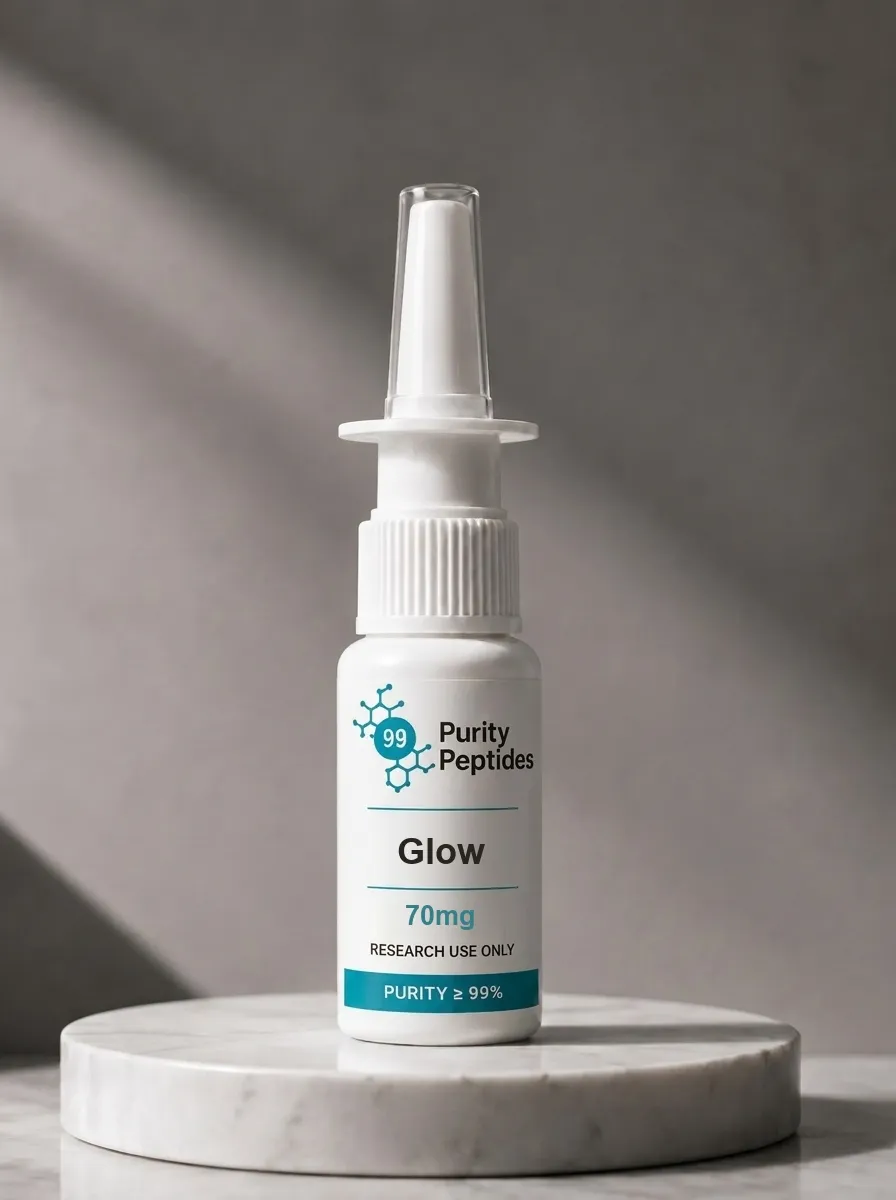
Glow Spray
Nasal Sprays
Glow Spray is a research-grade tri-peptide blend combining three well-characterized investigational compounds — GHK-Cu (glycyl-L-histidyl-L-lysine copper, 50mg), BPC-157 (Body Protective Compound-157, 10mg), and TB-500 (Thymosin Beta-4 synthetic fragment, 10mg) — into a single research spray formulation. Each component contributes a distinct and scientifically documented signaling profile: GHK-Cu for extracellular matrix regulation and antioxidant gene expression, BPC-157 for nitric oxide and growth factor receptor signaling, and TB-500 for actin cytoskeleton dynamics and cell migration research. Each batch is analytically verified and manufactured exclusively for laboratory research applications.
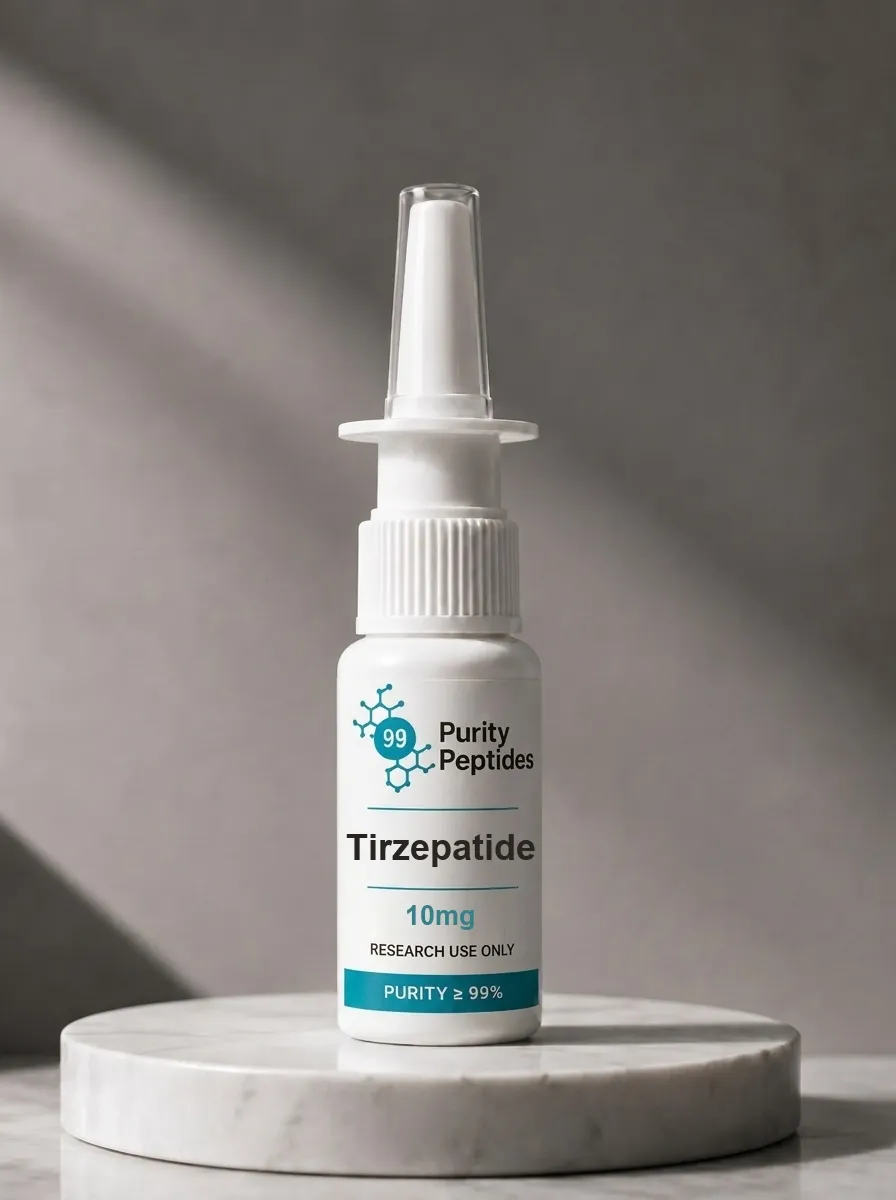
Glp-1TRZ Spray
Nasal Sprays
Glp-1TRZ Spray is a research-grade synthetic dual GIP and GLP-1 receptor agonist peptide formulated in a pre-metered liquid vehicle for non-invasive laboratory research. As a lipidated 39-amino-acid peptide (C20 fatty diacid attached via a hydrophilic linker at Lys20), Glp-1TRZ (sequence: GIP-derived base) is highly resistant to enzymatic degradation. Formulated as a stabilized solution at a strength of, each bottle contains analytically verified peptide by HPLC to support reproducible metabolic and glucose regulation investigations.
H-Frag Spray
Nasal Sprays
H Frag Spray (hGH Fragment 176-191) is a research-grade synthetic C-terminal fragment of human growth hormone formulated in a pre-metered liquid vehicle for non-invasive laboratory research. Designed to isolate the lipid-mobilizing domain of growth hormone, H Frag (sequence: Tyr-Leu-Arg-Ile-Val-Gln-Cys-Arg-Ser-Val-Glu-Gly-Ser-Cys-Gly-Phe) is widely studied for its ability to stimulate lipolysis and inhibit lipogenesis without affecting blood glucose levels or elevating IGF-1. Formulated as a stabilized solution, each bottle contains total active peptide, analytically verified by HPLC to support reproducible scientific investigations.
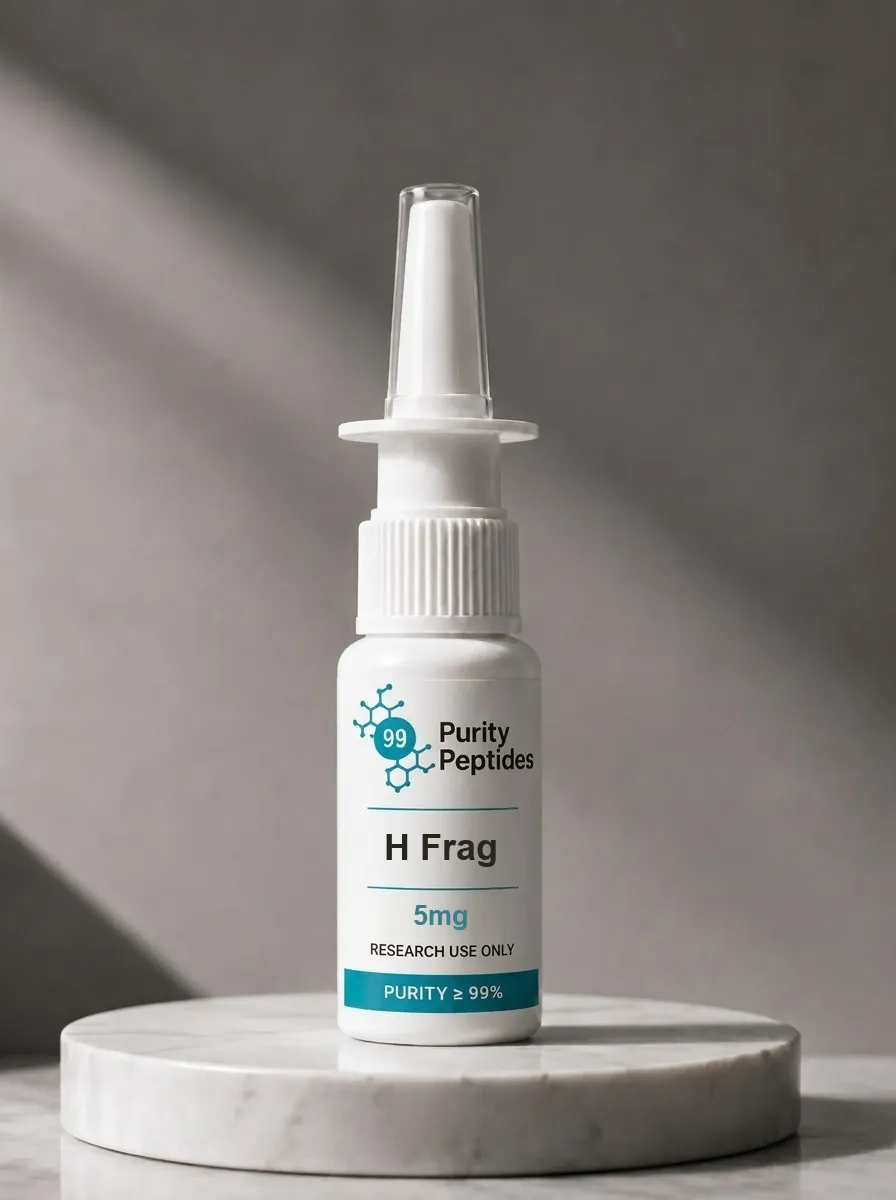
HCG Spray
Nasal Sprays
HCG Spray (Human Chorionic Gonadotropin) is a research-grade heterodimeric glycoprotein hormone formulated in a pre-metered liquid vehicle for non-invasive laboratory research. Acting as a potent agonist of the luteinizing hormone/choriogonadotropin receptor (LHCGR), HCG is widely studied for its capacity to stimulate gonadal steroidogenesis, evaluate pituitary-gonadal feedback loops, and investigate macromolecular macromolecular transport kinetics. Formulated as a stabilized solution, each bottle contains total biological activity, analytically verified to support reproducible scientific investigations.
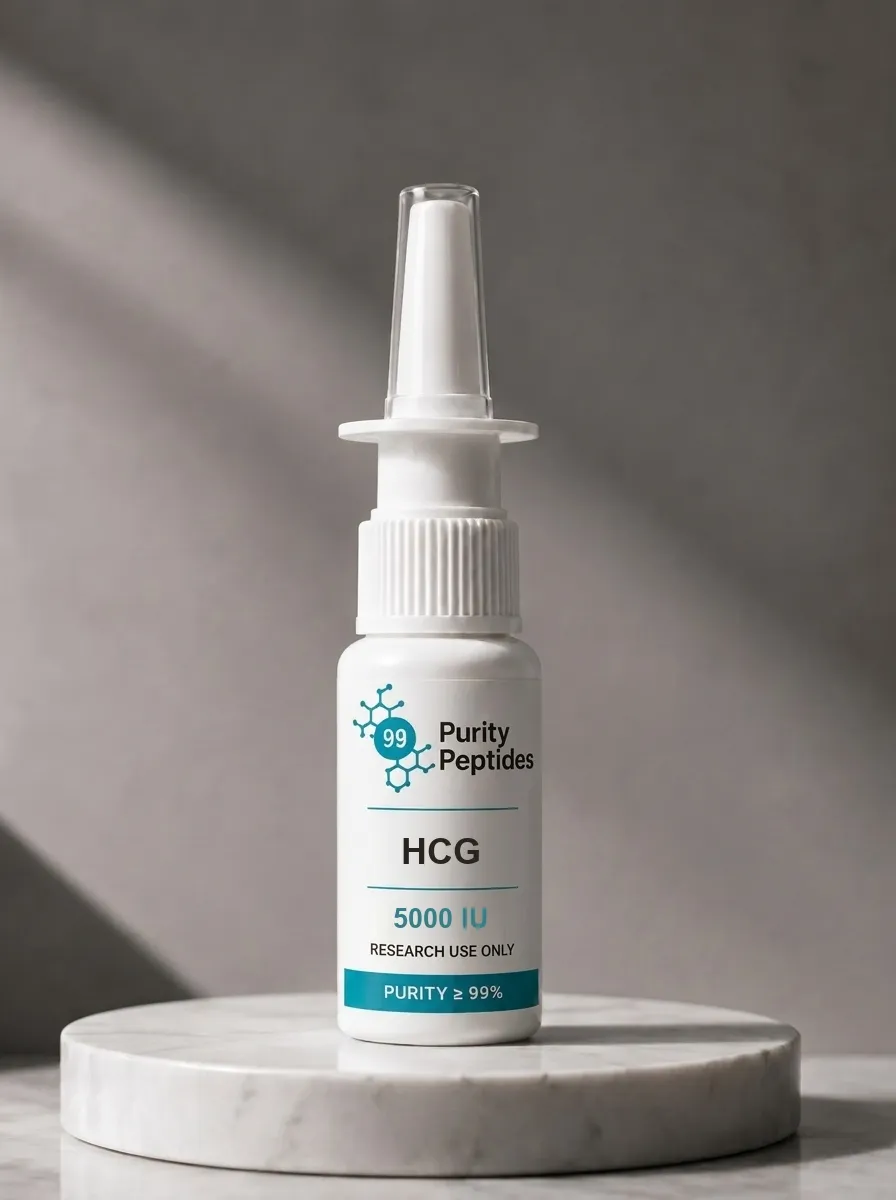
IGF-1 LR3 Spray
Nasal Sprays
IGF-LR3 Spray (Long Arg3 Insulin-like Growth Factor-1) is a research-grade synthetic polypeptide formulated in a pre-metered liquid vehicle for non-invasive laboratory research. Designed as a long-acting IGF-1 analog, IGF-LR3 (an 83-amino-acid peptide with N-terminal extension and Glu3Arg mutation) is widely studied for its ability to activate the IGF-1 receptor (IGF-1R) while evading inhibitory IGF-binding proteins (IGFBPs). Formulated as a stabilized solution, each bottle contains total active peptide, analytically verified by HPLC to support reproducible scientific investigations in cell survival and mucosal transport kinetics.
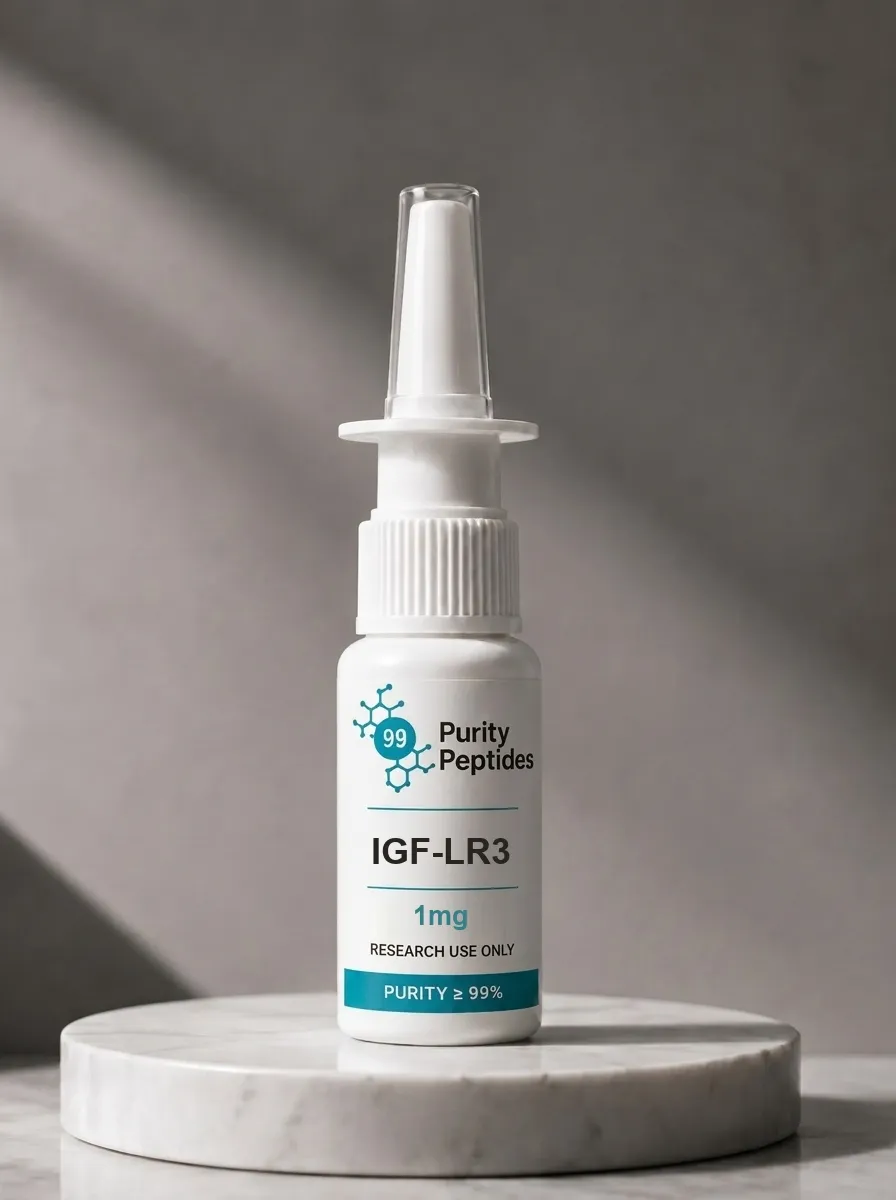
Ipamorelin Spray
Nasal Sprays
Ipamorelin Spray is a research-grade synthetic selective growth hormone secretagogue receptor (GHSR) agonist pentapeptide formulated in a pre-metered liquid vehicle for non-invasive laboratory research. Characterized by its exceptional receptor selectivity, Ipamorelin (sequence: Aib-His-D-2-Nal-D-Phe-Lys-NH2) is widely studied for its capacity to stimulate pulsatile endogenous growth hormone secretion without elevating ACTH, cortisol, or prolactin levels. Formulated as a stabilized solution, each bottle contains total active peptide, analytically verified by HPLC to support reproducible scientific investigations.
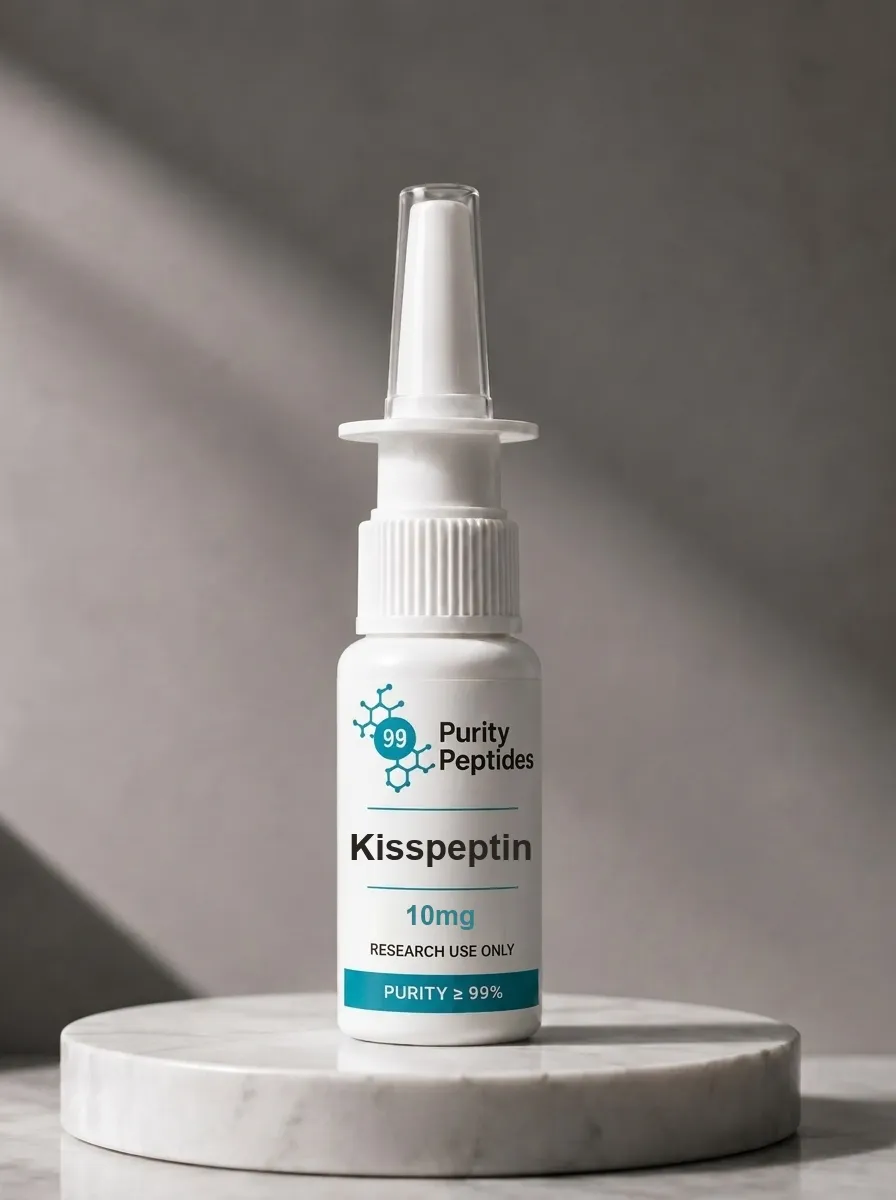
Kisspeptin Spray
Nasal Sprays
Kisspeptin Spray (Kisspeptin-10 / KP-10) is a research-grade synthetic decapeptide G-protein coupled receptor 54 (GPR54 / KISS1R) agonist formulated in a pre-metered liquid vehicle for non-invasive laboratory research. Functioning as the primary upstream regulator of the Hypothalamic-Pituitary-Gonadal (HPG) axis, Kisspeptin (sequence: Tyr-Asn-Trp-Asn-Ser-Phe-Gly-Leu-Arg-Phe-NH2) is studied for its ability to trigger hypothalamic GnRH release, stimulate LH/FSH secretion, and modulate metastasis pathways. Formulated as a stabilized solution, each bottle contains total active peptide, analytically verified by HPLC to support reproducible scientific investigations.
KLOW Spray
Nasal Sprays
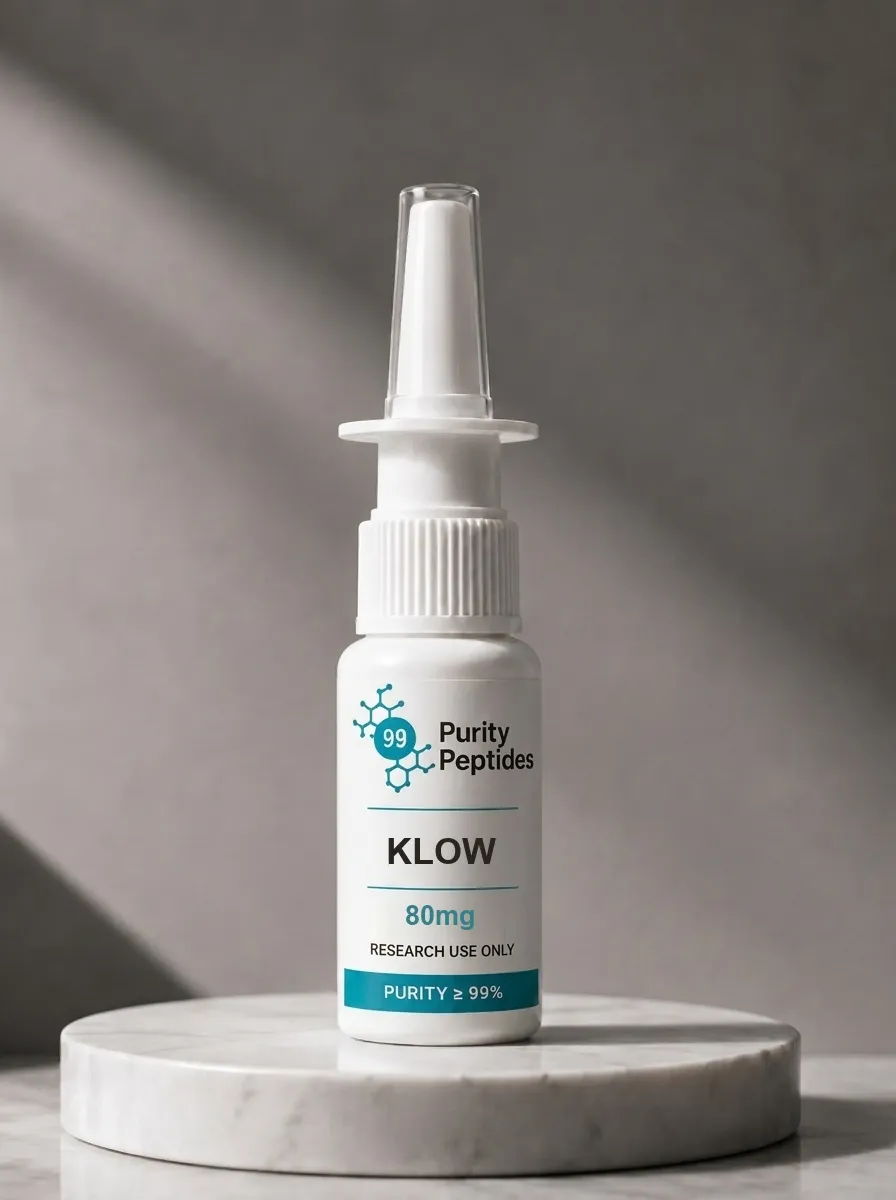
KLOW Spray is a research-grade multi-peptide blend formulated in a pre-metered liquid vehicle for non-invasive laboratory research. Consisting of a synergistic four-peptide combination, each bottle delivers total active peptides: GHK-Cu (50mg), BPC-157 (10mg), TB-500 (10mg), and KPV (10mg). Designed to investigate cellular regeneration and inflammatory pathway regulation, this stabilized solution enables researchers to study extracellular matrix remodeling, accelerated wound healing, and MC1-receptor mediated cytoprotection in mucosal transport models.
KPV Spray
Nasal Sprays
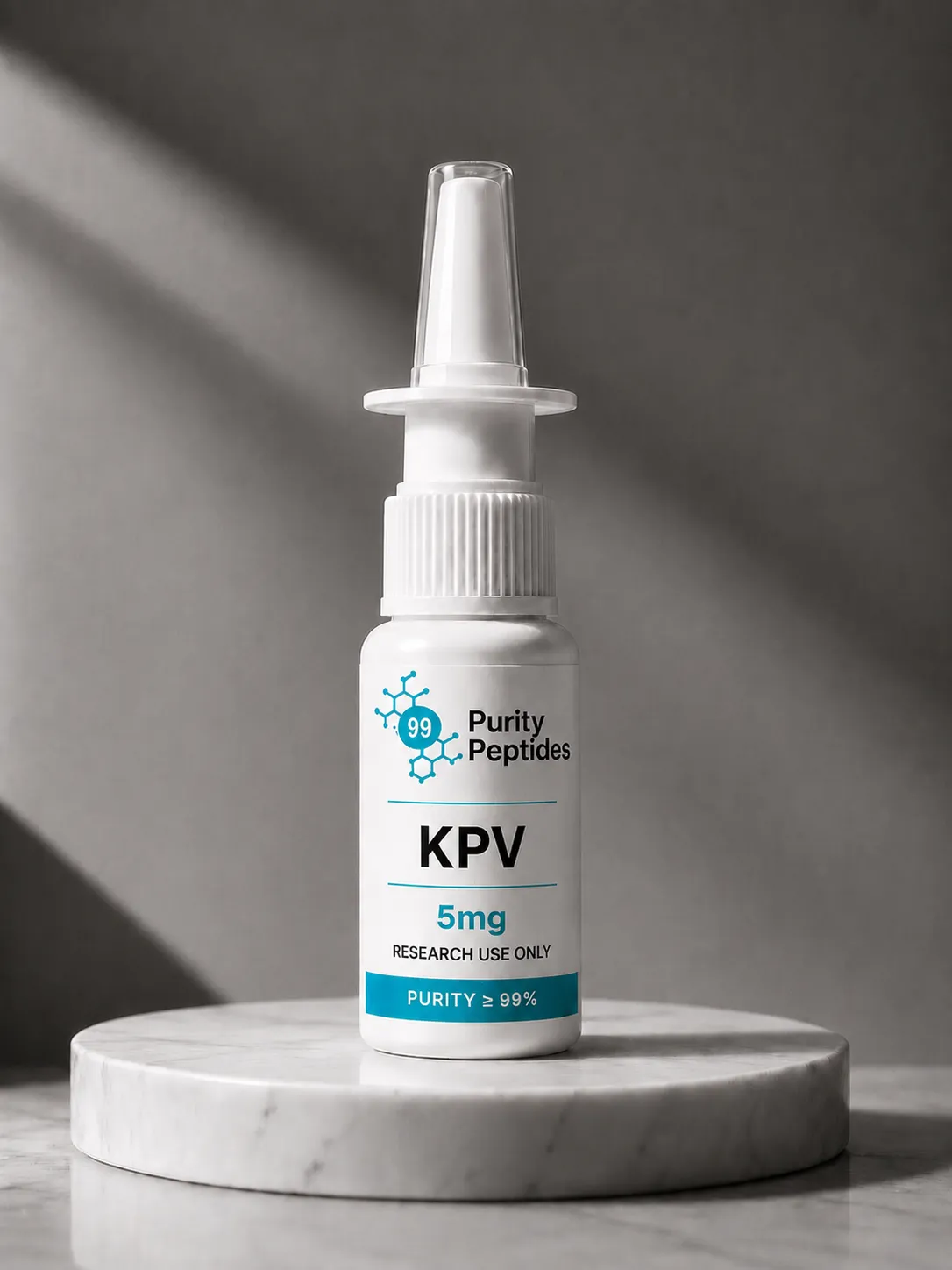
KPV Spray 5mg is a research-grade intranasal peptide formulation developed for laboratory investigations involving KPV (Lys-Pro-Val), melanocortin biology, peptide signaling, and molecular pharmacology. The standardized spray formulation supports investigations into peptide stability, formulation science, receptor biology, and intranasal delivery systems while maintaining rigorous analytical quality standards for Research Use Only applications.
Nasal Spray Versus Lyophilized Vial
The two formats suit different research setups. Here is how they differ in practice.
Nasal sprayLiquid solution in a bottle with a metered pump
Lyophilized vialFreeze-dried powder in a sealed vial
Nasal sprayNone. It is supplied in solution.
Lyophilized vialRequired. A diluent such as bacteriostatic water is added first.
Nasal spraySet by the pump, so concentration is the main variable
Lyophilized vialSet by the researcher when preparing aliquots
Nasal sprayA shorter usable window than powder
Lyophilized vialPowder is more stable until it is reconstituted
Nasal sprayDevice, droplet size, spray angle, and volume per actuation
Lyophilized vialDiluent, concentration, and storage conditions
What Research Says About The Nasal Route
These points come from a peer-reviewed review of nasal peptide delivery. Our longer guide covers more of the literature.
Size and chemistry matter
The review notes that nose-to-brain transport depends on a molecule's size, lipophilicity, and degree of ionization. The route also delivers only small doses, so it suits potent compounds.
Two routes into the body
The olfactory and trigeminal nerves offer a direct path from the nose to the brain. Conventional droppers and spray pumps mostly miss the olfactory region, so material is usually absorbed into the blood or cleared. The authors add that the exact mechanisms are not fully understood.
Clearance shortens residence time
Aqueous liquids stay in the nose only briefly because of mucociliary action. That is why the formulation literature explores powders and gels.
Deposition is a variable
The olfactory region makes up only about 3 to 5 percent of the nasal surface. Where a spray lands depends on the device, so any protocol should record it.
Research Areas Our Sprays Cover
The catalog spans several areas of laboratory research. These groups describe the compounds, not any effect in people or animals.
Neuropeptide signaling
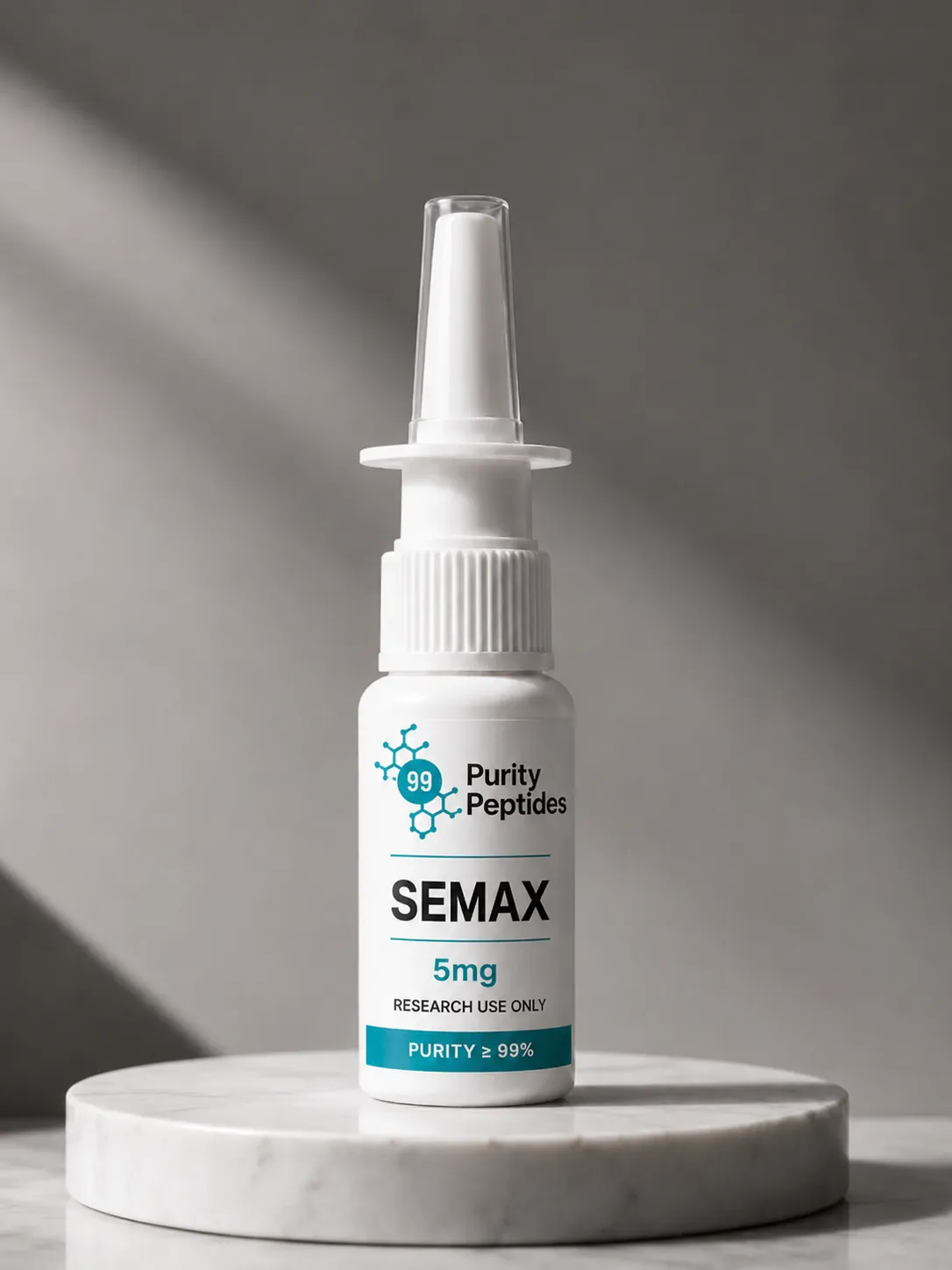
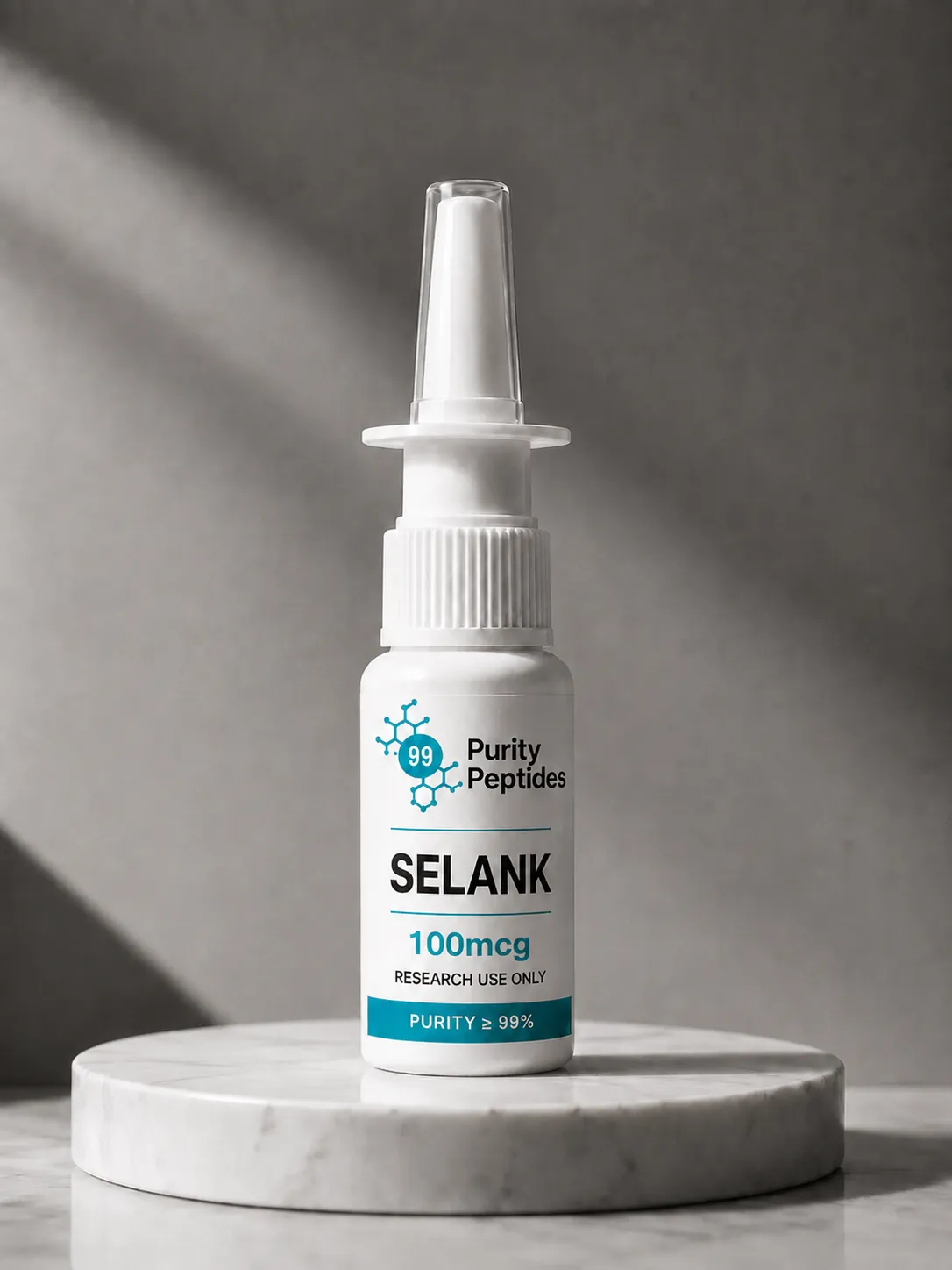
Selank, Semax, DSIP, VIP, and oxytocin sprays serve laboratories that study neuropeptide signaling and receptor biology.
Tissue biology and cell signaling
BPC-157, TB-500, KPV, GHK-Cu, AHK-Cu, LL-37, ARA-290, and thymosin alpha-1 sprays are used in research on tissue models and cell communication.
Growth hormone axis
CJC-1295 forms, ipamorelin, tesamorelin, GHRP-2, GHRP-6, sermorelin, and IGF-1 LR3 sprays support research on growth hormone signaling.
Metabolic signaling
Semaglutide, cagrilintide, AOD9604, H-Frag, 5-Amino-1MQ, L-carnitine, and Lipo-C sprays are used in metabolic pathway research.
Melanocortin and reproductive receptors
Melanotan 1, Melanotan 2, PT-141, kisspeptin, and HCG sprays support research on melanocortin and reproductive receptor biology.
Cellular energy and aging models
Epitalon, MOTS-c, and NAD+ sprays are used in research on mitochondrial function, cellular energy, and aging models.
Blend sprays combine two compounds in one bottle for researchers who study them together. Examples include BPC-157 with TB-500, CJC-1295 with ipamorelin, and Semax with Selank.
How To Read A Nasal Spray Listing
Six checks that apply to any research spray, from any supplier.
Compound name
The listing should name the compound plainly. Blends should list every component.
Strength per bottle
Look for the amount of peptide in the bottle. For blends, look for the amount of each component.
Lot number
A lot number ties the bottle to a certificate. Without it, a report means very little.
Certificate of analysis
Ask for the report that matches your lot, then check the method, the result, and the date.
Storage instructions
Solutions have a limited usable window, so storage details matter more than they do for powder.
Research use only statement
The label and the listing should agree. Be wary of any page that gives personal-use advice.
Storage And Handling Notes
Peptides in solution are less stable than freeze-dried powder. Hydrolysis begins as soon as water is present, and some residues are prone to oxidation.
Cold storage, protection from light, and steady temperatures help extend the usable window. Follow the storage guidance on each product page and on your certificate.
Keep a simple log. Record the lot number, the date received, and the date opened. It makes results easier to trace later.
Related Research Guides
Longer reads from our research library, written for laboratory audiences.
Intranasal peptide delivery
Pathways, bioavailability by molecular weight, deposition, and formulation approaches, with sources.
Read guideKPV nasal spray research
What the published research on this tripeptide shows.
Read guideEpitalon nasal spray research
What the published research on this tetrapeptide shows.
Read guideHow to read a certificate of analysis
A line-by-line walkthrough of identity and purity data.
Read guidePeptide storage guidelines
Conditions for lyophilized and reconstituted material.
Read guideAre peptides legal in the US?
How FDA reads intended use, and what a research label does and does not do.
Read guideResearch Use Only
99 Purity Peptides supplies compounds for in vitro laboratory research. Nothing sold here is for human or veterinary use, and the nasal spray format does not change that. A spray is a delivery format for research materials. It is not a drug, a supplement, or a cosmetic.
Browse Research Sprays
Open any listing for its details, or compare formats in our research guides.
Source
Content last reviewed October 2026.
(faqs)