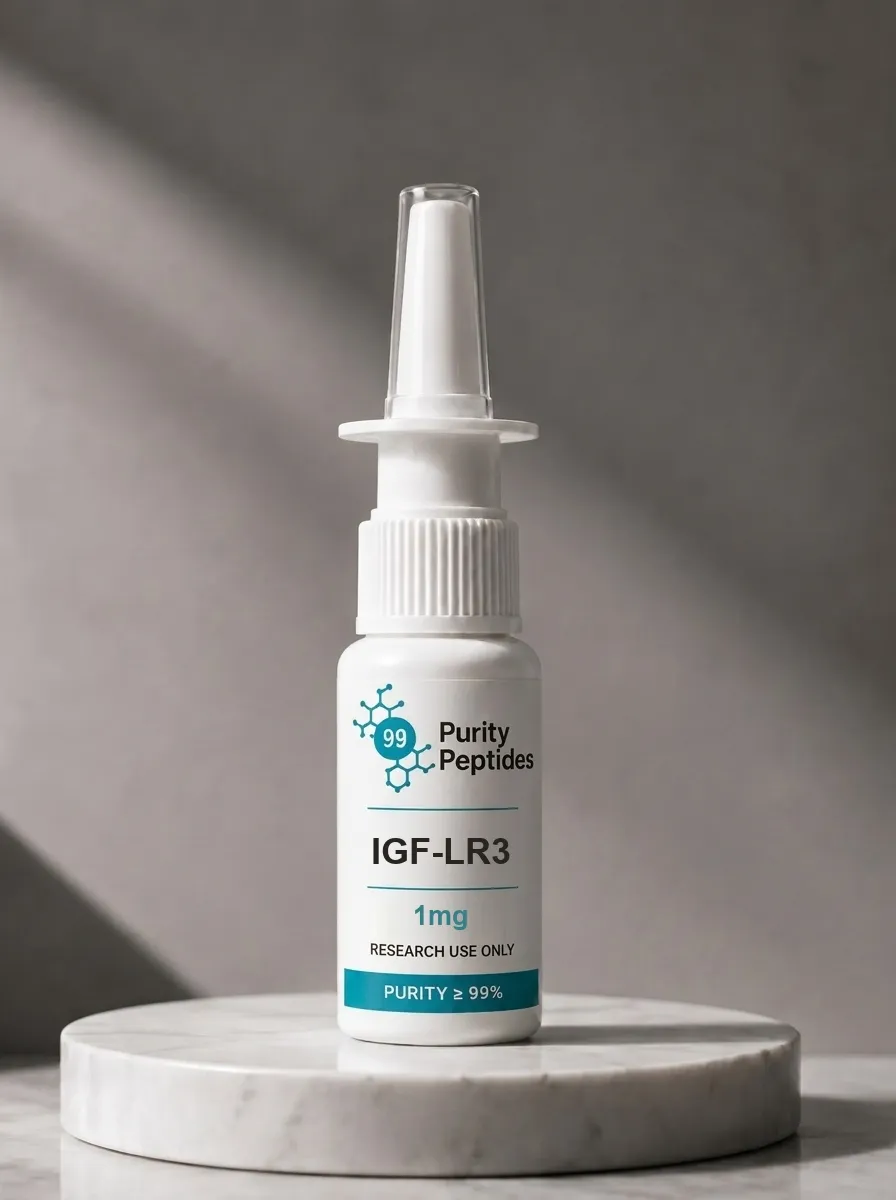
IGF-LR3 1mg Spray (Long Arg3 Insulin-like Growth Factor-1) is a research-grade synthetic polypeptide formulated in a pre-metered liquid vehicle for non-invasive laboratory research. Designed as a long-acting IGF-1 analog, IGF-LR3 (an 83-amino-acid peptide with N-terminal extension and Glu3Arg mutation) is widely studied for its ability to activate the IGF-1 receptor (IGF-1R) while evading inhibitory IGF-binding proteins (IGFBPs). Formulated as a stabilized solution, each bottle contains 1mg total active peptide, analytically verified by HPLC to support reproducible scientific investigations in cell survival and mucosal transport kinetics.
HPLC certified
Independent analysis
Highest standard
Full traceability
IGF-LR3 1mg Spray is a synthetic 83-amino-acid polypeptide solution designed to evaluate non-invasive mucosal transport kinetics and central growth factor receptor signaling. First developed to bypass regulatory binding proteins, IGF-LR3 features a 13-amino-acid N-terminal extension and an arginine substitution at position 3, extending its half-life to 20-30 hours and increasing its free receptor-binding activity up to three times compared to native IGF-1. Unlike standard lyophilized powders that require reconstitution, this spray format provides a concentration-verified, pre-dissolved liquid format suitable for direct laboratory dispensing.
Researchers continue to investigate IGF-LR3 across major areas of biology, including muscle cell hyperplasia, protein synthesis signaling (PI3K/Akt/mTOR pathways), glucose transport, and cellular differentiation. The intranasal spray formulation is of high scientific interest because it allows researchers to study epithelial membrane transport kinetics of larger growth factors and direct olfactory-to-brain CNS peptide uptake pathways without invasive parenteral administration. Formulated with high-purity research-grade materials, IGF-LR3 1mg Spray is a specialized molecular tool for laboratories examining central neuromodulation and growth factor kinetics under controlled conditions.
IGF-LR3 1mg Spray is a research-grade synthetic polypeptide solution developed for laboratory investigations involving cellular growth, protein synthesis kinetics, and non-invasive delivery methods. Chemically classified as Long Arg3 Insulin-like Growth Factor-1, it is a recombinant analog of human IGF-1 containing 83 amino acids. By incorporating a Glu-to-Arg substitution at position 3 and a 13-amino-acid N-terminal extension, this analog is designed to selectively evade insulin-like growth factor-binding proteins (IGFBPs), allowing researchers to analyze free IGF-1 receptor interactions.
From a molecular research perspective, IGF-LR3 Spray provides a valuable model for investigating the transport kinetics of larger polypeptides across epithelial cell layers. Standard growth factor studies frequently depend on parenteral routes; however, liquid spray preparations enable researchers to evaluate how medium-weight proteins cross mucosal membranes, interact with tight junctions, and engage localized cellular receptors. This spray format is particularly suited for research involving nasal mucosal cell lines.
Current laboratory investigations examine IGF-LR3's interaction with the type 1 IGF receptor (IGF-1R), a receptor tyrosine kinase. Binding of the peptide triggers receptor autophosphorylation and recruits insulin receptor substrate (IRS) proteins, initiating the PI3K/Akt and MAPK/ERK intracellular signaling cascades. These cascades stimulate protein synthesis, cellular proliferation, and cell survival pathways, allowing researchers to study growth factor signal transduction in cell culture models.
Beyond intracellular cascades, researchers use IGF-LR3 to explore cell hyperplasia and differentiation. Unlike full-length growth hormone, which acts primarily via hepatic IGF-1 release, IGF-LR3 acts directly on peripheral tissue receptors. Researchers evaluate its capacity to stimulate myoblast proliferation and fusion, providing insights into the mechanisms regulating muscle tissue development and structural remodeling in experimental models.
In neurobiology and central nervous system (CNS) research, the intranasal spray format provides an optimized experimental model for studying direct blood-brain barrier (BBB) bypass. Researchers evaluate whether mucosal delivery via olfactory or trigeminal nerve pathways facilitates direct transport of larger polypeptides to brain structures. This allows the study of central neuroprotective signaling, cell survival pathways in neurodegenerative models, and synaptic plasticity without systemic variables.
Each bottle of IGF-LR3 1mg Spray is manufactured using precise synthesis, folding, and solution formulation steps. The polypeptide is dissolved in a stabilized, buffered aqueous solution calibrated to prevent folding degradation or aggregation and ensure exact concentration per metered spray activation. Quality control protocols include size-exclusion chromatography (SEC) and reverse-phase HPLC for purity verification and LC-MS for molecular identity confirmation.
To preserve the stability of the peptide in solution, IGF-LR3 Spray should be stored under refrigeration (2°C to 8°C) and protected from light. Because larger polypeptides can undergo denaturation or aggregation in aqueous environments over time, maintaining refrigerated storage and minimizing atmospheric exposure is critical to preserving peptide integrity. Proper handling supports consistent concentration and analytical reproducibility across laboratory protocols.
Scientific interest in IGF-LR3 continues to expand as researchers seek to characterize its stability, receptor interactions, and transport kinetics. Nevertheless, many aspects of its cellular signaling and epithelial transport remain active areas of scientific inquiry. Ongoing studies continue to refine the understanding of growth factor analogs in biological systems. For this reason, IGF-LR3 1mg Spray should be regarded as an investigational compound whose primary value lies in advancing scientific knowledge of somatotropic receptor biology.
IGF-LR3 1mg Spray is supplied exclusively for laboratory research and analytical applications. It is intended for Research Use Only (RUO) and is not approved for human consumption, therapeutic use, veterinary use, or diagnostic purposes.
Be the first to share your experience with this product and help other researchers!
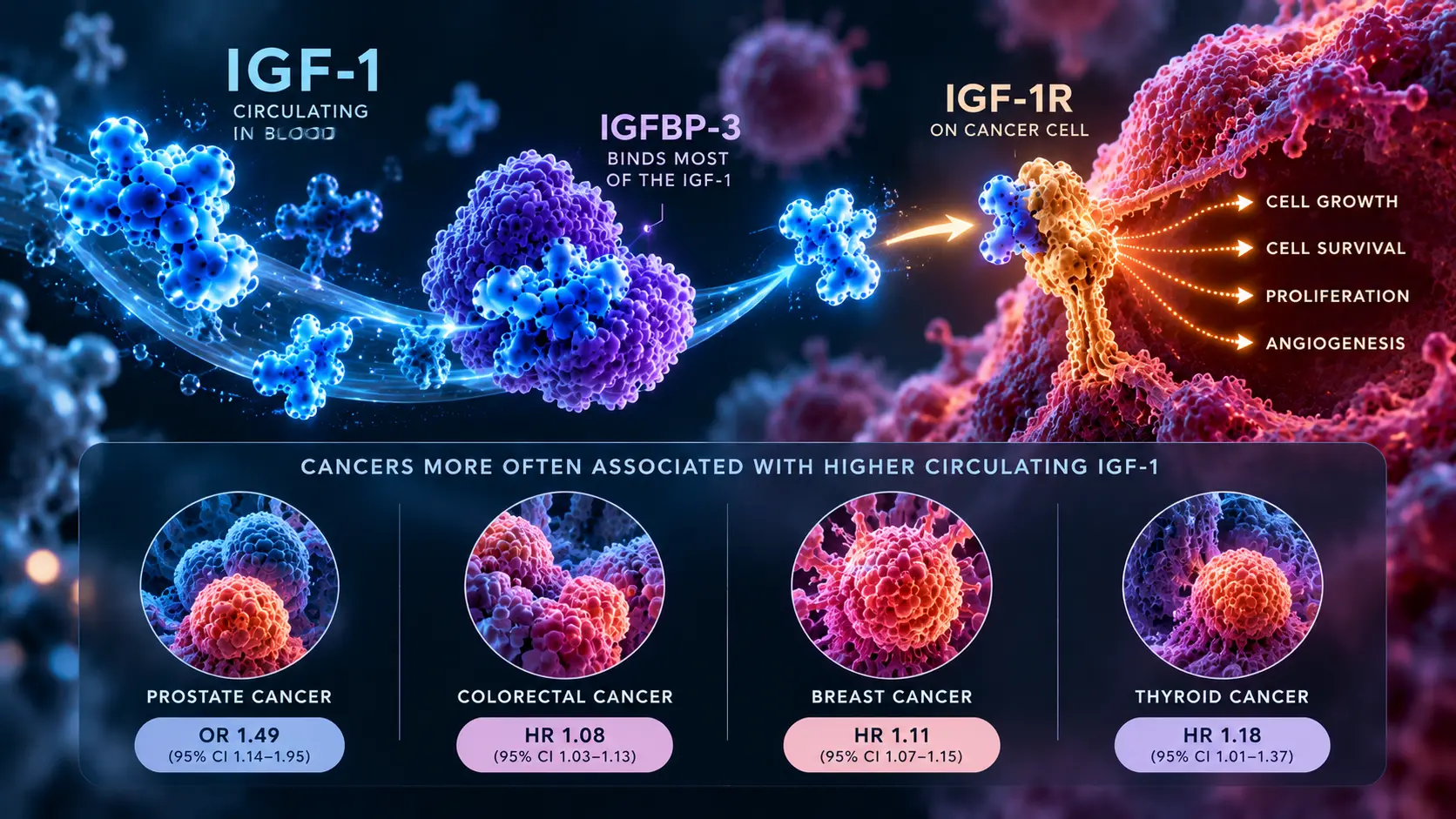
What does the research say about IGF-1 cancer risk? A sourced review of the Renehan 2004 meta-analysis, UK Biobank cohorts and Mendelian randomization.
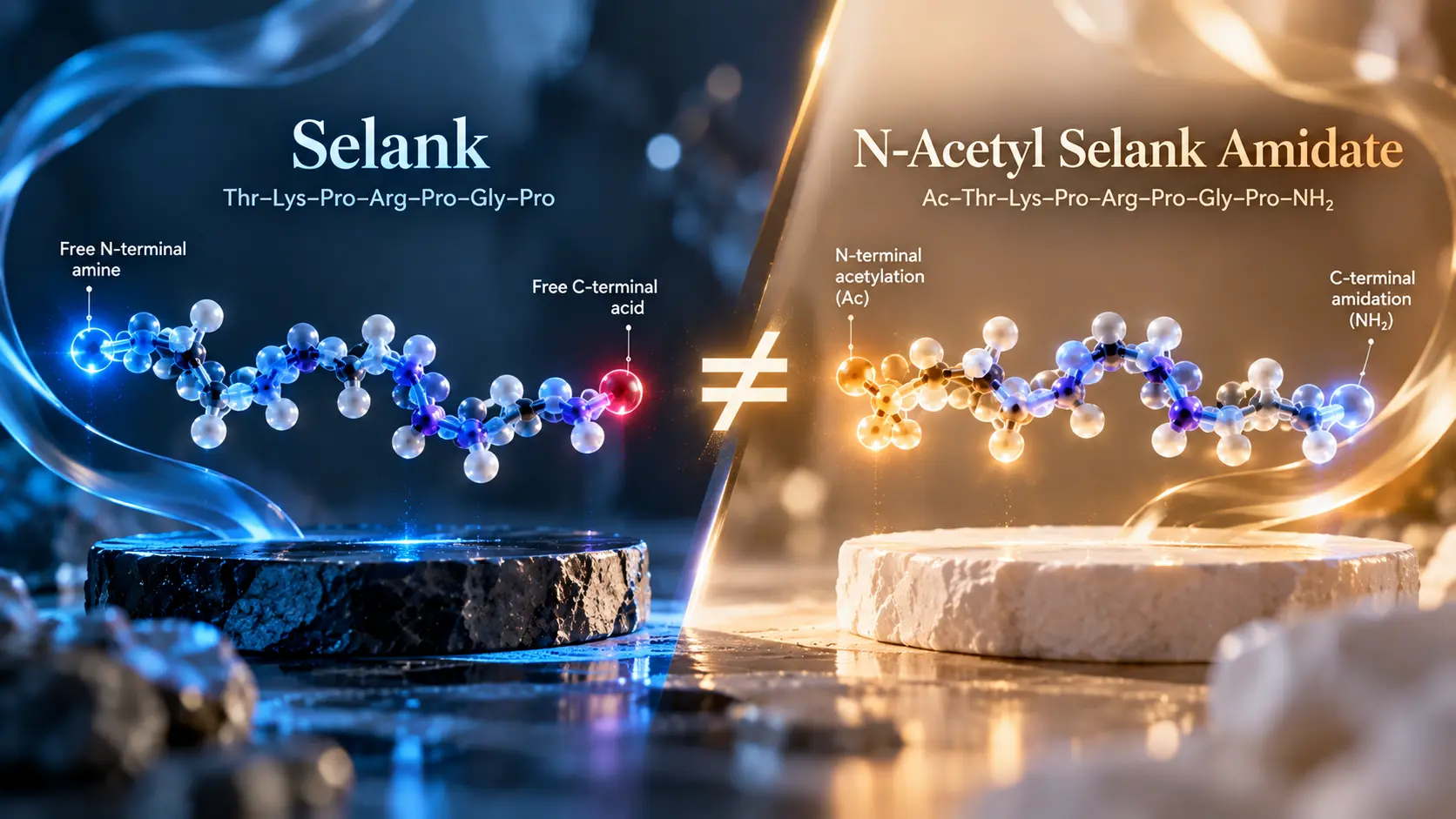
N-acetyl selank amidate is not Selank's full chemical name. Compare sequences, masses and database records, and learn how to tell the two apart on a COA.

Is CJC-1295 legal? It is not FDA-approved, left FDA Category 2 in 2024, was voted down for 503A compounding, and is banned by WADA. Verified status.
(faqs)