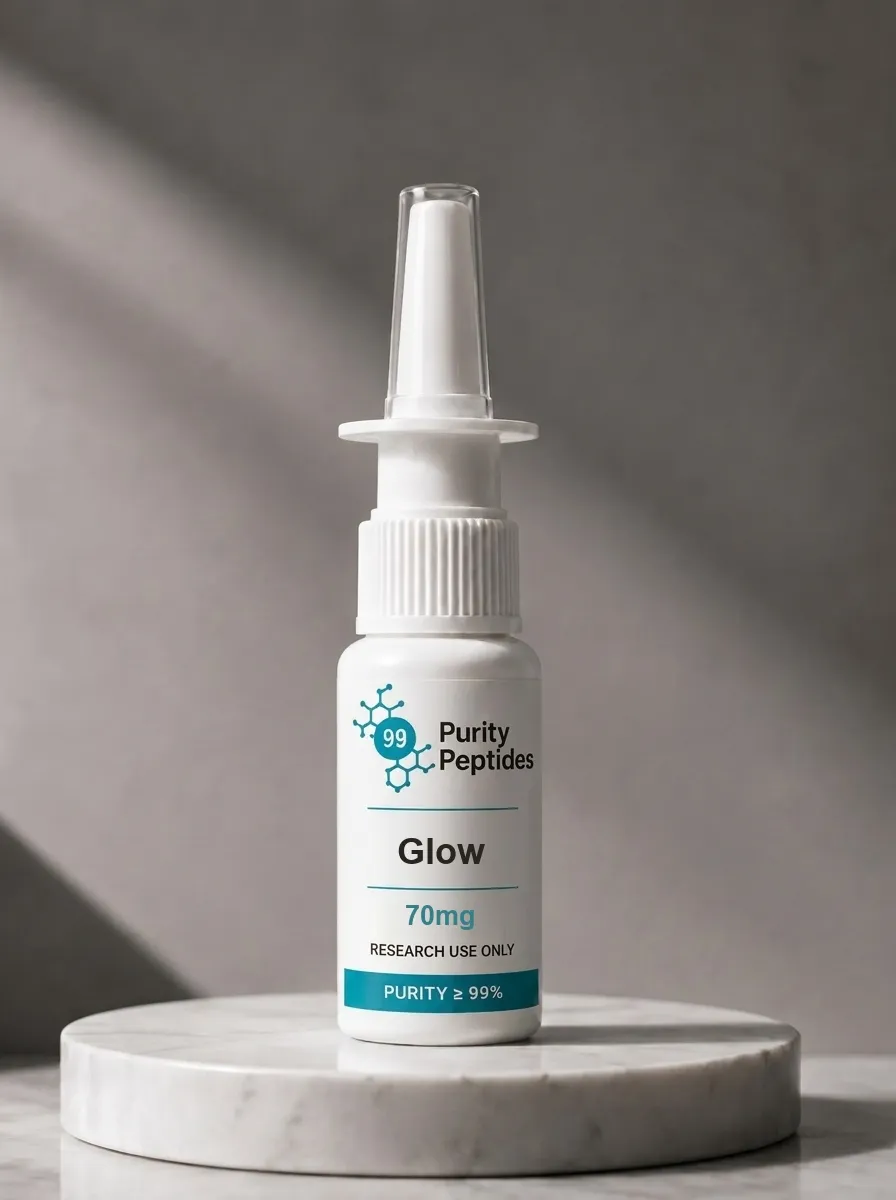
Glow 70mg Spray is a research-grade tri-peptide blend combining three well-characterized investigational compounds — GHK-Cu (glycyl-L-histidyl-L-lysine copper, 50mg), BPC-157 (Body Protective Compound-157, 10mg), and TB-500 (Thymosin Beta-4 synthetic fragment, 10mg) — into a single research spray formulation. Each component contributes a distinct and scientifically documented signaling profile: GHK-Cu for extracellular matrix regulation and antioxidant gene expression, BPC-157 for nitric oxide and growth factor receptor signaling, and TB-500 for actin cytoskeleton dynamics and cell migration research. Each batch is analytically verified and manufactured exclusively for laboratory research applications.
HPLC certified
Independent analysis
Highest standard
Full traceability
Glow 70mg Spray is a research-grade tri-peptide spray formulation developed for laboratory investigations examining extracellular matrix biology, cellular signaling, angiogenesis research, and tissue-level peptide pharmacology. The blend combines three structurally distinct research peptides — GHK-Cu (50mg), BPC-157 (10mg), and TB-500 (10mg) — each with independently documented preclinical research profiles. GHK-Cu is a naturally occurring copper-binding tripeptide investigated for its role in collagen and elastin synthesis regulation, MMP-TIMP pathway modulation, and Nrf2-mediated antioxidant gene expression. BPC-157, a 15-amino-acid pentadecapeptide derived from a gastric juice protective protein, is studied for its interactions with VEGFR2, focal adhesion kinase (FAK), and nitric oxide signaling. TB-500, the synthetic active fragment of Thymosin Beta-4, is investigated for its G-actin sequestration activity, cell motility promotion, and VEGF-mediated angiogenic signaling in experimental models.
Researchers incorporate Glow 70mg Spray into laboratory investigations spanning peptide pharmacology, extracellular matrix research, connective tissue biology, angiogenesis studies, gene expression analysis, antioxidant biochemistry, and comparative multi-peptide signaling research. The blend's value as a research tool lies in the complementary but mechanistically distinct pathways engaged by each component within a single experimental system — enabling investigators to study how different peptide signaling mechanisms interact within the same controlled laboratory environment. As scientific interest in multi-peptide research formulations continues to expand, Glow 70mg Spray has become an increasingly relevant compound for laboratories studying coordinated cellular and matrix-level signaling processes.
Glow 70mg Spray is a research-grade tri-peptide spray formulation designed for laboratory investigations examining extracellular matrix signaling, cellular repair biology, angiogenesis research, and multi-peptide pharmacology. The blend comprises three structurally and mechanistically distinct investigational compounds — GHK-Cu at 50mg, BPC-157 at 10mg, and TB-500 at 10mg — each carrying an independent and well-characterized preclinical research history. GHK-Cu (glycyl-L-histidyl-L-lysine copper) is a naturally occurring copper-binding tripeptide found endogenously in human plasma, saliva, and urine. BPC-157 (Body Protective Compound-157) is a 15-amino-acid pentadecapeptide derived from a sequence within a human gastric juice protective protein. TB-500 is a synthetic peptide corresponding to the active actin-binding domain — amino acid residues 17 through 23 — of the naturally occurring protein Thymosin Beta-4. The scientific research profile of each component, and their combined deployment within a single spray formulation, makes Glow 70mg Spray a distinctive and versatile tool for multi-pathway peptide research in controlled experimental settings.
From a molecular research perspective, each component of Glow 70mg Spray engages a different tier of cellular biology. GHK-Cu operates primarily at the level of gene expression and extracellular matrix regulation. Laboratory investigations have documented its influence on over 4,000 human genes, including downregulation of inflammation-associated and tissue-degradation genes and upregulation of repair, collagen synthesis, and remodeling genes in fibroblast models. It modulates the balance between matrix metalloproteinases (MMPs) — enzymes responsible for extracellular matrix breakdown — and their inhibitors (TIMPs), with a higher TIMP-to-MMP ratio associated with improved collagen and elastin deposition in experimental systems. Its antioxidant activity is investigated in relation to the Nrf2-antioxidant response element (ARE) signaling pathway, through which it is proposed to influence endogenous antioxidant gene transcription in skin cell models.
BPC-157 engages signaling at the receptor and intracellular messenger level. Research has characterized its interaction with vascular endothelial growth factor receptor 2 (VEGFR2) — a pathway implicated in angiogenic signaling and new blood vessel formation in preclinical tissue models. Additionally, BPC-157 is investigated for its activation of focal adhesion kinase (FAK), a key mediator of cell adhesion, migration, and fibroblast activity in connective tissue repair research. Nitric oxide (NO) system modulation is another area of active investigation, with studies exploring how BPC-157 influences NO-dependent signaling in vascular and neuromuscular experimental frameworks. These multi-target interactions have positioned BPC-157 as an important research molecule for studying coordinated repair signaling in laboratory models of tissue biology.
TB-500 engages the actin cytoskeleton — a fundamental structural and signaling network within mammalian cells. As a synthetic fragment corresponding to the active domain of Thymosin Beta-4, TB-500 is one of the most abundant actin-sequestering peptides investigated in cell biology research. It binds G-actin monomers and regulates their polymerization into filamentous F-actin, a process central to cell motility, migration to injury sites, and cytoskeletal remodeling in experimental systems. Research also explores TB-500's relationship with vascular endothelial growth factor (VEGF) and hypoxia-inducible factor 1-alpha (HIF-1alpha) signaling as part of its investigated role in angiogenesis research. Anti-inflammatory cytokine modulation is an additional area of study, with investigations examining how TB-500 interacts with downstream inflammatory signaling cascades in preclinical models.
The multi-peptide architecture of Glow 70mg Spray is scientifically significant because it provides researchers with a tool for studying mechanistically complementary but pathway-distinct signaling events within a single experimental system. GHK-Cu's gene expression modulation, BPC-157's receptor-level signaling, and TB-500's cytoskeletal dynamics represent three distinct layers of cellular biology that can be studied simultaneously. Comparative investigations examining how these three peptide systems interact — rather than studying each in isolation — represent an emerging area of interest in multi-peptide pharmacology research. Researchers studying extracellular matrix remodeling, vascular biology, connective tissue signaling, and systems-level peptide pharmacology may find this combined formulation particularly useful as an experimental model for network-level analysis.
Each batch of Glow 70mg Spray is produced using research-grade manufacturing processes designed to ensure consistency, analytical traceability, and reproducibility across laboratory investigations. Comprehensive quality assurance includes identity confirmation for each of the three peptide components, purity verification through high-performance liquid chromatography (HPLC), and batch-specific quality control documentation. These procedures are applied to the blend as formulated, supporting confidence in the composition and analytical integrity of the material supplied for laboratory use.
Glow 70mg Spray should be stored under appropriate laboratory conditions in accordance with established handling protocols for research-grade peptide spray formulations. Researchers should follow storage guidance provided with the product, minimize temperature fluctuations, and avoid repeated environmental exposure to help preserve the molecular integrity of all three peptide components throughout the research lifecycle. Appropriate laboratory handling practices contribute to maintaining analytical consistency across experimental programs.
Scientific investigation into each component of Glow 70mg Spray continues to evolve. While GHK-Cu carries an extensive body of in vitro and human fibroblast research, many aspects of BPC-157's and TB-500's precise molecular interactions in complex tissue systems remain areas of active inquiry. The combined behavior of the three peptides within a single formulation represents an additional layer of investigational complexity that has not been fully characterized. For this reason, Glow 70mg Spray should be regarded as an investigational research compound whose value lies in advancing scientific understanding of multi-peptide signaling rather than as a compound with established clinical application.
Glow 70mg Spray is supplied exclusively for laboratory research and analytical applications. It is intended for Research Use Only (RUO) and is not approved for human consumption, therapeutic use, veterinary use, diagnostic applications, or cosmetic purposes. This product is formulated solely to support scientific investigation, analytical testing, and educational research conducted by qualified professionals within appropriate laboratory environments.
Be the first to share your experience with this product and help other researchers!
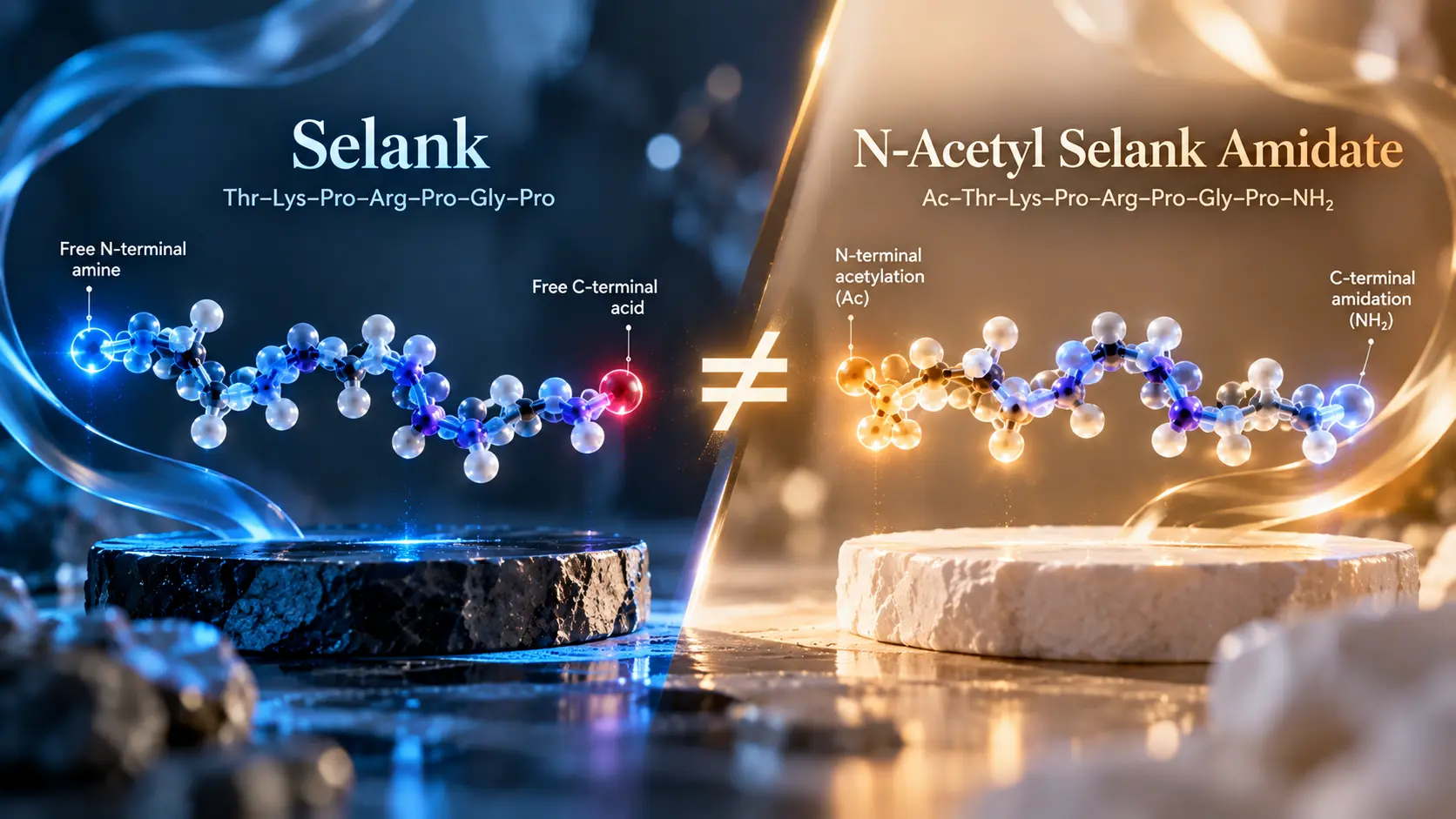
N-acetyl selank amidate is not Selank's full chemical name. Compare sequences, masses and database records, and learn how to tell the two apart on a COA.

Is CJC-1295 legal? It is not FDA-approved, left FDA Category 2 in 2024, was voted down for 503A compounding, and is banned by WADA. Verified status.
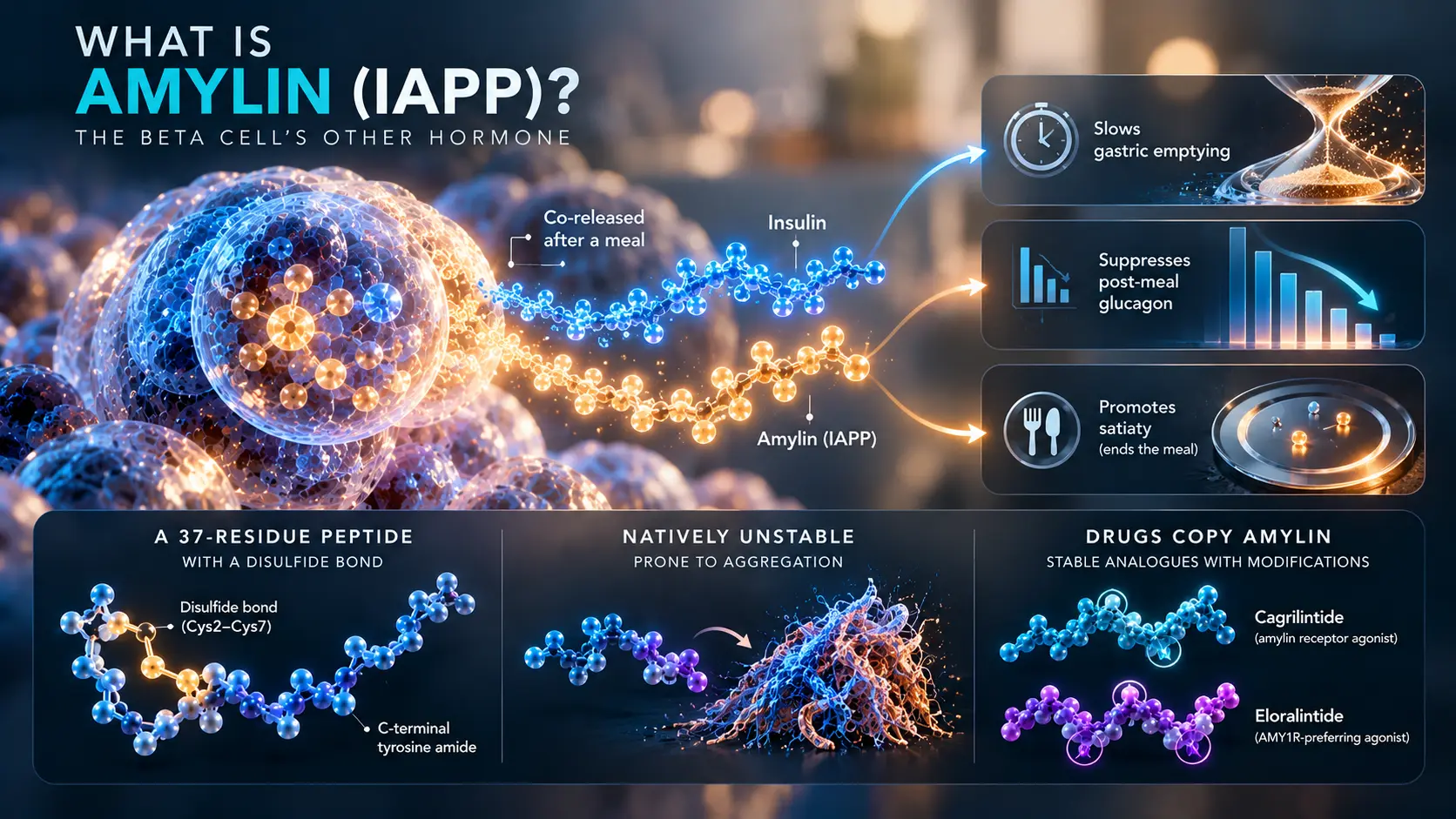
What is amylin? A 37-residue hormone the beta cell releases alongside insulin. Its real job, why it clumps, and how cagrilintide and eloralintide copy it.
(faqs)