99Purity Peptides
Shop
Categories
CalculatorAboutBlogFAQContactAffiliates
Shop Now
Navigation
Top Formulations
View All in Category

Ready to elevate your research.
Explore our complete catalogue.

Explore Catalogue
Category
Vial
Vial on Ice
Purity
Identity
99 Purity Peptides Logo

Purity You Can Trust.

Setting the gold standard in peptide synthesis with verified HPLC/MS testing for uncompromised results.

Stay ahead of the curve. Join 5,000+ top-tier labs getting exclusive formulations, early drop access, and breakthrough research news.

Explore

  • Home
  • About
  • Shop
  • Blog
  • FAQ
  • Peptide Calculator
  • Certificates
  • Shipping Locations
  • Affiliates

Contact

orders@99puritypeptides.com
support@99puritypeptides.com
+1 (843) 330-7365
@99puritypeptide

Contact Us

Reach out to our support team

Shop Catalogue

View all research peptides

99purity

Disclaimer:The content on this website has not been evaluated or approved by the U.S. Food and Drug Administration (FDA). Products sold by 99 Purity Peptides are offered for research and laboratory purposes only and are not intended to diagnose, treat, cure, or prevent any disease. 99 Purity Peptides is not a compounding pharmacy and does not operate as a chemical compounding facility as defined under Section 503A of the Federal Food, Drug, and Cosmetic Act. Products are not for human or veterinary use, and are not intended for ingestion, injection, or any form of administration. Purity levels may vary by product and lot; certain items may test below 99% purity.

Pay
Pay
PayPal
Zelle
VISA
AMEX
mastercard
+ more
99Purity Peptides © 2026·Privacy Policy·Terms of Service·Refund Policy·Shipping Policy·Medical Disclaimer·Corrections Policy
Designed & Developed by Belk Digital
Product view 1
HomeShopNasal SpraysGHK-Cu Spray
Nasal Sprays

GHK-Cu Spray

$64.99

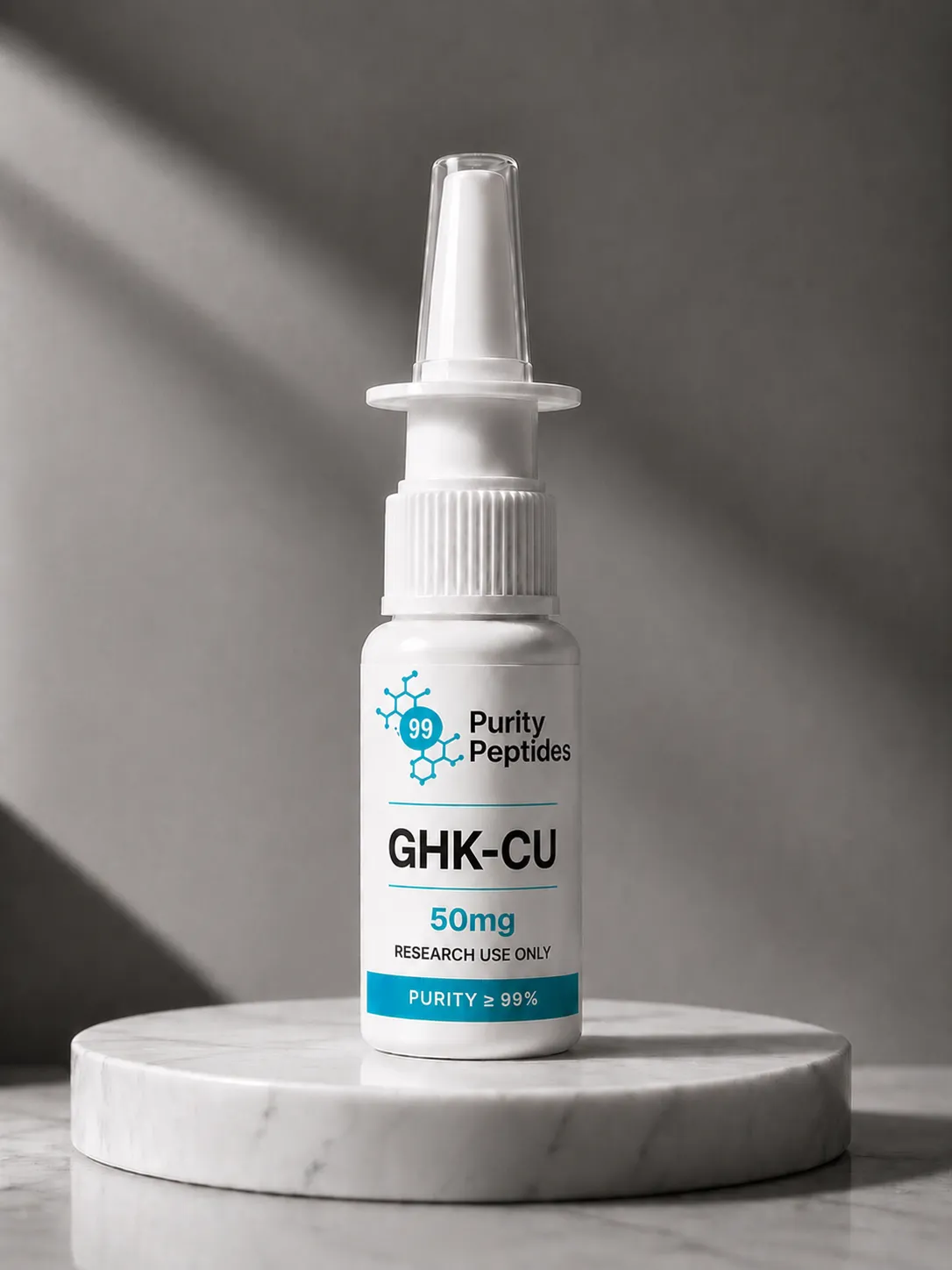
GHK-Cu Spray 50mg is a research-grade intranasal copper peptide formulation developed for laboratory investigations involving GHK-Cu (Copper Tripeptide-1), extracellular matrix biology, peptide signaling, and molecular pharmacology. The standardized spray formulation supports investigations into peptide stability, copper-peptide interactions, formulation science, and intranasal delivery systems while maintaining rigorous analytical quality standards for Research Use Only applications.

Select Size50mg
In Stock
1
Guaranteed Safe Checkout
Pay
Pay
PayPal
Zelle
VISA
AMEX
mastercard
+ more
Fast Shipping
99% Purity
3rd Party Tested
Guaranteed
99.9
Compound Profile

The
Science.

≥99%

HPLC certified

Verified Purity

3rd Party

Independent analysis

Lab Tested

Research

Highest standard

Grade Quality

COA

Full traceability

Documented
GHK-Cu Spray
Product Profile

Overview

GHK-Cu Spray 50mg is an investigational intranasal peptide formulation containing GHK-Cu (Copper Tripeptide-1), a naturally occurring copper-binding tripeptide composed of glycyl-L-histidyl-L-lysine complexed with copper ions. Scientific investigations commonly examine GHK-Cu for its relationship with extracellular matrix biology, copper ion transport, peptide-mediated cellular signaling, gene expression, and molecular regulatory pathways. The intranasal spray presentation enables researchers to investigate formulation stability, analytical reproducibility, peptide integrity, copper-peptide complex stability, and standardized delivery system performance under controlled laboratory conditions.

Current scientific literature frequently associates GHK-Cu investigations with extracellular matrix proteins, collagen biology, metalloproteinase regulation, copper-dependent biochemical pathways, oxidative stress biomarkers, and intracellular signaling. Researchers also compare GHK-Cu with investigational peptides including KPV, TB-500, BPC-157, Epitalon, and MOTS-c to better understand molecular characteristics, formulation behavior, peptide stability, and laboratory applications. Manufactured according to stringent research-grade standards and supported by comprehensive analytical verification, GHK-Cu Spray 50mg provides dependable investigational material for peptide chemistry, molecular biology, formulation science, and laboratory research.

GHK-Cu Spray 50mg is a research-grade intranasal copper peptide formulation developed to support laboratory investigations involving GHK-Cu (Copper Tripeptide-1), extracellular matrix biology, molecular pharmacology, peptide chemistry, intracellular communication, copper-peptide interactions, formulation science, and cellular biology research. GHK-Cu is a naturally occurring copper-binding tripeptide consisting of the amino acid sequence glycine-histidine-lysine (GHK) complexed with divalent copper ions. Because of its unique molecular structure and extensive scientific literature, GHK-Cu has become one of the most extensively investigated copper peptides in molecular biology and peptide research. The standardized intranasal spray formulation enables researchers to investigate peptide stability, formulation science, analytical reproducibility, copper complex integrity, and delivery characteristics under controlled laboratory conditions.

A primary area of GHK-Cu research focuses on its relationship with extracellular matrix biology. Researchers investigate peptide-mediated signaling involving collagen-associated proteins, extracellular matrix remodeling, matrix metalloproteinases (MMPs), copper-dependent enzymes, and molecular regulatory pathways to better understand extracellular communication within experimental systems. These investigations remain exclusively within Research Use Only laboratory applications.

Scientific investigations also examine GHK-Cu in relation to intracellular signaling pathways involving gene expression, transforming growth factor-beta (TGF-β) signaling, oxidative stress biomarkers, mitochondrial biology, transcriptional regulation, protein homeostasis, and peptide-mediated molecular communication. Researchers continue evaluating these pathways to better characterize intracellular regulatory mechanisms and copper-peptide pharmacology in laboratory models.

The 50mg intranasal spray formulation provides additional scientific value by allowing laboratories to investigate formulation stability, spray consistency, peptide integrity, copper complex stability, physicochemical characteristics, analytical reproducibility, and intranasal delivery system performance. Comparative laboratory investigations frequently evaluate spray formulations alongside lyophilized peptide preparations to better understand formulation behavior, stability profiles, analytical characteristics, and standardized laboratory handling procedures.

GHK-Cu Spray is commonly investigated alongside KPV, BPC-157, TB-500, Epitalon, MOTS-c, Thymalin, and additional regulatory peptides. Comparative laboratory studies evaluate peptide sequence, intracellular signaling pathways, molecular stability, analytical chemistry, formulation science, copper coordination chemistry, and peptide pharmacology to better understand similarities and distinctions among regulatory peptide systems.

The 50mg formulation is particularly valuable for laboratories conducting extracellular matrix investigations, peptide characterization, formulation comparison studies, molecular biology research, analytical validation, copper-peptide interaction studies, biomarker discovery, and cellular signaling experiments requiring standardized intranasal investigational materials.

Beyond cellular biology investigations, GHK-Cu Spray serves as an important analytical reference material within peptide chemistry, molecular biology, analytical chemistry, pharmaceutical analysis, proteomics, biochemistry, formulation science, drug delivery research, metalloprotein research, and systems biology. The expanding scientific literature surrounding GHK-Cu provides researchers with valuable investigational material for analytical method development, formulation comparison studies, laboratory quality assurance, and peptide stability investigations.

Each batch of GHK-Cu Spray 50mg is manufactured according to stringent research-grade production standards and undergoes comprehensive analytical verification before release. Quality assurance procedures include peptide identity confirmation, analytical purity verification, copper complex integrity testing, formulation consistency evaluation, packaging inspection, microbial quality testing where appropriate, and batch-specific quality control documentation. These procedures support reproducibility, consistency, and confidence across independent laboratory investigations.

To preserve formulation quality, GHK-Cu Spray should be stored according to accepted laboratory recommendations for peptide formulations. Appropriate storage conditions, controlled laboratory handling, and adherence to institutional protocols help maintain peptide integrity, copper complex stability, and analytical performance before experimental use.

Although GHK-Cu continues to receive significant scientific attention, research involving copper peptide biology, extracellular matrix regulation, gene expression, copper-dependent molecular pathways, and intranasal peptide formulation science remains active and continues to evolve. Accordingly, GHK-Cu Spray 50mg should be regarded exclusively as an investigational laboratory material intended to support scientific discovery and analytical research.

GHK-Cu Spray 50mg is supplied exclusively for laboratory research and analytical applications. This product is intended for Research Use Only (RUO) and is not approved for human consumption, therapeutic use, veterinary applications, cosmetic use, or diagnostic purposes.

Research DisclaimerAll products across every category are for research use only and not for human or veterinary use, diagnosis or treatment.
Continue Exploring

Also Considered.

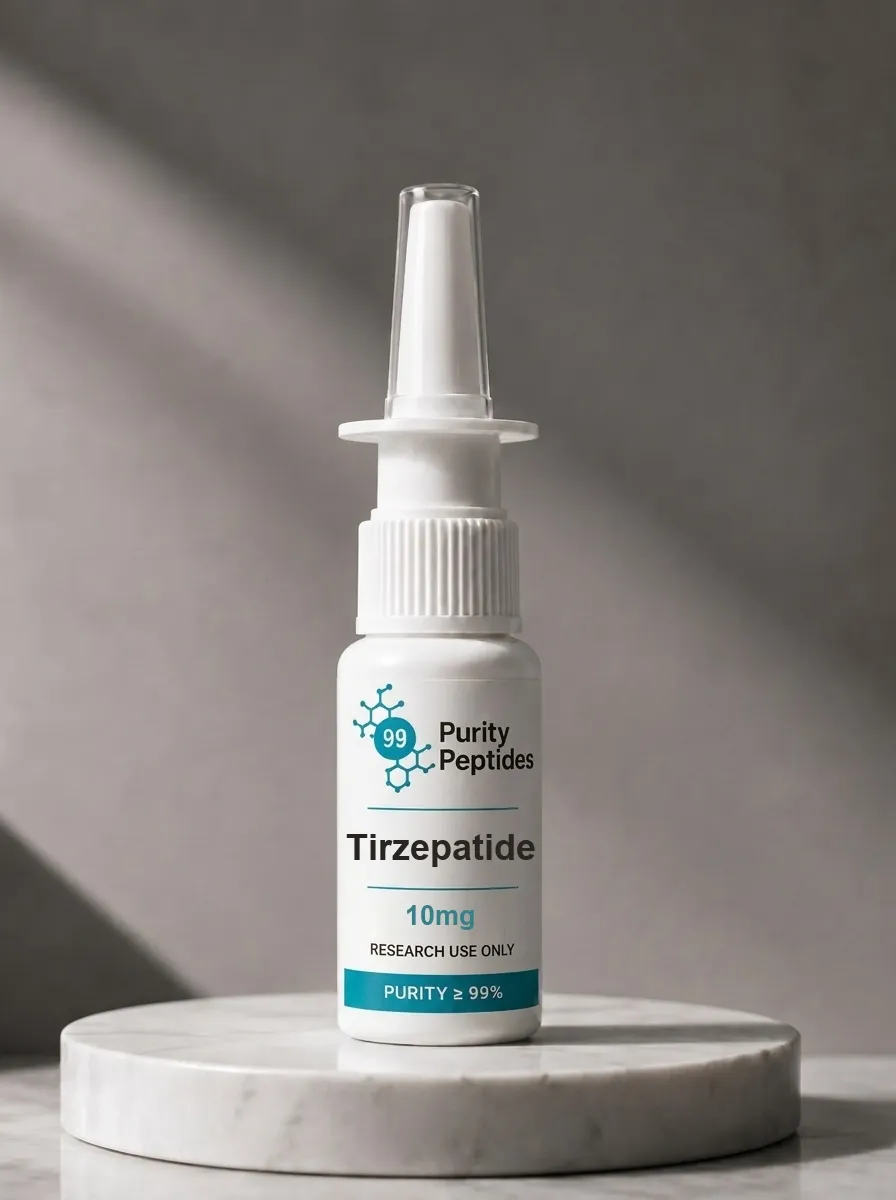
Glp-1TRZ Spray

RESEARCH PEPTIDE

Explore Glp-1TRZ Spray, a synthetic GIP/GLP-1R dual agonist peptide solution studied for insulin secretion and mucosal transport. HPLC-tested. RUO.

Glp-1TRZ Spray
From
$74.99

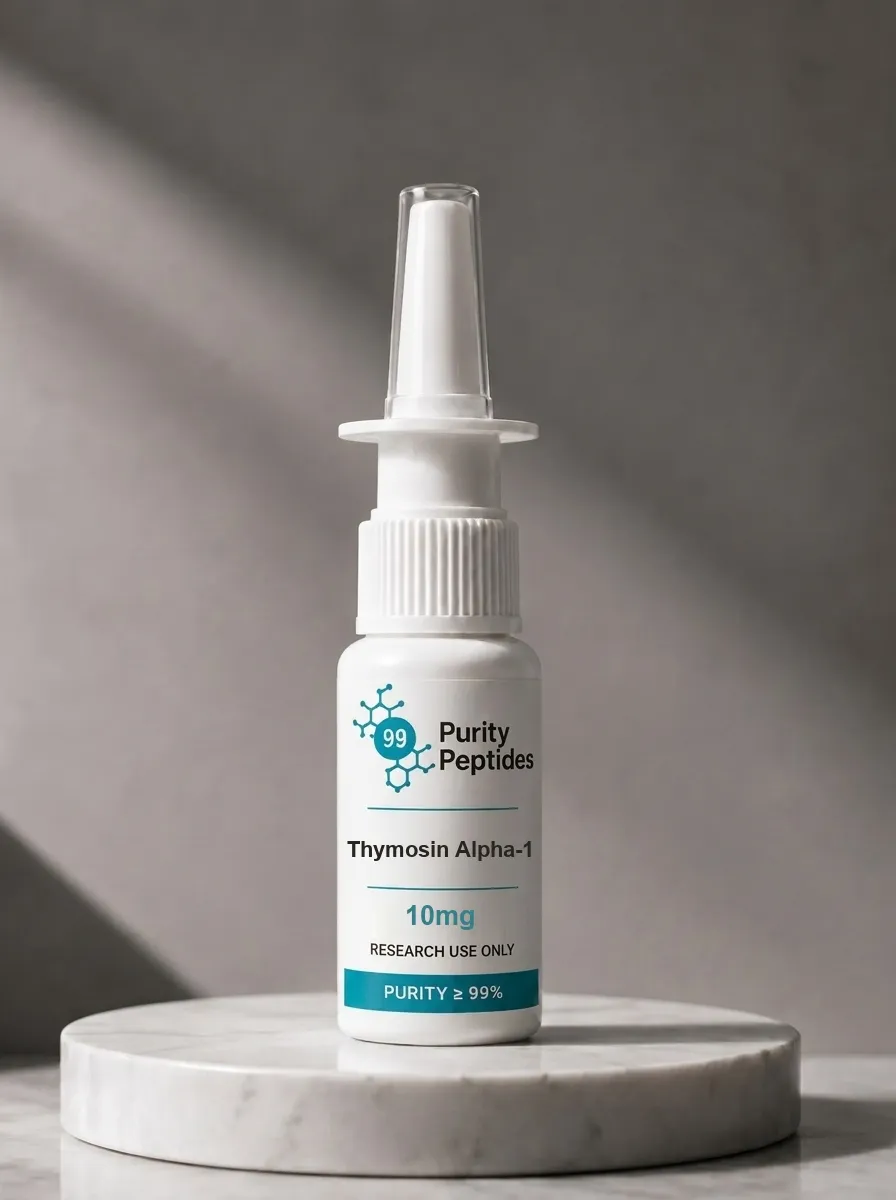
Thymosin Alpha-1 Spray

RESEARCH PEPTIDE

Explore Thymosin Alpha-1 Spray, a synthetic 28-amino-acid peptide solution studied for TLR4/TLR9 activation and mucosal transport. HPLC-tested. RUO.

Thymosin Alpha-1 Spray
From
$84.99

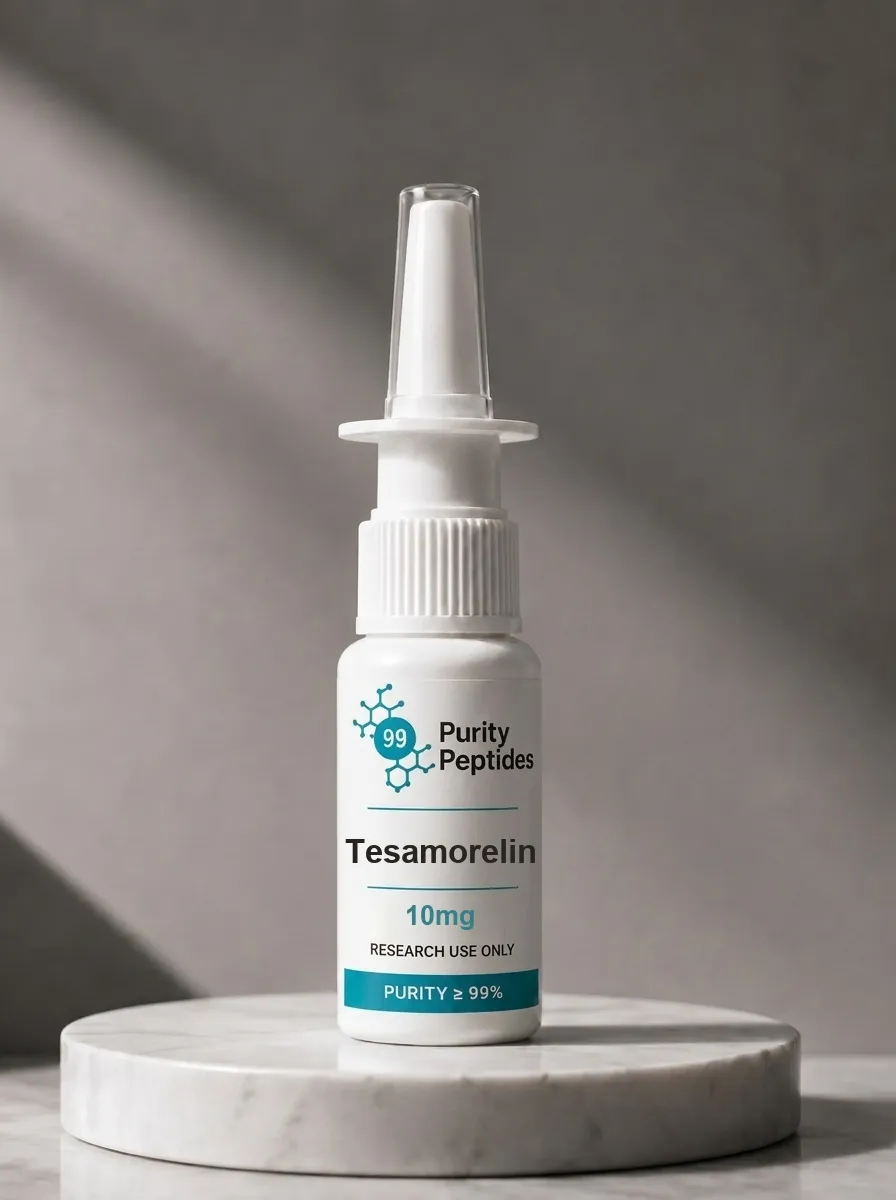
Tesamorelin Spray

RESEARCH PEPTIDE

Explore Tesamorelin Spray, a synthetic hexenoylated GHRH agonist peptide solution studied for growth hormone release and mucosal transport. RUO.

Tesamorelin Spray
From
$94.99

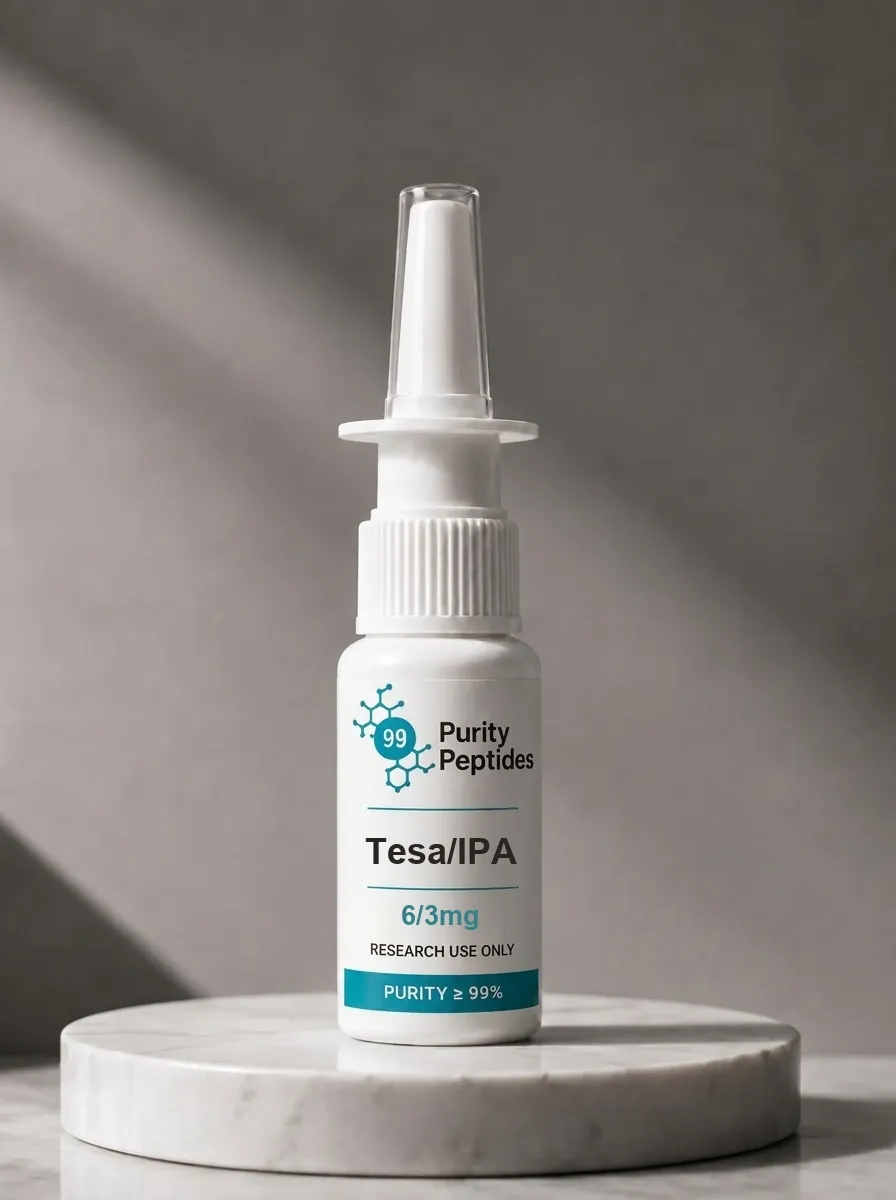
Tesamorelin + Ipamorelin Spray

RESEARCH PEPTIDE

Explore Tesa/IPA 6/3mg Spray, a compounded dual-peptide GHRH/GHSR agonist solution studied for synergistic growth hormone release and mucosal transport. RUO.

Tesamorelin + Ipamorelin Spray
From
$104.99
Customer Reviews
0.0
0 Reviews
5
0
4
0
3
0
2
0
1
0
0 Reviews

No Reviews Yet

Be the first to share your experience with this product and help other researchers!
Education & Research

Further Reading.

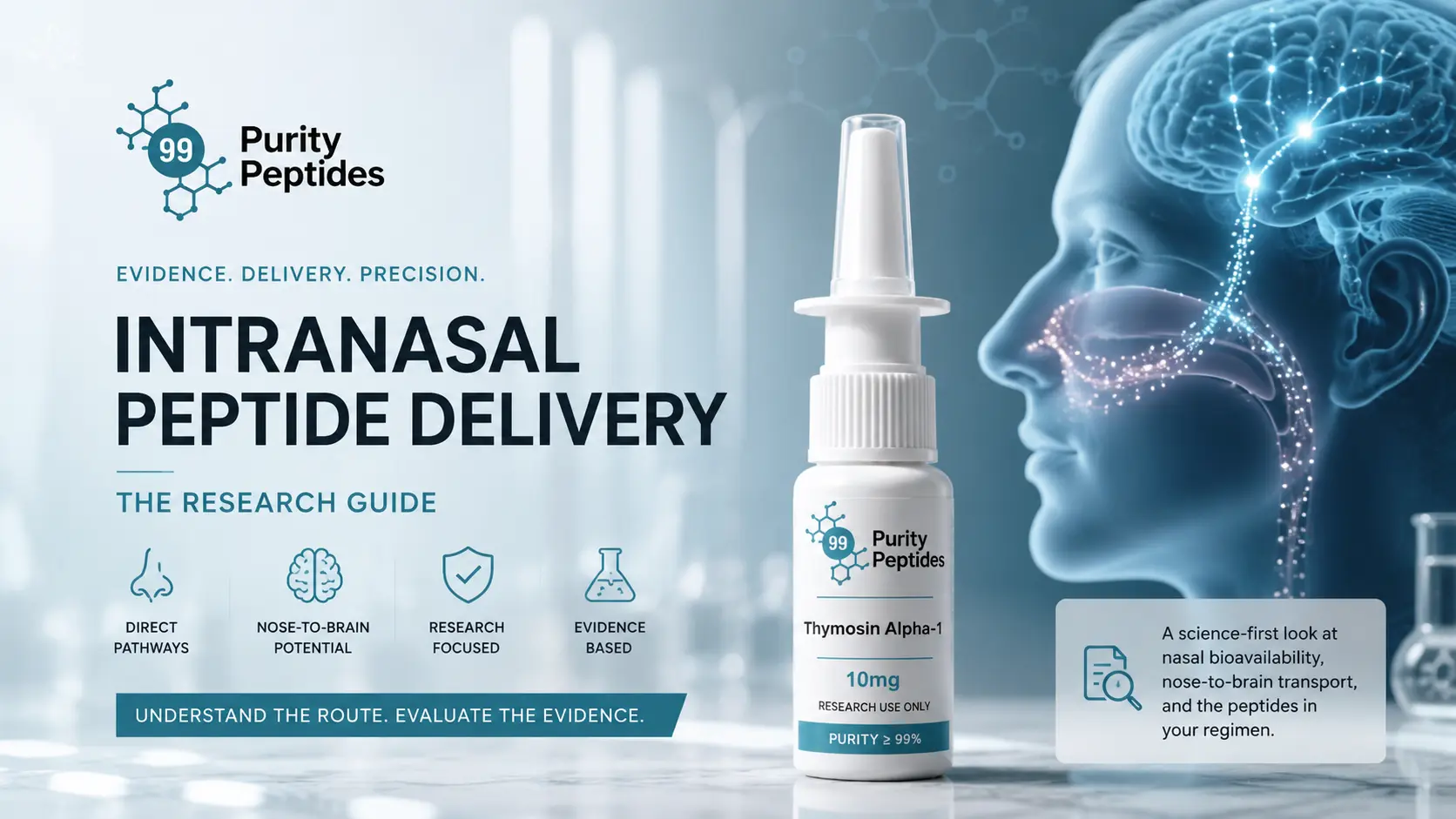
Intranasal Peptide Delivery: Pathways, Bioavailability, and Research Considerations
Product Guides
Aug 20, 20265 min read

Intranasal Peptide Delivery: Pathways, Bioavailability, and Research Considerations

How nasal peptide delivery actually works — the olfactory and trigeminal pathways, bioavailability by molecular weight, and why systemic absorption isn't nose-to-brain delivery.
Peptide Regulatory Status in 2026, Tracked in One Place
Product Guides
Oct 11, 20265 min read

Peptide Regulatory Status in 2026, Tracked in One Place

A dated tracker of peptide regulation in 2026: the 503A Bulks List, the July FDA committee vote, warning letters, recalls and WADA rules, with sources.

What Research Use Only Means When You Buy Peptides
Product Guides
Oct 11, 20265 min read

What Research Use Only Means When You Buy Peptides

Research use only is a label, not a quality grade or a legal shield. See what RUO means on a peptide vial, what it leaves out, and how to read a listing.

READ

(faqs)

Frequently Asked

01

What is GHK-Cu Spray 50mg?

GHK-Cu Spray 50mg is a research-grade intranasal copper peptide formulation containing Copper Tripeptide-1 (GHK-Cu) for laboratory investigations involving extracellular matrix biology, copper-peptide interactions, and molecular signaling.
02

Which biological pathways are commonly investigated with GHK-Cu?

Researchers commonly investigate extracellular matrix biology, copper-dependent signaling pathways, gene expression, oxidative stress biomarkers, intracellular communication, metalloprotein biology, and peptide-mediated molecular regulation.
03

Why is the intranasal spray formulation studied?

The spray formulation enables laboratories to investigate formulation stability, spray consistency, peptide integrity, copper-complex stability, analytical reproducibility, physicochemical characteristics, and intranasal peptide delivery systems under standardized laboratory conditions.
04

What makes GHK-Cu different from standard peptides?

Unlike conventional peptides, GHK-Cu forms a stable complex with copper ions, allowing researchers to investigate copper-dependent biochemical interactions, metalloprotein biology, and peptide-metal coordination within experimental models.
05

Why is GHK-Cu widely investigated in laboratory research?

Researchers investigate GHK-Cu because of its naturally occurring tripeptide structure, copper-binding properties, extensive scientific literature, and usefulness as an investigational model for peptide chemistry, extracellular matrix biology, and molecular regulation.
06

Which scientific disciplines commonly investigate GHK-Cu?

GHK-Cu is widely investigated in molecular biology, peptide chemistry, analytical chemistry, pharmaceutical analysis, biotechnology, proteomics, metalloprotein research, formulation science, cell biology, and systems biology.
07

What analytical testing is performed before release?

Each manufacturing batch undergoes peptide identity verification, copper-complex integrity testing, analytical purity testing, formulation consistency evaluation, packaging inspection, microbial quality assessment where appropriate, and comprehensive batch-specific quality assurance procedures.
08

How should GHK-Cu Spray be stored?

GHK-Cu Spray should be stored according to accepted laboratory recommendations for peptide formulations to help preserve peptide integrity, copper-binding stability, formulation quality, and analytical performance before investigational use.
09

Which peptides are commonly compared with GHK-Cu?

Researchers frequently compare GHK-Cu with KPV, BPC-157, TB-500, Epitalon, MOTS-c, Thymalin, and other regulatory investigational peptides to evaluate molecular characteristics, signaling pathways, formulation behavior, and analytical performance.
10

What laboratory investigations commonly utilize GHK-Cu Spray?

Researchers utilize GHK-Cu Spray in extracellular matrix studies, copper-peptide interaction research, molecular signaling investigations, peptide characterization, analytical chemistry, formulation development, assay development, biomarker discovery, and peptide stability assessments.
11

Is GHK-Cu Spray approved for therapeutic or diagnostic use?

No. GHK-Cu Spray 50mg supplied by 99 Purity Peptides is intended strictly for Research Use Only (RUO) and is not approved for human consumption, therapeutic use, diagnostic procedures, or veterinary applications.
12

How is research-grade consistency maintained?

Research-grade consistency is maintained through standardized manufacturing procedures, peptide identity verification, copper-complex integrity testing, analytical purity testing, formulation consistency evaluation, batch-specific quality control, and comprehensive analytical documentation.
13

What distinguishes the 50mg spray formulation?

The 50mg spray formulation provides a standardized higher-strength intranasal investigational format for laboratories studying copper peptide biology, formulation science, analytical performance, peptide stability, and extracellular matrix signaling while maintaining consistent research-grade manufacturing standards.
14

How does GHK-Cu differ from GHK alone in laboratory research?

GHK is the tripeptide sequence composed of glycine, histidine, and lysine, whereas GHK-Cu is the copper-bound complex of that peptide. Researchers compare both forms to investigate differences in copper coordination, molecular stability, signaling characteristics, and biochemical interactions.
15

Why does GHK-Cu continue to receive scientific attention?

Its naturally occurring copper-binding tripeptide structure, extensive scientific literature, relevance to extracellular matrix biology, gene expression, copper-dependent molecular pathways, and cellular signaling continue to make GHK-Cu one of the most extensively investigated copper peptides in laboratory research.