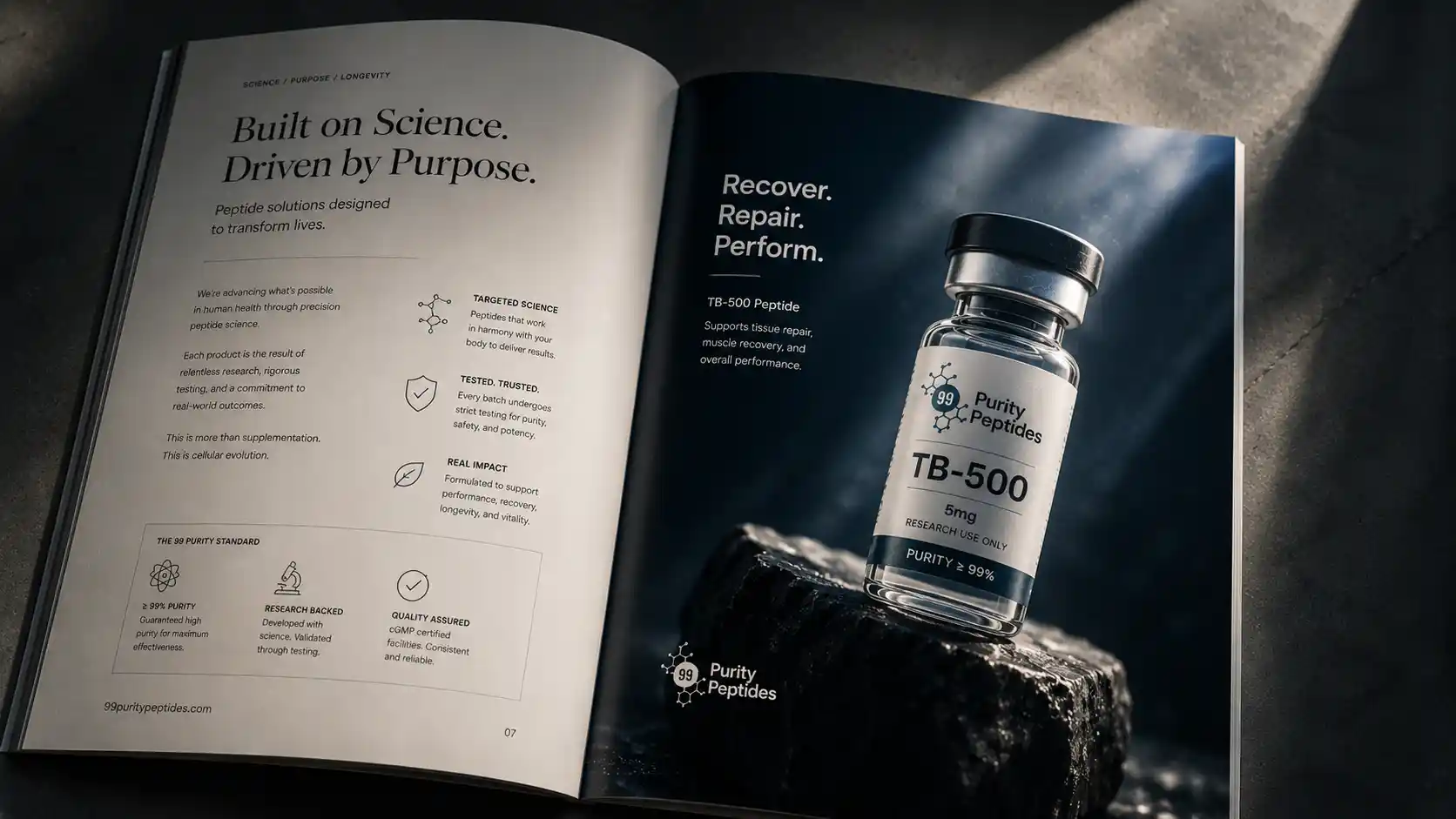
Last reviewed: October 2026
Quick Answer
Research use only, or RUO, is a label. It tells you a product is sold for laboratory research and not for use in people or animals. The label is not a quality grade, a safety finding, or a legal permission. A supplier's other claims can undo it, so read the whole listing and not just the vial.
Key Takeaways
- RUO describes how a product is labeled and sold. On its own it says nothing about purity, safety, or sterility.
- "Research grade" is not a formal standard, so one supplier's version can differ from another's.
- FDA has a formal RUO concept, but its guidance is written for diagnostic test products and not for peptide suppliers.
- Under 21 CFR 201.128, FDA looks at labeling, advertising, statements, and how a product is distributed when it decides what the product is intended for.
- A listing that pairs an RUO line with health promises or personal-use advice is a warning sign.
- Good RUO labeling comes with a lot number, storage details, supplier contact information, and a certificate of analysis you can match to your vial.
What the label actually says
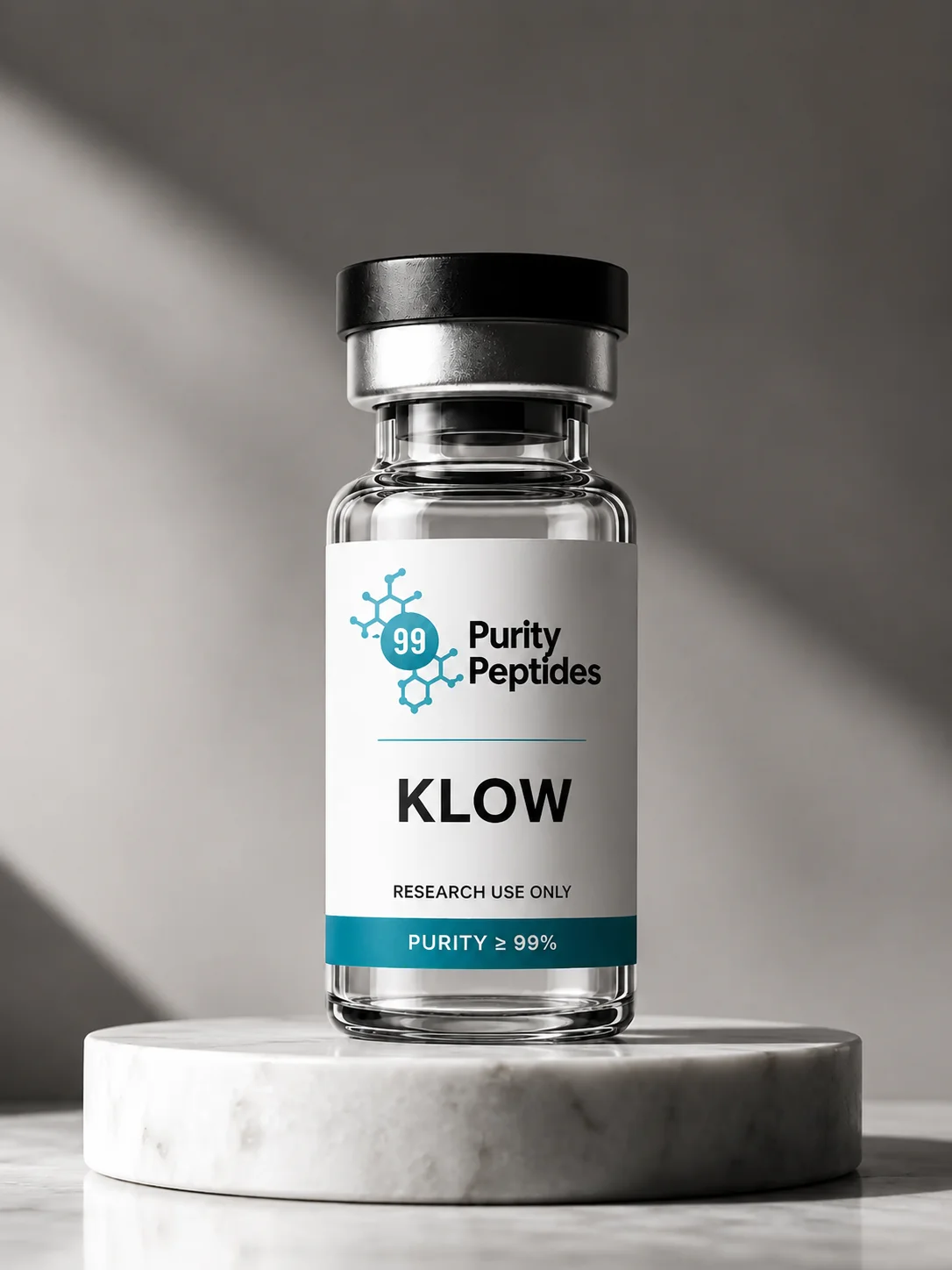
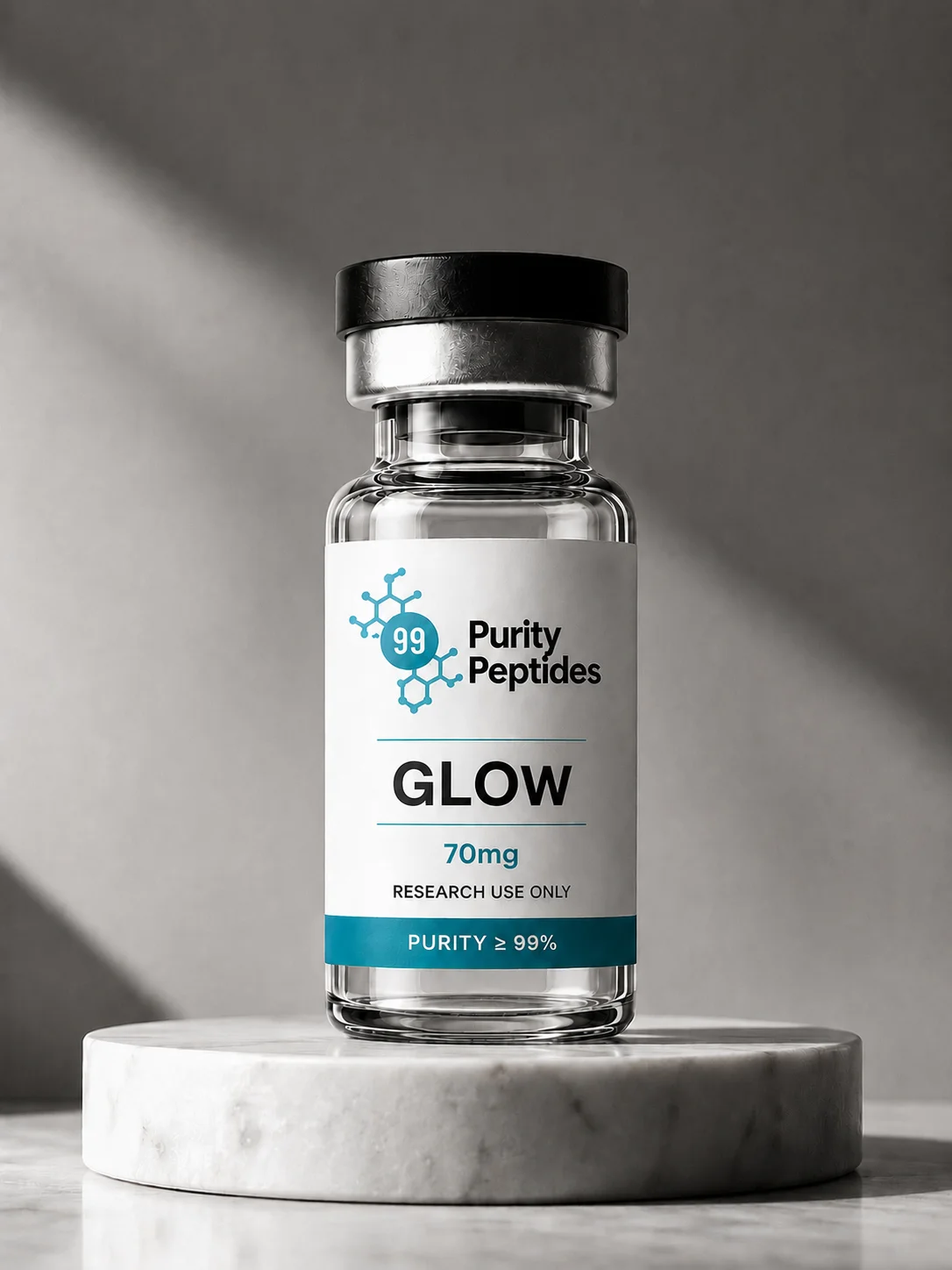
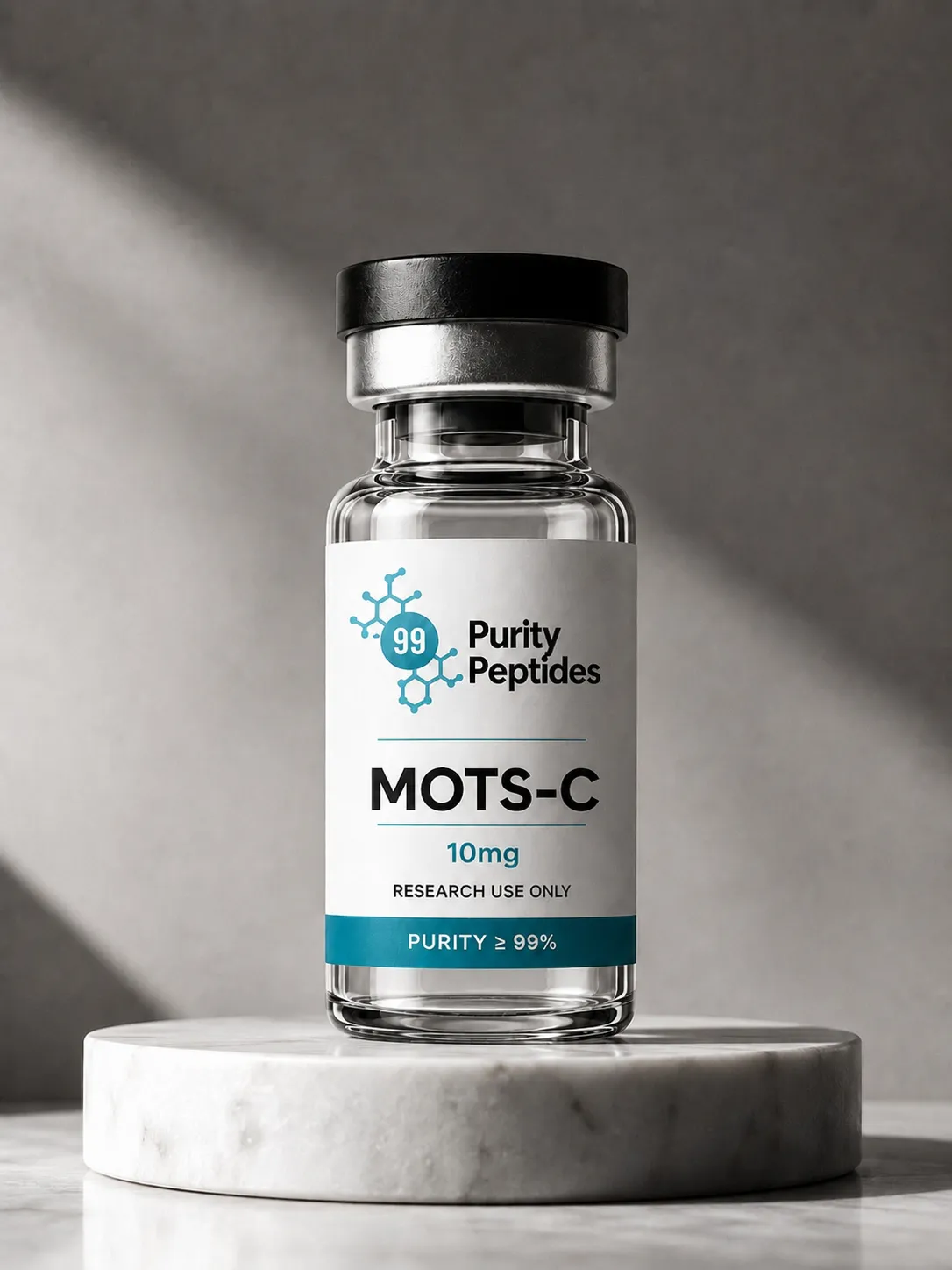
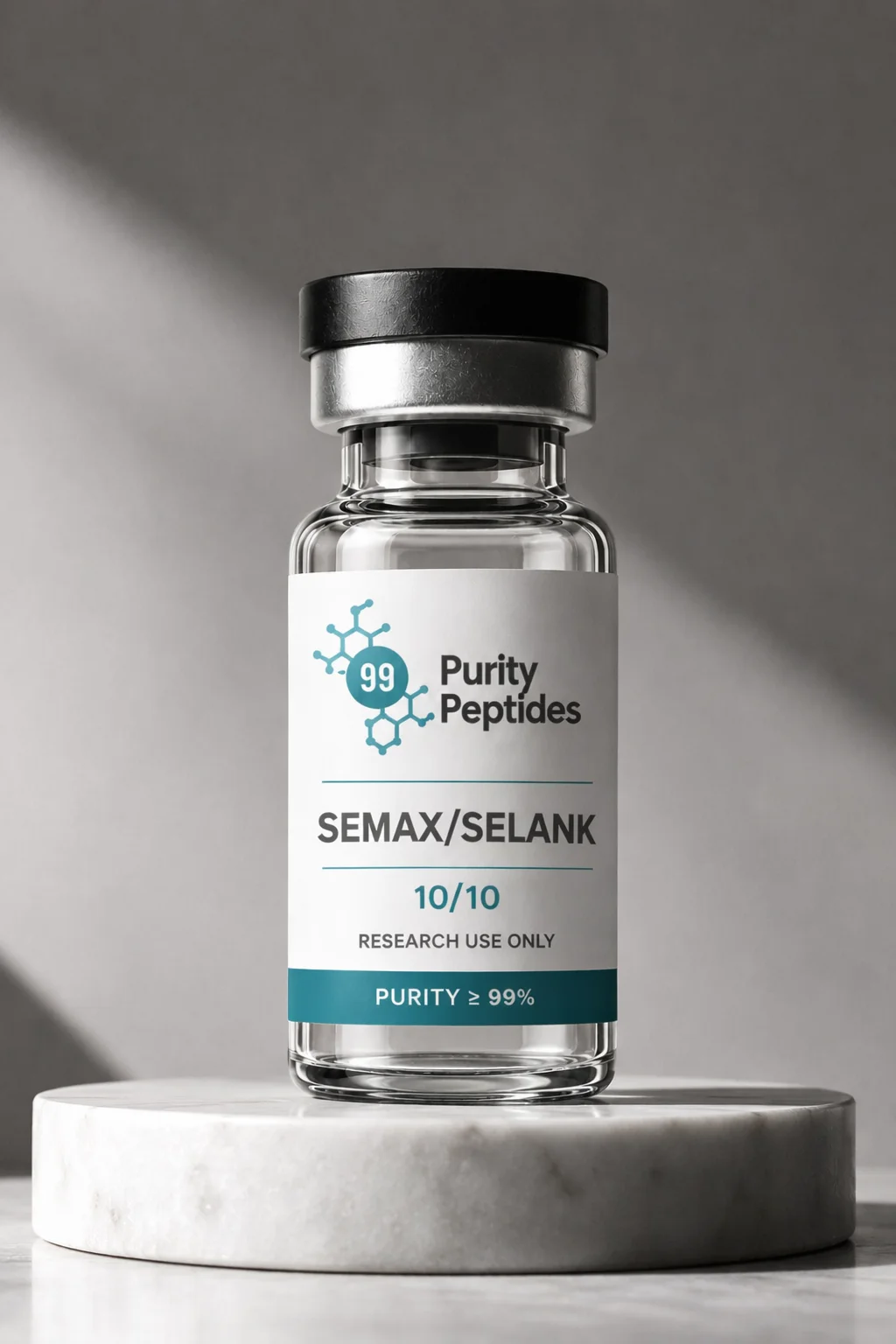
Open a vial of any properly labeled research peptide and you will find a line close to this one: "For research use only. Not for human or veterinary use." The exact wording changes from supplier to supplier. The meaning stays the same.
The line makes three statements. The material is meant for a laboratory. It is not meant to be given to a person or a pet. And it is not sold as a drug, a food, a cosmetic, or a supplement.
It also leaves things out. The label does not say the product is pure. It does not say the product is sterile. It does not say a regulator has looked at it. Those details have to come from other documents, mainly the certificate of analysis for the lot.
Where the label comes from
The phrase has a formal home in one corner of US regulation. FDA uses "research use only" for in vitro diagnostic products, which are laboratory tests and the materials that go into them. The wording "For Research Use Only. Not for use in diagnostic procedures." appears in 21 CFR 809.10(c) [3]. In November 2013, FDA published guidance on when those products can carry an RUO or investigational use only label [1].
That guidance exists because of a problem. Products labeled RUO sometimes ended up in clinical diagnosis without proven performance or proper manufacturing controls. So FDA described how the label should be used. The document is non-binding, and it is written for makers and distributors of diagnostic products [1].
Peptide suppliers borrow the wording. They use it the way other chemical and reagent suppliers do, to show that a product is meant for the bench. We are not aware of a separate government definition of RUO for peptides. That is why the label alone tells you so little.
Why a label is not a legal shield
Many people assume that printing "research use only" on a vial settles the question. It does not. FDA decides what a product is intended for by looking at more than the label.
The rule sits in 21 CFR 201.128. It refers to the "objective intent of the persons legally responsible for the labeling" of a product. Intent can be shown by labeling claims, advertising, and oral or written statements. It can also be shown by the circumstances in which a product is offered or used [2].
In plain terms, the whole sales picture counts. A vial that says RUO, sold on a page that talks about results in people, sends two messages. The second one carries weight.
For a buyer, the lesson is practical. Treat a listing that promises health effects as a red flag, even when it carries an RUO line. A careful supplier keeps the label and the sales language consistent. Our guide on whether peptides are legal in the US goes deeper on the legal side. This is general information and not legal advice. A qualified attorney can speak to your own situation.
What research use only does not mean
The label gets stretched in both directions. Some people read it as a seal of quality. Others read it as a sign of something shady. Neither reading holds up.
Common belief | What the label actually tells you |
|---|---|
RUO means pharmaceutical grade | Nothing about grade. Quality shows up in the lot's certificate of analysis, not in the RUO line. |
RUO means FDA tested it | An RUO label is not an FDA approval or clearance. If a compound has an approved drug version, that version is a separate product. |
RUO means it is safe | Nothing in the label speaks to safety. |
RUO means low quality | Not necessarily. The label says nothing about quality in either direction. Documentation decides. |
RUO means I can use it on myself | The label says the opposite. It says not for human use. |
RUO means sterile | Not unless the supplier documents sterility testing for the lot. |
Who these products are meant for
RUO products are meant for people working in a laboratory setting. That usually means in vitro work, such as cell cultures and analytical assays, and preclinical work that follows institutional rules.
Buying for research comes with duties. You are expected to handle the material safely, keep records, and follow your institution's policies on storage and disposal.
The same expectation applies to suppliers. At 99 Purity Peptides, the age gate states that the products are strictly for in vitro laboratory research. Checkout asks buyers to acknowledge that the products are for research use only. Our terms of service ask buyers to confirm that they will use the products only in approved laboratory or experimental models. You can read the full wording on our medical disclaimer and terms and conditions pages.
What proper RUO labeling looks like
A good label does more than print one sentence. It gives you the details you need to keep your work traceable.
What to look for | Why it matters |
|---|---|
Product name and strength | You need to know exactly what is in the vial and how much. |
Lot or batch number | It ties the vial to a certificate of analysis. Without it, a report means very little. |
The RUO statement | It states the intended use in plain words, close to the product. |
Storage conditions | Peptides break down over time. Storage notes protect your results. |
Supplier name and contact details | You should be able to reach a real person with a question about a lot. |
A certificate of analysis for the lot | It shows identity and purity data from a laboratory report. |
No usage advice for people | Dosing schedules, injection tips, and results claims point away from research use. |
We list the certificates we have published so far on our certificates of analysis page. If you want to read one with confidence, start with our guide on how to read a certificate of analysis.
Two listings side by side
The table below compares two made-up listings. They are illustrations and do not describe any real supplier.
Detail | Listing A | Listing B |
|---|---|---|
Label | "For research use only" on the page and the vial | "Research use only" in small print at the bottom |
Sales language | Describes the molecule, its sequence, and published research | Promises faster recovery and better sleep |
Lot number | Printed on the vial and linked to a report | Not shown |
Certificate of analysis | Lab name, methods, results, and date | A generic "99% pure" badge |
Usage advice | None | A weekly schedule for taking it |
Contact | Named email and phone line | A web form that never replies |
Listing A treats the label as a real commitment. Listing B uses it as a disclaimer. The difference is easy to see once you look past the first line.
How to spot a listing that ignores the label
Some listings say RUO in a corner and then read like a wellness ad. A few patterns show up again and again.
- Personal dosing schedules, such as how much to take and how often.
- Advice on injection sites, timing around meals, or "stacking" for a body goal.
- Before and after photos, testimonials, or reviews about how someone felt.
- Claims that a compound heals, burns fat, or builds muscle.
- No lot numbers, no certificate of analysis, and no way to contact the seller.
- Purity claims that cannot be checked against a document.
Any one of these should slow you down. Two or three together should end the purchase.
Questions to ask a supplier before you order
- Can I see the certificate of analysis for the exact lot I am buying?
- Which laboratory ran the tests, and which methods did it use?
- Does the report show identity as well as purity?
- How should I store the material, and for how long?
- Was the lot tested for sterility or endotoxin, or is it supplied without those tests?
- Who do I contact if the lot does not match its report?
A supplier who answers clearly is easier to trust than one who dodges. Slow or vague answers are information too.
Handling basics for researchers
Good records protect your work. Write down the lot number, the date you received the vial, and where you stored it. Keep the certificate of analysis with your lab notes. Label every aliquot with the compound name, the concentration, and the date.
Follow the storage guidance from your supplier and your institution. Our peptide storage guide covers common conditions for lyophilized and reconstituted material. When the work ends, dispose of leftover material under your institution's chemical waste rules.
This page does not give instructions for using any product in people or animals. It cannot, because that falls outside research use.
Where to go next
- See how to choose high-purity research peptides before you compare suppliers.
- Read the guide to certificates of analysis for a line-by-line walkthrough.
- Check which peptides are FDA approved and which are not.
- Use the peptide regulatory status tracker for the 2026 FDA record.
References
- U.S. Food and Drug Administration. Distribution of In Vitro Diagnostic Products Labeled for Research Use Only or Investigational Use Only: Guidance for Industry and FDA Staff. November 25, 2013. Docket FDA-2011-D-0305. https://www.fda.gov/regulatory-information/search-fda-guidance-documents/distribution-in-vitro-diagnostic-products-labeled-research-use-only-or-investigational-use-only
- 21 CFR 201.128. Meaning of intended uses. https://www.law.cornell.edu/cfr/text/21/201.128
- 21 CFR 809.10. Labeling for in vitro diagnostic products. https://www.law.cornell.edu/cfr/text/21/809.10
Research Use Only. 99 Purity Peptides supplies compounds for in vitro laboratory research only. Nothing sold here is for human or veterinary use. This page explains a labeling term. It is not medical advice, legal advice, or guidance on using any product.
Frequently Asked Questions
What does research use only mean?
Research use only means a product is sold for laboratory research. It is not meant for people or animals, and it is not sold as a drug, food, cosmetic, or supplement. The phrase describes labeling and intended use. It does not describe quality or safety.
Are research use only peptides the same as research grade peptides?
Not exactly. RUO describes the intended use. Research grade is a marketing phrase with no formal standard behind it. Neither one tells you the purity of a lot. Check the certificate of analysis for the method, the result, and the date.
Can RUO peptides be used on people?
No. The label says not for human or veterinary use, and this site gives no guidance on using any product that way. Anyone who is thinking about a medical product should talk to a licensed clinician about approved options.
Is it legal to buy research use only peptides?
That depends on the compound, the seller's claims, and the buyer's circumstances. A label does not settle it. FDA looks at labeling, advertising, and statements when it decides intended use. For a view on your own situation, ask a qualified attorney.
Does RUO mean the product is sterile?
No. Sterility is a separate property that a supplier has to test and document. Many research materials are not made for sterile clinical use. Ask whether the lot was tested for sterility or endotoxin before you assume anything.
Do RUO peptides come with a certificate of analysis?
Reputable suppliers provide one. It should name the lot, the laboratory, the methods, and the results. At 99 Purity Peptides, the certificates we have published are listed on the certificates page. Ask about a lot before you order if you do not see it there.
What is the difference between RUO and a prescription drug?
A prescription drug has gone through FDA review for a specific use and is made under pharmaceutical manufacturing rules. An RUO product has had no such review. Some compounds exist in both forms, but the two are different products with different rules.
Why do suppliers print not for human consumption on RUO products?
The statement records the intended use. It tells the buyer and any regulator that the supplier is selling to laboratories. Under FDA's intended use rule, the wider sales language still matters. The statement only works when the rest of the listing agrees with it.
Can labs use RUO peptides in animal studies?
Animal studies fall under your institution's oversight, including its animal care and use committee. The label rules out giving products to people or pets. It does not replace the approvals a study needs. Check with your institution before you start.
What should a lab do with leftover material?
Follow your institution's chemical waste policy. Do not pour peptide solutions down the drain unless that policy allows it. Record the disposal date next to the lot number in your notes.
How can I tell whether a supplier respects the label?
Read the full listing and not just the vial line. Look for consistent research language, a lot-specific certificate of analysis, storage details, and real contact information. Be cautious about any page that gives personal dosing advice.