99Purity Peptides
Shop
Categories
COAsAboutBlogFAQContactAffiliates
Shop Now
Navigation
Top Formulations
View All in Category

Ready to elevate your research.
Explore our complete catalogue.

Explore Catalogue
Category
Vial
Vial on Ice
Purity
Identity
99 Purity Peptides Logo

Purity You Can Trust.

Setting the gold standard in peptide synthesis with verified HPLC/MS testing for uncompromised results.

Stay ahead of the curve. Join 5,000+ top-tier labs getting exclusive formulations, early drop access, and breakthrough research news.

Explore

  • Home
  • About
  • Shop
  • Blog
  • FAQ
  • COAs
  • Shipping Locations
  • Affiliates

Contact

orders@99puritypeptides.com
support@99puritypeptides.com
+1 (843) 330-7365
@99puritypeptide

Contact Us

Reach out to our support team

Shop Catalogue

View all research peptides

99purity

Disclaimer:The content on this website has not been evaluated or approved by the U.S. Food and Drug Administration (FDA). Products sold by 99 Purity Peptides are offered for research and laboratory purposes only and are not intended to diagnose, treat, cure, or prevent any disease. 99 Purity Peptides is not a compounding pharmacy and does not operate as a chemical compounding facility as defined under Section 503A of the Federal Food, Drug, and Cosmetic Act. Products are not for human or veterinary use, and are not intended for ingestion, injection, or any form of administration. Purity levels may vary by product and lot; certain items may test below 99% purity.

Pay
Pay
PayPal
Zelle
VISA
AMEX
mastercard
+ more
99Purity Peptides © 2026·Privacy Policy·Terms of Service·Refund Policy·Research Use Policy·Shipping Policy·Medical Disclaimer·Corrections Policy
Designed & Developed by Belk Digital
Product view 1
Product view 2
01 / 02
HomeShopHealing & RecoveryKPV
Healing & Recovery

KPV

$45.00

KPV is a research-grade Lysine-Proline-Valine (KPV) tripeptide formulated for laboratory investigations involving immunomodulatory signaling, inflammatory pathway biology, epithelial barrier function, cytokine regulation, and peptide-mediated cellular communication. Each batch undergoes comprehensive analytical verification to ensure purity, consistency, and reproducibility, making it suitable for advanced molecular biology, peptide pharmacology, and immunological research.

Select Size5mg Single
Strength
Pack size
Save $56.25 (25%) with the 5 Kit$33.75 / vial instead of $45.00
In stockFree standard shipping on orders over $300
1
Guaranteed Safe Checkout
Pay
Pay
PayPal
Zelle
VISA
AMEX
mastercard
+ more
Fast Shipping
99% Purity
3rd Party Tested
Guaranteed
99.9
Compound Profile

The
Science.

≥99%

HPLC certified

Verified Purity

3rd Party

Independent analysis

Lab Tested

Research

Highest standard

Grade Quality

COA

Full traceability

Documented
KPV
Product Profile

Overview

KPV is an investigational three-amino acid synthetic peptide corresponding to the C-terminal sequence of alpha-melanocyte-stimulating hormone (α-MSH), a naturally occurring neuropeptide involved in multiple cellular signaling processes. Unlike the full α-MSH molecule, KPV is studied independently for its molecular interactions with cytokine signaling, innate immune regulation, epithelial biology, cellular communication, and inflammatory pathway research. These characteristics have established KPV as an increasingly important investigational peptide within molecular immunology, peptide pharmacology, and barrier biology research. Every available strength contains the same compound at the same analytical quality standards, so laboratories can select the quantity that matches their experimental design. Manufactured according to research-grade quality standards and supported by comprehensive analytical verification, KPV provides laboratories with a dependable investigational peptide for advanced molecular and biochemical research.

KPV is a research-grade synthetic tripeptide composed of the amino acid sequence Lysine-Proline-Valine, representing the biologically active C-terminal fragment of alpha-melanocyte-stimulating hormone (α-MSH). Within laboratory research, KPV has attracted increasing scientific interest because investigators continue exploring its involvement in cytokine signaling, immunomodulatory pathways, epithelial barrier biology, intracellular communication, and peptide-mediated molecular regulation. Its relatively simple molecular structure combined with broad biological relevance has established KPV as an important investigational peptide within molecular biology, peptide pharmacology, immunology, and analytical chemistry. Unlike many investigational peptides that primarily interact with endocrine or metabolic pathways, KPV is investigated for its relationship with immune-associated signaling networks and molecular communication pathways involved in cellular regulation. Researchers examine interactions involving cytokine-associated signaling, intracellular messenger systems, epithelial cell communication, transcription factor regulation, and peptide-mediated molecular responses. These investigations continue expanding scientific understanding of cellular communication under carefully controlled laboratory conditions. One of the primary areas of KPV research involves cytokine biology and molecular inflammatory signaling. Laboratory investigations examine interactions involving cytokines such as tumor necrosis factor-alpha (TNF-α), interleukin-1 beta (IL-1β), interleukin-6 (IL-6), and additional immune-associated signaling molecules. Researchers continue investigating these pathways to better understand peptide-mediated cellular regulation and intracellular signaling mechanisms without implying therapeutic outcomes. Scientific investigations also focus extensively on epithelial barrier biology. Researchers evaluate molecular pathways associated with epithelial integrity, cellular junction proteins, barrier-associated signaling networks, extracellular communication, and intracellular regulatory pathways. These studies contribute to broader scientific understanding of epithelial organization and barrier-associated molecular mechanisms across multiple experimental models. Current laboratory research additionally evaluates KPV in relation to NF-κB signaling, one of the most extensively investigated intracellular transcription factor pathways associated with immune signaling and cellular communication. Researchers investigate peptide-mediated interactions involving transcriptional regulation, intracellular signaling cascades, oxidative signaling networks, and coordinated molecular responses under carefully controlled laboratory environments. Researchers also investigate signaling pathways involving melanocortin biology, α-MSH-derived peptide signaling, intracellular kinase regulation, oxidative stress signaling, chemokine-associated pathways, and additional molecular regulators involved in immune communication. These investigations continue contributing to broader scientific understanding of molecular pharmacology and peptide-mediated intracellular regulation. Comparative peptide pharmacology remains another important area of KPV research. Researchers frequently compare KPV with investigational peptides including BPC-157, TB-500, GHK-Cu, MOTS-C, AOD9604, and additional peptide formulations to evaluate differences in molecular signaling, peptide interactions, biological pathways, analytical characteristics, and laboratory applications. These comparative investigations continue advancing peptide science and systems biology. Every available strength contains the same compound at the same analytical quality standards, so laboratories can select the quantity that matches their experimental design. Although different strengths are available for varying laboratory requirements, the molecular identity, analytical quality standards, and scientific applications remain identical throughout the KPV product family. Beyond peptide signaling investigations, KPV serves as an important analytical reference material in peptide chemistry, molecular characterization, analytical method development, pharmacodynamic investigations, peptide stability research, biomarker discovery, systems biology, and immunological assay development. Its reproducible analytical profile and well-characterized tripeptide structure make it valuable for laboratories conducting sophisticated biochemical investigations. Each batch of KPV is manufactured according to research-grade production standards and undergoes comprehensive analytical verification before release. Quality assurance procedures include High-Performance Liquid Chromatography (HPLC) purity analysis, molecular identity confirmation, peptide sequence verification, and rigorous batch-specific quality control testing. These analytical measures support reproducibility, consistency, and confidence across independent laboratory investigations. To preserve molecular integrity, KPV should be stored according to accepted laboratory recommendations for lyophilized peptides. Appropriate storage conditions, controlled handling practices, and adherence to established laboratory protocols help maintain peptide stability before analytical evaluation and experimental preparation. Although KPV continues to gain recognition within peptide science, scientific investigations continue exploring cytokine biology, immune-associated signaling, epithelial barrier function, NF-κB regulation, melanocortin-derived peptide biology, and intracellular communication. Consequently, KPV should be regarded as an investigational research peptide intended exclusively to support laboratory research and scientific discovery. KPV is supplied exclusively for laboratory research and analytical applications. This product is intended for Research Use Only (RUO) and is not approved for human consumption, therapeutic use, veterinary applications, or diagnostic purposes.
Research DisclaimerAll products across every category are for research use only and not for human or veterinary use, diagnosis or treatment.
Continue Exploring

Also Considered.

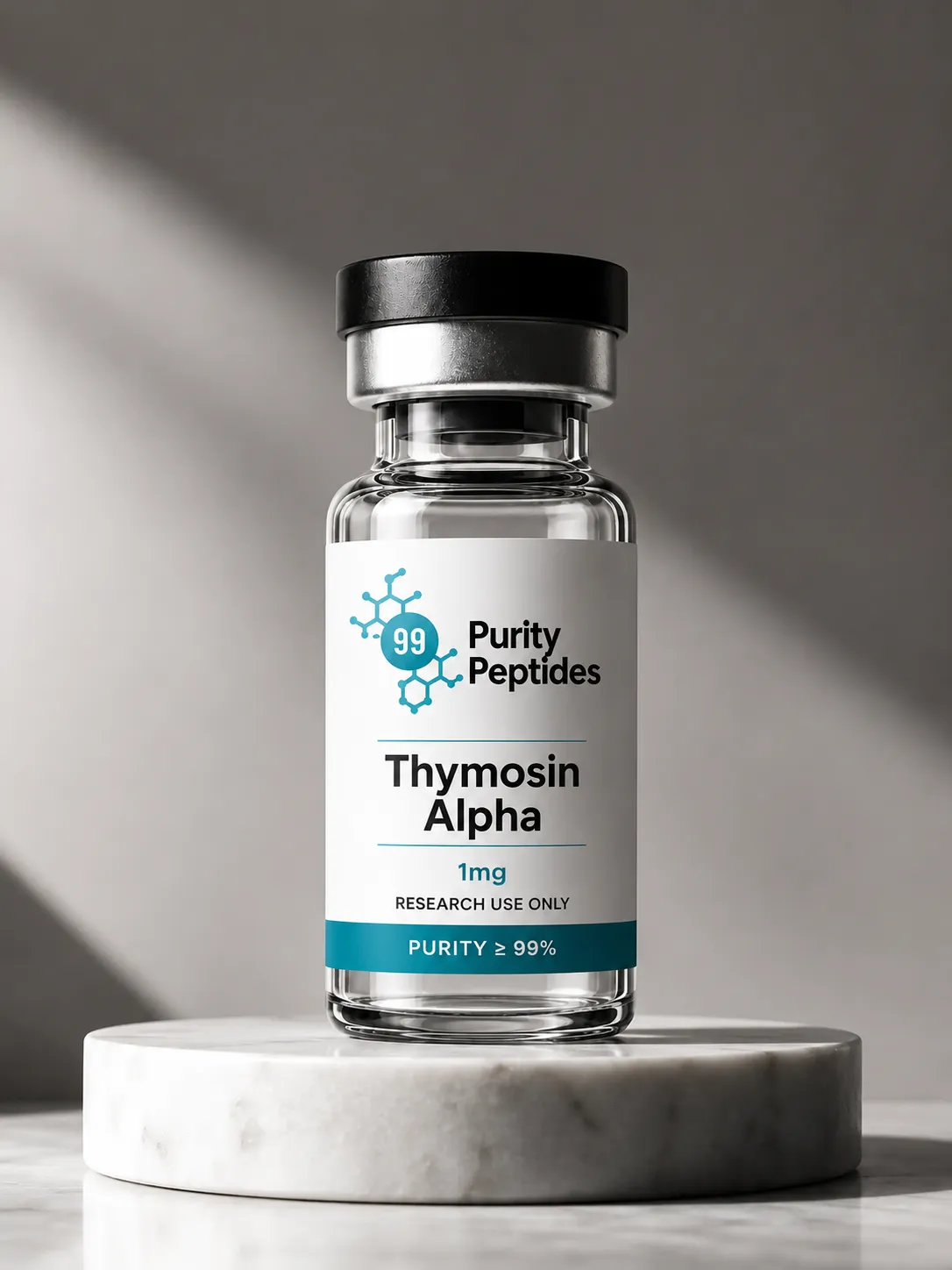
Thymosin Alpha-1

RESEARCH PEPTIDE

Buy Thymosin Alpha-1 research-grade peptide. Studied for immune signalling pathways, thymic peptide biology, and cellular communication research. Laboratory use only.

Thymosin Alpha-1
From
$90.00

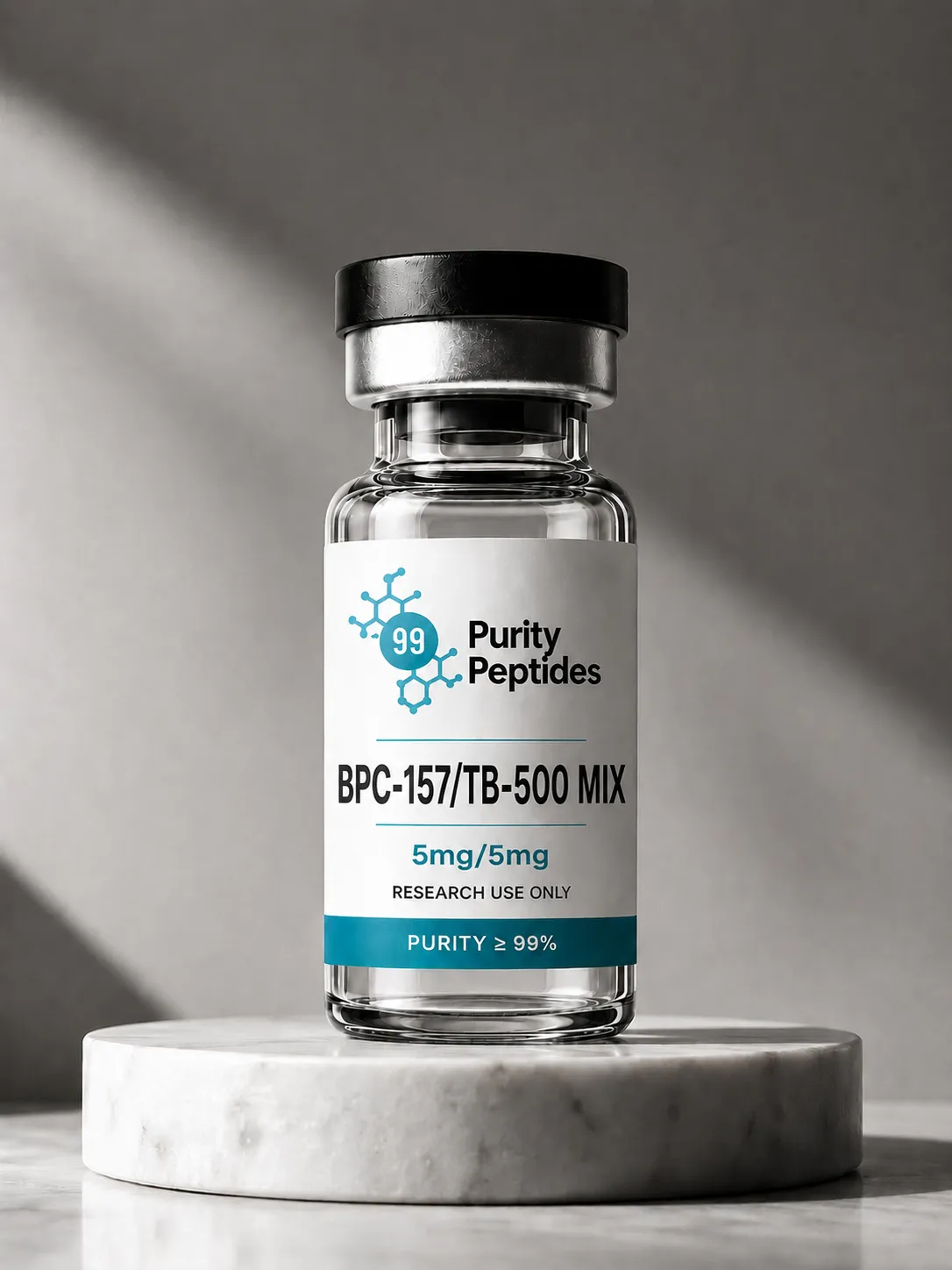
BPC-157/TB-500

RESEARCH PEPTIDE

Buy BPC-157/TB-500 research-grade peptide blend available in 5mg/5mg and 10mg/10mg formulations. Studied for tissue regeneration, cellular signaLling, extracellular matrix biology, and recovery research. Laboratory use only.

BPC-157/TB-500
5/5mg
$80.00

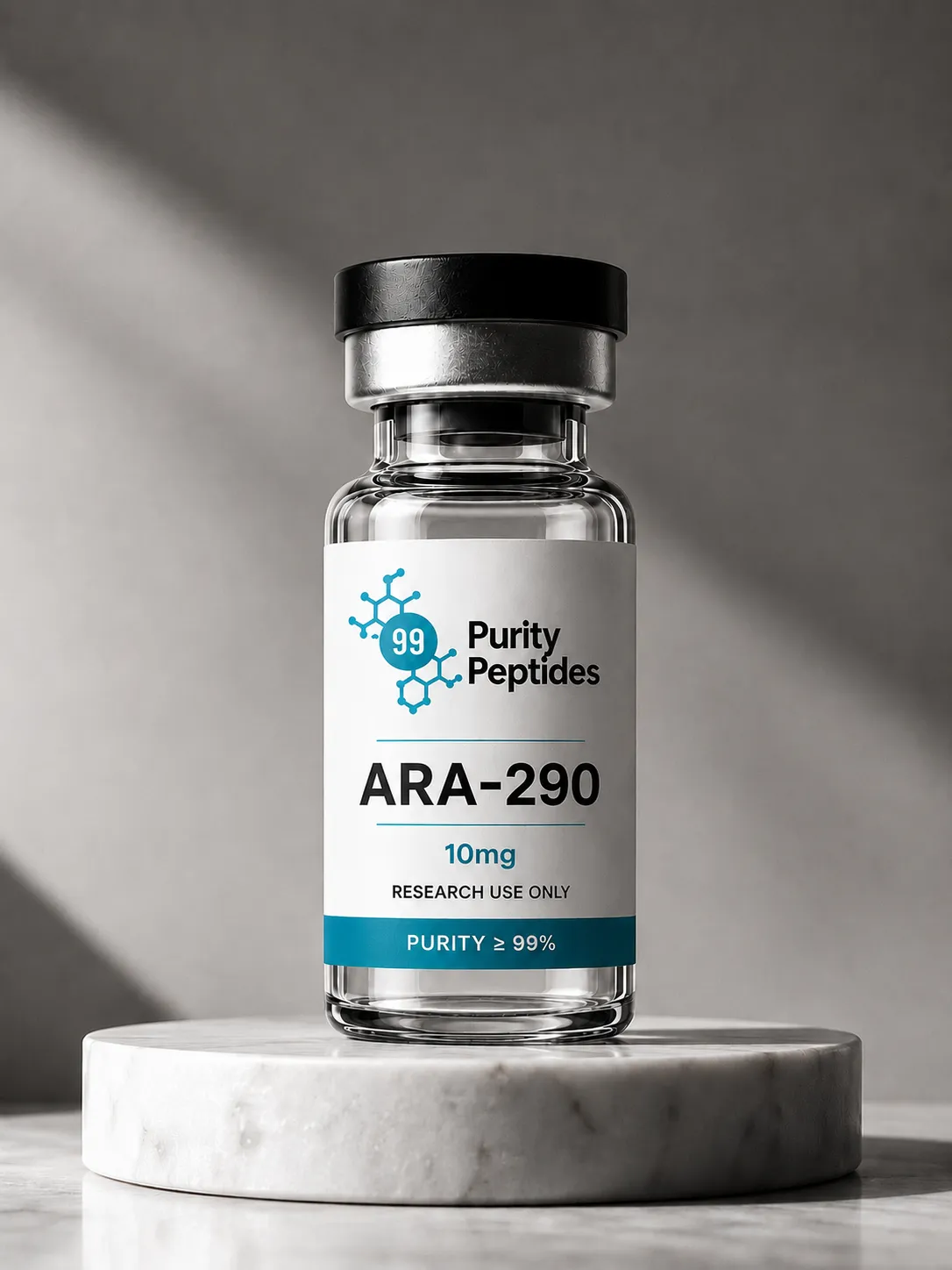
ARA-290 10mg

RESEARCH PEPTIDE

Buy ARA-290 10mg research-grade peptide. Studied for innate repair receptor signaling, tissue biology research, and cellular communication pathways. Laboratory use only.

ARA-290 10mg
Out of stock
From
$75.00

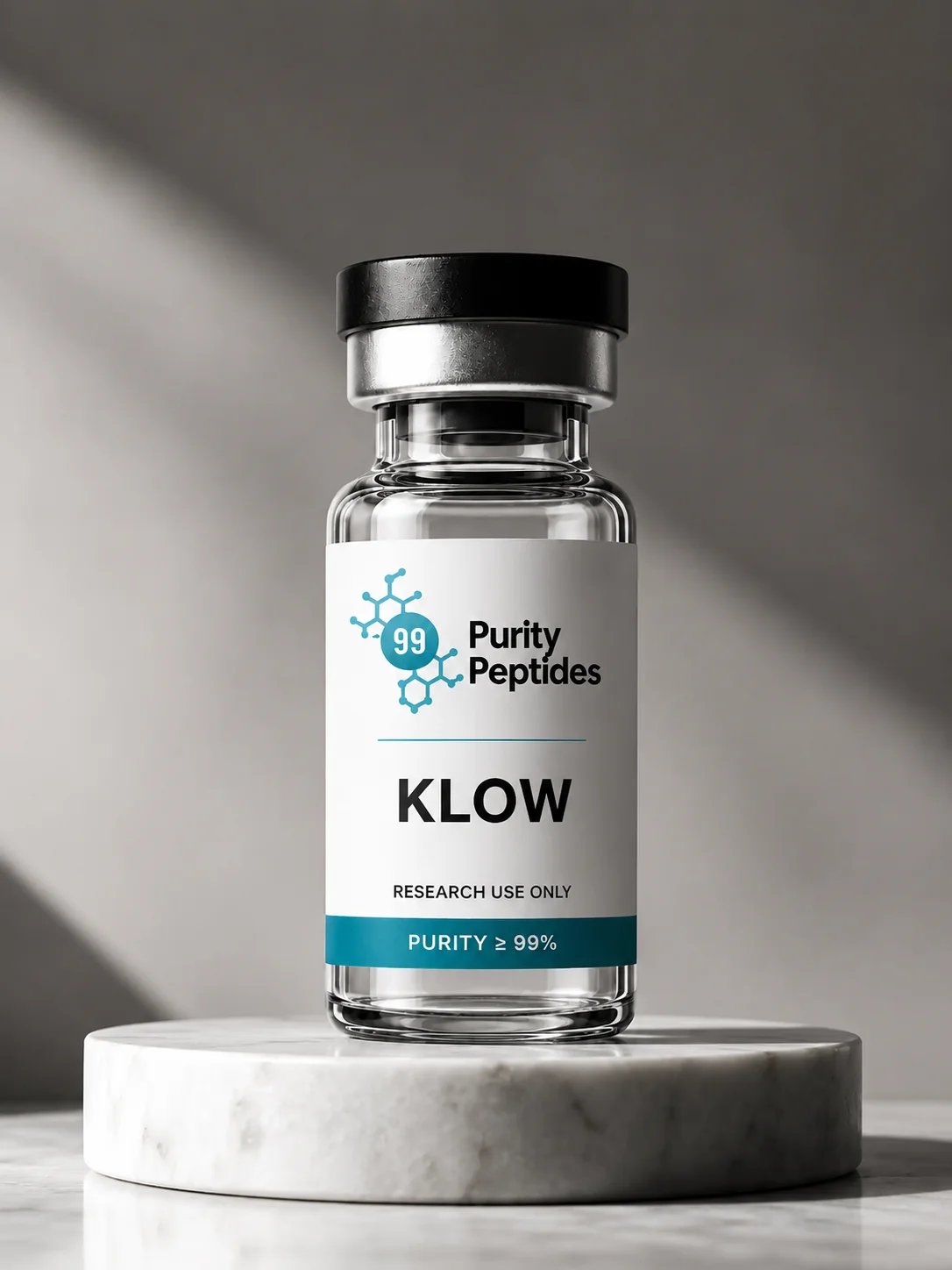
KLOW

RESEARCH PEPTIDE

Buy research-grade KLOW 50mg/10mg/10mg/10mg (3ML). Multi-compound blend studied for metabolic and receptor signaling research. Laboratory use only.

KLOW
From
$100.00
Customer Reviews
0.0
0 Reviews
5
0
4
0
3
0
2
0
1
0
0 Reviews

No Reviews Yet

Be the first to share your experience with this product and help other researchers!

Education & Research

Further Reading.

FDA Peptide Compounding: The Full July 2026 Vote Record, and What's Next
Product Guides
Sep 16, 20265 min read

FDA Peptide Compounding: The Full July 2026 Vote Record, and What's Next

FDA peptide compounding 2026 explained. Every PCAC vote from July 23-24, the named dissent, why emideltide failed 6-7, and what the FDA reviews next.

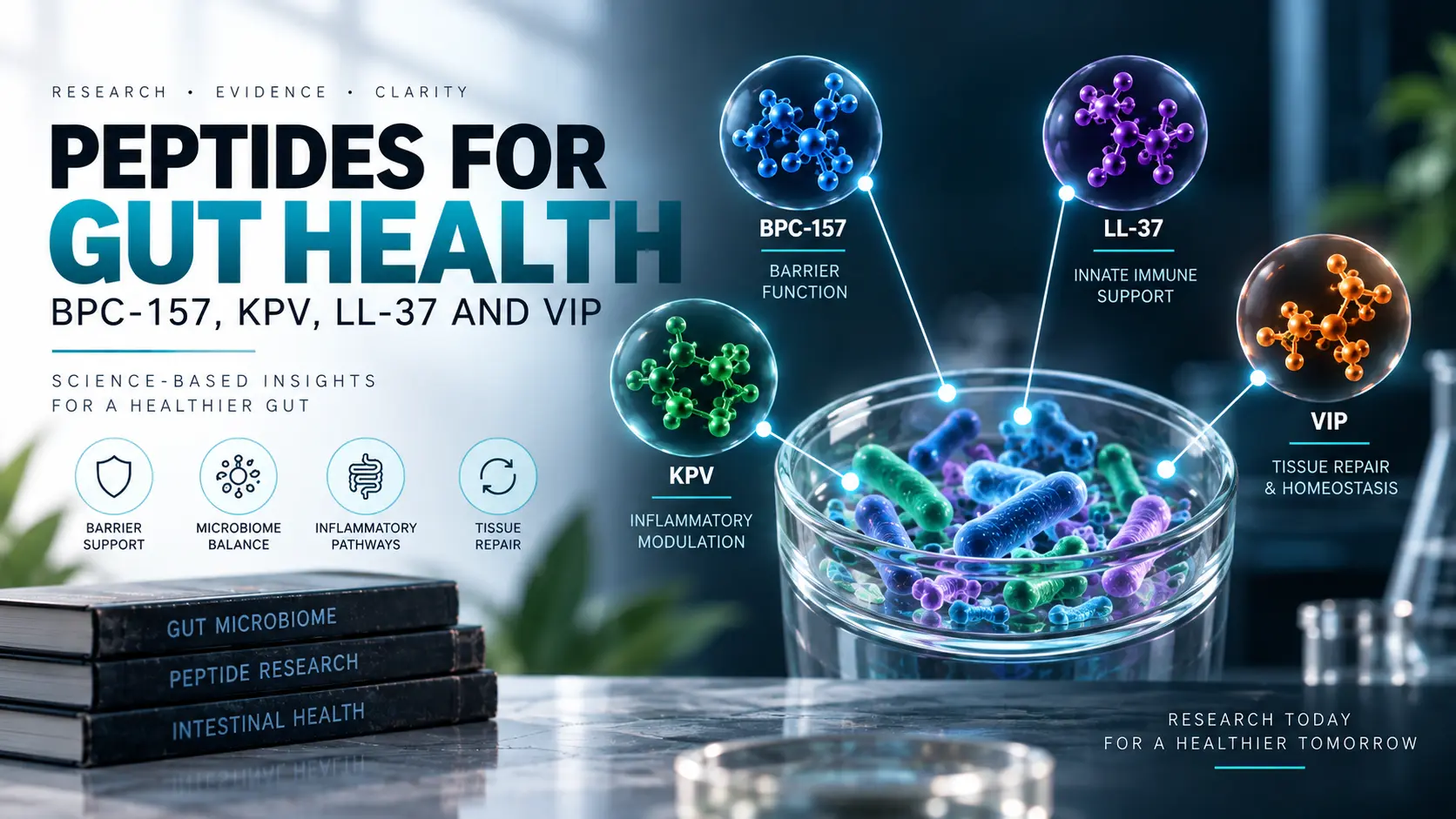
Peptides for Gut Health: BPC-157, KPV, LL-37 and VIP
Product Guides
Sep 12, 20265 min read

Peptides for Gut Health: BPC-157, KPV, LL-37 and VIP

Which peptides for gut health hold up? An evidence review of BPC-157, KPV, LL-37 and VIP, graded against the four gut peptide drugs the FDA has approved.

How to Tell If Your Peptides Have Gone Bad: Warm Delivery, Cloudiness and Clumping
Product Guides
Sep 11, 20265 min read

How to Tell If Your Peptides Have Gone Bad: Warm Delivery, Cloudiness and Clumping

How to tell if peptides have gone bad: a laboratory guide to warm delivery, cloudy solutions and clumped cake, and what the eye cannot detect in a suspect vial.

READ

(faqs)

Frequently Asked

01

What is KPV?

KPV is a research-grade Lysine-Proline-Valine (KPV) tripeptide investigated for cytokine signaling, epithelial barrier biology, immunomodulatory pathways, and peptide-mediated cellular communication in laboratory research.
02

What does KPV stand for?

KPV refers to the amino acid sequence Lysine-Proline-Valine, a three-amino acid peptide corresponding to the biologically active C-terminal fragment of alpha-melanocyte-stimulating hormone (α-MSH).
03

Which biological pathways are commonly investigated with KPV?

Researchers commonly investigate cytokine signaling, NF-κB pathways, epithelial barrier biology, melanocortin-derived peptide signaling, intracellular communication, and immune-associated molecular regulation.
04

Why is KPV increasingly studied in peptide research?

Its relatively simple molecular structure combined with broad investigation across cytokine biology, epithelial research, and immunomodulatory signaling has made KPV an increasingly important investigational peptide in laboratory science.
05

Which scientific disciplines commonly investigate KPV?

KPV is widely studied in molecular biology, immunology, peptide pharmacology, analytical chemistry, peptide chemistry, systems biology, biomolecular sciences, and cellular signaling research.
06

What analytical testing is performed before release?

Every production batch undergoes HPLC purity testing, peptide identity verification, sequence confirmation, and comprehensive batch-specific quality control procedures to support research-grade consistency.
07

What laboratory investigations commonly include KPV?

Researchers utilize KPV in cytokine biology research, molecular characterization, peptide stability investigations, biomarker discovery, pharmacodynamic studies, analytical chemistry, assay development, epithelial biology, and systems biology.
08

How should KPV be stored?

KPV should be stored according to accepted laboratory recommendations for lyophilized peptides to help preserve molecular integrity before analytical or experimental use.
09

Is KPV compared with other research peptides?

Yes. Comparative investigations commonly include BPC-157, TB-500, GHK-Cu, MOTS-C, AOD9604, and other investigational peptides to evaluate differences in molecular signaling, cytokine biology, and laboratory applications.
10

Is KPV naturally occurring?

The KPV sequence is derived from the naturally occurring alpha-melanocyte-stimulating hormone (α-MSH), but the research material supplied for laboratory investigations is synthetically manufactured to research-grade standards.
11

Is KPV approved for therapeutic or diagnostic use?

No. The KPV product supplied by 99 Purity Peptides is intended strictly for Research Use Only (RUO) and is not approved for human consumption, therapeutic use, diagnostic procedures, or veterinary applications.
12

How is research-grade consistency maintained?

Research-grade consistency is achieved through standardized peptide synthesis, HPLC purity verification, molecular identity confirmation, peptide sequence verification, batch-specific quality control, and comprehensive analytical documentation.
13

What distinguishes the available strengths?

The 5mg and 10mg strengths contain the same compound and are held to the same analytical quality standards. They differ only in the quantity of research material per vial, so laboratories can choose the size that fits their protocol.
14

What makes KPV unique among research peptides?

Unlike many investigational peptides focused on metabolic or endocrine signaling, KPV is primarily investigated for its relationship with cytokine regulation, NF-κB signaling, epithelial barrier biology, and melanocortin-derived molecular pathways, making it distinct within peptide research.
15

Why is KPV becoming more prominent in laboratory research?

Increasing scientific publications, growing interest in α-MSH-derived peptide biology, expanding investigation into epithelial barrier models, cytokine signaling, and immunomodulatory molecular pathways have positioned KPV as one of the emerging research peptides in modern molecular biology and peptide science.