Last reviewed: September 2026
Quick Answer
No one can say whether BPC-157 is safe in humans, and the honest reading of the bpc 157 side effects literature is that it is far too small to answer the question in either direction. In its July 2026 review, the FDA counted 81 people who had received BPC-157 across every published human study combined, with a longest treatment duration of two weeks and no serious adverse events reported [1,2]. Three adverse-event reports have reached the agency's post-market database: an injection-site reaction, shortness of breath that led to an emergency room visit, and diffuse skin and gum darkening that returned when the person used the product a second time [1]. An absence of reported harm in 81 people studied for two weeks is not evidence of safety, which is why neither the pages claiming "no side effects" nor the ones claiming "BPC-157 causes cancer" can support their position from this record.
Key Takeaways
- Eighty-one people have received BPC-157 in all published human studies combined, summing the exposures catalogued in the FDA's 2026 briefing document. The longest anyone was treated was two weeks [1,2].
- Five human studies exist. Two are conference abstracts from 2002 to 2005 that were never published in full; three are small, uncontrolled papers published between 2021 and 2025, all with the same first author [1].
- The FDA's own reviewers flagged shortened clotting time in rats, prolonged clotting time in dogs, and raised ALT, glucose and triglycerides in both species during 28-day animal studies. Histopathology data were not included in the published paper [1].
- No carcinogenicity study of BPC-157 exists in any species. No immunogenicity study exists either [1].
- The cancer question is mechanistic, not observed. BPC-157 activates VEGFR2 and the nitric oxide pathway, which is why the concern was raised in print in 2025, debated, and left unresolved [10,11,12,13,14].
- The FDA found no human study using the oral, subcutaneous, nasal or transdermal route, which are the routes most products are sold for [1].
- On 23 July 2026, an FDA advisory committee voted 8 to 6 with one abstention to recommend adding BPC-157 to the 503A compounding list, against the recommendation of the agency's own scientists [2].
- Roughly 200 BPC-157 papers are indexed on PubMed, and more than 80% list one of two Croatian researchers as first or senior author [14].
Research Use Only
99 Purity Peptides supplies BPC-157 as a Research Use Only (RUO) compound. It is not a medicine, not a supplement, and not for human or veterinary consumption. Nothing on this page is medical advice, dosing guidance, or a recommendation to use BPC-157 in any person. BPC-157 is not approved as a drug in any country.
How We Graded the Evidence
Throughout this review, evidence is labelled by what it actually is, because the single most common failure on this topic is letting rat data read like human data. We use five levels: human randomized controlled trial; small open-label or retrospective human study, meaning no control group, no blinding, and usually fewer than 20 participants; animal in vivo; cell culture or isolated tissue; and mechanistic inference, meaning no study was done and the claim rests on reasoning from a known pathway. Where a claim sits at the bottom of that list, we say so rather than dressing it up. Sample size, route of administration and treatment duration are stated every time, because on this compound those three details do almost all the work.
What BPC 157 Side Effects Have Actually Been Reported?
Very few, from very few people, and mostly through post-market reports rather than trials. Searching its adverse event database through 4 December 2025, the FDA retrieved three reports involving BPC-157, all associated with injectable products [1].
Report | Person | Product | Reported effect | FDA's assessment |
|---|---|---|---|---|
FAERS 194222121 | Woman, 55 | Compounded BPC-157 injection | Nine days of redness and swelling at the injection site | Confounded: she was also injecting compounded thymosin |
FAERS 23130696 | Man, 28 | Compounded BPC-157 acetate, subcutaneous | Shortness of breath leading to an emergency room visit | Uninterpretable: no duration, concomitant medications or timing given |
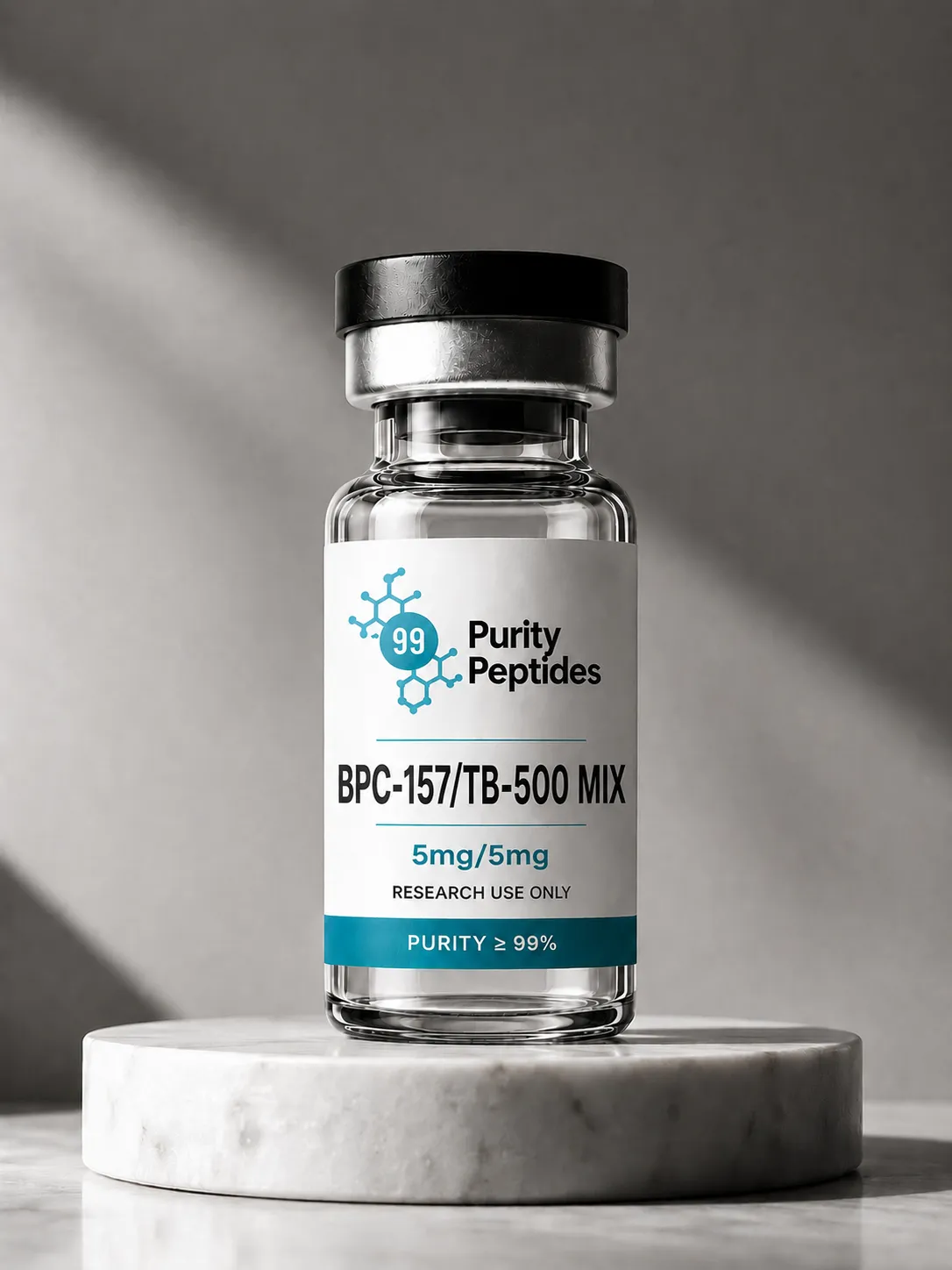
FAERS 26053573 | Woman, 40 | BPC-157 plus TB-500, labelled "research purposes only" | Diffuse skin hyperpigmentation and darkening of the gums after one week, recurring identically on re-exposure two weeks later | Likely product-related, because it recurred on rechallenge, but the product contained two peptides |
The third case is the most informative of the three, and it deserves attention for two reasons. Recurrence on re-exposure is the strongest signal available in spontaneous reporting, since it is the closest thing to a natural experiment. And the product involved was a two-peptide blend sold under a research-use label, which is precisely the category of material that never passes through a clinical safety review before someone puts it in their body.
A separate search of the FDA's food and supplement complaint system through 3 December 2025 returned three more cases, all involving multi-ingredient supplements and concurrent medications, none interpretable [1]. No case reports of BPC-157 adverse reactions have been published in the medical literature at all [1].
Outside formal reporting, users on peptide forums have described itching, intense anxiety and anhedonia, as documented by Undark's February 2026 investigation [18]. These accounts have no verification, no denominator and no way to establish a link. They are worth naming because they are what people are actually finding when they search, and worth discounting for the same reason every uncontrolled anecdote is discounted.
Has BPC-157 Been Tested in Humans at All?
Yes, which is the first thing most pages on this topic get wrong. The claim that BPC-157 has zero human studies is false. The truth is more useful: the studies exist, and they are tiny.
Study | Design | Participants | Route | Duration | Reported outcome |
|---|---|---|---|---|---|
Veljaca et al., 2002–2003 (conference abstracts) | Phase I, placebo-controlled, PK and tolerability | 32 randomized, 24 received BPC-157 | Rectal enema | 8 days | No serious adverse events. Most common complaints were headache and flatulence. BPC-157 not detected in plasma |
Ruenzi et al., 2005 (conference abstract) | Multicentre randomized, double-blind, placebo-controlled | 53 randomized, roughly 26 on BPC-157 | Rectal enema | 2 weeks | Difference in Disease Activity Index between groups not statistically distinguishable; 3 BPC-157 and 2 placebo withdrawals, mainly disease progression |
Lee and Padgett, 2021 | Retrospective chart review, no control group | 17 treated, 16 reached by phone; 12 received BPC-157 alone | Intra-articular (knee) | 1–2 injections | 11 of 12 BPC-157-only patients reported pain relief; no adverse events noted |
Lee, Walker and Ayadi, 2024 | Prospective single-arm open-label pilot, no control group | 12 women, ages 39–76 | Intravesical (bladder wall) | Single procedure | 10 of 12 reported complete symptom resolution; no adverse events reported |
Lee and Burgess, 2025 | Open-label safety pilot | 2 healthy adults | Intravenous infusion | 2 days | No adverse effects; no changes in cardiac, hepatic, renal or thyroid markers, vital signs or laboratory values |
Total human exposure across all five: 81 people [2].
Three points matter more than the outcomes. First, the two studies with any methodological rigour, the randomized ones, are conference abstracts that were never published in full, so their methods cannot be audited. The FDA noted it could not determine the inclusion criteria, the statistical methods, or even the definition of the primary endpoint from the 2005 abstract [1]. Second, the three modern papers share a first author, a Florida endocrinologist who co-founded a peptide certification body and founded an advocacy nonprofit seeking to change FDA policy on peptides, and who told Undark the studies were conducted with that goal in view [18]. That is disclosed context, not an accusation, but a reader assessing the human safety record should know that it was produced almost entirely by one advocate. Third, all three used routes that almost nobody buying BPC-157 actually uses. Our gut evidence review covers the rectal-route programme in more detail.
Registered randomized trials finally exist. NCT07437547 is a double-blind, placebo-controlled Phase 2 study in acute grade II hamstring strain, with a planned enrolment of 120 and a subcutaneous comparison against placebo alongside standardized rehabilitation [21]. Its record shows recruitment beginning in February 2026, with no posted results as of September 2026. A second registered study, NCT07803250, is a Phase 1 trial in rotator cuff repair with a planned enrolment of 30, not yet recruiting. If the hamstring study alone completes as registered, it will roughly triple the number of humans ever studied.
What Did the FDA's Own Safety Review Find?
It found gaps, and it named them precisely. Ahead of the July 2026 advisory meeting, FDA scientists produced a full evaluation of BPC-157 free base and BPC-157 acetate and recommended that neither be added to the compounding list [1]. Almost no page covering BPC-157 safety mentions what that document actually says.
Question | What FDA found |
|---|---|
Human pharmacokinetics | None available for oral, subcutaneous, nasal or transdermal use. Two rectal studies found plasma concentrations largely undetectable |
Route-matched human studies | None. "We found no studies that administered BPC-157 to humans via the proposed oral, SC, nasal, or transdermal ROA" |
Clotting | 28-day animal studies showed aPTT shortening in rats and aPTT prolongation in dogs, suggestive of altered clotting properties |
Liver-associated signals | Raised serum ALT, glucose and triglycerides in the 28-day studies |
Histopathology | Not included in the published toxicology manuscript |
Carcinogenicity | No studies identified, in any species |
Immunogenicity | No study has ever formally investigated it. FDA could not rule out immunogenicity from impurities and aggregates |
Long-term safety | No repeat-dose study longer than 28 days exists |
The clotting and liver signals deserve emphasis, because they directly contradict a claim that circulates freely online: that no animal study has ever shown a liver signal. One has, and it appears in the FDA's summary of the same toxicology paper that vendors cite to argue the compound is harmless.
One detail frames all of this. FDA evaluated BPC-157 for a single proposed use, ulcerative colitis, because the nominations did not contain enough information to assess the other three proposed uses of Crohn's disease, coeliac disease and tendonitis, and the agency found no clinical studies of BPC-157 in those populations [1]. The tendon and joint applications that drive most interest in the compound were therefore never formally reviewed.
The committee voted 8 to 6, with one abstention, to recommend adding BPC-157 to the list anyway, overriding the agency's own scientists [2]. An analysis in Health Affairs Forefront found that for each peptide considered, eight of the participating members had industry relationships raising potential conflict-of-interest concerns, based on reporting by STAT and the Washington Post, and that no conflict-of-interest waivers were posted or announced [2]. The recommendation is advisory and does not change BPC-157's legal status. Our page on the July 2026 FDA peptide vote covers the meeting in full, and the current regulatory position is set out separately.
Does BPC-157 Cause Cancer?
There is no evidence that it does, and no evidence that it does not. The concern is entirely mechanistic, and anyone who tells you it has been settled in either direction is overstating what exists.
The mechanism is real. BPC-157's healing effects are associated with activation and upregulation of VEGFR2, the main receptor through which vascular endothelial growth factor drives the formation of new blood vessels [10]. Independent work from a Taiwanese group showed that in isolated aortic tissue, BPC-157 disrupts the caveolin-1 inhibitory complex on endothelial nitric oxide synthase and promotes nitric oxide production in a dose-dependent way [11]. Promoting angiogenesis is exactly the kind of activity oncologists watch, because new blood supply is one of the things a tumour needs.
In February 2025, a Polish group published a review in Pharmaceuticals raising this as a hypothesis worth investigating, alongside concerns about nitric oxide dysregulation and long-term exposure [12]. Sikirić's group in Zagreb replied that the peptide had been unjustly accused and that the oncologic risks were ruled out [13]. The Polish authors then replied to the reply, and this is where the exchange becomes genuinely informative: they pointed out that the Croatian group cited anti-tumour potential without offering a single published in vivo tumour-growth or metastasis study, that the one supporting datum is an unreplicated 2004 melanoma cell-line abstract, and that a study frequently cited as evidence of anti-tumour activity actually examined cancer cachexia rather than tumour growth [14,15,23].
So the position is symmetrical, and unsatisfying. No published study shows BPC-157 promoting tumours in a living animal. No published study shows it suppressing them either. The pathway it acts on is one that can, in principle, do both. Nobody has run a carcinogenicity study, and the FDA confirmed that none exists [1]. That is the whole of the evidence, and it is why we grade this as mechanistic inference rather than a finding.
Does BPC-157 Affect the Liver?
The human answer is unknown, and the animal answer points in two directions at once, which is why this section is so easy to get wrong.
Claim in circulation | Where it comes from | What the evidence actually is |
|---|---|---|
"BPC-157 protects the liver" | Rat studies from the originating research group showing prevention of liver necrosis and enzyme rises after bile duct ligation, restraint stress, tetrachloromethane or diclofenac challenge | Animal in vivo, single research group, no dose-response established, protective effect assessed against induced injury rather than in healthy animals |
"BPC-157 damages the liver" | Uncited symptom lists on blog and pharmacy pages | No source. Not traceable to any study |
"No animal study has shown a liver signal" | Repeated across vendor pages | False. FDA's review of the 28-day toxicology reported raised serum ALT, glucose and triglycerides in treated rats and dogs |
"BPC-157 raises or lowers blood pressure" | Reasoning from nitric oxide, plus 1997 rat work on stomach integrity and blood pressure | Mechanistic inference plus animal in vivo. No human blood-pressure data of any kind |
The single relevant human observation is that in the two-person intravenous pilot, no changes were seen in hepatic markers over two days [5]. Two people, two days. That number should be stated every time it is used, because it is routinely cited as though it established a safe ceiling.
Does It Affect Blood Pressure or Heart Rate?
No human study has measured either outcome in more than two people. The concern is not arbitrary, though. Nitric oxide is the body's principal vasodilator, and the work showing that BPC-157 directly promotes nitric oxide production in isolated aortic tissue in a dose-dependent manner is the reason the question keeps being asked [11]. A compound that acts on that pathway has a plausible route to affecting vascular tone.
Plausible is where it stops. The 28-day dog and rat studies did not report cardiovascular toxicity, and the intravenous pilot reported no changes in cardiac biomarkers, blood pressure or heart rate in its two participants [1,5]. The honest summary is that there is no human evidence of cardiovascular harm and no human evidence of cardiovascular safety, because the studies that would produce either have not been done.
What Does the Animal Toxicology Show?
One published paper carries nearly all of it. Xu and colleagues reported a battery of studies in Sprague Dawley rats and Beagle dogs, and the numbers below are animal toxicology parameters describing what was tested in those species. They are not human safety margins, and they cannot be converted into any figure relevant to a person.
Study type | Species | Parameters tested | Finding |
|---|---|---|---|
Acute toxicity | Rats, dogs | Single intramuscular dose, 20 mg/kg in rats and 10 mg/kg in dogs | No signs of acute toxicity, no histopathological change at 14 days. These were the intramuscular no-observed-adverse-effect levels |
Repeat-dose, 28 days | Rats | 0.2, 1.0, 4.0 mg/kg daily, intramuscular | No effect on body weight, behaviour, survival or gross morphology. aPTT shortening; raised ALT, glucose, triglycerides. Histopathology data not included in the manuscript |
Repeat-dose, 28 days | Dogs | 0.1, 0.5, 2.0 mg/kg daily, intramuscular | aPTT prolongation; raised liver-associated laboratory values; lower serum creatinine at higher levels |
Genotoxicity | Bacteria, hamster cells, mice | Ames assay, chromosome aberration, bone marrow micronucleus | Not a mutagen by any of the three assays |
Developmental toxicity | Pregnant rats | 0.2, 1.0, 4.0 mg/kg, gestation days 6–15, intramuscular | No effect on fetal weight, viability, resorptions or malformations. No-effect level 4.0 mg/kg |
Pharmacokinetics (He et al., 2022 [9], not Xu) | Rats, dogs | Single intravenous dose | Half-life 15.2 minutes in rats, 5.3 minutes in dogs |
Two gaps in that table matter more than anything in it. Nothing was tested beyond 28 days, so the toxicology says nothing about the chronic use pattern that is actually common. And every repeat-dose and acute toxicology study used the intramuscular route. Because the absolute bioavailability of BPC-157 by the oral, rectal, subcutaneous and nasal routes has never been established, the FDA stated plainly that these intramuscular figures cannot be used to estimate the equivalent values for any other route [1]. That makes the entire toxicology package non-transferable to the products people buy.
Is Oral BPC-157 Different?
It is different in one respect that is well supported and another that is not supported at all. BPC-157 was identified as a fragment of a protein found in gastric juice, and it was reported in 1995 to resist hydrolysis in gastric juice in vitro. That is a stability finding, and it is real.
Stability is not absorption, and the two get conflated constantly. No peer-reviewed pharmacokinetic study in any species has reported a measured plasma concentration after a swallowed dose of BPC-157. The only published pharmacokinetic work used intravenous and intramuscular routes [9]. In the two human studies where plasma was measured after rectal administration, the peptide was largely undetectable [1]. The FDA found no human pharmacokinetic data after oral administration at all [1].
The marketing claim that an arginate salt form raises oral bioavailability from roughly 3% to over 90% has no peer-reviewed pharmacokinetic support in any species. It appears in vendor materials and nowhere else.
One registered trial did test an oral formulation. NCT02637284 was a Phase 1 study of oral BPC-157 tablets in healthy volunteers at a single site in Tijuana, Mexico, sponsored by a company that Croatian government records list Sikirić as an owner of [18,20]. Its registry status remains "Unknown" and no results were ever posted. Undark reported that data were submitted to ClinicalTrials.gov and then withdrawn before outside review, and that a 2025 review by the research group described the trial as having shown the compound safe and well tolerated without citing a published paper or releasing the data [18]. It is not, as several sites state, an ulcerative colitis trial.
What About Purity and Impurities?
This is the section where documentation genuinely changes the risk, and where the FDA's concerns are most concrete. Its reviewers found that most certificates of analysis for BPC-157 in circulation contain a purity figure and nothing else: no identification of individual impurities, no aggregate testing, no bioburden count, no bacterial endotoxin result, no residual solvent data [1].
That matters because of how peptides fail. Solid-phase synthesis generates peptide-related impurities from incomplete coupling reactions, truncations and side reactions, and these are structurally similar to the target peptide and hard to detect without sophisticated analysis. Peptides also aggregate, reversibly or irreversibly, and aggregation is an established risk factor for immunogenicity. Because no one has characterized the impurity profile or measured aggregation, the FDA concluded it could not rule out an immune response to BPC-157 products, a risk it considers amplified by subcutaneous and nasal administration [1]. No immunogenicity study of BPC-157 has ever been conducted.
A purity percentage on its own does not answer any of this. What a certificate of analysis should show, and what to look for when reading one, is covered in our guide to reading a certificate of analysis, and our own lot documentation is published on the certificates page.
Is BPC-157 Banned in Sport?
Yes. BPC-157 is prohibited at all times, in and out of competition, under section S0 of the World Anti-Doping Agency Prohibited List, the category covering substances with no current approval by any governmental health authority for human therapeutic use [1,19]. Because S0 applies to non-approved substances as a class, a therapeutic use exemption is not available. The FDA's own briefing document notes the listing [1]. Athletes under any signatory anti-doping code, and US service members under Department of Defense guidance, are covered.
How Much of This Literature Comes From One Group?
Most of it. A PubMed search in May 2025 returned more than 190 records for "BPC 157", and more than 80% listed either Predrag Sikirić or Sven Seiwerth of the University of Zagreb as first or senior author [14]. Sikirić has published more than 150 papers on the compound [18]. A systematic review in HSS Journal screened 544 articles and included 36, of which 35 were preclinical and one was the uncontrolled knee chart review [16].
Concentration alone is not misconduct; plenty of compounds are studied mainly by whoever discovered them. It becomes a methodological problem in two specific ways here. Experiments from the group routinely use only two doses, 10 ng/kg and 10 µg/kg, which means no dose-response relationship has been established for any effect, a limitation the FDA independently reached in its own review [1,14]. And heavy self-replication without independent verification increases the risk of confirmation bias in exactly the direction the results run.
There is also a disclosure question, and it should be attributed carefully. Undark, in reporting co-published with STAT in February 2026, found that Sikirić is named on BPC-157-related patent applications dating to at least 1989, that Croatian government records list him as an owner of the company that sponsored the Tijuana trial, and that he is listed as chief executive of a company advertising a patent for a stable version of BPC-157 for sale on its website. Undark reported that none of these interests were disclosed on any of the team's published papers it reviewed, and that Sikirić did not respond to repeated requests for an on-the-record interview or for the trial data [18].
What the Evidence Does Not Establish
The clearest finding in this entire body of work is how much of it is missing. Eighty-one people have received BPC-157 in published research, for no longer than two weeks, at doses chosen exploratorily, with safety monitoring the FDA described as unclear in most of the studies [1,2]. Nobody has assessed immunogenicity. Nobody has run a carcinogenicity study. Nobody has run a repeat-dose animal study past 28 days. Nobody has measured what happens to a swallowed dose in a human body.
The reported absence of harm in that record establishes nothing. A study enrolling 12 people cannot detect an adverse event occurring in one person per thousand, and a two-week study cannot detect anything that takes months to appear. This is not a compound with a clean safety record. It is a compound with almost no safety record, and those are different things that get described with the same words.
What can be said with confidence is narrow: BPC-157 is not mutagenic in three standard genotoxicity assays; it did not produce teratogenicity in pregnant rats at the levels tested intramuscularly; and in the small, short, uncontrolled human studies that exist, no serious adverse event was reported. Everything past that is either an open question or a mechanism with no outcome data attached.
Where to Go From Here
For the underlying research on what BPC-157 has been shown to do in preclinical models, see our BPC-157 tissue repair guide. For the regulatory picture and what the compounding decision would and would not change, see our page on whether BPC-157 is legal. Researchers comparing compounds for connective tissue work may want our analysis of BPC-157 versus TB-500 and the preclinical evidence on studying the two together.
Given how much of the safety uncertainty in this article traces back to uncharacterized material rather than to the peptide itself, documentation is the one variable a research buyer controls. Our BPC-157 is supplied as a Research Use Only compound with per-lot analytical documentation, for laboratory research only, not for human or veterinary use.
References
- US Food and Drug Administration. Evaluation of BPC-157-Related Bulk Drug Substances (BPC-157 (Free Base) and BPC-157 Acetate) for Inclusion on the 503A Bulk Drug Substances List. Briefing document, Pharmacy Compounding Advisory Committee, 23–24 July 2026. https://www.fda.gov/media/193343/download
- Fu M, Ross JS, Nguyen NAH, et al. FDA Advisory Committee's Vote May Open A Drug-Compounding Back Door For Unapproved Peptides. Health Affairs Forefront. 4 August 2026. doi:10.1377/forefront.20260803.287322. https://www.healthaffairs.org/content/forefront/fda-advisory-committee-s-vote-may-open-drug-compounding-back-door-unapproved-peptides
- Lee E, Padgett B. Intra-Articular Injection of BPC 157 for Multiple Types of Knee Pain. Altern Ther Health Med. 2021;27(4):8-13. PMID: 34324435. https://pubmed.ncbi.nlm.nih.gov/34324435/
- Lee E, Walker C, Ayadi B. Effect of BPC-157 on Symptoms in Patients with Interstitial Cystitis: A Pilot Study. Altern Ther Health Med. 2024;30(10):12-17. PMID: 39325560. https://pubmed.ncbi.nlm.nih.gov/39325560/
- Lee E, Burgess K. Safety of Intravenous Infusion of BPC157 in Humans: A Pilot Study. Altern Ther Health Med. 2025;31(5):20-24. PMID: 40131143. https://pubmed.ncbi.nlm.nih.gov/40131143/
- Ruenzi M, Stolte M, Veljaca M, et al. A Multicenter, Randomized, Double Blind, Placebo-Controlled Phase II Study of PL 14736 Enema in the Treatment of Mild-to-Moderate Ulcerative Colitis. Gastroenterology. 2005;128(4 Suppl 2):A-584.
- Veljaca M, Sladoljev D, Mildner B, et al. Safety, tolerability and pharmacokinetics of PL 14736, a novel agent for treatment of ulcerative colitis, in healthy male volunteers. Conference abstracts, 2002 and 2003, as catalogued in the FDA briefing document [1]. Never published in full.
- Xu C, Sun L, Ren F, et al. Preclinical safety evaluation of body protective compound-157, a potential drug for treating various wounds. Regul Toxicol Pharmacol. 2020;114:104665. PMID: 32334036. https://doi.org/10.1016/j.yrtph.2020.104665
- He L, Feng D, Guo H, et al. Pharmacokinetics, distribution, metabolism, and excretion of body-protective compound 157, a potential drug for treating various wounds, in rats and dogs. Front Pharmacol. 2022;13:1026182. PMID: 36588717. https://doi.org/10.3389/fphar.2022.1026182
- Hsieh MJ, Liu HT, Wang CN, et al. Therapeutic potential of pro-angiogenic BPC157 is associated with VEGFR2 activation and up-regulation. J Mol Med (Berl). 2017;95(3):323-333. PMID: 27847966. https://doi.org/10.1007/s00109-016-1488-y
- Hsieh MJ, Lee CH, Chueh HY, et al. Modulatory effects of BPC 157 on vasomotor tone and the activation of Src-Caveolin-1-endothelial nitric oxide synthase pathway. Sci Rep. 2020;10:17078. PMID: 33051481. https://doi.org/10.1038/s41598-020-74022-y
- Józwiak M, Bauer M, Kamysz W, et al. Multifunctionality and Possible Medical Application of the BPC 157 Peptide—Literature and Patent Review. Pharmaceuticals (Basel). 2025;18(2):185. PMID: 40005999. https://doi.org/10.3390/ph18020185
- Sikiric P, Seiwerth S, Skrtic A, et al. BPC 157 Therapy: Targeting Angiogenesis and Nitric Oxide's Cytotoxic and Damaging Actions, but Maintaining, Promoting, or Recovering Their Essential Protective Functions. Comment on Józwiak et al. Pharmaceuticals (Basel). 2025;18(10):1450. https://doi.org/10.3390/ph18101450
- Józwiak M, Bauer M, Kamysz W, et al. Reply to Sikiric et al. Pharmaceuticals (Basel). 2025;18(10):1451. PMID: 41155566. https://doi.org/10.3390/ph18101451
- Radeljak S, Seiwerth S, Sikiric P. BPC 157 inhibits cell growth and VEGF signalling via the MAPK kinase pathway in the human melanoma cell line. Melanoma Res. 2004;14:A14-A15.
- Vasireddi N, Hahamyan H, Salata MJ, et al. Emerging Use of BPC-157 in Orthopaedic Sports Medicine: A Systematic Review. HSS J. 2025;21(4):485-495. PMID: 40756949. https://doi.org/10.1177/15563316251355551
- McGuire FP, Martinez R, Lenz A, et al. Regeneration or Risk? A Narrative Review of BPC-157 for Musculoskeletal Healing. Curr Rev Musculoskelet Med. 2025;18(12):611-619. https://doi.org/10.1007/s12178-025-09990-7
- Talpos S. How a Croatian Lab Spawned a Buzzy Peptide Now Popular With MAHA. Undark. 3 February 2026. https://undark.org/2026/02/03/bpc-157-peptide-fda/
- US Anti-Doping Agency. BPC-157: Experimental Peptide Creates Risk for Athletes. https://www.usada.org/spirit-of-sport/bpc-157-peptide-prohibited/
- ClinicalTrials.gov. NCT02637284: PCO-02 Safety and Pharmacokinetics Trial. Sponsor: PharmaCotherapia d.o.o. Status: Unknown. https://clinicaltrials.gov/study/NCT02637284
- ClinicalTrials.gov. NCT07437547: BPC 157 for Acute Hamstring Muscle Strain Repair. https://clinicaltrials.gov/study/NCT07437547
- US Food and Drug Administration. Certain Bulk Drug Substances for Use in Compounding That May Present Significant Safety Risks. https://www.fda.gov/drugs/human-drug-compounding/certain-bulk-drug-substances-use-compounding-may-present-significant-safety-risks
- Kang EA, Han YM, An JM, et al. BPC157 as potential agent rescuing from cancer cachexia. Curr Pharm Des. 2018;24(18):1947-1956. PMID: 29898649. https://doi.org/10.2174/1381612824666180614082950
Frequently Asked Questions
What are the side effects of BPC-157?
Three adverse events have been reported to the FDA through its post-market database: an injection-site reaction with redness and swelling, shortness of breath severe enough to prompt an emergency room visit, and diffuse skin and gum darkening that recurred when the person used the product again. No published human study has reported a serious adverse event. That record covers 81 people studied for a maximum of two weeks, so it is far too small to describe a side effect profile.
Is BPC-157 safe?
Unknown. Safety is a conclusion drawn from evidence, and the evidence does not exist in the quantity needed to draw it. No study has assessed immunogenicity, no carcinogenicity study has been done in any species, no repeat-dose animal study has run longer than 28 days, and total human exposure across all published research is 81 people. The absence of reported harm in a record that small tells you about the research, not about the compound.
Does BPC-157 cause cancer?
No study has shown BPC-157 promoting tumours in a living animal, and no study has shown it suppressing them either. The concern is mechanistic: BPC-157 activates VEGFR2 and the nitric oxide pathway, both involved in forming new blood vessels, which tumours require. That hypothesis was raised in a 2025 review, disputed by the originating research group, and defended again in a published reply. No carcinogenicity study exists.
Does BPC-157 affect the liver?
There is no human liver data beyond a two-person intravenous pilot that found no change in hepatic markers over two days. In animals, the picture runs both ways: rat studies from the originating group report protection against induced liver injury, while the FDA's review of the 28-day toxicology noted raised serum ALT, glucose and triglycerides in treated rats and dogs. The widely repeated claim that no animal study has shown a liver signal is incorrect.
Does BPC-157 raise or lower blood pressure?
No human study has measured blood pressure in more than two people, so there is no answer. The question persists because BPC-157 acts on endothelial nitric oxide synthase, and nitric oxide is the body's main vasodilator. Work in isolated aortic tissue showed dose-dependent nitric oxide production. That establishes a plausible mechanism for vascular effects, not an observed effect in people.
Can BPC-157 affect heart rate?
No published human study has reported heart rate outcomes in more than two participants. The 2025 intravenous pilot recorded cardiac biomarkers, blood pressure and heart rate in its two subjects and found no changes. The 28-day rat and dog toxicology studies did not report cardiovascular toxicity. None of that amounts to evidence about heart rate in humans, because the studies capable of producing it have not been run.
Are there any human studies of BPC-157?
Yes, five, which contradicts the common claim that there are none. Two are conference abstracts from 2002 to 2005 testing rectal enemas, never published in full. Three are papers published between 2021 and 2025 covering knee injections in 16 patients, bladder injections in 12 women, and intravenous infusion in two healthy adults. All three modern studies were uncontrolled and share the same first author.
What did the FDA say about BPC-157's safety?
In its July 2026 briefing document, the FDA concluded there was insufficient clinical information to characterize a safety profile. It identified no human study using the oral, subcutaneous, nasal or transdermal route, no human pharmacokinetic data for those routes, no carcinogenicity studies, and no immunogenicity assessment. It flagged altered clotting times and raised ALT, glucose and triglycerides in 28-day animal studies, and recommended against adding BPC-157 to the compounding list.
Have any adverse events actually been reported?
Yes. Three reports reached the FDA's adverse event database through December 2025, all involving injectable products, and three more reached its food and supplement complaint system. The most interpretable involved a BPC-157 and TB-500 blend labelled "research purposes only," where skin and gum darkening appeared and then returned on re-exposure. Because the product contained two peptides, the effect cannot be attributed to BPC-157 specifically.
What are the long-term effects of BPC-157?
Nobody knows, and no study is capable of telling you. The longest any human has been treated with BPC-157 in published research is two weeks. The longest repeat-dose animal study ran 28 days. No carcinogenicity study exists, and no study has followed anyone after they stopped. Long-term safety is the single largest gap in this literature.
Is oral BPC-157 absorbed?
No peer-reviewed pharmacokinetic study in any species has reported a measured plasma concentration after a swallowed dose. BPC-157 does resist breakdown in gastric juice in laboratory conditions, but stability and absorption are separate questions. Where plasma was measured after rectal dosing in humans, the peptide was largely undetectable. Claims that an arginate salt form reaches 90% oral bioavailability have no published pharmacokinetic support.
Is BPC-157 safe for women?
There is no sex-specific human safety data. Twelve women received bladder-wall injections in the 2024 pilot study with no adverse events reported, and the 2021 knee series included both men and women, though the published abstract gives no sex breakdown. Animal reproductive testing covered only pregnant rats dosed intramuscularly during part of gestation, with no effect on fetal outcomes at the levels tested. No study has examined effects on fertility across a full reproductive cycle.
Can you take too much BPC-157?
No human dose-toxicity relationship has ever been established, so the question has no evidence-based answer. Animal work used only two dose levels in most experiments, meaning no dose-response curve exists even in rats. The figure of 20 mg circulating online as a safe upper limit comes from an infusion study in two people over two days and was never intended as a threshold of any kind.
Is BPC-157 banned in sport?
Yes. BPC-157 is prohibited at all times, in and out of competition, under section S0 of the World Anti-Doping Agency Prohibited List, the category for substances with no approval by any government health authority for human therapeutic use. Because the prohibition rests on non-approval as a class, no therapeutic use exemption is available. Anti-doping laboratories have published methods for detecting it and its metabolites.
Why do so many BPC-157 studies come from the same research group?
Because one laboratory at the University of Zagreb discovered the peptide in the early 1990s and has studied it ever since. A May 2025 PubMed search found more than 190 BPC-157 records, over 80% listing one of two researchers from that group as first or senior author. The methodological consequence is that no dose-response relationship has been established and independent replication is sparse. Undark reported in February 2026 that patent and company interests held by the group's lead researcher were not disclosed in the papers it reviewed.