
99Purity Peptides
Shop
Categories
AboutBlogFAQContactAffiliates
Shop Now
Navigation
Top Formulations
View All in Category

Ready to elevate your research.
Explore our complete catalogue.

Explore Catalogue
Category
Vial
Vial on Ice
Purity
Identity
99 Purity Peptides Logo

Purity You Can Trust.

Setting the gold standard in peptide synthesis with verified HPLC/MS testing for uncompromised results.

Stay ahead of the curve. Join 5,000+ top-tier labs getting exclusive formulations, early drop access, and breakthrough research news.

Explore

  • Home
  • About
  • Shop
  • Blog
  • FAQ
  • Peptide Calculator
  • PATHWAY™ Genetic Test
  • Certificates
  • Shipping Locations
  • Affiliates

Contact

orders@99puritypeptides.com
support@99puritypeptides.com
+1 (843) 330-7365
@99puritypeptide

Contact Us

Reach out to our support team

Shop Catalogue

View all research peptides

99purity

Disclaimer:The content on this website has not been evaluated or approved by the U.S. Food and Drug Administration (FDA). Products sold by 99 Purity Peptides are offered for research and laboratory purposes only and are not intended to diagnose, treat, cure, or prevent any disease. 99 Purity Peptides is not a compounding pharmacy and does not operate as a chemical compounding facility as defined under Section 503A of the Federal Food, Drug, and Cosmetic Act. Products are not for human or veterinary use, and are not intended for ingestion, injection, or any form of administration. Purity levels may vary by product and lot; certain items may test below 99% purity.

Pay
Apple Pay
Pay
Google Pay
PayPal
PayPal
Zelle
Zelle
VISA
Visa
AMEX
Amex
mastercard
Mastercard
+ more
99Purity Peptides © 2026·Privacy Policy·Terms of Service·Refund Policy·Shipping Policy·Medical Disclaimer
Designed & Developed by Belk Digital
PATHWAY genetic wellness test
Genetic Wellness Test

PATHWAY™
GENETIC OPTIMIZATION TEST

PATHWAY™ is an at-home genetic wellness test that analyzes DNA collected by cheek swab and returns a personalized report covering seven areas: recovery, cognition, longevity, stress, metabolism, food sensitivity, and micronutrients. The report is written for review with a qualified healthcare provider. PATHWAY™ provides wellness context, not medical diagnosis.

Cheek swab collectionCLIA-certified laboratory partnerOne-time sampleProvider-ready report
Order PATHWAY™
Overview

What Is the PATHWAY™ Genetic Optimization Test?

PATHWAY™ is a genetic wellness test that examines inherited variants in genes associated with seven biological areas, then translates those results into a written report you can bring to a provider. Collection happens at home with a cheek swab. Analysis happens in a CLIA-certified laboratory. The output is interpretive context — not a diagnosis, and not a treatment plan.

Genetic variation explains part of why two people following identical routines often report different results. Enzymes that process folate, caffeine, or lactose differ measurably between individuals because the genes encoding them differ. PATHWAY™ documents those differences in a structured format so that lifestyle, nutrition, and laboratory decisions can be discussed with better information than guesswork provides.

Cheek Swab DNA

Non-invasive at-home kit

CLIA-Certified

High-precision lab extraction

7 Core Areas

Actionable provider report

PATHWAY™ Genetic Optimization Test - Powered by TruLab Dx

Genetic Wellness Test

PATHWAY™ is an at-home genetic wellness test that analyzes a defined panel of DNA variants across seven areas — recovery, cognition, longevity, stress, metabolism, food sensitivity, and micronutrients. A cheek swab goes to a CLIA-certified partner laboratory, and your report translates the results into nutrition, lifestyle, and supplement considerations to review with your provider. It is not a diagnostic test and does not screen for disease.
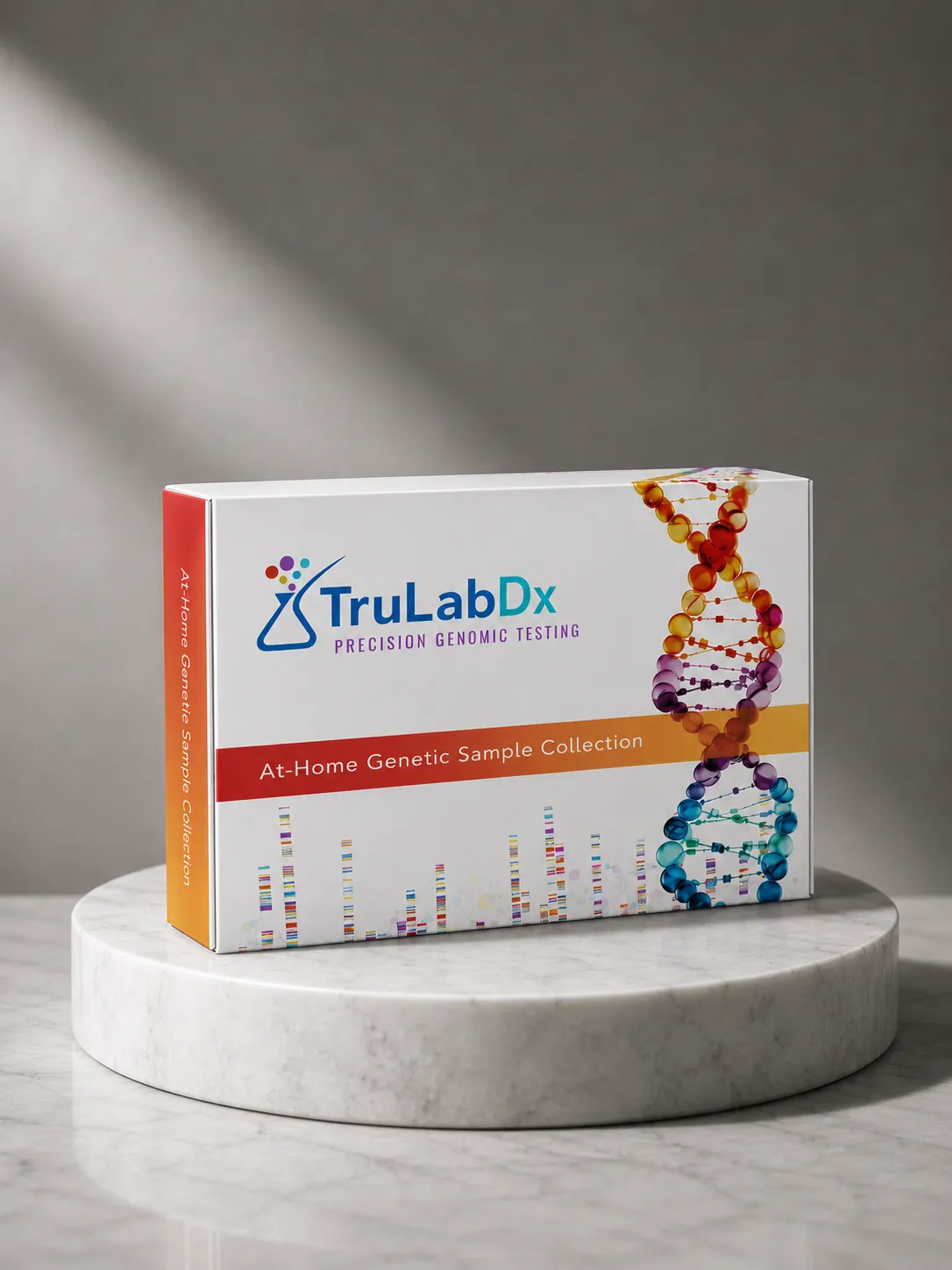
PATHWAY™ Genetic Optimization Test - Powered by TruLab Dx
From
$499.00
Test Scope Matrix
Included in Scope

What PATHWAY™ Analyzes

The panel covers variants in genes associated with recovery and inflammation signaling, cognitive performance pathways, longevity-associated pathways, stress response, metabolic and energy regulation, food response, and micronutrient metabolism — including the methylation cycle and its MTHFR, B9 (folate), and B12 components.

Target Pathways Covered7 Key Focus Areas
Recovery & InflammationIL-6, TNF, SOD2
Cognition & FocusCOMT, BDNF
Longevity & Cellular HealthFOXO3, SIRT1
Stress & HPA AxisCRHR1, FKBP5
Metabolic & Fuel UtilizationPPARG, FTO
Food & Caffeine ClearanceCYP1A2, LCT
Methylation CycleMTHFR, MTR, MTRR
Deliberate Boundaries

What PATHWAY™ Does Not Do

Non-DiagnosticGenotype describes inherited metabolic capacity, not current blood or nutrient levels.
No Ancestry or Disease ScreeningDoes not sequence the whole genome or screen for inherited disease mutations.
Provider-Ready ContextInterpretive wellness information designed for consultation with a licensed healthcare provider.

PATHWAY™ also does not sequence a whole genome, does not analyze ancestry, and does not replace clinical evaluation. Results describe associations reported in published research, and the strength of that research varies considerably between the seven areas. The report labels this rather than flattening it.

See our About Us page to learn more about 99 Purity Peptides.

Want to explore report components?

View the full breakdown of your sample collection, kit contents, and lab processing.

See what a PATHWAY™ report actually looks like
The Panel

What Does PATHWAY™ Test? The Seven Core Areas

PATHWAY™ organizes results into seven areas. Each area groups variants in genes with documented roles in that biological process. Evidence strength differs by area, and the report reflects that difference rather than presenting all seven with equal confidence.

01

Recovery

Recovery variants relate to inflammatory signaling and tissue repair processes. Genes in this group influence how inflammatory mediators are produced and regulated after physical stress. The genetic information provides context for discussions about training load, rest intervals, and recovery-supporting nutrition — it does not predict injury, healing speed, or athletic outcome.

02

Cognition

Cognition variants relate to neurotransmitter processing and signaling. COMT, for example, encodes an enzyme that breaks down catecholamines including dopamine, and common variants alter that enzyme's activity. Research links these differences to measurable variation in cognitive task performance under stress. The association is real; the effect on any individual is small and heavily context-dependent. PATHWAY™ presents it as one input, not a cognitive assessment.

03

Longevity

Longevity-associated variants sit in genes studied for their roles in cellular maintenance, oxidative stress handling, and metabolic regulation. This is the area where evidence is weakest and honesty matters most. No consumer genetic test predicts lifespan, and PATHWAY™ makes no such claim. The value here is contextual — understanding which maintenance pathways carry common variation, and discussing what that might mean for long-term lifestyle planning.

04

Stress

Stress variants relate to the regulation of the hypothalamic-pituitary-adrenal response and to neurotransmitter turnover. Genetic differences in these pathways associate with variation in how physiological stress responses are mounted and resolved. PATHWAY™ analyzes genotype, not hormone levels. Measuring cortisol requires a laboratory test; the report can inform a conversation about whether such testing is worth requesting.

05

Metabolism

Metabolic variants relate to energy substrate handling, insulin signaling, and lipid processing. Genes in this group influence how efficiently different fuel sources are used. This area carries some of the better-characterized gene–diet interactions in the literature, which is why it appears prominently in nutrigenomics research. The information supports nutritional discussion with a provider or dietitian — it does not constitute a diet prescription or a weight-management plan.

06

Food Sensitivity

Food response variants relate to how specific dietary components are metabolized. Two examples are well established. Variants near the LCT gene determine lactase persistence, which explains most adult lactose intolerance. Variants in CYP1A2 alter caffeine clearance rate. These are genuine, reproducible gene–diet relationships. Important distinction: this is not a food allergy test and not a food intolerance panel. Genetic analysis cannot detect IgE-mediated allergy, and it cannot confirm a sensitivity. Suspected food allergy requires evaluation by a qualified clinician.

07

Micronutrients

Micronutrient variants relate to how vitamins and minerals are absorbed, transported, converted, and used. The methylation cycle sits at the center of this area, including folate and B12 handling. Variants can affect conversion efficiency between nutrient forms. Again the boundary matters: genotype describes metabolic capacity, not current nutrient status. Blood testing measures status. The two are complementary, and the report frames them that way.

Order PATHWAY™
The Process

How PATHWAY™ Works Six Steps

PATHWAY™ follows a six-step process from order to plan: order the kit, collect a cheek swab at home, return the sample, laboratory analysis, delivery of the personalized report, and review with a qualified provider. Collection takes a few minutes and requires no blood draw, no clinic visit, and no fasting.

Step 01 of 06 • Dispatch

Order Your Kit

Discreet doorstep delivery

Order online. The kit ships to your address with a collection swab, a labeled tube, instructions, and a prepaid return mailer.

Discreet at-home packaging
Pre-labeled barcoded tube
Prepaid return packaging included

Delivery timeframes and coverage are detailed in our shipping policy.

What's Inside The Kit

Sterile Buccal SwabMedical-grade cheek swab
Barcoded Specimen TubeSecure preservation solution
Prepaid Return MailerPre-addressed USPS envelope
Step-by-Step InstructionsEasy 60-second visual guide
Order PATHWAY™
The Deliverable

What You Receive

A PATHWAY™ order includes an at-home collection kit, laboratory analysis, and a personalized written report covering all seven areas. The report contains pathway-based genetic insights, lifestyle and nutrition considerations, supplement categories to discuss with a provider, and suggested laboratory tests that could add current-status data to the genetic picture.

Inside Your PATHWAY™ Report

Structured breakdown included in your digital and printable report

9 Core Report Components
Component
What it contains
01
Pathway-based categories
Findings grouped by biological pathway rather than presented as raw data
02
Marker-level genetic insights
Results reported at the level of individual genetic markers
03
Lifestyle guidance
Considerations relating to the pathways where you carry common variants
04
Nutrition recommendations
Dietary factors relevant to your metabolic and food-response results
05
Supplements to consider
Nutrient categories worth discussing with a provider — not a prescription
06
Suggested labs
Blood tests that would measure current status where genotype only indicates capacity
07
Provider-guided peptide category support
Pathway findings organized by peptide research category for discussion with a licensed provider — not a recommendation
08
Personalized wellness optimization insights
Individual-level guidance drawn from your combined results across all seven areas
09
Example wellness & optimization categories
General category context — such as recovery or metabolic support — for provider discussion
01

Pathway-based categories

Findings grouped by biological pathway rather than presented as raw data

02

Marker-level genetic insights

Results reported at the level of individual genetic markers

03

Lifestyle guidance

Considerations relating to the pathways where you carry common variants

04

Nutrition recommendations

Dietary factors relevant to your metabolic and food-response results

05

Supplements to consider

Nutrient categories worth discussing with a provider — not a prescription

06

Suggested labs

Blood tests that would measure current status where genotype only indicates capacity

07

Provider-guided peptide category support

Pathway findings organized by peptide research category for discussion with a licensed provider — not a recommendation

08

Personalized wellness optimization insights

Individual-level guidance drawn from your combined results across all seven areas

09

Example wellness & optimization categories

General category context — such as recovery or metabolic support — for provider discussion

Request a sample report
Context

Genetic Testing and Personalized Wellness

Personalized wellness planning uses individual data — genetic, laboratory, and lifestyle — instead of population averages. Genetic testing contributes the part that does not change: the inherited variants that shape how nutrients are processed, how stress responses are regulated, and how recovery pathways function. It is one input among several, and it is most useful when combined with the others.

Biological Variability

Why Do People Respond Differently to the Same Protocol?

Response differences come from several sources, and genetics is one of them. Two people on identical nutrition plans can show different folate status because their folate-processing enzymes differ. Two people drinking the same coffee can experience different effects because caffeine clearance varies by genotype. These differences are documented and reproducible.

However, genetics rarely acts alone. Sleep, training history, medication, gut microbiome, age, and adherence all shape outcomes, often more strongly than any single variant. Genetic information narrows the range of plausible explanations. It does not close the question.

Inherited variants narrow plausible biological explanations — guiding targeted discussions with your provider.
Clinical Utility

What Genetic Insights Are Genuinely Useful For

Genetic results are most useful when they change a question rather than answer one. A variant affecting folate conversion is a reason to ask a provider whether folate status should be measured. A variant affecting caffeine clearance is a reason to examine caffeine timing rather than assume tolerance. Used this way, genetic data improves the quality of the next decision.

Informs nutrient timing instead of assuming general tolerance
Guides targeted follow-up blood lab biomarker testing
Genetic data improves the quality of your next lifestyle, training, and nutrition decision.

The Limitations of Consumer Genetic Testing

Four limitations apply to PATHWAY™ and to every comparable test.

Genotype is not status.Inherited variants describe capacity, not current levels. Blood testing measures levels.
Effect sizes are usually small.Most common variants shift a measurable trait modestly. Few determine outcomes.
Evidence strength varies by pathway.Some gene–nutrient relationships are well replicated; others rest on limited studies.
Panels are selective.PATHWAY™ genotypes specific variants. It does not sequence the genome, and it will not detect variants outside the panel.

Recognizing these limits is what separates useful genetic information from overinterpretation. The report is written to keep results inside them.

Methylation Pathway

MTHFR, B9 and B12
What the Methylation Section Covers

The MTHFR gene encodes methylenetetrahydrofolate reductase, an enzyme in the folate cycle that converts 5,10-methylenetetrahydrofolate into 5-methyltetrahydrofolate, the circulating form of folate used to remethylate homocysteine into methionine. Two common variants — C677T and A1298C — reduce enzyme activity to differing degrees. PATHWAY™ reports these variants as metabolic context.

The Folate Methylation Cycle
Targeted Biochemical Pathway
STEP 01Substrate

5,10-MTHF

Dietary & converted cellular folate

STEP 02 Rate Limiting

MTHFR enzyme

Key conversion enzyme (C677T / A1298C)

STEP 03Active Folate

5-MTHF

Circulating active methyl-donor folate

STEP 04Remethylation

Homocysteine → Methionine

Downstream amino acid conversion

B12 cofactor (methionine synthase)
Evidence Guidelines

What an MTHFR Result Does and Does Not Mean

Carrying an MTHFR variant is common, not exceptional. Reduced enzyme activity is measurable in laboratory conditions, and homozygous C677T carriers show modestly higher average homocysteine levels across populations.

What the result does not establish is equally important. The American College of Medical Genetics and Genomics concluded that MTHFR polymorphism testing has minimal clinical utility and should not form part of a routine thrombophilia evaluation — a position the ACMG Board reaffirmed in April 2020. The American College of Obstetricians and Gynecologists likewise does not recommend MTHFR testing in evaluating venous thromboembolism.

PATHWAY™ reports MTHFR status within its stated scope: methylation-pathway context for nutrition discussion. It does not present MTHFR results as indicating disease risk, clotting risk, pregnancy outcome, cardiovascular risk, or any requirement for treatment. Any consumer test that does is exceeding what the evidence supports.

Strictly nutritional methylation context — not a diagnostic risk indicator for medical treatment.
Nutrient Synergy

Folate, B9 and B12 in the Methylation Cycle

Folate (vitamin B9) and cobalamin (vitamin B12) both function in the methylation cycle. B12 acts as a cofactor for methionine synthase, the enzyme that uses 5-methyltetrahydrofolate to remethylate homocysteine. Because the two nutrients operate in the same pathway, genotype affecting folate handling is discussed alongside B12 context in the report.

Nutrient status still requires measurement. Serum folate, serum B12, and homocysteine are laboratory tests, and the PATHWAY™ report identifies where such testing would add information a genetic result cannot supply. Decisions about supplementation belong with a qualified provider who can see both the genotype and the bloodwork.

Recommended Complementary Blood Labs:
Serum Folate (B9)Measures active circulating folate concentration
Serum Cobalamin (B12)Measures essential cofactor availability
Plasma HomocysteineAssesses active metabolic remethylation rate
Decisions about B9/B12 supplementation belong with a qualified provider reviewing both genotype and blood labs.
Research Context

PATHWAY™ and Peptide Categories

PATHWAY™ organizes some report content by peptide research category, reflecting the categories represented on this platform. This is contextual information for discussion with a licensed healthcare provider. A genetic result does not indicate that any peptide is appropriate, necessary, or advisable for any person.

What This Section Is

The PATHWAY™ report groups certain pathway findings under headings that correspond to areas of peptide research — for example, tissue repair and inflammatory signaling, mitochondrial and metabolic signaling, and dermal or connective tissue pathways. Compounds studied in these areas include BPC-157, TB-500, MOTS-c and GHK-Cu, among others. The grouping is organizational, giving a provider a structured way to consider the results.

What This Section Is Not

PATHWAY™ does not recommend peptides. The report contains no dosing information, no administration guidance, and no protocols. A genetic variant does not demonstrate that a person will respond to any compound, and no genotype establishes a treatment indication.

Products sold on this website are supplied for research use only. They are not for human or veterinary use and are not intended for ingestion, injection, or any form of administration. Nothing in a PATHWAY™ report changes that designation.

Decisions involving any therapeutic agent belong to a licensed healthcare provider evaluating an individual patient. PATHWAY™ supplies genetic context to that conversation and nothing beyond it.

Fit Check

Who Is PATHWAY™ For?

PATHWAY™ suits people who already gather data about their health and want inherited variation added to that picture. It fits best alongside bloodwork, training records, and a provider relationship — genetic results gain most of their value in combination with other information.

Ideal Candidates

PATHWAY™ May Be a Good Fit If You

  • Already track health data and want a stable, one-time genetic layer added to it
  • Work with a provider, dietitian, or coach who can interpret results in context
  • Have found that standard nutrition or training approaches produce inconsistent results for you
  • Want structured information about methylation, micronutrient handling, or food response
  • Prefer a defined panel with stated limits over an open-ended genomic report
Adds an unchanging baseline to your lifestyle and training records.
Clinical Boundaries

PATHWAY™ Is Not a Good Fit If You

  • Are seeking diagnosis of a symptom or condition — see a clinician
  • Want disease-risk screening or carrier status — that requires clinical genetic testing with counseling
  • Need to know current vitamin or hormone levels — that requires blood testing
  • Are looking for ancestry information
  • Expect a genetic test to determine a treatment decision on its own
Not intended for disease diagnosis, medical carrier screening, or ancestry.
Check where we ship for current state and territory coverage.
Summary

Key Takeaways

One sample, seven areas.A single cheek swab covers recovery, cognition, longevity, stress, metabolism, food sensitivity, and micronutrient pathways.
Collected at home, processed in a CLIA-certified laboratory.No clinic visit, no blood draw, no fasting.
Your DNA sequence does not change, so the sample is collected once.Interpretation continues to develop as research advances — the sequence is permanent, the science is not.
Written for provider review.The report includes a clinician-facing summary rather than leaving interpretation entirely to the reader.
Evidence strength is labeled, not flattened.Areas supported by replicated research are distinguished from areas where evidence remains limited.
Methylation context included.MTHFR, folate and B12 pathway results are reported within their evidence-supported scope.
Genotype, not status.The report identifies where blood testing would add information that genetics alone cannot provide.
Not a diagnostic test.PATHWAY™ is not intended to diagnose, treat, cure, or prevent any disease.
Category Comparison

PATHWAY™ Compared With
General Consumer DNA Testing

General consumer DNA tests and targeted wellness panels answer different questions. Ancestry-oriented tests report population origins and traits. Broad health-screening tests report disease-risk and carrier information. PATHWAY™ analyzes a defined set of wellness-associated pathways and formats results for provider review.

Feature
PATHWAY™
General Consumer DNA Testing
Primary purpose
Wellness pathway context across seven defined areas
Varies — commonly ancestry, traits, or broad health screening
Collection method
At-home cheek swab
Cheek swab or saliva, depending on provider
Scope
Defined panel across seven wellness areas
Ranges from limited trait panels to whole-genome sequencing
Report orientation
Structured for review with a healthcare provider
Typically consumer-facing only
Ancestry reporting
Not included
Frequently included
Disease-risk screening
Not included
Sometimes included, subject to regulatory limits
Evidence labeling
Association strength stated per area
Varies by provider
Diagnostic status
Not a diagnostic test
Not a diagnostic test unless specifically FDA-authorized
01

Primary purpose

PATHWAY™

Wellness pathway context across seven defined areas

General Consumer Tests

Varies — commonly ancestry, traits, or broad health screening

02

Collection method

PATHWAY™

At-home cheek swab

General Consumer Tests

Cheek swab or saliva, depending on provider

03

Scope

PATHWAY™

Defined panel across seven wellness areas

General Consumer Tests

Ranges from limited trait panels to whole-genome sequencing

04

Report orientation

PATHWAY™

Structured for review with a healthcare provider

General Consumer Tests

Typically consumer-facing only

05

Ancestry reporting

PATHWAY™

Not included

General Consumer Tests

Frequently included

06

Disease-risk screening

PATHWAY™

Not included

General Consumer Tests

Sometimes included, subject to regulatory limits

07

Evidence labeling

PATHWAY™

Association strength stated per area

General Consumer Tests

Varies by provider

08

Diagnostic status

PATHWAY™

Not a diagnostic test

General Consumer Tests

Not a diagnostic test unless specifically FDA-authorized

This table compares product categories rather than named competitors, and every row reflects PATHWAY™'s documented scope.

Order PATHWAY™
Trust & Compliance

Laboratory and Data Standards

PATHWAY™ testing is delivered through the TruLab Dx Network, which operates CLIA-certified clinical laboratory facilities in Murrieta, California and Cypress, Texas, and holds California Association of Health Facilities (CAHF) preferred provider status. Laboratory operations are governed under the Clinical Laboratory Improvement Amendments, administered by the Centers for Medicare & Medicaid Services.

Read our Privacy Policy for how we handle personal data sitewide.

Laboratory technician processing DNA samples on genotyping equipment in a CLIA-certified facility
CLIA-Certified Laboratory Processing
Regulatory Governance

What CLIA Certification Means — and What It Does Not

CLIA certification addresses laboratory operations: personnel qualifications, quality control, proficiency testing, and record-keeping. It does not mean a test has been reviewed, cleared, or approved by the FDA.

That distinction matters more than usual right now. In March 2025 a federal district court vacated the FDA's rule bringing laboratory-developed tests under device regulation, and in September 2025 the FDA published a rule reverting the regulatory text to its earlier form. As of August 2026, laboratory quality for tests of this type is governed under CLIA by CMS, while consumer claims and data practices fall under Federal Trade Commission authority. PATHWAY™ is not FDA-approved and makes no claim of FDA approval.

Laboratory Facilities
Murrieta, California26359 Jefferson Ave, Suite G, Murrieta, CA 92562
Cypress, Texas16922 Telge Road, Suite 2E, Cypress, TX 77429

Ph (951) 477-4300 · Fax (855) 701-1412 · trulabdx.com

Expert Review

Clinical Oversight

Genetic results carry clinical and regulatory responsibility, and CMS guidance recognizes that pharmacogenomic interpretation should involve qualified clinical experts. The TruLab Dx Network provides licensed PharmD review and molecular pathologist recommendations rather than algorithmic interpretation alone, producing clinical summaries your provider can act on. Pathologist oversight is billed separately and directly to Medicare or commercial insurance, at no cost to the ordering provider.

Licensed PharmD review and molecular pathologist recommendations — billed directly to insurance at no provider cost.
Direct Answers

Quick Answers

Direct, plain-language answers to essential questions about testing scope, laboratory standards, and clinical interpretation.

Q01Wellness Scope

What is a genetic wellness test?

A genetic wellness test analyzes inherited DNA variants associated with everyday physiological processes such as nutrient metabolism, stress response, and recovery. It differs from clinical genetic testing, which evaluates disease risk or carrier status. Wellness testing provides lifestyle and nutrition context and does not diagnose medical conditions.

Q02Collection Protocol

How does an at-home cheek swab DNA test work?

An at-home cheek swab DNA test collects buccal cells from the inside of the cheek using a supplied swab. The sealed sample is mailed to a laboratory, where DNA is extracted and specific genetic variants are analyzed. Results are returned as a written report, typically within several weeks.

Q03Non-Diagnostic Scope

Is PATHWAY™ a medical diagnosis?

No. PATHWAY™ is not a diagnostic test and is not intended to diagnose, treat, cure, or prevent any disease. The report describes inherited genetic variants and their documented associations. Any medical decision, including diagnosis and treatment, requires evaluation by a qualified healthcare provider.

Q04CLIA & Regulatory

Does a CLIA-certified laboratory mean the test is FDA approved?

No. CLIA certification confirms that a laboratory meets federal quality standards for testing human specimens, administered by the Centers for Medicare & Medicaid Services. FDA approval is a separate regulatory process evaluating a specific test. A test can be run in a CLIA-certified laboratory without being FDA-approved.

Q05Methylation Context

What does an MTHFR result tell you?

An MTHFR result identifies whether a person carries common variants — C677T or A1298C — that reduce the activity of the methylenetetrahydrofolate reductase enzyme in the folate cycle. Professional genetics organizations regard MTHFR testing as having minimal clinical utility for disease evaluation. PATHWAY™ reports it as methylation-pathway context only.

Q06Nutrient Biomarkers

Can a genetic test tell me which vitamins to take?

Not on its own. Genetic variants describe how efficiently the body processes certain nutrients, but they do not measure current nutrient levels. Blood testing measures status. Genetic results can indicate which nutrient levels are worth measuring, and supplementation decisions belong with a qualified healthcare provider.

Q07Ordering Model

Do I need a doctor to order PATHWAY™?

The ordering model — direct consumer purchase, physician-authorized network, or provider-ordered only — is being finalized, along with state-by-state availability. This answer will be confirmed here before checkout opens.

Q08Turnaround Time

How long do PATHWAY™ results take?

A typical turnaround range will be published here once confirmed with the laboratory partner — stated as a range rather than a guarantee.

READ

Questions

Frequently Asked Questions

01

What is the PATHWAY™ Genetic Optimization Test?

PATHWAY™ is an at-home genetic wellness test that analyzes DNA collected by cheek swab and returns a personalized report across seven areas: recovery, cognition, longevity, stress, metabolism, food sensitivity, and micronutrients. Samples are processed in a CLIA-certified laboratory. The report is written for review with a qualified healthcare provider and is not a diagnostic test.
02

Is PATHWAY™ a medical or diagnostic test?

No. PATHWAY™ is not a diagnostic test and is not intended to diagnose, treat, cure, or prevent any disease. The report describes inherited genetic variants and their documented associations with biological pathways. It does not establish the presence or absence of any medical condition. Diagnosis and treatment decisions require evaluation by a qualified healthcare provider who can consider your full clinical picture.
03

How is the sample collected?

PATHWAY™ uses a cheek swab, also called a buccal swab. A supplied swab is rubbed firmly against the inside of the cheek to collect cells, then sealed in a collection tube and returned in a prepaid mailer. No blood draw, clinic visit, or fasting is required. Avoid eating or drinking immediately before collection, since residue can reduce sample quality.
04

Which genes and variants does PATHWAY™ analyze?

The full gene and variant list, with rsIDs and total variant count, is being finalized for publication. No competitor in this category discloses their complete panel, which is expected to be the strongest differentiator on this page once it ships, and creates substantial additional search coverage in its own right.
05

Does a CLIA-certified laboratory mean the test is FDA approved?

No. CLIA certification confirms that a laboratory meets federal quality standards for testing human specimens, administered by the Centers for Medicare & Medicaid Services. FDA approval is a separate regulatory process that evaluates a specific test. PATHWAY™ is processed in a CLIA-certified laboratory and does not claim FDA approval. The distinction applies to most genetic wellness tests currently sold in the United States.
06

How accurate is genotyping from a cheek swab?

Buccal cells collected by cheek swab yield DNA suitable for genotyping, and analytical accuracy for called variants in a CLIA-certified laboratory is high. Accuracy of the genotype call is distinct from the strength of the association between a variant and a trait, which varies considerably. The PATHWAY™ report labels evidence strength by area rather than presenting all findings with equal confidence.
07

What does an MTHFR result actually tell me?

An MTHFR result identifies whether you carry common variants — C677T or A1298C — that reduce activity of the methylenetetrahydrofolate reductase enzyme in the folate cycle. The American College of Medical Genetics and Genomics regards MTHFR testing as having minimal clinical utility for disease evaluation, a position reaffirmed in 2020. PATHWAY™ reports MTHFR status as methylation-pathway context for nutrition discussion, not as an indicator of disease risk.
08

Can PATHWAY™ tell me which supplements to take?

No. Genetic variants describe how efficiently the body processes certain nutrients; they do not measure current nutrient levels. Blood testing measures status. The report identifies nutrient categories worth discussing and laboratory tests worth requesting, but supplementation decisions belong with a qualified healthcare provider who can review both your genetic results and your bloodwork.
09

Is PATHWAY™ a food allergy or intolerance test?

No. PATHWAY™ analyzes genetic variants related to how certain dietary components are metabolized — for example, variants near the LCT gene affecting lactase persistence and CYP1A2 variants affecting caffeine clearance. Genetic analysis cannot detect IgE-mediated food allergy and cannot confirm a food sensitivity. Suspected food allergy requires evaluation by a qualified clinician using appropriate clinical testing.
10

Do I need to repeat the test?

No. Your inherited DNA sequence does not change, so the sample is collected once. Scientific interpretation of genetic variants does continue to develop, which means understanding of a given result can advance over time even though the underlying sequence stays the same. Whether report updates are offered as interpretation develops, and whether any fee would apply, will be confirmed here.
11

How long do results take?

Turnaround from sample receipt to report delivery will be published here as a typical range once confirmed with the laboratory partner — competitors in this category commonly publish two to six weeks.
12

What happens to my DNA sample and data after testing?

This answer is intentionally held back pending documented policy on sample retention and destruction, data retention period, deletion procedure and timeframe, third-party sharing or sale, research use and consent model, and what happens to data if the business is sold or transferred. This was identified as the leading purchase objection in this category following the July 2026 multistate attorney general settlement involving 23andMe, so it will be answered here in full plain language rather than by linking to a general privacy policy.
13

Can insurers or employers access my genetic results?

The federal Genetic Information Nondiscrimination Act restricts the use of genetic information by health insurers and employers. Its protections are not universal — GINA does not extend to life insurance, disability insurance, or long-term care insurance, and some state laws add further protections. Consider these limits before testing, particularly if you are evaluating those insurance products.
14

Do I need a provider to order PATHWAY™?

The ordering model — direct consumer purchase, physician-authorized network, or provider-ordered only — and state-by-state availability are being confirmed. New York, Maryland and Rhode Island have historically restricted direct-to-consumer testing. This answer will be finalized before checkout opens broadly.
15

Can my provider use these results?

The report includes a section written for the clinician reviewing your results, summarizing findings by pathway with the associated evidence context. Providers can use that information alongside your history, symptoms, and laboratory results. PATHWAY™ does not supply clinical interpretation itself, and the report is not a substitute for clinical evaluation. Full confirmation of the provider summary's contents will be added here.
16

What are the limitations of a genetic wellness test?

Four limitations apply to PATHWAY™ and to comparable tests. Genotype describes inherited capacity rather than current status, which blood testing measures. Most common variants produce small effects rather than determining outcomes. Evidence strength differs substantially between pathways. And any panel analyzes selected variants, so it will not detect variation outside its scope. Genetic results are most useful as one input among several.

Have a purchase question? See our refund policy. Looking for more answers? Browse our full FAQ.

Intended Use

Intended Use and Important Limitations

PATHWAY™ is designed for provider-guided wellness optimization. It is not intended to diagnose, treat, cure, or prevent any disease.

PATHWAY™ reports inherited genetic variants and their documented associations with biological pathways. Genetic associations describe patterns observed across populations; they do not predict outcomes for any individual. Results do not establish the presence or absence of any medical condition and do not indicate that any treatment, supplement, or compound is appropriate.

Genotype describes inherited metabolic capacity. It does not measure current nutrient levels, hormone levels, or any other present-state marker. Laboratory testing measures those.

Nothing in a PATHWAY™ report should be used to start, stop, or alter any medical treatment. Consult a qualified healthcare provider regarding any health concern or before making changes to nutrition, supplementation, exercise, or medication.

Products sold on this website are supplied for research use only, are not for human or veterinary use, and are not intended for ingestion, injection, or any form of administration.

Read our medical disclaimer and terms of service for complete details.

Order PATHWAY™
Questions? Contact our team