Introduction
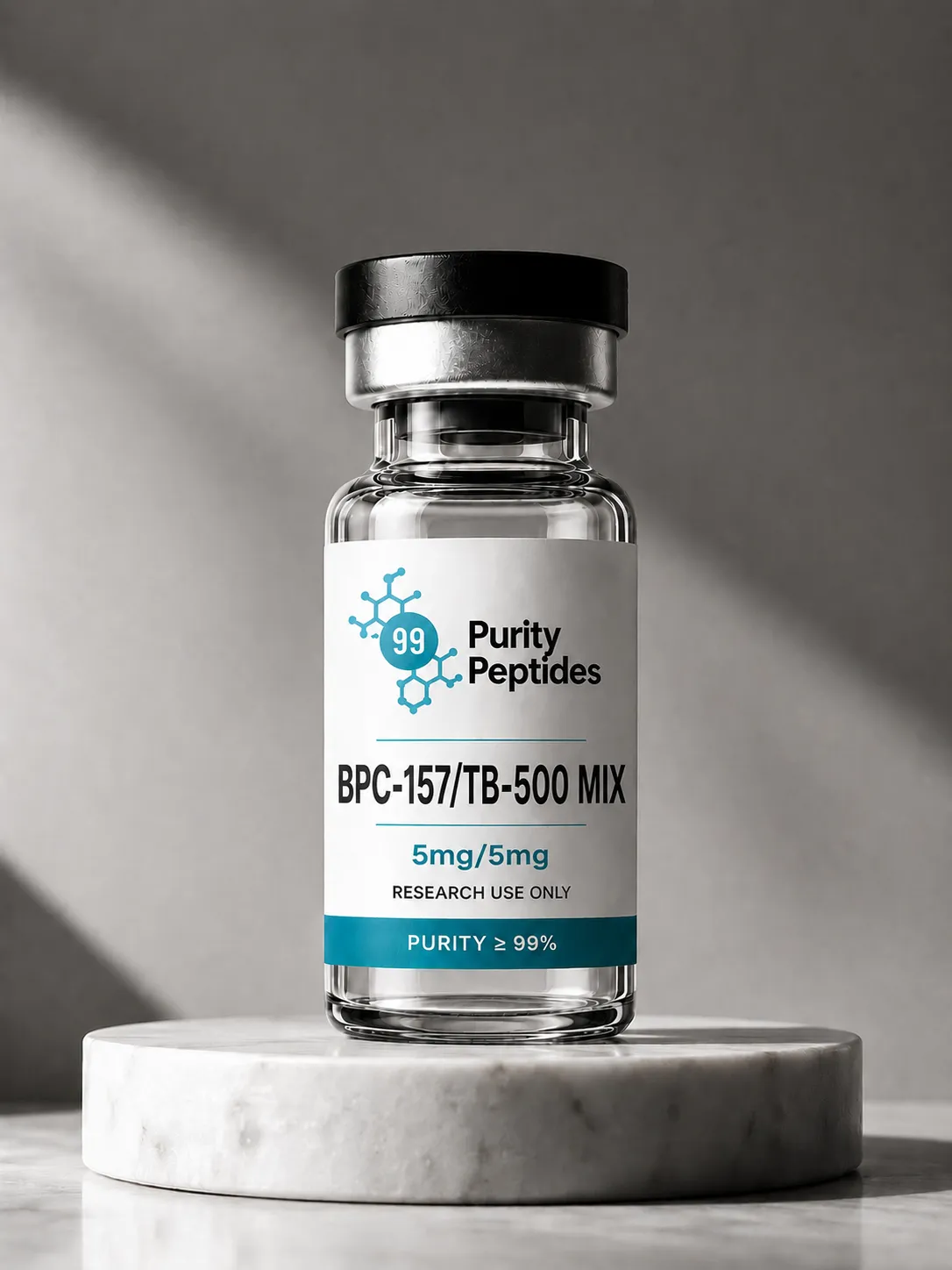
Body Protection Compound 157, commonly known as BPC-157, is a synthetic peptide that has garnered significant attention in the fields of sports medicine, regenerative health, and gut wellness. This 15-amino acid peptide fragment is derived from protective protein compounds found naturally in the body, making it a focus of extensive research for its remarkable ability to support tissue repair, accelerate wound healing, reduce inflammation, and facilitate recovery of muscles, tendons, ligaments, and the digestive tract.

Whether you're an athlete recovering from an injury, someone dealing with chronic gut issues, or simply interested in optimizing your body's natural healing processes, understanding BPC-157 and its potential benefits can open new doors to enhanced recovery and wellness.
What is BPC-157? Understanding This Powerful Peptide
The Science Behind BPC-157
BPC-157 is a pentadecapeptide (a peptide composed of 15 amino acids) that was originally discovered in and derived from gastric juice. The peptide is synthetically manufactured to maintain consistency and purity for research and therapeutic applications. Its chemical structure allows it to interact with multiple biological pathways in the body, making it uniquely versatile in supporting various healing mechanisms.
The peptide works by stimulating growth factors, promoting angiogenesis (blood vessel formation), and enhancing the body's natural cellular repair processes. This multifaceted approach to healing is what distinguishes BPC-157 from many other recovery supplements.
How BPC-157 Functions in the Body
BPC-157 operates through several interconnected mechanisms:
- Growth Factor Stimulation: BPC-157 encourages the production of growth factors like vascular endothelial growth factor (VEGF) and fibroblast growth factor (FGF), which are essential for tissue repair and regeneration.
- Nitric Oxide Enhancement: By promoting nitric oxide production, BPC-157 improves blood flow and oxygen delivery to damaged tissues, accelerating the healing process.
- Anti-Inflammatory Action: The peptide reduces pro-inflammatory cytokines while promoting anti-inflammatory responses, helping to minimize tissue damage and swelling.
- Cellular Signaling: BPC-157 modulates crucial cell signaling pathways that regulate tissue repair and regeneration at the cellular level.
Key Benefits of BPC-157 for Recovery and Wellness
Muscle Recovery and Performance
One of the most researched applications of BPC-157 is its potential to enhance muscle recovery. Athletes and fitness enthusiasts are increasingly turning to this peptide to:
- Reduce recovery time between intense training sessions
- Minimize muscle soreness and fatigue
- Support muscle protein synthesis and growth
- Promote faster adaptation to training stimuli
The peptide's ability to enhance blood flow and stimulate growth factors makes it particularly valuable for those engaging in resistance training or endurance activities.
Tendon and Ligament Repair
Tendons and ligaments are notoriously slow to heal due to their limited blood supply. BPC-157 addresses this challenge by:
- Promoting angiogenesis to improve blood flow to these tissues
- Accelerating collagen synthesis, essential for structural integrity
- Reducing inflammation that can impede healing
- Supporting the restoration of full range of motion and functionality
This makes BPC-157 particularly valuable for athletes recovering from sprains, strains, or more serious injuries to connective tissues.
Wound Healing and Skin Repair
Beyond internal injuries, BPC-157 has shown promise in supporting dermal wound healing through:
- Enhanced epithelialization (formation of new skin layers)
- Improved collagen deposition and organization
- Reduced scar formation
- Accelerated closure of wounds
This application extends BPC-157's benefits beyond athletic recovery to general wellness and aesthetic health.
Digestive Tract Health and Gut Healing
Perhaps one of the most exciting applications of BPC-157 is its potential to support digestive health:
- Intestinal Barrier Function: BPC-157 may strengthen the intestinal epithelial barrier, helping to reduce intestinal permeability ("leaky gut").
- Inflammation Reduction: The peptide's anti-inflammatory properties can help soothe inflamed tissue in the gastrointestinal tract.
- Healing of Damage: For individuals with conditions like irritable bowel syndrome (IBS), inflammatory bowel disease (IBD), or other digestive issues, BPC-157 may support tissue repair and healing.
- Nutrient Absorption: By promoting a healthy gut lining, BPC-157 may enhance nutrient absorption and overall digestive function.
This dual action—both systemic recovery and gut-specific benefits—makes BPC-157 particularly valuable for comprehensive wellness strategies.
Current Research and Scientific Evidence
What Studies Show About BPC-157
While BPC-157 research is still evolving, numerous studies have demonstrated its potential across various applications:
- Tissue Repair: Multiple preclinical studies have shown BPC-157's effectiveness in promoting healing of muscle, tendon, and ligament tissues.
- Inflammation Management: Research indicates BPC-157 reduces inflammatory markers and supports the body's natural anti-inflammatory response.
- Neurological Support: Emerging research suggests BPC-157 may have neuroprotective properties, supporting neurological function and recovery.
- Gastrointestinal Health: Studies on animal models have shown promising results for BPC-157's ability to support digestive tract health and healing.
Important Note: Most current research on BPC-157 is preclinical or conducted on animal models. While results are promising, more human clinical trials are needed to fully establish efficacy and optimal dosing protocols.
The Gap Between Research and Real-World Application
It's important to distinguish between what laboratory and animal studies demonstrate and what has been proven in human clinical trials. BPC-157 represents a frontier in peptide-based recovery support, with significant promise but limited large-scale human studies. This means individuals considering BPC-157 should stay informed about emerging research while approaching claims with appropriate skepticism.
BPC-157 Administration and Dosage
Common Administration Methods
BPC-157 is typically administered through:
- Subcutaneous Injection: The most common method, delivering the peptide directly into subcutaneous tissue.
- Intramuscular Injection: Sometimes used for localized effects in specific muscle groups or tissues.
- Oral Administration: Some formulations claim oral bioavailability, though absorption rates vary significantly.
Important Consideration: The optimal route of administration and dosage can vary based on individual factors and intended use. Consultation with a qualified healthcare professional is essential before beginning any BPC-157 protocol.
Typical Dosing Ranges
Research protocols have utilized various dosing approaches:
- Typical Research Doses: Range from 100-1000 mcg per day, often split into multiple administrations
- Duration: Many studies employ protocols lasting 4-12 weeks, depending on the application
- Individual Variation: Optimal dosing may vary based on body weight, the specific condition being addressed, and individual response
CALLOUT BOXES
💡 TIP: Optimizing Your BPC-157 Protocol
To maximize potential benefits from BPC-157, consider these complementary strategies:
- Support Collagen Synthesis: Ensure adequate vitamin C intake, as it's essential for collagen production and tissue repair
- Protein Adequacy: Consume sufficient protein to provide amino acids needed for muscle and tissue reconstruction
- Sleep and Recovery: Prioritize quality sleep, which enhances the body's natural healing processes
- Strategic Training: Avoid excessive training volume immediately after injury; allow time for tissue adaptation
- Hydration: Maintain proper hydration to support circulation and nutrient delivery to healing tissues
⚠️ WARNING: Important Safety and Legal Considerations
- Regulatory Status: BPC-157 is not approved by the FDA for human use in the United States. Its legal status varies by country and region.
- Quality and Purity: The peptide market can contain products of varying quality. Source peptides only from reputable suppliers with third-party testing.
- Individual Medical Conditions: If you have existing medical conditions, take medications, or are pregnant/nursing, do not use BPC-157 without explicit medical supervision.
- Injection Safety: If using injectable forms, ensure you have been trained in proper injection techniques to avoid infection or tissue damage.
- Research Stage: Remember that BPC-157 research is still developing. Results may vary individually, and marketed claims should be evaluated critically.
✅ BEST PRACTICES: When Considering BPC-157
- Consult a Healthcare Professional: Before starting BPC-157, discuss it with a doctor familiar with peptide therapeutics and your specific health situation.
- Source Verification: Purchase only from suppliers who provide third-party testing certificates of analysis (CoA) confirming purity and identity.
- Track Your Response: Keep detailed records of how you respond to BPC-157, noting any changes in recovery, symptoms, or side effects.
- Combined Approach: Don't view BPC-157 as a standalone solution. Combine it with proper nutrition, training, sleep, and stress management.
- Stay Current with Research: Subscribe to research databases and reputable health sources to stay informed about new BPC-157 studies and findings.
- Document Baseline: Before starting BPC-157, document your current condition (pain levels, range of motion, performance metrics) to objectively assess changes.
Complementary Strategies for Optimal Tissue Repair and Recovery
Nutrition and Protein
To maximize tissue repair alongside BPC-157 use, prioritize:
- High-Quality Protein: Aim for 1.6-2.2g of protein per kilogram of body weight daily
- Amino Acid Balance: Ensure adequate leucine and other branched-chain amino acids
- Micronutrient Support: Include vitamin C, zinc, and copper for collagen synthesis and tissue repair
- Anti-Inflammatory Foods: Incorporate omega-3 fatty acids and antioxidant-rich foods to support the healing environment
Movement and Physical Therapy
Strategic movement enhances BPC-157's effectiveness:
- Progressive Loading: Gradually increase stress on healing tissues to promote adaptive strengthening
- Physical Therapy Protocols: Work with a PT to ensure movements support rather than hinder recovery
- Active Recovery: Include low-intensity movement on non-training days to promote circulation
- Range of Motion Work: Maintain and gradually improve range of motion around injured areas
Sleep and Stress Management
Recovery happens during rest:
- Sleep Quality: Aim for 7-9 hours of quality sleep, as growth hormone and tissue repair processes are most active during deep sleep
- Stress Reduction: Chronic stress impairs healing; practice meditation, yoga, or other stress management techniques
- Circadian Rhythm: Maintain consistent sleep-wake times to optimize hormonal function and tissue repair
Avoiding Counterproductive Behaviors
Don't sabotage your recovery efforts:
- Limit Anti-Inflammatory Drugs: Excessive NSAIDs can impair tissue repair; use only when necessary and as directed
- Reduce Smoking and Alcohol: Both impair wound healing and tissue repair
- Manage Training Load: Avoid excessive training volume during the initial healing phase
Understanding the Future of BPC-157 Research
Ongoing Clinical Trials and Research Directions
The scientific community continues to explore BPC-157's potential through:
- Human Clinical Trials: More large-scale human studies are needed to establish efficacy and optimal protocols
- Mechanism Elucidation: Researchers continue to clarify exactly how BPC-157 exerts its effects at the molecular level
- Application Expansion: New applications are being investigated, from neurological recovery to cardiovascular health
- Combination Therapies: Studies examining BPC-157 combined with other regenerative medicine approaches
What to Watch For
As BPC-157 research evolves, keep an eye on:
- Published Clinical Trials: Wait for peer-reviewed human studies in reputable journals
- Regulatory Updates: Changes in legal status and approval pathways
- Long-term Safety Data: Emerging information about long-term use and potential late-appearing effects
- Standardization: Development of standardized dosing protocols based on rigorous research
Conclusion: Is BPC-157 Right for Your Recovery Strategy?
BPC-157 represents an intriguing frontier in tissue repair and recovery support. The peptide's multi-faceted mechanism of action—promoting growth factors, reducing inflammation, enhancing blood flow, and supporting cellular repair—makes it theoretically valuable for athletes, individuals recovering from injury, and those seeking to optimize digestive health.
However, several important considerations should guide your decision:
Promising Research: While laboratory and animal studies demonstrate significant potential, human clinical evidence is still limited. The gap between preclinical promise and proven human efficacy remains substantial.
Regulatory Uncertainty: BPC-157's legal status varies globally, and it remains unapproved for human use in major markets like the United States. This creates both availability challenges and quality concerns regarding sourcing.
Individual Variation: Even if BPC-157 proves effective in clinical trials, individual responses will vary. What works dramatically for one person may produce minimal results for another.
Complementary, Not Standalone: BPC-157 should never replace fundamental recovery principles: proper nutrition, adequate sleep, appropriate training, and professional guidance. It can only enhance a solid foundation.
Professional Guidance Essential: If you're seriously considering BPC-157, consult with a healthcare professional familiar with peptide therapeutics and your specific situation. This is not a decision to make based on internet research alone.
For those experiencing significant recovery challenges despite optimizing conventional approaches, BPC-157 may warrant investigation under professional guidance. For others, focusing on foundational recovery practices may yield equivalent or superior results with fewer unknowns.
The future of BPC-157 is likely to become clearer as more rigorous human research emerges. By staying informed and maintaining realistic expectations, you can make a decision aligned with both current evidence and your individual health goals.
Key Takeaways
- BPC-157 is a 15-amino acid peptide researched for tissue repair, wound healing, and digestive health support
- The peptide works through multiple mechanisms: growth factor stimulation, inflammation reduction, and enhanced blood flow
- Current research is primarily preclinical; human clinical trials are limited but emerging
- BPC-157 is not FDA-approved in the United States; legal status varies by jurisdiction
- Potential applications include muscle recovery, tendon/ligament repair, wound healing, and gut health
- Optimal results require combining BPC-157 with proper nutrition, sleep, training, and stress management
- Professional medical guidance is essential before beginning any BPC-157 protocol
- Source verification and quality assurance are critical when purchasing peptides