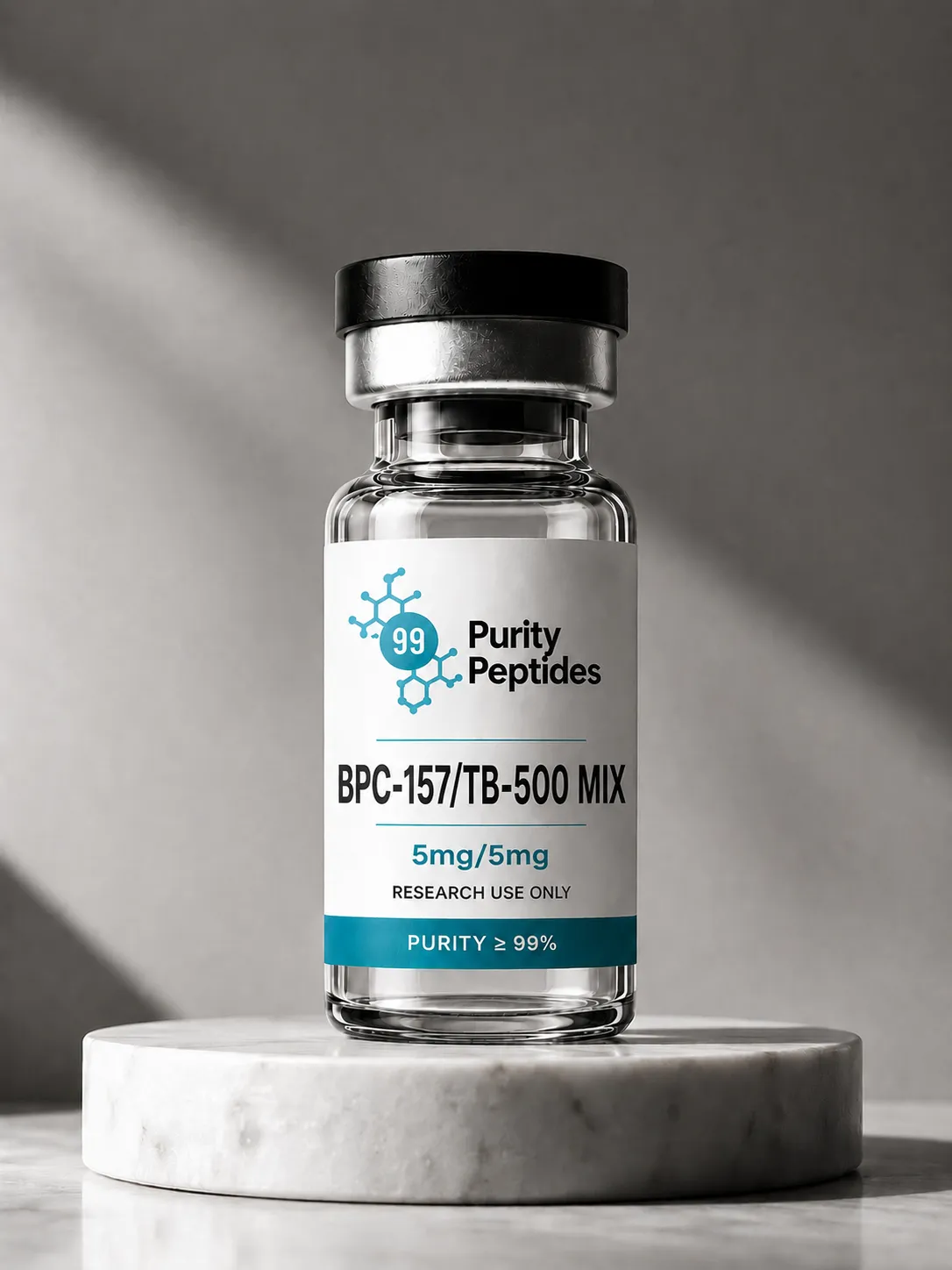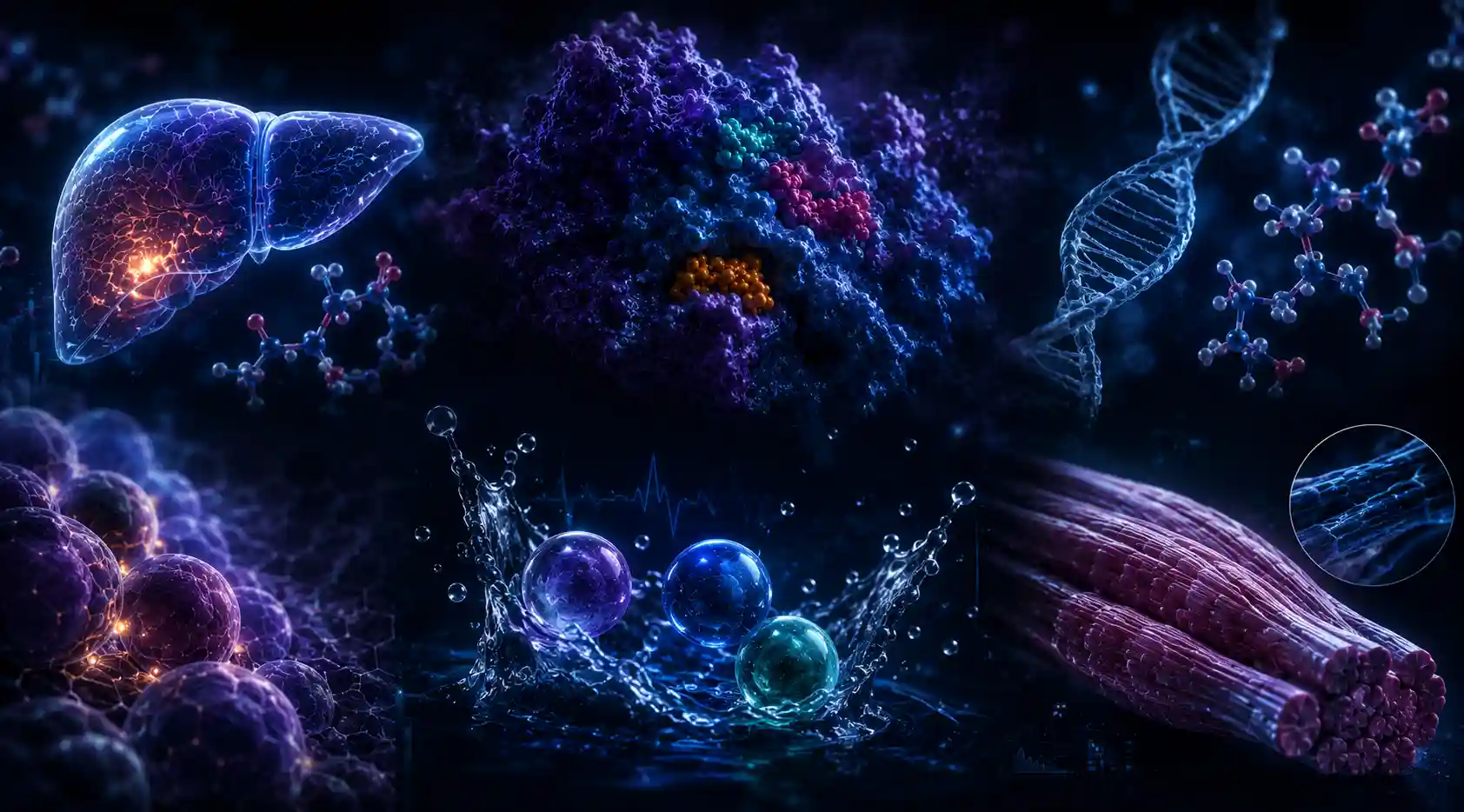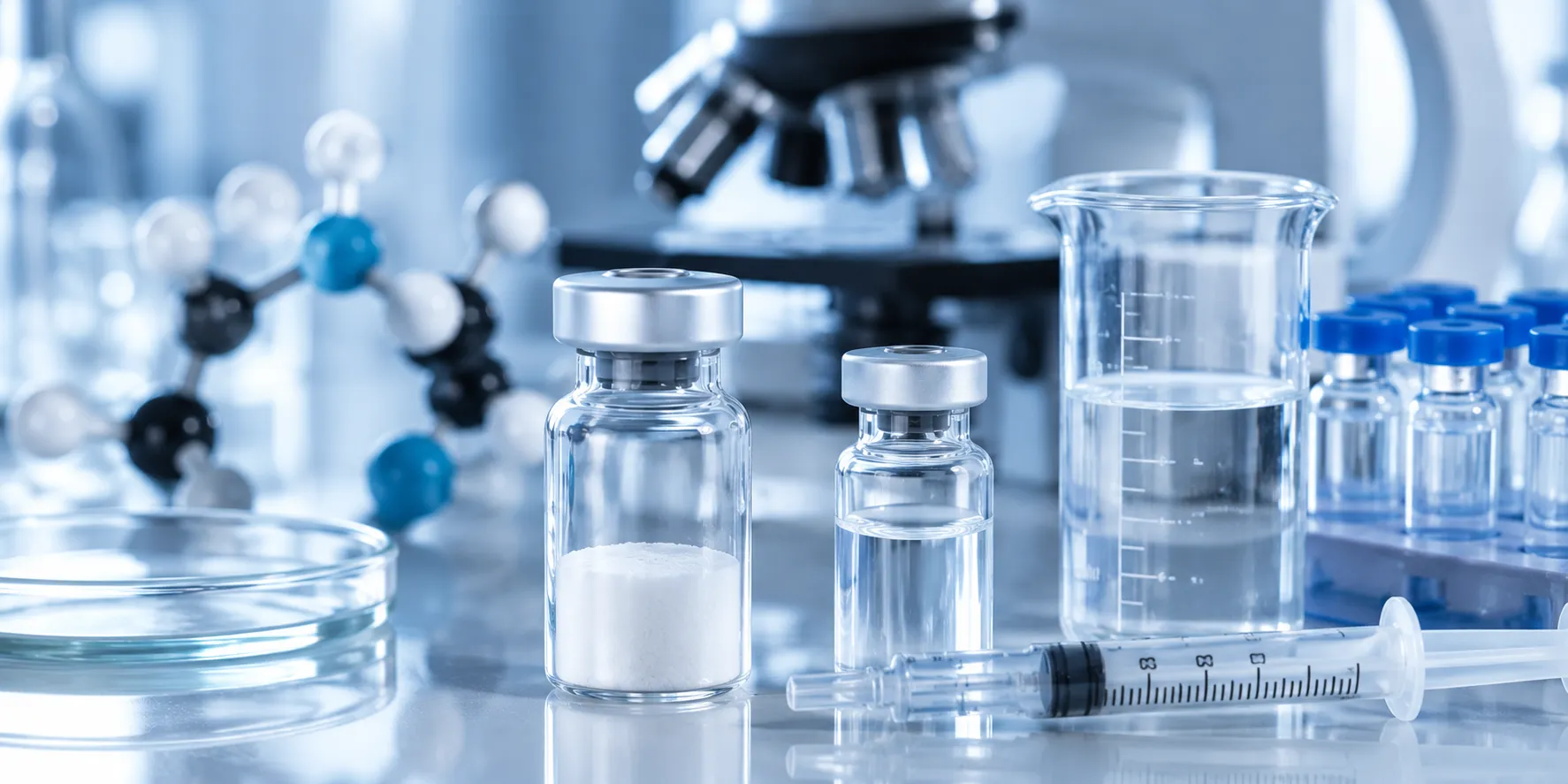
Tendon, ligament, and soft-tissue injuries heal slowly because these tissues receive far less blood supply than muscle. That single fact drives most of the current research interest in recovery-focused peptides, and two compounds dominate the conversation: BPC-157 and TB-500. Both appear constantly in preclinical literature, peptide research communities, and now FDA regulatory hearings.
Featured Products

BPC-157 and TB-500 are not interchangeable, though. They come from different biological origins, work through different molecular pathways, and show up in different types of research models. This guide compares BPC-157 vs TB-500 across mechanism, tissue-specific research findings, dosing considerations, and sourcing, including the July 2026 FDA Pharmacy Compounding Advisory Committee vote that just reshaped the competitive landscape for peptide access in the United States.
RUO Disclosure
Everything below describes laboratory research findings, not medical advice. 99 Purity Peptides sells BPC-157, TB-500, and related compounds strictly for in-vitro laboratory research use. These products are not intended for human consumption, and nothing in this guide should be read as a recommendation for personal use.
What Is BPC-157?
BPC-157, short for Body Protection Compound-157, is a synthetic pentadecapeptide, a chain of 15 amino acids, modeled on a protective sequence found naturally in human gastric juice. Researchers at the University of Zagreb, led by Predrag Sikiric, first isolated and studied the compound, publishing decades of preclinical work on its stability and biological activity.
In research models, BPC-157 shows up most often in gut-healing studies, but its more recent research interest centers on tendon and ligament repair. Preclinical studies have examined how BPC-157 interacts with growth hormone receptors, nitric oxide signaling, and vascular endothelial growth factor (VEGF) pathways, three mechanisms tied to how new blood vessels form around damaged connective tissue.
Quick Definition
BPC-157 (Body Protection Compound-157) is a synthetic peptide studied in animal models for its role in angiogenesis, gut-lining protection, and tendon-to-bone healing research. It has no FDA-approved medical use and no USP/NF monograph.
What Is TB-500?
TB-500 is a synthetic version of a naturally occurring protein fragment derived from Thymosin Beta-4, a peptide the body already produces to help regulate cell structure. Where BPC-157's research profile centers on blood-vessel formation, TB-500's research profile centers on cell migration, the process cells use to travel toward an injury site and begin repair.
TB-500 binds to actin, a structural protein inside cells, which preclinical researchers believe helps mobilize the satellite cells and fibroblasts responsible for muscle and connective-tissue regeneration. Animal-model research, including work referenced in Spurney et al.'s studies on muscular dystrophy models, has explored TB-500's role in muscle repair, cardiac tissue studies, and nerve-regeneration models such as the sciatic nerve crush model.
Quick Definition
TB-500 is a synthetic fragment of Thymosin Beta-4 studied in preclinical models for actin-binding activity, cell migration, and muscle and cardiac tissue repair support.
BPC-157 vs TB-500 at a Glance
The table below summarizes the core research distinctions between the two peptides before diving into tissue-specific findings.
Attribute | BPC-157 | TB-500 |
|---|---|---|
Full Name | Body Protection Compound-157 | Thymosin Beta-4 Fragment |
Origin | Gastric-juice protective protein | Naturally occurring actin-regulating protein |
Primary Research Mechanism | Angiogenesis (VEGF, nitric oxide pathway) | Cell migration (actin-binding protein) |
Primary Research Tissue Focus | Tendons, ligaments, gut lining | Muscle, cardiac tissue, nerve, connective tissue |
Molecular Size | 15 amino acids (pentadecapeptide) | 43 amino acid fragment |
Common Research Route | Subcutaneous (research models) | Subcutaneous, intraperitoneal (research models) |
Community Nickname | “Wolverine Peptide” (solo) | Half of the “Wolverine Stack” |
2026 FDA Status | Removed from Category 2 (Apr. 2026); PCAC recommended for 503A list (Jul. 2026, nonbinding) | Same |
Mechanism of Action Compared
How BPC-157 Is Studied for Angiogenesis
Preclinical research on BPC-157 has focused heavily on angiogenesis, the formation of new blood vessels. Tendons and ligaments heal slowly precisely because they have limited blood supply, so a compound studied for improving local vascularization draws significant research interest. Animal studies have examined BPC-157's interaction with the VEGF receptor pathway and nitric oxide synthase activity, both of which play a role in vessel formation and fibroblast proliferation.
How TB-500 Is Studied for Cell Migration
TB-500's research profile centers on a different mechanism. As an actin-binding protein fragment, TB-500 has been studied for its ability to help cells move to the site of an injury faster. Researchers have examined its role in myogenic differentiation, satellite cell mobilization, and Pax7 cell activity, all processes tied to how muscle tissue rebuilds itself after strain, tear, or surgical trauma.
Key Takeaway
BPC-157's research strength centers on the vascular side of healing (getting blood supply to the injury). TB-500's research strength centers on the cellular side of healing (getting repair cells to the injury). This distinction explains why researchers frequently study the two together rather than choosing one over the other.
BPC-157 vs TB-500 for Tendon Repair Research
Tendon research is where BPC-157 has the deeper preclinical track record. Studies on Achilles tendon models and tendon-to-bone healing have examined how BPC-157 supports fibroblast activity and collagen organization at the injury site. TB-500 has also appeared in tendon-adjacent research, but its stronger evidence base sits in rotator cuff and broader connective-tissue studies, where cell migration plays a larger role.
Achilles Tendon Research
BPC-157 shows up most frequently in Achilles tendon rupture and tendinopathy models, where researchers track collagen deposition and mechanical strength recovery over time.
Rotator Cuff Research
TB-500 appears more often in rotator cuff and shoulder soft-tissue research, likely tied to its studied role in muscle-tendon junction repair.
BPC-157 vs TB-500 for Ligament Repair Research
Ligament research is comparatively under-studied for both peptides relative to tendon and muscle research, but BPC-157 has more published preclinical data specific to ACL and ligament-laxity models. TB-500's ligament-specific research is thinner, though its general connective-tissue and cell-migration mechanism gives it theoretical relevance that researchers continue to explore.
Injury Type | Stronger Preclinical Research Base | Research Notes |
|---|---|---|
Achilles tendon | BPC-157 | Angiogenesis + collagen organization focus |
ACL / ligament laxity | BPC-157 | Early-stage ligament-specific models |
Rotator cuff | TB-500 | Cell migration + muscle-tendon junction focus |
Muscle tears / strains | TB-500 | Actin-binding, satellite cell mobilization |
Gut lining | BPC-157 | Original research application |
BPC-157 vs TB-500 for Muscle & Soft-Tissue Research
For muscle-specific research, strains, tears, and delayed-onset muscle soreness models, TB-500's cell-migration mechanism gives it a stronger theoretical and preclinical basis than BPC-157. Researchers studying muscle repair models often prioritize TB-500 for this reason, while reserving BPC-157 for tendon- and gut-focused protocols.
The “Wolverine Stack”: Why Researchers Study BPC-157 and TB-500 Together
The nickname “Wolverine Stack” refers to the combined use of BPC-157 and TB-500 in research protocols, borrowed from the Marvel character's fictional rapid-healing ability. The name reflects community shorthand rather than a clinical or regulatory term, but it captures the underlying research rationale: BPC-157's angiogenesis mechanism and TB-500's cell-migration mechanism are complementary rather than redundant.
Preclinical researchers studying combined-protocol models have examined whether stacking the two compounds produces additive effects compared to either peptide alone, using BPC-157 to help vascularize the injury site while TB-500 helps mobilize repair cells to it. This combination-stacking research remains an active area, and results vary by tissue type and animal model.
Research Dosing, Reconstitution & Handling Considerations
Dosing information in the peptide research literature is reported in mg/kg body weight based on animal models, not on standardized human dosing protocols, since neither BPC-157 nor TB-500 is FDA-approved for human use. Any dosing figures found in forums or community sources reflect research-protocol conventions, not medical guidance.
Reconstitution, mixing lyophilized (freeze-dried) peptide powder with bacteriostatic water, is a standard laboratory step for preparing a peptide for research use. Getting the water-to-peptide ratio right matters for research consistency, which is why many labs use a reconstitution calculator rather than estimating by hand.
Storage also affects research validity. Lyophilized peptide vials should stay refrigerated or frozen before reconstitution, and reconstituted solutions typically require refrigeration and have a limited usable window before degradation affects purity.
Reconstitution Checklist for Research Use
- Confirm vial peptide content (mg) before calculating dilution
- Use bacteriostatic water, not plain sterile water, for multi-use vials
- Store lyophilized vials refrigerated or frozen until use
- Refrigerate reconstituted solution and track the date mixed
- Discard any vial showing cloudiness, discoloration, or particulate
Safety Profile in Preclinical Research
Published animal studies on BPC-157 and TB-500 report relatively mild observed effects at studied dosing ranges, but researchers note that human safety data remains limited, long-term safety data is largely absent, and neither peptide has completed FDA-regulated clinical trials. FDA staff reviewers raised these same evidence gaps during the July 2026 advisory committee hearing, specifically citing insufficient data to support efficacy claims for some proposed uses.
Because both compounds remain outside FDA-approved status, purity and sourcing matter enormously for research validity. Contaminated or under-dosed research material can distort study results independent of the peptide's actual biological activity.
2026 FDA Regulatory Update: The 503A Compounding List Vote
The regulatory landscape around BPC-157 and TB-500 shifted twice in 2026, and researchers sourcing these compounds should understand both changes.
April 2026: Removal From Category 2
In April 2026, the FDA removed BPC-157 and TB-500 from Category 2 of its bulk drug substances list, the category reserved for substances with identified safety concerns, following withdrawal of their nominations. That removal did not move either peptide into Category 1 (the list of substances cleared for compounding), and neither peptide gained FDA approval or a USP/NF monograph. Both compounds remain in a regulatory gray zone: no longer flagged, but not authorized either.
July 23–24, 2026: The Pharmacy Compounding Advisory Committee Vote
On July 23 and 24, 2026, the FDA's Pharmacy Compounding Advisory Committee (PCAC) held a public hearing to evaluate seven peptides, including BPC-157 and TB-500, for potential inclusion on the Section 503A Bulks List, the list that governs which raw substances licensed compounding pharmacies may legally use. After two days of testimony, the committee voted 8–6 to recommend BPC-157 and TB-500, along with KPV and MOTS-c, for inclusion.
Two details matter here. First, the vote was nonbinding: the FDA makes the final rulemaking decision and has previously declined to follow advisory committee recommendations. Second, the FDA's own career scientists recommended against inclusion, citing a lack of evidence supporting efficacy for some proposed clinical uses. The committee's vote reflected a genuine, narrow split in expert opinion, not a settled scientific consensus.
What This Means for Research-Grade (RUO) Peptides
If the FDA ultimately finalizes the 503A listing, licensed compounding pharmacies would be able to prepare BPC-157 and TB-500 under physician prescription, a separate regulatory track from research-use-only (RUO) peptides sold for laboratory use. RUO products, including everything sold by 99 Purity Peptides, remain governed by an entirely different framework: labeled and sold strictly for in-vitro laboratory research, not for human administration, and not requiring a prescription because they are not marketed as drugs.
Researchers should expect more compounding-pharmacy and telehealth brands to enter the commercial search landscape for these peptide names over the coming months. That makes the RUO-versus-compounded distinction more important to understand, not less: the two categories serve different purposes, carry different oversight, and are sourced through entirely different supply chains.
Regulatory Status Summary (as of July 29, 2026)
- Category 2 restricted status: Removed (April 2026)
- FDA approval: None
- USP/NF monograph: None
- 503A Bulks List: PCAC recommended inclusion (July 23–24, 2026, nonbinding); FDA has not issued a final rule
- RUO sourcing status: Unaffected; research-only sale remains lawful under existing RUO/laboratory-use frameworks
How to Evaluate a Research Peptide Supplier
Purity and documentation determine whether a peptide is actually usable for valid research, regardless of which compound a lab is studying. Before ordering BPC-157, TB-500, or any research peptide, check for:
- A Certificate of Analysis (COA) for the specific batch/lot, not just a generic product-line COA
- Third-party HPLC (high-performance liquid chromatography) purity testing, ideally listing a percentage above 98%
- Mass spectrometry verification confirming the correct molecular structure
- Clear “Research Use Only — Not for Human Consumption” labeling
- USA-based sourcing and domestic shipping, which shortens degradation risk during transit
Suppliers who publish batch-specific COAs and welcome purity questions signal a more research-serious operation than suppliers who treat testing documentation as optional.
Key Takeaways
- BPC-157 and TB-500 are structurally and mechanistically distinct: BPC-157 centers on angiogenesis, TB-500 centers on cell migration.
- BPC-157 has a deeper preclinical research base for tendon and gut-lining studies; TB-500 has a stronger research base for muscle and cell-migration-driven repair.
- The “Wolverine Stack” refers to researchers studying the two peptides together, based on complementary mechanisms.
- Neither peptide is FDA-approved for human use, and dosing data comes from animal-model research, not clinical guidelines.
- The FDA removed both peptides from Category 2 in April 2026, and a Pharmacy Compounding Advisory Committee panel recommended (nonbinding) adding them to the 503A Bulks List on July 23–24, 2026.
- Research-grade RUO sourcing remains a separate, lawful category from any future compounded/prescription pathway.
- Purity documentation (COA, HPLC, mass spectrometry) matters more for research validity than brand reputation alone.
Frequently Asked Questions
What is the main difference between BPC-157 and TB-500?
BPC-157 is a synthetic pentadecapeptide studied mainly for angiogenesis and tendon/gut healing, while TB-500 is a Thymosin Beta-4 fragment studied for actin-binding and cell migration. Both are researched in tendon, ligament, and soft-tissue models, but through different biological mechanisms.
Is BPC-157 the same as TB-500?
No. They come from different origin proteins, have different molecular structures, and are studied through different mechanisms: BPC-157 for blood-vessel formation, TB-500 for cell migration and mobilization.
Can BPC-157 and TB-500 be studied together in research protocols?
Yes. Researchers commonly study the two compounds together, sometimes called the “Wolverine Stack,” to examine whether their complementary mechanisms produce additive effects in tissue-repair models.
Which peptide has stronger preclinical research for tendon healing?
BPC-157 has the deeper published research base for tendon-specific models, particularly Achilles tendon and tendon-to-bone healing studies.
Which peptide has stronger preclinical research for muscle recovery?
TB-500's actin-binding, cell-migration mechanism gives it a stronger research base in muscle strain, tear, and satellite-cell mobilization models.
What is the “Wolverine Stack”?
It's a community nickname for the combined research use of BPC-157 and TB-500, referencing the Marvel character's fictional healing ability. It is not a clinical or regulatory term.
Are BPC-157 and TB-500 FDA approved?
No. Neither peptide is FDA-approved for human use, and neither has a USP/NF monograph. Both remain outside the agency's approved-drug framework.
What did the July 2026 FDA advisory committee vote decide?
On July 23–24, 2026, the FDA's Pharmacy Compounding Advisory Committee voted 8–6 to recommend BPC-157 and TB-500 for the 503A Bulks List. The vote is nonbinding, and the FDA has not issued a final rule.
What is the difference between research-grade and compounded BPC-157?
Research-grade (RUO) BPC-157 is sold strictly for laboratory research and is not intended for human use. Compounded BPC-157 would be prepared by a licensed pharmacy under physician prescription, a separate regulatory pathway that depends on the FDA finalizing 503A listing.
What purity level should research-grade BPC-157 have?
Reputable suppliers typically target HPLC-verified purity above 98%, documented with a batch-specific Certificate of Analysis.
Does BPC-157 require refrigeration before reconstitution?
Yes. Lyophilized BPC-157 vials should stay refrigerated or frozen until reconstitution to preserve peptide stability.
What documentation should come with a BPC-157 or TB-500 research order?
A batch-specific Certificate of Analysis (COA) showing HPLC purity testing and mass spectrometry verification should accompany any legitimate research peptide order.
Why is BPC-157 called the “wolverine peptide”?
The nickname comes from online research communities referencing BPC-157's studied role in accelerated tissue-repair models, likened informally to the Marvel character's regenerative ability.
How is TB-500 different from natural Thymosin Beta-4?
TB-500 is a synthetic fragment version of the naturally occurring Thymosin Beta-4 protein, designed for research stability rather than being the full native protein.