99Purity Peptides
Shop
Categories
COAsAboutBlogFAQContactAffiliates
Shop Now
Navigation
Top Formulations
View All in Category

Ready to elevate your research.
Explore our complete catalogue.

Explore Catalogue
Category
Vial
Vial on Ice
Purity
Identity
99 Purity Peptides Logo

Purity You Can Trust.

Setting the gold standard in peptide synthesis with verified HPLC/MS testing for uncompromised results.

Stay ahead of the curve. Join 5,000+ top-tier labs getting exclusive formulations, early drop access, and breakthrough research news.

Explore

  • Home
  • About
  • Shop
  • Blog
  • FAQ
  • COAs
  • Shipping Locations
  • Affiliates

Contact

orders@99puritypeptides.com
support@99puritypeptides.com
+1 (843) 330-7365
@99puritypeptide

Contact Us

Reach out to our support team

Shop Catalogue

View all research peptides

99purity

Disclaimer:The content on this website has not been evaluated or approved by the U.S. Food and Drug Administration (FDA). Products sold by 99 Purity Peptides are offered for research and laboratory purposes only and are not intended to diagnose, treat, cure, or prevent any disease. 99 Purity Peptides is not a compounding pharmacy and does not operate as a chemical compounding facility as defined under Section 503A of the Federal Food, Drug, and Cosmetic Act. Products are not for human or veterinary use, and are not intended for ingestion, injection, or any form of administration. Purity levels may vary by product and lot; certain items may test below 99% purity.

Pay
Pay
PayPal
Zelle
VISA
AMEX
mastercard
+ more
99Purity Peptides © 2026·Privacy Policy·Terms of Service·Refund Policy·Research Use Policy·Shipping Policy·Medical Disclaimer·Corrections Policy
Designed & Developed by Belk Digital
Product view 1
Product view 2
01 / 02
HomeShopLongevity & Anti-AgingGlutathione
Longevity & Anti-Aging

Glutathione

$50.00
Certificate of AnalysisBatch GL61526

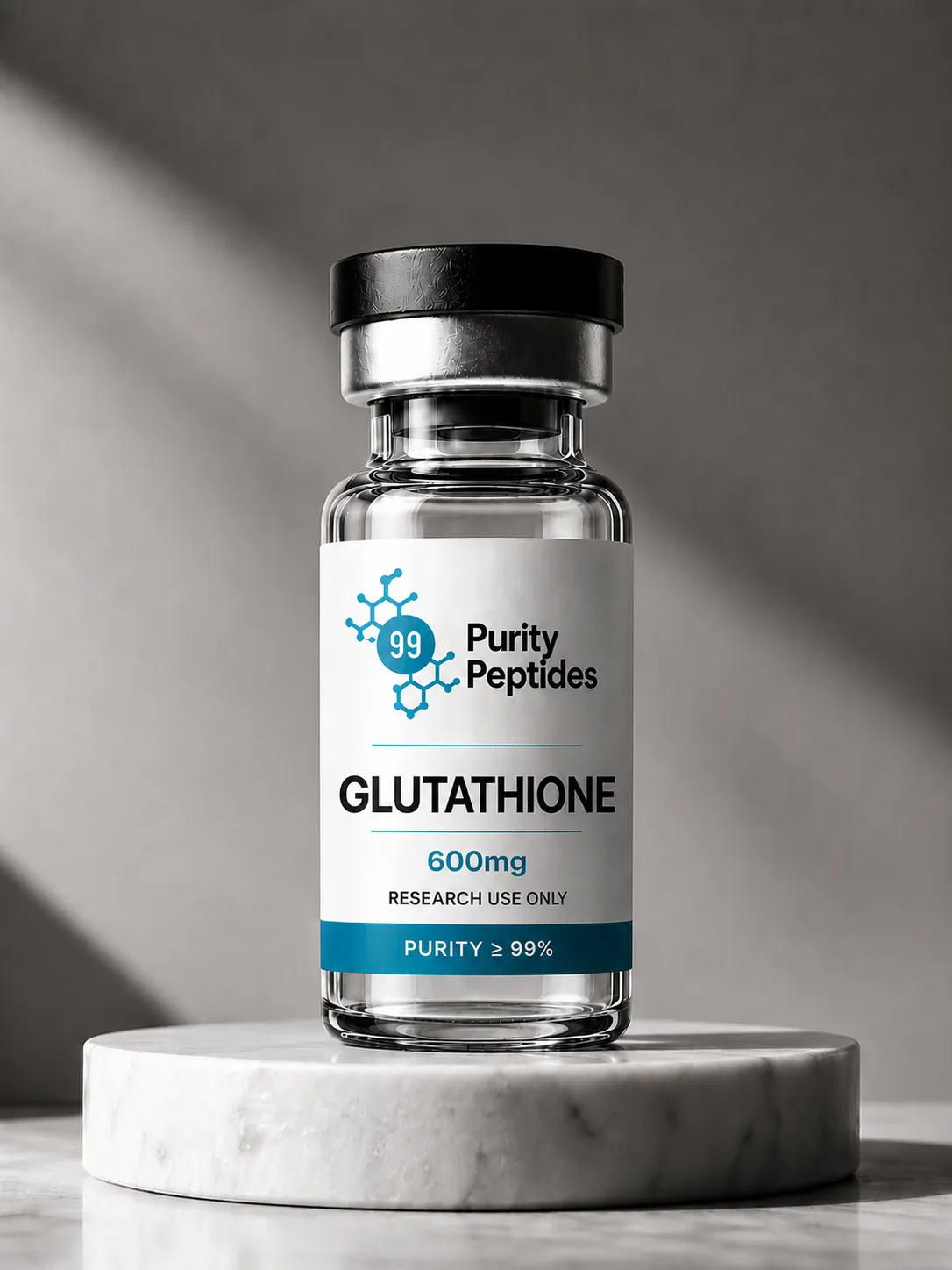
Glutathione 600mg is a research-grade tripeptide composed of glutamate, cysteine, and glycine, developed for laboratory investigations involving cellular redox biology, glutathione metabolism, oxidative stress pathways, detoxification-related biochemical processes, and molecular biology. Every batch undergoes comprehensive analytical verification to ensure purity, consistency, and reproducibility for advanced biochemical, cellular, and analytical research.

Select Size600mg/mL Single
Strength
Pack size
Save $62.50 (25%) with the 5 Kit$37.50 / vial instead of $50.00
In stockFree standard shipping on orders over $300
1
Guaranteed Safe Checkout
Pay
Pay
PayPal
Zelle
VISA
AMEX
mastercard
+ more
Fast Shipping
99% Purity
3rd Party Tested
Guaranteed
99.9
Compound Profile

The
Science.

Download Certificate
Batch GL61526

≥99%

HPLC certified

Verified Purity

3rd Party

Independent analysis

Lab Tested

Research

Highest standard

Grade Quality

COA

Full traceability

Documented
Glutathione
Product Profile

Overview

Glutathione 600mg is an investigational research-grade tripeptide consisting of L-glutamate, L-cysteine, and glycine, recognized as one of the central endogenous molecules involved in cellular redox regulation. Researchers investigate glutathione because of its participation in oxidation-reduction (redox) balance, glutathione-dependent enzyme systems, intracellular antioxidant networks, mitochondrial biology, and cellular metabolism. It remains one of the most extensively studied biomolecules in molecular biology, biochemistry, toxicology, and cellular physiology research.

Glutathione 600mg is a research-grade tripeptide composed of glutamate, cysteine, and glycine, developed for laboratory investigations involving cellular redox regulation, glutathione metabolism, oxidative stress biology, mitochondrial function, enzymatic antioxidant systems, and molecular biochemistry. As one of the most abundant intracellular thiol-containing molecules, glutathione has become an essential subject of investigation across numerous scientific disciplines because of its broad involvement in maintaining cellular biochemical homeostasis and intracellular molecular balance.

One of the defining characteristics of glutathione research is its role within cellular redox biology. Researchers investigate how glutathione participates in oxidation-reduction reactions, intracellular thiol regulation, electron transfer mechanisms, and molecular signaling pathways associated with cellular adaptation. These investigations contribute to a broader understanding of biochemical regulation while avoiding conclusions regarding therapeutic outcomes or clinical applications.

Scientific investigations also focus extensively on glutathione-dependent enzyme systems. Laboratory studies evaluate molecular interactions involving glutathione peroxidases (GPx), glutathione reductase (GR), glutathione S-transferases (GSTs), and associated intracellular enzymatic pathways. Researchers investigate how these enzyme systems coordinate redox homeostasis, metabolic regulation, intracellular detoxification mechanisms, and biochemical signaling within controlled laboratory environments.

Another major area of investigation involves mitochondrial biology and cellular energy metabolism. Researchers examine glutathione's relationship with mitochondrial redox balance, intracellular reactive oxygen species (ROS) regulation, oxidative signaling networks, peptide-mediated molecular communication, and coordinated metabolic responses. These investigations remain central to molecular biology while maintaining an exclusive Research Use Only designation.

Current laboratory investigations further evaluate intracellular signaling involving Nrf2, NF-κB, MAPK/ERK, PI3K/Akt, oxidative stress-response pathways, mitochondrial signaling, and additional second messenger systems associated with glutathione metabolism. These molecular investigations continue advancing biochemical research, systems biology, toxicology, and intracellular signaling science.

Comparative biochemical research represents another major area of scientific interest. Researchers frequently compare Glutathione with NAD+, MOTS-c, GHK-Cu, amino acid formulations, and additional metabolism-focused investigational compounds to evaluate differences in biochemical function, intracellular signaling, molecular stability, metabolic pathways, and laboratory applications. Comparative investigations continue expanding scientific understanding of cellular metabolism and molecular regulation.

The 600mg presentation is specifically intended for laboratories conducting large-scale biochemical investigations, extended cellular metabolism studies, institutional oxidative stress research, analytical validation, enzyme kinetics investigations, biomarker discovery programs, method development, and collaborative scientific initiatives requiring larger quantities of research material. Although the presentation size differs from lower-strength offerings, the molecular identity, analytical quality standards, manufacturing process, and intended laboratory applications remain consistent throughout the Glutathione product family.

Beyond cellular metabolism research, Glutathione serves as an important analytical reference material within biochemistry, analytical chemistry, molecular biology, toxicology, metabolomics, peptide chemistry, biomarker discovery, analytical method development, and systems biology. Its reproducible analytical profile makes it valuable for laboratories investigating intracellular redox regulation and metabolic signaling.

Each batch of Glutathione 600mg is manufactured according to research-grade production standards and undergoes comprehensive analytical verification before release. Quality assurance procedures include High-Performance Liquid Chromatography (HPLC) purity analysis, molecular identity confirmation, structural verification, and rigorous batch-specific quality control testing. These analytical measures support reproducibility, consistency, and confidence across independent laboratory investigations.

To preserve molecular integrity, Glutathione should be stored according to accepted laboratory recommendations for lyophilized research materials. Appropriate storage conditions, controlled handling practices, and adherence to established laboratory protocols help maintain analytical stability before experimental evaluation and laboratory preparation.

Although Glutathione remains one of the most extensively investigated endogenous biomolecules, ongoing scientific research continues exploring cellular redox biology, glutathione metabolism, mitochondrial function, oxidative stress pathways, enzyme regulation, and comparative metabolic research. Consequently, Glutathione 600mg should be regarded exclusively as an investigational research material intended to support laboratory research and scientific discovery.

Glutathione 600mg is supplied exclusively for laboratory research and analytical applications. This product is intended for Research Use Only (RUO) and is not approved for human consumption, therapeutic use, veterinary applications, or diagnostic purposes.

Research DisclaimerAll products across every category are for research use only and not for human or veterinary use, diagnosis or treatment.
Continue Exploring

Also Considered.

B-12

RESEARCH PEPTIDE

Buy research-grade Vitamin B-12 (cobalamin) 10mg (3ML). Studied for one-carbon metabolism and methylation research. Laboratory use only.

B-12
10mg
$45.00

Epithalon

RESEARCH PEPTIDE

Buy research-grade Epithalon 10mg & 50mg (3ML). Synthetic tetrapeptide studied for telomere biology and cellular aging research. Laboratory use only.

Epithalon
10mg
$60.00

SS-31 (Elamipretide)

RESEARCH PEPTIDE

Buy research-grade SS-31 (Elamipretide) 10mg & 50mg (3ML). Mitochondria-targeting peptide studied for bioenergetics and redox research. Laboratory use only.

SS-31 (Elamipretide)
10mg
$75.00
Customer Reviews
0.0
0 Reviews
5
0
4
0
3
0
2
0
1
0
0 Reviews

No Reviews Yet

Be the first to share your experience with this product and help other researchers!
Education & Research

Further Reading.

Glutathione vs NAD+: What’s the Difference?
Product Guides
Aug 21, 20265 min read

Glutathione vs NAD+: What’s the Difference?

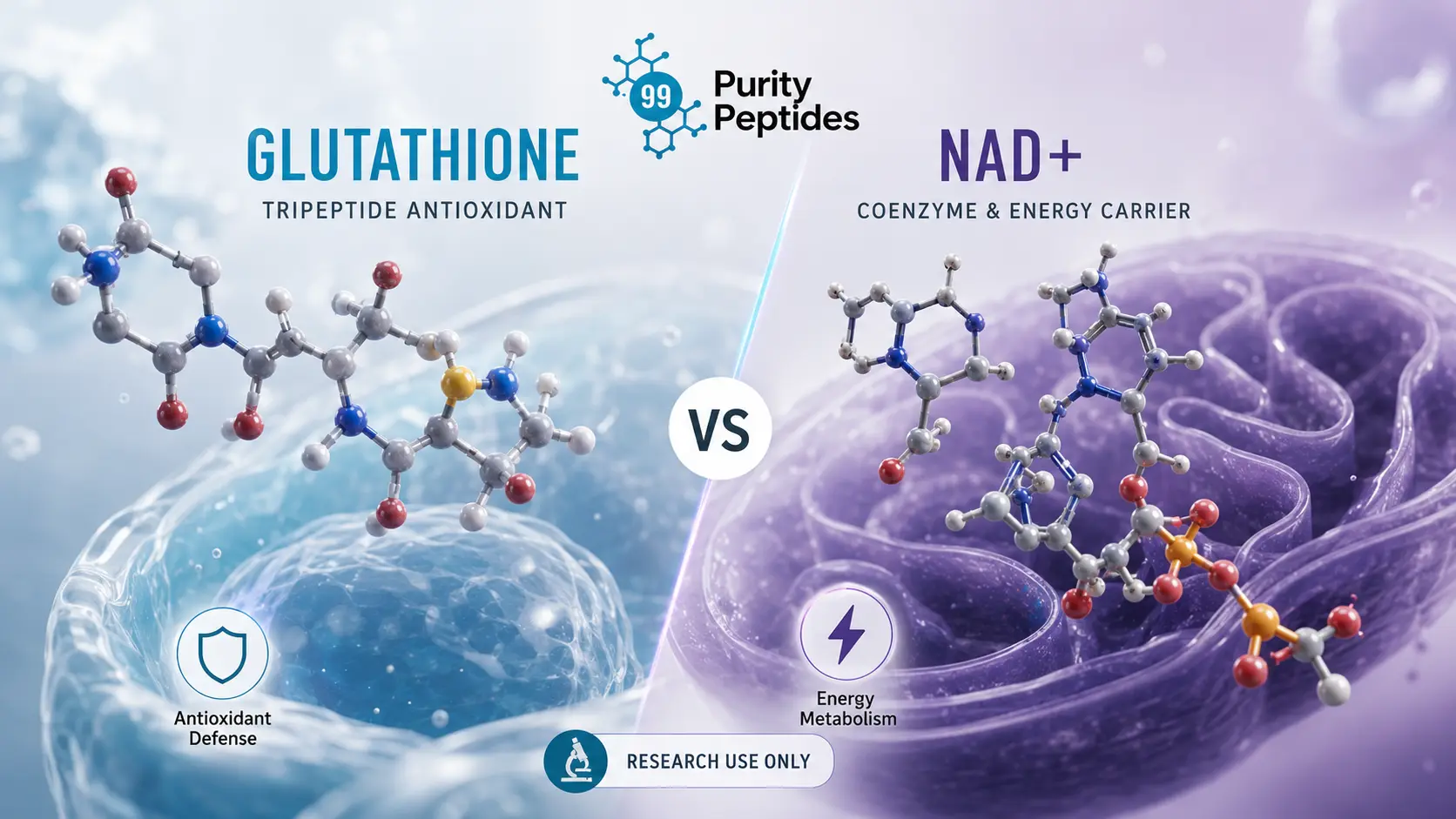
Glutathione vs NAD+: one is a tripeptide antioxidant, the other a coenzyme electron carrier. Compare structure, function and research use. Research use only.

Glutathione: Master Antioxidant Tripeptide for Detoxification, Immunity, and Skin Health (Research Guide)
Product Guides
May 16, 20265 min read

Glutathione: Master Antioxidant Tripeptide for Detoxification, Immunity, and Skin Health (Research Guide)

Discover Glutathione: the master antioxidant tripeptide supporting cellular protection, liver detoxification, immune function, and skin brightness. Complete research guide on oxidative stress defense mechanisms.

GHK-Cu Nasal Spray: What Does the Research Actually Show?
Product Guides
Oct 17, 20265 min read

GHK-Cu Nasal Spray: What Does the Research Actually Show?

GHK-Cu nasal spray research reviewed: three mouse studies from one lab, no human data, and what is still unknown about absorption and tolerability.

READ

(faqs)

Frequently Asked

01

What is Glutathione 600mg?

Glutathione 600mg is a research-grade tripeptide composed of glutamate, cysteine, and glycine investigated for cellular redox biology, glutathione metabolism, oxidative stress pathways, and molecular biology research.
02

Which biological systems are commonly investigated with Glutathione?

Researchers commonly investigate Glutathione in studies involving cellular redox regulation, mitochondrial biology, glutathione metabolism, oxidative stress pathways, enzyme systems, and intracellular signaling.
03

Which intracellular signaling pathways are associated with Glutathione research?

Laboratory investigations commonly evaluate Nrf2, NF-κB, MAPK/ERK, PI3K/Akt, oxidative stress-response pathways, and additional signaling networks associated with cellular adaptation and metabolic regulation.
04

Why is Glutathione widely studied in molecular biology research?

Glutathione is one of the most abundant endogenous intracellular molecules involved in redox regulation, making it valuable for investigations involving oxidative stress biology, metabolism, toxicology, enzymology, and cellular signaling.
05

Which scientific disciplines commonly investigate Glutathione?

Glutathione is widely studied in biochemistry, molecular biology, toxicology, metabolomics, analytical chemistry, enzymology, cellular physiology, pharmacology, and systems biology.
06

What analytical testing is performed before release?

Every production batch undergoes HPLC purity testing, molecular identity verification, structural confirmation, and comprehensive batch-specific quality control procedures to support research-grade consistency.
07

What laboratory investigations commonly include Glutathione?

Researchers utilize Glutathione in oxidative stress investigations, mitochondrial biology studies, enzyme kinetics research, biomarker discovery, metabolomics, analytical chemistry, assay development, and systems biology.
08

How should Glutathione be stored?

Glutathione should be stored according to accepted laboratory recommendations for lyophilized research materials to help preserve molecular integrity before analytical or experimental use.
09

Is Glutathione commonly compared with other metabolic research compounds?

Yes. Comparative investigations commonly include NAD+, MOTS-c, GHK-Cu, amino acid formulations, and additional metabolism-focused research compounds to evaluate biochemical functions, signaling pathways, and laboratory applications.
10

What distinguishes Glutathione from peptide signaling compounds?

Unlike receptor-targeting peptide compounds, Glutathione is primarily investigated for its fundamental role in cellular redox regulation, endogenous antioxidant systems, enzyme-dependent metabolism, and intracellular biochemical homeostasis.
11

Is Glutathione approved for therapeutic or diagnostic use?

No. The Glutathione 600mg product supplied by 99 Purity Peptides is intended strictly for Research Use Only (RUO) and is not approved for human consumption, therapeutic use, diagnostic procedures, or veterinary applications.
12

How is research-grade consistency maintained?

Research-grade consistency is achieved through standardized manufacturing, HPLC purity verification, molecular identity confirmation, structural verification, batch-specific quality control, and comprehensive analytical documentation.
13

What distinguishes the 600mg presentation?

The 600mg presentation provides a larger quantity of investigational material for extended biochemical studies, institutional laboratory research, analytical validation, large-scale metabolism investigations, and collaborative scientific programs, while maintaining the same molecular identity and analytical quality standards as other presentations.
14

How does Glutathione differ from NAD+ in research?

Although both compounds are central to metabolic research, investigators compare Glutathione and NAD+ to evaluate differences in redox regulation, enzymatic function, mitochondrial biology, intracellular signaling, and biochemical pathway interactions.
15

Why does Glutathione continue to generate scientific interest?

Its essential role in cellular redox biology, glutathione-dependent enzyme systems, oxidative stress research, mitochondrial function, and metabolic regulation has established Glutathione as one of the most extensively investigated endogenous biomolecules in modern biochemical and molecular biology research.