What Is VIP? (Product Description)
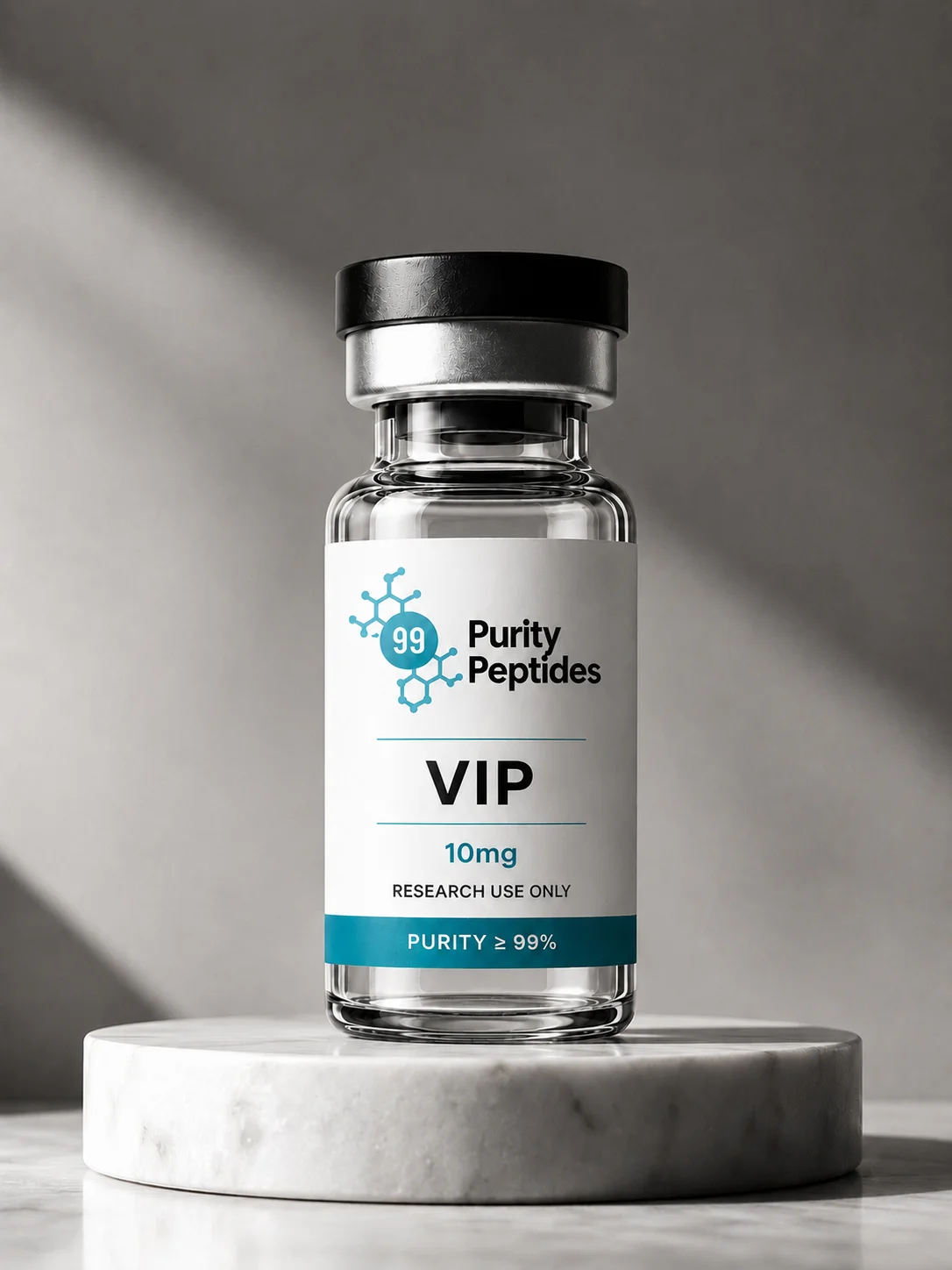
VIP, or Vasoactive Intestinal Peptide, is a potent neuropeptide consisting of 28 amino acids that functions as both a neurotransmitter and neurohormon throughout the body. First discovered in 1970 and extensively characterized since, VIP is one of the most widely distributed neuropeptides in the nervous and immune systems, with profound effects on respiratory function, inflammation, immune regulation, and gut-brain communication.
Featured Product
Unlike conventional neurotransmitters that work through rapid synaptic transmission, VIP operates through G-protein coupled receptors (GPCRs), particularly VPAC1 and VPAC2 receptors, which are distributed throughout the lungs, immune tissue, intestinal epithelium, and central nervous system. When VIP binds these receptors, it triggers a cascade of anti-inflammatory, immunomodulatory, and tissue-protective effects that have generated significant scientific interest in therapeutic applications.
VIP is particularly notable for its dual anti-inflammatory and immune-supporting properties — a paradoxical combination rarely seen in single compounds. While suppressing inflammatory Th1 and Th17 immune responses, VIP simultaneously enhances regulatory T cell function and promotes immune tolerance. In the lungs, VIP acts as a potent bronchodilator and anti-inflammatory agent, while in the gut, it regulates intestinal permeability and maintains beneficial microbial balance.
The clinical significance of VIP is profound: dysregulated VIP signaling is implicated in chronic respiratory disease (asthma, COPD, cystic fibrosis), autoimmune conditions, inflammatory bowel disease, and chronic immune activation (including post-viral syndromes like Long COVID). Conversely, therapeutic VIP replacement or receptor activation represents a novel approach to restoring immune homeostasis and respiratory function.
This comprehensive 2025 guide explores VIP's mechanism of action, clinical evidence in respiratory and inflammatory disease, immune and gut applications, current regulatory status, and practical insights into VIP's emerging role in modern medicine.
How Does VIP Work? The Neuropeptide Mechanism
VIP's therapeutic effects stem from its multiple molecular mechanisms across the neuroimmune axis. Here's the detailed physiology:
1. VPAC Receptor Signaling & G-Protein Coupled Receptor Activation
VIP binds two primary receptor subtypes:
VPAC1 receptors:
- Predominantly on immune cells (T cells, B cells, macrophages, dendritic cells)
- Also on epithelial cells (lung, intestinal)
- Activation induces anti-inflammatory responses and immune tolerance
VPAC2 receptors:
- More abundant in nervous system (CNS and PNS neurons)
- Also on smooth muscle (particularly bronchial smooth muscle)
- Activation induces bronchodilation and neuroprotection
PAC3 receptors:
- Structurally related but more selective for PACAP (pituitary adenylyl cyclase-activating peptide)
- Some tissue expression overlap with VIP receptors
When VIP binds these receptors, it activates G-protein coupled signaling cascades, particularly the cAMP/PKA (adenylyl cyclase/protein kinase A) pathway, which is central to VIP's anti-inflammatory effects.
2. Reduction of Pro-Inflammatory Cytokines
VIP powerfully suppresses production of inflammatory cytokines through multiple mechanisms:
Th1/Th17 Response Inhibition:
- VIP reduces production of interferon-gamma (IFN-γ), a Th1 cytokine driving cellular immunity
- VIP suppresses IL-17 production, a key Th17 cytokine implicated in autoimmune disease
- VIP shifts immune response from inflammatory (Th1/Th17) toward anti-inflammatory (Th2/Treg)
Direct Macrophage/Monocyte Inhibition:
- VIP reduces TNF-α, IL-6, and IL-1β production by activated macrophages and monocytes
- These are key pro-inflammatory cytokines driving systemic inflammation
- VIP promotes production of IL-10, an anti-inflammatory cytokine
Dendritic Cell Tolerization:
- VIP induces a tolerogenic dendritic cell phenotype
- Dendritic cells become skewed toward promoting immune tolerance rather than Th1/Th17 responses
- This has profound implications for autoimmunity prevention
The net result: systemic anti-inflammatory effect without global immunosuppression.
3. Promotion of Regulatory T Cell (Treg) Differentiation
A critical feature of VIP is its ability to promote Regulatory T cell (Treg) development and function:
- VIP stimulates naive T cells to differentiate into Foxp3+ Tregs
- Tregs produce IL-10 and TGF-β, which suppress excessive inflammation
- Tregs maintain immune tolerance, preventing autoimmune reactions
- VIP-induced Tregs migrate to inflamed tissues and restore immune homeostasis
This mechanism is why VIP is valuable in both inflammatory conditions (where excessive inflammation needs suppression) and autoimmune disease (where immune tolerance needs restoration).
4. Bronchodilation & Airway Smooth Muscle Relaxation
In the respiratory system, VIP is a potent non-adrenergic, non-cholinergic (NANC) bronchodilator:
Mechanism:
- VIP binds VPAC2 receptors on bronchial smooth muscle cells
- Activates cAMP/PKA signaling
- Leads to smooth muscle relaxation and airway dilation
- Reduces airway resistance and improves airflow
Clinical Significance:
- In asthma and COPD, VIP production is reduced; VIP replacement may restore airway patency
- VIP counteracts bronchoconstriction caused by inflammatory mediators
- May provide bronchodilation without the cardiovascular side effects of beta-agonists
5. Epithelial Barrier Protection
VIP strengthens the epithelial barrier in both lungs and intestines:
Lung Epithelium:
- VIP enhances tight junction integrity
- Reduces epithelial permeability to allergens and pathogens
- Protects against lipopolysaccharide (LPS) translocation
- Reduces epithelial cell death during inflammatory challenge
Intestinal Epithelium:
- VIP maintains intestinal tight junction proteins (claudins, occludin, ZO-1)
- Prevents "leaky gut" (intestinal hyperpermeability)
- Reduces bacterial lipopolysaccharide (LPS) translocation to systemic circulation
- Promotes mucus production and protective barrier function
- Supports beneficial microbial balance
6. Modulation of Dendritic Cell & Antigen-Presenting Cell Function
VIP reshapes the innate immune response by altering dendritic cell behavior:
- VIP shifts dendritic cells toward a tolerogenic phenotype
- Tolerogenic dendritic cells promote Treg differentiation
- Tolerogenic dendritic cells produce IL-10 instead of IL-12 (which would drive Th1 responses)
- Reduces antigen presentation that would activate inflammatory T cells
This has profound implications for preventing both autoimmunity and chronic inflammatory responses.
7. Neuroprotection & Neurotropic Effects
VIP has direct neuroprotective effects:
- VIP reduces neuroinflammation (microglial activation)
- Promotes neuronal survival and neurite outgrowth (through cAMP signaling and trophic factor support)
- Enhances acetylcholine production in cholinergic neurons
- Supports parasympathetic nervous system function
- May protect against neurodegenerative processes
This explains why VIP is being investigated in neurodegenerative disease and post-viral neurological syndromes.
8. Restoration of Parasympathetic (Vagal) Tone
VIP is a key parasympathetic neurotransmitter, released by vagal terminals throughout the body. VIP restoration/augmentation supports:
- Enhanced parasympathetic (rest-and-digest) nervous system tone
- Reduced sympathetic (fight-or-flight) dominance
- Improved HPA axis regulation (hypothalamic-pituitary-adrenal)
- Better stress resilience and recovery
This "parasympathomimetic" effect explains VIP's broad anti-inflammatory and immunomodulatory benefits.
💡 TIP: VIP uniquely combines anti-inflammatory and immune-supporting effects through promoting Treg differentiation and tolerogenic immunity. Unlike immunosuppressive drugs (which globally shut down immunity), VIP enhances immune regulation, preventing both excessive inflammation and immune deficiency. This makes it valuable in inflammatory conditions, autoimmune disease, and chronic immune activation states.
Key Benefits of VIP
- Enhanced respiratory health — bronchodilation, reduced airway inflammation, improved airflow in asthma/COPD
- Potent anti-inflammatory effects — systemic reduction in pro-inflammatory cytokines without immunosuppression
- Immune homeostasis — promotes regulatory T cells and immune tolerance; prevents autoimmune activation
- Intestinal barrier support — maintains tight junction integrity; prevents leaky gut; promotes beneficial microbiota
- Gut-brain-immune axis optimization — integrates nervous, immune, and gastrointestinal function
- Reduced allergic responses — shifts immune response from Th2-mediated allergy toward tolerance
- Support for chronic inflammatory conditions — asthma, COPD, IBD, rheumatoid arthritis, lupus
- Potential Long COVID benefit — dysregulated immunity and inflammation implicated in Long COVID; VIP could restore homeostasis
- Neuroprotection — reduces neuroinflammation; supports neuronal survival
- Stress resilience — enhances parasympathetic tone; improves HPA axis regulation
- Improved tissue healing & repair — anti-inflammatory environment supports regeneration
- Well-tolerated — peptide; minimal systemic side effects at therapeutic doses
✅ BEST PRACTICE: VIP works optimally when combined with lifestyle strategies supporting parasympathetic nervous system tone and immune regulation: adequate sleep (7–9 hours, which enhances parasympathetic tone during REM sleep), stress management (meditation, breathing exercises), vagal toning exercises (gargling, cold water exposure, humming), and anti-inflammatory nutrition (Mediterranean diet, omega-3 fatty acids, polyphenol-rich foods).
Clinical Evidence: VIP in Respiratory & Inflammatory Disease
Asthma & Airway Inflammation
Study: VIP & Asthma Pathophysiology
- Published: Multiple studies in American Journal of Respiratory Cell & Molecular Biology, Chest
- Findings:
- VIP levels are reduced in asthmatic airways compared to healthy controls
- VIP-producing neurons are decreased in asthmatic lung tissue
- VIP acts as potent NANC bronchodilator; neutralizing VIP antibodies cause bronchoconstriction
- Animal models: VIP administration reduces allergic airway inflammation and hyperresponsiveness
- VIP suppresses eosinophil infiltration and mucus production
Clinical Implications: VIP deficiency may contribute to asthma pathogenesis. VIP replacement or VPAC receptor agonism could restore airway function.
Human Trial Data (Emerging):
- Early case reports and small pilot studies show VIP administration improves FEV1 (forced expiratory volume) and reduces asthma symptoms
- Formal Phase 2 trials are underway in asthma and COPD patients
COPD (Chronic Obstructive Pulmonary Disease)
Study: VIP in COPD Pathology
- Published: Studies in Thorax, European Respiratory Journal
- Findings:
- VIP and VIP-producing neurons are significantly reduced in COPD lungs
- VIP levels correlate inversely with inflammation markers and disease severity
- VIP suppresses cigarette smoke-induced inflammation in animal models
- VIP reduces mucus production and prevents airway remodeling
Clinical Implications: VIP replacement could address the underlying VIP deficiency in COPD, reducing inflammation and improving airway function.
Cystic Fibrosis (CF)
Study: VIP in CF Airway Disease
- Published: Journal of Cystic Fibrosis, Respiratory Medicine
- Findings:
- Cystic fibrosis airways show reduced VIP innervation
- VIP deficiency contributes to excessive airway inflammation and impaired mucociliary clearance
- VIP suppresses Pseudomonas aeruginosa (the primary CF pathogen) biofilm formation
- Animal models: VIP administration reduces CF-like airway inflammation
Clinical Implications: VIP therapy could complement standard CF treatments (mucolytics, antibiotics) by reducing inflammation and potentially inhibiting pathogenic biofilms.
Inflammatory Bowel Disease (Crohn's & Ulcerative Colitis)
Study: VIP & IBD
- Published: Multiple studies in Inflammatory Bowel Diseases, Gastroenterology
- Findings:
- VIP levels are reduced in IBD patients; correlate with disease activity
- VIP-producing neurons are decreased in inflamed bowel
- VIP suppresses pro-inflammatory Th1/Th17 responses in gut
- VIP restores intestinal barrier function and prevents LPS translocation
- Animal models: VIP administration ameliorates experimental colitis; reduces disease severity by 40–60%
Clinical Implications: VIP restoration could address the immune dysregulation and barrier dysfunction in IBD.
Rheumatoid Arthritis & Autoimmune Disease
Study: VIP in RA & Systemic Lupus Erythematosus (SLE)
- Published: Arthritis & Rheumatism, Nature Reviews
- Findings:
- VIP levels are reduced in RA and SLE patients
- VIP promotesT regulatory cells; suppresses pathogenic autoimmune T cells
- VIP reduces pro-inflammatory TNF-α, IL-6 in RA synovial tissue
- Animal models: VIP administration reduces joint inflammation and prevents cartilage destruction
- VIP shows similar or superior efficacy to TNF-inhibitors in some models without systemic immunosuppression
Clinical Implications: VIP could be a disease-modifying therapy in autoimmune arthritis with better tolerability than biological immunosuppressants.
Long COVID & Post-Viral Immune Dysfunction
Study: VIP Dysregulation in Long COVID
- Published: Emerging research in Lancet, Nature Medicine
- Findings:
- Long COVID patients show dysregulated immune activation and reduced parasympathetic tone
- Preliminary evidence suggests altered VIP signaling in Long COVID
- VIP administration in post-viral models restores immune homeostasis and parasympathetic function
- VIP reduces persistent immune activation and inflammatory state
Clinical Implications: VIP therapy could restore immune and autonomic nervous system balance in Long COVID; clinical trials are being planned.
VIP Regulatory Status & Current Availability (June 2025)
FDA Approval Status
VIP Peptide (Synthetic):
- Status: NOT FDA-approved as of June 2025
- Investigational Status: Multiple Phase 2 clinical trials ongoing in asthma, COPD, cystic fibrosis, and IBD
- Most Advanced: Appears to be asthma and COPD trials
- Expected Timeline: FDA decision potentially 2026–2027 for initial indication (likely respiratory disease)
VPAC Receptor Agonists (Small Molecule Drugs):
- Several pharmaceutical companies are developing small-molecule VPAC1/VPAC2 agonists
- These would mimic VIP's receptor activation without using the peptide itself
- Expected FDA development in parallel with peptide VIP
International Status
Europe (EMA):
- VIP-related therapies under investigation
- Similar timeline to FDA (2026–2027)
Emerging Markets:
- Some countries allow off-label peptide access through specialized clinics
- Quality and regulatory oversight variable
Current Access Pathways (June 2025)
1. Clinical Trials
- Multiple Phase 2 trials recruiting patients with asthma, COPD, cystic fibrosis, IBD
- Search: ClinicalTrials.gov for "VIP" + disease condition
- Free treatment; participants may receive compensation
2. Compassionate Use Programs
- Potentially available through manufacturers or trial sponsors for severe respiratory/inflammatory disease
- Requires physician petition and patient enrollment
- Limited availability
3. Research Peptide Suppliers & International Sources
- VIP peptide available through some research compound suppliers
- Variable purity, sterility, and quality
- Regulatory status unclear; not recommended for self-administration
4. Specialized Peptide Clinics
- Growing number of regenerative medicine/peptide therapy clinics offer VIP
- Quality and practitioner expertise variable
- Cost: $200–500+ per dose; varying treatment protocols
⚠️ WARNING: VIP is investigational and not FDA-approved for any indication. Current access outside of clinical trials is off-label and experimental. Do not purchase VIP from unregulated online sources; purity, sterility, and authenticity are uncontrolled, and safety is unestablished. Await FDA approval for safe, regulated access via prescription. Self-administration of investigational peptides carries significant risks.
VIP Dosage & Administration Protocols
Dosing from Clinical Trials
Based on Phase 1/2 trial protocols, typical VIP dosing regimens are:
Inhalation (Respiratory Disease Focus):
- Dose: 50–200 mcg (micrograms) per inhalation
- Route: Aerosolized inhalation via nebulizer or metered-dose inhaler (MDI)
- Frequency: 1–2 times daily
- Advantage: Direct lung delivery; high local concentration; minimal systemic exposure
Subcutaneous Injection:
- Dose: 50–150 mcg per injection
- Route: Subcutaneous (under the skin)
- Frequency: Daily or every other day (varies by protocol)
- Advantage: Systemic delivery; sustained absorption; convenient home administration
Intravenous Infusion:
- Dose: 50–500 mcg (depending on indication and protocol)
- Route: Slow IV infusion over 15–60 minutes
- Frequency: Single dose to repeated (weekly to monthly, depending on study)
- Advantage: Rapid systemic delivery; allows precise dosing
Selection of Route
Inhalation (for respiratory disease):
- Asthma, COPD, cystic fibrosis
- Direct local effect on airways
- Minimizes systemic exposure and side effects
- Most practical for chronic disease management
Subcutaneous (for systemic inflammatory/immune conditions):
- IBD, rheumatoid arthritis, systemic lupus
- Allows home administration
- Sustained systemic levels
- Most convenient for chronic therapy
Intravenous (for acute exacerbations or severe disease):
- Acute asthma/COPD exacerbation
- Severe IBD flares
- Allows rapid systemic delivery
- Requires clinical setting
Typical Treatment Protocols (from Trials)
Asthma/COPD (Inhalation):
- 100 mcg inhaled twice daily
- 2–4 week trial period to assess efficacy
- Can escalate to 200 mcg if needed and well-tolerated
- Maintenance dose continues for weeks to months
IBD (Subcutaneous):
- 75–150 mcg injected subcutaneously daily or every other day
- 8–12 week treatment course
- Assessed at week 4 and week 12 for disease activity markers
- May continue if effective
Acute Exacerbations (IV):
- 200–500 mcg IV infusion
- Can repeat every 4–8 hours as needed during acute phase
- Transition to maintenance therapy (inhaled or subcutaneous) once stabilized
Pharmacokinetics
- Serum half-life: ~2–4 minutes (very rapid clearance)
- Tissue residence: Longer in target tissues (lung, gut, immune tissue) due to receptor binding
- Peak effects: Within 15–30 minutes of administration
- Duration: Effects last 4–12 hours depending on route and dose
- Accumulation: Minimal with standard dosing intervals; no significant tissue accumulation
Dose Adjustments
Renal/Hepatic Impairment:
- VIP is metabolized by dipeptidyl peptidase-4 (DPP-4) and other peptidases
- Severe renal/hepatic impairment may require dose reduction
- Monitoring recommended
Age:
- Elderly patients may be more sensitive; lower initial doses warranted
- Pediatric dosing not well-established; trials ongoing
Disease Severity:
- More severe disease may require higher doses or more frequent administration
- Response should guide titration
VIP Side Effects & Safety Profile
Most Common Side Effects (Generally Mild)
Injection/Infusion Site Reactions:
- Incidence: 5–15%
- Symptoms: Pain, redness, mild swelling at injection site
- Severity: Mild; self-limited
- Prevention: Proper injection technique; site rotation
Facial Flushing:
- Incidence: 10–20%
- Symptoms: Transient facial redness and warmth
- Timing: Usually within 5–15 minutes of administration
- Duration: 15–30 minutes, self-limiting
- Mechanism: VIP-induced vasodilation (vasodilatory properties)
Mild Headache:
- Incidence: 5–10%
- Severity: Mild to moderate
- Usually transient; responds to analgesics
Gastrointestinal Effects:
- Mild nausea or abdominal discomfort: 5–10%
- Usually mild and transient
- More common with IV administration than other routes
Tachycardia (Increased Heart Rate):
- Incidence: <5%
- Symptoms: Mild increase in heart rate (10–20 bpm)
- Duration: Transient; resolves within 30–60 minutes
- Mechanism: VIP-induced vasodilation and sympathetic reflex
Dizziness or Lightheadedness:
- Incidence: <5%
- Usually mild and transient
- More common at higher doses or rapid administration
- Related to vasodilation-induced blood pressure changes
Less Common or Rare Side Effects
Hypotension (Low Blood Pressure):
- Incidence: <2% (at high doses or rapid infusion)
- Symptoms: Dizziness, syncope (fainting)
- Mechanism: VIP is a potent vasodilator
- Management: Slow infusion rate; hydration; monitoring
Bronchospasm (Paradoxical Airway Constriction):
- Incidence: <1% (very rare)
- Could occur in susceptible asthmatic patients despite VIP's normal bronchodilator effect
- Mechanism: Unknown; possibly hypersensitivity or paradoxical response
- Management: Discontinue; treat with standard bronchodilators
Allergic Reactions (Very Rare):
- Incidence: <0.5%
- Could present as rash, urticaria, anaphylaxis (extremely rare)
- Management: Discontinue; treat symptomatically or with epinephrine if anaphylaxis
Hyperglycemia (Elevated Blood Sugar):
- Incidence: <2%
- VIP can affect glucose metabolism (glucose-dependent insulin secretion inhibition at high doses)
- Usually mild and transient
- Monitor in diabetics
Long-Term Safety & Chronic Dosing
Available Data:
- Limited long-term safety data (most trials are 8–12 weeks duration)
- Animal studies show good chronic tolerability with doses up to 10× therapeutic
- No organ toxicity, immune activation against VIP, or serious adverse events in available trials
- Post-marketing surveillance will provide additional safety information
Theoretical Concerns (Not Observed):
- Excessive immune suppression — has not occurred; VIP enhances immune regulation rather than suppressing immunity broadly
- Antibody formation against VIP — rare; no clinical cases reported
- Tachyphylaxis (tolerance) — not observed in available studies; ongoing benefit with chronic dosing
Contraindications & Precautions
Absolute Contraindications:
- Severe hypotension (systolic BP <90 mmHg) — VIP is vasodilatory; could worsen hypotension
- Acute myocardial infarction (MI) — vasodilation could be harmful in acute coronary event
- Uncontrolled cardiac arrhythmias — VIP can affect heart rate
- Hypersensitivity to VIP or component peptides — documented allergy
Relative Contraindications (Caution Required):
- Moderate hypotension (BP 90–100 systolic) — use cautiously; monitor closely
- Cardiovascular disease (history of MI, heart failure, severe coronary artery disease) — careful risk/benefit assessment; medical supervision
- Diabetes mellitus — VIP affects glucose metabolism; monitor blood sugar
- Pheochromocytoma — VIP can stimulate catecholamine release; contraindicated
Special Precautions:
- Pregnancy: Limited safety data; avoid unless potential benefit outweighs risk
- Breastfeeding: Unclear if VIP is excreted in milk; likely safe (peptide would be digested) but data limited
- Immunocompromised states: VIP's immunomodulatory effects not fully characterized in immunodeficiency; use with caution
Drug Interactions:
- No significant interactions documented with common medications
- VIP is a peptide; metabolized to amino acids; no CYP450 interactions
- Safe to combine with respiratory medications (albuterol, inhaled corticosteroids), IBD treatments, or other biologics
✅ BEST PRACTICE: Before receiving VIP therapy (in clinical trial or off-label setting):
- Obtain baseline labs: CBC, CMP (electrolytes, glucose, liver/kidney function), lipid panel, cardiac assessment (ECG, echocardiography if cardiac history)
- Establish baseline blood pressure and heart rate
- Screen for contraindications (cardiovascular disease, pheochromocytoma, diabetes)
- Verify medication list for interactions (unlikely but important to check)
- Establish clear monitoring plan: vital signs, symptoms assessment, and biomarker monitoring
- Arrange cardiac monitoring if cardiac history or significant hypotension risk
VIP vs. Standard Therapies for Respiratory & Inflammatory Disease
Therapy
Mechanism
Respiratory Benefit
Anti-Inflammatory
Immune Regulation
Safety Profile
Cost
VIP
VPAC receptor agonism; Treg promotion; parasympathomimetic
Bronchodilation + anti-inflammatory
Potent (Th1/Th17 suppression)
Excellent (promotes immune tolerance)
Good; minimal side effects
High (investigational)
Beta-2 Agonists (Albuterol)
Adrenergic receptor stimulation; airway smooth muscle relaxation
Excellent bronchodilation
Minimal
None; can worsen systemic inflammation
Good; tachycardia, tremor risk
Low ($10–30/month)
Inhaled Corticosteroids (ICS)
Glucocorticoid receptor agonism; broad immunosuppression
Good (indirect via inflammation reduction)
Excellent (non-specific suppression)
Immunosuppressive (not ideal for immune tolerance)
Moderate; local side effects (candidiasis); systemic effects if absorbed
Low ($20–50/month)
Biologic TNF-Inhibitors (Adalimumab, Infliximab)
TNF-α antagonism; macrophage suppression
Modest (in asthma/COPD with TNF involvement)
Excellent (TNF reduction)
Suppressive (risk of infection, TB reactivation)
Moderate; infection risk, autoimmune reactivation
High ($1,500–3,000/month)
Leukotriene Receptor Antagonists (Montelukast)
Cys-leukotriene receptor blockade
Modest bronchodilation + anti-inflammatory
Moderate (Th2/eosinophil suppression)
Selective (Th2 reduction; not ideal for allergy)
Good; minimal side effects
Low ($20–40/month)
IL-5 Inhibitors (Reslizumab, Mepolizumab)
Eosinophil suppression; IL-5 antagonism
Good (for eosinophilic asthma)
Moderate (eosinophil-targeted)
Selective (Th2 suppression)
Good; generally well-tolerated
High ($2,000–4,000/month)
Immunosuppressants (Azathioprine, Methotrexate)
Broad nucleotide/folate antagonism; non-specific T cell suppression
Minimal (not primary indication)
Excellent (broad immunosuppression)
Suppressive (global immune suppression)
Moderate–Poor; organ toxicity, infection risk, cancer risk
Low–Moderate ($30–100/month)
Mesalamine (5-ASA, for IBD)
Topical anti-inflammatory; PPAR-γ activation
Not applicable (not respiratory)
Moderate (local GI anti-inflammatory)
Minimal
Good; generally well-tolerated
Low ($30–50/month)
VIP's Unique Advantages
✓ Dual bronchodilation + anti-inflammation — addresses both airway obstruction and underlying inflammation (unlike beta-agonists which only dilate) ✓ Promotes immune tolerance — Treg promotion rather than global immunosuppression (safer immune profile than corticosteroids/TNF inhibitors) ✓ Parasympathomimetic effects — enhances vagal tone; promotes "rest-and-digest" physiology (unique among respiratory therapies) ✓ Potential disease-modification — addresses underlying VIP deficiency in chronic respiratory disease (not just symptom management) ✓ Mechanism in multiple diseases — anti-inflammatory effect applicable to asthma, COPD, IBD, autoimmune disease, Long COVID (broad applicability) ✓ Minimal systemic immunosuppression — unlike corticosteroids or TNF inhibitors; does not increase infection risk ✓ Peptide; no metabolic toxicity — unlike methotrexate or azathioprine; no organ toxicity or cancer risk
When Standard Therapies Still Preferred
- Acute asthma exacerbation: Beta-agonists provide rapid bronchodilation VIP cannot match
- Severe eosinophilic asthma: IL-5 inhibitors more effective for eosinophil-driven phenotype
- Acute IBD flare: Higher-dose corticosteroids provide faster anti-inflammatory effect
- Established TNF-driven disease: TNF inhibitors have decades of evidence in RA, Crohn's
VIP likely to be adjunctive or maintenance therapy, used alongside (not replacing) existing acute and maintenance treatments.
Who Is an Ideal Candidate for VIP Therapy?
You May Be a Strong Candidate If:
✓ Have asthma (especially poorly controlled despite inhaled corticosteroids + beta-agonists) ✓ Have COPD with persistent symptoms despite standard therapies ✓ Have cystic fibrosis-related airway disease ✓ Have allergic rhinitis or airway hyperresponsiveness ✓ Have inflammatory bowel disease (Crohn's disease or ulcerative colitis) inadequately controlled by standard therapies ✓ Have rheumatoid arthritis or other autoimmune arthritis ✓ Have systemic lupus erythematosus or other systemic autoimmune disease ✓ Have Long COVID with persistent immune activation and respiratory symptoms ✓ Have evidence of Th1/Th17-driven inflammation (elevated markers: TNF-α, IL-6, IL-17, IFN-γ) ✓ Have reduced parasympathetic tone or elevated HPA axis activation (stress-related immune dysregulation) ✓ Have failed or cannot tolerate standard anti-inflammatory or immunosuppressive therapies ✓ Have access to clinical trials or knowledgeable healthcare providers offering VIP therapy
VIP May NOT Be Appropriate If:
✗ Have severe hypotension or unstable cardiovascular disease ✗ Have acute myocardial infarction or acute coronary syndrome ✗ Have uncontrolled cardiac arrhythmias ✗ Have pheochromocytoma (rare catecholamine-secreting tumor) ✗ Are pregnant or breastfeeding (limited safety data; avoid) ✗ Have known hypersensitivity to peptides or VIP ✗ Have active, uncontrolled infection (VIP's immunomodulatory effects unclear in acute infection) ✗ Have primary condition not involving VIP deficiency or immune dysregulation (e.g., asthma due to fixed airway obstruction from fibrosis)
VIP & the Gut-Brain-Immune Axis
The Integrated Network
VIP is a critical hub in the gut-brain-immune axis — the bidirectional communication network linking the central nervous system, enteric nervous system, immune system, and gut microbiota:
Parasympathetic-Mediated Anti-Inflammation:
- Vagal afferent fibers sense intestinal inflammation
- Signal travels to brainstem; triggers vagal efferent anti-inflammatory signals
- Efferent vagal terminals release VIP and other neurotransmitters
- VIP acts on immune cells (T cells, macrophages) and epithelial cells
- Result: Localized immune suppression and barrier restoration
Dysregulation in Disease:
- Chronic inflammation, dysbiosis, or psychological stress
- Reduces VIP production by enteric neurons
- Impairs parasympathetic anti-inflammatory signaling
- Leads to loss of immune tolerance; excessive inflammation persists
- Vicious cycle: inflammation → reduced VIP → worse inflammation
VIP as Therapeutic Restoration:
- Exogenous VIP or VPAC agonists restore parasympathetic signaling
- Re-establish immune tolerance and barrier function
- Reduce inflammatory cytokine production
- Support beneficial microbiota (some VIP effects selective promote eubiotic species)
Practical Implications
VIP works best when integrated with vagal toning strategies:
- Deep breathing exercises (activate vagal parasympathetic tone)
- Cold water immersion (vagal stimulation)
- Gargling or humming (directly stimulates vagus nerve)
- Meditation (enhances parasympathetic predominance)
- Social connection (vagal tone associated with social engagement)
- Adequate sleep (parasympathetic tone highest during REM sleep)
These non-pharmacological strategies complement VIP's mechanisms.
Practical Optimization Strategies with VIP
Respiratory Disease (Asthma/COPD) Protocol
Baseline Optimization (Before VIP):
- Medication regimen: Ensure on optimized inhaled corticosteroid + long-acting beta-agonist
- Avoidance: Identify and minimize allergen/irritant exposure
- Lung function testing: Establish baseline FEV1, FVC, air trapping
- Biomarkers: Measure eosinophils, IL-5, IL-6, TNF-α (to assess Th1/Th2 vs Th1/Th17 phenotype)
VIP Administration (When Available):
- Inhalation route preferred: 100–200 mcg daily or twice daily
- Start low (50–100 mcg); escalate based on response
- Reassess lung function and symptoms at 2, 4, 8, 12 weeks
Complementary Strategies:
- Bronchial hygiene: Regular airway clearance (if COPD); humidified air
- Vagal toning: Daily deep breathing, cold water face splashing, gargling
- Exercise: Regular moderate aerobic exercise; avoids excessive airway challenge
- Nutrition: Mediterranean diet rich in polyphenols and omega-3 fatty acids
- Sleep: Prioritize 7–9 hours; elevate head to reduce reflux (GERD can worsen asthma)
- Stress management: Meditation; progressive relaxation; reducing stress-induced bronchoconstriction
IBD Protocol (Crohn's/UC)
Baseline Optimization:
- Microbiota assessment: Stool testing for dysbiosis markers; consider fecal microbiota transplant if severe dysbiosis
- Biomarkers: Fecal calprotectin, CRP, IL-6, TNF-α, IL-17 (assess inflammation/immune phenotype)
- Barrier assessment: Zonulin (marker of intestinal permeability); endoscopy/imaging assessment
- Dietary baseline: Elimination diet or low-FODMAP to identify triggers
VIP Administration:
- Subcutaneous injection preferred for systemic delivery: 75–150 mcg daily or every other day
- Duration: 8–12 week induction phase; then taper based on response
- Concurrent standard IBD therapies (5-ASA, azathioprine) often continued
Complementary Strategies:
- Nutrition:
- Eliminate processed foods, high fructose corn syrup, artificial emulsifiers
- Include fermented foods (sauerkraut, kimchi, kefir) to support microbiota
- Bone broth (collagen; supports barrier)
- Omega-3 rich foods (fatty fish, walnuts, flax)
- Microbiota support:
- Prebiotics (inulin, FOS from asparagus, garlic, onions)
- Probiotics (if dysbiosis-confirmed; strain-specific)
- Limit antibiotics (disrupt microbiota)
- Barrier support:
- Glutamine (amino acid supporting enterocyte function): 5–10 g daily
- Zinc carnosine: 50–150 mg daily
- Bone broth collagen
- Stress management: Meditation, therapy; stress strongly linked to IBD flares
- Sleep: Consistent schedule; melatonin if needed (supports gut barrier)
- Exercise: Moderate activity; avoid excessive stress-induced flares
Autoimmune Disease (RA, SLE) Protocol
Baseline:
- Immune phenotyping: T cell subsets (Tregs vs Th1/Th17); autoantibody titers
- Inflammatory markers: ESR, CRP, TNF-α, IL-6, IL-17
- Disease activity: Clinical scores (DAS28 for RA; SLEDAI for SLE)
VIP Administration:
- Subcutaneous: 100–150 mcg daily or every other day
- 12-week induction phase; reassess at week 4, 8, 12
Complementary Strategies:
- Nutrition:
- Mediterranean diet (anti-inflammatory; polyphenol-rich)
- Omega-3 (EPA/DHA): 2–3 g daily (reduces inflammatory cytokines)
- Curcumin (turmeric): 500–1000 mg daily (anti-inflammatory)
- Avoid pro-inflammatory omega-6 and processed foods
- Intestinal barrier support: VIP + microbiota optimization critical (dysbiosis implicated in RA/SLE)
- Exercise: Moderate resistance and aerobic training (maintains muscle; supports immune tolerance)
- Stress management: Critical (stress-induced Th1/Th17 activation promotes autoimmunity)
- Monitoring: Frequent assessment of disease activity; may allow TNF inhibitor or corticosteroid dose reduction
💡 TIP: VIP likely works synergistically with lifestyle optimization and other therapies. An individual on VIP alone without sleep, stress management, and nutritional optimization will see modest benefit. Maximum benefit emerges from integrated approach combining VIP with parasympathetic nervous system activation, dysbiosis correction, and anti-inflammatory nutrition.
Conclusion
VIP (Vasoactive Intestinal Peptide) represents an elegant solution to a fundamental problem: chronic diseases characterized by immune dysregulation, chronic inflammation, and loss of parasympathetic tone. Unlike conventional anti-inflammatory therapies that broadly suppress immunity (corticosteroids, TNF inhibitors) or merely manage symptoms (beta-agonists), VIP restores the physiological balance that dysregulated disease states disrupt.
By promoting regulatory T cell differentiation, suppressing pro-inflammatory Th1/Th17 responses, enhancing epithelial barrier function, and restoring parasympathetic nervous system dominance, VIP addresses root causes rather than symptoms. The clinical evidence in asthma, COPD, cystic fibrosis, inflammatory bowel disease, and rheumatoid arthritis is compelling, with emerging applications in Long COVID and other post-viral chronic immune activation states.
As Phase 2/3 clinical trials advance and FDA approval approaches (anticipated 2026–2027), VIP will transition from investigational status to mainstream therapeutic option. For individuals with chronic respiratory disease, autoimmune disease, or dysregulated immunity, VIP offers hope backed by rigorous mechanistic science and growing clinical evidence.
Until FDA approval, access occurs primarily through clinical trials or specialized centers. Once available, VIP will likely become a cornerstone therapy in respiratory medicine, gastroenterology, rheumatology, and regenerative medicine — restoring immune homeostasis and respiratory function in millions of patients worldwide.
📌 INTERNAL LINKS
→ Related Article: Vasoactive Intestinal Peptide (VIP) & the Gut-Brain-Immune Axis: Integrated Neuroimmune Optimization
→ Related Article: VIP vs. Corticosteroids, TNF-Inhibitors & Biologics: Comparative Analysis of Anti-Inflammatory Therapies (2025)
→ Related Article: Parasympathetic Nervous System Activation: Complete Guide to Vagal Toning & Immune Tolerance
→ Related Article: Chronic Respiratory Disease (Asthma, COPD): Evidence-Based Treatment Strategies & Emerging Therapies
→ Related Article: Inflammatory Bowel Disease (Crohn's, UC): Microbiota, Barrier Restoration & VIP Therapy
→ Related Article: Autoimmune Arthritis & Systemic Lupus: Dysbiosis, Barrier Dysfunction & Immune Tolerance Restoration
→ Related Article: Long COVID & Post-Viral Chronic Immune Activation: Emerging Peptide & Immunomodulatory Therapies
Schema Markup (JSON-LD)
Copy and paste the following schema into the <head> section of your blog post webpage:
{
"@context": "https://schema.org",
"@graph": [
{
"@type": "Article",
"headline": "VIP (Vasoactive Intestinal Peptide): Complete Guide to Respiratory Health, Inflammation & Immune Function (2025)",
"description": "Comprehensive guide to VIP, a neuropeptide supporting respiratory health, reducing inflammation, and modulating immune/gut function. Learn mechanism, clinical evidence, applications, and emerging research.",
"author": { "@type": "Organization", "name": "Your Brand Name" },
"datePublished": "2025-01-01",
"dateModified": "2025-07-01",
"mainEntityOfPage": { "@type": "WebPage", "@id": "https://yourwebsite.com/vip-vasoactive-intestinal-peptide-guide" }
},
{
"@type": "FAQPage",
"mainEntity": [
{
"@type": "Question",
"name": "What is VIP and how does it work?",
"acceptedAnswer": { "@type": "Answer", "text": "VIP (Vasoactive Intestinal Peptide) is a neuropeptide that works through VPAC receptors to reduce inflammation, promote immune tolerance, dilate airways, and strengthen epithelial barriers. It promotes regulatory T cells and parasympathetic nervous system function." }
},
{
"@type": "Question",
"name": "Is VIP FDA-approved?",
"acceptedAnswer": { "@type": "Answer", "text": "No. As of June 2025, VIP is investigational. Phase 2 trials are ongoing in asthma, COPD, cystic fibrosis, and IBD. FDA approval is anticipated 2026–2027." }
},
{
"@type": "Question",
"name": "How is VIP administered?",
"acceptedAnswer": { "@type": "Answer", "text": "VIP can be administered via inhalation (for respiratory disease), subcutaneous injection (for systemic conditions), or intravenous infusion (for acute conditions). Inhalation delivers 50–200 mcg; subcutaneous 75–150 mcg; IV 50–500 mcg." }
}
]
},
{
"@type": "MedicalWebPage",
"name": "VIP (Vasoactive Intestinal Peptide) for Respiratory & Inflammatory Disease",
"medicalSpecialty": "Pulmonology, Immunology, Gastroenterology",
"description": "Evidence-based information on VIP, a neuropeptide supporting respiratory health, immune tolerance, and gut function. Covers mechanism, clinical trials, applications, and safety for asthma, COPD, IBD, and autoimmune disease."
}
]
}
References & External Links
- PubMed: Vasoactive Intestinal Peptide (VIP) Research & Clinical Applications
- NIH ClinicalTrials.gov — Search: "VIP" + "Asthma" or "COPD" for Active Trials
- American Lung Association — VIP & Novel Asthma/COPD Therapies
- Chest Journal — VIP & Respiratory Disease Pathophysiology
- Inflammatory Bowel Diseases Journal — VIP in Crohn's & Ulcerative Colitis
- American Journal of Respiratory Cell & Molecular Biology — VIP Neuropeptide Mechanisms
- Nature Reviews — Gut-Brain-Immune Axis & VIP Signaling
- FDA Orphan Drug Designation & Rare Disease Development Status — VIP Therapies
- Rheumatology & Arthritis Foundation — VIP & Autoimmune Disease Research
- Long COVID Research Alliance — Emerging Peptide Therapies & Immune Dysregulation