99Purity Peptides
Shop
Categories
COAsAboutBlogFAQContactAffiliates
Shop Now
Navigation
Top Formulations
View All in Category

Ready to elevate your research.
Explore our complete catalogue.

Explore Catalogue
Category
Vial
Vial on Ice
Purity
Identity
99 Purity Peptides Logo

Purity You Can Trust.

Setting the gold standard in peptide synthesis with verified HPLC/MS testing for uncompromised results.

Stay ahead of the curve. Join 5,000+ top-tier labs getting exclusive formulations, early drop access, and breakthrough research news.

Explore

  • Home
  • About
  • Shop
  • Blog
  • FAQ
  • COAs
  • Shipping Locations
  • Affiliates

Contact

orders@99puritypeptides.com
support@99puritypeptides.com
+1 (843) 330-7365
@99puritypeptide

Contact Us

Reach out to our support team

Shop Catalogue

View all research peptides

99purity

Disclaimer:The content on this website has not been evaluated or approved by the U.S. Food and Drug Administration (FDA). Products sold by 99 Purity Peptides are offered for research and laboratory purposes only and are not intended to diagnose, treat, cure, or prevent any disease. 99 Purity Peptides is not a compounding pharmacy and does not operate as a chemical compounding facility as defined under Section 503A of the Federal Food, Drug, and Cosmetic Act. Products are not for human or veterinary use, and are not intended for ingestion, injection, or any form of administration. Purity levels may vary by product and lot; certain items may test below 99% purity.

Pay
Pay
PayPal
Zelle
VISA
AMEX
mastercard
+ more
99Purity Peptides © 2026·Privacy Policy·Terms of Service·Refund Policy·Research Use Policy·Shipping Policy·Medical Disclaimer·Corrections Policy
Designed & Developed by Belk Digital
Product view 1
HomeShopSexual & HormonalOxytocin
Sexual & Hormonal

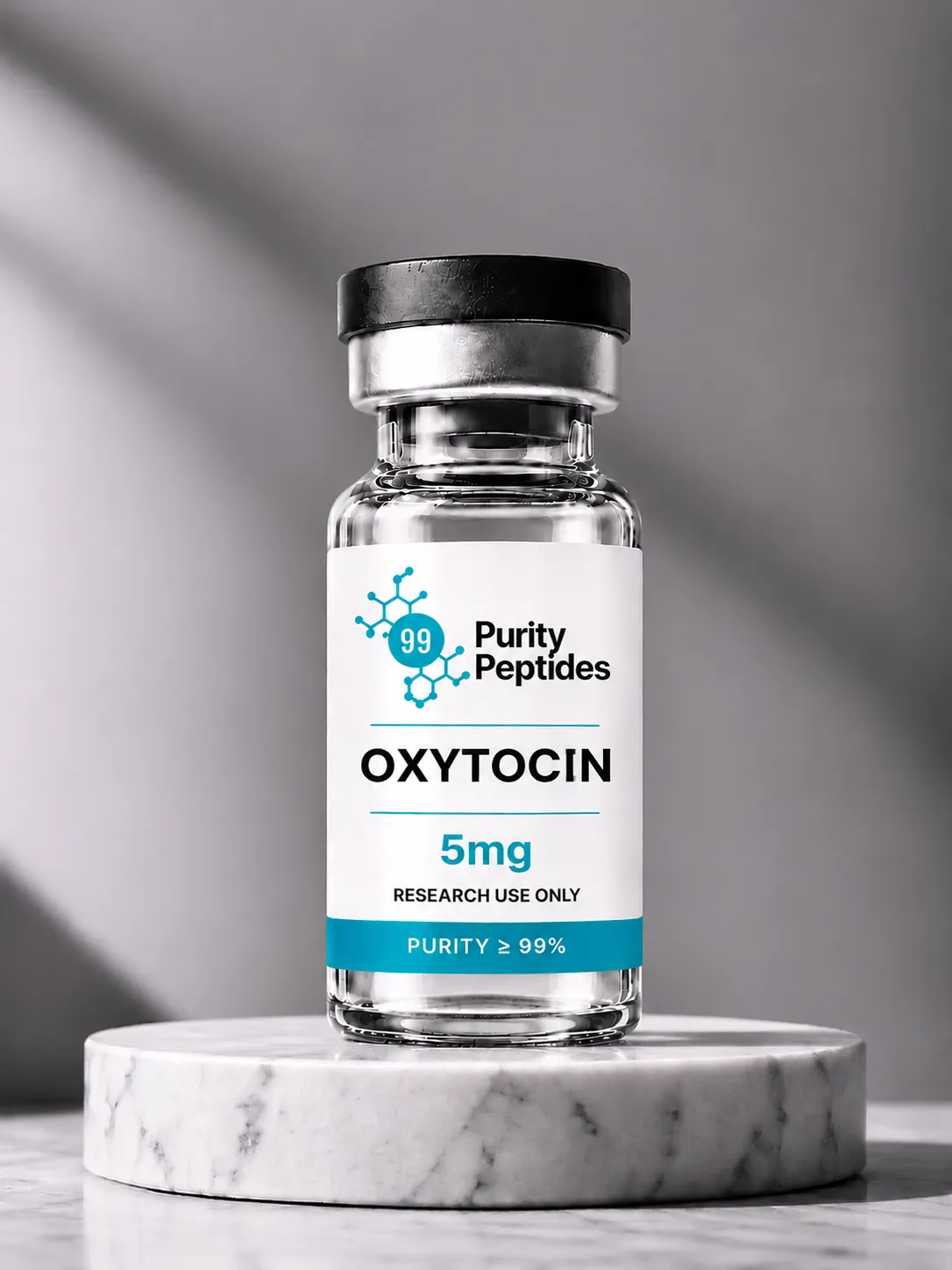
Oxytocin

$50.00

Oxytocin is a nine-amino-acid neurohypophyseal peptide supplied as lyophilized research material for laboratory studies of oxytocin receptor signaling, neuroendocrine communication, and peptide pharmacology. Available in 5mg and 10mg vials, every lot is HPLC-verified for identity and purity and is intended for Research Use Only.

Select Size5mg Single
Strength
Pack size
Save $62.50 (25%) with the 5 Kit$37.50 / vial instead of $50.00
In stockFree standard shipping on orders over $300
1
Guaranteed Safe Checkout
Pay
Pay
PayPal
Zelle
VISA
AMEX
mastercard
+ more
Fast Shipping
99% Purity
3rd Party Tested
Guaranteed
99.9
Compound Profile

The
Science.

≥99%

HPLC certified

Verified Purity

3rd Party

Independent analysis

Lab Tested

Research

Highest standard

Grade Quality

COA

Full traceability

Documented
Oxytocin
Product Profile

Overview

Oxytocin is a cyclic nonapeptide with the sequence Cys-Tyr-Ile-Gln-Asn-Cys-Pro-Leu-Gly-NH2, closed by a disulfide bridge between its two cysteine residues. In the laboratory it serves as a reference agonist for the oxytocin receptor (OXTR), a G protein-coupled receptor that researchers use to study calcium signaling, neuropeptide biology, and the way related ligands tell receptor subtypes apart. This listing covers both the 5mg and 10mg vials. The peptide, its purity, and its analytical standards are identical in each size, so the choice comes down to how much material a protocol needs. Researchers also value it as a molecule with a long, well-documented publication history, which makes results easy to compare across studies. Every lot is tested by HPLC and supplied as a lyophilized powder for Research Use Only.

Oxytocin is one of the oldest and best-characterized peptide hormones in the scientific literature. It is a nonapeptide, meaning it contains nine amino acids, arranged as Cys-Tyr-Ile-Gln-Asn-Cys-Pro-Leu-Gly with an amidated C-terminus. A disulfide bond between the first and sixth residues folds the molecule into a six-residue ring with a short three-residue tail, and that shape is central to how it recognizes its receptor. The reported molecular formula is C43H66N12O12S2, with a molecular weight of about 1007.2 g/mol. Oxytocin also holds a place in the history of peptide chemistry. Vincent du Vigneaud isolated and synthesized it in the early 1950s, the first time a peptide hormone had been made in a laboratory, work that was recognized with the 1955 Nobel Prize in Chemistry. In vivo, oxytocin is made mainly by magnocellular neurons in the hypothalamic paraventricular and supraoptic nuclei. From there it travels to the posterior pituitary for release into the circulation, and it is also released within the brain from neuronal projections. That dual role, acting as both a circulating hormone and a central neuropeptide, is one reason it appears in so many different research fields. Investigators examine how it is synthesized, processed, stored, and released, and how each of those steps is regulated in cell and tissue models. The oxytocin receptor (OXTR) belongs to the class A family of G protein-coupled receptors. It couples mainly to Gq/11 proteins, which activate phospholipase C, generate inositol trisphosphate and diacylglycerol, and drive the release of intracellular calcium. Work in recombinant cell lines also reports coupling to other G protein families, and the signaling profile can shift with receptor density, cell type, and ligand concentration. Because oxytocin is structurally close to arginine vasopressin, it can also interact with vasopressin receptors, particularly V1a, at higher concentrations. Researchers therefore use oxytocin alongside vasopressin and synthetic analogs to map ligand selectivity and to study receptor cross-talk. Laboratory use of oxytocin spans several areas. Receptor pharmacologists measure calcium flux, second-messenger accumulation, and receptor internalization in OXTR-expressing cell lines. Physiologists use isolated tissue preparations to study smooth muscle contractility and mammary myoepithelial cell responses in vitro. Neuroscientists study the peptide in preclinical models of social recognition, affiliative behavior, and stress-axis signaling. Each of these uses is investigational. None of them implies a benefit or a use in people, and this product is not intended for human or veterinary administration. Oxytocin is also a convenient analytical standard. Its disulfide-bridged structure, small size, and well-documented fragmentation pattern make it useful for developing and validating HPLC and LC-MS methods, for calibrating immunoassays, and for studying how cyclic peptides behave during oxidation, reduction, and long-term storage. Groups working on peptide stability often include it as a reference when they compare formulation conditions or analytical columns. The 5mg and 10mg vials are listed together on this page because they are the same material. Both contain the same peptide made by the same process and tested to the same standard, and the only difference is the quantity of lyophilized powder in the vial. A 5mg vial suits assay development and small, focused experiments, while the 10mg vial gives more material for longer protocols or for work shared between several researchers. Single vials and multi-vial kits are available for both sizes. Each vial is supplied as a lyophilized powder, which helps protect the disulfide bond and the amidated terminus during storage and transport. Because the peptide contains cysteine residues, researchers usually keep it dry, cool, and protected from light and moisture until use, and follow their own institution's procedures for handling after reconstitution. Oxytocin is also the active ingredient of prescription medicines in many countries, so it is worth being direct about what this product is. The material on this page is research-grade, is not a medicinal product, and is sold for laboratory use only. Purchasers are responsible for making sure their intended use complies with local regulations and institutional policies.
Research DisclaimerAll products across every category are for research use only and not for human or veterinary use, diagnosis or treatment.
Continue Exploring

Also Considered.

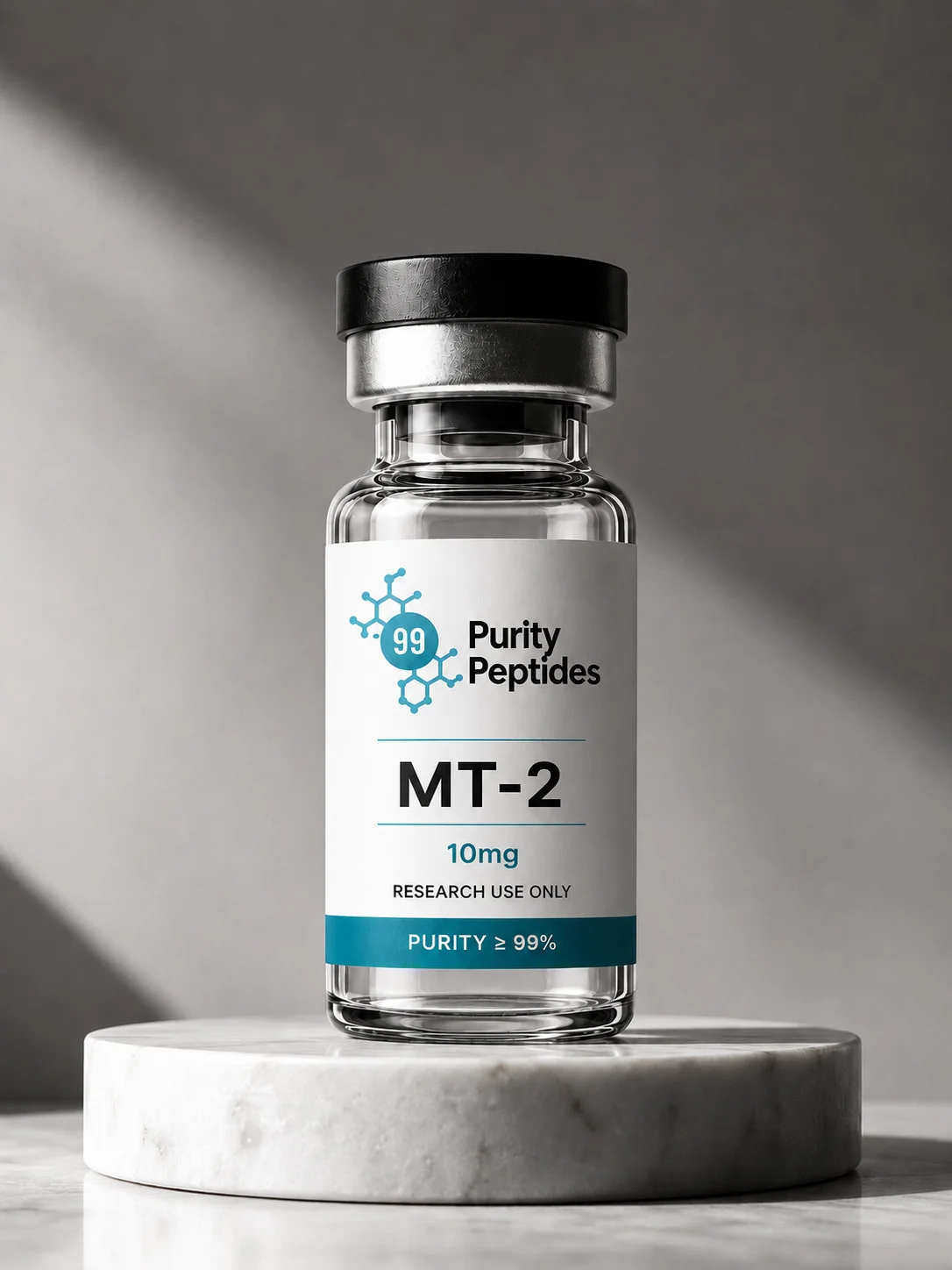
MT-2 10mg (Melanotan II)

RESEARCH PEPTIDE

Buy research-grade MT-2 (Melanotan II) 10mg (3ML). Alpha-MSH analog studied for melanocortin receptor and pigmentation research. Laboratory use only.

MT-2 10mg (Melanotan II)
From
$45.00

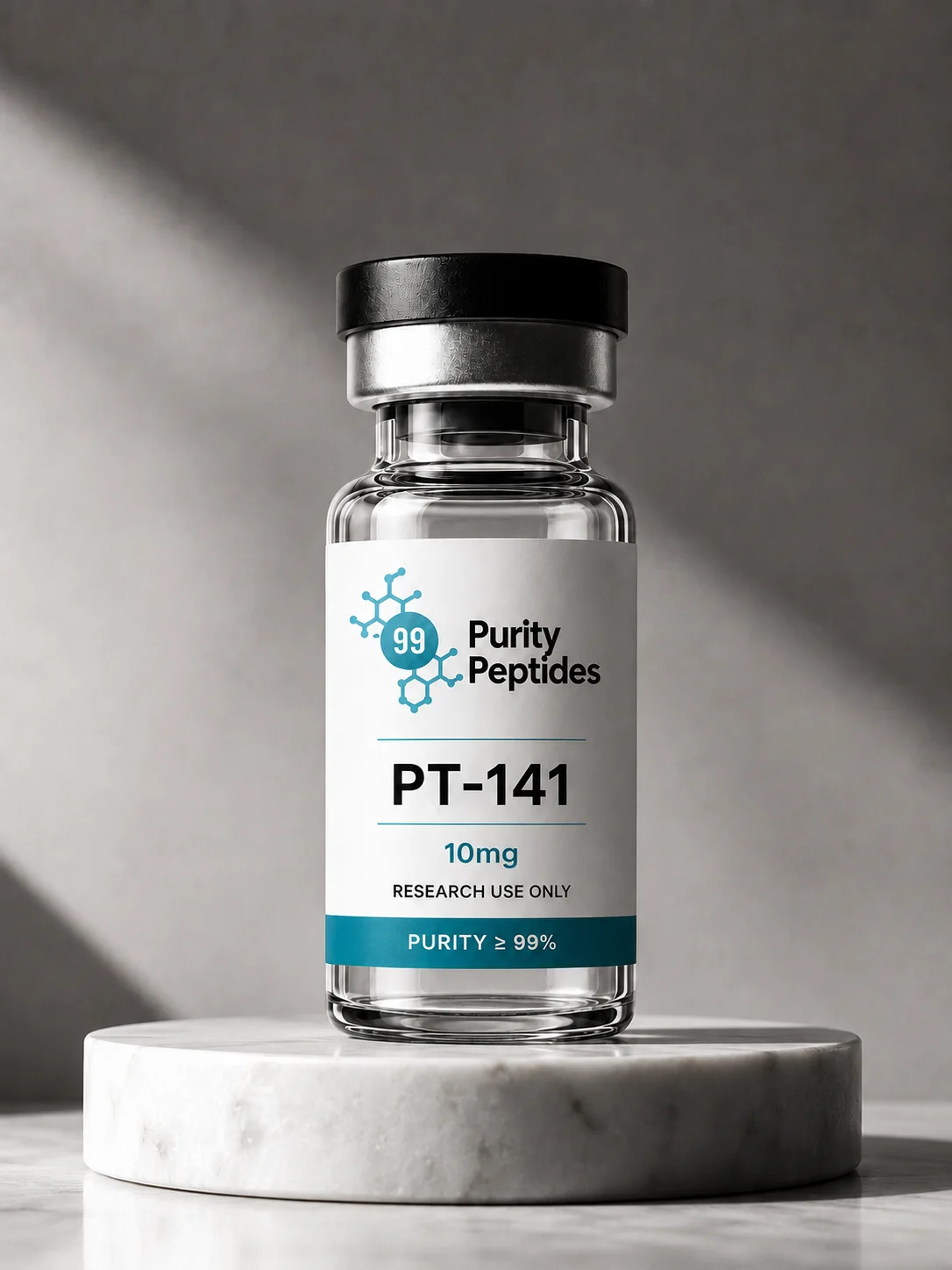
PT-141 10mg (Bremelanotide)

RESEARCH PEPTIDE

Buy research-grade PT-141 (Bremelanotide) 10mg (3ML). Melanocortin receptor agonist studied for neuroendocrine signalling research. Laboratory use only.

PT-141 10mg (Bremelanotide)
From
$55.00

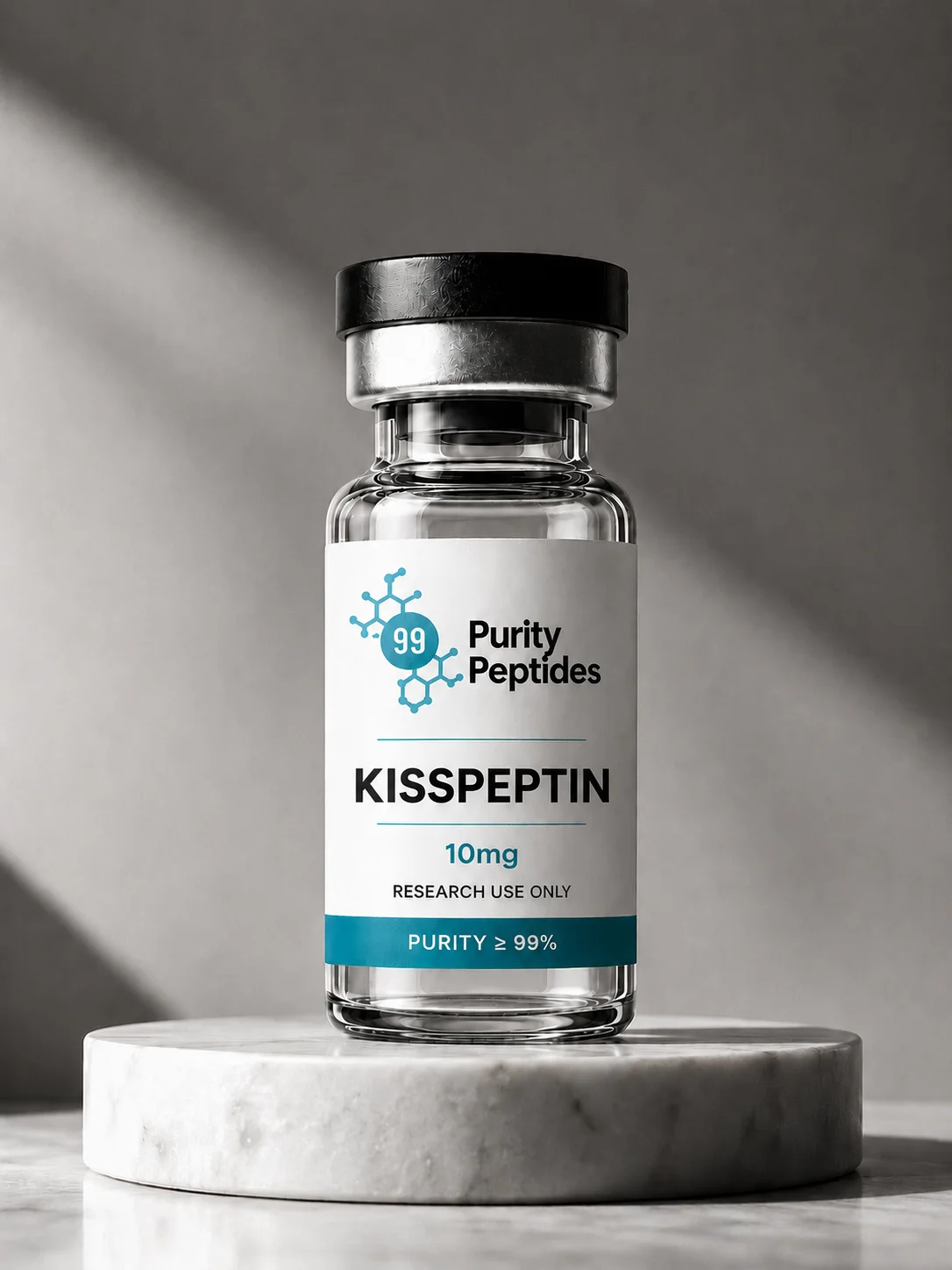
Kisspeptin

RESEARCH PEPTIDE

Buy research-grade Kisspeptin 5mg and 10mg (3ML). Studied for GPR54 receptor and reproductive endocrine signaling research. Laboratory use only.

Kisspeptin
5mg
$50.00

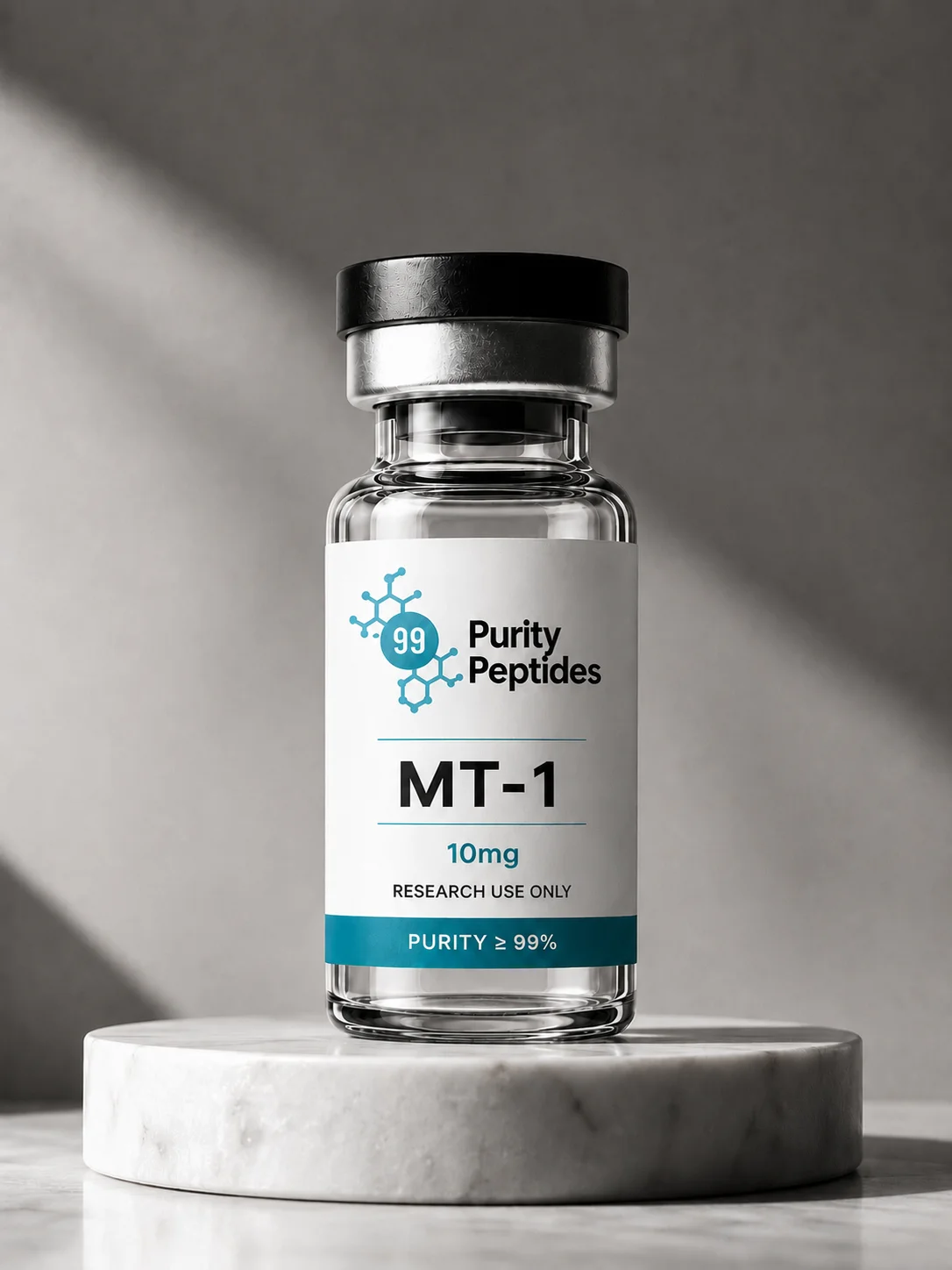
MT-1 10mg (Melanotan)

RESEARCH PEPTIDE

MT-1 10mg research peptide for laboratory studies. HPLC tested, purity verified, COA support available, and supplied for research use only.

MT-1 10mg (Melanotan)
From
$50.00
Customer Reviews
0.0
0 Reviews
5
0
4
0
3
0
2
0
1
0
0 Reviews

No Reviews Yet

Be the first to share your experience with this product and help other researchers!

Education & Research

Further Reading.

GHK-Cu Nasal Spray: What Does the Research Actually Show?
Product Guides
Oct 17, 20265 min read

GHK-Cu Nasal Spray: What Does the Research Actually Show?

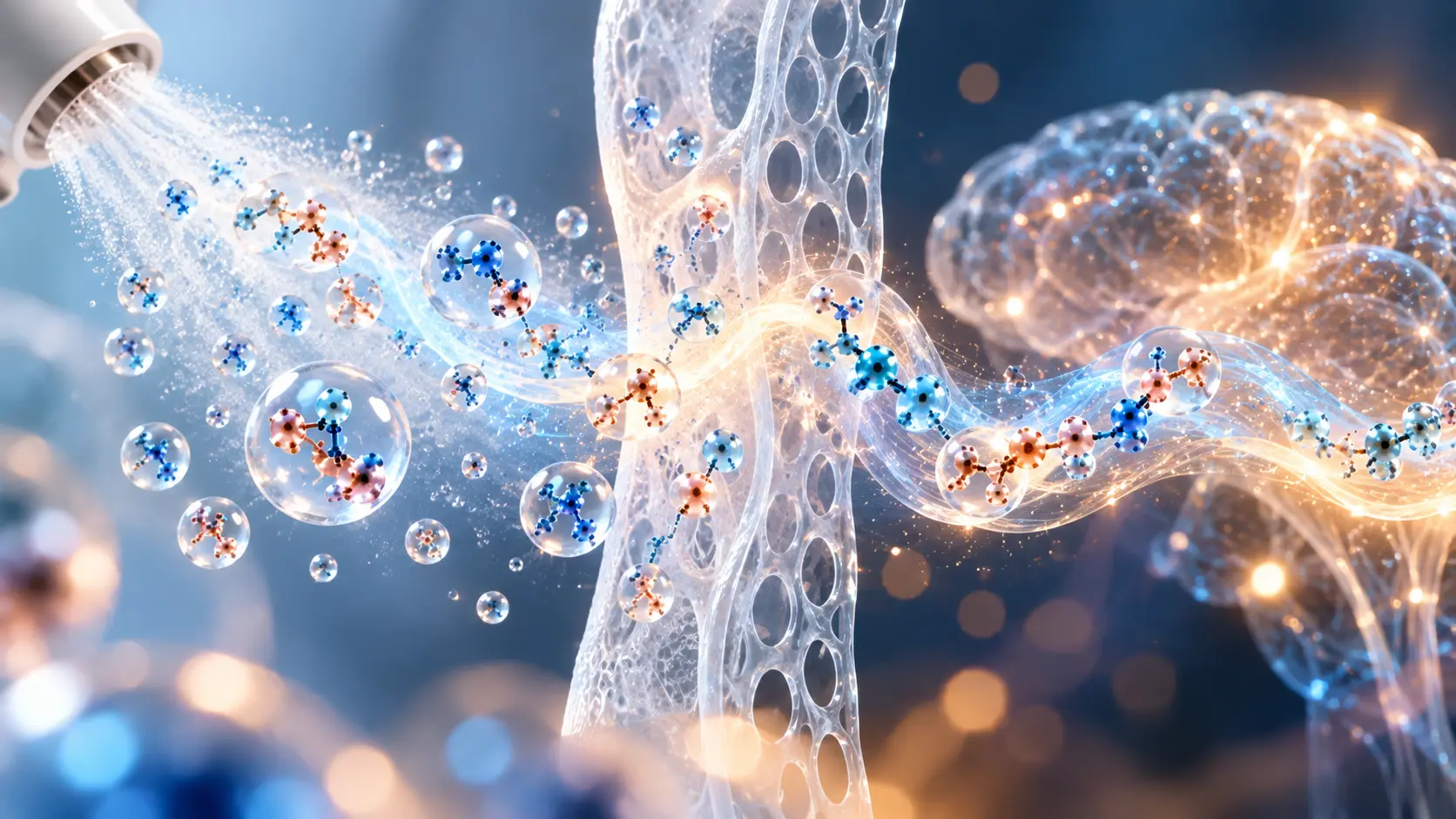
GHK-Cu nasal spray research reviewed: three mouse studies from one lab, no human data, and what is still unknown about absorption and tolerability.

MOTS-c vs SS-31: Two Mitochondrial Peptides, Two Different Mechanisms
Product Guides
Oct 17, 20265 min read

MOTS-c vs SS-31: Two Mitochondrial Peptides, Two Different Mechanisms

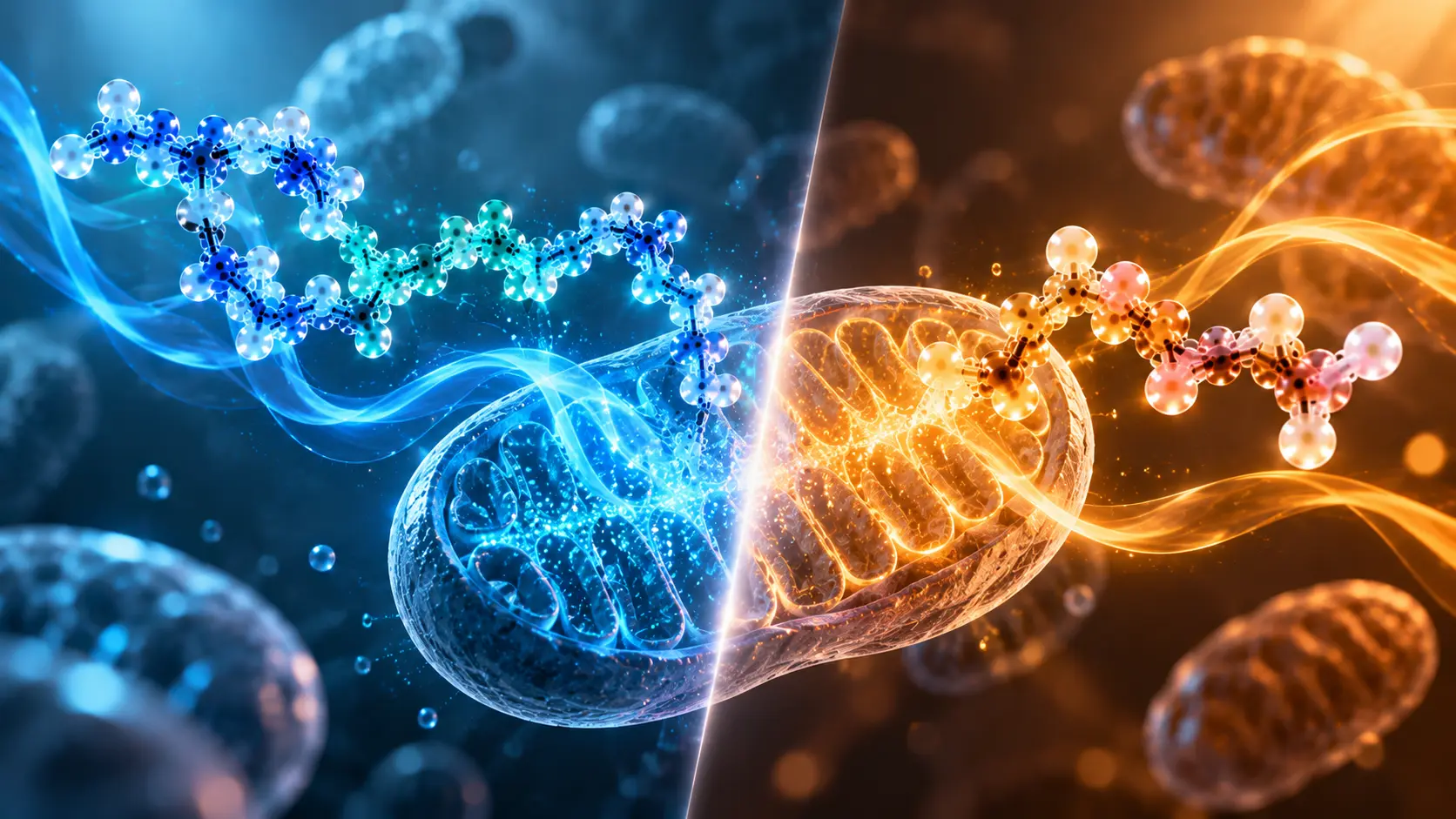
MOTS-c vs SS-31 compared on identity, mechanism, animal data and human trial evidence — including why no direct comparison exists.

Peptide Regulatory Status in 2026, Tracked in One Place
Product Guides
Oct 11, 20265 min read

Peptide Regulatory Status in 2026, Tracked in One Place

A dated tracker of peptide regulation in 2026: the 503A Bulks List, the July FDA committee vote, warning letters, recalls and WADA rules, with sources.

READ

(faqs)

Frequently Asked

01

What is Oxytocin?

Oxytocin is a nine-amino-acid cyclic peptide (Cys-Tyr-Ile-Gln-Asn-Cys-Pro-Leu-Gly-NH2) used in research as a reference agonist for the oxytocin receptor and as a model peptide for analytical work.
02

Which sizes of Oxytocin are available?

Oxytocin is available in 5mg and 10mg vials. Both contain the same peptide at the same purity standard and differ only in the amount of material per vial.
03

What is the molecular structure of oxytocin?

It is a cyclic nonapeptide with a disulfide bridge between the cysteines at positions 1 and 6 and an amidated C-terminus. The reported formula is C43H66N12O12S2, with a molecular weight of about 1007.2 g/mol.
04

Which receptor does oxytocin act on in research models?

Its main target is the oxytocin receptor (OXTR), a Gq/11-coupled GPCR. At higher concentrations it can also interact with vasopressin receptors, especially V1a, which is why selectivity is studied.
05

How does oxytocin differ from vasopressin?

The two peptides share a ring structure and differ at only two positions, residues 3 and 8. Those small changes shift their receptor preferences, which makes the pair useful for selectivity studies.
06

Which research areas commonly use oxytocin?

Receptor pharmacology, neuroendocrinology, social behavior neuroscience models, smooth muscle and mammary tissue studies in vitro, and analytical method development.
07

What analytical testing is performed before release?

Every lot is tested by HPLC for purity and consistency, and analytical characterization confirms the identity of the peptide before it is released.
08

How is Oxytocin supplied and stored?

It ships as a lyophilized powder. Because the molecule contains a disulfide bridge, laboratories generally keep it dry, cool, and protected from light and moisture, and follow their own institutional handling procedures.
09

Is oxytocin naturally occurring?

Yes. Oxytocin is an endogenous neuropeptide hormone produced in the hypothalamus. The material sold here is made by chemical peptide synthesis for laboratory use.
10

Is Oxytocin approved for therapeutic or diagnostic use?

Oxytocin is the active ingredient in some prescription medicines, but the Oxytocin supplied by 99 Purity Peptides is not one of them. It is research-grade material for Research Use Only (RUO) and is not approved for human consumption, therapeutic use, diagnostic procedures, or veterinary applications.
11

Is this the same as your Oxytocin nasal spray?

No. This listing is lyophilized oxytocin powder in a vial for laboratory work. The nasal spray is a different format and has its own product page.
12

How is research-grade consistency maintained?

Standardized synthesis, HPLC verification, identity confirmation, and batch-specific documentation work together to keep each lot comparable with the last.
13

What distinguishes the 5mg and 10mg vials?

Only the quantity of lyophilized powder. The 5mg vial suits assay development and smaller experiments, while the 10mg vial offers more material for longer or shared protocols. Purity, identity, and testing are the same.
14

Why is oxytocin used as an analytical reference?

Its small size, disulfide-bridged structure, and well-documented behavior make it useful for validating HPLC and LC-MS methods, calibrating immunoassays, and studying cyclic peptide stability.
15

Who first synthesized oxytocin?

Vincent du Vigneaud isolated and synthesized oxytocin in the early 1950s, the first peptide hormone made in a laboratory. He received the 1955 Nobel Prize in Chemistry for this work.