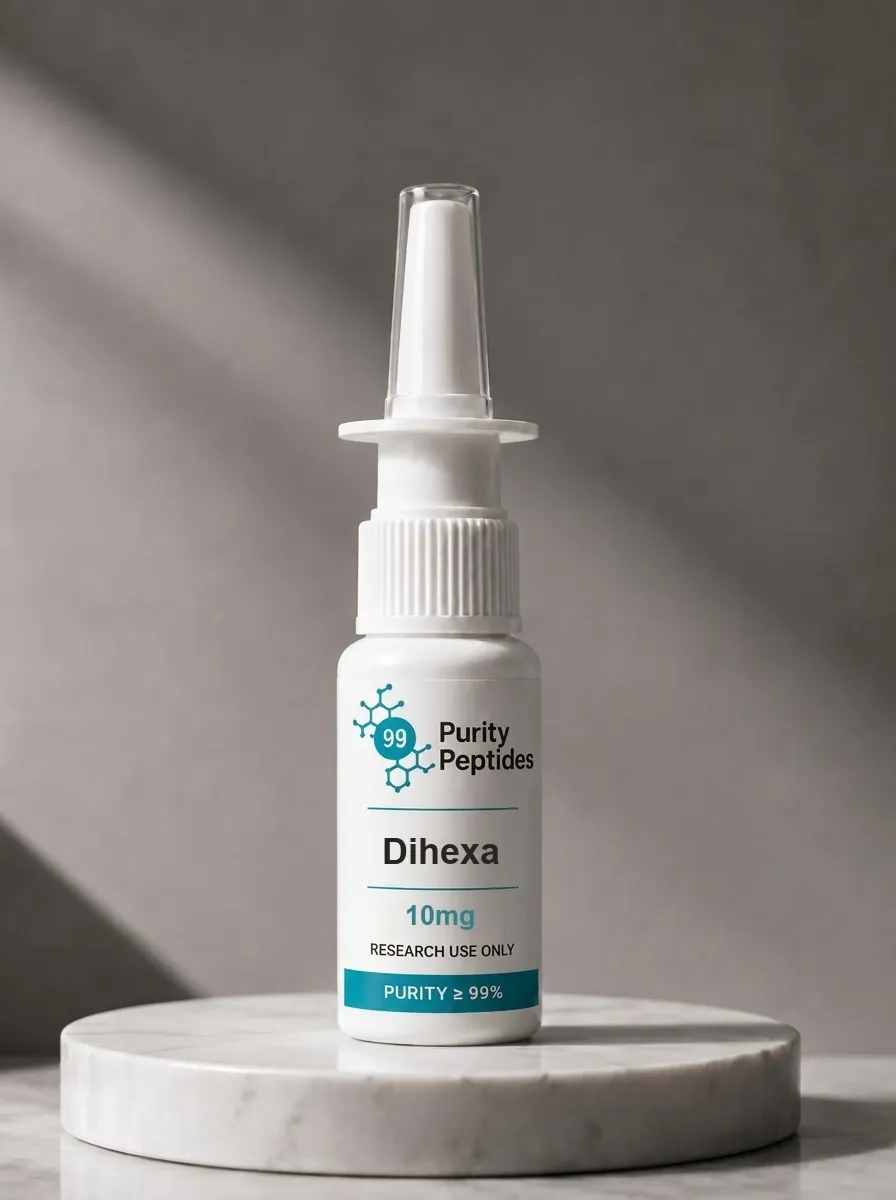
Dihexa 10mg Spray is a research-grade synthetic angiotensin IV analogue formulated in a pre-metered liquid vehicle for non-invasive laboratory research. Designed to activate the hepatocyte growth factor (HGF) and c-Met receptor tyrosine kinase pathway, this solution serves as a potent molecular tool for studying dendritic spinogenesis and synaptic plasticity. Formulated as a stabilized liquid spray, each bottle contains 10mg of Dihexa, analytically verified by HPLC to ensure consistent concentration and high purity for reproducible in vitro and in vivo scientific investigations.
HPLC certified
Independent analysis
Highest standard
Full traceability
Dihexa 10mg Spray is a synthetic, blood-brain barrier-permeable oligopeptide designed to evaluate HGF/c-Met receptor co-activation and downstream intracellular signaling cascades. Chemically represented as N-hexanoic-Tyr-Ile-(6)-aminohexanoic amide, Dihexa binds directly to HGF with high affinity, stabilizing HGF dimerization. This dimerization is a prerequisite for activating the c-Met receptor tyrosine kinase, which subsequently initiates downstream neurotrophic pathways like the PI3K/Akt cascade.
Researchers continue to investigate Dihexa across multiple fields of laboratory science, including peptide pharmacology, synaptic plasticity, cellular survival, and non-invasive delivery kinetics. Of major scientific interest is Dihexa's high potency relative to endogenous neurotrophic factors like Brain-Derived Neurotrophic Factor (BDNF) in promoting synaptogenesis and dendritic arborization. The liquid spray format bypasses the need for reconstruction, providing an optimized experimental vehicle for investigating epithelial transport kinetics, tight junction permeability, and direct olfactory-to-brain axonal delivery pathways.
Dihexa 10mg Spray is a research-grade synthetic angiotensin IV (Ang IV) analogue developed for laboratory investigations involving hepatocyte growth factor (HGF) signaling, c-Met receptor tyrosine kinase co-activation, and non-invasive mucosal transport kinetics. Chemically categorized as an oligopeptide-derived small molecule with the molecular formula C27H44N4O5 and a molecular weight of approximately 504.66 g/mol, Dihexa is characterized by its unique amide bonds and hexanoic acid substitution, which significantly enhance its metabolic stability and lipid permeability compared to native Ang IV peptides.
From a molecular biology perspective, Dihexa functions as an agonist-like modulator of the HGF/c-Met signaling axis. The compound is proposed to bind directly to HGF, stabilizing its active dimeric conformation and facilitating high-affinity engagement with the extracellular domain of the c-Met receptor. It is important to note, however, that while the HGF-dimerization mechanism remains a primary model in neuroprotective research, several early foundational publications on the compound's specific dimerization kinetics were retracted in April 2025 due to data integrity concerns. Consequently, Dihexa is supplied strictly as an investigational compound to enable laboratories to conduct independent replications, evaluate receptor binding profiles, and characterize its pharmacodynamics in controlled experimental systems.
Downstream of c-Met receptor activation, Dihexa exposure triggers key intracellular signaling cascades. Upon c-Met phosphorylation, receptor tyrosine kinase activity stimulates the phosphatidylinositol 3-kinase (PI3K) pathway, leading to the downstream activation of Akt (protein kinase B). Simultaneously, the mitogen-activated protein kinase (MAPK) pathway is recruited. These parallel signaling cascades govern crucial cellular processes under investigation, including cell survival, cytoskeletal remodeling, and genetic transcription associated with neuroprotection and cell migration.
A primary focus of Dihexa research is its influence on synaptic architecture and dendritic spinogenesis. Preclinical cellular models indicate that Dihexa promotes dendritic arborization and the formation of new functional synaptic connections (synaptogenesis). In comparative studies, researchers analyze the molecular pathways by which Dihexa stimulates spinogenesis, evaluating whether its potency and activation kinetics differ significantly from native neurotrophic factors such as Brain-Derived Neurotrophic Factor (BDNF), Nerve Growth Factor (NGF), and conventional small-molecule neuroprotectants.
The metered liquid spray formulation is specifically designed to support studies of non-invasive mucosal epithelial transport. Researchers investigate the permeability of the peptide-derived compound across mucosal barriers, assessing trans-epithelial transport rates, tight junction integrity (e.g., zonula occludens-1, occludin, and claudin expression), and local tissue retention. Furthermore, the spray format facilitates investigations into the direct nose-to-brain olfactory axonal transport pathway, which potentially allows molecules to bypass the blood-brain barrier and target central c-Met receptors directly.
Each batch of Dihexa 10mg Spray is manufactured using precision solid-phase peptide synthesis (SPPS) and advanced liquid chromatography purification methods to achieve high purity. The purified Dihexa is then dissolved in a stabilized, buffered aqueous solution, calibrated to deliver an exact concentration of 10mg per bottle. Quality control verification includes reverse-phase high-performance liquid chromatography (HPLC) to confirm peptide purity (>98%) and liquid chromatography-mass spectrometry (LC-MS) to verify molecular weight and structural identity.
To preserve the stability and molecular integrity of the peptide-derived compound in solution, Dihexa Spray should be stored under refrigeration (2°C to 8°C) and protected from direct light. Because amide bonds can undergo hydrolysis or oxidation in liquid vehicles over extended periods, maintaining refrigerated storage and minimizing atmospheric exposure are essential to preserving concentration accuracy and ensuring analytical reproducibility across laboratory protocols.
Dihexa 10mg Spray is supplied exclusively for laboratory research and analytical applications. It is intended for Research Use Only (RUO) and is not approved for human consumption, therapeutic use, veterinary use, or diagnostic purposes.
Be the first to share your experience with this product and help other researchers!
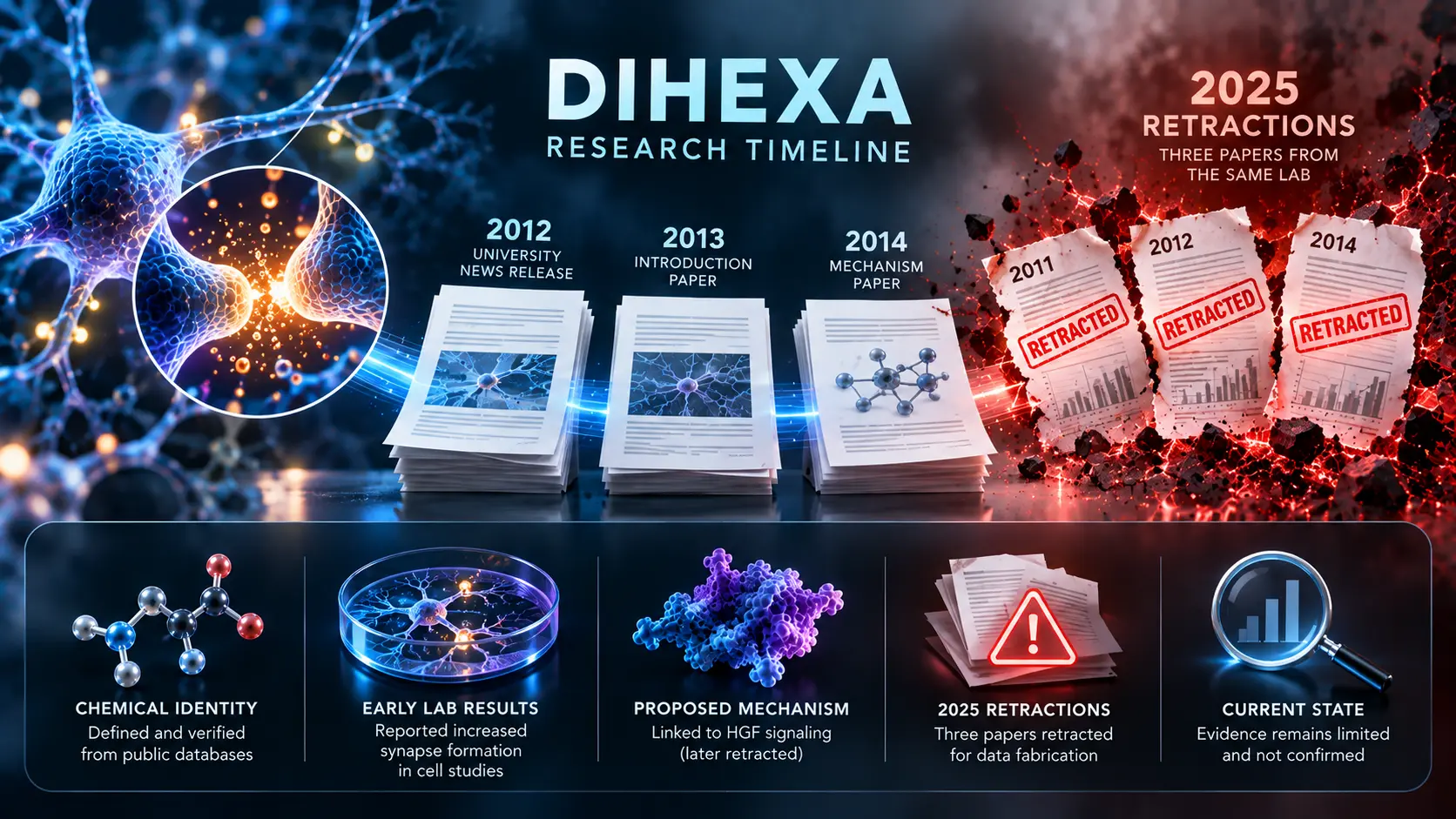
Dihexa research checked against PubMed: three 2025 retractions, where the BDNF potency claim really started, and which findings still stand today.
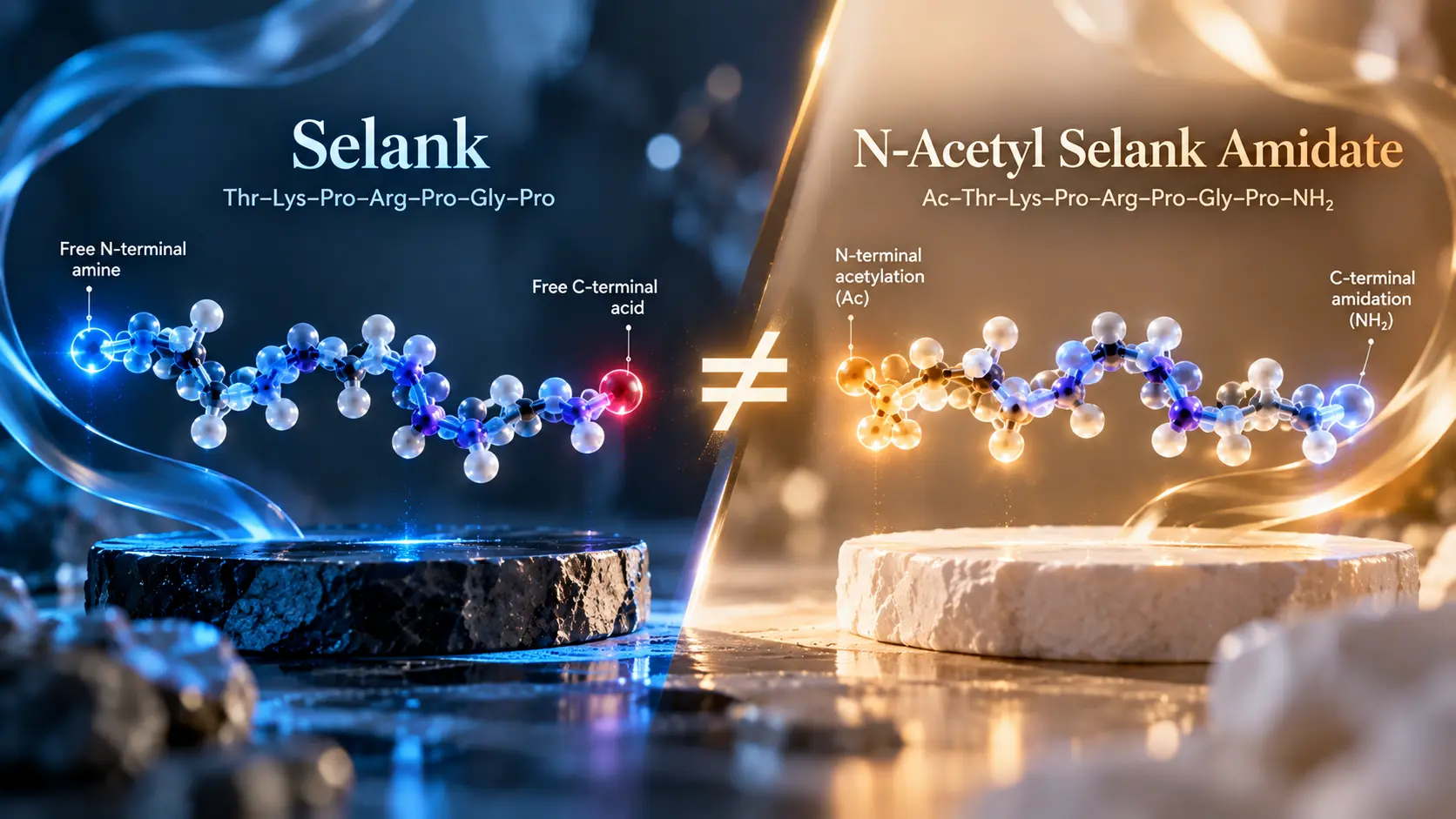
N-acetyl selank amidate is not Selank's full chemical name. Compare sequences, masses and database records, and learn how to tell the two apart on a COA.

Is CJC-1295 legal? It is not FDA-approved, left FDA Category 2 in 2024, was voted down for 503A compounding, and is banned by WADA. Verified status.
(faqs)