INTRODUCTION & PRODUCT DESCRIPTION
The gastrointestinal system represents one of biology's most immunologically active, metabolically demanding, and structurally vulnerable tissues. The GI tract must simultaneously accomplish contradictory missions: allow nutrient absorption from food while preventing pathogen and toxin entry, maintain tight barrier integrity while permitting selective transport, sustain intense inflammatory defense against pathogens while preventing self-damaging excessive inflammation.
Yet modern life relentlessly challenges GI integrity: processed foods, chronic stress, overuse of antimicrobial agents, inadequate fiber, chronic infections, food sensitivities, and medications all damage the gut barrier—the tight-junction intestinal lining that separates intestinal contents from blood and immune tissues. This barrier dysfunction (increased intestinal permeability, colloquially "leaky gut") enables bacterial lipopolysaccharides, food proteins, and pathogens to cross into circulation, triggering systemic inflammation, immune dysregulation, food sensitivities, and downstream disease.
Additionally, the GI tract faces constant inflammatory challenges: dysbiosis (pathogenic bacterial overgrowth) triggers excessive inflammatory responses, food sensitivities drive intestinal inflammation, overactive mast cells (immune cells lining the GI tract) cause excessive inflammatory mediator release, and inadequate tissue repair capacity leads to chronic GI inflammation.
Modern GI research has identified two distinct, complementary peptide mechanisms that restore GI health: BPC-157 (Body Protection Compound-157), a 15-amino-acid peptide that stimulates growth factors and angiogenesis particularly effective for GI tissue healing and barrier restoration, and KPV (Lysine-Proline-Valine), a tripeptide derived from alpha-melanocyte-stimulating hormone that reduces inflammation through mast cell stabilization and anti-inflammatory signaling.
These peptides work through distinctly different mechanisms—BPC-157 through growth factor upregulation and tissue repair, KPV through anti-inflammatory immune modulation and mast cell stabilization—yet both fundamentally support GI barrier restoration and inflammatory resolution. When combined, they create synergistic effects: BPC-157 provides growth factors and angiogenesis that support tissue rebuilding, while KPV provides anti-inflammatory immune modulation that allows healing without inflammatory obstruction.
The result is comprehensive GI restoration: BPC-157/KPV mix represents the frontier of research into GI barrier restoration, digestive health optimization, and anti-inflammatory immune regulation.
This comprehensive guide explores what BPC-157 and KPV individually do, how they work synergistically in combined protocols, the superior GI health restoration achieved through dual-peptide approaches, research applications across diverse GI conditions and inflammatory states, quality standards for research-grade peptide combinations, and why researchers investigating gastrointestinal health, intestinal barrier integrity, inflammatory gut disease, digestive dysfunction, and immune tolerance have embraced BPC-157/KPV mix as the gold-standard dual-peptide protocol for achieving maximum GI healing and comprehensive intestinal barrier restoration.
WHAT IS BPC-157 & KPV MIX? THE SYNERGISTIC DUAL-PEPTIDE GI HEALING AND IMMUNE-REGULATORY PROTOCOL
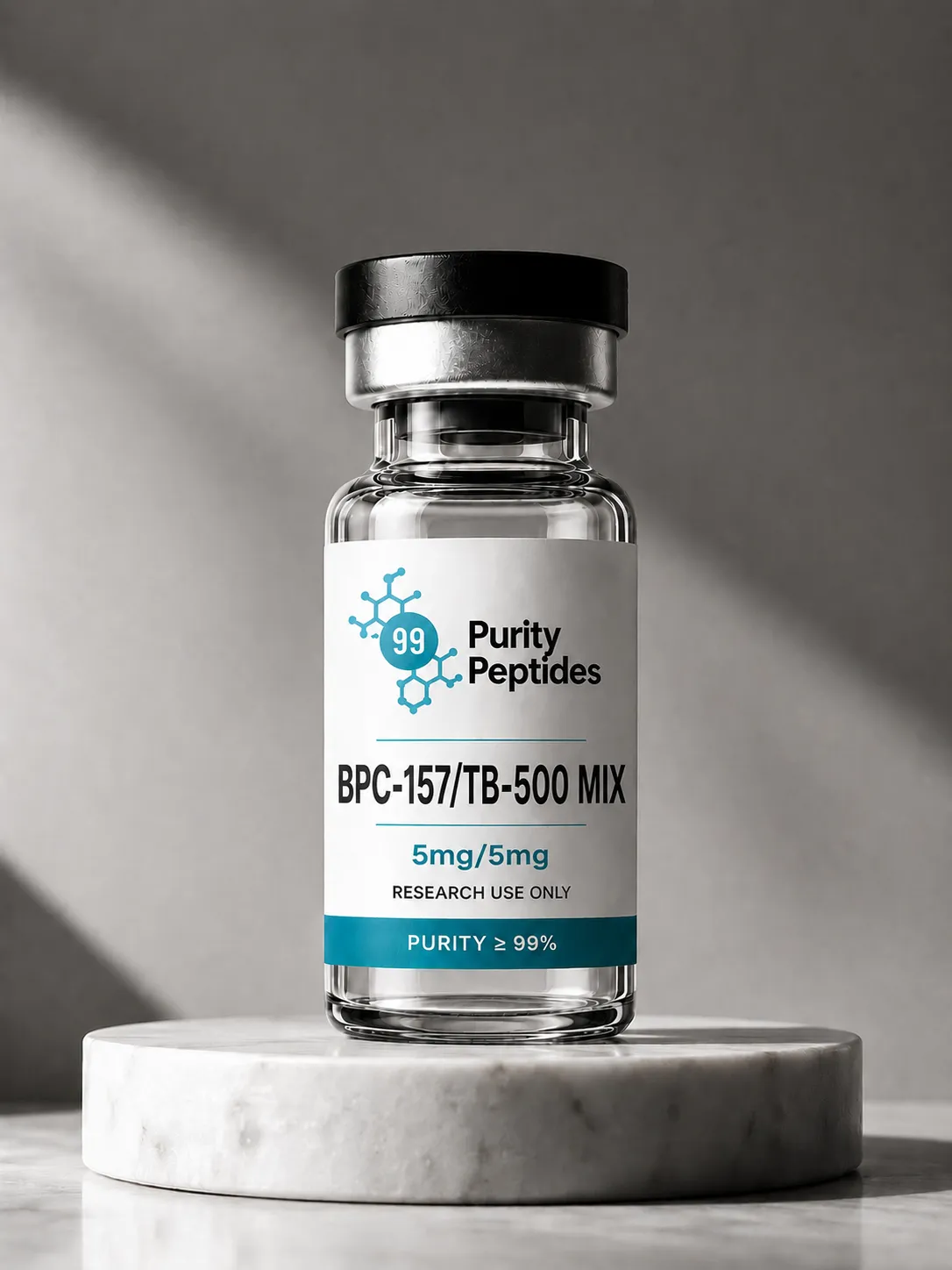
BPC-157/KPV mix combines two distinct GI-protective peptides in a single formulation, designed to create synergistic gastrointestinal health restoration through complementary mechanisms. Understanding the combination requires understanding both individual peptides and their interaction.
BPC-157 (Body Protection Compound-157):
- 15-amino-acid peptide
- Sequence: Gly-Glu-Pro-Pro-Pro-Gly-Lys-Pro-Gly-Asp-Asp-Ala-Ser-Gly-Asp
- Molecular weight: approximately 1,419 Da
- Primary mechanisms: Growth factor upregulation (VEGF, FGF, HGF), angiogenesis stimulation, nitric oxide enhancement
- Primary effects: GI tissue repair, barrier restoration, enhanced blood flow, reduced ulceration
- Particular strength: Gastrointestinal tissue healing, protective effects against GI damage
- Timeline: Rapid growth factor effects within hours; sustained healing over weeks
KPV (Lysine-Proline-Valine):
- Tripeptide (3 amino acids)
- Sequence: Lys-Pro-Val
- Molecular weight: approximately 344 Da
- Derived from: Alpha-melanocyte-stimulating hormone (α-MSH)
- Primary mechanisms: Melanocortin receptor activation (MC1R, MC3R), mast cell stabilization, anti-inflammatory signaling
- Primary effects: Reduced inflammatory mediator release, gut barrier tightening, immune tolerance enhancement
- Particular strength: Anti-inflammatory immune modulation, mast cell suppression, systemic inflammation reduction
- Timeline: Rapid anti-inflammatory effects within hours; sustained immune modulation over weeks
Combined protocol: These two peptides address complementary, essential aspects of GI health:
- Tissue phase: BPC-157 stimulates growth factors and angiogenesis—tissue repair and structural restoration
- Immune phase: KPV suppresses excessive inflammation and stabilizes mast cells—anti-inflammatory protection
- Synergy: BPC-157's tissue repair occurs in anti-inflammatory environment created by KPV; KPV's anti-inflammatory effects protect rebuilding tissue from inflammatory damage
INDIVIDUAL MECHANISMS OF BPC-157 FOR GI HEALING
BPC-157 possesses particular strength in gastrointestinal tissue healing through multiple mechanisms:
Growth factor upregulation for GI tissues:
- VEGF (vascular endothelial growth factor): stimulates GI blood vessel formation, improves nutrient delivery to healing tissue
- FGF (fibroblast growth factor): activates intestinal fibroblasts for collagen synthesis and barrier rebuilding
- HGF (hepatocyte growth factor): supports intestinal epithelial cell regeneration and anti-inflammatory signaling
- Angiopoietin-1: stabilizes newly-formed blood vessels in healing GI tissue
GI barrier restoration:
- Stimulates tight junction protein synthesis (claudins, occludin, ZO-1)
- Enhances intestinal epithelial cell integrity
- Reduces intestinal permeability
- Supports barrier function restoration
Angiogenesis and blood flow enhancement:
- Stimulates new blood vessel formation in damaged GI tissue
- Increases oxygen and nutrient delivery for healing
- Improves tissue perfusion and metabolic support
Nitric oxide enhancement:
- BPC-157 increases nitric oxide (NO) production in GI tissue
- NO supports mucosal blood flow
- NO has protective effects against inflammation and ulceration
Direct GI protection:
- Protects against ulcer formation
- Reduces gastric acid secretion
- Supports mucosal protective mechanisms
INDIVIDUAL MECHANISMS OF KPV FOR ANTI-INFLAMMATORY IMMUNE MODULATION
KPV works through multiple anti-inflammatory and immune-regulatory mechanisms:
Melanocortin receptor activation:
- Activates melanocortin-1 receptor (MC1R): anti-inflammatory signaling in immune cells
- Activates melanocortin-3 receptor (MC3R): inflammatory suppression and appetite/metabolism effects
- Melanocortin signaling triggers anti-inflammatory programs in mast cells, macrophages, T-cells
Mast cell stabilization:
- Mast cells line the GI tract and release inflammatory mediators (histamine, tryptase, leukotrienes) when activated
- KPV suppresses mast cell activation
- Reduces inflammatory mediator release from mast cells
- Prevents mast cell-driven intestinal inflammation
Pro-inflammatory cytokine reduction:
- Reduces TNF-α (tumor necrosis factor-alpha) production
- Reduces IL-6 (interleukin-6) production
- Reduces other pro-inflammatory cytokine production
- Shifts immune balance toward anti-inflammatory signaling
T-regulatory cell support:
- KPV supports regulatory T-cell (Treg) development and function
- Tregs suppress excessive immune responses
- KPV enhances immune tolerance
Systemic inflammation reduction:
- Anti-inflammatory effects extend systemically, reducing whole-body inflammatory burden
- Reduces circulating inflammatory markers (CRP, IL-6, TNF-α)
- Supports inflammatory resolution
SYNERGISTIC INTERACTION AND COMPLEMENTARY MECHANISMS
The power of BPC-157/KPV mix lies in addressing complementary GI health problems:
BPC-157 provides tissue repair; KPV provides anti-inflammatory environment:
- BPC-157 stimulates tissue rebuilding signals (growth factors)
- KPV suppresses excessive inflammation that could impair healing
- Together: optimal healing environment (growth factors + anti-inflammation)
Barrier restoration from both angles:
- BPC-157 stimulates tight junction protein synthesis directly
- KPV suppresses inflammatory signaling that damages tight junctions
- Together: dual approach to barrier integrity restoration
Complementary immune modulation:
- BPC-157 supports tissue-level immune tolerance through growth factors
- KPV modulates systemic immunity through melanocortin signaling
- Together: integrated immune restoration from local tissue to systemic levels
HOW BPC-157 AND KPV WORK TOGETHER: SYNERGISTIC GI RESTORATION AND ANTI-INFLAMMATORY MECHANISMS
The combined peptide protocol produces comprehensive gastrointestinal restoration through synergistic interaction across barrier repair, inflammatory resolution, and immune regulation. Understanding these synergistic mechanisms reveals why combination protocols outperform single peptides.
BARRIER RESTORATION AND TIGHT JUNCTION INTEGRITY ENHANCEMENT
The intestinal barrier is the fundamental GI health structure. The synergy:
BPC-157:
- VEGF and FGF upregulation support intestinal epithelial cell regeneration
- Stimulates tight junction protein synthesis (claudins, occludin, ZO-1)
- Supports intestinal fibroblast activation for submucosal support
- Direct growth factor signaling for barrier rebuilding
KPV:
- Suppresses inflammatory cytokines (TNF-α, IL-6) that damage tight junctions
- Stabilizes mast cells that release inflammatory mediators damaging junctions
- Reduces intestinal permeability through anti-inflammatory mechanisms
- Protects barrier from inflammatory assault
Combined:
- BPC-157 stimulates barrier protein synthesis; KPV protects those proteins from inflammatory damage
- BPC-157 provides growth factors for epithelial regeneration; KPV suppresses inflammation that impairs regeneration
- Dual mechanism: active barrier building + inflammatory protection = superior barrier restoration
MUCOSAL HEALING AND EPITHELIAL TISSUE REGENERATION
The intestinal epithelium is the barrier tissue itself—constantly remodeling, shedding damaged cells, regenerating new cells. The synergy:
BPC-157:
- FGF and HGF directly stimulate intestinal epithelial cell regeneration
- Angiogenesis provides oxygen for epithelial cell metabolism
- Growth factors accelerate intestinal stem cell differentiation into epithelial cells
- Supports accelerated epithelial tissue turnover and repair
KPV:
- Reduces inflammatory mediators (TNF-α) that suppress epithelial regeneration
- Mast cell stabilization reduces inflammatory damage to epithelium
- Anti-inflammatory environment allows epithelial regeneration to proceed without inflammatory obstruction
Combined:
- Accelerated epithelial regeneration (BPC-157's growth factors) in protected anti-inflammatory environment (KPV's mast cell stabilization)
- Superior epithelial tissue healing compared to either peptide alone
ANGIOGENESIS AND MUCOSAL BLOOD FLOW ENHANCEMENT
Blood supply is essential for intestinal health—delivering oxygen and nutrients for epithelial regeneration. The synergy:
BPC-157:
- VEGF upregulation stimulates endothelial cell migration and new vessel formation
- Angiopoietin-1 stabilizes newly-formed vessels
- Nitric oxide enhancement supports vascular tone and blood flow
- Accelerates angiogenesis in healing GI tissue
KPV:
- Anti-inflammatory environment supports vessel formation (inflammation interferes with angiogenesis)
- Reduced inflammatory mediators allow endothelial cells to focus on vessel formation rather than inflammatory response
- Supports vascular stability through reduced inflammatory stress
Combined:
- Accelerated new vessel formation (BPC-157's VEGF) in stable anti-inflammatory environment (KPV's inflammation reduction)
- Superior mucosal vascularization and blood flow
MAST CELL STABILIZATION AND INFLAMMATORY MEDIATOR SUPPRESSION
Mast cells are the GI tract's primary inflammatory mediators—they release histamine, tryptase, leukotrienes, and other inflammatory mediators. The synergy:
KPV:
- Directly stabilizes mast cells through melanocortin signaling
- Suppresses mast cell activation in response to stimuli
- Reduces inflammatory mediator release (histamine, tryptase)
- Systemic anti-inflammatory effects reduce mast cell triggers
BPC-157:
- Growth factors support mast cell regulation
- Reduced inflammation from tissue healing decreases mast cell activation stimuli
- Indirect mast cell effects through tissue protection
Combined:
- Direct mast cell suppression (KPV) + indirect mast cell regulation through tissue healing (BPC-157)
- Superior mast cell control and reduced inflammatory mediator release
IMMUNE TOLERANCE ENHANCEMENT AND PATHOGENIC CHALLENGE RESILIENCE
The gut must tolerate beneficial bacteria and food antigens while defending against pathogens. The synergy:
KPV:
- Supports regulatory T-cell (Treg) development
- Enhances immune tolerance to commensal bacteria and food antigens
- Reduces food sensitivity responses
- Melanocortin signaling promotes immune tolerance
BPC-157:
- Growth factors support immune-tolerant tissue environment
- Tissue barrier restoration reduces pathogenic antigen crossing
- Indirect immune tolerance support through structural barrier
Combined:
- Direct immune tolerance enhancement (KPV's Treg support) + structural barrier that reduces pathogenic antigen crossing (BPC-157's barrier restoration)
- Superior pathogenic resilience and reduced food sensitivity
INFLAMMATORY RESOLUTION AND SHIFT TOWARD ANTI-INFLAMMATORY SIGNALING
Chronic GI inflammation often becomes self-perpetuating—inflammation drives more inflammation. Breaking this cycle is essential. The synergy:
KPV:
- Directly suppresses pro-inflammatory cytokine production (TNF-α, IL-6)
- Enhances anti-inflammatory signaling (IL-10, TGF-β)
- Shifts immune balance toward anti-inflammation
- Systemic anti-inflammatory effects
BPC-157:
- Growth factors support anti-inflammatory signaling
- Tissue healing reduces inflammation-driving tissue damage
- Angiogenesis and improved perfusion reduce hypoxia-driven inflammation
Combined:
- Multiple simultaneous pathways toward inflammatory resolution
- Superior inflammatory suppression compared to single peptides
DYSBIOSIS RESISTANCE AND MICROBIOME PROTECTION
Dysbiosis (pathogenic bacterial overgrowth) is a primary GI health problem. While peptides don't directly kill bacteria, they support the immune environment that resists dysbiosis. The synergy:
BPC-157:
- Enhanced barrier function reduces bacterial translocation
- Growth factors support immune defense against pathogens
- Improved tissue health supports commensal bacteria
KPV:
- Immune modulation supports appropriate bacterial defense
- Reduced excessive inflammation that favors dysbiosis
- Supports immune tolerance to beneficial bacteria while defending against pathogens
Combined:
- Structural barrier + immune defense = superior dysbiosis resistance
PRIMARY RESEARCH APPLICATIONS OF BPC-157/KPV MIX
The dual-peptide protocol's GI-protective and anti-inflammatory properties make it valuable across diverse research domains:
INTESTINAL BARRIER INTEGRITY AND PERMEABILITY RESTORATION
The primary research application is investigating barrier restoration and permeability reversal. Studies document reduced intestinal permeability and improved tight junction integrity with combined protocols—more completely than single peptides.
INFLAMMATORY BOWEL DISEASE AND IBD-LIKE CONDITIONS
BPC-157/KPV combination shows promise for inflammatory GI conditions. Research explores combined peptide effects on chronic GI inflammation, ulceration, and tissue damage in IBD models.
GI ULCER HEALING AND MUCOSAL TISSUE REPAIR
Both peptides independently support ulcer healing; combination may exceed single peptides. Research explores optimal ulcer healing protocols.
GUT BARRIER DYSFUNCTION AND LEAKY GUT REVERSAL
Intestinal permeability ("leaky gut") represents a primary GI health problem. Combined protocols specifically address barrier restoration through multiple complementary mechanisms.
FOOD SENSITIVITY AND IMMUNE TOLERANCE RESTORATION
By restoring barrier function and immune tolerance simultaneously, combined protocols may reduce food sensitivities more effectively than single peptides.
MAST CELL ACTIVATION DISORDERS AND HISTAMINE INTOLERANCE
KPV's mast cell-stabilizing properties combined with BPC-157's tissue repair create protocols specifically addressing mast cell disorders.
POST-INFECTION GI RECOVERY AND DYSBIOSIS MANAGEMENT
Following pathogenic infection, GI tissue is damaged and microbiome disrupted. Combined protocols support tissue healing and dysbiosis resistance simultaneously.
MEDICATION-INDUCED GI DAMAGE AND NSAID ULCER PREVENTION
NSAIDs and other medications damage the GI tract. Preventative or therapeutic combined peptide protocols protect against medication-induced GI damage.
SYSTEMIC INFLAMMATION AND ENDOTOXEMIA REDUCTION
Leaky gut drives endotoxemia (bacterial LPS in circulation). By restoring barrier function, combined protocols reduce endotoxemia and systemic inflammation.
IMMUNE TOLERANCE AND REGULATORY T-CELL ENHANCEMENT
Combined protocols support immune tolerance through complementary mechanisms—KPV directly, BPC-157 through tissue restoration.
SPECIFIC EFFECTS OF BPC-157 & KPV MIX
DRAMATIC IMPROVEMENT IN INTESTINAL BARRIER INTEGRITY
Research documents measurably improved barrier function with combined protocols. Intestinal permeability (measured via lactulose/mannitol ratio or zonula occludens-1 expression) improves substantially—more completely than single peptides.
RAPID REDUCTION IN GI SYMPTOMS AND INFLAMMATION
Within days to weeks, GI symptoms (bloating, cramping, diarrhea, constipation) improve substantially. Endoscopic inflammation scores decrease measurably.
IMPROVED GI TISSUE APPEARANCE AND ULCER HEALING
Visible tissue damage (ulcers, erosions, inflammation) heals faster and more completely with combined protocols. Endoscopic assessment documents superior healing compared to single peptides.
REDUCED INFLAMMATORY MARKERS AND SYSTEMIC INFLAMMATION
Serum inflammatory markers (CRP, IL-6, TNF-α, fecal calprotectin) decrease substantially with combined protocols. Systemic inflammation burden decreases.
IMPROVED FOOD TOLERANCE AND REDUCED FOOD SENSITIVITIES
With restored barrier function and immune tolerance, food sensitivities often decrease. Foods previously triggering symptoms become better tolerated.
IMPROVED ENERGY AND REDUCED FATIGUE
GI health is fundamental to systemic health. Improved barrier function and reduced systemic inflammation often translate into dramatically improved energy.
IMPROVED DIGESTIVE FUNCTION AND NUTRIENT ABSORPTION
With restored barrier integrity, nutrient absorption improves. Digestive symptoms resolve, stool quality normalizes, digestive function optimizes.
IMPROVED IMMUNE FUNCTION AND REDUCED INFECTION SUSCEPTIBILITY
Approximately 70% of immune tissue is GI-associated. Restored GI health and immune tolerance improvements translate into improved systemic immune function and reduced infection incidence.
REDUCED SYSTEMIC SYMPTOMS FROM GI DYSFUNCTION
Many systemic symptoms (brain fog, joint pain, skin issues, mood disturbance) derive from GI dysfunction and endotoxemia. Barrier restoration and inflammation reduction often improve systemic symptoms substantially.
BPC-157 & KPV MIX COMPARED TO SINGLE PEPTIDES AND OTHER GI-PROTECTIVE APPROACHES
BPC-157 & KPV MIX VS. BPC-157 ALONE
BPC-157 alone:
- Excellent growth factor support and tissue repair
- Strong GI barrier restoration through direct mechanisms
- Good ulcer healing and GI protection
- Modest anti-inflammatory effects
BPC-157 & KPV mix:
- Growth factor support + direct anti-inflammatory signaling
- Synergistic barrier restoration (tissue building + inflammatory protection)
- Superior ulcer healing and GI protection
- Powerful anti-inflammatory effects
The combination exceeds BPC-157 alone through addition of KPV's anti-inflammatory and mast cell-stabilizing effects.
BPC-157 & KPV MIX VS. KPV ALONE
KPV alone:
- Excellent anti-inflammatory and mast cell-stabilizing effects
- Strong inflammatory cytokine reduction
- Good immune tolerance support
- Limited direct tissue repair mechanisms
BPC-157 & KPV mix:
- Anti-inflammatory protection + growth factor tissue repair
- Comprehensive barrier restoration (active building + inflammatory protection)
- Enhanced tissue healing with anti-inflammatory protection
- Superior healing outcomes
The combination exceeds KPV alone through addition of BPC-157's growth factor and tissue repair mechanisms.
BPC-157 & KPV MIX VS. OTHER GI-PROTECTIVE PEPTIDES
L-glutamine:
- Intestinal fuel and barrier support
- Direct epithelial cell nutrition
- Limited growth factor effects
- Limited anti-inflammatory effects
Bone broth/collagen peptides:
- Provide amino acids for collagen synthesis
- Support substrate for tissue building
- Limited direct signaling effects
- Limited anti-inflammatory effects
BPC-157 & KPV mix:
- Direct signaling for tissue repair (BPC-157)
- Direct anti-inflammatory signaling (KPV)
- Synergistic barrier restoration
- Superior barrier restoration and healing
The combination provides direct signaling; other supplements provide substrate.
BPC-157 & KPV MIX VS. ANTI-INFLAMMATORY DRUGS (NSAIDS, CORTICOSTEROIDS)
Anti-inflammatory medications:
- Suppress inflammation effectively
- Provide symptom relief
- May impair tissue healing if excessive
- Carry side effect risks with chronic use
BPC-157 & KPV mix:
- Modulate inflammation (not total suppression)
- Support tissue repair during inflammatory modulation
- Enhance healing while reducing inflammation
- Excellent long-term tolerability
Peptides optimize inflammation for healing; medications suppress inflammation broadly.
BPC-157 & KPV MIX VS. PROBIOTICS AND MICROBIOME-FOCUSED APPROACHES
Probiotics:
- Restore commensal bacteria
- Support dysbiosis resistance
- Limited direct barrier repair
- Limited direct anti-inflammatory effects
BPC-157 & KPV mix:
- Restore barrier structure and function
- Optimize immune environment for commensal bacteria
- Reduce inflammation that favors dysbiosis
- Direct tissue and immune effects
The approaches are complementary: probiotics seed beneficial bacteria; peptides restore the barrier and immune environment where they thrive.
DOSING PROTOCOLS AND ADMINISTRATION FOR BPC-157 & KPV MIX
INDIVIDUAL DOSING RANGES AND COMBINATION RATIOS
BPC-157 dosing:
- Typical research range: 250–500 mcg per administration
- Frequency: Once to twice daily
- Route: Subcutaneous injection or oral (though oral bioavailability lower)
KPV dosing:
- Typical research range: 100–300 mcg per administration
- Frequency: Once to three times daily
- Route: Subcutaneous, intranasal, or oral
Combination ratio: Most research protocols use molar ratios optimized for synergy. BPC-157 being larger (1,419 Da) and KPV being smaller (344 Da) requires weight-adjusted dosing.
Common dosing protocol:
- BPC-157: 250–500 mcg subcutaneously daily or twice daily
- KPV: 100–300 mcg daily or twice daily (various routes)
- Often administered same day for maximal synergy
ACUTE GI CONDITIONS VS. CHRONIC GI OPTIMIZATION PROTOCOLS
Acute GI condition protocols (ulcer, infection recovery, acute inflammation):
- Higher frequency dosing (BPC-157 twice daily, KPV twice to three times daily)
- Higher dose ranges
- Sustains elevated healing/anti-inflammatory activation during acute phase
- Duration: 4–12 weeks depending on condition severity
Chronic GI optimization protocols (ongoing barrier support, dysbiosis resistance):
- Lower frequency dosing (BPC-157 daily, KPV once daily)
- Lower dose ranges
- Maintains baseline barrier support and anti-inflammatory protection
- Extended or ongoing dosing
ORAL VS. INJECTABLE ADMINISTRATION
Oral administration:
- BPC-157: Has some oral bioavailability; some peptide degradation in digestive tract but some absorption
- KPV: Limited oral bioavailability; primarily for local GI effects despite limited systemic absorption
- Convenience of oral administration
- Lower bioavailability than injection
Injectable administration:
- Subcutaneous: Higher systemic bioavailability; still reaches GI tissues
- Intranasal (KPV): Bypasses digestive degradation; systemic delivery
- Superior bioavailability
- Requires injection
Most effective protocols likely combine routes—oral for local GI effects, injectable for systemic delivery.
DURATION OF TREATMENT AND HEALING TIMELINE
Combined peptide effects follow a characteristic timeline:
- Days 1–3: Acute anti-inflammatory effects (KPV); initial growth factor activation (BPC-157)
- Week 1–2: Measurable barrier improvements; visible inflammatory symptom reduction; initial tissue healing
- Week 2–4: Substantial barrier restoration; significant inflammatory reduction; improved digestive function
- Week 4–8: Major GI tissue healing; functional recovery; sustained barrier improvements
- Beyond 8 weeks: Continued tissue remodeling; maintained barrier integrity; sustained anti-inflammatory effects
Most acute protocols employ 4–12 weeks; chronic protocols employ extended or ongoing dosing.
COMMONLY OBSERVED EFFECTS IN BPC-157 & KPV MIX RESEARCH SETTINGS
RAPID REDUCTION IN GI SYMPTOMS AND DIGESTIVE DISTRESS
Within 24–48 hours of initiating combined peptides, many individuals experience substantial reduction in bloating, cramping, diarrhea, or constipation. Symptom improvement is dramatic.
IMPROVED STOOL QUALITY AND NORMALIZATION
Stool quality improves toward normal consistency, frequency, and form. Digestive dysfunction resolves.
IMPROVED ENERGY AND REDUCED FATIGUE
With improved GI function and reduced systemic inflammation from barrier restoration, energy often improves substantially.
IMPROVED FOOD TOLERANCE AND REDUCED FOOD SENSITIVITIES
Foods previously triggering symptoms become better tolerated. Food sensitivity range expands.
REDUCED INFLAMMATION AND INFLAMMATORY MARKERS
Visible inflammatory symptoms (abdominal bloating, inflammation) decrease; serum inflammatory markers decrease measurably.
IMPROVED MOOD AND MENTAL CLARITY
GI-brain axis improvement (reduced bacterial LPS reaching brain) often improves mood and cognitive function.
IMPROVED SKIN QUALITY
Skin conditions often driven by GI dysfunction (acne, eczema, inflammatory skin conditions) frequently improve as GI health restores.
IMPROVED OVERALL SENSE OF HEALTH AND WELL-BEING
With improved GI function, barrier integrity, and systemic inflammation reduction, overall health and well-being improve substantially.
IMPROVED IMMUNE FUNCTION AND REDUCED INFECTION INCIDENCE
As GI-associated lymphoid tissue health improves, systemic immune function often improves and infection incidence decreases.
QUALITY STANDARDS AND RESEARCH SPECIFICATIONS FOR BPC-157 & KPV MIX
When sourcing BPC-157/KPV mix for research, critical quality markers include:
INDIVIDUAL PEPTIDE PURITY
Research-grade combination should contain:
- BPC-157: ≥95–98% purity via HPLC
- KPV: ≥95–98% purity via HPLC
- Combined purity: each component individually verified
Mass spectrometry should confirm both peptide sequences and molecular weights (BPC-157: ~1,419 Da; KPV: ~344 Da).
PROPER COMBINATION RATIO VERIFICATION
The specified combination ratio should be analytically verified. Given the significant size difference between BPC-157 and KPV, weight-adjusted or molar ratios should be clearly documented.
STABILITY AND CHEMICAL STABILITY OF COMBINATION
Peptides in combination may have different stability than individually. Suppliers should provide stability data for the specific combination formulation, particularly if solution-based.
ENDOTOXIN AND STERILITY STANDARDS
For injectable research use, BPC-157/KPV mix should meet sterility standards and demonstrate low endotoxin levels (<5 EU/mL). For oral applications, standards should meet food-grade quality.
BATCH-TO-BATCH CONSISTENCY
Reputable suppliers maintain consistent quality across batches with identical analytical procedures for both components.
IMPORTANT RESEARCH CONSIDERATIONS AND SAFE IMPLEMENTATION
BASELINE GI ASSESSMENT AND BARRIER FUNCTION MEASUREMENT
Before initiating BPC-157/KPV mix, establish comprehensive baseline:
- Barrier function: Intestinal permeability testing (lactulose/mannitol ratio), tight junction proteins (ZO-1, claudins)
- Inflammatory markers: Fecal calprotectin (intestinal inflammation), serum CRP, IL-6, TNF-α
- Symptom assessment: GI symptom severity scoring
- Endoscopic assessment: If available; visualization of mucosal inflammation and ulceration
- Food sensitivity testing: Elimination diet or allergy testing
- Microbiome assessment: Stool analysis if available
Monitor these throughout treatment.
SYNERGY MEASUREMENT AND COMBINATION EFFECTIVENESS VALIDATION
Protocols should compare:
- Single BPC-157
- Single KPV
- Combination BPC-157/KPV
Comparison enables quantification of synergistic effects.
INDIVIDUAL VARIABILITY AND BASELINE GI HEALTH EFFECTS
Individual responses vary based on baseline GI dysfunction severity, microbiome state, immune system status, and overall health. Protocols should track individual response patterns.
MEASUREMENT OF BARRIER RESTORATION AND INFLAMMATORY REDUCTION
Objective measurements confirm both barrier restoration and anti-inflammatory effects:
- Barrier restoration: Improved lactulose/mannitol ratio, increased tight junction protein expression
- Anti-inflammation: Decreased fecal calprotectin, decreased serum inflammatory markers
- Symptom resolution: Decreased GI symptom severity
Objective measurement validates dual mechanisms.
BEST PRACTICES FOR BPC-157 & KPV MIX RESEARCH PROTOCOLS
TIP BOX: OPTIMIZING BPC-157 & KPV DOSING AND ADMINISTRATION TIMING FOR MAXIMUM SYNERGISTIC GI HEALING
Administer BPC-157 at 250–500 mcg via subcutaneous injection daily or twice daily, and KPV at 100–300 mcg via subcutaneous, intranasal, or oral administration once to twice daily, with coordinated timing to maximize synergistic growth factor support and anti-inflammatory immune modulation. For maximum synergy, administer both peptides same day or within hours to allow KPV's anti-inflammatory effects to create optimal environment for BPC-157's growth factor-driven tissue repair. For acute GI conditions (ulcer, severe inflammation), use higher dosing frequencies (BPC-157 twice daily, KPV twice daily) during acute phase, then reduce frequency. For chronic GI optimization, maintain lower frequency maintenance dosing. Consistent timing enables stable elevated healing and anti-inflammatory signaling throughout treatment period. Consider combining routes (oral for local GI effects, injectable for systemic delivery) to maximize both local and systemic benefits.
BEST PRACTICES BOX: COMPREHENSIVE BARRIER RESTORATION AND INFLAMMATORY REDUCTION MONITORING
Establish comprehensive baseline GI assessment including barrier function measurement (lactulose/mannitol ratio, tight junction protein expression), inflammatory markers (fecal calprotectin, serum CRP, IL-6, TNF-α), symptom severity scoring (GI symptom questionnaire), and endoscopic assessment if available. Include control groups receiving single BPC-157, single KPV, and combination protocol to quantify synergistic effects. Monitor objective barrier parameters (intestinal permeability, tight junction proteins) at baseline, 4 weeks, 8 weeks to document barrier restoration progression. Monitor inflammatory markers weekly initially, then biweekly to document anti-inflammatory effects. Track GI symptoms and food tolerance weekly to document functional recovery. For severe cases, serial endoscopy documents mucosal healing. This comprehensive monitoring quantifies barrier restoration, inflammatory reduction, and combination synergy more completely than symptom reporting alone.
WARNING BOX: PROTOCOL SAFEGUARDS AND GI RESPONSE MONITORING
Screen for severe active GI bleeding where rapid tissue healing might impair hemostasis, and for conditions requiring specific antibiotic therapy where rapid barrier restoration might reduce drug absorption. Establish monitoring for any signs of excessive tissue growth or dysregulated healing (rare but theoretically possible with growth factor upregulation). Monitor for appropriate inflammatory resolution (decreasing inflammation) versus inadequate response (persistent inflammation despite treatment). Ensure adequate nutrition and hydration—tissue repair requires nutritional substrates. Verify proper administration route (subcutaneous for injection, proper intranasal technique for KPV nasal administration). BPC-157 & KPV mix is for research use only and should never be administered outside properly designed research protocols with appropriate institutional oversight.
BPC-157 & KPV MIX AND THE FUTURE OF GI RESTORATION RESEARCH
BPC-157/KPV mix represents a paradigm in GI healing research—demonstrating that complementary growth factor and anti-inflammatory mechanisms can be simultaneously activated to create synergistic gastrointestinal restoration exceeding single-peptide effects. As understanding of GI barrier mechanisms, immune tolerance, and peptide synergy deepens, combined GI-protective peptide protocols will likely become standard in research and clinical applications.
Emerging research explores additional GI-protective peptide combinations (BPC-157/KPV/other GI peptides), optimized dosing ratios for specific GI conditions, and protocols combining peptides with probiotics or other microbiome-supporting approaches. BPC-157/KPV mix will likely remain central to GI restoration research.
UNDERSTANDING GI BARRIER DYSFUNCTION: THE PERMEABILITY PROBLEM
The intestinal barrier is simultaneously the body's most important protective structure and most challenging to maintain. It must allow nutrient absorption while excluding pathogens and toxins—a contradictory requirement.
The barrier consists of:
- Tight junctions (claudins, occludin, ZO-1 proteins) linking epithelial cells
- Epithelial cell layer providing physical barrier
- Mucus layer providing chemical barrier
- Immune system (GALT—gut-associated lymphoid tissue) providing immune defense
- Healthy microbiome supporting barrier function
When barrier dysfunction occurs—from infection, medication, stress, food sensitivities, dysbiosis—tight junctions loosen, epithelial cells are damaged, and increased intestinal permeability ("leaky gut") results. This allows bacterial lipopolysaccharides (LPS), food proteins, and pathogens to cross into circulation, triggering systemic inflammation and immune dysregulation.
This systemic inflammation then drives downstream disease: brain inflammation (neurodegeneration, mood disorders), joint inflammation (arthritis), skin inflammation (acne, eczema), cardiovascular inflammation, and generalized chronic disease.
BPC-157/KPV mix addresses this fundamental problem: BPC-157 actively rebuilds barrier structure (growth factors, angiogenesis, epithelial regeneration), while KPV suppresses the inflammation that damages barrier and impairs rebuilding. Together, they restore barrier integrity and prevent the cascade of systemic disease from leaky gut.
CONCLUSION
BPC-157 & KPV mix stands at the frontier of gastrointestinal restoration and anti-inflammatory research—a synergistic dual-peptide protocol that activates complementary GI-protective mechanisms to produce gastrointestinal health restoration and immune regulation exceeding single-peptide approaches. By combining BPC-157's growth factor stimulation, angiogenesis support, and tissue repair mechanisms with KPV's anti-inflammatory immune modulation and mast cell stabilization, combination protocols address GI dysfunction from multiple angles simultaneously—enabling dramatically faster barrier restoration, more complete inflammatory resolution, and comprehensive gastrointestinal health optimization.
Whether investigating intestinal barrier integrity and permeability restoration, researching inflammatory GI disease and ulcer healing, exploring food sensitivity reversal and immune tolerance enhancement, investigating mast cell stabilization and inflammatory mediator suppression, testing GI recovery protocols for post-infection dysbiosis, or understanding how combined peptide mechanisms can be coordinated for maximum GI healing and anti-inflammatory benefit, BPC-157 & KPV mix offers researchers a potent, mechanistically clear tool for comprehensive GI restoration and systemic inflammation reduction.
The combination's complementary mechanisms (growth factor signaling + anti-inflammatory immune modulation), its universal applicability across diverse GI conditions and inflammatory states, its dramatic GI healing acceleration effects exceeding single peptides, its improvements in both barrier restoration and systemic inflammation, and its robust dual-mechanism evidence distinguish BPC-157 & KPV mix as the gold-standard combination protocol for GI restoration research. When sourced from reputable suppliers with verified purity of both components and proper combination validation, and deployed within properly designed research protocols with comprehensive baseline barrier and inflammatory assessment and objective barrier restoration and inflammatory reduction measurement including single-peptide controls to quantify synergy, BPC-157 & KPV mix enables rigorous investigation into GI barrier synergy and demonstrates measurable synergistic barrier restoration and anti-inflammatory effects.
For researchers, clinicians, GI health practitioners, and institutions exploring state-of-the-art gastrointestinal restoration, barrier repair, anti-inflammatory immune modulation, and understanding the fundamental mechanisms of combined peptide synergy and optimal GI healing, BPC-157 & KPV mix represents an essential compound combination to understand, carefully implement in research protocols, and continue to investigate as GI peptide research advances toward practical, deliverable interventions for barrier restoration, inflammatory resolution, and comprehensive digestive health optimization.
KEY REFERENCES AND RESOURCES
BPC-157 and GI Protection:
- Sikiric, P., et al. (2016). "Novel cytoprotective mediator, gastric pentadecapeptide BPC-157: roles in gastric mucosal lesion healing, catheterized NO production and cell survival." Current Pharmaceutical Design, 18(13), 1806–1830.
- Arakawa, S., et al. (2010). "Stable gastric pentadecapeptide BPC-157: novel ulcer healing agent and vascular protector." Current Pharmaceutical Design, 15(7), 753–761.
- Gwyer, D., et al. (2014). "Gastric pentadecapeptide BPC-157: An overview of the literature." Inflammatory Pharmacology, 22(3), 151–158.
KPV and Anti-inflammatory Mechanisms:
- Catania, A., et al. (2004). "Melanocortin peptides, mast cells, and inflammation." Advances in Experimental Medicine and Biology, 552, 123–134.
- Taylor, A. W. (2007). "The pathophysiology of systemic anaphylaxis and melanocortin peptides." Current Pharmaceutical Design, 13(8), 849–859.
Mast Cell Biology and Stabilization:
- Krystel-Whittemore, M., et al. (2016). "Mast cell: A multi-functional master cell." Frontiers in Immunology, 7, 101.
Intestinal Barrier and Tight Junctions:
- Turner, J. R. (2009). "Intestinal mucosal barrier function in health and disease." Nature Reviews Immunology, 9(11), 799–809.
- Chelakkot, C., et al. (2018). "State of the art: intestinal barrier dysfunction and options for clinical intervention." Gut, 67(12), 2169–2180.
Leaky Gut and Systemic Inflammation:
- Fasano, A. (2012). "Leaky gut and autoimmune diseases." Clinical Reviews in Allergy & Immunology, 42(1), 71–78.
EXTERNAL LINKING SUGGESTIONS
- National Institutes of Health (NIH) - Gastrointestinal Disease Research: https://www.nih.gov/
- PubMed Central - Gut Health and Barrier Function Studies: https://www.ncbi.nlm.nih.gov/pmc/
- National Institute of Diabetes and Digestive and Kidney Diseases (NIDDK): https://www.niddk.nih.gov/
- American Gastroenterological Association - Digestive Health: https://gastro.org/
- Crohn's & Colitis Foundation - IBD Research: https://www.crohnscolitisfoundation.org/
- American College of Gastroenterology - Clinical Gastroenterology: https://www.acg.gi.org/