99Purity Peptides
Shop
Categories
COAsAboutBlogFAQContactAffiliates
Shop Now
Navigation
Top Formulations
View All in Category

Ready to elevate your research.
Explore our complete catalogue.

Explore Catalogue
Category
Vial
Vial on Ice
Purity
Identity
99 Purity Peptides Logo

Purity You Can Trust.

Setting the gold standard in peptide synthesis with verified HPLC/MS testing for uncompromised results.

Stay ahead of the curve. Join 5,000+ top-tier labs getting exclusive formulations, early drop access, and breakthrough research news.

Explore

  • Home
  • About
  • Shop
  • Blog
  • FAQ
  • COAs
  • Shipping Locations
  • Affiliates

Contact

orders@99puritypeptides.com
support@99puritypeptides.com
+1 (843) 330-7365
@99puritypeptide

Contact Us

Reach out to our support team

Shop Catalogue

View all research peptides

99purity

Disclaimer:The content on this website has not been evaluated or approved by the U.S. Food and Drug Administration (FDA). Products sold by 99 Purity Peptides are offered for research and laboratory purposes only and are not intended to diagnose, treat, cure, or prevent any disease. 99 Purity Peptides is not a compounding pharmacy and does not operate as a chemical compounding facility as defined under Section 503A of the Federal Food, Drug, and Cosmetic Act. Products are not for human or veterinary use, and are not intended for ingestion, injection, or any form of administration. Purity levels may vary by product and lot; certain items may test below 99% purity.

Pay
Pay
PayPal
Zelle
VISA
AMEX
mastercard
+ more
99Purity Peptides © 2026·Privacy Policy·Terms of Service·Refund Policy·Research Use Policy·Shipping Policy·Medical Disclaimer·Corrections Policy
Designed & Developed by Belk Digital
Product view 1
HomeShopNasal SpraysOxytocin Spray
Nasal Sprays

Oxytocin Spray

$74.99

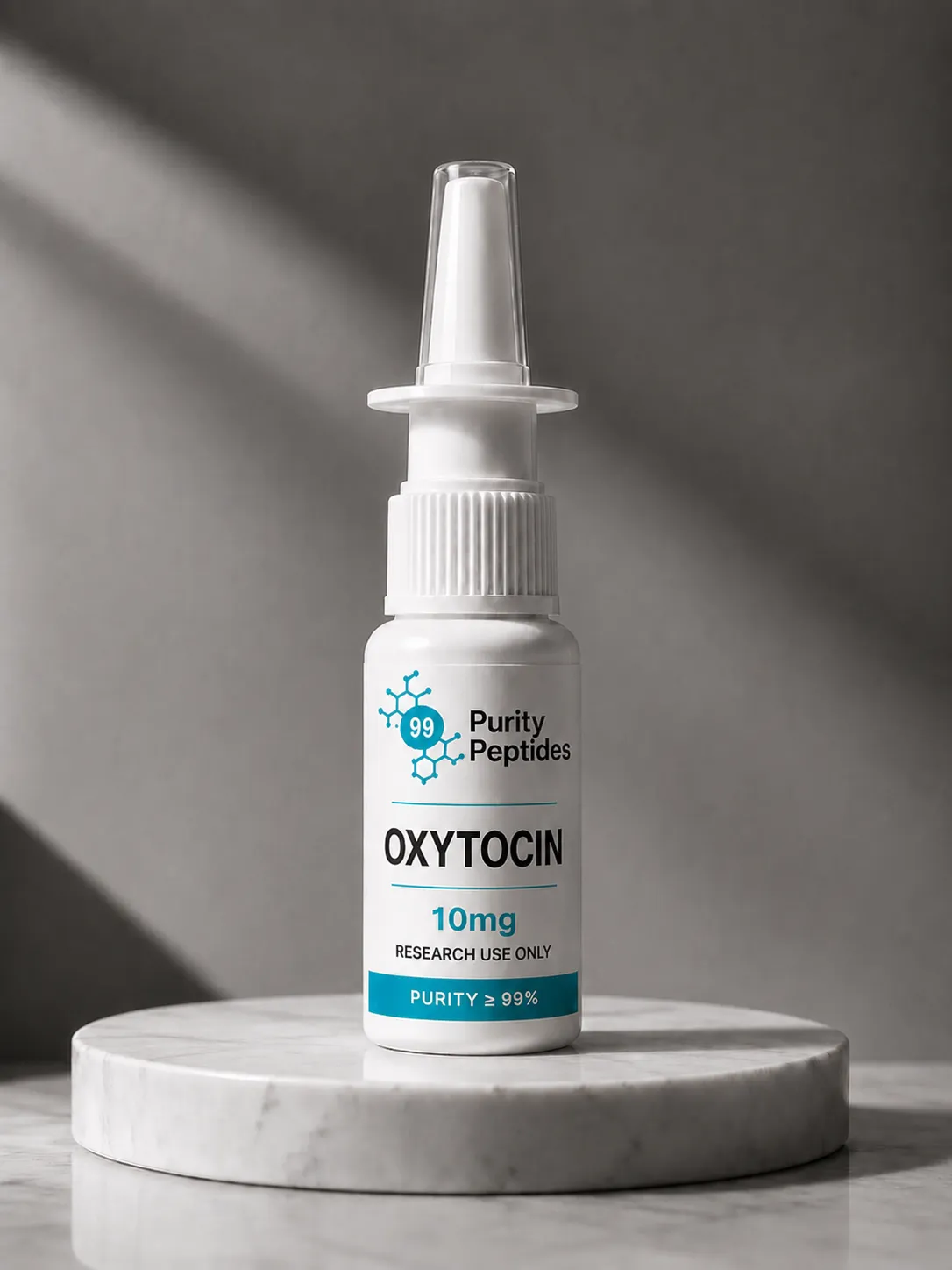
Oxytocin Spray 10mg is a research-grade intranasal peptide formulation developed for laboratory investigations involving oxytocin receptor signaling, neuropeptide biology, intracellular communication, and peptide pharmacology. This standardized spray formulation allows researchers to investigate intranasal peptide delivery, receptor biology, and molecular signaling while maintaining rigorous analytical quality standards for Research Use Only applications.

In stockFree standard shipping on orders over $300
1
Guaranteed Safe Checkout
Pay
Pay
PayPal
Zelle
VISA
AMEX
mastercard
+ more
Fast Shipping
99% Purity
3rd Party Tested
Guaranteed
99.9
Compound Profile

The
Science.

≥99%

HPLC certified

Verified Purity

3rd Party

Independent analysis

Lab Tested

Research

Highest standard

Grade Quality

COA

Full traceability

Documented
Oxytocin Spray
Product Profile

Overview

Oxytocin Spray 10mg is an investigational intranasal peptide formulation containing the naturally occurring cyclic nonapeptide oxytocin, one of the most extensively studied neuropeptides in endocrine and neuroscience research. Scientific investigations commonly examine oxytocin for its interactions with the oxytocin receptor (OXTR), G protein-coupled receptor (GPCR) signaling, intracellular calcium regulation, neuroendocrine communication, and peptide-mediated molecular pathways. The intranasal spray format enables researchers to investigate formulation performance, peptide stability, analytical reproducibility, and delivery system characteristics within controlled laboratory environments. Current research frequently associates oxytocin investigations with vasopressin, oxytocin receptor biology, social neurobiology, GPCR signaling, intracellular kinase pathways, calcium-dependent signaling, and neuroendocrine regulation. Researchers also compare oxytocin with investigational neuropeptides including Semax, Selank, Kisspeptin, and VIP to better understand receptor specificity, peptide pharmacology, molecular signaling, and formulation characteristics. Manufactured according to stringent research-grade standards and supported by comprehensive analytical verification, Oxytocin Spray 10mg provides dependable investigational material for neuroscience, peptide chemistry, molecular biology, and laboratory research.

Oxytocin Spray 10mg is a research-grade intranasal peptide formulation developed to support laboratory investigations involving oxytocin receptor biology, neuropeptide signaling, endocrine communication, molecular pharmacology, peptide chemistry, and neuroscience research. Oxytocin is a naturally occurring cyclic nonapeptide synthesized within the hypothalamus and studied extensively because of its role as a signaling molecule throughout neuroendocrine systems. The standardized intranasal spray formulation enables researchers to investigate peptide formulation science, receptor interactions, analytical performance, and delivery characteristics within controlled laboratory environments. Scientific interest in oxytocin primarily centers on its interaction with the oxytocin receptor (OXTR), a G protein-coupled receptor (GPCR) expressed in multiple experimental tissue models. Researchers investigate receptor activation, ligand binding, intracellular calcium mobilization, phospholipase C (PLC) activation, protein kinase signaling, and downstream transcriptional regulation to better understand peptide-mediated cellular communication. These investigations contribute to expanding knowledge of GPCR biology and peptide signaling while remaining firmly within Research Use Only laboratory applications. Another major area of oxytocin research involves neuroendocrine communication. Laboratory investigations evaluate how oxytocin participates in complex signaling networks involving hypothalamic regulation, peptide-mediated cellular responses, intracellular messenger systems, calcium-dependent signaling, kinase activation, and coordinated molecular communication. These studies continue expanding scientific understanding of endocrine peptide biology without implying clinical applications. Researchers also investigate oxytocin alongside arginine vasopressin (AVP) because both peptides possess closely related molecular structures and share similarities within neuroendocrine signaling systems. Comparative investigations evaluate receptor selectivity, ligand specificity, intracellular signaling behavior, molecular stability, peptide-receptor interactions, and formulation characteristics to better understand differences between these evolutionarily related neuropeptides. The intranasal spray formulation provides additional scientific value by allowing laboratories to investigate formulation stability, spray consistency, peptide integrity, physicochemical characteristics, analytical reproducibility, and delivery system performance. Comparative laboratory investigations frequently evaluate intranasal formulations alongside lyophilized peptide preparations to study formulation behavior, analytical properties, stability profiles, and laboratory handling procedures while maintaining standardized investigational conditions. Oxytocin Spray is commonly investigated alongside Kisspeptin, VIP, Semax, Selank, vasopressin-related peptides, and additional neuroendocrine research compounds. Comparative laboratory studies examine receptor interactions, intracellular signaling pathways, peptide stability, analytical chemistry, formulation science, and molecular pharmacology to better understand similarities and distinctions among neuroactive peptide systems. The 10mg formulation is particularly valuable for laboratories conducting receptor biology investigations, GPCR signaling studies, formulation comparison research, peptide characterization, biomarker discovery, molecular pharmacology investigations, analytical validation, neuroscience experiments, and peptide formulation development requiring standardized intranasal investigational materials. Beyond neuroscience investigations, Oxytocin Spray serves as an important analytical reference material within peptide chemistry, molecular biology, analytical chemistry, pharmaceutical analysis, proteomics, biochemistry, formulation science, drug delivery research, endocrinology research, and systems biology. The extensive scientific literature surrounding oxytocin provides researchers with a well-characterized peptide for analytical method development, formulation comparison studies, receptor biology investigations, and laboratory quality assurance. Each batch of Oxytocin Spray 10mg is manufactured according to stringent research-grade production standards and undergoes comprehensive analytical verification before release. Quality assurance procedures include peptide identity confirmation, analytical purity verification, formulation consistency evaluation, packaging inspection, microbial quality testing where appropriate, and batch-specific quality control documentation. These procedures support reproducibility, consistency, and confidence across independent laboratory investigations. To preserve formulation quality, Oxytocin Spray should be stored according to accepted laboratory recommendations for peptide formulations. Appropriate storage conditions, controlled laboratory handling, and adherence to institutional protocols help maintain formulation integrity before analytical evaluation and experimental use. Although oxytocin remains one of the most extensively investigated neuroendocrine peptides, research involving oxytocin receptor biology, GPCR signaling, calcium-mediated intracellular communication, neuroendocrine regulation, and intranasal peptide formulation science continues to evolve. Accordingly, Oxytocin Spray 10mg should be regarded exclusively as an investigational laboratory material intended to support scientific discovery and analytical research. Oxytocin Spray 10mg is supplied exclusively for laboratory research and analytical applications. This product is intended for Research Use Only (RUO) and is not approved for human consumption, therapeutic use, veterinary applications, cosmetic use, or diagnostic purposes.
Research DisclaimerAll products across every category are for research use only and not for human or veterinary use, diagnosis or treatment.
Continue Exploring

Also Considered.

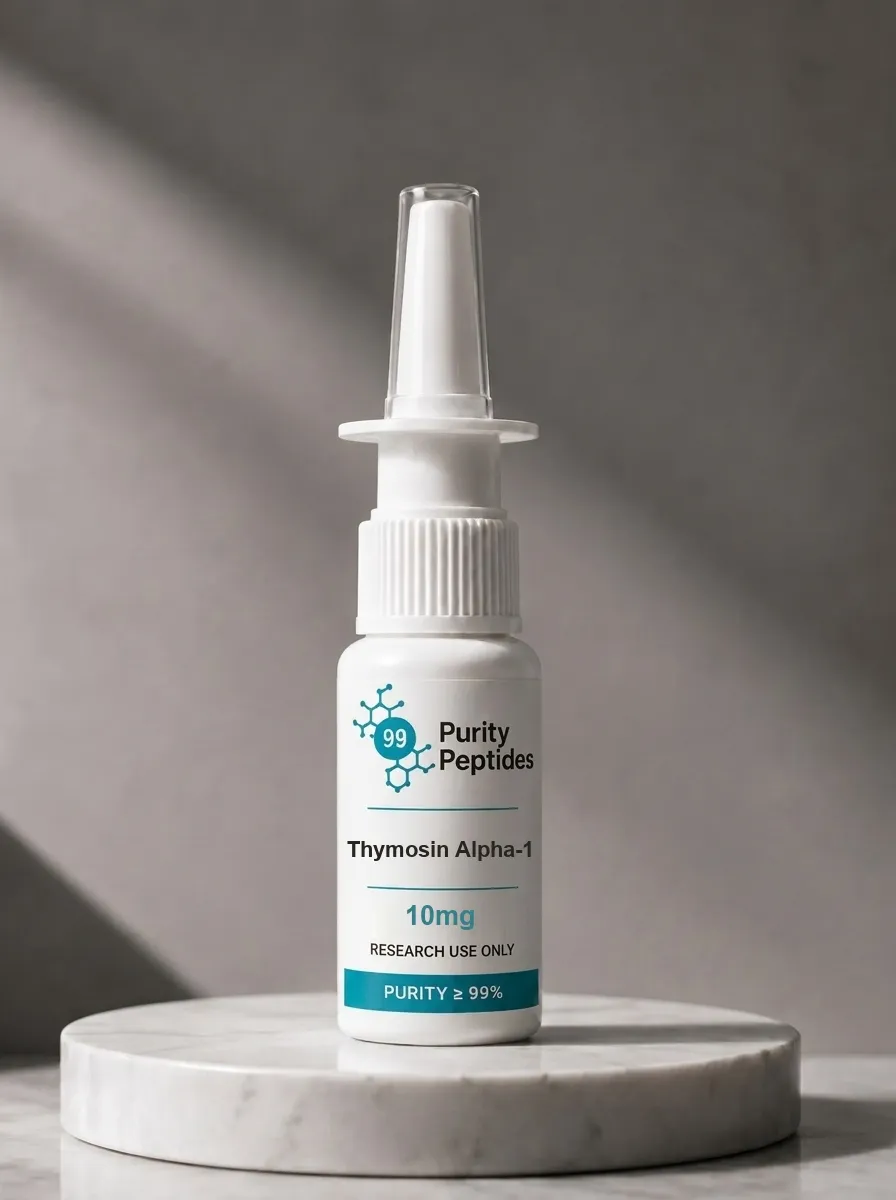
Thymosin Alpha-1 Spray

RESEARCH PEPTIDE

Explore Thymosin Alpha-1 Spray, a synthetic 28-amino-acid peptide solution studied for TLR4/TLR9 activation and mucosal transport. HPLC-tested. RUO.

Thymosin Alpha-1 Spray
10mg
$84.99

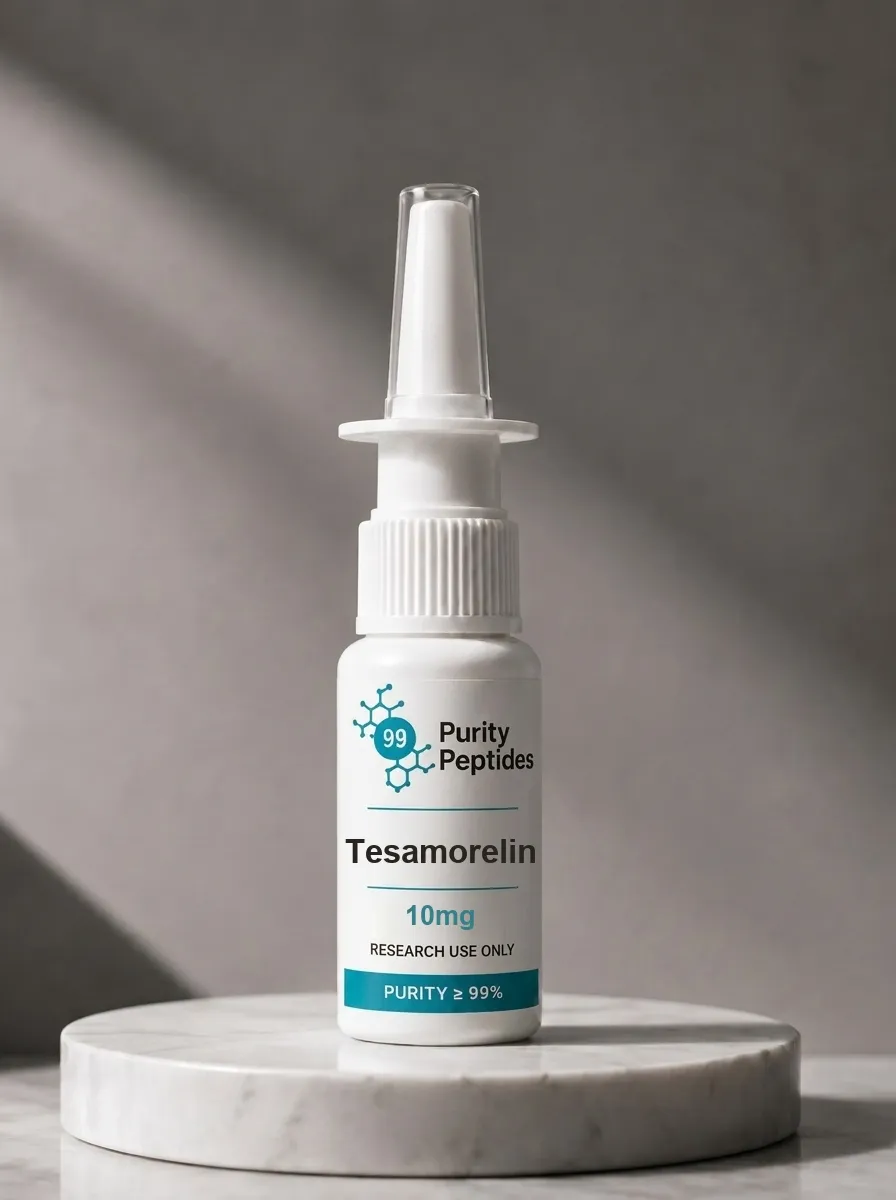
Tesamorelin Spray

RESEARCH PEPTIDE

Explore Tesamorelin Spray, a synthetic hexenoylated GHRH agonist peptide solution studied for growth hormone release and mucosal transport. RUO.

Tesamorelin Spray
10mg
$94.99

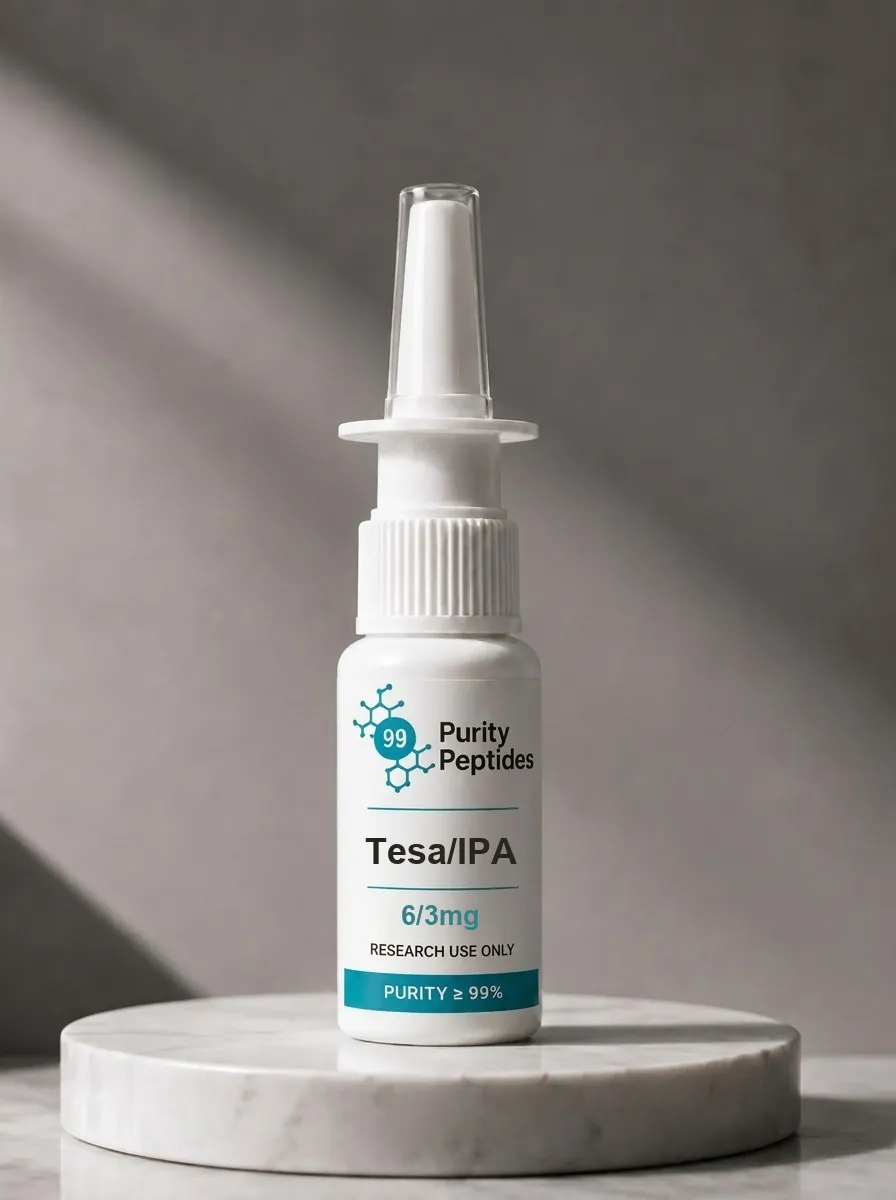
Tesamorelin + Ipamorelin Spray

RESEARCH PEPTIDE

Explore Tesa/IPA 6/3mg Spray, a compounded dual-peptide GHRH/GHSR agonist solution studied for synergistic growth hormone release and mucosal transport. RUO.

Tesamorelin + Ipamorelin Spray
6mg/3mg
$104.99

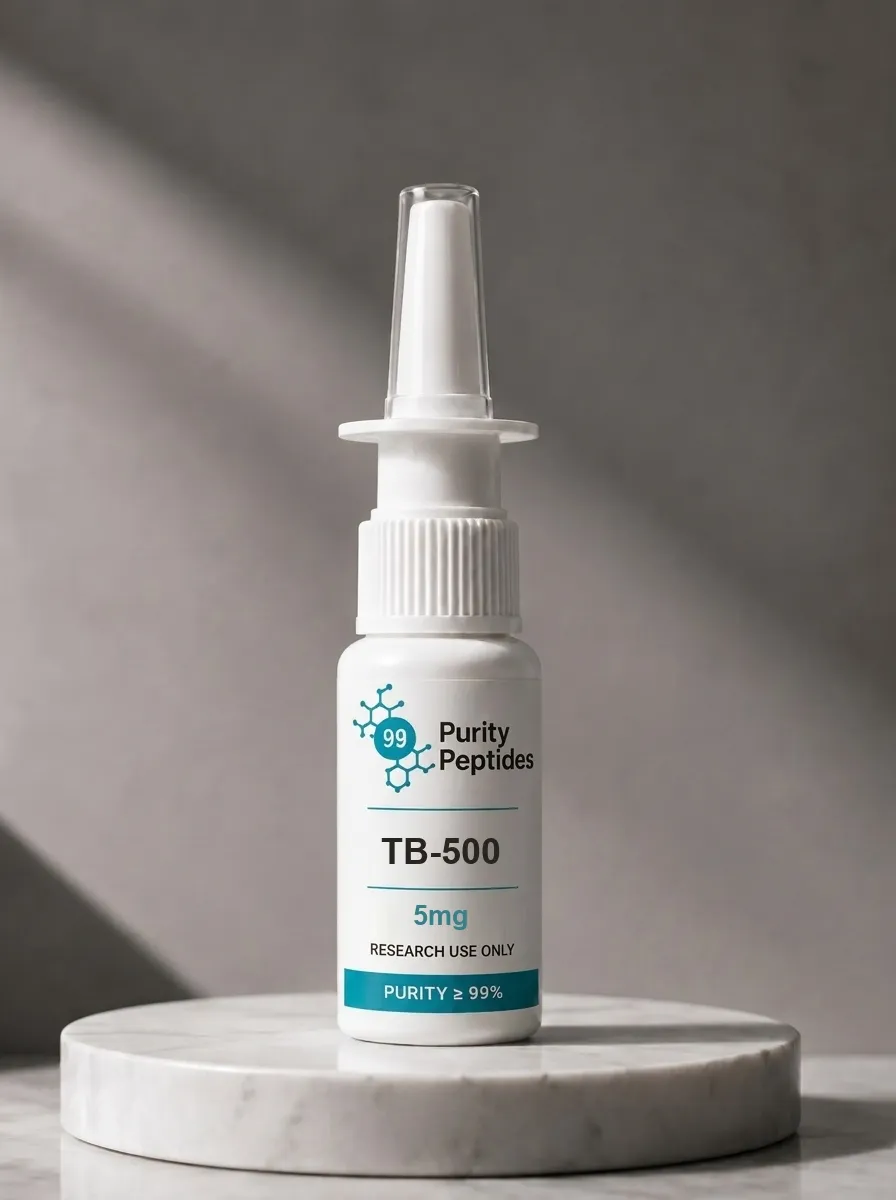
TB-500 Spray

RESEARCH PEPTIDE

Explore TB-500 Spray, a synthetic Thymosin Beta-4 analog peptide solution studied for tissue repair and mucosal transport. HPLC-tested. RUO.

TB-500 Spray
5mg
$69.99
Customer Reviews
0.0
0 Reviews
5
0
4
0
3
0
2
0
1
0
0 Reviews

No Reviews Yet

Be the first to share your experience with this product and help other researchers!

Education & Research

Further Reading.

Oxytocin Research Peptide: Purity, COA & Technical Specs Guide
Product Guides
Jul 24, 20265 min read

Oxytocin Research Peptide: Purity, COA & Technical Specs Guide

Oxytocin research peptide explained: CAS number, molecular weight, HPLC/COA verification, storage, and supplier checklist for U.S. research labs.

GHK-Cu Nasal Spray: What Does the Research Actually Show?
Product Guides
Oct 17, 20265 min read

GHK-Cu Nasal Spray: What Does the Research Actually Show?

GHK-Cu nasal spray research reviewed: three mouse studies from one lab, no human data, and what is still unknown about absorption and tolerability.

MOTS-c vs SS-31: Two Mitochondrial Peptides, Two Different Mechanisms
Product Guides
Oct 17, 20265 min read

MOTS-c vs SS-31: Two Mitochondrial Peptides, Two Different Mechanisms

MOTS-c vs SS-31 compared on identity, mechanism, animal data and human trial evidence — including why no direct comparison exists.

READ

(faqs)

Frequently Asked

01

What is Oxytocin Spray 10mg?

Oxytocin Spray 10mg is a research-grade intranasal peptide formulation containing the naturally occurring peptide oxytocin for laboratory investigations involving oxytocin receptor biology, GPCR signaling, and neuroendocrine communication.
02

Which biological pathways are commonly investigated with oxytocin?

Researchers commonly investigate oxytocin receptor (OXTR) signaling, GPCR-mediated pathways, intracellular calcium signaling, phospholipase C activation, kinase signaling, neuroendocrine communication, and peptide-receptor interactions.
03

Why is the intranasal spray formulation studied?

The spray formulation allows laboratories to investigate formulation stability, spray consistency, peptide integrity, analytical reproducibility, physicochemical characteristics, and intranasal peptide delivery systems under standardized laboratory conditions.
04

What receptor is primarily associated with oxytocin research?

Oxytocin research primarily focuses on the oxytocin receptor (OXTR), a G protein-coupled receptor that regulates numerous intracellular signaling pathways investigated in molecular biology and neuroscience.
05

Why is oxytocin widely investigated in laboratory research?

Researchers investigate oxytocin because of its well-characterized molecular structure, established receptor biology, extensive scientific literature, and importance as a model peptide for studying GPCR signaling and neuroendocrine communication.
06

Which scientific disciplines commonly investigate oxytocin?

Oxytocin is widely investigated in neuroscience, endocrinology, peptide chemistry, molecular biology, analytical chemistry, pharmaceutical analysis, proteomics, biotechnology, formulation science, and systems biology.
07

What analytical testing is performed before release?

Each manufacturing batch undergoes peptide identity verification, analytical purity testing, formulation consistency evaluation, packaging inspection, microbial quality assessment where appropriate, and comprehensive batch-specific quality assurance procedures.
08

How should Oxytocin Spray be stored?

Oxytocin Spray should be stored according to accepted laboratory recommendations for peptide formulations to help preserve formulation integrity, peptide stability, and analytical performance before investigational use.
09

Which peptides are commonly compared with oxytocin?

Researchers frequently compare oxytocin with arginine vasopressin (AVP), Kisspeptin, VIP, Semax, Selank, and other neuroendocrine investigational peptides to evaluate receptor specificity, signaling pathways, formulation behavior, and molecular pharmacology.
10

What laboratory investigations commonly utilize Oxytocin Spray?

Researchers utilize Oxytocin Spray in receptor biology studies, GPCR signaling investigations, peptide characterization, formulation development, analytical chemistry, molecular pharmacology, neuroscience research, endocrinology studies, assay development, and biomarker discovery.
11

Is Oxytocin Spray approved for therapeutic or diagnostic use?

No. Oxytocin Spray 10mg supplied by 99 Purity Peptides is intended strictly for Research Use Only (RUO) and is not approved for human consumption, therapeutic use, diagnostic procedures, or veterinary applications.
12

How is research-grade consistency maintained?

Research-grade consistency is maintained through standardized manufacturing procedures, peptide identity verification, analytical purity testing, formulation consistency evaluation, batch-specific quality control, and comprehensive analytical documentation.
13

What distinguishes the 10mg spray formulation?

The 10mg spray formulation provides a standardized intranasal investigational format for laboratories studying receptor biology, GPCR signaling, peptide formulation science, analytical performance, and peptide stability while maintaining consistent research-grade manufacturing standards.
14

How does oxytocin differ from vasopressin in laboratory research?

Although oxytocin and vasopressin are structurally related cyclic nonapeptides, researchers compare them because they interact with different receptor populations, exhibit distinct signaling characteristics, and serve different experimental purposes in neuroendocrine and molecular biology research.
15

Why does oxytocin continue to receive scientific attention?

Its well-characterized peptide structure, extensive published literature, central role in oxytocin receptor biology, GPCR signaling, calcium-dependent intracellular communication, and neuroendocrine research continue to make oxytocin one of the most extensively investigated endogenous peptides available for laboratory research.