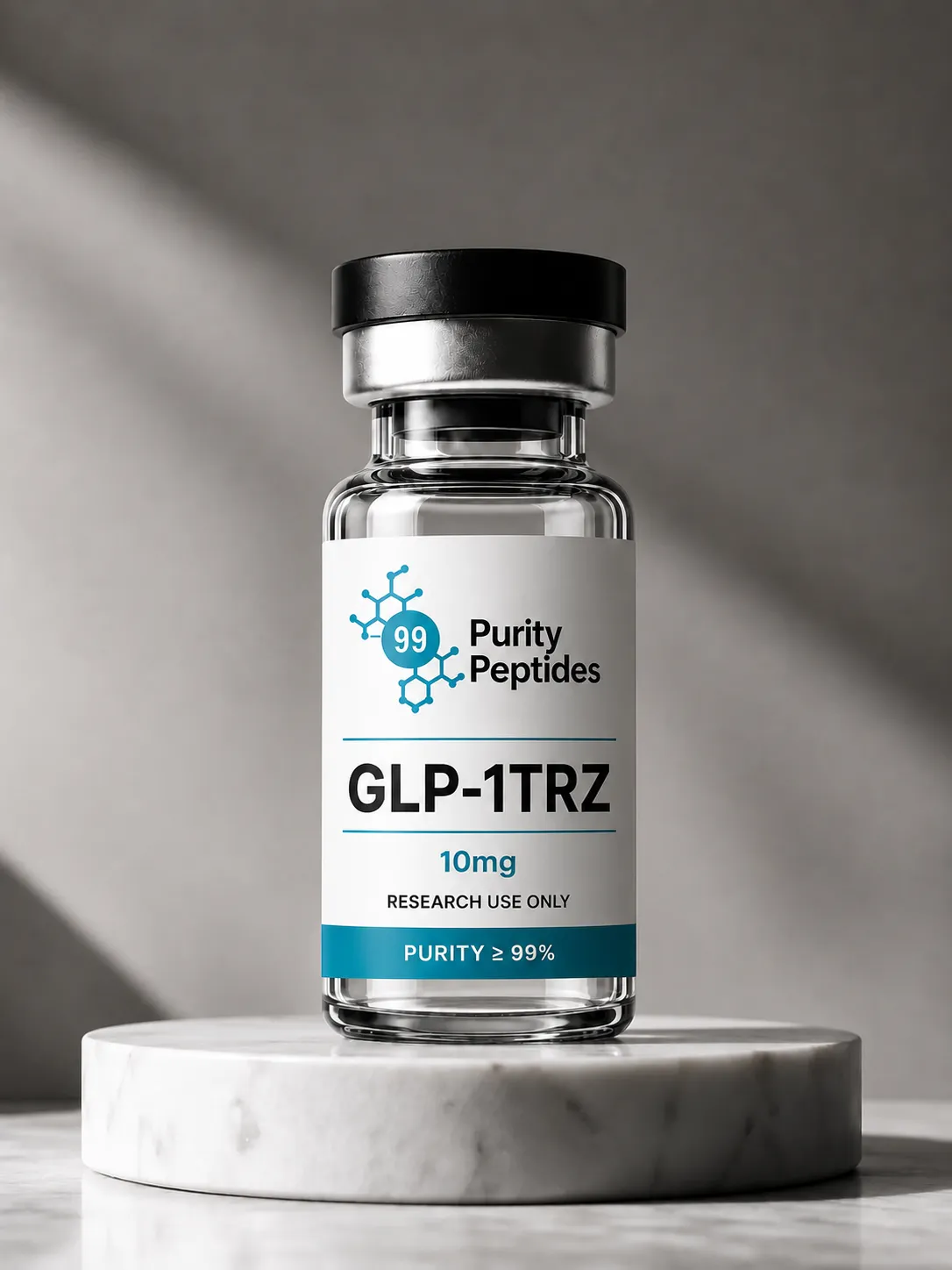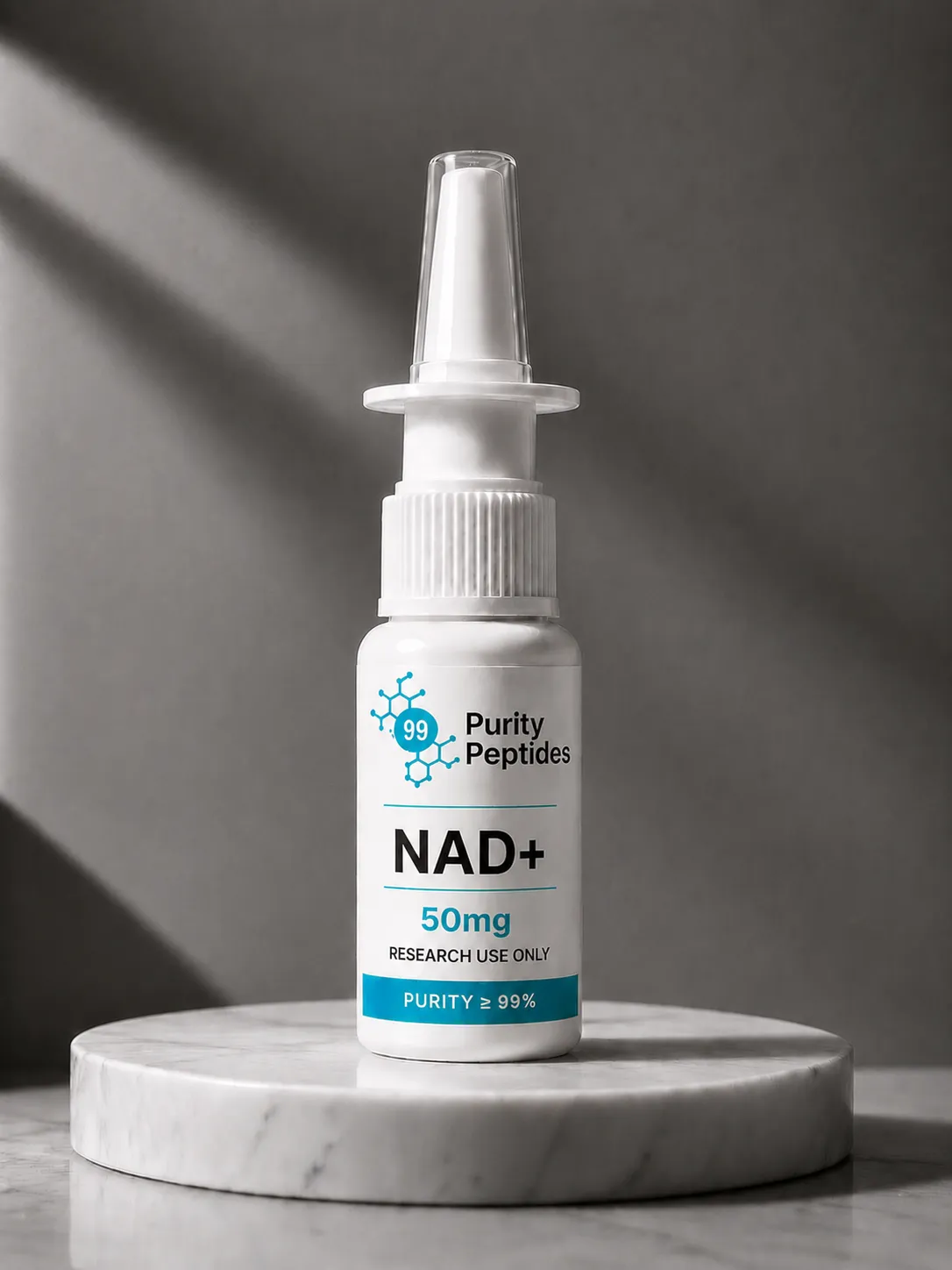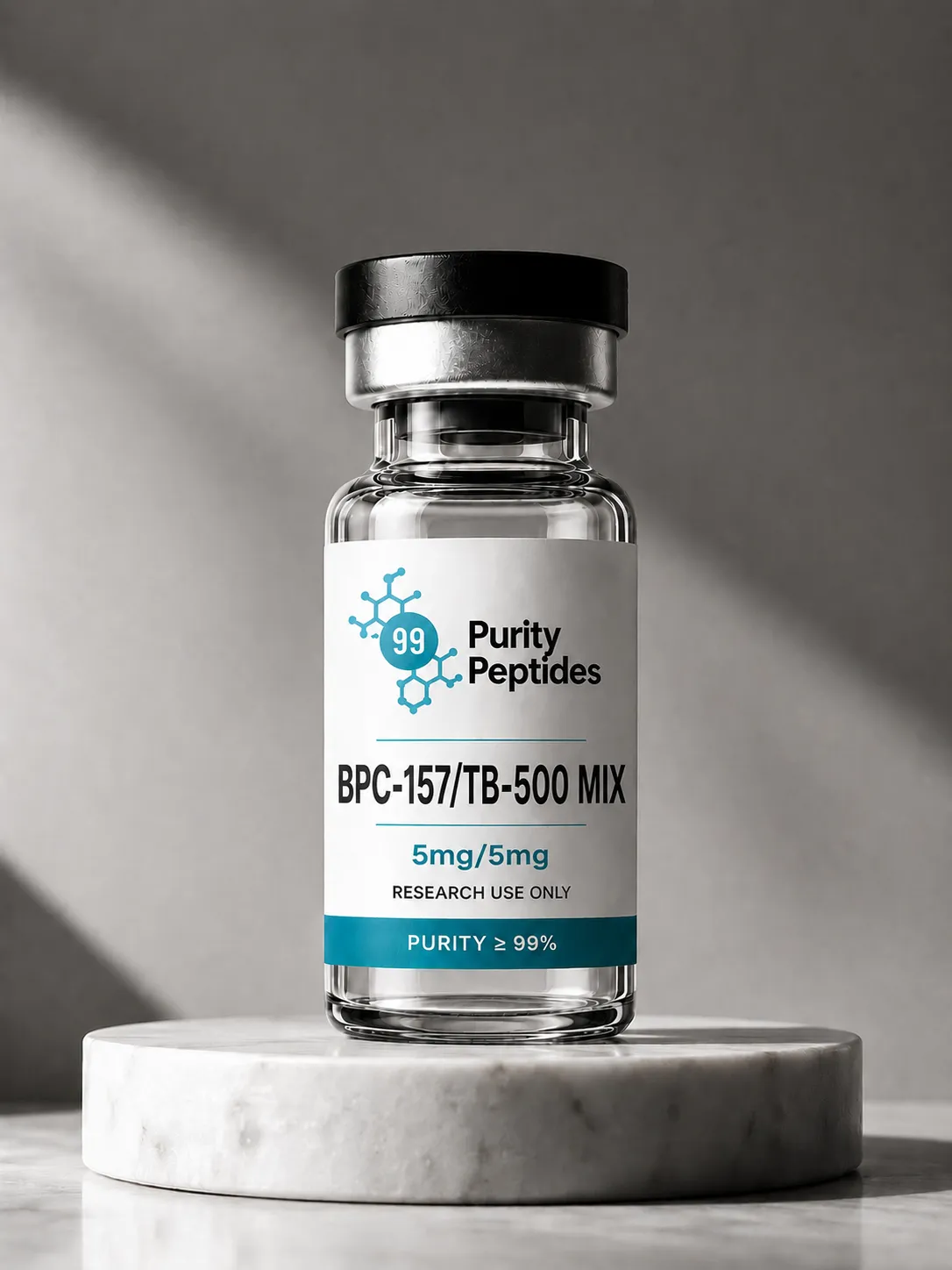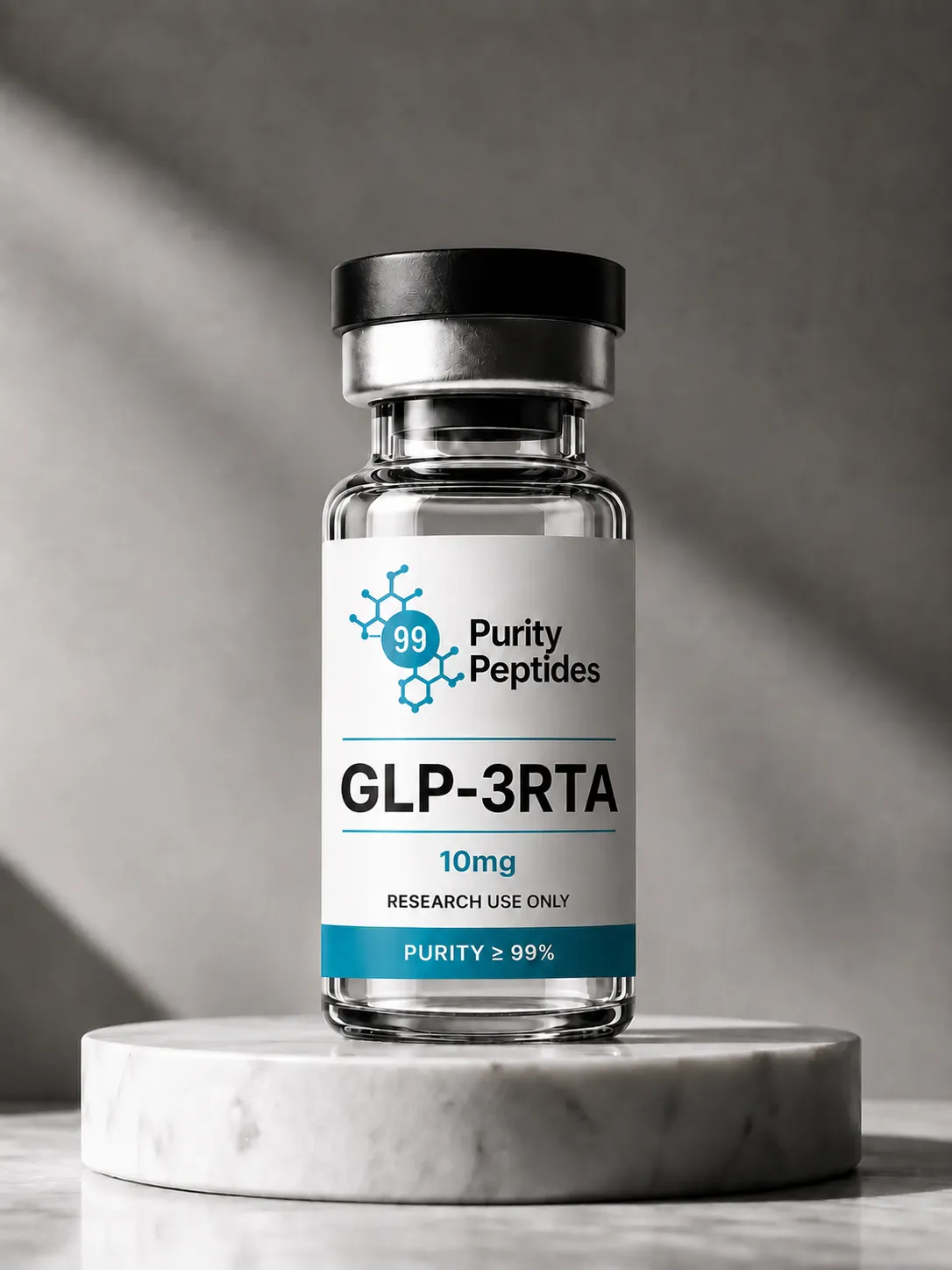

What "Research-Use-Only" Peptides Actually Means
Research-use-only (RUO) is a regulatory classification, not a marketing phrase. Peptides sold under RUO terms are intended strictly for laboratory and in-vitro research by qualified personnel, not for human consumption. Reputable suppliers state this classification clearly, on every product listing and in every piece of marketing material, and 99 Purity Peptides maintains that positioning across its site rather than blurring the line with vague wellness language.
Understanding this distinction matters because it shapes everything else in this guide. A supplier's credibility isn't built on outcome claims — RUO suppliers shouldn't be making any — it's built on documentation: what's in the product, how it was tested, and how consistently that quality holds from batch to batch.
The Purity Question: Why Third-Party Testing Matters
"99% purity" is only a meaningful claim if it's independently verified. Third-party testing means a laboratory with no financial stake in the sale confirms a peptide's identity and purity using validated analytical methods. This is the single biggest differentiator between suppliers researchers can rely on and suppliers that simply print a number on a label.
How HPLC Testing Works
High-Performance Liquid Chromatography (HPLC) separates the compounds in a sample so a lab can measure how much of it is the intended peptide versus impurities, degradation products, or synthesis byproducts. It's the analytical backbone of purity verification in the peptide industry and the method most commonly referenced on a Certificate of Analysis.
Mass spectrometry is frequently used alongside HPLC to confirm molecular identity — essentially verifying that the peptide is the compound it claims to be, not just that it's pure. Suppliers that reference both methods, rather than one vague "lab tested" label, are giving researchers more to actually verify.
What a Certificate of Analysis Should Include
A Certificate of Analysis (COA) is the document form of a purity claim. At minimum, a usable COA should show the batch or lot number, the testing method used, the measured purity percentage, the testing date, and the name of the testing laboratory. 99 Purity Peptides ties COAs to specific batches rather than publishing a single generic certificate for an entire product line — a distinction that matters because purity can vary batch to batch even under a consistent manufacturing process.
Key Takeaway
|
Is 99 Purity Peptides Legit? Evaluating the Trust Signals
"Is 99 Purity Peptides legit" is one of the most common questions researchers ask before ordering from a new supplier, and it's a fair one — the RUO peptide space has no shortage of vendors making unverifiable claims. The way to answer that question isn't to take a marketing page at its word; it's to check the same handful of trust signals you'd apply to any supplier.
US-Based Operations and Manufacturing Transparency
A domestic operating base makes a supplier easier to vet: shipping timelines are more predictable, customer service operates in familiar business hours, and there's a physical point of accountability rather than an opaque overseas fulfillment chain. 99 Purity Peptides positions its operations as US-based, which is a factor worth independently confirming through the company's About page and contact details before ordering.
Batch-by-Batch Testing Documentation
Consistency is the real test of a quality program. A single strong COA proves a product was pure once. A pattern of batch-specific COAs, available on request or published directly, proves a supplier has a repeatable process. When evaluating any vendor, ask whether they can produce a COA for the specific batch you'd be receiving — not just a representative sample from a prior run.
How 99 Purity Peptides Compares to Other Research Peptide Suppliers
Comparison is where trust claims either hold up or fall apart. The table below outlines the criteria researchers most often use to evaluate a research peptide supplier, framed around documentation and service rather than price alone.
Evaluation Criteria | What to Look For | Why It Matters |
|---|---|---|
Purity documentation | Batch-specific COA with test method listed | Confirms the specific unit you receive was tested |
Testing methodology | HPLC and/or mass spectrometry referenced | Validated methods are harder to fake or approximate |
Testing party | Independent, named third-party lab | Removes conflict of interest from the purity claim |
Operating location | Clearly stated, verifiable business address | Supports accountability and predictable logistics |
RUO labeling | Consistent research-use-only language sitewide | Signals regulatory awareness, not just marketing caution |
Order support | Responsive contact channel, clear policies | Indicates a supplier that expects to be held accountable |
This framework applies whether you're evaluating 99 Purity Peptides or any other vendor on your shortlist. Suppliers that can check every box with documentation — not just marketing copy — are the ones worth prioritizing.
Shipping, Support, and the Order Experience
Purity gets the most attention, but service quality is what researchers actually experience order to order. Shipping speed, tracking visibility, and how a supplier handles questions or issues are practical trust signals in their own right.
Shipping and Tracking
99 Purity Peptides ships domestically within the USA with order tracking provided on dispatch. Before ordering from any supplier, confirm stated processing times, whether tracking is automatic or provided on request, and what packaging practices are used — these details are usually listed on a dedicated shipping or policy page.
Customer Support and Policies
Clear return, refund, and contact policies are easy to overlook until something goes wrong. A supplier that publishes these policies plainly — rather than requiring an email exchange to find out — is signaling that it expects its own claims to be tested.
What Researchers and Reviewers Look For
When researchers search for "99 Purity Peptides reviews" or check platforms like Trustpilot and Reddit, they're generally looking for the same handful of signals: did the COA match the product received, did shipping happen on the stated timeline, and did support respond when contacted. Genuine reviews should be read for these specifics rather than general sentiment, and any supplier confident in its process will point researchers toward its documentation rather than away from it.
A Checklist: How to Evaluate Any Research Peptide Supplier
Use this checklist before ordering from any RUO peptide vendor, including 99 Purity Peptides:
- Batch-specific COA available for the exact product you're ordering
- Named third-party testing lab, not an in-house-only claim
- HPLC and/or mass spectrometry method disclosed
- Clear, consistent research-use-only labeling across the site
- Verifiable US-based business address and contact information
- Published shipping, return, and refund policies
- Responsive customer support with a real contact channel
- Independent reviews that reference specific order details
Common Mistakes When Choosing a Peptide Supplier
- Accepting a purity percentage without asking for the matching COA
- Treating a single generic certificate as proof for every batch
- Ignoring the supplier's operating location and contact transparency
- Prioritizing price over documented testing methodology
- Skipping the shipping and returns policy before ordering
- Reading review star ratings without checking for specific, verifiable details
Key Takeaways
Summary
|
Frequently Asked Questions
Why do researchers choose 99 Purity Peptides?
Researchers choose 99 Purity Peptides primarily for its batch-specific Certificates of Analysis, third-party purity testing, and US-based operations, which make purity claims independently verifiable rather than self-reported.
Is 99 Purity Peptides legit?
Legitimacy is best assessed through verifiable trust signals: named third-party testing labs, batch-specific COAs, consistent research-use-only labeling, and a verifiable US business address — all of which researchers should confirm directly before ordering.
Does 99 Purity Peptides provide third-party lab testing?
99 Purity Peptides states that its products undergo third-party purity testing, with documentation provided through batch-specific Certificates of Analysis.
What testing methods are used to verify purity?
High-Performance Liquid Chromatography (HPLC) is the primary method used to measure purity, often supported by mass spectrometry to confirm compound identity.
How can I verify a Certificate of Analysis?
Check that the COA lists a specific batch or lot number matching your order, names an independent testing laboratory, states the test method used, and includes a recent testing date.
Is 99 Purity Peptides based in the United States?
99 Purity Peptides operates on a US-based model, which supports more predictable shipping timelines and easier accountability compared with overseas-only suppliers.
Does 99 Purity Peptides test every batch?
The company's stated approach ties Certificates of Analysis to specific batches rather than a single generic certificate, so researchers should request or review the COA matching their specific order.
How fast does 99 Purity Peptides ship orders?
Shipping timelines and tracking details are published on the company's dedicated shipping policy page and should be reviewed prior to ordering for current processing times.
What is 99 Purity Peptides' return and refund policy?
Return and refund terms are outlined on the company's policy page; researchers should review these terms before purchase, as they vary by product and order status.
How does 99 Purity Peptides compare to other peptide suppliers?
The strongest points of comparison are documentation depth (batch-specific vs. generic COAs), testing methodology transparency, US-based operations, and responsiveness of customer support.
Are 99 Purity Peptides products research-use-only?
Yes. Products are classified and labeled for research use only, consistent with standard RUO industry positioning, and are not intended for human consumption.
What should I check before trusting any research peptide supplier?
Confirm batch-specific COA availability, an independently named testing lab, disclosed testing methodology, verifiable business location, and published shipping and return policies.
Can I request a COA for a specific batch?
Reputable suppliers, including 99 Purity Peptides, generally make batch-specific COAs available on request or published directly alongside the product listing.
What do customer reviews say about 99 Purity Peptides?
Reviews across platforms most commonly reference COA accuracy, shipping timelines, and support responsiveness — the same criteria recommended in this guide for evaluating any supplier.
What are red flags to avoid when choosing a peptide supplier?
Watch for vague purity claims without a matching COA, no named testing lab, inconsistent RUO labeling, unclear business location, and an absence of published shipping or return policies.