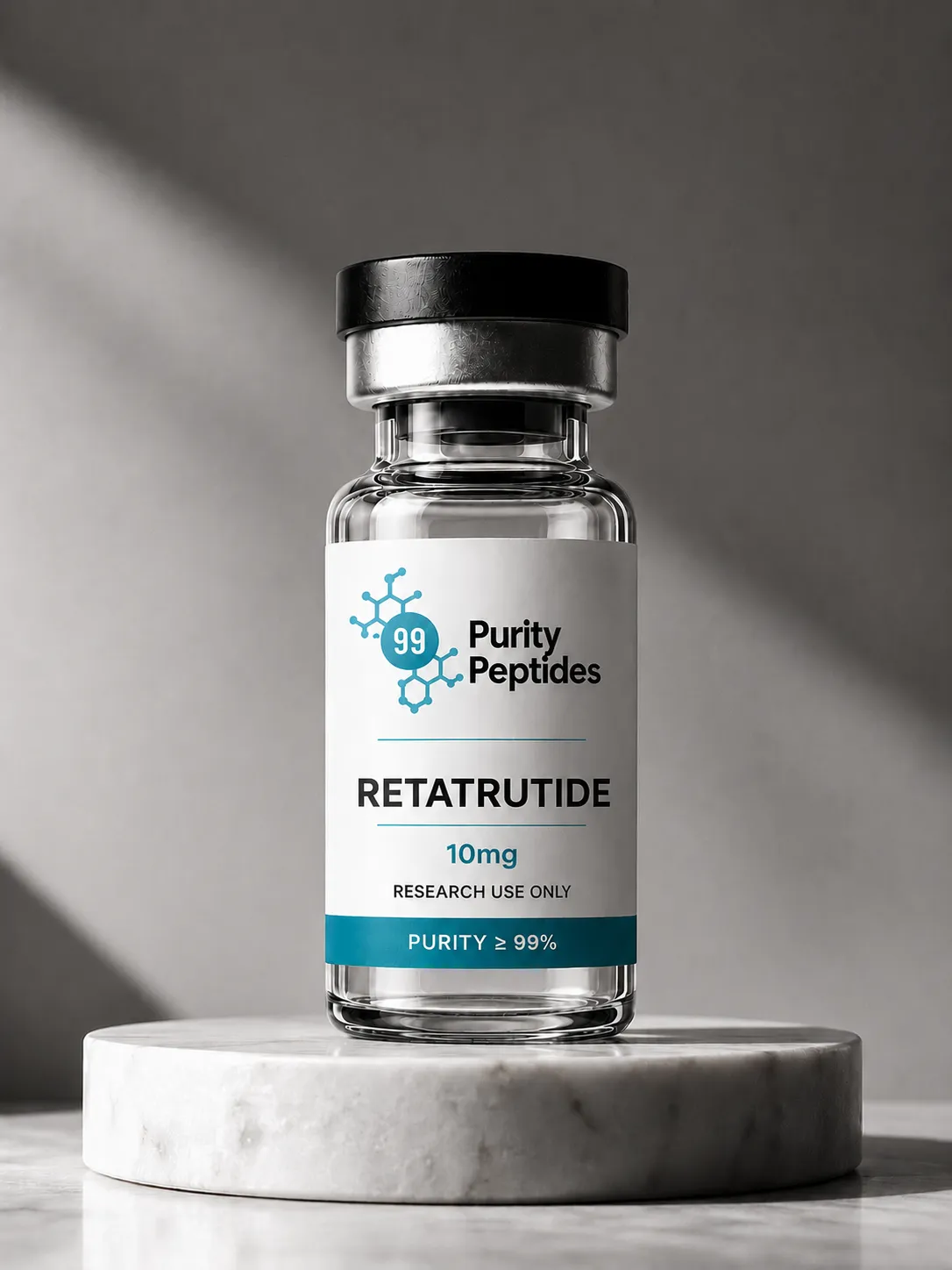
Tirzepatide is a groundbreaking medication that represents a significant advancement in weight management and metabolic health treatment. It functions as a dual GIP and GLP-1 receptor agonist, meaning it activates two different receptors in the body to create multiple therapeutic effects. Originally developed for type 2 diabetes management, Tirzepatide has demonstrated remarkable efficacy for significant weight loss and metabolic improvement in recent clinical trials.
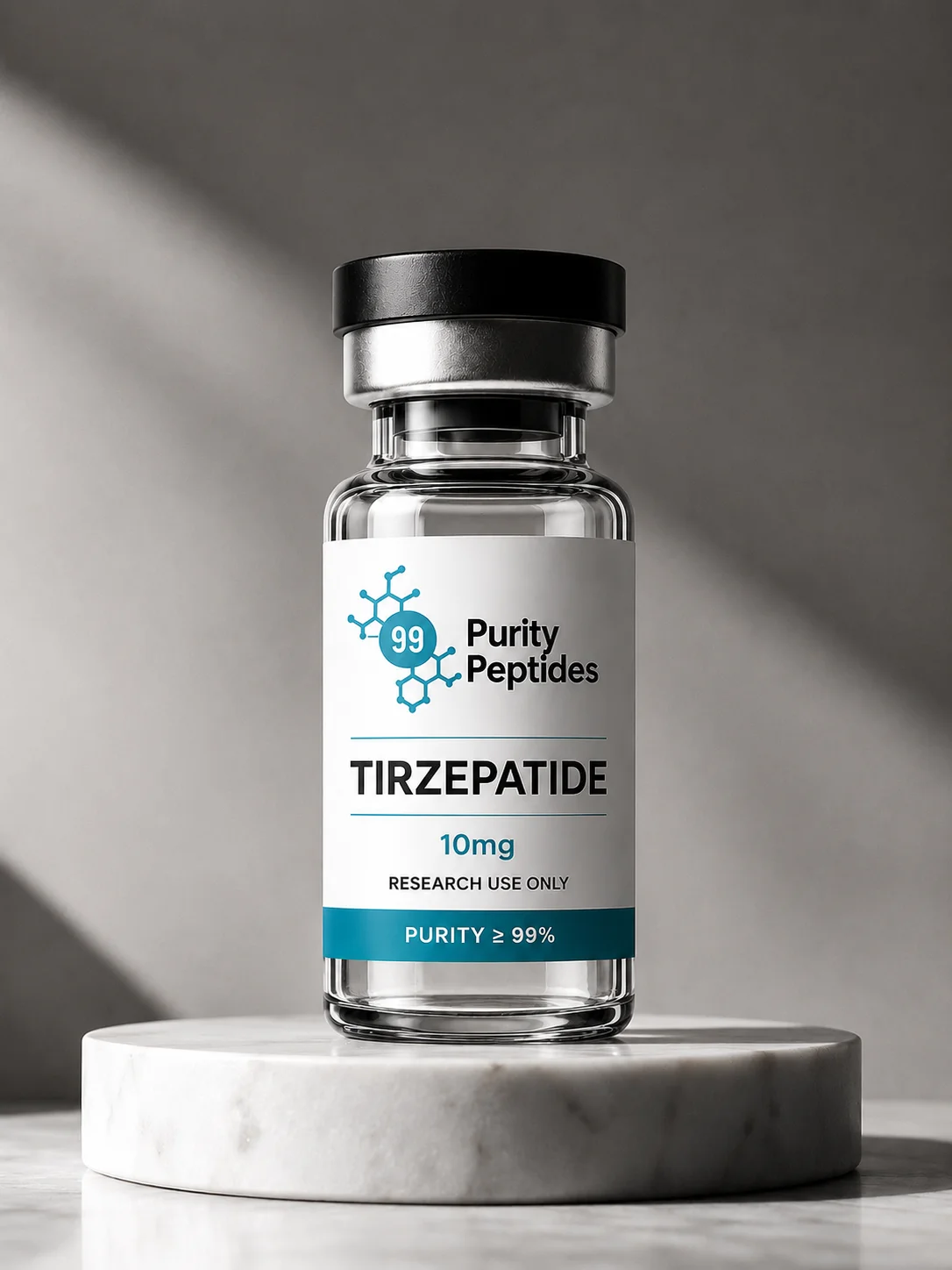
The medication works by mimicking two hormones naturally produced in your body: glucagon-like peptide-1 (GLP-1) and glucose-dependent insulinotropic polypeptide (GIP). This dual action mechanism makes Tirzepatide uniquely effective compared to single-receptor agonists currently available on the market.
How Does Tirzepatide Work? Understanding the Mechanism
The Dual Receptor Action Explained
Tirzepatide's effectiveness lies in its dual receptor activation:
GLP-1 Receptor Activation: The GLP-1 receptor pathway triggers appetite suppression in the hypothalamus region of the brain. When Tirzepatide activates these receptors, it sends satiety signals that make you feel full with smaller food portions. This reduced appetite is one of the primary mechanisms through which Tirzepatide facilitates weight loss.
GIP Receptor Activation: GIP receptors, when activated by Tirzepatide, enhance insulin secretion in response to nutrient intake and improve insulin sensitivity at the tissue level. This improved glucose metabolism helps regulate blood sugar levels more effectively than GLP-1 alone.
Appetite Suppression and Reduced Food Cravings
One of Tirzepatide's most noticeable effects is the dramatic reduction in appetite and food cravings. Users report:
- Significantly reduced hunger signals throughout the day
- Decreased cravings for high-calorie foods
- Natural reduction in portion sizes without conscious effort
- Diminished desire to snack between meals
This appetite suppression is not simply psychological; it's a direct result of the medication's action on appetite-regulating brain centers.
Slowed Gastric Emptying
Tirzepatide slows the rate at which food moves from your stomach to your small intestine. This delayed gastric emptying creates several benefits:
- Extended feeling of fullness after eating
- Reduced blood sugar spikes after meals
- Better glucose stability throughout the day
- More stable energy levels
- Reduced urge to eat frequently
Blood Sugar Control and Insulin Sensitivity
Beyond weight loss, Tirzepatide improves metabolic function through:
- Enhanced insulin secretion when blood glucose rises
- Improved tissue insulin sensitivity
- Better glucose utilization by muscle and fat cells
- Reduced hepatic glucose production
- Overall improvement in HbA1c levels (average blood sugar over 3 months)
Tirzepatide Benefits: Transform Your Health Journey
Significant Weight Loss Results
Clinical trials have demonstrated impressive weight loss outcomes:
- Average weight reduction of 15-22% of body weight over 72 weeks
- Greater efficacy compared to traditional weight loss medications
- Sustained weight loss with continued use
- Reduction in obesity-related health risks
💡 TIP: Weight loss results with Tirzepatide typically become noticeable within 4-8 weeks of starting treatment, with progressive improvement over several months.
Improved Metabolic Health
Beyond weight loss, Tirzepatide provides comprehensive metabolic benefits:
- Enhanced insulin sensitivity
- Reduced inflammation markers
- Improved lipid profiles (cholesterol and triglycerides)
- Better cardiovascular health outcomes
- Reduced risk of metabolic syndrome
Type 2 Diabetes Management
For individuals with type 2 diabetes, Tirzepatide offers:
- Superior HbA1c reduction compared to other medications
- Reduced need for additional diabetes medications
- Lower hypoglycemia risk (low blood sugar episodes)
- Cardiovascular protection
- Potential disease remission in some cases
Enhanced Quality of Life
Users report quality-of-life improvements including:
- Increased energy and vitality
- Improved mobility and exercise capacity
- Better sleep quality
- Reduced joint stress from lower body weight
- Improved mental health and confidence
How to Use Tirzepatide: Dosing and Administration
Injection Administration
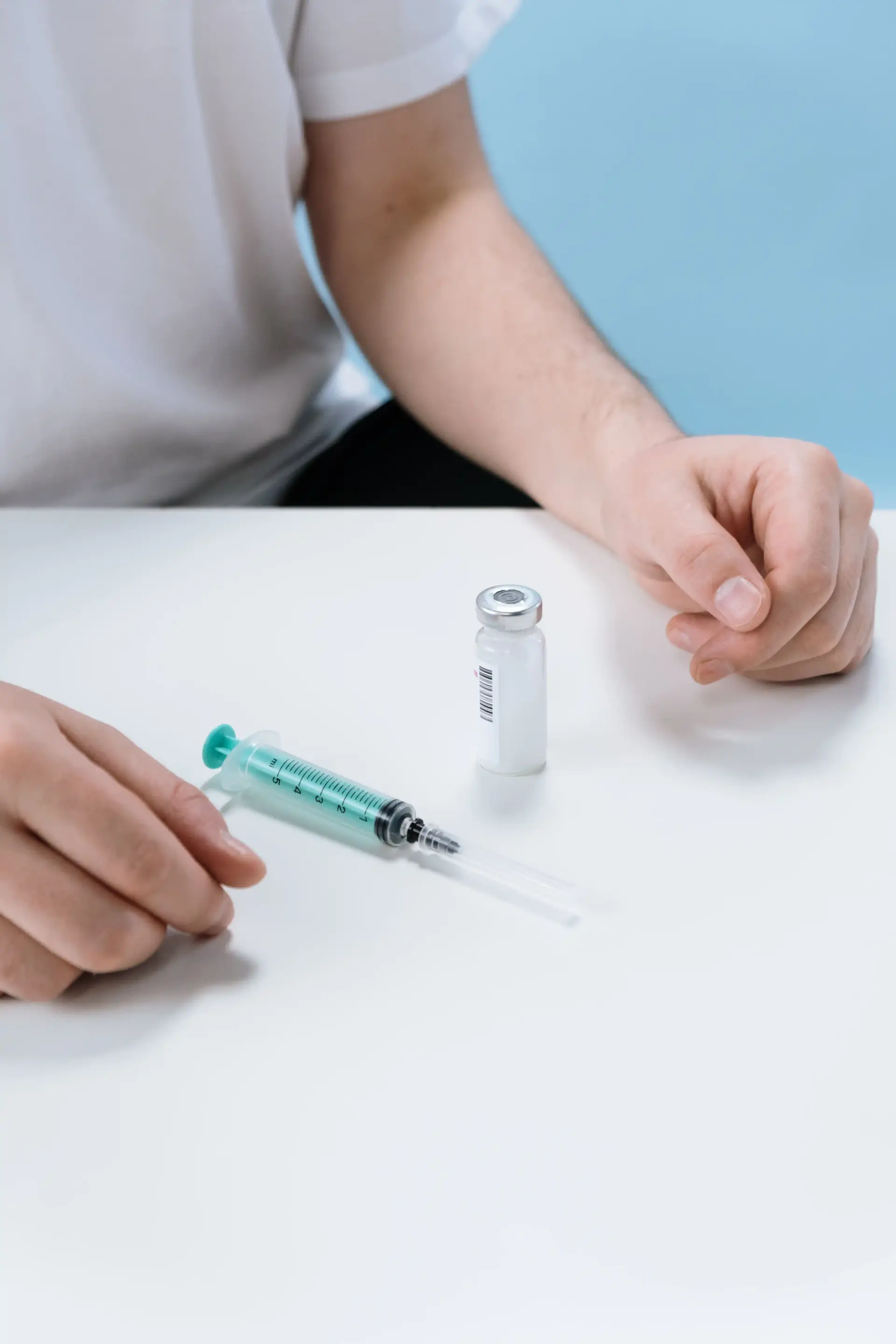
Tirzepatide is administered as a subcutaneous injection (under the skin), typically once weekly. The injection is:
- Self-administered at home
- Quick and relatively painless
- Given in the abdomen, thigh, or upper arm
- Easily incorporated into weekly routines
Dosage Escalation Protocol
Tirzepatide follows a gradual dose-escalation approach to minimize side effects:
Week 1-4: Starting dose 2.5 mg once weekly Week 5-8: Increase to 5 mg once weekly Week 9-12: Increase to 7.5 mg once weekly Week 13+: Maintenance dose 10 mg once weekly (or higher as tolerated)
⚠️ WARNING: Never self-adjust your Tirzepatide dosage. Only increase doses under medical supervision. Rapid escalation can increase side effect severity.
Storage and Handling
Proper storage ensures medication effectiveness:
- Store in refrigerator at 36-46°F (2-8°C) before use
- Can be stored at room temperature (up to 86°F/30°C) for up to 21 days once in use
- Protect from light and heat
- Keep away from freezing temperatures
- Check for discoloration before injection
Tirzepatide Side Effects: What to Expect
Common Side Effects
Most side effects are mild to moderate and tend to improve over time:
- Nausea (most common, especially during dose escalation)
- Vomiting
- Diarrhea
- Constipation
- Abdominal discomfort
- Decreased appetite (this is expected and therapeutic)
- Headache
- Fatigue
- Dizziness
✅ BEST PRACTICE: Eating smaller, lighter meals can help minimize gastrointestinal side effects. Stay hydrated and avoid high-fat foods during adjustment periods.
Serious Side Effects (Rare)
While uncommon, serious side effects require immediate medical attention:
- Severe pancreatitis (pancreas inflammation)
- Acute kidney injury
- Severe allergic reactions
- Gallbladder problems
- Retinal changes (in individuals with diabetic retinopathy)
- Suicidal thoughts or severe depression
Contact your healthcare provider immediately if you experience any severe symptoms.
Side Effect Management Strategies
- Start with the lowest dose and escalate gradually
- Take antiemetics (nausea medication) if prescribed
- Modify diet to smaller, frequent meals
- Stay well-hydrated
- Get adequate rest
- Avoid triggers (rich foods, dehydration)
- Most side effects resolve within 2-4 weeks
Tirzepatide vs. Other Weight Loss Medications: Comparison
Tirzepatide vs. Semaglutide
Aspect
Tirzepatide
Semaglutide
Receptor Target
Dual (GIP + GLP-1)
Single (GLP-1)
Average Weight Loss
15-22%
10-15%
Injection Frequency
Weekly
Weekly
Efficacy for Diabetes
Superior
Good
Cost
Typically higher
Moderate
Availability
Limited
Widely available
Tirzepatide vs. Orlistat
Tirzepatide demonstrates superior efficacy compared to older, oral weight loss medications:
- Greater weight loss: 15-22% vs. 5-10% with Orlistat
- Additional metabolic health benefits
- Better long-term adherence
- More sustainable results
Tirzepatide vs. Phentermine
- Tirzepatide shows superior weight loss
- Tirzepatide has longer-lasting effects
- Phentermine is more affordable but with lower efficacy
- Tirzepatide provides metabolic health improvements beyond weight loss
Who Should Use Tirzepatide? Eligibility Criteria
Ideal Candidates
Tirzepatide is appropriate for individuals with:
- BMI ≥ 30 (obesity)
- BMI ≥ 27 with weight-related conditions (high blood pressure, diabetes)
- Type 2 diabetes with inadequate glucose control
- Metabolic syndrome
- Commitment to lifestyle modifications
Contraindications and Cautions
Tirzepatide may not be suitable for those with:
- Personal or family history of medullary thyroid carcinoma
- Multiple endocrine neoplasia syndrome type 2
- Severe kidney disease
- Severe gastrointestinal disease
- Pregnancy or planning pregnancy
- Breastfeeding
⚠️ WARNING: Always disclose your complete medical history to your healthcare provider before starting Tirzepatide. Certain conditions may make this medication unsuitable or require dose adjustments.
Tirzepatide Availability and Geographic Information
Global Availability Status
United States: FDA approved (2023) - Available through prescription Europe: EMA approval pending - Limited availability in some countries Canada: Health Canada review in progress Asia: Regulatory approval varies by country Australia: TGA review in progress
💡 TIP: Availability and regulatory status change frequently. Check with your local health authority for the most current information on Tirzepatide availability in your region.
Where to Obtain Tirzepatide
- Licensed clinics specializing in weight management
- Endocrinology practices
- Obesity medicine specialists
- Telemedicine platforms (in approved regions)
- Hospital pharmacy systems
- Licensed compounding pharmacies (in some regions)
Cost and Insurance Coverage
Pricing Overview
- Monthly cost: $900-$1,500 (without insurance)
- Annual cost: $10,800-$18,000
- Manufacturer patient assistance programs available
- Sliding scale pricing based on income in some programs
Insurance and Coverage Options
- Medicare coverage: Limited (specific criteria required)
- Private insurance: Coverage varies by plan
- Medicaid: State-dependent
- Manufacturer coupons: May reduce out-of-pocket costs
- Patient assistance programs: Available for eligible individuals
Lifestyle Modifications to Maximize Tirzepatide Benefits
Nutrition Guidelines
Optimize results with proper nutrition:
- Increase protein intake (25-30% of calories)
- Include fiber-rich foods (whole grains, vegetables, fruits)
- Stay hydrated (drink 2-3 liters of water daily)
- Eat smaller, frequent meals
- Avoid high-fat, high-sugar foods during adjustment
- Practice mindful eating
- Track nutritional intake
Exercise and Physical Activity
Combine Tirzepatide with regular exercise:
- Aim for 150 minutes of moderate-intensity cardio weekly
- Include resistance training 2-3 times weekly
- Start gradually, especially if sedentary
- Focus on consistency over intensity
- Mix cardio and strength training for best results
Behavioral and Lifestyle Changes
Success requires holistic approach:
- Work with behavioral health professionals
- Address emotional eating patterns
- Develop healthy sleep habits (7-9 hours nightly)
- Stress management techniques
- Regular medical monitoring
- Support groups or community programs
Expected Timeline: When to Expect Results
Weeks 1-4:
- Initial adjustment period
- Possible nausea or mild side effects
- May notice slight appetite reduction
- Weight loss: 2-4 lbs
Weeks 5-12:
- Side effects typically diminish
- Appetite suppression becomes pronounced
- Regular weight loss begins
- Weight loss: 4-8 lbs
Weeks 13-24:
- Consistent weight loss pattern established
- Metabolic improvements evident
- Blood sugar improvement (if diabetic)
- Weight loss: 15-20 lbs
Months 6-12:
- Significant cumulative weight loss
- Sustained metabolic improvements
- Long-term lifestyle changes established
- Weight loss: 25-40+ lbs
Important Safety Information and Precautions
Medical Monitoring Requirements
While using Tirzepatide, regular medical supervision includes:
- Baseline health assessment before starting
- Thyroid function tests (baseline and periodic)
- Kidney function monitoring
- Blood glucose monitoring (for diabetics)
- Cardiovascular assessment
- Regular check-ins: monthly initially, then quarterly
- Kidney disease monitoring if applicable
Drug Interactions
Tirzepatide may interact with:
- Other diabetes medications (may require dose adjustment)
- Certain blood pressure medications
- Specific weight loss medications
- Medications affecting kidney function
Inform your healthcare provider of all medications and supplements you take.
Pregnancy and Breastfeeding
- Tirzepatide is not recommended during pregnancy
- The effect on fetal development is not fully understood
- Discontinue at least 3 months before planning pregnancy
- Not recommended while breastfeeding
- Reliable contraception recommended during treatment
⚠️ WARNING: If you become pregnant while taking Tirzepatide, contact your healthcare provider immediately.
Conclusion: Is Tirzepatide Right for You?
Tirzepatide represents a significant advancement in weight management and metabolic health treatment. As a dual GIP and GLP-1 receptor agonist, it offers multiple mechanisms for:
✓ Significant weight loss (15-22% of body weight) ✓ Improved blood sugar control ✓ Enhanced insulin sensitivity ✓ Reduced appetite and cravings ✓ Better metabolic health markers ✓ Improved quality of life
However, Tirzepatide is not a standalone solution. Maximum benefits come from combining the medication with:
- Nutritious, balanced eating habits
- Regular physical activity
- Behavioral modifications
- Ongoing medical supervision
- Lifestyle commitment
The decision to use Tirzepatide should be made in consultation with qualified healthcare professionals who can assess your individual situation, medical history, and weight loss goals.
If you're struggling with weight management, metabolic dysfunction, or type 2 diabetes, Tirzepatide may be a valuable tool in your health transformation journey. Schedule a consultation with an endocrinologist, obesity medicine specialist, or qualified healthcare provider to determine if Tirzepatide is appropriate for your specific situation.