Blog Introduction
Choosing a research peptide supplier used to mean gambling on vague purity claims and PDF certificates that never matched the batch in hand. That gamble gets expensive fast: a mismatched certificate of analysis, an under-tested vial, or a reconstitution error can quietly invalidate weeks of laboratory work.
This guide breaks down what "research peptide purity" actually means, how HPLC and LC-MS testing verify it, how to read a certificate of analysis (COA) without a chemistry degree, and how U.S. laboratories reconstitute and store peptides correctly for research use. You'll also find a compound-by-compound overview of the most-studied research peptides — Retatrutide, BPC-157, TB-500, Tesamorelin, MOTS-c, Semax, Selank, NAD+, and GHK-Cu — along with a vendor-vetting checklist you can use before your next order.
Every section here is written for research, laboratory, and analytical use only. Nothing in this article is human dosing, administration, or medical-use guidance — the framing throughout stays in preclinical and in-vitro research contexts, consistent with the research-use-only (RUO) designation that governs this entire product category.
What Is a Research Peptide?
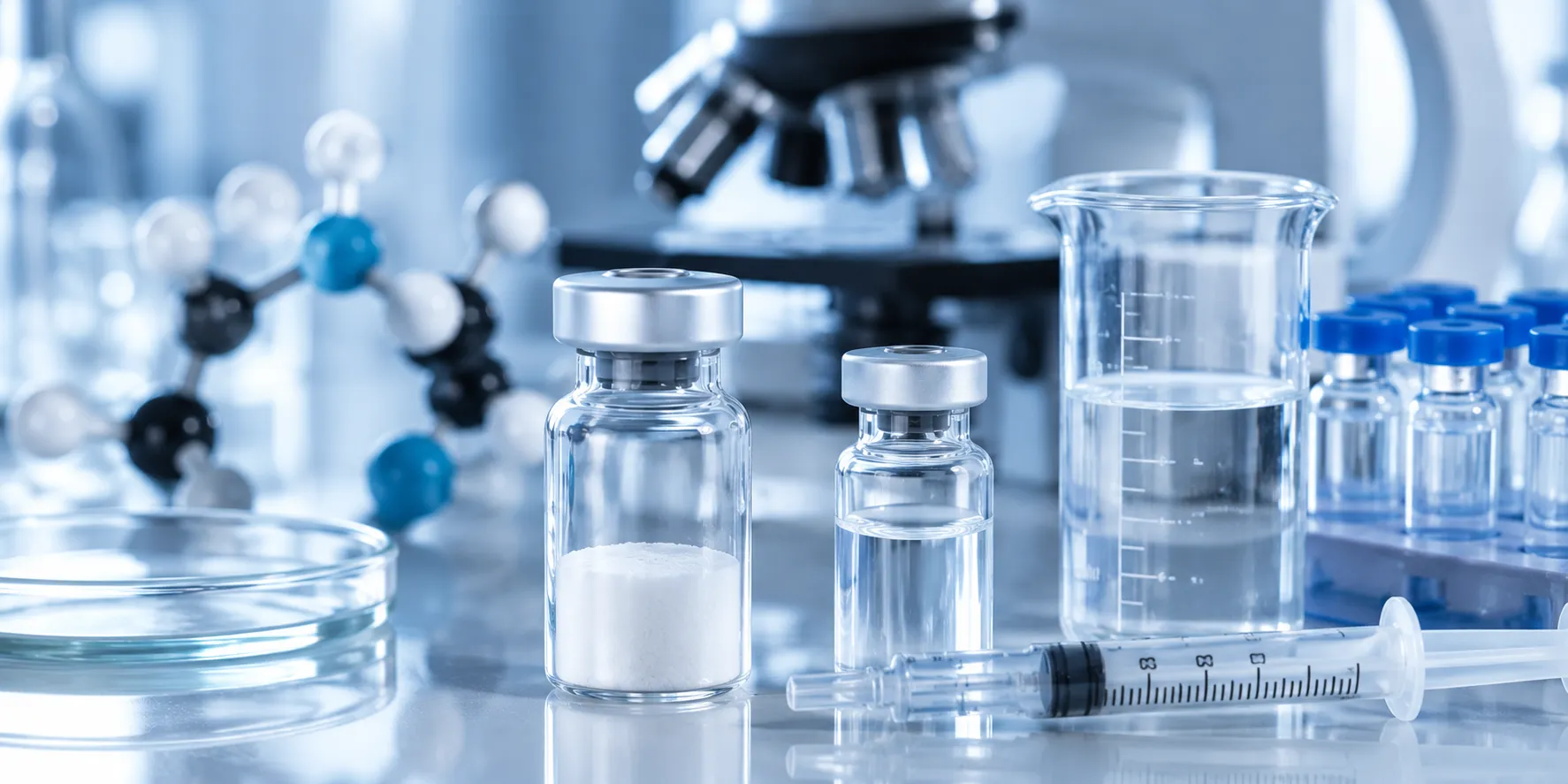
A research peptide is a short chain of amino acids manufactured strictly for laboratory investigation — not for human consumption, diagnosis, treatment, or prevention of disease. Research-use-only (RUO) peptides supply academic labs, contract research organizations, and biotech R&D teams with standardized reagents for in-vitro assays, receptor-binding studies, and preclinical models.
The RUO designation is a legal and regulatory line, not a marketing term. It signals that a compound has not completed the review pathway the U.S. Food and Drug Administration (FDA) requires for clinical or pharmaceutical use, and that any responsible vendor markets and labels it accordingly.
RUO vs. Clinical-Grade Peptides
Clinical-grade peptides move through FDA review, current Good Manufacturing Practice (cGMP) facilities, and formal quality systems built for human dosing. Research peptides are synthesized to a defined purity and identity specification for laboratory use, verified by analytical chemistry rather than clinical trials. The distinction matters because it determines the documentation, storage, and use-case a peptide is actually built for.
Key Takeaway A research peptide is a lab reagent, verified by analytical testing (HPLC/LC-MS) rather than clinical review — sourced, labeled, and used strictly for research, not human administration. |
Why Purity Standards Matter in Peptide Research
Purity is the single variable most likely to invalidate a research result. A peptide contaminated with truncated sequences, residual coupling reagents, or excess salt content can skew binding-assay data, distort dose-response curves in cell models, and make batch-to-batch comparisons meaningless. Reputable suppliers test every batch for both purity (how much of the vial is the intended peptide) and identity (whether the molecule is structurally correct).
HPLC Testing Explained
High-Performance Liquid Chromatography (HPLC) separates a peptide sample into its individual components as they pass through a column, then measures each one against the total sample. The resulting chromatogram shows a single, sharp peak for a pure peptide and smaller peaks for any impurities. Most reputable research peptide suppliers publish HPLC purity at 98% or higher, with 99%+ purity representing the current industry benchmark for premium-grade reagents.
LC-MS Identity Verification
Liquid Chromatography-Mass Spectrometry (LC-MS) confirms that a peptide is structurally what the label says it is, by measuring its exact molecular weight and amino acid sequence. HPLC tells you how pure a sample is; LC-MS tells you whether it's the right molecule at all. Together, the two tests form the backbone of any credible certificate of analysis.
How to Read a Certificate of Analysis (COA)
A complete COA should let a lab match a specific vial to a specific test result — not just a generic spec sheet. At minimum, look for these fields:
- Batch or lot number matching the vial label
- HPLC purity percentage with a visible chromatogram
- LC-MS molecular weight confirmation
- Testing laboratory name (ideally third-party, not in-house only)
- Date of manufacture and/or testing
- Storage and handling conditions used prior to testing
Purity Tier Comparison
Purity Tier | Typical HPLC Range | Research Suitability |
|---|---|---|
Standard research grade | 95% – 97% | General screening, early-stage assay development |
High-purity research grade | 98% – 98.9% | Comparative studies, receptor-binding assays |
Premium research grade | 99%+ | Precision dose-response modeling, publication-grade data |
Peptide Reconstitution & Dosing Math for Laboratory Use
Reconstitution — dissolving a lyophilized (freeze-dried) peptide in bacteriostatic water — is where most preventable research errors happen. Getting the ratio wrong doesn't just waste material; it throws off every downstream concentration calculation in an assay or model.
Bacteriostatic Water Ratios
Bacteriostatic water contains 0.9% benzyl alcohol, which inhibits bacterial growth and allows a reconstituted vial to remain stable under refrigeration for longer than sterile water alone. The volume added determines the final concentration: adding 2 mL to a 10 mg vial yields 5 mg/mL, while 1 mL yields 10 mg/mL. Labs should select a ratio that produces a concentration convenient for their specific measurement equipment, whether that's a micropipette or a graduated syringe.
Using a Peptide Calculator
A peptide reconstitution calculator removes the manual math from this step by converting a vial's milligram strength, chosen water volume, and target dose directly into a measurable syringe unit reading. This is one of the highest-converting and most-cited tools in the research peptide category, because it answers a concrete, recurring question that AI search engines and featured snippets both prioritize.
Step-by-Step: Reconstituting a Peptide Vial for Research Use 1. Confirm the vial's total peptide content (in mg) from the label or COA. 2. Select a bacteriostatic water volume appropriate for your target concentration. 3. Inject the water slowly down the inside wall of the vial — never directly onto the powder. 4. Swirl gently; do not shake, as agitation can degrade peptide structure. 5. Allow the solution to fully clarify before use; a cloudy solution indicates incomplete dissolution or a compromised peptide. 6. Label the vial with the reconstitution date and store per the COA's handling guidance. |
Regulatory & Compliance Landscape for Research Peptides
Research peptides occupy a specific regulatory lane in the United States. They are legal to purchase and possess for laboratory research when properly labeled "not for human consumption" and sold to research entities, but they are not approved by the FDA for diagnostic, therapeutic, or human-use purposes under the Federal Food, Drug, and Cosmetic Act.
503A and 503B Standards
503A and 503B refer to sections of federal law governing compounding pharmacies — 503A covers smaller-scale compounding for individual prescriptions, while 503B covers larger outsourcing facilities that must follow current Good Manufacturing Practice standards. These frameworks apply to compounded clinical drug products, not RUO reagents, but understanding the distinction helps labs and researchers evaluate a supplier's overall quality-system maturity and where RUO products sit relative to pharmaceutical-grade manufacturing.
What Responsible RUO Labeling Looks Like
- Clear "For Research Use Only — Not for Human Consumption" labeling on every vial
- No dosing, administration, or medical-benefit claims anywhere in product marketing
- Sales restricted to research, academic, and laboratory contexts
- Transparent, third-party-verifiable certificates of analysis for every batch
Compound Spotlight: Commonly Researched Peptides
The peptides below represent some of the most frequently studied compounds across metabolic, regenerative, cognitive, and dermatological research. Each summary describes only what a compound is studied for in preclinical and laboratory contexts.
Retatrutide
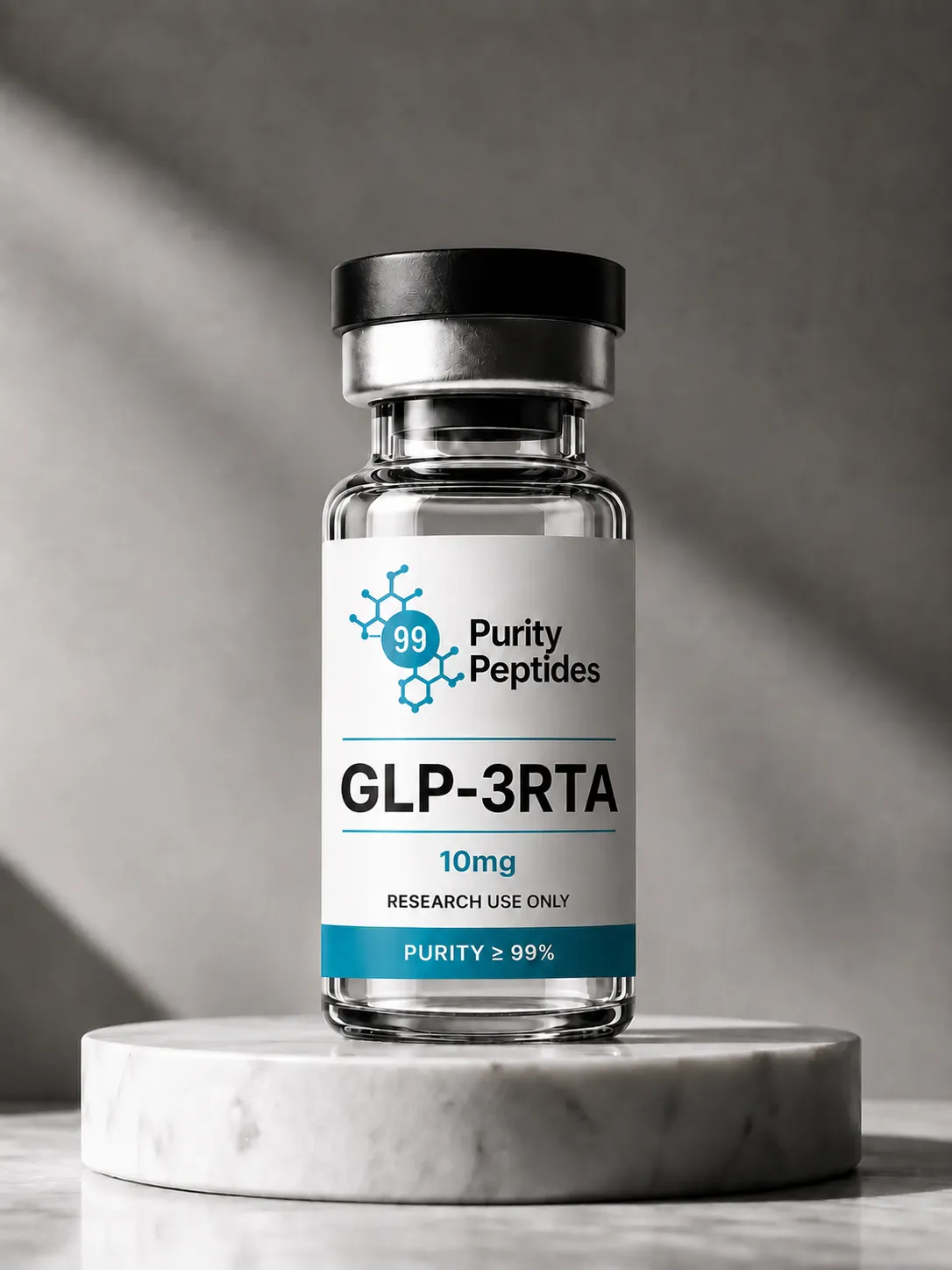
Retatrutide is studied in preclinical models as a triple agonist acting on GLP-1, GIP, and glucagon receptor pathways, making it a focal point in current incretin and energy-expenditure research.
BPC-157 and TB-500
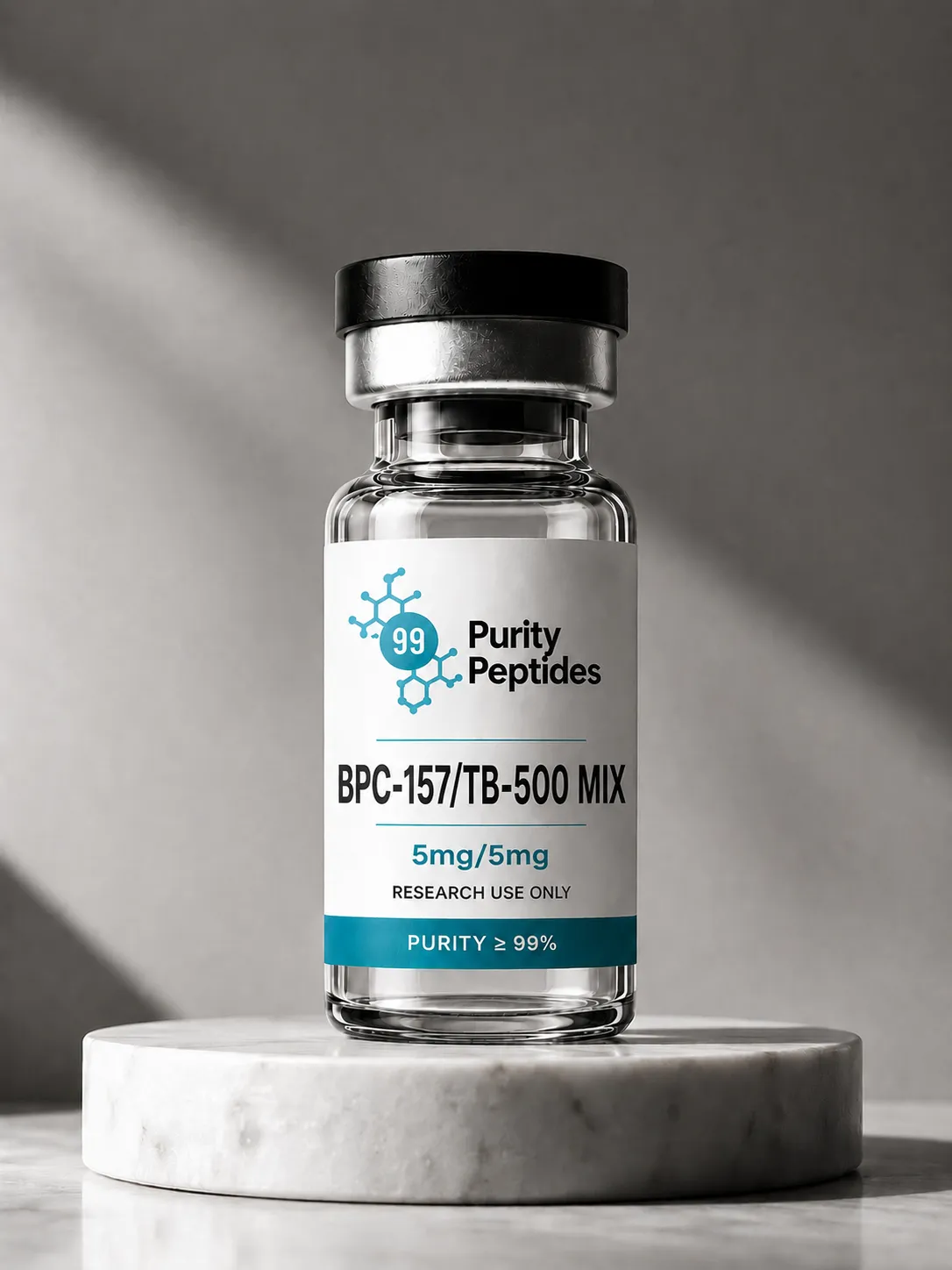
BPC-157 is investigated for its role in cytoprotective and angiogenesis-related signaling in tissue models, while TB-500 is studied for actin-binding activity relevant to soft-tissue and musculoskeletal regeneration research. The two are frequently compared because both appear in healing- and recovery-focused research protocols.
Tesamorelin
Tesamorelin is a GHRH analog studied in research models examining growth-hormone axis activity and its downstream relationship to visceral adipose tissue.
MOTS-c
MOTS-c is a mitochondrial-derived peptide studied for its role in AMPK activation and metabolic research, particularly in exercise-mimetic and skeletal-muscle substrate models.
Semax and Selank
Semax and Selank are studied in neuroscience research contexts related to neurotrophic factor regulation and GABAergic signaling, making them common subjects in cognitive-research literature.
NAD+ and GHK-Cu
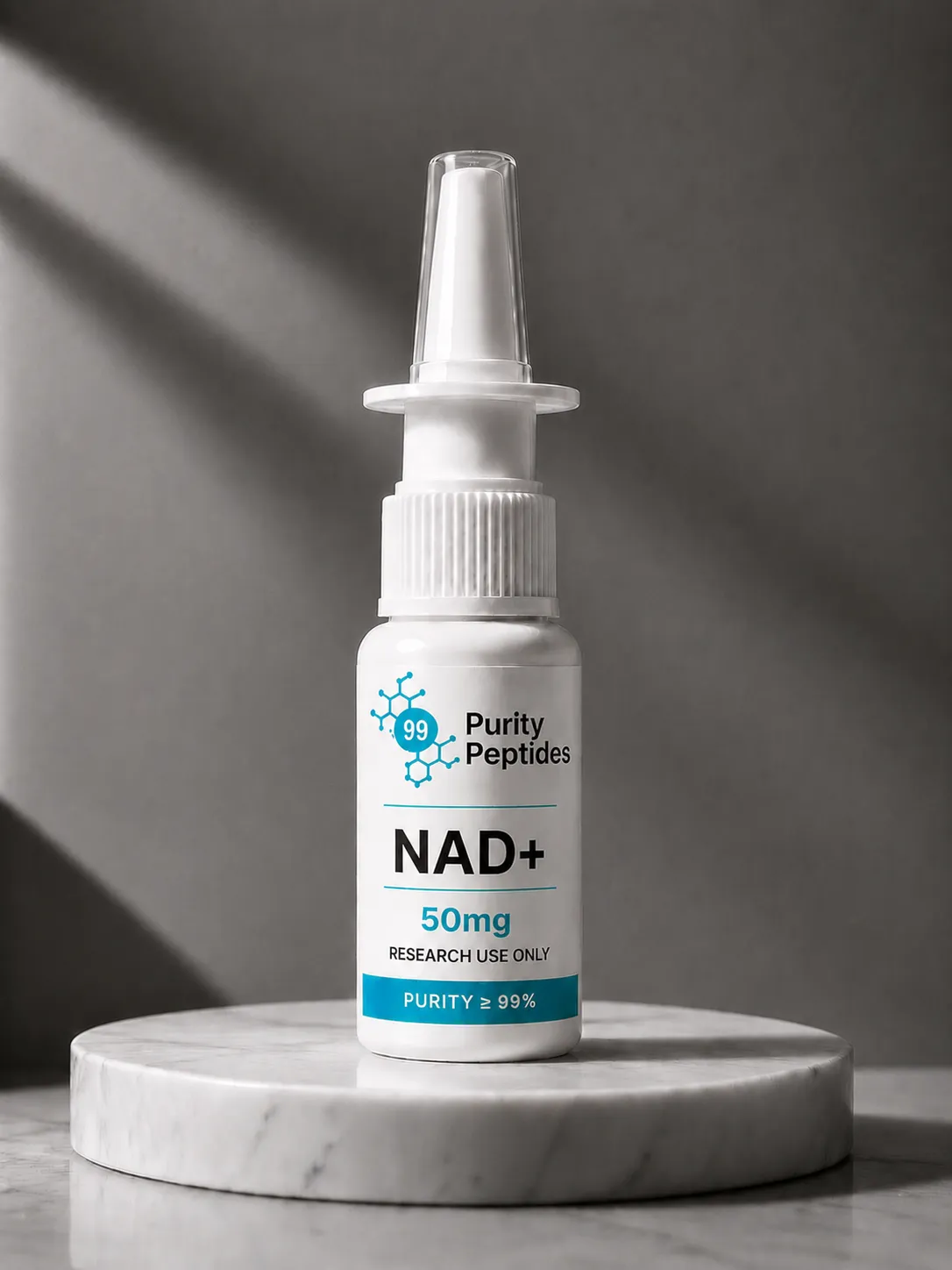
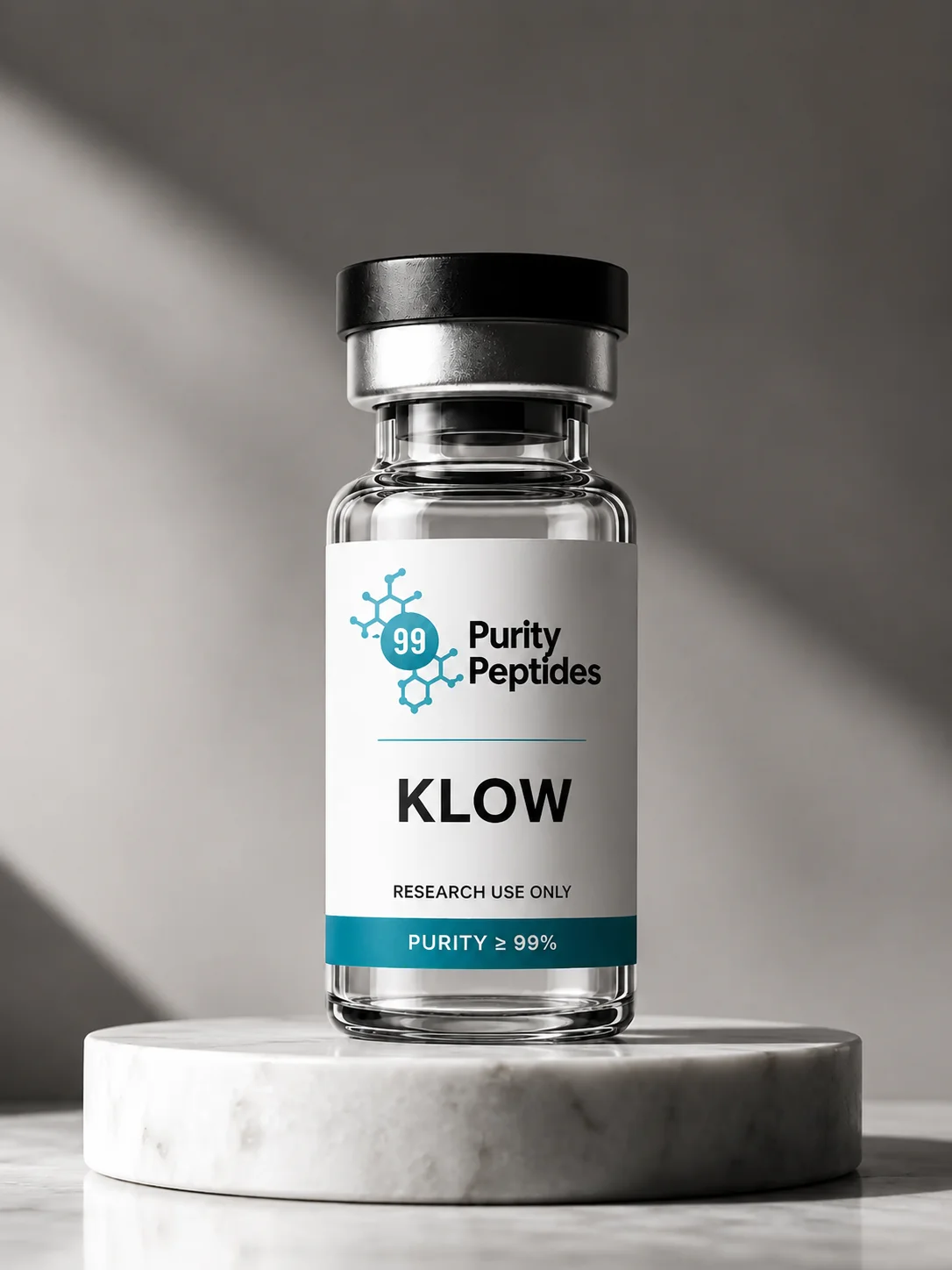
NAD+ is studied for its role in cellular energy metabolism, while GHK-Cu is investigated for collagen synthesis and dermal remodeling research, including in blended formulations such as KLOW and GLOW.
Single Compound vs. Peptide Blend
Factor | Single Compound | Peptide Blend (e.g., KLOW, GLOW) |
|---|---|---|
Research focus | Isolated mechanism of one peptide | Combined signaling pathways across multiple peptides |
Data interpretation | Simpler to attribute results to one variable | Requires controlling for interaction effects |
Common use case | Mechanism-specific assays | Broader dermatological or recovery research models |
Storage, Handling & Shelf Life Best Practices
Lyophilized peptides are considerably more stable than reconstituted solutions. Left unopened and properly stored, most lyophilized research peptides remain viable for extended periods; once reconstituted, shelf life shortens significantly and depends heavily on refrigeration consistency.
- Store lyophilized (unreconstituted) vials in a freezer for maximum long-term stability.
- Refrigerate reconstituted vials at all times; avoid leaving them at room temperature.
- Minimize freeze-thaw cycles, which progressively degrade peptide structure.
- Keep vials away from direct light, which can accelerate degradation of certain compounds.
- Discard any reconstituted solution that appears cloudy, discolored, or shows visible particulate.
How to Choose a Research Peptide Supplier in the U.S.
Supplier trust is the recurring objection across this entire category — researchers have been burned by mismatched COAs and inconsistent batches before, and it shows in how they search. Use the checklist below before placing a first order.
- Does every batch ship with its own matching certificate of analysis, not a generic spec sheet?
- Is testing performed or verified by a third-party laboratory rather than in-house only?
- Does the supplier clearly label products "Research Use Only" with no dosing or medical claims?
- Are products manufactured or tested domestically, with transparent sourcing information?
- Does the vendor offer a peptide calculator or reconstitution guidance for research planning?
- Is customer support responsive to technical questions about purity, testing method, or batch data?
- Does the supplier maintain consistent batch-to-batch purity, verifiable across multiple orders?
Key Takeaway A trustworthy research peptide supplier proves its purity claims with batch-specific, third-party-verifiable COAs — not marketing copy. |
Key Takeaways
- Research peptides are lab reagents governed by the RUO designation — legal for research, not intended for human consumption.
- HPLC confirms purity; LC-MS confirms molecular identity. A trustworthy COA includes both, tied to a specific batch number.
- 99%+ HPLC purity is the current benchmark for premium research-grade peptides.
- Reconstitution ratio determines final concentration — use a peptide calculator to convert mg, water volume, and syringe units accurately.
- Lyophilized peptides store far longer than reconstituted ones; refrigerate reconstituted vials and minimize freeze-thaw cycles.
- Vet suppliers on batch-specific, third-party-verified documentation rather than general purity claims.
Frequently Asked Questions
What is a research-use-only (RUO) peptide?
An RUO peptide is a compound manufactured and sold strictly for laboratory research, not for human consumption, diagnosis, or treatment. It's labeled accordingly and marketed only to research and academic buyers.
What purity level is considered research-grade for peptides?
Most reputable suppliers consider 98% HPLC purity or higher to be research-grade, with 99%+ representing premium-tier quality suitable for precision assay work.
What should a peptide certificate of analysis include?
A complete COA includes the batch number, HPLC purity percentage with chromatogram, LC-MS molecular weight confirmation, testing lab identification, and manufacture or test date — all tied to the specific vial in hand.
How do you verify peptide identity using mass spectrometry?
LC-MS measures a peptide's exact molecular weight and fragments its structure to confirm the amino acid sequence matches the labeled compound, distinguishing it from structurally similar impurities.
What storage conditions are recommended for lyophilized peptides?
Lyophilized (unreconstituted) peptides should be stored in a freezer away from light. Once reconstituted, the solution should be refrigerated continuously and used within the window specified on the COA.
How much bacteriostatic water should be used to reconstitute peptides?
The amount depends on the target concentration: adding 1 mL to a 10 mg vial yields 10 mg/mL, while 2 mL yields 5 mg/mL. A peptide reconstitution calculator can convert any vial strength and water volume into a precise concentration.
What is the difference between HPLC purity and MS identity testing?
HPLC measures how much of a sample is the intended peptide versus impurities. LC-MS confirms the molecule's exact structure and molecular weight. A trustworthy COA reports both, not just one.
Why is peptide purity important in laboratory research?
Impurities such as truncated sequences or residual synthesis reagents can distort assay results, skew dose-response data, and make batch comparisons unreliable — making purity the single most consequential quality variable in peptide research.
How long can reconstituted peptides be stored?
Shelf life varies by compound and storage consistency, but reconstituted peptides generally have a much shorter usable window than lyophilized vials and should always be refrigerated and used according to COA guidance.
Are research peptides legal to purchase in the USA?
Yes — research peptides are legal to purchase and possess for laboratory research when properly labeled "not for human consumption" and sold to research-context buyers, though they are not FDA-approved for human use.
How is Retatrutide different from Tirzepatide in research contexts?
Retatrutide is studied as a triple agonist across GLP-1, GIP, and glucagon receptor pathways, while Tirzepatide is studied as a dual GLP-1/GIP agonist — a distinction relevant to comparative incretin-pathway research.
What is BPC-157 studied for in research settings?
BPC-157 is studied for cytoprotective and angiogenesis-related signaling activity in laboratory tissue models.
What is TB-500 used for in laboratory research?
TB-500 is investigated for actin-binding activity relevant to soft-tissue and musculoskeletal regeneration research models.
What does a peptide chromatogram show?
A chromatogram visually displays each component detected in a sample as it passes through the HPLC column — a single sharp peak indicates high purity, while additional smaller peaks indicate impurities.
How do I know if a peptide vendor's COAs are legitimate?
Look for batch-specific documentation from an identifiable third-party testing laboratory, not a generic spec sheet reused across products. Legitimate vendors are transparent about who performed the testing and when.