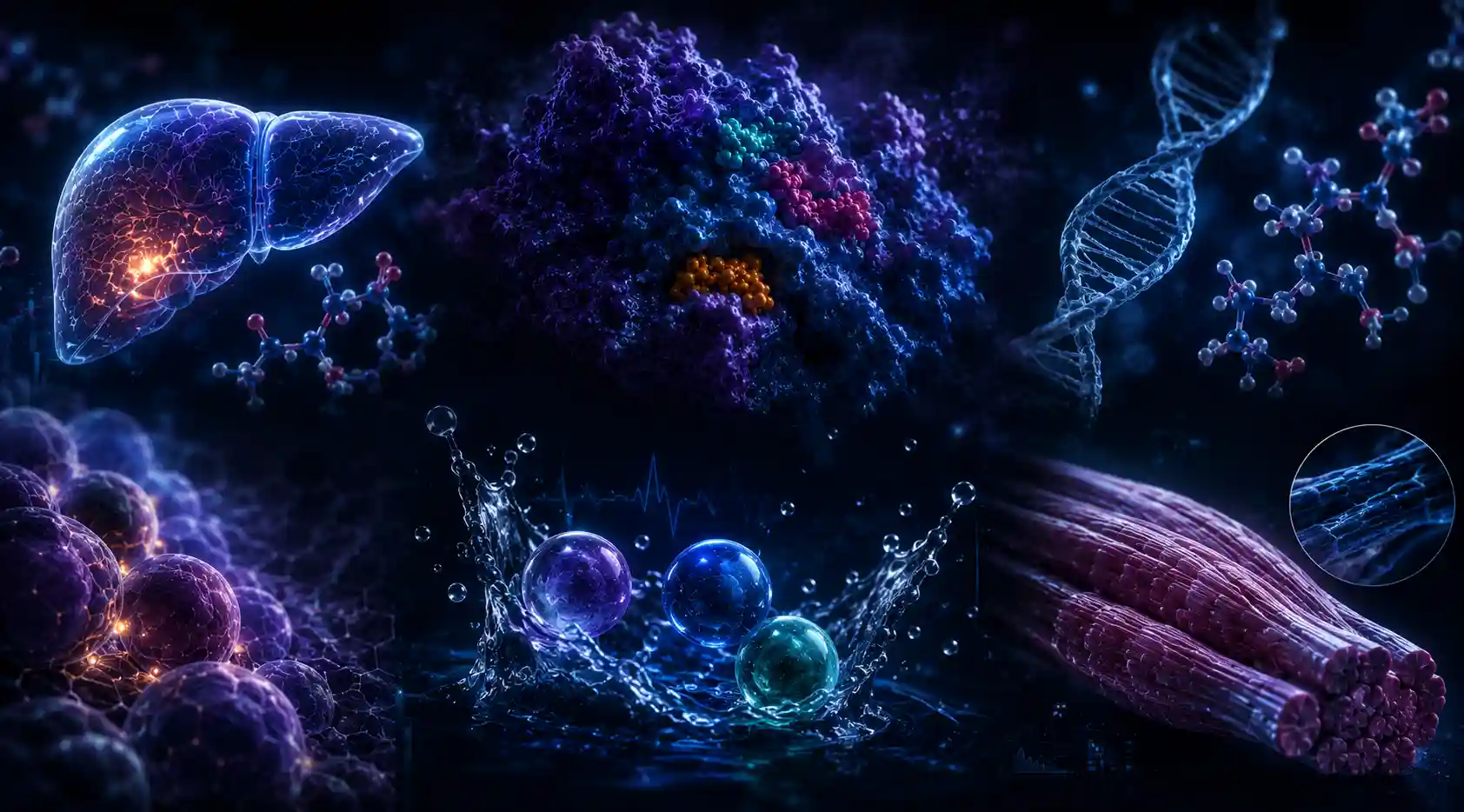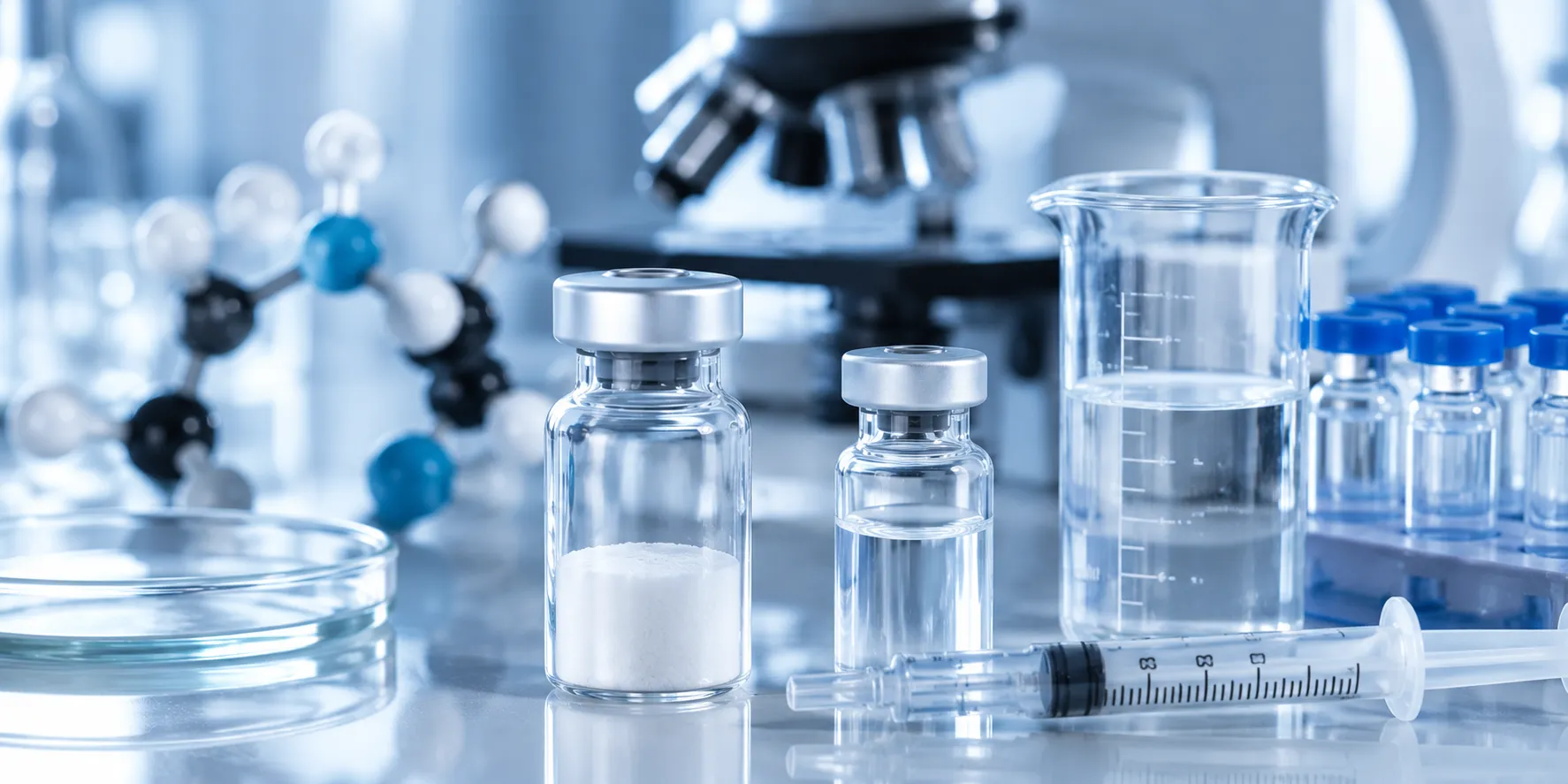

BPC-157 research continues to generate significant scientific interest within controlled laboratory environments. As a synthetic BPC-157 peptide, this compound is studied in experimental systems focused on cellular signaling pathways, tissue response modeling, and molecular interaction frameworks.
This guide examines BPC-157 laboratory research, including mechanism of action (research perspective), analytical testing considerations, and regulatory classification — strictly from a scientific and compliance-focused standpoint.
What is BPC 157?
BPC-157 (Body Protection Compound-157) is a synthetic peptide derived from a sequence originally identified in gastric protein studies. In laboratory settings, it is classified as a synthetic BPC-157 peptide used exclusively for research applications.
In BPC-157 laboratory research, the compound is investigated for its behavior in:
- Cellular signaling models
- Tissue signaling pathway systems
- Molecular interaction research
- Controlled experimental environments
It is supplied strictly as a research-use-only peptide and is not approved for human or veterinary use.
Why Researchers Study BPC 157
BPC 157 research and BPC 157 studies frequently appear in experimental literature due to the peptide’s interaction with complex signaling pathways.
In controlled laboratory models, BPC-157 cell signaling research has examined:
- Growth factor–related signaling pathways
- Cytoprotective pathway modulation
- Cellular migration signaling
- Angiogenic pathway interactions
- Stress response signaling mechanisms
These investigations focus on pathway behaviour rather than outcomes. In modern experimental design, BPC-157 peptide research is typically framed within mechanistic cellular systems.
BPC-157 Mechanism of Action (Research Perspective)
The BPC 157 mechanism of action remains an active area of laboratory investigation. Research suggests that BPC-157 signaling pathways may involve multi-pathway modulation rather than a single isolated mechanism.
In experimental systems, BPC-157 is studied for its interaction with:
- Nitric oxide–related signaling pathways
- Growth factor signaling networks
- Cellular migration regulatory pathways
- Inflammatory signaling cascades
- Cytoskeletal structural pathways
BPC-157 cell signaling research emphasizes systems-level interaction, where signaling networks overlap rather than operate independently.
It is important to note that these observations are derived from laboratory research models and do not constitute therapeutic claims.
Where BPC-157 Fits in Modern Peptide Research
In contemporary BPC-157 laboratory studies, the compound is often positioned as a reference peptide in signaling pathway investigations.
Research contexts include:
- Tissue signaling models
- Cellular stress adaptation research
- Experimental wound response modeling (laboratory context only)
- Signaling pathway integration analysis
Because of its multi-pathway activity in laboratory systems, BPC-157 continues to appear in broader peptide research discussions.
BPC-157 and Peptide Combination Research
Some experimental frameworks analyze BPC-157 alongside other synthetic peptides to observe pathway overlap and signaling integration.
In these laboratory designs, researchers examine:
- Combined signaling cascade responses
- Structural protein pathway interaction
- Coordinated cellular response models
- Multi-peptide signaling modulation
Discussions surrounding BPC 157 TB 500 blend dosage appear only within hypothetical or experimental modeling contexts. No dosing, administration or application guidance exists within compliant research literature.
Limitations of BPC-157 Studies
As with all metabolic and signaling research compounds, BPC-157 studies carry inherent limitations.
Key BPC-157 research gaps include:
- Variability between in vitro and in vivo models
- Limited large-scale controlled research
- Differences in experimental conditions
- Variability in peptide purity between suppliers
Understanding BPC-157 study limitations is essential for maintaining scientific objectivity and analytical rigor.
Analytical Considerations in the Lab
High-quality BPC-157 analytical testing is critical in laboratory research to ensure structural and purity verification.
Common peptide characterization methods include:
- High-performance liquid chromatography (HPLC)
- Mass spectrometry (MS)
- Structural peptide mapping
- Stability testing under controlled conditions
BPC-157 purity testing supports reproducibility and experimental reliability in laboratory studies.
Responsible Research Use and Compliance
BPC-157 is classified as a research-use-only peptide.
Is BPC-157 FDA-approved?
No. BPC-157 is not evaluated or approved by the U.S. Food and Drug Administration (FDA) for human use.
Its regulatory status places it within research material classification, meaning:
- Not approved for diagnosis
- Not approved for treatment
- Not approved for ingestion or injection
- Intended strictly for laboratory research
Compliance with federal, state, and institutional research regulations is the responsibility of the purchaser.
The Role of BPC-157 in Future Research
Ongoing BPC-157 peptide research continues to examine:
- Multi-pathway signaling dynamics
- Cellular adaptation frameworks
- Long-term pathway modeling
- Integrated biological systems research
Future BPC-157 laboratory research will likely focus on systems biology approaches rather than isolated signaling events.
Sum Up
BPC-157 research remains an evolving field within peptide science. When studied under controlled laboratory conditions, it serves as a model compound for investigating complex cellular signaling pathways.
Maintaining analytical verification, research classification clarity, and compliance awareness is essential for responsible research application.
The 99 Purity Peptides
At 99 Purity Peptides, we supply research-grade synthetic peptides intended strictly for laboratory use. Transparency, analytical documentation, and research-use-only compliance form the foundation of our sourcing standards.