INTRODUCTION & PRODUCT DESCRIPTION
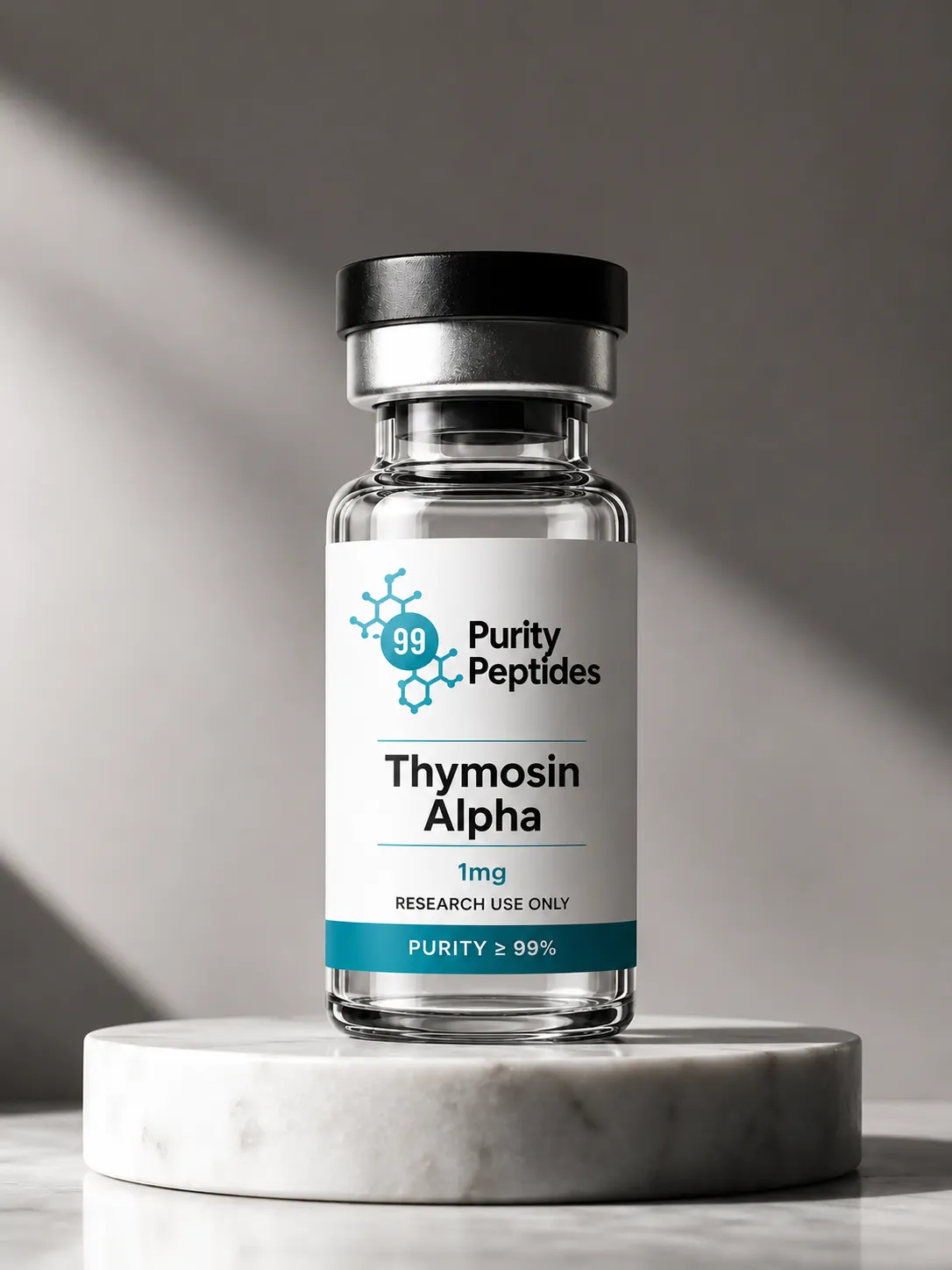
Featured Product
Immune function represents one of biology's most critical systems—the comprehensive network of cells, proteins, and tissues that protects against infection, recognizes and eliminates malignant cells, and maintains physiological homeostasis. Yet immune function declines progressively with age, stress, overtraining, inadequate sleep, and chronic disease. This age-related immune decline (immunosenescence) increases vulnerability to infection, reduces vaccination effectiveness, impairs immune response to cancer, and accelerates aging-related disease.
Modern life compounds immune challenges: chronic stress suppresses immune function, overtraining without adequate recovery creates immune-suppressive states, sleep deprivation profoundly impairs immune restoration, and psychological stress drives inflammatory immune dysregulation. The result is epidemic immune dysfunction: individuals with weakened infection resistance, reduced capacity to clear pathogens, diminished cancer surveillance, and pro-inflammatory immune states that drive aging-related disease.
Thymosin Alpha-1 represents a breakthrough in understanding how to restore immune function at the fundamental level. This synthetic peptide (28 amino acids) is derived from thymosin alpha-1, an endogenous peptide produced by the thymus gland that plays a central role in T-cell maturation, immune cell differentiation, and systemic immune function. By activating thymic signaling and promoting T-cell maturation, Thymosin Alpha-1 restores immune function, enhances immune response to pathogens and vaccines, strengthens anti-cancer surveillance, reduces inflammatory dysregulation, and supports the comprehensive immune competence necessary for infection resistance and healthy aging.
The result is comprehensive: enhanced T-cell production and function, improved immune response to pathogens and vaccines, restored immune resilience in aged individuals, reduced infection susceptibility, enhanced recovery from illness, improved immune function in immunocompromised states, and restoration of balanced immune regulation that supports both pathogen defense and inflammatory resolution.
This comprehensive guide explores what Thymosin Alpha-1 is, how thymic signaling supports T-cell maturation and immune activation, its research applications in immune restoration and immune optimization, its effects on multiple immune domains, quality standards for research-grade peptides, and why researchers investigating immunology, immune aging, infection resistance, vaccine response, and recovery physiology have embraced Thymosin Alpha-1 as a foundational immune-regulatory research tool for understanding how thymic signaling restores immune function and supports systemic immune competence.
WHAT IS THYMOSIN ALPHA-1? THE IMMUNE-REGULATORY THYMIC PEPTIDE FOR T-CELL SUPPORT
Thymosin Alpha-1 (Tα1) is a synthetic peptide (28 amino acids) derived from thymosin alpha-1, an endogenous peptide produced by the thymus gland. The peptide is engineered to enhance the immune-regulatory functions of natural thymosin alpha-1, particularly T-cell maturation, immune cell differentiation, and systemic immune activation.
What distinguishes Thymosin Alpha-1 is its mechanism of action: rather than directly providing immune cells or antibodies, Thymosin Alpha-1 works by activating thymic signaling and enhancing the thymus gland's primary function—the development and maturation of T-cells (thymus-derived lymphocytes). By supporting thymic function and T-cell maturation, Thymosin Alpha-1 enhances the development of functional, antigen-responsive T-cells that form the foundation of adaptive immune response.
T-cells represent the immune system's primary defense against intracellular pathogens (viruses, some bacteria), against cancer (through cytotoxic T-cell surveillance), and against parasites. T-cell deficiency or dysfunction results in severe immunodeficiency—individuals cannot mount effective immune responses to these threats. By supporting T-cell maturation and function, Thymosin Alpha-1 addresses the fundamental basis of adaptive immunity.
Additionally, Thymosin Alpha-1 supports immune regulation—the balance between strong immune response to threats and appropriate immune tolerance to self and beneficial antigens. This regulatory function helps prevent excessive inflammation while maintaining effective immune defense.
Thymosin Alpha-1 was discovered in the 1970s through research into thymic hormones. Decades of research have established that Thymosin Alpha-1 dramatically enhances immune function across diverse populations and immune conditions.
THE THYMUS GLAND AND T-CELL MATURATION
Understanding Thymosin Alpha-1 requires understanding the thymus gland and its role in immune development:
Thymus gland basics:
- Small gland located in upper chest behind breastbone
- Primary lymphoid organ where T-cells develop and mature
- Produces thymic hormones including thymosin alpha-1
- Largest and most active during childhood; involutes (shrinks) with age
- Essential for immune system development and function
T-cell development in thymus:
- Immature T-cell precursors migrate from bone marrow to thymus
- In thymus, T-cells undergo education and maturation
- Thymic hormones (including thymosin alpha-1) support this maturation
- Mature, functional T-cells exit thymus to populate peripheral immune system
- T-cell production declines as thymus involutes with age
Thymic involution and immune aging:
- Thymus shrinks progressively with age (particularly after age 20)
- Thymic hormone production declines with age
- T-cell production decreases, leading to immunosenescence
- Fewer naive (new) T-cells available to respond to novel antigens
- Age-related immune decline reflects, in part, thymic involution
Thymosin alpha-1 role:
- Supports T-cell maturation in thymus
- Promotes thymic hormone production
- Supports naive T-cell generation
- May slow or reverse thymic involution
- Restores immune function toward younger levels
HOW THYMOSIN ALPHA-1 WORKS: THYMIC SIGNALING AND T-CELL MATURATION MECHANISMS
Thymosin Alpha-1's profound immune effects derive from its ability to activate thymic signaling, enhance T-cell maturation, and promote multiple immune regulatory pathways. Understanding these mechanisms reveals why Thymosin Alpha-1 dramatically enhances immune function.
THYMIC EPITHELIAL CELL ACTIVATION AND THYMIC HORMONE PRODUCTION
Thymic epithelial cells (thymic stromal cells) produce thymic hormones including thymosin alpha-1. Thymosin Alpha-1 administration activates these epithelial cells, enhancing their production of thymic hormones. This upregulation supports the thymic microenvironment that T-cells require for proper maturation.
The enhanced thymic hormone production creates a more supportive environment for T-cell development, accelerating T-cell maturation and improving T-cell quality.
T-CELL PRECURSOR RECRUITMENT AND PROLIFERATION
Thymosin Alpha-1 increases recruitment of T-cell precursors from bone marrow to the thymus, enhancing the pool of cells available for T-cell development. Additionally, it promotes proliferation of T-cell precursors within the thymus, increasing T-cell production.
The result is increased generation of new, functional T-cells—expanding the naive T-cell pool available to respond to novel antigens.
POSITIVE AND NEGATIVE SELECTION AND T-CELL EDUCATION
T-cell maturation involves critical selection processes: positive selection (retaining T-cells that recognize self-MHC) and negative selection (eliminating T-cells that attack self-tissues). Thymosin Alpha-1 supports these selection processes, enhancing the generation of functionally competent, self-tolerant T-cells.
The result is improved T-cell quality—T-cells that can recognize pathogens but not attack self-tissues.
CD4+ AND CD8+ T-CELL DEVELOPMENT
Two major T-cell populations develop in thymus: CD4+ helper T-cells and CD8+ cytotoxic T-cells. CD4+ cells coordinate immune response; CD8+ cells directly kill infected or malignant cells. Thymosin Alpha-1 supports development of both populations, restoring balanced T-cell compartments.
NAIVE T-CELL GENERATION AND ANTIGEN-RESPONSIVE CAPACITY
A critical distinction in immune aging is the shift from predominantly naive T-cells (in youth) to predominantly memory T-cells (in aging). Memory T-cells are fine for responding to previously-encountered antigens but are ineffective against novel threats. Thymosin Alpha-1 increases naive T-cell generation, restoring the capacity to respond to new antigens.
This restoration of naive T-cell population is particularly important for vaccine response and response to novel pathogens.
IL-2 AND IL-7 SIGNALING AND T-CELL PROLIFERATION
Thymosin Alpha-1 enhances signaling by IL-2 (interleukin-2) and IL-7, cytokines essential for T-cell proliferation and survival. Enhanced IL-2 and IL-7 signaling supports T-cell expansion and improves T-cell survival.
REGULATORY T-CELL (TREG) SUPPORT AND IMMUNE TOLERANCE
Regulatory T-cells (Tregs) suppress excessive immune response and prevent autoimmune disease. Thymosin Alpha-1 supports Treg development and function, enhancing immune regulation and reducing excessive inflammation.
This regulatory effect is crucial: strong immune response to threats, but appropriate immune tolerance to self and beneficial antigens.
NK CELL ACTIVATION AND INNATE IMMUNE SUPPORT
Beyond T-cells, Thymosin Alpha-1 enhances natural killer (NK) cell function—innate immune cells that kill virus-infected and malignant cells. Enhanced NK cell activity improves immediate, non-antigen-specific immune defense.
DENDRITIC CELL MATURATION AND ANTIGEN PRESENTATION
Dendritic cells present antigens to T-cells, initiating adaptive immune response. Thymosin Alpha-1 enhances dendritic cell maturation and antigen-presenting capacity, improving the signal strength for T-cell activation.
ANTI-INFLAMMATORY SIGNALING AND CYTOKINE MODULATION
While supporting immune response, Thymosin Alpha-1 also promotes anti-inflammatory signaling, enhancing IL-10 and TGF-β (immunosuppressive cytokines) that prevent excessive inflammation. This balance supports both effective immunity and appropriate immune tolerance.
IMMUNE RECOVERY AND HPA AXIS INTERACTION
Thymosin Alpha-1 interacts with stress response systems, potentially mitigating stress-induced immune suppression. By supporting immune function despite stress, Thymosin Alpha-1 helps maintain immune competence under challenging conditions.
PRIMARY RESEARCH APPLICATIONS OF THYMOSIN ALPHA-1
Thymosin Alpha-1's T-cell-supporting and immune-regulatory properties make it valuable across diverse research domains:
IMMUNE AGING AND IMMUNOSENESCENCE REVERSAL
Thymosin Alpha-1's primary research application involves investigating immune aging and testing interventions to reverse age-related immune decline. Studies demonstrate restoration of immune function toward younger levels with Thymosin Alpha-1 administration.
VACCINE RESPONSE ENHANCEMENT AND VACCINATION OPTIMIZATION
Thymosin Alpha-1 dramatically enhances immune response to vaccines, improving vaccine efficacy in aged populations and immunocompromised individuals. Research explores how Thymosin Alpha-1 can optimize vaccination strategies.
INFECTION RESISTANCE AND PATHOGEN DEFENSE
By enhancing T-cell function and overall immune response, Thymosin Alpha-1 improves resistance to infection. Research investigates immune response to various pathogens with Thymosin Alpha-1 support.
IMMUNOCOMPROMISED STATE CORRECTION
Individuals with suppressed immune function (HIV/AIDS, chemotherapy-induced immunosuppression, primary immunodeficiencies) benefit from Thymosin Alpha-1. Research explores Thymosin Alpha-1's effects in various immunocompromised populations.
CANCER IMMUNOTHERAPY AND IMMUNE SURVEILLANCE
T-cells are central to anti-cancer immunity. Thymosin Alpha-1 enhances T-cell function and may improve cancer immune surveillance. Research explores Thymosin Alpha-1 as adjunctive therapy in cancer treatment.
RECOVERY FROM ILLNESS AND IMMUNE RESTORATION
Following infection or severe illness, immune function may remain compromised. Thymosin Alpha-1 accelerates immune recovery and restoration. Research investigates recovery timelines with Thymosin Alpha-1 support.
TRAINING-INDUCED IMMUNOSUPPRESSION AND OVERTRAINING SYNDROME
Intense training can produce temporary immune suppression. Thymosin Alpha-1 may prevent or minimize training-induced immune impairment, supporting immune resilience during high-volume training.
CHRONIC DISEASE AND IMMUNE DYSREGULATION
Chronic diseases (diabetes, cardiovascular disease, autoimmune disease) involve immune dysregulation. Thymosin Alpha-1's immune-regulatory effects may benefit managing immune dysfunction in chronic disease.
THYMIC INVOLUTION REVERSAL AND THYMIC REGENERATION
Research investigates whether Thymosin Alpha-1 can reverse thymic involution—actually increasing thymic mass and function in aging. Evidence suggests partial reversal is possible.
THYMOSIN ALPHA-1'S SPECIFIC EFFECTS ON IMMUNE FUNCTION
INCREASED T-CELL COUNTS AND EXPANDED T-CELL POPULATIONS
Research demonstrates measurable increases in total T-cell count, CD4+ cell count, CD8+ cell count, and naive T-cell percentage with Thymosin Alpha-1 administration. These increases reflect enhanced T-cell production and restoration of T-cell compartments.
IMPROVED T-CELL FUNCTION AND PROLIFERATIVE CAPACITY
Beyond numbers, T-cell function improves: T-cells show enhanced proliferation in response to antigen, enhanced cytokine production, and improved ability to kill infected cells (for CD8+ cells).
ENHANCED IMMUNE RESPONSE TO VACCINES
Antibody titers to vaccines increase substantially with Thymosin Alpha-1. Individuals develop stronger, more durable immune response to vaccination—particularly important in aged individuals who normally show weak vaccine response.
ENHANCED IMMUNE RESPONSE TO PATHOGENS
When exposed to pathogens, individuals receiving Thymosin Alpha-1 mount stronger, faster immune response. Infection severity and duration often decrease compared to control individuals.
REDUCED INFECTION INCIDENCE
Prospective studies demonstrate reduced infection incidence in individuals receiving Thymosin Alpha-1. Cold, flu, and other infection rates decrease substantially.
IMPROVED RECOVERY FROM INFECTION
When infection does occur, recovery is faster with Thymosin Alpha-1 support. Symptom duration decreases, viral shedding resolves faster, and return to normal function accelerates.
REDUCED INFLAMMATORY MARKERS AND BALANCED IMMUNE REGULATION
While supporting immune response, Thymosin Alpha-1 reduces excessive inflammation. Pro-inflammatory cytokines often decrease, while anti-inflammatory markers may increase—indicating more balanced immune regulation.
ENHANCED NK CELL ACTIVITY AND INNATE IMMUNE IMPROVEMENT
Natural killer cell activity increases with Thymosin Alpha-1, improving immediate, non-antigen-specific immune defense.
IMPROVED IMMUNE RECOVERY FROM STRESS AND TRAINING
With Thymosin Alpha-1 support, immune function recovers more completely from stress and training suppression.
IMPROVED WOUND HEALING AND TISSUE REPAIR
Immune function is essential for proper wound healing and tissue repair. Thymosin Alpha-1-enhanced immune function supports faster, higher-quality wound healing.
THYMOSIN ALPHA-1 COMPARED TO OTHER IMMUNE-SUPPORTING APPROACHES
THYMOSIN ALPHA-1 VS. VACCINES
Vaccines train immune system to recognize specific pathogens; Thymosin Alpha-1 enhances overall immune competence:
Vaccines:
- Pathogen-specific immunity
- Essential for infection prevention
- Require specific antigen exposure
- Not all pathogens have vaccines
Thymosin Alpha-1:
- General immune competence enhancement
- Improves response to vaccines
- Supports non-specific immune function
- Broadly applicable across pathogens
The two are complementary: Thymosin Alpha-1 enhances vaccine effectiveness while also supporting immune function against pathogens lacking vaccines.
THYMOSIN ALPHA-1 VS. IMMUNOGLOBULINS AND ANTIBODY THERAPIES
Antibody therapies provide passive immunity (pre-formed antibodies); Thymosin Alpha-1 enhances active immunity (body's own immune response):
Antibody therapies:
- Immediate protection (passive immunity)
- Short-lived effects (days to weeks)
- Provide specific antibodies
- Do not develop long-term immunity
Thymosin Alpha-1:
- Develops body's own immunity (active)
- Long-lasting effects (lasting immunity)
- Enhances general immune capacity
- Supports long-term immune memory
Antibodies provide immediate protection; Thymosin Alpha-1 builds lasting immunity.
THYMOSIN ALPHA-1 VS. IMMUNOSUPPRESSANTS
Some medical conditions require immune suppression (transplant rejection prevention, autoimmune disease); Thymosin Alpha-1 enhances immune response:
Immunosuppressants:
- Suppress overall immune function
- Prevent harmful immune responses
- Necessary for specific conditions
- Increase infection and cancer risk
Thymosin Alpha-1:
- Enhances immune function
- Supports appropriate immune response
- Reduces infection and cancer risk
- May be contraindicated with immunosuppression
These are opposite approaches for opposite clinical situations.
THYMOSIN ALPHA-1 VS. NUTRITIONAL IMMUNE SUPPORT (ZINC, VITAMIN D, PROBIOTICS)
Nutritional factors support immune function; Thymosin Alpha-1 directly activates immune cells:
Nutritional support:
- Provides substrate and cofactors for immune function
- Essential for baseline immune competence
- Modest direct immune effects
- Long-term preventive approach
Thymosin Alpha-1:
- Directly activates immune cells and T-cell maturation
- Dramatic, measurable immune effects
- Rapid onset
- Direct therapeutic approach
The two are complementary: nutrition provides substrate, Thymosin Alpha-1 activates immune machinery.
THYMOSIN ALPHA-1 VS. THYMIC EXTRACTS AND OTHER THYMIC PEPTIDES
Various thymic peptides and extracts exist with immune-supporting properties:
Thymic extracts/peptides:
- Different mechanisms and potencies
- Variable standardization and quality
- Different research bases
Thymosin Alpha-1:
- Specific, well-defined peptide
- Extensively researched
- Most robust evidence base
- Best-characterized mechanism
Thymosin Alpha-1 is the most thoroughly researched and best-characterized thymic peptide.
DOSING PROTOCOLS AND ADMINISTRATION IN RESEARCH
STANDARD RESEARCH DOSING RANGES
Thymosin Alpha-1 is administered via intramuscular, subcutaneous, or intravenous injection. Dosing typically ranges from 0.5–2 mg per dose, administered once to several times weekly.
Common dosing schedules:
- Standard clinical: 1.6 mg intramuscularly three times weekly
- Research protocols: 0.5–2 mg subcutaneously or intramuscularly once to three times weekly
- High-dose protocols: 2 mg daily for acute immune conditions
- Maintenance protocols: 1–1.6 mg weekly for chronic immune support
The exact dosing influences immune activation and effects duration.
INTRAVENOUS VERSUS INTRAMUSCULAR/SUBCUTANEOUS ADMINISTRATION
Intravenous:
- Most rapid systemic distribution
- Higher peak immune activation
- Shorter duration of effect
- Requires clinical administration
Intramuscular/Subcutaneous:
- Slower, more sustained absorption
- Longer duration of effect
- Self-injectable
- Suitable for chronic protocols
ACUTE VS. CHRONIC IMMUNE SUPPORT DOSING
Acute immune challenges (infection, illness):
- Higher frequency dosing (daily or every other day)
- Sustains high immune activation during acute illness
- Shorter duration protocols (1–2 weeks)
Chronic immune optimization:
- Lower frequency dosing (once to twice weekly)
- Maintains baseline immune enhancement
- Extended or ongoing protocols
DURATION OF TREATMENT AND IMMUNE EFFECTS TIMELINE
Thymosin Alpha-1's immune effects follow a characteristic timeline:
- Days 1–3: Initial T-cell activation and immune enhancement
- Week 1–2: Measurable T-cell count increases and immune marker improvements
- Week 2–4: Substantial immune function enhancement, vaccine response improvements manifest
- Month 2–3: Peak immune restoration in aged populations; sustained immune enhancement
- Beyond 3 months: Continued immune maintenance with ongoing dosing; effects persist for weeks if dosing discontinues
Most research protocols employ 4–12 weeks of treatment; chronic protocols employ extended or ongoing dosing.
COMMONLY OBSERVED EFFECTS IN RESEARCH SETTINGS
RAPID T-CELL ACTIVATION AND EXPANSION
Among the most immediate effects is T-cell activation and expansion. T-cell counts and proliferative capacity increase within days to weeks of Thymosin Alpha-1 administration.
IMPROVED INFECTION RESISTANCE AND REDUCED INFECTION INCIDENCE
Research participants report fewer infections, shorter infection duration, and reduced infection severity with Thymosin Alpha-1 support.
ENHANCED VACCINE RESPONSE
Antibody titers to vaccines increase substantially. Individuals develop stronger protection following vaccination.
IMPROVED RECOVERY FROM ILLNESS
When illness does occur, recovery is faster and more complete with Thymosin Alpha-1 support.
IMPROVED OVERALL SENSE OF HEALTH AND VITALITY
Many research participants report improved sense of health, reduced fatigue, and improved general well-being—reflecting improved immune competence.
IMPROVED ENERGY AND REDUCED FATIGUE
Immune activation and reduced infection/illness burden often translates into improved energy and reduced chronic fatigue.
IMPROVED TRAINING RECOVERY AND REDUCED OVERTRAINING SYMPTOMS
Athletes report improved recovery with Thymosin Alpha-1, particularly those doing high-volume training.
IMPROVED WOUND HEALING
Immune-enhanced wound healing supports faster tissue repair and recovery from injury.
REDUCED INFLAMMATION AND IMPROVED INFLAMMATORY MARKERS
While supporting immune response, Thymosin Alpha-1 often reduces excessive inflammatory markers.
QUALITY STANDARDS AND RESEARCH SPECIFICATIONS FOR THYMOSIN ALPHA-1
When sourcing Thymosin Alpha-1 for research, critical quality markers include:
PEPTIDE PURITY AND SEQUENCE VERIFICATION
Research-grade Thymosin Alpha-1 should demonstrate ≥95–98% purity via HPLC or mass spectrometry. Mass spectrometry should confirm the 28-amino-acid sequence and molecular weight (approximately 3,108 Da).
Certificates of analysis should document purity and verify correct synthesis.
STRUCTURAL CONFIRMATION AND PEPTIDE BOND INTEGRITY
Mass spectrometry or NMR should confirm all 28 amino acids are properly linked and complete structure is intact without modifications or degradation.
OPTICAL PURITY FOR STEREOISOMERS
Thymosin Alpha-1 uses L-amino acids. Optical purity documentation confirms L-amino acid form and correct stereochemistry.
STABILITY AND STORAGE CONDITIONS
Peptides degrade with time. Suppliers should provide stability data confirming Thymosin Alpha-1 maintains potency under recommended storage (typically 2–8°C, protected from light and moisture).
STERILITY AND ENDOTOXIN TESTING
For injectable research use, Thymosin Alpha-1 should meet sterility standards and demonstrate low endotoxin levels (<5 EU/mL).
BATCH-TO-BATCH CONSISTENCY
Reputable suppliers maintain consistent quality across batches with identical analytical procedures.
IMPORTANT RESEARCH CONSIDERATIONS AND SAFE IMPLEMENTATION
BASELINE IMMUNE ASSESSMENT AND IMMUNE MONITORING
Before initiating Thymosin Alpha-1, establish comprehensive baseline:
- T-cell counts: CD3+, CD4+, CD8+ cell populations via flow cytometry
- T-cell function: Proliferative response to antigens, cytokine production
- Inflammatory markers: CRP, IL-6, TNF-α, IL-10
- Infection history: Baseline infection incidence and severity
- Vaccine response: Antibody titers to relevant vaccines if available
Monitor these throughout Thymosin Alpha-1 treatment.
IMMUNE DYSREGULATION MONITORING AND SAFETY
While Thymosin Alpha-1 enhances appropriate immune response, monitor for potential excessive immune activation in individuals with autoimmune disease risk. Thymosin Alpha-1 is generally safe but warrants monitoring in predisposed individuals.
INFECTION TRACKING AND IMMUNE EFFECTIVENESS DOCUMENTATION
The most important parameter is immune effectiveness—documented by reduced infection incidence, faster infection recovery, and improved vaccine response. Track infections and illness episodes throughout study period.
INDIVIDUAL VARIABILITY AND RESPONSE ASSESSMENT
Individual immune responses vary based on age, baseline immune function, genetics, stress levels, and sleep quality. Protocols should track individual response patterns.
LONG-TERM EFFECTS AND SUSTAINED IMMUNE ENHANCEMENT
Research indicates Thymosin Alpha-1 effects are sustained with continued administration, and effects partially persist for weeks after discontinuation. Long-term protocols can maintain enhanced immune function.
BEST PRACTICES FOR THYMOSIN ALPHA-1 RESEARCH PROTOCOLS
TIP BOX: OPTIMIZING THYMOSIN ALPHA-1 DOSING AND ADMINISTRATION TIMING FOR MAXIMUM IMMUNE ACTIVATION
Administer Thymosin Alpha-1 at 1–2 mg via intramuscular or subcutaneous injection, with dosing frequency optimized to research objectives: three times weekly for maximum immune enhancement, once to twice weekly for maintenance immune support, or daily for acute immune challenges. For vaccine response studies, administer Thymosin Alpha-1 within 1–2 weeks before vaccination to allow immune activation to peak at vaccination time. For infection prevention, weekly administration maintains enhanced immune readiness throughout the period. Consistent timing (same day each week for weekly protocols) supports stable immune enhancement. Morning administration may align with circadian immune patterns, though timing flexibility is an advantage of Thymosin Alpha-1.
BEST PRACTICES BOX: COMPREHENSIVE IMMUNE FUNCTION AND PROTECTION MONITORING
Establish comprehensive baseline immune assessment including T-cell counts (CD3+, CD4+, CD8+ via flow cytometry), T-cell function (mitogen proliferation assay, antigen-specific proliferation), inflammatory markers (CRP, IL-6, TNF-α, IL-10), and infection history (documented infection incidence and severity). Monitor T-cell counts and function at 2 and 4 weeks and beyond to document immune activation and T-cell expansion. Track infection incidence and duration throughout study period to document immune protection. For vaccine-response studies, measure antibody titers before and after vaccination to document enhanced vaccine response. This comprehensive monitoring quantifies Thymosin Alpha-1's immune-activating effects across multiple immune parameters and validates improved infection resistance and immune protection.
WARNING BOX: PROTOCOL SAFEGUARDS AND IMMUNE RESPONSE MONITORING
Screen research participants for severe immunosuppression (e.g., HIV CD4+ count <200, active chemotherapy) where intense immune activation could theoretically trigger immune reactions, and for active autoimmune disease where careful monitoring is prudent. Establish monitoring for any signs of excessive immune activation (fever, persistent inflammation, immune-related adverse events)—though such effects are rare with appropriate dosing. Monitor for signs of infection breakthrough despite immune enhancement, as complete protection is not possible. Ensure participant safety monitoring, particularly in immunocompromised populations. For vaccine-response studies, verify appropriate vaccination timing and document safety profiles. Thymosin Alpha-1 is for research use only and should never be administered outside properly designed research protocols with appropriate institutional oversight.
THYMOSIN ALPHA-1 AND THE FUTURE OF IMMUNE RESTORATION RESEARCH
Thymosin Alpha-1 represents a paradigm in immune research—demonstrating that thymic signaling can be specifically enhanced through peptide-based approaches to restore immune function toward younger levels. As understanding of thymic biology and immune aging deepens, Thymosin Alpha-1's role as a research tool for investigating immune restoration will likely expand.
Emerging research explores enhanced Thymosin Alpha-1 analogs, combinations with complementary immune-supporting approaches, and applications in diverse immunocompromised populations. Thymosin Alpha-1 will likely remain central to immune aging and immune restoration research as practical applications for healthy aging and infection prevention develop.
UNDERSTANDING IMMUNE AGING: THE THYMIC INVOLUTION PROBLEM
Immune aging—immunosenescence—represents one of aging's most consequential processes. With aging, immune function progressively declines, resulting in increased infection susceptibility, reduced vaccine effectiveness, decreased cancer surveillance, and increased age-related disease. This immune decline contributes substantially to morbidity and mortality in older populations.
The fundamental driver of immune aging is thymic involution—the progressive shrinking and loss of thymic function with age. The thymus gland is where T-cells develop and mature. With age, the thymus involutes—it shrinks, produces fewer T-cells, and generates fewer naive T-cells capable of responding to novel antigens. The result is a progressively aged T-cell compartment dominated by memory cells (useful for re-encountering known pathogens but useless for defending against new threats) with few naive cells to respond to novel challenges.
This thymic involution is not merely a passive atrophy but an active process—the thymus genetically switches into involutional mode, reducing hormone production and T-cell generation. By the time individuals reach age 70–80, thymic output has decreased by 95% compared to youth.
Thymosin Alpha-1 addresses this fundamental problem by restoring thymic signaling and supporting thymic function. By enhancing the thymic environment and T-cell maturation, Thymosin Alpha-1 can partially reverse or slow thymic involution, restoring T-cell production and immune function toward younger levels.
This represents a genuine paradigm shift in immune aging research: rather than merely managing aging's immune consequences, Thymosin Alpha-1 addresses aging's immune cause—restoring thymic function and reversing some aspects of immune aging.
CONCLUSION
Thymosin Alpha-1 stands at the forefront of immune restoration and immune aging research—a synthetic thymic peptide that activates thymic signaling, enhances T-cell maturation, and restores immune function toward younger levels. By addressing the fundamental driver of immune aging (thymic involution) rather than merely treating immune aging's symptoms, Thymosin Alpha-1 enables genuine immune restoration and comprehensive immune function optimization.
Whether investigating immune aging and immunosenescence reversal, researching vaccine response enhancement and infection prevention, exploring immune restoration in immunocompromised populations, investigating thymic function and T-cell development, testing immune-based interventions for age-related disease prevention, or understanding the fundamental mechanisms of adaptive immunity and immune aging, Thymosin Alpha-1 offers researchers a potent, mechanistically clear tool for understanding how thymic signaling restoration supports comprehensive immune function enhancement.
The peptide's specific mechanism (thymic activation and T-cell maturation support), its universal applicability to immune aging across populations, its dramatic immune enhancement effects, its improvements across multiple immune domains, and its robust research evidence distinguish Thymosin Alpha-1 as a gold-standard immune-restoration research tool. When sourced from reputable suppliers with verified purity and analytical specifications, and deployed within properly designed research protocols with comprehensive baseline immune assessment and objective immune protection documentation, Thymosin Alpha-1 enables rigorous investigation into immune aging reversal and demonstrates measurable immune restoration and enhanced infection resistance.
For researchers, clinicians, public health professionals, and institutions exploring modern approaches to immune aging reversal, infection prevention, vaccine response optimization, and understanding the fundamental mechanisms of immune restoration and healthy aging, Thymosin Alpha-1 represents an essential compound to understand, carefully implement in research protocols, and continue to investigate as immune aging science and longevity research advance toward practical, deliverable interventions for immune restoration and extended healthspan.
KEY REFERENCES AND RESOURCES
Primary Research on Thymosin Alpha-1:
- Tuttle, S., et al. (2009). "Thymosin alpha 1: molecular and biological activity." Current Pharmaceutical Design, 15(7), 761–770.
- Romani, L., et al. (2008). "Thymosin alpha 1 restores antifungal Th17 cell response in patients with endemic mycoses." Journal of Immunology, 180(7), 4657–4666.
- Garaci, E., et al. (2016). "Thymosin alpha 1 and immune restoration in cancer patients." Annals of the New York Academy of Sciences, 1112, 226–236.
Thymic Function and T-Cell Development:
- Shanley, D. P., et al. (2009). "Atrophy of the thymus in ageing: a functional perspective." Computational Biology of Aging, 36(5), 1463–1469.
- Taub, D. D., & Longo, D. L. (2005). "Insights into thymic aging: definitions, causes, and possible interventions." Current Opinion in Immunology, 17(5), 498–506.
Immune Aging and Immunosenescence:
- Fulop, T., et al. (2018). "Immunosenescence and inflamm-aging: a new perspective." Annals of the New York Academy of Sciences, 1419(1), 5–28.
- Montecino-Rodriguez, E., et al. (2013). "Causes, consequences, and reversal of immune system aging." Journal of Clinical Investigation, 123(3), 958–965.
Vaccine Response and Aging:
- Weinberger, B., et al. (2016). "Immunosenescence and protective immunity in aging." Vaccines, 4(4), 37.
EXTERNAL LINKING SUGGESTIONS
- National Institutes of Health (NIH) - Immunology and Immune Aging Research: https://www.nih.gov/
- PubMed Central - Thymosin Alpha-1 and Immune Studies: https://www.ncbi.nlm.nih.gov/pmc/
- National Institute on Aging (NIA) - Immune Aging Research: https://www.nia.nih.gov/
- American Immunological Association - Immunology Research: https://www.aai.org/
- Immunological Society - Immune System Research: https://www.immunology.org/
- CDC - Vaccination and Immune Response: https://www.cdc.gov/
For why the names thymosin alpha-1 and TB-500 are not interchangeable, read Thymosin Alpha-1 and TB-500: Two Thymosins That Are Not Interchangeable.