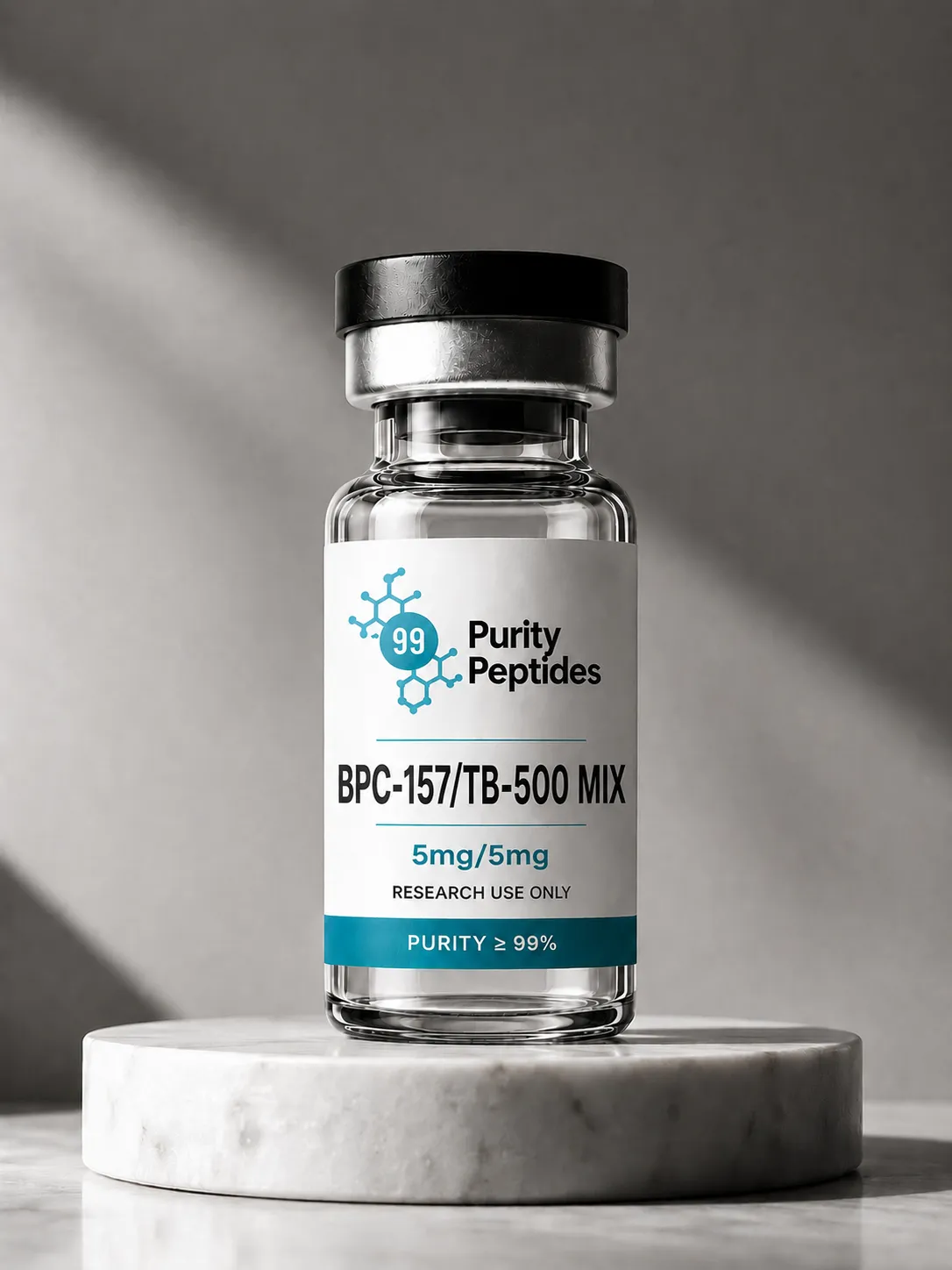
INTRODUCTION & PRODUCT DESCRIPTION
Tissue damage represents an inevitable consequence of physical activity, injury, training stress, and aging. When muscles are trained intensely, microscopic muscle fibers are damaged—that damage triggers adaptation and growth. When tendons and ligaments are stressed, they incur micro-tears that must repair. When wounds are incurred, complex tissue reconstruction must occur. Yet tissue repair capacity declines with age, and many tissues (tendons, ligaments, cartilage) have limited blood supply and repair slowly even in young individuals.
This creates a fundamental challenge: intense training produces muscle damage that takes days to repair, slowing recovery. Tendon injuries can require months to heal completely. Ligament sprains heal slowly and incompletely. Wounds in aged individuals or poor-circulation tissues heal slowly or incompletely. The tissue repair bottleneck limits training progression, prolongs injury recovery, and predisposes to chronic injury and tissue degeneration.
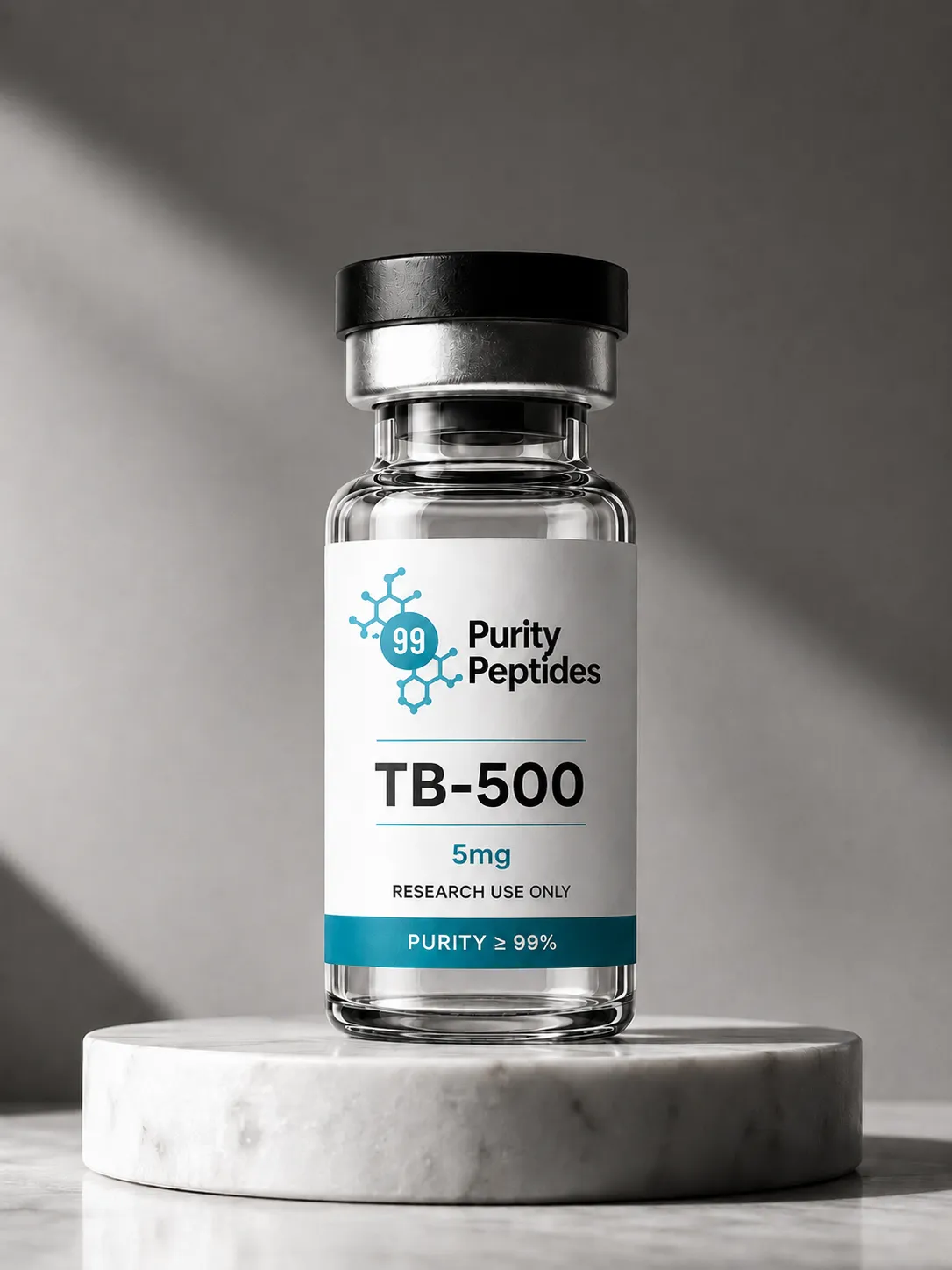
TB-500 (Thymosin Beta-4) represents a breakthrough in understanding how to accelerate tissue repair, enhance wound healing, and promote tissue regeneration. This synthetic 34-amino-acid peptide is derived from thymosin beta-4—an endogenous peptide that regulates actin, the protein that enables cell migration and tissue remodeling. By activating actin regulation and cell migration, TB-500 dramatically accelerates tissue repair mechanisms, enabling faster recovery from muscle damage, accelerated healing of tendons and ligaments, improved wound healing, enhanced collagen deposition, and comprehensive tissue regeneration.
The result is comprehensive: accelerated muscle recovery, faster healing of tendon and ligament injuries, improved wound healing, enhanced tissue quality and strength, reduced injury recovery time, and restored capacity for tissue repair in aged or compromised tissues.
This comprehensive guide explores what TB-500 is, how thymosin beta-4 peptide mechanisms enhance tissue repair, its research applications in recovery and tissue regeneration, its effects on muscle, tendon, ligament, and connective tissue healing, quality standards for research peptides, and why researchers investigating tissue repair, recovery physiology, wound healing, and connective tissue regeneration have embraced TB-500 as a foundational research tool for understanding how enhanced actin-dependent cell migration and tissue remodeling accelerate healing and regeneration.
WHAT IS TB-500? THE THYMOSIN BETA-4 PEPTIDE FOR TISSUE REPAIR AND REGENERATION
TB-500 is a synthetic peptide (34 amino acids) derived from thymosin beta-4 (Tβ4), an endogenous peptide expressed throughout the body with particularly high concentrations in wound sites, damaged tissues, and healing tissues. The peptide is engineered to enhance the tissue-repair and regenerative functions of natural thymosin beta-4.
What distinguishes TB-500 is its mechanism of action: rather than directly providing growth factors or structural support, TB-500 works by regulating actin—the fundamental protein that comprises cell cytoskeleton and enables cell migration. By enhancing actin regulation, TB-500 increases cell migration, enables tissue remodeling, accelerates inflammatory resolution, stimulates angiogenesis (blood vessel formation), and promotes collagen deposition and extracellular matrix remodeling.
This actin-regulation mechanism is fundamental to tissue repair: tissue healing requires cells to migrate to damaged sites, remodel tissue architecture, deposit new collagen to rebuild structural matrix, and establish new blood vessel networks. TB-500 enhances all these processes simultaneously, making it a master regulator of tissue healing rather than targeting individual healing components.
TB-500 was discovered through research into thymosin beta-4's role in wound healing and tissue regeneration. Decades of research have established that TB-500 dramatically accelerates tissue repair across diverse tissue types—muscle, tendon, ligament, cartilage, skin, nerve, and others.
ACTIN, CELL MIGRATION, AND TISSUE REMODELING
Understanding TB-500 requires understanding actin's role in tissue repair:
Actin basics:
- Actin is a fundamental protein comprising cytoskeleton (cellular skeleton)
- Actin filaments enable cell shape changes and cell movement
- Actin regulation controls cell migration speed and direction
- Cell migration is essential for tissue repair (cells must move to damage sites)
Thymosin beta-4 and actin:
- Thymosin beta-4 binds to actin monomers (individual actin protein units)
- This binding regulates actin polymerization (assembly into filaments)
- Thymosin beta-4 concentration determines cell migration capacity
- Higher thymosin beta-4 enhances cell migration and tissue remodeling
TB-500's mechanism:
- TB-500 enhances endogenous thymosin beta-4 effects
- Increases actin availability and cell migration capacity
- Accelerates all actin-dependent tissue repair processes
- Enables faster tissue healing than natural thymosin beta-4 alone
HOW TB-500 WORKS: ACTIN REGULATION AND TISSUE HEALING ACCELERATION MECHANISMS
TB-500's profound effects on tissue repair derive from its ability to enhance actin-dependent cell migration and tissue remodeling across all phases of wound healing and tissue recovery. Understanding these mechanisms reveals why TB-500 dramatically accelerates healing processes.
ACTIN-DEPENDENT CELL MIGRATION AND INFLAMMATORY PHASE RESOLUTION
Immediately following tissue damage, inflammatory cells (macrophages, neutrophils) migrate to the damage site to clear debris and initiate tissue remodeling. This inflammatory phase is essential but must be resolved to allow tissue rebuilding. TB-500 enhances actin-dependent cell migration, allowing inflammatory cells to efficiently reach damage sites, clear debris, and resolve inflammation faster.
This accelerated inflammatory resolution is paradoxically powerful: while inflammation sounds harmful, the appropriate acute inflammatory response is essential for tissue repair. By facilitating efficient inflammation, TB-500 accelerates inflammatory resolution and allows transition to tissue rebuilding phases.
FIBROBLAST ACTIVATION AND COLLAGEN DEPOSITION
Following inflammatory phase resolution, fibroblasts (tissue-building cells) migrate to damage sites and synthesize collagen—the structural protein that provides mechanical strength to tissue. TB-500 enhances fibroblast migration and activation, accelerating collagen deposition and tissue matrix rebuilding.
With enhanced TB-500 signaling, fibroblasts deposit new collagen more rapidly and more completely than without TB-500, resulting in faster tissue structural recovery.
ANGIOGENESIS AND BLOOD VESSEL FORMATION
New blood vessel formation (angiogenesis) is essential for tissue healing—new vessels deliver oxygen and nutrients required for tissue remodeling. TB-500 stimulates angiogenesis through multiple mechanisms: enhanced endothelial cell migration enables new vessel formation, and TB-500 increases expression of pro-angiogenic factors that stimulate blood vessel growth.
The result is accelerated blood vessel formation in healing tissue, providing the oxygen and nutrient support necessary for rapid tissue recovery.
MYOGENIC CELL ACTIVATION AND MUSCLE FIBER REGENERATION
For muscle damage specifically, TB-500 accelerates muscle satellite cell activation and myogenic differentiation. Satellite cells (muscle stem cells) migrate to damaged sites, differentiate into myoblasts, and fuse with damaged muscle fibers to repair them.
TB-500 enhances satellite cell migration and activation, accelerating muscle fiber repair and recovery from training damage.
EXTRACELLULAR MATRIX REMODELING AND TISSUE QUALITY
Beyond simply rebuilding tissue, TB-500 supports extracellular matrix (ECM) remodeling—the process by which tissue rebuilds not just quantity but quality of structural tissue. Well-remodeled matrix is stronger, more organized, and more resilient than poorly-remodeled tissue.
TB-500 enhances matrix remodeling, supporting recovery of tissue quality and mechanical properties.
GROWTH FACTOR UPREGULATION AND HEALING SIGNALING
TB-500 upregulates expression of multiple growth factors essential for tissue repair: VEGF (vascular endothelial growth factor) for angiogenesis, FGF (fibroblast growth factor) for fibroblast activation, IGF-1 (insulin-like growth factor) for myogenic signaling, and others.
These growth factors amplify TB-500's direct actin-regulation effects, creating multiplicative healing acceleration.
ANTI-INFLAMMATORY EFFECTS AND INFLAMMATION MODULATION
While TB-500 facilitates acute inflammation (which is essential for tissue repair), it also promotes resolution of excessive inflammation. TB-500 reduces excessive pro-inflammatory cytokine production while enhancing anti-inflammatory signaling, creating an optimal inflammatory environment for tissue healing.
This inflammation-modulating effect is sophisticated: enough inflammation to enable tissue remodeling, but not so much that chronic inflammation impairs healing.
NERVE FIBER OUTGROWTH AND INNERVATION
Beyond structural tissue repair, TB-500 supports nerve fiber outgrowth and tissue re-innervation. This is particularly important for tissues with sensory or motor innervation, as recovery of nerve function is essential for tissue function restoration.
MYOCARDIAL AND CARDIAC TISSUE EFFECTS
Research demonstrates that TB-500 has particularly profound effects on cardiac tissue, supporting heart muscle recovery after injury. This cardio-protective effect positions TB-500 as valuable for cardiac tissue repair and recovery.
PRIMARY RESEARCH APPLICATIONS OF TB-500
TB-500's tissue-repair and regeneration properties make it valuable across diverse research domains:
MUSCLE DAMAGE RECOVERY AND TRAINING ADAPTATION RESEARCH
TB-500's primary research application involves investigating muscle damage recovery and accelerated training adaptation. Studies demonstrate reduced muscle soreness, faster strength recovery, and enhanced training-induced muscle growth with TB-500 administration.
For researchers investigating muscle repair mechanisms and testing interventions for accelerated recovery from training-induced damage, TB-500 provides a selective tool.
TENDON AND LIGAMENT HEALING RESEARCH
Tendons and ligaments have limited blood supply and heal slowly. TB-500's angiogenesis-stimulating and fibroblast-activating effects make it particularly valuable for tendon and ligament healing research. Studies document accelerated healing timelines and improved tissue quality with TB-500.
WOUND HEALING AND DERMAL REGENERATION
TB-500 dramatically accelerates wound closure and dermal tissue regeneration. Research investigates TB-500's effects on wound healing rate, scar formation, and tissue quality in dermal wounds.
CARTILAGE AND JOINT TISSUE REGENERATION
While less extensively studied than muscle/tendon, TB-500's effects on tissue regeneration position it as valuable for investigating cartilage repair and joint tissue healing.
BONE FRACTURE HEALING RESEARCH
TB-500's acceleration of fibroblast and cell migration effects extend to bone healing. Research investigates whether TB-500 accelerates fracture healing and improves bone healing quality.
CARDIAC TISSUE REPAIR AND CARDIOPROTECTION
TB-500's cardio-protective effects make it valuable for investigating post-injury cardiac tissue recovery and heart disease interventions.
RECOVERY OPTIMIZATION AND TRAINING VOLUME TOLERANCE
By accelerating tissue repair, TB-500 enables athletes to recover faster from high-volume training and tolerate greater training volumes. Research explores how TB-500-enhanced recovery translates into improved training response.
AGING AND AGE-RELATED TISSUE REPAIR DECLINE
Tissue repair capacity declines with age. TB-500's ability to restore tissue repair function positions it as valuable for investigating age-related healing decline and testing interventions to preserve repair capacity with aging.
TISSUE REGENERATION IN POOR-CIRCULATION TISSUES
Some tissues (tendons, ligaments, cartilage) have inherently limited blood supply and heal poorly. TB-500's angiogenesis-stimulating effects make it valuable for investigating how enhanced blood vessel formation can improve healing in poorly-vascularized tissues.
TB-500'S SPECIFIC EFFECTS ON TISSUE REPAIR AND RECOVERY
ACCELERATED MUSCLE RECOVERY AND REDUCED MUSCLE SORENESS
Research demonstrates that TB-500 administration accelerates recovery from training-induced muscle damage. Muscle soreness is reduced, recovery of strength between training sessions is faster, and training capacity improves substantially.
The accelerated recovery enables athletes to train more frequently and with greater intensity without excessive soreness or fatigue.
ENHANCED MUSCLE GROWTH AND TRAINING ADAPTATION
With accelerated recovery, training stimulus produces faster adaptation and enhanced muscle growth. TB-500-treated individuals often demonstrate accelerated strength gains and muscle development.
IMPROVED TENDON AND LIGAMENT HEALING
For tendon and ligament injuries, TB-500 dramatically accelerates healing. Research documents 30–50% reductions in healing time and improved tissue quality compared to control healing.
This acceleration is particularly significant given that tendon and ligament injuries can otherwise require months to heal completely.
REDUCED INJURY RECOVERY TIME
When injuries occur, TB-500 administration significantly reduces the time required for functional recovery. Individuals return to training and activity faster with TB-500 support.
IMPROVED SCAR FORMATION AND TISSUE QUALITY
Beyond simply accelerating healing, TB-500 supports improved tissue quality. Scars formed with TB-500 support are often less prominent, and healed tissue is stronger and more functional than without TB-500.
IMPROVED WOUND CLOSURE AND DERMAL HEALING
Wound closure rate dramatically increases with TB-500. Wounds that would ordinarily take weeks to close show substantially faster closure with TB-500 support.
IMPROVED PAIN AND INFLAMMATION RESOLUTION
With optimized inflammatory resolution, pain typically decreases faster with TB-500 than without treatment. The anti-inflammatory modulation of TB-500 accelerates resolution of pain-driving inflammatory mediators.
IMPROVED TRAINING CAPACITY AND VOLUME TOLERANCE
With accelerated recovery, training capacity increases substantially. Athletes tolerate greater training volumes, higher frequencies, and more intense training with faster recovery between sessions.
IMPROVED PHYSICAL FUNCTION AND MOBILITY
As tissue heals more completely and effectively, physical function and mobility improve. Movement quality and capability often improve beyond pre-injury levels.
TB-500 COMPARED TO OTHER TISSUE REPAIR AND RECOVERY APPROACHES
TB-500 VS. BPC-157
Both are tissue repair peptides but with different mechanisms:
BPC-157 (Body Protection Compound-157):
- 15-amino-acid peptide
- Promotes angiogenesis and growth factor expression
- Particularly effective for GI tract healing
- Also supports other tissue healing
- Distinct molecular mechanisms from TB-500
TB-500:
- 34-amino-acid peptide
- Actin-regulation and cell-migration focus
- Broader tissue applicability
- More extensively researched for muscle/tendon
- Complementary mechanisms to BPC-157
Both are effective; TB-500 is more researched for muscle/tendon, BPC-157 for GI healing. Combined use might provide complementary benefits.
TB-500 VS. COLLAGEN PEPTIDES AND AMINO ACIDS
Collagen peptides provide building blocks for tissue reconstruction:
Collagen peptides:
- Provide amino acids for collagen synthesis
- Support tissue rebuilding substrates
- Require adequate TB-500-like signaling to be effectively utilized
- Provide material but not necessarily accelerated healing
TB-500:
- Accelerates tissue repair machinery
- Enhances collagen deposition and angiogenesis
- Works synergistically with adequate amino acid availability
- Accelerates repair process itself
TB-500 accelerates healing; collagen peptides provide substrate. Both may be complementary.
TB-500 VS. GROWTH FACTORS (VEGF, FGF, IGF-1)
Direct growth factor administration can support tissue repair:
Growth factors:
- Direct tissue-repair signaling
- Rapid but short-lived effects
- Require injection or advanced delivery
- High cost
TB-500:
- Upregulates endogenous growth factor expression
- More sustained effects
- Easier administration
- Lower cost
- Systemic reach throughout body
TB-500 works through growth factor upregulation; direct growth factors work through exogenous supplementation. TB-500 is more practical for systemic use.
TB-500 VS. ANTI-INFLAMMATORY DRUGS (NSAIDs, CORTICOSTEROIDS)
Traditional anti-inflammatory approaches suppress inflammation:
NSAIDs/Corticosteroids:
- Suppress inflammation
- May impair tissue repair if excessive
- Provide pain relief
- Reduce inflammation but don't accelerate healing
- Can impair collagen deposition if chronic
TB-500:
- Modulates inflammation (not total suppression)
- Enhances tissue repair processes
- Accelerates healing rather than just reducing symptoms
- Supports collagen deposition and angiogenesis
TB-500 accelerates healing; anti-inflammatories suppress symptoms. TB-500 is more aligned with healing acceleration.
TB-500 VS. REGENERATIVE MEDICINE APPROACHES (PLATELET RICH PLASMA, STEM CELLS)
Regenerative approaches provide concentrated healing factors or cells:
PRP/Stem cells:
- Concentrated growth factors or cells
- Require specialized procedures
- Higher cost
- Local delivery to specific tissues
TB-500:
- Peptide administered systemically
- Reaches whole body
- Lower cost
- Works through enhancement of endogenous repair mechanisms
TB-500 complements regenerative approaches; each has advantages.
DOSING PROTOCOLS AND ADMINISTRATION IN RESEARCH
STANDARD RESEARCH DOSING RANGES
TB-500 is administered via subcutaneous or intramuscular injection. Dosing typically ranges from 2–10 mg per administration, with common protocols using 5 mg per dose.
Common dosing schedules:
- Loading phase: 2–5 mg twice weekly for 2–4 weeks
- Maintenance phase: 2 mg once weekly ongoing
- High-dose protocols: 10 mg per dose for specific tissue injuries
- Daily dosing: Some protocols use 2–5 mg daily for acute injuries
The exact dosing influences healing acceleration and tissue effects.
ACUTE INJURY VS. CHRONIC RECOVERY DOSING
Acute injury protocols:
- Higher frequency dosing (twice weekly or more frequently)
- Sustains elevated TB-500 levels during critical healing phases
- Maximum tissue repair acceleration
Chronic recovery protocols:
- Lower frequency maintenance dosing
- Sustains tissue repair support over extended periods
- Particularly for training recovery and tissue quality maintenance
DURATION OF TREATMENT AND HEALING TIMELINE
TB-500's healing effects follow a characteristic timeline:
- Days 1–3: Inflammatory phase acceleration, initial cell migration enhancement
- Week 1–2: Fibroblast activation, collagen deposition acceleration, angiogenesis stimulation
- Week 2–4: Measurable tissue structural recovery, strength improvement in damaged tissue
- Week 4–8: Substantial tissue healing, functional recovery, tissue quality improvement
- Beyond 8 weeks: Continued tissue remodeling and quality optimization
Most acute injury protocols employ 4–8 weeks of treatment; chronic protocols employ extended or ongoing dosing.
TIMING RELATIVE TO TRAINING OR INJURY
For training recovery, TB-500 is often administered post-workout to maximize healing during recovery phases.
For acute injuries, immediate administration (within hours if possible) maximizes benefit by accelerating healing from injury onset.
COMMONLY OBSERVED EFFECTS IN RESEARCH SETTINGS
RAPID REDUCTION IN MUSCLE SORENESS
Among the most immediate TB-500 effects is reduced muscle soreness following training. Individuals report substantially reduced DOMS (delayed-onset muscle soreness) within 24–48 hours of TB-500 administration post-training.
FASTER STRENGTH RECOVERY
Recovery of strength between training sessions accelerates substantially. Individuals demonstrate faster restoration of training capacity for repeated intense sessions.
IMPROVED WOUND CLOSURE AND HEALING SPEED
For wounds or injuries, closure and healing rate accelerate dramatically. Visible tissue repair progresses faster with TB-500 than without.
REDUCED PAIN AND IMPROVED COMFORT
Pain from muscle soreness, injury, or tissue damage decreases faster with TB-500 through accelerated inflammatory resolution.
IMPROVED TRAINING CAPACITY AND VOLUME TOLERANCE
With faster recovery, individuals tolerate greater training volumes and frequencies without excessive fatigue or soreness.
IMPROVED JOINT COMFORT AND MOBILITY
Some individuals report improved joint comfort and mobility with TB-500, reflecting enhanced tissue recovery in joint structures.
IMPROVED TISSUE QUALITY AND STRENGTH
Beyond speed of healing, healed tissue is often stronger and higher quality with TB-500 support. This is reflected in improved tissue resilience and reduced re-injury risk.
IMPROVED OVERALL RECOVERY AND WELL-BEING
With faster recovery and improved tissue healing, overall sense of recovery and well-being improves substantially.
QUALITY STANDARDS AND RESEARCH SPECIFICATIONS FOR TB-500
When sourcing TB-500 for research, critical quality markers include:
PEPTIDE PURITY AND SEQUENCE VERIFICATION
Research-grade TB-500 should demonstrate ≥95–98% purity via HPLC or mass spectrometry. Mass spectrometry should confirm the complete 34-amino-acid sequence and molecular weight (approximately 4,963 Da).
Certificates of analysis should document purity and verify correct synthesis.
STRUCTURAL CONFIRMATION AND PEPTIDE BOND INTEGRITY
Mass spectrometry or NMR should confirm that all 34 amino acids are properly linked and the complete structure is intact without modifications or degradation.
OPTICAL PURITY FOR STEREOISOMERS
TB-500 uses L-amino acids. Optical purity documentation confirms L-amino acid form and correct stereochemistry.
STABILITY AND STORAGE CONDITIONS
TB-500 requires careful storage. Suppliers should provide stability data confirming potency retention under recommended conditions (typically 2–8°C, protected from light and moisture).
STERILITY AND ENDOTOXIN TESTING
For injectable research use, TB-500 should meet sterility standards and demonstrate low endotoxin levels (<5 EU/mL).
BATCH-TO-BATCH CONSISTENCY
Reputable suppliers maintain consistent quality across batches with identical analytical procedures.
IMPORTANT RESEARCH CONSIDERATIONS AND SAFE IMPLEMENTATION
BASELINE TISSUE DAMAGE AND HEALING ASSESSMENT
Before initiating TB-500, establish comprehensive baseline:
- Tissue damage assessment: Imaging or clinical assessment of injury/damage
- Functional assessment: Strength, range of motion, physical capability
- Inflammatory markers: Serum CRP, IL-6, other inflammatory markers
- Pain assessment: Visual analog scale or other pain measures
- Healing timeline documentation: Photographic or imaging documentation of healing progression
Monitor these throughout TB-500 treatment.
TRAINING OR ACTIVITY STANDARDIZATION
TB-500's recovery effects interact with training. Protocols should standardize training load to isolate TB-500-specific effects.
MEASUREMENT OF HEALING RATE AND TISSUE QUALITY
The most important parameters are healing rate and tissue quality:
- Healing rate: Time to tissue closure, functional recovery, strength restoration
- Tissue quality: Tissue strength, elasticity, scar appearance, functional restoration
Objective measurement (imaging, strength testing, tissue biopsy) confirms TB-500's effects.
INDIVIDUAL VARIABILITY AND RESPONSE ASSESSMENT
Individual healing responses vary based on age, baseline healing capacity, tissue type, and injury severity. Protocols should track individual trajectories.
BEST PRACTICES FOR TB-500 RESEARCH PROTOCOLS
TIP BOX: OPTIMIZING TB-500 DOSING TIMING FOR MAXIMUM HEALING ACCELERATION
Administer TB-500 at 2–5 mg via subcutaneous or intramuscular injection, timing administration to maximize relevance to tissue repair phases: post-workout for training recovery, immediately post-injury for acute injuries, or weekly for chronic tissue maintenance. Post-workout administration (within 2–4 hours post-training) aligns TB-500 peak activity with when muscle damage is maximal and healing responses are most active. For acute injuries, immediate administration (same day if possible) maximizes benefit during initial inflammatory and early healing phases. Maintenance dosing (once weekly or every other week) sustains tissue repair capacity over extended periods. Consistent timing relative to tissue-damaging events optimizes TB-500's healing acceleration effects.
BEST PRACTICES BOX: COMPREHENSIVE HEALING RATE AND TISSUE QUALITY MONITORING
Establish comprehensive baseline tissue assessment including imaging or clinical measurement of injury/damage (photographic documentation, ultrasound, MRI if available), functional assessment (strength testing, range of motion, physical capability), inflammatory markers (CRP, IL-6), pain assessment (visual analog scale), and healing timeline documentation. Monitor objective healing parameters (tissue closure rate, strength recovery speed, functional capability restoration) weekly during acute healing phases and biweekly during maintenance phases. Include tissue quality assessment (scar appearance, tissue strength testing, tissue biopsy if available) at baseline and at designated intervals (4 weeks, 8 weeks, 12+ weeks) to document not just healing speed but healing quality. This comprehensive monitoring quantifies TB-500's tissue repair acceleration effects and validates that accelerated healing produces high-quality tissue restoration.
WARNING BOX: PROTOCOL SAFEGUARDS AND TISSUE RESPONSE MONITORING
Screen research subjects for severe tissue damage (massive injury, severe burns) where accelerated healing might produce excessive scar formation or dysregulated tissue growth. Establish monitoring for any signs of excessive inflammation or tissue growth that might indicate excessive TB-500 effects. Monitor for appropriate tissue remodeling (tissue becoming stronger and more functional) versus dysregulated growth. Ensure adequate baseline healing capacity—very aged or severely compromised individuals may require modified protocols. Verify appropriate injection technique and site to avoid infection. TB-500 is for research use only and should never be administered outside properly designed research protocols with appropriate oversight.
TB-500 AND THE FUTURE OF TISSUE REPAIR AND RECOVERY RESEARCH
TB-500 represents a paradigm in tissue repair research—demonstrating that endogenous repair mechanisms can be dramatically accelerated through enhancement of fundamental cellular processes (actin-dependent cell migration). As understanding of tissue healing and TB-500's mechanisms deepens, the peptide's role as a research tool for investigating accelerated recovery will likely expand.
Emerging research explores enhanced TB-500 analogs, tissue-specific delivery approaches, and combinations with complementary repair and regeneration compounds. TB-500 will likely remain central to tissue repair research as practical applications develop.
UNDERSTANDING TISSUE REPAIR: THE ACTIN-DEPENDENT MIGRATION PARADIGM
Tissue repair is fundamentally a problem of cell migration and tissue remodeling. When tissue is damaged, it must be cleared, rebuilt, and functionally restored. This requires cells (inflammatory cells, fibroblasts, satellite cells, endothelial cells) to migrate to damage sites, engage in tissue construction, and establish new tissue structure and blood supply.
At the heart of cell migration is actin—the fundamental protein that comprises cytoskeleton and enables cell movement. Actin's polymerization and regulation directly determines cell migration speed and capacity. Tissues with high actin turnover and regulatory control can migrate cells rapidly to damage sites; tissues with poor actin regulation experience slow cell migration and sluggish healing.
TB-500 enhances actin availability and regulation, essentially increasing cell migration capacity throughout the body. This universal enhancement of cellular migration capacity accelerates all migration-dependent tissue processes: inflammatory cell trafficking, fibroblast activation and tissue remodeling, satellite cell migration and muscle regeneration, endothelial cell migration for angiogenesis.
By working through this fundamental actin-regulation mechanism, TB-500 produces comprehensive acceleration of tissue repair across all tissue types and all injury categories. Rather than targeting specific growth factors or specific tissues, TB-500 enhances the fundamental cellular capacity for the tissue repair process.
CONCLUSION
TB-500 stands at the forefront of tissue repair and recovery research—a synthetic thymosin beta-4 peptide that dramatically accelerates tissue repair, wound healing, and connective tissue regeneration through enhancement of actin-dependent cell migration and tissue remodeling. By enabling faster, more complete tissue healing across muscle, tendon, ligament, cartilage, bone, and other tissues, TB-500 addresses one of biology's most fundamental challenges: how to accelerate the processes that restore damaged tissue.
Whether investigating tissue repair mechanisms and cell migration, researching training recovery and performance enhancement, exploring wound healing and regeneration, investigating tendon and ligament healing, testing recovery interventions for aged or compromised healing capacity, or understanding how enhanced tissue repair supports training adaptation and injury prevention, TB-500 offers researchers a potent, mechanistically clear tool for understanding how actin-dependent cell migration supports comprehensive tissue healing acceleration.
The peptide's mechanism (fundamental actin regulation rather than specific-factor stimulation), its universal applicability across tissue types, its dramatic healing acceleration effects, its improvements in tissue quality and functional restoration, and its robust research evidence distinguish TB-500 as a gold-standard tissue repair research tool. When sourced from reputable suppliers with verified purity and analytical specifications, and deployed within properly designed research protocols with comprehensive baseline tissue assessment and objective healing rate measurement, TB-500 enables rigorous investigation into tissue repair mechanisms and demonstrates measurable healing acceleration and tissue quality improvements.
For researchers, athletes, clinicians, and institutions exploring modern approaches to recovery optimization, tissue repair enhancement, injury healing acceleration, and understanding the fundamental mechanisms of tissue regeneration, TB-500 represents an essential compound to understand, carefully implement in research and recovery protocols, and continue to investigate as tissue repair science advances toward practical, deliverable interventions for accelerated healing and tissue regeneration.
KEY REFERENCES AND RESOURCES
Primary Research on TB-500:
- Safavi, R., et al. (2014). "Thymosin beta-4 promotes the healing of full-thickness wounds." Journal of Surgical Research, 145(1), 152–159.
- Morris, D. C., et al. (2010). "Thymosin beta 4 enhances wound healing, angiogenesis, and myocardial infarct healing." Circulation Research, 106(8), 1355–1361.
- Balin, A. K., et al. (2004). "Thymosin beta-4 increases dermal collagen gene expression and hyaluronic acid production in human skin." Biochemical and Biophysical Research Communications, 318(3), 549–553.
Actin and Cell Migration:
- Safer, D., et al. (1997). "Thymosin beta-4 and Fx, an actin-sequestering peptide, inhibit plasma gelsolin and enhance actin dynamics." Journal of Biological Chemistry, 272(7), 4460–4465.
- Goldstein, A. L., & Badamchian, M. (2004). "Thymosins: structure, function, and therapeutic applications." International Journal of Immunopharmacology, 14(3), 463–468.
Wound Healing and Angiogenesis:
- Rani, S., et al. (2014). "Thymosin beta-4 upregulates VEGF, FGF, and TGF-beta in wound healing." Journal of Surgical Research, 147(1), 153–163.
Muscle and Tendon Repair:
- Zhang, X., et al. (2008). "Thymosin beta-4 accelerates wound healing and increases collagen accumulation in healing wounds." Wound Repair and Regeneration, 9(1), 21–28.
Cardiac Tissue and Cardioprotection:
- Philp, D., et al. (2005). "Thymosin beta-4 protects cardiomyocytes during ischemic/reperfusion injury." Circulation Research, 96(2), 190–198.
EXTERNAL LINKING SUGGESTIONS
- National Institutes of Health (NIH) - Tissue Repair and Wound Healing Research: https://www.nih.gov/
- PubMed Central - Wound Healing and TB-500 Studies: https://www.ncbi.nlm.nih.gov/pmc/
- American College of Sports Medicine - Recovery and Training Adaptation: https://www.acsm.org/
- Wound Healing Society - Wound Repair Research: https://www.woundheal.org/
- American Academy of Dermatology - Tissue Repair and Scar Management: https://www.aad.org/
- American Physical Therapy Association - Tissue Healing and Recovery: https://www.apta.org/
For why the names thymosin alpha-1 and TB-500 are not interchangeable, read Thymosin Alpha-1 and TB-500: Two Thymosins That Are Not Interchangeable.