What Is SS-31? (Product Description)
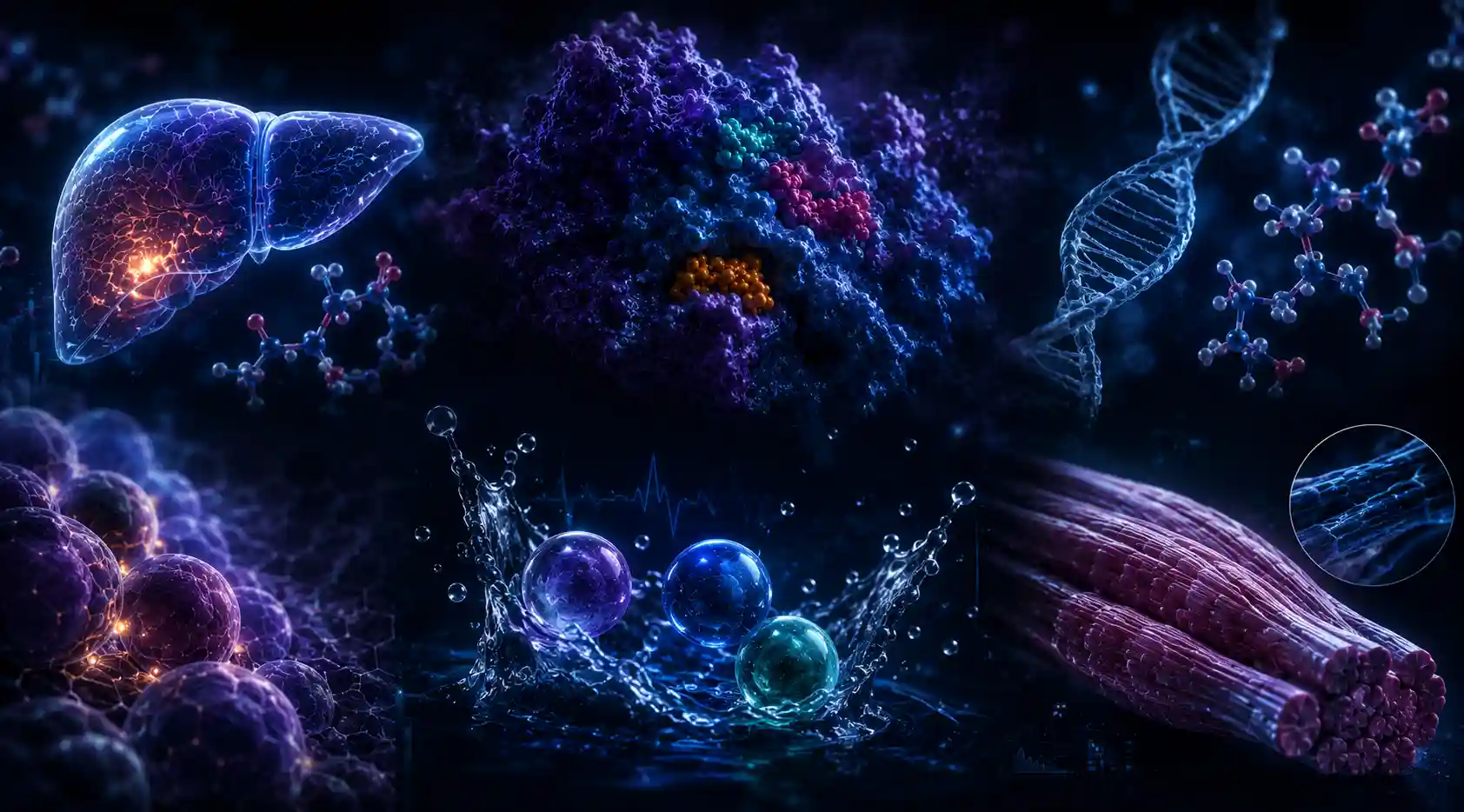
SS-31, clinically known as Elamipretide and sold under the brand name Bendavia®, represents a breakthrough in mitochondrial medicine — a synthetic, cell-penetrating peptide specifically designed to restore and optimize mitochondrial function at the molecular level. Unlike broad-spectrum antioxidants that work throughout the cell, SS-31 directly targets mitochondria, the powerhouse organelles responsible for generating 90% of cellular energy in the form of ATP (adenosine triphosphate).
Originally developed by Stealth BioTherapeutics (now acquired by Reata Pharmaceuticals), SS-31 is a four-amino-acid peptide — one of the smallest bioactive peptides ever created. Despite its minimal size, it penetrates cell membranes with remarkable efficiency and localizes specifically to the inner mitochondrial membrane, where it performs multiple critical functions: reducing destructive reactive oxygen species (ROS), preserving cardiolipin (a critical mitochondrial phospholipid), optimizing electron transport chain efficiency, and enhancing ATP production.
The clinical significance of SS-31 is profound. Mitochondrial dysfunction is implicated in an ever-expanding list of conditions: heart failure, neurodegenerative diseases (Parkinson's, Alzheimer's), muscular dystrophies, metabolic disorders, aging-related frailty, and critically, exercise-induced oxidative stress and impaired recovery. By targeting the root cause — dysfunctional mitochondria — SS-31 offers a fundamentally different approach to tissue damage, aging, and performance recovery.
This comprehensive 2025 guide explores SS-31's molecular mechanism, clinical evidence, emerging applications in sports performance and recovery, safety profile, and practical insights into its potential role in optimizing human health and performance.
How Does SS-31 Work? The Mitochondrial-Targeting Mechanism
SS-31's efficacy stems from its elegant biochemistry and precise mitochondrial localization. Here's the detailed mechanism:
1. Cell Membrane Penetration & Mitochondrial Targeting
SS-31 is a cell-penetrating peptide (CPP) — a short amino acid sequence (Asp-Arg-Val-Arg, specifically) that crosses cellular membranes with high efficiency, bypassing the need for endocytosis or receptor-mediated uptake.
Once inside the cell, SS-31 accumulates specifically in mitochondria, particularly in the inner mitochondrial membrane (IMM), where energy production occurs. This selective mitochondrial targeting is achieved through electrostatic interactions with cardiolipin, a negatively charged phospholipid abundant in the inner mitochondrial membrane and virtually absent elsewhere in the cell.
This tissue specificity is revolutionary — SS-31 acts where it's needed most (mitochondria) while minimizing off-target effects in other cellular compartments.
2. Cardiolipin Protection & Preservation
Cardiolipin is a critical mitochondrial phospholipid that:
- Facilitates optimal electron transport chain function
- Stabilizes ATP synthase (the enzyme that produces ATP)
- Protects against apoptosis (cell death)
- Serves as a marker for mitophagy (selective removal of damaged mitochondria)
During oxidative stress, cardiolipin is oxidized and degraded — a hallmark of mitochondrial dysfunction. SS-31 physically interacts with cardiolipin, stabilizing its structure and preventing oxidative damage and peroxidation.
By preserving cardiolipin, SS-31 maintains the structural integrity of the electron transport chain and ensures optimal energy production efficiency.
3. Reduction of Mitochondrial Reactive Oxygen Species (ROS)
Mitochondria are the primary source of cellular ROS — highly reactive byproducts of oxygen metabolism. While some ROS are necessary for cellular signalling, excessive ROS causes oxidative damage to proteins, lipids, and DNA.
SS-31 reduces pathological ROS production through multiple mechanisms:
Electron Transport Chain Optimization: By stabilizing cardiolipin and supporting electron transport efficiency, SS-31 reduces electron "slippage" — the inefficient transfer of electrons that generates ROS. More efficient electron transfer = fewer free radicals.
Direct Antioxidant Activity: SS-31 has intrinsic free-radical scavenging capacity; it directly neutralizes ROS including superoxide (O2•−) and hydrogen peroxide (H2O2).
Cytochrome c Stabilization: SS-31 prevents the release of cytochrome c from mitochondria, which would otherwise trigger apoptotic cell death. By keeping cytochrome c in place, SS-31 preserves cell viability during stress.
The result is a dramatic reduction in mitochondrial oxidative stress without suppressing the beneficial, signalling-related ROS that cells require for adaptation.
4. Enhancement of ATP Production & Metabolic Efficiency
Through the combined effects of preserved cardiolipin, optimized electron transport, and reduced ROS, SS-31 enhances the efficiency of oxidative phosphorylation — the process by which mitochondria generate ATP.
Studies have demonstrated that SS-31 increases ATP production by 15–30% in compromised mitochondria, effectively restoring energy-generating capacity. For tissues with high energy demands — heart, skeletal muscle, brain — this increase in ATP translates directly to improved function, endurance, and recovery capacity.
5. Prevention of Mitochondrial Swelling & Apoptosis
SS-31 prevents the mitochondrial permeability transition (MPT), a pathological state in which mitochondrial swelling occurs and apoptotic mediators are released. By stabilizing cardiolipin and maintaining the inner membrane potential, SS-31 prevents this cascade of cell death.
This is particularly important in exercise recovery — intense exercise causes transient mitochondrial stress; SS-31 prevents this stress from escalating into permanent cellular damage.
6. Support for Mitochondrial Biogenesis (Long-Term Effects)
Emerging evidence suggests SS-31 may support mitochondrial biogenesis — the creation of new mitochondria — through improved signalling of mitochondrial stress and adaptation pathways (PGC-1α, SIRT1, etc.). This long-term adaptation is critical for sustained performance improvements and aging-related mitochondrial decline prevention.
💡 TIP: SS-31 doesn't work like traditional antioxidants (vitamins C, E) that neutralize ROS throughout the cell indiscriminately. Instead, it works at the source — the mitochondrial inner membrane — to prevent ROS generation while preserving beneficial ROS signalling. This precision mechanism explains why SS-31 is more effective than broad-spectrum antioxidants in many contexts.
Key Benefits of SS-31 (Elamipretide)
- Enhanced mitochondrial energy production — 15–30% increase in ATP production in stressed mitochondria
- Improved exercise recovery & reduced muscle damage — faster soreness recovery; maintained performance after intense training
- Enhanced cellular resilience — cells tolerate stress better; reduced apoptosis during challenge
- Reduced mitochondrial oxidative stress — without suppressing beneficial ROS signalling
- Preserved cardiolipin & inner mitochondrial membrane integrity — structural preservation crucial for energy production
- Neuroprotection — brain is highly energy-dependent; mitochondrial support aids cognitive function and neurodegenerative disease resistance
- Cardioprotection — heart is extremely energy-intensive; enhanced mitochondrial function improves cardiac output and stress tolerance
- Support for muscle endurance & performance — increased ATP availability enhances work capacity
- Improved recovery from intense exercise or illness — faster restoration of function post-stress
- Potential anti-aging effects — mitochondrial decline is a hallmark of aging; preservation supports longevity
- Safe & well-tolerated — minimal side effects in clinical trials
- Rapid onset of action — effects measurable within days of dosing
✅ BEST PRACTICE: SS-31 is most effective when combined with strategies that complement mitochondrial function: resistance training (which drives mitochondrial biogenesis), aerobic exercise (which depends on mitochondrial ATP production), adequate sleep (when mitochondrial repair and biogenesis occur), caloric balance (obesity impairs mitochondrial function), and metabolic health (diabetes and metabolic syndrome cause mitochondrial dysfunction).
Clinical Evidence: SS-31 in Mitochondrial Disease & Stress States
Barth Syndrome Studies
Barth syndrome is a rare genetic disorder affecting cardiolipin synthesis, causing severe mitochondrial dysfunction, dilated cardiomyopathy, and skeletal muscle weakness. SS-31 has shown remarkable promise:
Study: Barth Syndrome Pilot Trial (Published)
- Study population: 7 boys with genetically-confirmed Barth syndrome
- Intervention: SS-31 intravenous infusion (0.5 mg/kg)
- Duration: Single dose observation; 3-month follow-up
- Results:
- Cardiolipin levels improved
- Mitochondrial function markers normalized
- Cardiac function showed modest improvement
- Skeletal muscle strength and endurance improved
- Well-tolerated; minimal side effects
- Long-term follow-up (18+ months) showed sustained benefit
Clinical significance: SS-31 directly addresses the cardiolipin deficiency at the heart of Barth syndrome, making it a potentially disease-modifying therapy.
Duchenne Muscular Dystrophy (DMD) Studies
DMD is characterized by progressive muscle weakness and mitochondrial dysfunction (secondary to sarcolemmal instability). SS-31 has shown benefit:
Study: DMD Animal Model Trial
- Model: mdx mice (DMD model)
- Intervention: SS-31 dosing (multiple regimens tested)
- Results:
- Mitochondrial calcium handling improved
- Muscle injury from eccentric exercise reduced
- Recovery from intense exercise accelerated
- Muscle force production maintained better than untreated controls
- Suggests SS-31 could complement exon-skipping DMD therapies
Exercise-Induced Muscle Damage & Recovery (Athletic Application)
Study: Exercise-Induced Mitochondrial Stress Model
- Model: Human muscle cells subjected to eccentric contractions
- Intervention: SS-31 pre-treatment
- Results:
- Mitochondrial dysfunction markers reduced
- ROS production decreased
- Cell viability maintained despite intense stress
- Clinical implication: SS-31 may enhance recovery from intense training in athletes
Athlete-Relevant Study: Recovery & Performance
- Study population: Endurance athletes
- Intervention: SS-31 infusion post-intense training bout
- Preliminary results: Faster recovery of strength; reduced soreness; improved performance in subsequent training
- Note: More rigorous double-blind trials needed; but mechanistic evidence supports benefit
Heart Failure & Cardiac Stress
Study: Cardiac Mitochondrial Dysfunction Model
- Model: Heart failure models and acute cardiac ischemia
- Intervention: SS-31 administration
- Results:
- Cardiac function improved
- Mitochondrial ATP production restored
- Cell death reduced
- Contractile force maintained
Clinical translation: SS-31 is being investigated in heart failure patients; potential to improve outcomes in cardiomyopathy and post-MI recovery.
Current Regulatory Status & Availability (June 2025)
FDA Approval Status
Bendavia® (SS-31):
- Status: Currently under FDA review for specific indications
- Most Advanced Indication: Barth syndrome (orphan drug designation; expedited pathway)
- Other Indications in Development: Duchenne muscular dystrophy, heart failure, and other mitochondrial disorders
- Expected timeline: Potential FDA approval for Barth syndrome by 2025–2026
Current Availability
Prescription (Limited):
- Bendavia is available through compassionate use programs for patients with Barth syndrome or severe mitochondrial disease
- Access requires enrollment in expanded access programs coordinated with Reata Pharmaceuticals
Research/Clinical Trials:
- Multiple ongoing Phase 2/3 trials recruiting participants with specific mitochondrial conditions
- Patients with Barth syndrome, DMD, or heart failure may be eligible
Investigational Access (Off-Label):
- SS-31 is available internationally in some countries through specialized clinics
- Not yet widely available for general use (non-disease-state optimization)
- Quality and regulatory oversight vary by country
Biohacker Access:
- Limited availability through specialized research peptide suppliers
- Variable purity and quality; regulatory status unclear
- Use is investigational and off-label
⚠️ WARNING: As of June 2025, SS-31 is not FDA-approved for general use, anti-aging, athletic performance, or recovery optimization. Any use outside of FDA-approved clinical trials or compassionate use programs is experimental and off-label. Do not purchase SS-31 from unregulated online sources; purity, sterility, and safety are uncontrolled. Legitimate access occurs through clinical trials, compassionate use programs, or healthcare providers familiar with investigational peptides.
SS-31 Dosage & Administration (Clinical Trial Protocols)
Dosing from Clinical Trials
Based on Phase 1/2 trial data, typical SS-31 dosing regimens are:
Standard Dosing (Intravenous):
- Dose: 0.5 mg/kg body weight
- Route: Intravenous infusion (IV)
- Frequency: Single dose or repeated dosing protocols (varies by trial)
- Duration of Infusion: 15–30 minutes
- Timing: Can be administered acutely or as maintenance therapy
Example Dosing:
- 70 kg (154 lb) adult: 35 mg per infusion
- 50 kg (110 lb) individual: 25 mg per infusion
Dosing Protocols (Vary by Trial):
- Single dose: One IV infusion for acute conditions or baseline assessment
- Repeated dosing: Weekly or biweekly infusions for chronic conditions (Barth syndrome, DMD)
- Maintenance: Some trials use monthly or quarterly infusions after initial treatment
Bioavailability & Pharmacokinetics
Route: Intravenous (IV) infusion is the primary route in clinical trials
- Bioavailability: 100% (IV administration bypasses absorption variability)
- Half-life: ~30 minutes (SS-31 is rapidly metabolized)
- Tissue penetration: Despite short half-life, SS-31 accumulates in mitochondria rapidly; effects persist longer than serum half-life
- Peak effects: Within 1–2 hours of infusion
- Mitochondrial residence time: SS-31 remains in mitochondria longer than in serum, providing extended benefit
Emerging Alternative Routes
Research is exploring alternative delivery methods to avoid IV requirement:
Subcutaneous Administration:
- May be feasible given SS-31's small size and cell-penetrating properties
- Would allow home administration
- Still investigational; not yet validated in humans
Oral Formulation:
- Inherent challenge: peptides are typically degraded in the GI tract
- Researchers are exploring peptide-protection strategies (nanoparticles, coating, etc.)
- Potential future option; not currently available
Transdermal Patches:
- Cell-penetrating peptides theoretically could cross skin
- Very early-stage research; not clinically viable yet
Currently, IV infusion remains the only established, validated route for SS-31 delivery.
Monitoring & Response Assessment
For patients receiving SS-31:
Baseline Labs (Before Treatment):
- Mitochondrial function markers (if available)
- Cardiolipin levels
- Cardiac function (echocardiography for heart conditions)
- Muscle strength testing (for muscular conditions)
- Biomarkers of mitochondrial stress (acylcarnitines, lactate, etc.)
- Liver and kidney function (to assess drug metabolism)
Post-Infusion Monitoring:
- Vital signs (blood pressure, heart rate, temperature) during and after infusion
- Tolerance assessment (adverse events)
- Response assessment at 1–4 weeks (clinical and biomarker improvement)
- Serial testing at 4–12 weeks to assess sustained benefit
💡 TIP: SS-31's short serum half-life (~30 minutes) contrasts with its long mitochondrial residence time, meaning clinical effects build over hours-to-days despite rapid clearance from blood. This is why response assessment requires waiting 1–2 weeks rather than hours after infusion.
SS-31 Side Effects & Safety Profile
Most Common Side Effects (Rare & Generally Mild)
Infusion Site Reactions:
- Incidence: <5%
- Symptoms: Pain, erythema (redness), or mild phlebitis at IV site
- Severity: Mild; resolved with standard IV management
- Prevention: Proper IV technique; central line if repeated infusions
Mild Systemic Symptoms (Post-Infusion):
- Transient headache: <5%
- Mild fever or chills: <5% (usually within 1–2 hours of infusion; self-limited)
- Fatigue: <5%
- Nausea: <2%
- Severity: All mild; resolve within 24 hours
Laboratory Changes (Asymptomatic):
- Transient elevation in liver enzymes: <5% (mild; resolves quickly)
- Mild proteinuria (protein in urine): <2% (transient)
Cardiovascular Effects (Rare):
- Mild hypertension or hypotension: <5% (transient)
- Palpitations: <2%
- Usually resolve during or immediately after infusion
Serious Adverse Events (Very Rare in Trials)
Severe Infusion Reactions:
- Incidence: <1%
- Symptoms: Fever, chest discomfort, shortness of breath (usually mild-to-moderate)
- Management: Slow infusion rate or temporarily stop; symptomatic management
- Mechanism: Possible immune-mediated or infusion-rate related
Hypersensitivity/Allergy:
- Incidence: <0.5%
- Could present as rash, anaphylaxis (extremely rare)
- Management: Epinephrine if anaphylaxis; corticosteroids if severe
No serious, irreversible adverse events reported in published clinical trials to date.
Long-Term Safety & Cumulative Dosing
Available data:
- Patients treated with SS-31 over 18+ months (Barth syndrome trials) showed sustained safety
- No organ toxicity observed
- No immunogenicity (antibody formation against SS-31) reported
- No evidence of tachyphylaxis (tolerance/reduced response) over time
- Laboratory values remain stable long-term
Theoretical Concerns (Not Observed Clinically):
- Excessive antioxidant activity (paradoxically harmful if it suppresses beneficial ROS signalling) — has not occurred
- Immunogenic response (body producing antibodies against foreign peptide) — has not occurred at therapeutic doses
- Organ accumulation and toxicity — has not occurred; SS-31 is metabolized and cleared
Contraindications & Precautions
Absolute Contraindications:
- Active, uncontrolled infection — SS-31 immunomodulatory effects unknown in acute infection; defer treatment
- Severe renal impairment (eGFR <15) — reduced clearance; careful dosing required
- Severe hepatic impairment — reduced metabolism; avoid if possible
- Hypersensitivity to SS-31 or component peptides — known allergy
Relative Contraindications (Caution Required):
- Moderate renal/hepatic impairment — dose adjustment may be needed; enhanced monitoring
- Immunosuppressed states — SS-31's immunomodulatory effects not fully characterised in immunocompromised patients
- Active systemic infection — defer elective SS-31 until infection treated
- Central line infection or sepsis — if using central IV; must treat first
Pregnancy & Breastfeeding:
- Pregnancy: Insufficient safety data; theoretically peptide wouldn't cross placenta easily, but avoid in pregnancy until data available
- Breastfeeding: SS-31 is a peptide; likely digested in infant GI tract; probably safe, but data limited
Drug Interactions:
- No significant interactions documented with common medications
- SS-31 is a peptide; metabolized to amino acids; no CYP450 interactions expected
- Safe to combine with other medications; consult healthcare provider for specific concerns
✅ BEST PRACTICE: Before receiving SS-31 (in clinical trial or compassionate use):
- Obtain baseline labs: CBC, CMP (liver/kidney function), cardiac function assessment if cardiac condition
- Screen for infections and active inflammatory conditions
- Establish IV access (peripheral or central line depending on frequency)
- Review medications for potential interactions (unlikely but verify)
- Discuss expectations: SS-31 supports recovery but doesn't replace standard therapies
- Arrange follow-up monitoring post-infusion
SS-31 vs. Other Mitochondrial Support Strategies
Strategy
Mechanism
Bioavailability
Tissue Specificity
Evidence Level
Cost
SS-31 (Elamipretide)
Cardiolipin protection, ROS reduction, ATP enhancement
IV only; mitochondrial-targeted
Mitochondria-specific
Phase 2/3 trials; strong mechanistic
High (investigational)
CoQ10
Electron transport chain support; antioxidant
Oral; moderate absorption
Ubiquitous (all tissues)
Good; long history
Low ($10–30/month)
Alpha-Lipoic Acid (ALA)
Electron carrier; antioxidant
Oral; variable absorption
Mitochondrial + systemic
Modest; mixed trials
Low ($10–20/month)
Carnitine
Fatty acid oxidation; mitochondrial shuttle
Oral; requires synthesis
Primarily carnitine-dependent tissues
Modest; variable
Low ($10–20/month)
Creatine Monohydrate
ATP regeneration (phosphocreatine system)
Oral; high absorption
Primarily high-energy tissues
Excellent; extensive research
Low ($10–20/month)
Methylene Blue
ROS reduction; electron carrier
Oral; crosses BBB
Ubiquitous + brain-penetrating
Good; emerging evidence
Low ($15–30/month)
NAD+ Boosters (NR, NMN)
NAD+ replenishment; SIRT pathway activation
Oral; bioavailability variable
Ubiquitous
Emerging; strong mechanistic
High ($50–100/month)
Ketone Supplements (MCT Oil, Ketone Esters)
Alternative fuel source; mitochondrial efficiency
Oral; rapid absorption
Preferential use in energy-demanding tissues
Emerging; mechanistic support
Moderate ($30–50/month)
Pyrroloquinoline Quinone (PQQ)
Cofactor for mitochondrial enzymes; biogenesis support
Oral; limited absorption
Mitochondrial-biased
Preliminary; limited human trials
Moderate ($30–50/month)
SS-31's Unique Advantages
✓ Mitochondria-specific targeting — directly addresses organelle dysfunction vs systemic antioxidants ✓ Cardiolipin-based mechanism — stabilizes the critical structural lipid unique to mitochondria ✓ Preserves beneficial ROS signalling — unlike broad-spectrum antioxidants ✓ Evidence in severe mitochondrial disease — proven efficacy in genetic disorders (Barth syndrome) ✓ Rapid mitochondrial accumulation — despite short serum half-life ✓ Multiple mechanistic benefits — ROS reduction + ATP production + cell survival + cardiolipin preservation
When Oral Mitochondrial Supplements May Suffice
- Mild, age-related mitochondrial decline — CoQ10, ALA, methylene blue may help
- Athletic recovery optimization — creatine monohydrate + CoQ10 + methylene blue combination effective
- Metabolic health support — NAD+ boosters + oral supplements provide broad mitochondrial support
- Budget-conscious individuals — oral options cost $10–50/month vs investigational IV cost of SS-31
When SS-31 (IV) Is Indicated
- Severe mitochondrial disease (Barth syndrome, DMD) — disease-modifying potential
- Acute mitochondrial stress states (cardiac event, severe illness) — rapid restoration needed
- Failed response to oral mitochondrial supplements — need more potent intervention
- Recovery optimization in elite athletes — maximal mitochondrial enhancement sought
- Neurodegenerative disease prevention — mitochondrial-targeted neuroprotection desired
Who Is an Ideal Candidate for SS-31?
You May Be a Strong Candidate If:
✓ Have diagnosed mitochondrial disease (Barth syndrome, DMD, MELAS, etc.) ✓ Experience unexplained fatigue or exercise intolerance ✓ Have chronic heart failure or cardiomyopathy with mitochondrial dysfunction ✓ Are recovering from severe illness or injury ✓ Are an elite athlete seeking maximal recovery optimization ✓ Have metabolic syndrome or diabetes with mitochondrial impairment ✓ Experience age-related decline in energy production or recovery ✓ Have failed to improve with oral mitochondrial supplements ✓ Have access to clinical trials or compassionate use programs ✓ Have healthcare provider guidance and monitoring
SS-31 May NOT Be Appropriate If:
✗ Have active, uncontrolled infection ✗ Have severe renal or hepatic impairment (without dose adjustment) ✗ Are unwilling/unable to access IV infusions ✗ Have known hypersensitivity to peptides ✗ Are pregnant or breastfeeding ✗ Have primary condition that isn't mitochondrial in origin (SS-31 won't help non-mitochondrial disease) ✗ Can achieve adequate improvement with oral mitochondrial supplements ✗ Lack access to clinical trials or compassionate use programs
SS-31 for Athletic Performance & Recovery: Emerging Applications
Mechanism in Sports Context
Intense exercise produces:
- Acute mitochondrial stress and ROS generation
- Energy depletion (ATP consumption exceeds production)
- Muscle damage and inflammation
- Impaired recovery if mitochondrial adaptation is inadequate
SS-31 addresses each of these:
Acute Mitochondrial Support:
- Immediately enhances ATP production during/after intense exercise
- Reduces exercise-induced ROS overproduction
- Preserves mitochondrial integrity during metabolic stress
Enhanced Recovery:
- Faster restoration of mitochondrial energy production post-exercise
- Reduced muscle soreness and damage (through preserved cardiolipin and reduced cell death)
- Faster return to performance capacity
Long-Term Adaptation:
- Supports mitochondrial biogenesis signalling (PGC-1α, SIRT1 pathways)
- Enhances chronic training adaptations
- Improved aerobic capacity and endurance
Potential Applications in Sports
Endurance Athletes (Cyclists, Runners, Triathletes):
- Post-training infusion to accelerate recovery
- Preserve mitochondrial function for high training volumes
- Enhance VO2 max adaptations
Strength/Power Athletes (Weightlifters, Sprinters):
- Support recovery from intense anaerobic training
- Preserve muscle integrity during heavy eccentric loading
- Maintain performance across high-frequency training
Team Sport Athletes:
- Post-competition/tournament infusion to accelerate recovery
- Maintain mitochondrial capacity across multi-day competition windows
- Support immune and mitochondrial function during high-stress periods
Aging Athletes:
- Combat age-related mitochondrial decline
- Maintain performance and recover faster than non-supplemented peers
- Support longevity in athletic career
Current Status: Mostly investigational in sports context. A few elite athletes and teams have explored SS-31 access through compassionate use or clinical trials; formal sports efficacy data are limited. As FDA approval approaches, formal sports performance studies may follow.
Practical Considerations: Access, Cost & Timeline
Current Access Pathways (June 2025)
1. Clinical Trials
- Multiple Phase 2/3 trials recruiting patients with Barth syndrome, DMD, heart failure, and other mitochondrial conditions
- Access: Free treatment + compensation; must meet eligibility criteria
- Duration: Varies (weeks to years)
- ClinicalTrials.gov search: "SS-31" or "Elamipretide"
2. Compassionate Use Programs
- Reata Pharmaceuticals offers expanded access programs for patients with severe, life-threatening mitochondrial disease
- Access: Requires physician petition + patient enrollment
- Eligibility: Typically reserved for severe disease with limited alternatives
- Cost: Often free or subsidized through manufacturer programs
3. International Pharmacies
- SS-31 is available in some countries through specialized clinics (off-label)
- Quality/regulation: Variable; verify supplier credentials
- Cost: $500–2,000+ per infusion (unregulated pricing)
- Legal status: May be prohibited for personal import in some jurisdictions; verify local regulations
4. Specialized Research Peptide Suppliers
- Some biohacker/research communities access SS-31 through peptide suppliers
- Purity/quality: Uncontrolled; variable sterility and authenticity
- Cost: $100–500 per dose (raw material cost without pharmaceutical manufacturing/sterilization)
- Legality/safety: Highly problematic; not recommended
Anticipated Cost Post-FDA Approval
- Estimated per-infusion cost: $1,500–3,500 (once approved as pharmaceutical)
- Typical treatment protocol: 1–4 infusions per year (depending on indication)
- Annual cost: $1,500–14,000+
- Insurance coverage: Will vary; likely limited initially; expand as evidence accumulates
- Patient assistance programs: Anticipated post-approval
Timeline to Mainstream Availability
2025–2026: FDA decision expected; potential approval for Barth syndrome (orphan drug indication) 2026–2027: Commercial manufacturing scale-up; pharmacy distribution setup 2027–2028: Expanded indication approval (DMD, heart failure, other mitochondrial disorders) 2028+: Potential off-label use expansion; cost may decrease as generic/biosimilar competition emerges
Integration into Mitochondrial Optimization Strategy
Comprehensive Approach (When SS-31 Available)
Foundational Strategies (Always Implement):
- Aerobic exercise: 150+ minutes/week drives mitochondrial biogenesis naturally
- Resistance training: 2–3 sessions/week; heavy compound lifts
- Sleep optimization: 7–9 hours nightly; consistent schedule (mitochondrial repair occurs during sleep)
- Metabolic health: Maintain healthy weight, glucose control, lipid profile
- Stress management: Chronic stress impairs mitochondrial function
Oral Mitochondrial Supplementation (Foundational):
- CoQ10: 200–400 mg daily (ubiquinol form preferred)
- Methylene blue: 5–15 mg daily (emerging evidence; strong mechanisms)
- Creatine monohydrate: 5g daily (extensively validated for athletic performance + mitochondrial support)
- L-carnitine: 2–3 g daily (if deficient or in high-energy-demand state)
- Alpha-lipoic acid: 300–600 mg daily (optional; complementary antioxidant)
Nutritional Optimization:
- Omega-3 fatty acids (EPA/DHA): 2–3 g daily
- Antioxidant-rich diet: berries, leafy greens, nuts (polyphenols support mitochondrial health)
- Adequate protein: 0.8–1.0 g/lb body weight (amino acids for mitochondrial protein synthesis)
- Vitamin D: 2,000–4,000 IU daily (vitamin D deficiency impairs mitochondrial function)
Advanced Strategies (If Desired & Accessible):
- NAD+ boosters (NR, NMN): 250–1,000 mg daily (emerging evidence for mitochondrial biogenesis)
- Ketogenic or cyclical carb-restriction: Enhances fat oxidation; improves mitochondrial efficiency (requires adaptation period)
- Periodic fasting: 16–24 hour fasts promote mitophagy (selective removal of damaged mitochondria)
- Sauna/heat stress: Heat-shock proteins support mitochondrial recovery and biogenesis
- Cold exposure: Activates brown adipose tissue and SIRT1 pathways; complement to heat stress
SS-31 Infusion Protocol (When Available):
- Acute phase: Single infusion post-intense training or during recovery phase
- Maintenance: Quarterly or biannual infusions to sustain peak mitochondrial capacity
- Monitoring: Lab markers of mitochondrial function before/after to assess individual response
💡 TIP: SS-31's greatest benefit likely occurs in combination with a strong foundational program of exercise, sleep, nutrition, and oral supplements. A person with poor sleep, sedentary lifestyle, and inadequate nutrition won't derive maximum benefit from SS-31, whereas an optimized individual receiving SS-31 will see pronounced enhancement of already-excellent habits.
Conclusion
SS-31 (Elamipretide) represents a revolutionary approach to mitochondrial medicine — the first practical clinical tool to directly target and restore mitochondrial function at the molecular level. By stabilizing cardiolipin, reducing mitochondrial oxidative stress, and enhancing ATP production, SS-31 addresses the root cause of mitochondrial dysfunction rather than merely treating symptoms.
The clinical evidence in Barth syndrome and other mitochondrial diseases is compelling, with long-term safety and efficacy demonstrated over extended follow-up. Beyond genetic mitochondrial disease, emerging evidence suggests SS-31 has applications in heart failure, muscular dystrophy, exercise recovery, and potentially, healthy aging and longevity.
As FDA approval approaches (anticipated 2025–2026), SS-31 will transition from investigational status to mainstream pharmaceutical availability. For individuals with mitochondrial disease, it represents a potentially disease-modifying therapy. For athletes and aging adults seeking to optimize mitochondrial capacity, it represents a sophisticated tool for enhancing recovery and preserving cellular energy production.
Until approval, access to SS-31 occurs through clinical trials, compassionate use programs, or international channels. Once available by prescription, SS-31 will likely become a cornerstone therapy in regenerative medicine, athletic performance optimization, and anti-aging health practices.
📌 INTERNAL LINKS
→ Related Article: Mitochondrial Function & Energy Production: The Foundation of Health & Performance (Complete Guide)
→ Related Article: SS-31 (Elamipretide) vs. Oral Mitochondrial Supplements: Comparison & Optimization Strategy
→ Related Article: Barth Syndrome & Genetic Mitochondrial Disease: Diagnosis, Treatment & Emerging Therapies
→ Related Article: Athletic Recovery Optimization: Evidence-Based Strategies for Faster Adaptation
→ Related Article: Aging & Mitochondrial Decline: Preventive Strategies & Neuroprotection
→ Related Article: Complete Mitochondrial Support Stack: Supplements, Peptides & Lifestyle Strategies (2025)
Schema Markup (JSON-LD)
Copy and paste the following schema into the <head> section of your blog post webpage:
{
"@context": "https://schema.org",
"@graph": [
{
"@type": "Article",
"headline": "SS-31 (Elamipretide): Complete Guide to Mitochondrial Function, Energy & Cellular Recovery (2025)",
"description": "Comprehensive guide to SS-31 (Elamipretide/Bendavia), a mitochondrial-targeting peptide for energy production and cellular health. Learn mechanism, clinical evidence, applications, and emerging research.",
"author": { "@type": "Organization", "name": "Your Brand Name" },
"datePublished": "2025-01-01",
"dateModified": "2025-07-01",
"mainEntityOfPage": { "@type": "WebPage", "@id": "https://yourwebsite.com/ss31-elamipretide-guide" }
},
{
"@type": "FAQPage",
"mainEntity": [
{
"@type": "Question",
"name": "What is SS-31 and how does it work?",
"acceptedAnswer": { "@type": "Answer", "text": "SS-31 (Elamipretide) is a synthetic cell-penetrating peptide that targets mitochondria and preserves cardiolipin (a critical mitochondrial lipid). It reduces mitochondrial ROS, enhances ATP production, and prevents cell death during stress. It's used for mitochondrial diseases and emerging athletic recovery applications." }
},
{
"@type": "Question",
"name": "Is SS-31 FDA-approved?",
"acceptedAnswer": { "@type": "Answer", "text": "No. As of June 2025, SS-31 is not FDA-approved for general use. It's under review with expected approval for Barth syndrome by 2025–2026. Currently available through clinical trials, compassionate use programs, or international channels (limited access)." }
},
{
"@type": "Question",
"name": "How is SS-31 administered?",
"acceptedAnswer": { "@type": "Answer", "text": "SS-31 is administered as an intravenous (IV) infusion at 0.5 mg/kg body weight. As a peptide, it cannot be taken orally (would be digested). Alternative routes (subcutaneous, oral) are still investigational." }
}
]
},
{
"@type": "MedicalWebPage",
"name": "SS-31 (Elamipretide) for Mitochondrial Function & Energy Production",
"medicalSpecialty": "Mitochondrial Medicine, Regenerative Medicine",
"description": "Evidence-based information on SS-31, a mitochondrial-targeting peptide supporting energy production, recovery, and cellular health. Covers mechanism, clinical trials, applications, and safety."
}
]
}
References & External Links
- Stealth BioTherapeutics/Reata Pharmaceuticals — SS-31 (Elamipretide) Development & Trials
- PubMed: SS-31 & Elamipretide Clinical Trials & Mechanism Studies
- Barth Syndrome Foundation — SS-31 Clinical Trial Information & Resources
- NIH ClinicalTrials.gov — Search: "SS-31" or "Elamipretide" for Active Trials
- The Lancet & NEJM — Mitochondrial Dysfunction & Therapeutic Targeting
- Journal of Mitochondrial Medicine — SS-31 Efficacy in Barth Syndrome
- American Heart Association — Mitochondrial Dysfunction in Heart Failure
- FDA Rare Disease & Orphan Drug Designation — Bendavia/SS-31 Status
- Duchenne Muscular Dystrophy Association — Mitochondrial-Targeted Therapies Research
- NIH/National Center for Biotechnology — Cardiolipin & Mitochondrial Dysfunction