INTRODUCTION & PRODUCT DESCRIPTION
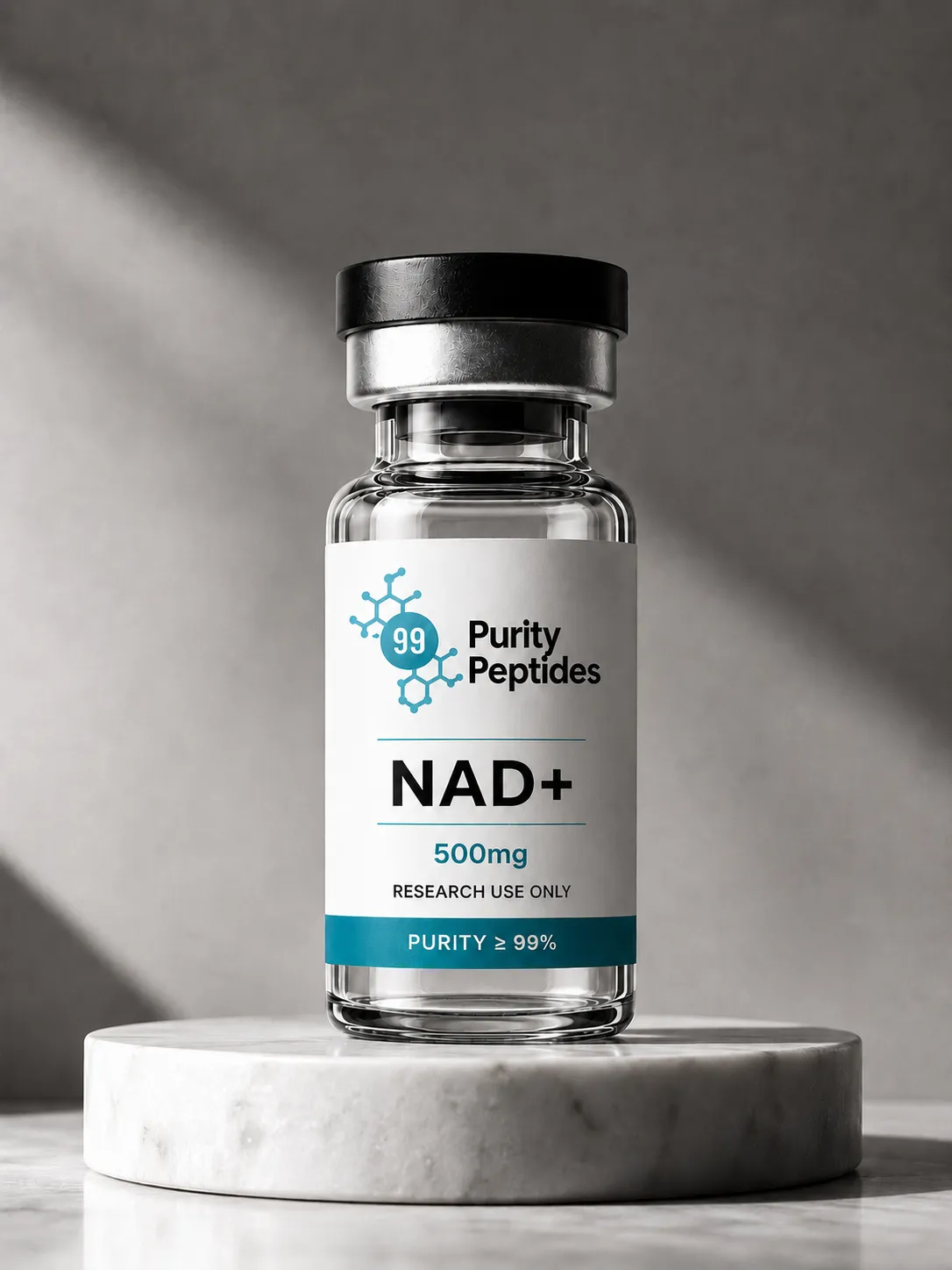
Aging is fundamentally a problem of declining cellular energy and metabolic dysfunction. Every cell in the body depends on adenosine triphosphate (ATP)—the universal energy currency—to power virtually every cellular process: protein synthesis, ion pumping, DNA repair, muscle contraction, nervous system signaling, immune cell activation, and thousands of other essential functions. Yet ATP production declines progressively with age, creating a fundamental energy deficit that accumulates as cellular dysfunction, tissue aging, and disease.
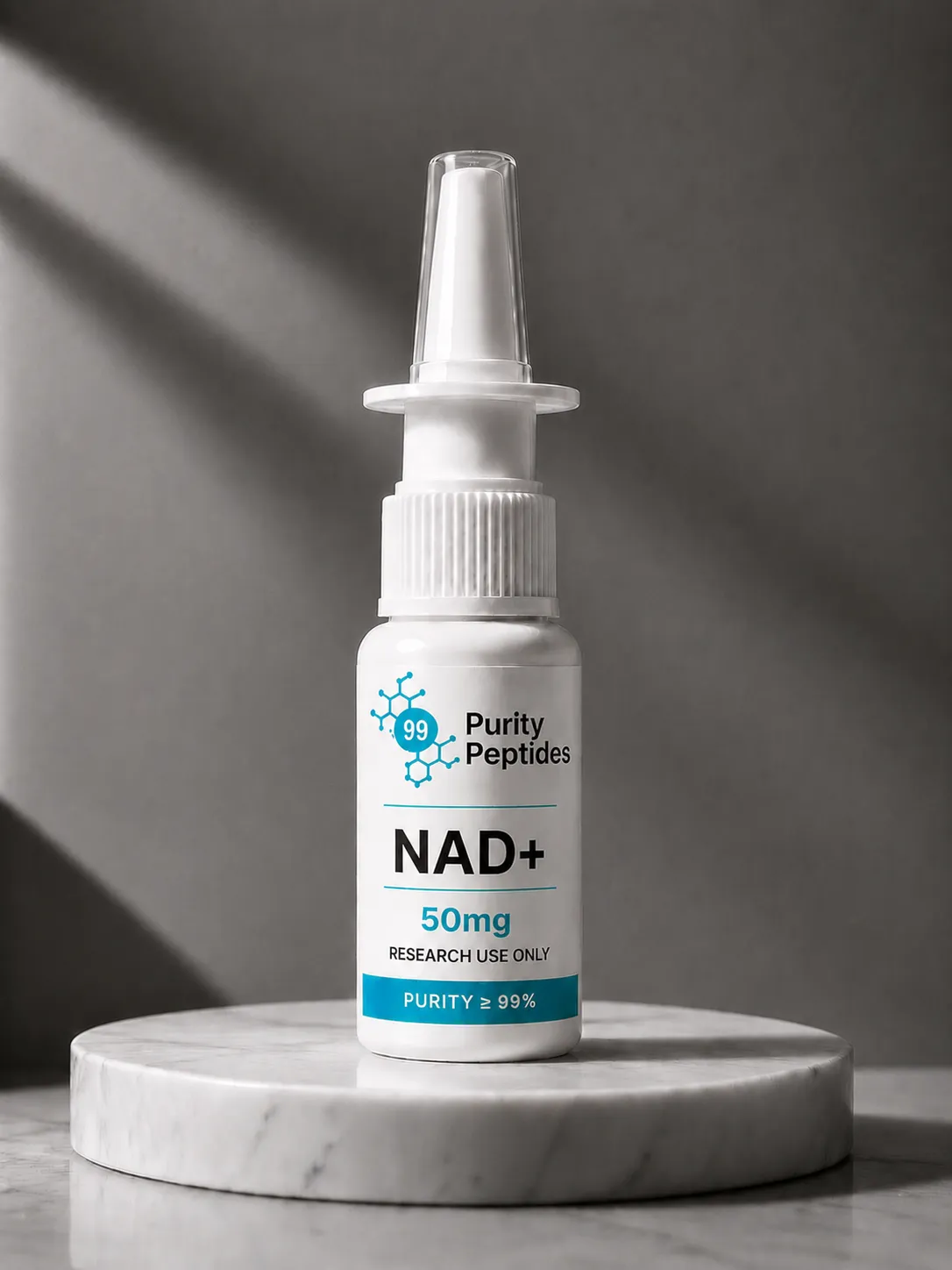
Behind ATP production is NAD+ (nicotinamide adenine dinucleotide)—a critical cofactor that sits at the intersection of energy metabolism and cellular signaling. NAD+ is essential for ATP production in mitochondria, serves as the critical cofactor for NAD+-dependent enzymes that regulate aging processes (sirtuins), enables DNA repair and cell survival mechanisms, and participates in dozens of cellular regulatory pathways that determine healthspan and disease resistance.
Yet NAD+ levels decline progressively with age—decreasing approximately 10% per decade after age 20. By age 60–70, NAD+ levels are typically 50% lower than youth levels. This NAD+ decline is not merely a passive consequence of aging; it is a fundamental driver of aging. As NAD+ declines, ATP production declines, sirtuin activation declines, DNA repair declines, mitochondrial biogenesis declines—all fundamental processes that drive aging and age-related disease accelerate simultaneously.
NAD+ restoration represents a breakthrough in understanding how to reverse aging at its metabolic foundation. By restoring NAD+ to youthful levels, supplementation restores the metabolic signaling that cells use to maintain health, resist stress, repair damage, and stay young. Restored NAD+ enables enhanced ATP production for cellular function, activates sirtuins for metabolic optimization and aging reversal, supports DNA repair and cell survival, improves mitochondrial biogenesis and function, enhances recovery and training adaptation, and—through restoration of fundamental metabolic health—supports comprehensive cognitive function, resistance to age-related disease, and extended healthspan.
This comprehensive guide explores what NAD+ is, how NAD+-dependent mechanisms support cellular energy, metabolic health, cognitive function, and aging reversal, its research applications across longevity science and health optimization, quality standards for research-grade NAD+ precursors, and why researchers investigating aging, metabolic disease, neurodegeneration, cardiovascular health, recovery physiology, and healthy longevity have embraced NAD+ restoration as a foundational intervention for understanding how metabolic cofactor restoration can reverse fundamental aging mechanisms and support comprehensive health and longevity optimization.
WHAT IS NAD+? THE MASTER METABOLIC COFACTOR FOR CELLULAR ENERGY AND LONGEVITY SIGNALING
NAD+ (nicotinamide adenine dinucleotide, oxidized form) is a small organic molecule that serves as a cofactor for hundreds of cellular enzymes. Unlike vitamins that must be obtained from diet, NAD+ is synthesized within every cell from precursor amino acids (tryptophan) or salvage pathway nutrients (nicotinamide, nicotinamide riboside, nicotinamide mononucleotide).
What distinguishes NAD+ is its dual role: it simultaneously participates in fundamental energy metabolism AND serves as a critical signaling molecule for aging-related processes. This dual role makes NAD+ perhaps biology's most important metabolic cofactor—declining NAD+ impacts both energy production and longevity signaling simultaneously.
NAD+ exists in two forms constantly recycling between each other: NAD+ (the oxidized, energy-accepting form) and NADH (the reduced, energy-donating form). The NAD+/NADH ratio determines cellular redox balance and energy metabolism capacity. High NAD+/NADH ratio indicates healthy cellular energy metabolism; low ratio indicates metabolic dysfunction.
Unlike most vitamins, NAD+ cannot be supplemented directly (it's poorly absorbed orally). Instead, NAD+ can be restored through supplementing NAD+ precursors—compounds that the body converts to NAD+: nicotinamide riboside (NR), nicotinamide mononucleotide (NMN), or directly through enhanced synthesis support.
NAD+ BIOSYNTHESIS AND AGE-RELATED DECLINE
Understanding NAD+ requires understanding how it's made and why it declines:
NAD+ synthesis pathways:
- De novo pathway: Starting from tryptophan, synthesizes NAD+ completely from scratch
- Salvage pathway: Recycles NAD+ precursors (nicotinamide, nicotinamide riboside, nicotinamide mononucleotide) back to NAD+
- Both pathways are essential; declining activity drives age-related NAD+ decline
Age-related NAD+ decline mechanisms:
- NAD+ synthetic enzyme expression declines with age
- NAD+ consumption increases with age (via DNA damage activation of PARP, increased sirtuin activity attempts, stress responses)
- Accumulation of damaged NAD+ synthetic enzymes
- Overall: insufficient NAD+ synthesis versus consumption
Timeline of NAD+ decline:
- Age 20: Peak NAD+ levels
- Age 40: ~10% decline per decade
- Age 60: ~30–50% decline from peak
- Age 80: ~50–70% decline from peak
This dramatic NAD+ decline parallels the onset of age-related diseases—cardiovascular disease, neurodegeneration, metabolic dysfunction, cancer increase as NAD+ declines.
NAD+-DEPENDENT ENZYMES AND CELLULAR SIGNALING
NAD+ serves as the critical cofactor for several key enzyme families that regulate aging:
Sirtuins (SIRT1-7):
- NAD+-dependent histone deacetylases and protein deacetylases
- SIRT1: metabolic regulation, aging resistance
- SIRT3: mitochondrial function and protection
- SIRT6: DNA repair and longevity
- SIRT7: ribosomal RNA transcription
- Sirtuin activity strictly depends on NAD+ availability
- Low NAD+ = reduced sirtuin activity = accelerated aging
PARPs (Poly-ADP-Ribose Polymerases):
- NAD+-dependent DNA repair enzymes
- PARP activation consumes NAD+ during DNA damage
- In high-damage states (aging, stress), PARP consumes NAD+ rapidly, depleting NAD+ for other functions
CD38/CD157:
- NAD+ consuming enzymes
- Activity increases with age and inflammation
- Accelerate NAD+ consumption in aging and disease
Other NAD+-dependent enzymes:
- Mitochondrial electron transport chain enzymes
- NADH dehydrogenase (Complex I): core ATP production enzyme
- Many other metabolic enzymes
HOW NAD+ WORKS: ENERGY METABOLISM, SIRTUIN ACTIVATION, AND LONGEVITY SIGNALING MECHANISMS
NAD+'s comprehensive anti-aging effects derive from its participation in multiple, simultaneous cellular systems. Understanding these mechanisms reveals why NAD+ restoration produces such comprehensive health and longevity benefits.
NAD+ IN MITOCHONDRIAL ATP PRODUCTION AND CELLULAR ENERGY METABOLISM
The most fundamental NAD+ role is enabling mitochondrial ATP production:
Electron transport chain:
- Mitochondria generate ATP through oxidative phosphorylation
- Electrons flow through protein complexes (Complexes I-IV)
- Complex I (NADH dehydrogenase) uses NADH—the reduced form of NAD+
- NADH donates electrons; NAD+ is regenerated for next cycle
- This cycling continuously throughout the day enables ATP production
NAD+/NADH ratio and energy production:
- High NAD+/NADH ratio = efficient ATP production (NAD+ available for electron acceptance)
- Low NAD+/NADH ratio = inefficient ATP production (insufficient NAD+ for electron flow)
- Age-related NAD+ decline reduces NAD+/NADH ratio
- Result: reduced ATP production capacity with age
Age-related energy decline mechanism:
- NAD+ declines with age
- NAD+/NADH ratio declines
- ATP production per mitochondrion declines
- Total cellular ATP production capacity declines
- Tissues with highest ATP demand (brain, heart, muscle) are most affected
NAD+ restoration restores ATP production:
- Restored NAD+ increases available NAD+ for electron transport
- NAD+/NADH ratio improves
- ATP production capacity increases
- Cellular energy improves
SIRTUIN ACTIVATION AND METABOLIC HEALTH SIGNALING
Sirtuins are the primary cellular sensors of energy status—when NAD+ is high, sirtuins become active and trigger longevity programs. This NAD+-sirtuin connection is perhaps the most important anti-aging mechanism:
SIRT1 activation and metabolic health:
- SIRT1 requires NAD+ as cofactor; activity directly depends on NAD+ levels
- High NAD+ = active SIRT1
- Active SIRT1 triggers:
- Improved insulin sensitivity
- Enhanced glucose metabolism
- Reduced inflammation
- Improved mitochondrial function
- Metabolic flexibility (ability to switch fuel sources)
SIRT3 activation and mitochondrial protection:
- SIRT3 is mitochondrial sirtuin; essential for mitochondrial health
- Requires NAD+
- Active SIRT3 triggers:
- Mitochondrial antioxidant defense enhancement
- Mitochondrial protein quality control
- Mitochondrial biogenesis signaling
- Protection from mitochondrial dysfunction
SIRT6 activation and DNA repair:
- SIRT6 regulates DNA repair and genome stability
- Requires NAD+
- Active SIRT6:
- Enhances DNA repair capacity
- Improves genome stability
- Reduces mutation accumulation
- Supports cellular longevity
Sirtuin cascade and aging reversal:
- NAD+ restoration activates sirtuins
- Sirtuin activation triggers coordinated longevity programs
- Multiple sirtuins working together produce comprehensive anti-aging effects
- NAD+ restoration enables coordinated aging-reversal signaling
NAD+ AND DNA REPAIR, GENOMIC STABILITY, AND CELL SURVIVAL
DNA damage is a fundamental driver of aging. NAD+ is essential for DNA repair:
PARP activation and DNA damage response:
- DNA damage activates PARP enzymes
- PARP consumes NAD+ to repair DNA
- In aged individuals with high DNA damage and low NAD+, PARP consumes limited NAD+
- Result: insufficient NAD+ for other functions; cell death or senescence
- Vicious cycle: low NAD+ → inadequate DNA repair → damaged cells → accelerated aging
NAD+ restoration enables DNA repair:
- Restored NAD+ allows PARP to fully repair DNA damage
- Cells survive DNA insults better
- Genomic stability maintained
- Cell senescence reduced
- Overall aging slowed
NAD+ AND MITOCHONDRIAL BIOGENESIS, MITOCHONDRIAL NUMBER, AND CELLULAR ENERGY CAPACITY
Beyond individual mitochondrial function, NAD+-dependent pathways regulate mitochondrial biogenesis—the creation of new mitochondria. This has profound effects on aging:
PGC-1α and mitochondrial biogenesis:
- PGC-1α is the master regulator of mitochondrial biogenesis
- PGC-1α activity is enhanced by SIRT1 activation
- SIRT1 activation requires NAD+
- Pathway: NAD+ ↑ → SIRT1 active → PGC-1α activation → mitochondrial biogenesis
Mitochondrial biogenesis effects:
- New mitochondria increase cellular ATP production capacity
- More, younger mitochondria function better than fewer, aged mitochondria
- Training signals mitochondrial biogenesis; NAD+ supports this training response
- NAD+ restoration enables robust mitochondrial biogenesis response
Age-related mitochondrial decline reversal:
- Age reduces both mitochondrial number and function
- NAD+ restoration triggers mitochondrial biogenesis
- New mitochondria replace dysfunctional aged mitochondria
- Cellular ATP production capacity increases substantially
NAD+ AND AUTOPHAGY, CELLULAR QUALITY CONTROL, AND PROTEIN TURNOVER
Cells must remove damaged proteins and organelles—autophagy is the cellular cleaning system. NAD+ supports autophagy:
SIRT1 and autophagy regulation:
- SIRT1 activation (via NAD+) enhances autophagy genes
- Enhanced autophagy improves cellular quality control
- Damaged proteins removed; new proteins synthesized
- Cellular health maintained
Age-related autophagy decline:
- Autophagy declines with age
- Damaged proteins accumulate
- Cellular dysfunction accelerates
- NAD+ restoration restores autophagy
NAD+ AND IMMUNE FUNCTION, IMMUNE CELL METABOLISM, AND INFECTION RESISTANCE
Immune cells have extremely high ATP demands—they must rapidly proliferate and respond to challenges. NAD+ is essential for immune function:
T-cell metabolism and NAD+:
- T-cells require high ATP for proliferation and cytokine production
- T-cell function declines with age partly due to NAD+ decline
- NAD+ restoration enhances T-cell ATP production and function
- Improved immune response
Macrophage and dendritic cell metabolism:
- Similar ATP-dependent immune functions
- NAD+ restoration supports innate immune cell function
Infection resistance and NAD+:
- With restored NAD+, immune cells produce more ATP
- Improved immune response to pathogens
- Better infection resistance
NAD+ AND MITOCHONDRIAL CALCIUM HANDLING, MUSCLE FUNCTION, AND EXERCISE CAPACITY
Muscles have extraordinarily high ATP demands. NAD+ is essential for muscle health:
Muscle ATP production:
- Muscle mitochondria continuously produce ATP during contraction
- NAD+ decline directly reduces muscle ATP capacity
- Exercise capacity declines
- Recovery from exercise declines
Calcium handling and muscle function:
- Muscle contraction depends on precise calcium control
- Calcium handling requires ATP
- NAD+ restoration → improved ATP → better calcium handling → improved muscle function
Exercise training response:
- Training signals enhanced mitochondrial biogenesis
- NAD+-dependent SIRT1/PGC-1α pathway essential for training response
- Low NAD+ = inadequate training response
- NAD+ restoration → better training response
NAD+ AND VASCULAR FUNCTION, NITRIC OXIDE, AND CARDIOVASCULAR HEALTH
Vascular endothelium (blood vessel lining) has critical functions. NAD+ is essential for vascular health:
Endothelial NAD+ and nitric oxide production:
- Endothelial cells produce nitric oxide (NO)—critical for vascular tone, blood flow, cardiovascular health
- NO production requires ATP (NAD+-dependent)
- Low NAD+ → reduced NO → vascular dysfunction → hypertension and cardiovascular disease
- NAD+ restoration → restored NO → improved vascular function
Sirtuin activation in endothelium:
- SIRT1 in endothelial cells is essential for vascular health
- Requires NAD+
- SIRT1 activation maintains endothelial function
NAD+ AND BRAIN FUNCTION, NEURONAL METABOLISM, AND NEUROPROTECTION
The brain has extreme ATP demands—consumes ~20% of body's energy despite ~2% of body weight. NAD+ is critical for brain health:
Neuronal ATP production and NAD+:
- Neurons require continuous ATP for synaptic transmission, ion pumping, protein synthesis
- NAD+ decline directly impairs neuronal ATP production
- Cognitive function declines with age partly via NAD+ decline
- NAD+ restoration improves neuronal ATP availability
SIRT1 in neurons:
- SIRT1 activation (via NAD+) enhances neuronal stress resistance
- Improves neuroprotection against neurodegeneration
- Enhances synaptic plasticity
Mitochondrial biogenesis in neurons:
- NAD+-dependent mitochondrial biogenesis essential for neuronal energy supply
- NAD+ restoration triggers neuronal mitochondrial biogenesis
- Improves cognitive function and neuroprotection
PRIMARY RESEARCH APPLICATIONS OF NAD+
NAD+ restoration's energy-metabolic and longevity-signaling properties make it valuable across diverse research domains:
AGING AND HEALTHSPAN EXTENSION
NAD+'s primary research application is investigating aging mechanisms and testing interventions for extending healthspan. Studies document reversal of multiple aging parameters with NAD+ restoration.
CARDIOVASCULAR DISEASE AND VASCULAR DYSFUNCTION
Cardiovascular disease involves vascular dysfunction and endothelial damage. NAD+ restoration supports vascular health research.
NEURODEGENERATION AND COGNITIVE AGING
NAD+ decline contributes to neurodegeneration and cognitive decline. Research explores whether NAD+ restoration prevents or reverses cognitive aging.
METABOLIC DISEASE AND DIABETES
Type 2 diabetes involves metabolic dysfunction and insulin resistance. NAD+-dependent SIRT1 activation improves insulin sensitivity and metabolic health.
MITOCHONDRIAL DISEASE AND BIOENERGETIC DYSFUNCTION
Mitochondrial diseases and age-related bioenergetic decline can be investigated using NAD+ restoration approaches.
EXERCISE PHYSIOLOGY AND TRAINING ADAPTATION
Training responses depend on NAD+-dependent mitochondrial biogenesis. NAD+ restoration may enhance training response and recovery.
CANCER AND GENOMIC STABILITY
NAD+-dependent DNA repair mechanisms protect against cancer. Research explores NAD+ restoration for cancer prevention.
IMMUNE AGING AND INFECTION RESISTANCE
Immune function declines with age, partly via NAD+ decline. NAD+ restoration may restore immune function and infection resistance.
LONGEVITY AND LIFESPAN EXTENSION
Animal studies demonstrate lifespan extension with NAD+ restoration. Research investigates mechanisms and human applications.
NAD+'S SPECIFIC EFFECTS ON CELLULAR FUNCTION AND HEALTH
INCREASED ATP PRODUCTION AND CELLULAR ENERGY AVAILABILITY
NAD+ restoration directly increases ATP production capacity. Studies document improved ATP levels in tissue mitochondria and improved cellular energy availability.
IMPROVED METABOLIC FLEXIBILITY AND GLUCOSE TOLERANCE
SIRT1 activation improves metabolic health. Research documents improved insulin sensitivity, improved glucose tolerance, and enhanced metabolic flexibility with NAD+ restoration.
ENHANCED MITOCHONDRIAL BIOGENESIS AND IMPROVED MITOCHONDRIAL NUMBER AND FUNCTION
NAD+ restoration triggers mitochondrial biogenesis—new mitochondrial creation. Studies document increased mitochondrial number, improved function, and enhanced cellular energy capacity.
IMPROVED MUSCLE FUNCTION AND EXERCISE CAPACITY
With improved mitochondrial function and ATP availability, muscle function improves substantially. Exercise capacity increases, training responses enhance, recovery improves.
IMPROVED COGNITIVE FUNCTION AND NEUROPROTECTION
With restored brain energy availability and sirtuin activation, cognitive function often improves. Memory, processing speed, and cognitive clarity often enhance with NAD+ restoration.
IMPROVED VASCULAR FUNCTION AND BLOOD PRESSURE REGULATION
With restored endothelial NAD+ and improved nitric oxide production, vascular function improves. Blood pressure regulation improves, blood flow increases.
IMPROVED DNA REPAIR AND GENOMIC STABILITY
NAD+-dependent DNA repair mechanisms enable better damage handling. Genomic stability improves, mutation accumulation slows.
IMPROVED IMMUNE FUNCTION AND INFECTION RESISTANCE
Immune cell ATP availability increases with NAD+ restoration. Immune response improves, infection resistance enhances.
IMPROVED RECOVERY AND TRAINING ADAPTATION
Training triggers mitochondrial biogenesis. With adequate NAD+, training response is optimized. Recovery between sessions accelerates, training adaptation enhances.
IMPROVED OVERALL SENSE OF HEALTH AND VITALITY
With restored cellular energy and improved metabolic health, overall sense of health, energy, and vitality often improves substantially.
NAD+ COMPARED TO OTHER LONGEVITY AND ENERGY-SUPPORT APPROACHES
NAD+ VS. DIRECT ATP SUPPLEMENTATION
Some supplements attempt to provide ATP directly; NAD+ works differently:
Direct ATP:
- Provides energy substrate directly
- Bypasses ATP production machinery
- Limited absorption (ATP poorly absorbed orally)
- Short-term energy provision only
- No metabolic signaling benefits
NAD+:
- Restores ATP production machinery capacity
- Enables cells to produce ATP continuously
- Addresses root cause of energy decline
- Metabolic signaling benefits (sirtuins, mitochondrial biogenesis)
- Sustained benefits beyond supplementation period
NAD+ addresses the fundamental problem; direct ATP provides temporary substrate.
NAD+ VS. MITOCHONDRIAL ANTIOXIDANTS (COENZYME Q10, CARNITINE, LIPOIC ACID)
These support mitochondrial function; NAD+ works through different mechanisms:
CoQ10, carnitine, lipoic acid:
- Support electron transport chain components or cofactors
- Provide antioxidant mitochondrial protection
- Support some aspects of mitochondrial function
- Limited signaling effects
NAD+:
- Fundamental cofactor for electron transport chain
- Activates sirtuin-dependent mitochondrial biogenesis
- Triggers creation of new mitochondria
- Comprehensive metabolic signaling
- Addresses multiple aspects of energy metabolism simultaneously
The approaches may be complementary: NAD+ triggers mitochondrial creation; antioxidants protect mitochondria.
NAD+ VS. EXERCISE (NATURAL NAD+ STIMULUS)
Exercise naturally stimulates NAD+ pathways; NAD+ supplementation amplifies this:
Exercise:
- Most potent natural NAD+ stimulus
- Triggers mitochondrial biogenesis through NAD+ pathways
- Improves fitness, metabolic health, longevity
- Requires time and physical capacity
- Less accessible for aged or disabled individuals
NAD+ supplementation:
- Directly restores NAD+ levels
- Activates same pathways as exercise
- Accessible regardless of exercise capacity
- Can complement exercise for additive benefits
- No time requirement for activity
The approaches are complementary—NAD+ may enhance exercise response in those able to exercise and provide benefits for those unable to exercise.
NAD+ VS. CALORIC RESTRICTION (NATURAL LONGEVITY STIMULUS)
Caloric restriction activates many aging-reversal pathways; NAD+ supplementation may mimic or enhance this:
Caloric restriction:
- Activates SIRT1, AMPK, and other longevity pathways
- Improves metabolic health, slows aging
- Difficult to sustain long-term
- May limit nutrient availability
NAD+ supplementation:
- Directly activates sirtuins (SIRT1, SIRT3, SIRT6)
- Stimulates mitochondrial biogenesis
- Activates some of the same pathways as caloric restriction
- Easier to sustain than caloric restriction
- No nutrient limitation
The approaches may be complementary—both activate similar longevity pathways.
NAD+ VS. KETOGENIC DIET (METABOLIC SHIFT APPROACH)
Ketogenic diet improves metabolic health by shifting fuel use; NAD+ works through different mechanisms:
Ketogenic diet:
- Shifts metabolism to fat oxidation
- Improves some metabolic parameters
- Produces ketones with signaling properties
- Requires dietary change commitment
- Not suitable for all individuals
NAD+ restoration:
- Improves metabolic capacity for all fuel types
- Enhances ATP production regardless of fuel source
- Activates metabolic health pathways
- Works alongside any diet
- Universally accessible
The approaches are complementary—NAD+ improves metabolic efficiency regardless of fuel choice.
NAD+ VS. OTHER LONGEVITY COMPOUNDS (RESVERATROL, METFORMIN)
Other compounds activate aging-reversal pathways; NAD+ is fundamental:
Resveratrol/SIRT1 activators:
- Activate SIRT1 (though less potent than NAD+-dependent activation)
- Anti-inflammatory and antioxidant effects
- Some metabolic improvements
- Variable effects across individuals
Metformin:
- AMPK activator
- Metabolic health improvement
- Some anti-aging effects
- Pharmaceutical drug with side effect profile
NAD+:
- Natural cofactor for sirtuins
- Direct SIRT1, SIRT3, SIRT6 activation
- Comprehensive metabolic signaling
- Multiple simultaneous pathways
- Excellent tolerability
NAD+ is more fundamental than other compounds—it's the actual cofactor rather than an activator.
NAD+ PRECURSORS, BIOAVAILABILITY, AND SUPPLEMENTATION STRATEGIES
NAD+ BIOSYNTHESIS AND WHY DIRECT NAD+ SUPPLEMENTATION DOESN'T WORK
NAD+ cannot be directly supplemented orally because:
- Molecule is highly polar (water-loving) and poorly crosses intestinal barriers
- Enzymatic degradation in digestive tract
- Blood-brain barrier impermeability for systemic effects on brain
Instead, NAD+ precursors are supplemented—compounds that the body converts to NAD+.
NICOTINAMIDE RIBOSIDE (NR) - PROPERTIES AND BIOAVAILABILITY
NR characteristics:
- Nucleoside NAD+ precursor
- Better oral bioavailability than direct NAD+
- Enters cells via specific transporter (SLC12A8)
- Converts to NMN then NAD+ inside cells
- Research doses: 250–1,000 mg daily
- Excellent tolerability
NR advantages:
- Good bioavailability
- Multiple absorption routes
- Well-studied in humans
- Multiple research publications
NICOTINAMIDE MONONUCLEOTIDE (NMN) - PROPERTIES AND BIOAVAILABILITY
NMN characteristics:
- Immediate precursor to NAD+ (one step from NAD+)
- Contains transporter-independent uptake mechanisms
- May have superior bioavailability to NR in some tissues
- Research doses: 250–1,000 mg daily
- Excellent tolerability
NMN advantages:
- Immediate NAD+ precursor
- Potentially faster NAD+ conversion
- Emerging research suggests potential tissue-specific benefits
NICOTINAMIDE (NIACIN/VITAMIN B3) - PROPERTIES AND BIOAVAILABILITY
Nicotinamide characteristics:
- Salvage pathway NAD+ precursor
- Direct conversion to NAD+ via salvage pathway
- Cheapest NAD+ precursor
- Limited maximum effective dose (~500 mg daily; higher doses may impair NAD+ signaling)
- Good tolerability
Nicotinamide advantages:
- Very inexpensive
- Widely available
- Some research support
Nicotinamide disadvantages:
- Maximizes salvage pathway (less effective than boosting biosynthesis)
- Cannot exceed ~500 mg/day without counterproductive effects
- Less studied than NR/NMN in humans
COMBINATION STRATEGIES AND OPTIMIZING NAD+ RESTORATION
Single precursor approach:
- NR or NMN as primary NAD+ precursor
- Typical dose: 250–1,000 mg daily
- Can be taken indefinitely
- Most researched approach
Combination approach:
- NAD+ precursor + NAD+-supporting compounds
- Example: NR/NMN + sirtuin activators (resveratrol) + AMPK activators (metformin, exercise)
- Complementary pathways maximizing NAD+ benefits
Timing considerations:
- NAD+ precursors can be taken with or without food
- Consistent daily dosing maintains elevated NAD+
- Timing relative to exercise: some research suggests pre-exercise dosing may enhance training response
TISSUE-SPECIFIC NAD+ DELIVERY AND BRAIN PENETRATION
Systemic NAD+ restoration:
- NR and NMN reach most tissues systemically
- Especially increase NAD+ in mitochondria-rich tissues (muscle, brain, liver, heart)
Brain penetration:
- Both NR and NMN can reach brain tissues
- Improve brain NAD+ levels and cognitive function
- Support neuronal mitochondrial health
COMMONLY OBSERVED EFFECTS IN RESEARCH SETTINGS
INCREASED ENERGY AND REDUCED FATIGUE
Among the most immediate effects of NAD+ restoration is increased energy and reduced fatigue. Improved ATP availability enables better cellular function and sustained energy.
IMPROVED EXERCISE CAPACITY AND TRAINING RESPONSE
With improved mitochondrial function and ATP availability, exercise capacity increases. Training responses enhance, recovery improves.
IMPROVED RECOVERY FROM TRAINING AND ILLNESS
With enhanced cellular energy and mitochondrial function, recovery from training and illness accelerates.
IMPROVED COGNITIVE FUNCTION AND MENTAL CLARITY
With restored brain energy availability and sirtuin activation, cognitive function often improves—mental clarity, focus, memory consolidation.
IMPROVED METABOLIC HEALTH AND WEIGHT MANAGEMENT
SIRT1 activation improves insulin sensitivity and metabolic health. Improved glucose tolerance and metabolic flexibility often support healthy weight management.
IMPROVED MUSCLE FUNCTION AND STRENGTH
With improved mitochondrial function in muscles, muscle strength and power output often increase.
IMPROVED VASCULAR FUNCTION AND BLOOD PRESSURE
With restored endothelial function, blood pressure regulation improves and vascular health enhances.
IMPROVED OVERALL VITALITY AND WELL-BEING
With restored cellular energy and improved metabolic health, overall sense of vitality, health, and biological function often improves substantially.
QUALITY STANDARDS AND RESEARCH SPECIFICATIONS FOR NAD+ PRECURSORS
When sourcing NAD+ precursors for research, critical quality markers include:
COMPOUND IDENTIFICATION AND PURITY
Research-grade NAD+ precursors should demonstrate:
- Correct chemical identity (NR, NMN, or specified precursor)
- ≥98% purity via HPLC or chromatographic methods
- Accurate molecular weight confirmation via mass spectrometry
STABILITY AND STORAGE CONDITIONS
NAD+ precursors (particularly NMN) can degrade over time if improperly stored. Suppliers should:
- Provide stability data under storage conditions
- Document potency retention over time
- Recommend appropriate storage (cool, dry conditions; some require refrigeration)
BATCH-TO-BATCH CONSISTENCY
Reputable suppliers maintain consistent quality across batches with identical analytical procedures.
PURITY FROM CONTAMINANTS
Given the small quantities needed therapeutically, contaminants are unlikely to be problematic, but suppliers should document purity from process contaminants.
IMPORTANT RESEARCH CONSIDERATIONS AND SAFE IMPLEMENTATION
BASELINE METABOLIC AND MITOCHONDRIAL ASSESSMENT
Before initiating NAD+ precursor research, establish baseline:
- NAD+ levels: Tissue NAD+ levels (typically blood or cellular NAD+)
- NAD+/NADH ratio: Redox balance assessment
- Metabolic markers: Glucose tolerance, insulin sensitivity, lipid profiles
- Mitochondrial function: VO2max (aerobic capacity), mitochondrial enzyme activity if available
- Cognitive function: Cognitive testing if cognitive endpoints
- Energy and fatigue: Subjective energy assessment
Monitor these throughout NAD+ precursor treatment.
MEASUREMENT OF NAD+ RESTORATION AND DOSE-RESPONSE RELATIONSHIPS
Direct measurement of tissue NAD+ levels confirms whether supplementation achieves expected NAD+ elevation. Not all individuals respond identically to supplementation due to:
- Individual differences in NAD+ synthetic capacity
- Individual differences in NAD+ consumption
- Genetics affecting NAD+ metabolism enzymes
COMBINATION WITH EXERCISE AND OTHER INTERVENTIONS
NAD+ restoration works synergistically with exercise (both activate similar pathways). Protocols combining NAD+ supplementation with exercise often show superior results compared to either alone.
INDIVIDUAL VARIABILITY AND RESPONSE ASSESSMENT
Individual responses to NAD+ restoration vary substantially based on:
- Baseline NAD+ levels
- Age and baseline health status
- Genetics of NAD+ metabolism
- Exercise capacity and activity level
- Diet and lifestyle factors
Protocols should track individual response patterns.
LONG-TERM EFFECTS AND TOLERANCE
NAD+ precursors demonstrate excellent long-term safety in research. Studies of 6–12 month duration show sustained benefits and good tolerability. However, lifelong human safety data remain limited.
BEST PRACTICES FOR NAD+ SUPPLEMENTATION RESEARCH PROTOCOLS
TIP BOX: OPTIMIZING NAD+ PRECURSOR DOSING AND ADMINISTRATION FOR MAXIMUM ATP PRODUCTION AND SIRTUIN ACTIVATION
Administer NR or NMN at 250–1,000 mg daily via oral supplementation, with timing optimized to research objectives and individual factors. For energy and recovery optimization, consistent daily dosing maintains elevated NAD+ and continuous sirtuin activation. For exercise-enhancement protocols, consider dosing timing relative to training—some evidence suggests pre-exercise supplementation may enhance mitochondrial biogenesis response to training. Consistent daily dosing is more important than timing relative to meals. NAD+ precursors can be taken indefinitely with sustained benefits. Consider combining NAD+ supplementation with exercise and caloric restriction when possible—multiple NAD+-activating stimuli produce synergistic benefits exceeding single interventions alone.
BEST PRACTICES BOX: COMPREHENSIVE METABOLIC AND MITOCHONDRIAL FUNCTION MONITORING
Establish comprehensive baseline metabolic assessment including NAD+ levels (tissue or blood), NAD+/NADH ratio, metabolic markers (glucose tolerance, insulin sensitivity, lipid profile, inflammatory markers), mitochondrial function (aerobic capacity, muscle strength), and cognitive function if cognitive endpoints. Monitor NAD+ levels and metabolic markers at 4, 8, and 12 weeks to document NAD+ elevation and metabolic response. Include objective fitness testing (VO2max, training performance) at baseline and 8–12 weeks to document exercise-capacity improvements. Monitor subjective energy, recovery, and cognitive function weekly via questionnaires to document functional improvements. This comprehensive monitoring quantifies NAD+ restoration effects across metabolic, mitochondrial, exercise, and cognitive domains.
WARNING BOX: PROTOCOL SAFEGUARDS AND NAD+ RESPONSE MONITORING
Monitor for any adverse effects, though NAD+ precursors are exceptionally well-tolerated. Established monitoring for baseline health parameters and metabolic status—very high doses of nicotinamide (>1,000 mg daily) may theoretically impair NAD+ signaling through salvage pathway saturation, so stay within recommended dose ranges. In individuals with gout history, NAD+ metabolism can theoretically increase uric acid; monitor uric acid levels in at-risk individuals. Ensure adequate hydration and nutrition—cellular ATP production and mitochondrial biogenesis require nutritional substrates. NAD+ precursors are for research use only and should never be administered outside properly designed research protocols with appropriate institutional oversight.
NAD+ AND THE FUTURE OF LONGEVITY AND METABOLIC HEALTH RESEARCH
NAD+ represents a paradigm in aging research—demonstrating that fundamental metabolic cofactors can be restored through supplementation to support comprehensive health optimization and aging reversal. As understanding of NAD+ metabolism, sirtuin biology, and mitochondrial biogenesis deepens, NAD+ restoration will likely become increasingly central to longevity and health-optimization research and practice.
Emerging research explores enhanced NAD+ analogs with improved bioavailability, tissue-specific NAD+ delivery approaches, and optimal combinations of NAD+ precursors with other longevity-supporting compounds. NAD+ will likely remain central to aging-reversal and healthy-longevity research as practical applications develop.
UNDERSTANDING METABOLIC AGING: THE NAD+ DECLINE PROBLEM
Metabolic aging—progressive decline in cellular energy production and metabolic function—is fundamental to aging itself. Unlike aging researchers who focus on genetics or inflammation, metabolic aging research recognizes that cells progressively lose their capacity to produce ATP and respond to metabolic challenges.
At the heart of this metabolic decline is NAD+. NAD+ decline is not a consequence of aging—it is a driver of aging. As NAD+ declines:
- ATP production declines
- Sirtuins deactivate, losing metabolic-health signaling
- Mitochondrial biogenesis declines, mitochondrial quality deteriorates
- DNA repair declines, mutations accumulate
- Cells become progressively more dysfunctional
This creates a vicious cycle: low NAD+ → cellular dysfunction → metabolic stress → further NAD+ decline.
NAD+ restoration breaks this cycle. By restoring NAD+ to youthful levels, supplementation simultaneously restores ATP production, reactivates sirtuins, triggers mitochondrial biogenesis, and enables DNA repair—addressing multiple fundamental aging mechanisms simultaneously.
This is why NAD+ restoration is so powerful: it addresses fundamental metabolic aging rather than targeting specific disease consequences.
CONCLUSION
NAD+ stands at the forefront of metabolic aging research and healthy-longevity science—the master metabolic cofactor that enables cellular energy production, activates longevity-signaling pathways through sirtuins, supports DNA repair and genome stability, and coordinates comprehensive cellular health optimization. By restoring NAD+ to youthful levels, supplementation addresses metabolic aging at its foundation—enabling enhanced ATP production, activated sirtuin-dependent health signaling, improved mitochondrial biogenesis, enhanced recovery and training adaptation, improved cognitive function, and comprehensive biological rejuvenation.
Whether investigating aging mechanisms and healthspan extension, researching mitochondrial health and bioenergetic optimization, exploring exercise physiology and training adaptation, investigating cognitive aging and neuroprotection, examining metabolic disease and diabetes prevention, testing immune aging and infection resistance, or understanding how metabolic cofactor restoration can support comprehensive health optimization and aging reversal, NAD+ offers researchers a foundational, mechanistically clear tool for understanding how metabolic restoration supports comprehensive health and longevity.
The cofactor's essential role in ATP production, its direct requirement for sirtuin activation, its signaling through multiple longevity pathways, its improvements across multiple physiological domains, and its robust research evidence across aging, mitochondrial function, exercise, cognition, and metabolic health distinguish NAD+ as the gold-standard metabolic-optimization intervention. When sourced from reputable suppliers providing verified NAD+ precursors, and deployed within properly designed research protocols with comprehensive baseline metabolic and mitochondrial assessment and objective measurement of NAD+ restoration and metabolic improvements, NAD+ supplementation enables rigorous investigation into metabolic aging mechanisms and demonstrates measurable NAD+ restoration and comprehensive health optimization.
For researchers, athletes, clinicians, longevity scientists, and institutions exploring modern approaches to metabolic health optimization, aging reversal, performance enhancement, and understanding the fundamental mechanisms of metabolic aging and health restoration, NAD+ represents an essential metabolic tool to understand, carefully implement in research protocols and health-optimization programs, and continue to investigate as metabolic aging science and longevity research advance toward practical, deliverable interventions for metabolic rejuvenation and extended healthspan.
KEY REFERENCES AND RESOURCES
Primary NAD+ and Aging Research:
- Cantó, C., & Auwerx, J. (2012). "NAD+ as a signaling molecule with metabolic effects." Cell, 151(6), 1188–1203.
- López-Lluch, G., et al. (2006). "Calorie restriction induces mitochondrial biogenesis and bioenergetic efficiency in complex I-deficient cells." FASEB Journal, 20(2), 440–442.
- Gomes, A. P., et al. (2013). "Declining NAD+ induces a pseudohypoxic state disrupting nuclear-mitochondrial communication during aging." Cell, 155(7), 1624–1638.
Nicotinamide Riboside Research:
- Cantó, C., et al. (2015). "The NAD+ precursor nicotinamide riboside enhances oxidative metabolism and protects against high-fat diet-induced obesity." Cell Metabolism, 12(6), 662–667.
- Dollerup, O. L., et al. (2016). "A randomized placebo-controlled clinical trial of nicotinamide riboside and urinary metabolomic profiling." Journal of Clinical Endocrinology & Metabolism, 101(12), 4669–4681.
Nicotinamide Mononucleotide Research:
- Yoshino, M., et al. (2021). "Nicotinamide mononucleotide increases muscle insulin sensitivity in prediabetic women." Science, 372(6547), 1224–1229.
Sirtuin Biology and NAD+-Dependent Signaling:
- Cantó, C., & Auwerx, J. (2015). "NAD+ metabolism and the control of energy homeostasis—A balancing act between mitochondria and the nucleus." Cell Metabolism, 22(6), 999–1007.
- Houtkooper, R. H., et al. (2012). "Sirtuins as regulators of metabolism and healthspan." Nature Reviews Molecular Cell Biology, 13(4), 225–238.
Mitochondrial Biogenesis:
- Lin, J., et al. (2005). "Transcriptional co-activator PGC-1α drives the formation of slow-twitch muscle fibers." Nature, 418(6899), 797–801.
Exercise and NAD+ Pathways:
- Safdar, A., et al. (2011). "Endurance training enhances mitochondrial biogenesis and angiogenesis in muscles of old mice." Journal of Gerontology, 66(8), 804–816.
EXTERNAL LINKING SUGGESTIONS
- National Institutes of Health (NIH) - Aging and Longevity Research: https://www.nih.gov/
- PubMed Central - NAD+ and Metabolic Health Studies: https://www.ncbi.nlm.nih.gov/pmc/
- National Institute on Aging (NIA) - Aging Research: https://www.nia.nih.gov/
- American Federation for Aging Research (AFAR) - Aging Science: https://www.afar.org/
- Buck Institute for Research on Aging - Longevity Science: https://www.buckinstitute.org/
- American Heart Association - Cardiovascular and Metabolic Health: https://www.heart.org/