
Introduction
L-carnitine is a naturally occurring amino acid derivative playing a critical role in cellular energy production and fat metabolism. Available in multiple dosage strengths including 200mg, 400mg, and 600mg formulations, L-carnitine supplementation has become increasingly popular among athletes, fitness enthusiasts, and individuals seeking to optimize fat metabolism and energy production. The variety of available strengths enables tailored supplementation protocols based on individual needs, body weight, training intensity, and specific fitness goals.
Featured Product
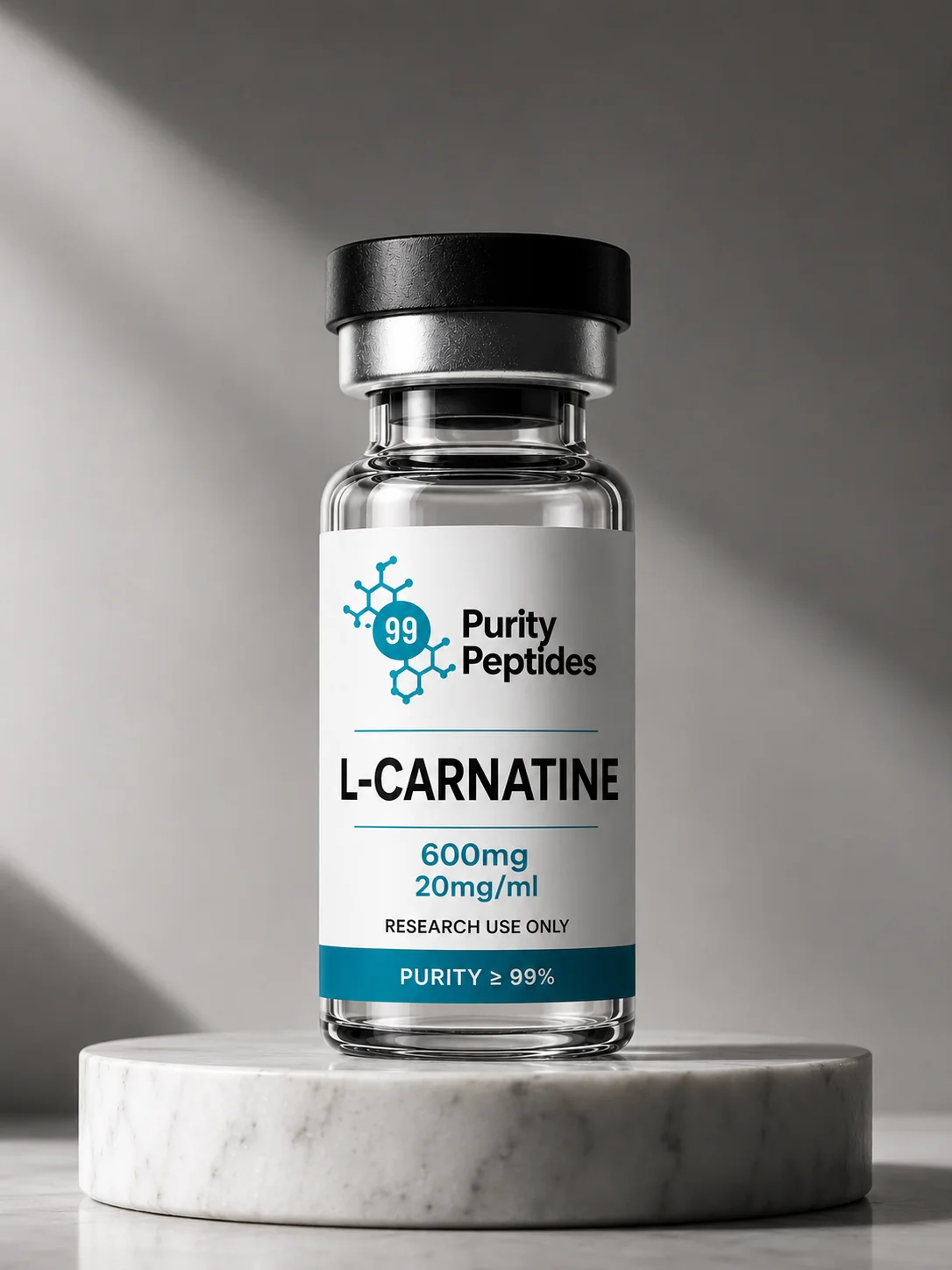
Unlike many supplements with vague or unsupported claims, L-carnitine benefits from decades of rigorous research documenting its legitimate roles in fat oxidation, endurance performance, energy production, and metabolic health. While your body produces L-carnitine independently from lysine and methionine, and adequate amounts are present in most diets containing animal proteins, strategic supplementation with 200-600mg doses can optimize fat metabolism capacity, particularly during endurance training and calorie restriction.
Whether you're an endurance athlete optimizing fat oxidation, a fitness enthusiast pursuing fat loss, someone concerned about metabolic health, or an individual seeking to enhance energy production, understanding L-carnitine's mechanisms, how different dosages compare, optimal dosing protocols for various applications, and practical timing strategies provides comprehensive, evidence-based guidance for informed supplementation decisions. This complete guide explores everything you need to know about L-carnitine across all three major dosage strengths.
What is L-Carnitine? Understanding This Essential Amino Acid Derivative
The Chemistry and Function
L-carnitine is a quaternary ammonium compound synthesized from the amino acids lysine and methionine:
Molecular Function: L-carnitine's distinctive capability is forming ester bonds with long-chain fatty acids, creating acyl-carnitine complexes that can cross the inner mitochondrial membrane—a barrier that free fatty acids cannot traverse independently.
Critical Role: This transport function is essential for beta-oxidation (fat burning). Without adequate L-carnitine, long-chain fatty acids cannot efficiently enter mitochondria where energy production occurs.
Stereochemistry: L-carnitine is the biologically active form. D-carnitine (mirror-image molecule) and DL-carnitine have minimal biological activity. Only L-carnitine should be supplemented.
Biological Presence: L-carnitine is found naturally in animal-based foods—red meat, poultry, fish, dairy products, and eggs. Plant-based foods contain minimal L-carnitine.
Endogenous Production
Your body produces L-carnitine independently:
Synthesis Location: Primarily synthesized in the liver and kidneys through enzymatic reactions converting lysine and methionine into L-carnitine.
Daily Production: A healthy adult produces approximately 1-2g L-carnitine daily endogenously.
Required Cofactors: Vitamin C, iron, vitamin B6, and niacin are essential for L-carnitine synthesis.
Storage: Approximately 95% of body L-carnitine is stored in skeletal muscle; remaining 5% distributed throughout other tissues.
Regulatory Factors: Adequate protein, sufficient vitamin C, proper kidney and liver function, and adequate B vitamins all support optimal endogenous L-carnitine production.
Why Multiple Dosage Strengths Exist
Different formulations (200mg, 400mg, 600mg) serve different purposes:
200mg Formulations: Convenient for general health maintenance, daily supplementation in comprehensive supplement formulas, and mild performance support in casual exercisers.
400mg Formulations: Balance between dosing convenience and sufficient L-carnitine per dose for intermediate athletes and fitness enthusiasts.
600mg Formulations: Optimal for serious endurance athletes, high-volume trainers, and those pursuing dedicated fat loss protocols requiring substantial L-carnitine supplementation.
Combination Strategy: Many athletes use multiple dosage strengths strategically—smaller doses on non-training days, larger doses around training sessions.
How L-Carnitine Works: The Carnitine Shuttle System
The Complete Fatty Acid Transport Mechanism
L-carnitine's primary function involves a sophisticated molecular shuttle system enabling fat oxidation:
Step 1 - Fatty Acid Activation: When triglycerides break down, free fatty acids (particularly long-chain fatty acids with >12 carbons) are released into the cytoplasm.
Step 2 - Acyl-CoA Formation: An enzyme attaches a CoA molecule to the fatty acid, creating acyl-CoA. This activated fatty acid cannot cross the inner mitochondrial membrane—the critical barrier.
Step 3 - Carnitine Binding: L-carnitine binds to the acyl-CoA through enzyme carnitine palmitoyltransferase I (CPT I), creating acyl-carnitine. This esterified form CAN cross the membrane barrier.
Step 4 - Membrane Transport: The acyl-carnitine molecule crosses the inner mitochondrial membrane through the carnitine-acylcarnitine translocase protein.
Step 5 - Carnitine Release: Inside the mitochondrial matrix, enzyme carnitine palmitoyltransferase II removes the carnitine, regenerating acyl-CoA.
Step 6 - Beta-Oxidation: The acyl-CoA enters beta-oxidation, progressively breaking down and generating NADH and FADH2 (energy carriers) that produce ATP.
Step 7 - Carnitine Regeneration: Carnitine transports back out of mitochondria, available for another cycle.
Critical Insight: Without adequate carnitine, long-chain fatty acids cannot efficiently enter mitochondria, dramatically reducing fat oxidation capacity during aerobic exercise and at rest.
Energy Production from Fat Oxidation
Understanding how fat oxidation produces energy clarifies L-carnitine's benefits:
Fat as Primary Fuel: During aerobic exercise and at rest, the body preferentially oxidizes fat for energy. Fat is the largest energy reservoir—9 calories per gram vs. 4 for carbohydrate.
ATP Production: Each complete oxidation cycle produces substantial ATP. A single palmitate (16-carbon fatty acid) produces approximately 129 ATP molecules.
Exercise Duration: During prolonged, lower-intensity exercise, the body shifts to fat oxidation. Enhanced fat oxidation capacity enables longer sustained efforts.
Metabolic Efficiency: More complete fat oxidation means more energy from stored fat, supporting both performance and weight management.
L-Carnitine's Role: Adequate L-carnitine ensures fatty acids efficiently reach mitochondria, optimizing this crucial energy production process.
Substrate Utilization Based on Exercise Intensity
L-carnitine benefits vary depending on exercise intensity:
Low-Intensity Exercise (<50% VO2max):
- Body primarily oxidizes fat for energy
- L-carnitine supplementation effects most pronounced
- Enhanced fat oxidation extends endurance
Moderate-Intensity Exercise (50-75% VO2max):
- Body uses mixture of fat and carbohydrate
- L-carnitine provides meaningful but modest benefits
- Substrate utilization improved through carnitine enhancement
High-Intensity Exercise (>75% VO2max):
- Body primarily oxidizes carbohydrate (glucose/glycogen)
- Fat oxidation minimal regardless of carnitine
- L-carnitine supplementation provides minimal performance benefit
Practical Application: L-carnitine is most valuable for endurance athletes and aerobic training where fat oxidation is primary fuel.
Key Benefits Across All L-Carnitine Dosages
Enhanced Fat Oxidation and Metabolism
The primary benefit across all L-carnitine dosages:
- Increased Fat Utilization: L-carnitine increases the rate of fatty acid oxidation, particularly during exercise
- Metabolic Efficiency: More complete fat oxidation means more energy extracted from stored fat
- Body Composition Support: Enhanced fat oxidation supports fat loss goals when combined with training and nutrition
- Carbohydrate Sparing: By increasing fat oxidation, carbohydrate reserves are preserved, extending endurance
- Mitochondrial Optimization: Improved fatty acid transport optimizes cellular energy production
Dose Relationship: Larger doses (600mg) produce more substantial effects; smaller doses (200mg) provide foundational support.
Improved Endurance Performance
Particularly valuable for aerobic athletes:
- Enhanced Fat Oxidation Capacity: Improved ability to oxidize fat extends time-to-fatigue
- Performance Maintenance: During prolonged efforts, L-carnitine helps maintain performance as glycogen depletes
- Reduced Perceived Fatigue: By providing alternative fuel and sparing glycogen, perceived exertion decreases
- Training Efficiency: Better fuel utilization supports higher training volumes
- Glycogen Preservation: Sparing carbohydrate reserves maintains performance in later efforts
Dose Considerations: 400-600mg doses show most pronounced endurance benefits; 200mg provides modest support.
Accelerated Exercise Recovery
L-carnitine supports multiple recovery mechanisms:
- Reduced Muscle Damage: Some research suggests L-carnitine reduces exercise-induced damage markers
- Enhanced Recovery Metabolism: Better fat oxidation supports efficient recovery metabolism
- Improved Subsequent Performance: Faster recovery enables higher training frequency and quality
- Reduced Fatigue Accumulation: Efficient energy metabolism reduces fatigue between sessions
- Mitochondrial Recovery: L-carnitine supports post-exercise mitochondrial function recovery
Dose Relationship: All dosages support recovery; higher doses provide more substantial benefits.
Weight Management and Body Composition
L-carnitine supports fat loss through multiple mechanisms:
- Increased Fat Oxidation: Direct enhancement of fat metabolism during exercise and rest
- Metabolic Optimization: Improved fuel utilization efficiency
- Lean Mass Preservation: During calorie restriction with resistance training, L-carnitine helps preserve muscle
- Training Performance Maintenance: Supports exercise capacity during calorie deficit
- Metabolic Health: Enhanced fat oxidation supports healthy metabolic markers
Dose Recommendations: 400-600mg daily most effective for dedicated fat loss; 200mg provides general support.
Cognitive and Cardiovascular Benefits
Beyond direct metabolic effects:
- Brain Energy: L-carnitine supports brain mitochondrial function and cognition
- Cardiovascular Health: Enhanced cardiac mitochondrial function supports heart health
- Metabolic Health: Improved fat metabolism supports healthy metabolic markers
- Aging Support: L-carnitine may help maintain mitochondrial function during aging
- General Wellness: Systemic cellular energy optimization supports overall health
Dose Relationship: All dosages provide general health support; higher doses produce more substantial systemic effects.
L-Carnitine 200mg: Dosage Profile, Applications, and Benefits
Characteristics of 200mg Formulations
Best Uses:
- Casual exercisers seeking general performance support
- Individuals supplementing as part of comprehensive multivitamin
- Those seeking minimal daily L-carnitine supplementation
- Budget-conscious consumers
- Light endurance athletes
- General metabolic health optimization
Dosing Strategy:
- Single Dose: 200mg provides foundational support
- Multiple Daily Doses: 200mg x 2-3 times daily (400-600mg total) mimics higher-dose supplementation
- With Meals: Optimal absorption with food
- Timing: Less critical than with higher doses; more flexible administration
Cost Efficiency:
- Most economical per-serving cost
- Budget-friendly for those wanting basic supplementation
- Lowest overall monthly cost
Daily Supplementation with 200mg
General Health Protocol:
- Daily Dose: 200-400mg daily (1-2 capsules)
- Timing: With meals for absorption
- Purpose: Foundational metabolic support
- Expected Timeline: 4-8 weeks for noticeable benefits
Casual Exercise Protocol:
- Daily Dose: 200mg pre-exercise + 200mg post-exercise (400mg total)
- Training: Light to moderate aerobic exercise (30-45 minutes)
- Expected Benefits: Modest fatigue reduction, improved recovery
- Realistic Expectation: 1-3% performance improvement
Weight Management Support:
- Daily Dose: 200mg pre-exercise, 200mg with meals (400mg total)
- Duration: 6-8 weeks minimum
- Expected Outcome: Modest support for fat loss combined with training
- Optimization: Less effective than 400-600mg protocols; still provides benefit
Practical Applications for 200mg
Casual Endurance Athletes:
- Runners doing light weekly jogging
- Recreational cyclists
- Swimmers exercising for fitness
- Recreational sports participants
General Wellness Users:
- Those seeking metabolic optimization without intense training
- Individuals supplementing for general health
- Those taking L-carnitine as part of comprehensive supplement regimen
Budget-Conscious Supplementers:
- Those with limited supplement budgets
- Individuals seeking cost-effective supplementation
- Long-term wellness focus rather than competitive athletics
200mg Dosing Timing
Basic Protocol:
- Morning: 200mg with breakfast
- Alternative Evening: 200mg with dinner
- Simple Approach: Once daily at consistent time
Enhanced Protocol:
- Pre-Exercise: 200mg 30-60 minutes before light aerobic activity
- Post-Exercise: 200mg immediately post-exercise
- Non-Training Days: 200mg with meal
L-Carnitine 400mg: Dosage Profile, Applications, and Benefits
Characteristics of 400mg Formulations
Best Uses:
- Intermediate fitness enthusiasts
- Serious recreational athletes
- Endurance athletes training 3-5 times weekly
- Those pursuing dedicated fat loss with training
- Vegetarians/vegans supplementing for dietary insufficiency
- Balance between efficacy and convenience
Advantages:
- Single dose provides meaningful supplementation without excessive bulk
- Optimizes dosing convenience
- Provides substantial L-carnitine per serving
- Better cost-efficiency than 600mg if using multiple daily doses
- Versatile for various training intensities
Dosing Strategy:
- Single Dose: 400mg provides solid support
- Multiple Daily Doses: 400mg x 2-3 times achieves 800-1,200mg daily
- Pre-Exercise: 400mg alone or with carbohydrate
- Flexibility: Adjustable based on training schedule
Daily Supplementation with 400mg
Endurance Athlete Protocol:
- Pre-Training: 400mg with 40g carbohydrate 30-60 minutes before aerobic exercise
- Post-Training: 400mg immediately post-exercise with carbs
- Non-Training Days: 400mg with meal
- Total Daily: 800-1,200mg on training days
- Training Context: 3-5 endurance training sessions weekly
- Expected Benefits: 3-5% endurance performance improvement, enhanced fat oxidation
Fat Loss Protocol:
- Pre-Exercise: 400mg with meals on training days
- Maintenance: 400mg x 2 daily on non-training days
- Total Daily: 800-1,200mg daily
- Training: Combined resistance and aerobic training with calorie deficit
- Expected Timeline: 8-12 weeks for measurable body composition changes
- Realistic Expectation: Accelerated fat loss, muscle preservation
Recovery Enhancement:
- Multiple Sessions: 400mg before and after each training session
- High-Volume Training: 2+ sessions daily (training camps, etc.)
- Expected Benefits: Improved recovery between sessions, reduced fatigue accumulation
- Total Daily: 800-1,600mg on high-volume training days
Practical Applications for 400mg
Serious Recreational Athletes:
- Competitive amateur runners
- Cyclists training for events
- Triathletes
- CrossFit enthusiasts
- Team sport athletes with high training volume
Vegetarians/Vegans Seeking Performance:
- Plant-based athletes requiring dietary L-carnitine compensation
- Endurance athletes on vegan/vegetarian diets
- Those seeking performance optimization without animal products
Fitness Enthusiasts:
- Those pursuing fat loss with serious training commitment
- Individuals with high training frequency (5+ sessions weekly)
- People balancing strength and endurance training
Aging Athletes:
- Older adults seeking to maintain metabolic function
- Those compensating for age-related L-carnitine decline
- Individuals optimizing recovery during aging
400mg Dosing Protocols
Moderate Endurance Protocol:
- Pre-Training: 400mg + 40g carbs, 30-60 minutes before
- Post-Training: 400mg + recovery drink
- Off Days: 400mg with meal
- Frequency: 3-4 training sessions weekly
Dedicated Fat Loss Protocol:
- Pre-Exercise: 400mg with meal
- Post-Exercise: 400mg
- Evening: 400mg with dinner
- Total Daily: 1,200mg during deficit
- Training: Combined resistance and aerobic training
High-Performance Protocol:
- Multiple Times Daily: 400mg x 2-3 times
- Strategic Timing: Around training, with meals
- Total Daily: 800-1,200mg on training days
- Training Volume: Multiple sessions or high-intensity training
L-Carnitine 600mg: Dosage Profile, Applications, and Benefits
Characteristics of 600mg Formulations
Best Uses:
- Serious endurance athletes (distance runners, cyclists, etc.)
- High-volume trainers
- Competitive athletes seeking performance optimization
- Those pursuing intensive fat loss protocols
- Individuals with high body weight (>200 lbs)
- Those seeking maximum supplementation convenience
Advantages:
- Single dose provides substantial L-carnitine per serving
- Optimal for pre-exercise dosing without multiple capsules/scoops
- Achieves therapeutic doses with minimal daily doses
- Efficient for high-volume supplementation protocols
- Ideal for serious athletes
Dosing Strategy:
- Single Pre-Exercise Dose: 600mg with carbohydrate
- Multiple Daily Doses: 600mg x 2 (1,200mg daily)
- Body Weight Scaling: Optimal for individuals >180 lbs
- Intensive Protocols: 600mg x 2-3 for dedicated fat loss
Daily Supplementation with 600mg
Elite Endurance Athlete Protocol:
- Pre-Training: 600mg with 50g carbohydrate 30-60 minutes before training
- Post-Training: 600mg immediately post-exercise
- Non-Training Days: 600mg with meal
- Total Daily: 1,200-1,800mg on training days
- Training Context: 5-7 endurance training sessions weekly, high volume
- Expected Benefits: 3-5% endurance performance improvement, substantial fat oxidation enhancement
Intensive Fat Loss Protocol:
- Pre-Exercise: 600mg with meal before training
- Morning: 600mg with breakfast
- Evening: 600mg with dinner
- Total Daily: 1,800mg during intensive deficit
- Training: High-intensity resistance and aerobic training
- Duration: 8-16 weeks
- Expected Benefits: Accelerated fat loss, preserved muscle, improved training performance
High-Volume Training Protocol:
- Pre-Session: 600mg before training
- Post-Session: 600mg after training
- Second Session: 600mg before second training session (if applicable)
- Total Daily: 1,200-2,400mg on double-training days
- Application: Training camps, intensive training periods, sport-specific preparation
Aging/Metabolic Health Protocol:
- Daily: 600mg morning + 600mg evening
- Total Daily: 1,200mg
- Duration: Ongoing for metabolic health optimization
- Expected Benefits: Maintained mitochondrial function, preserved metabolic rate, supported cognitive function
Practical Applications for 600mg
Elite Endurance Athletes:
- Professional/competitive distance runners
- Competitive cyclists
- Marathon/ultramarathon runners
- Triathletes
- Competitive rowers/kayakers
High-Performance Body Composition:
- Competitive bodybuilders during cut phases
- Combat athletes cutting weight
- Sports requiring specific body composition (gymnastics, etc.)
- Fitness competitors
Serious High-Volume Trainers:
- Athletes training multiple times daily
- Training camp environments
- Sport-specific intensive preparation periods
- Very high-frequency training schedules
Maximum Performance Optimization:
- Competitive athletes at major events
- Those where every performance percentage matters
- Serious long-term athletic development
- Professional/semi-professional athletes
600mg Dosing Protocols
Maximum Endurance Performance:
- Pre-Training: 600mg + 50g carbs, 30-60 minutes before long efforts
- During Exercise: Extended sessions >2 hours may benefit from additional carbs but not additional L-carnitine
- Post-Training: 600mg + recovery meal
- Non-Training Days: 600mg with meal
- Total Daily: 1,200-1,800mg
- Expected Results: 3-5% performance improvement, enhanced fat oxidation
Intensive Fat Loss:
- Pre-Exercise: 600mg with meal
- Post-Exercise: 600mg
- Evening: 600mg with dinner
- Total Daily: 1,800mg
- Duration: 12+ weeks
- Results: Accelerated fat loss combined with training
High-Volume Training:
- Morning: 600mg with breakfast
- Pre-Training: 600mg before first session
- Post-Training: 600mg after first session
- Pre-Second Session: 600mg before second session (if applicable)
- Evening: 600mg with dinner
- Total Daily: 1,800-2,400mg (extreme situations)
Comparing the Three Dosages: 200mg vs. 400mg vs. 600mg
Efficacy Comparison
200mg Dosing:
- Fat Oxidation Enhancement: Modest (5-15% increase in fat oxidation rate)
- Performance Improvement: 1-3% in endurance contexts
- Body Composition Support: Minimal direct effect; foundational support
- Recovery Enhancement: Subtle improvements
- Best For: General health, casual exercisers, supplementation convenience
400mg Dosing:
- Fat Oxidation Enhancement: Moderate (15-25% increase in fat oxidation rate)
- Performance Improvement: 2-5% in endurance contexts
- Body Composition Support: Meaningful with training and nutrition
- Recovery Enhancement: Noticeable improvement
- Best For: Serious recreational athletes, intermediate performers, fat loss focus
600mg Dosing:
- Fat Oxidation Enhancement: Substantial (20-30% increase in fat oxidation rate)
- Performance Improvement: 3-5% in endurance contexts (plateau effect)
- Body Composition Support: Significant with intensive training
- Recovery Enhancement: Substantial improvement
- Best For: Competitive athletes, high-volume trainers, intensive fat loss protocols
Critical Insight: Benefits don't scale linearly. The difference between 200mg and 400mg is substantial; the difference between 400mg and 600mg is less dramatic.
Cost-Benefit Analysis
200mg Option:
- Monthly Cost: $5-10 for basic daily supplementation
- Cost per Serving: $0.15-0.25
- Value Proposition: Budget-friendly, minimal commitment
- Best For: Budget-conscious users, general supplementation
- ROI: Low absolute benefit but good value per dollar for casual users
400mg Option:
- Monthly Cost: $10-20 for 400-800mg daily
- Cost per Serving: $0.25-0.40
- Value Proposition: Balanced efficacy and cost
- Best For: Serious recreational athletes, value-conscious performers
- ROI: Good balance of effectiveness and cost
600mg Option:
- Monthly Cost: $15-30 for 600-1,200mg daily
- Cost per Serving: $0.35-0.50
- Value Proposition: Premium supplementation, maximum convenience
- Best For: Competitive athletes, performance-focused individuals
- ROI: Optimal for competitive contexts; premium for casual use
Dosing Convenience Comparison
200mg Convenience:
- Daily Capsules: 1-3 capsules for basic dosing
- Multiple Daily Doses: Manageable but requires discipline
- Travel: Very portable
- Integration: Easy to combine with other supplements
400mg Convenience:
- Daily Capsules: 1-3 capsules for effective dosing
- Pre-Workout: Single dose provides meaningful amount
- Travel: Portable and practical
- Sweet Spot: Balances convenience with substantial per-dose amount
600mg Convenience:
- Daily Capsules: 1-2 capsules for meaningful dose
- Pre-Workout: Single dose is complete
- Travel: Minimal pill burden
- Optimal: Fewest capsules for given daily amount
Body Weight Considerations
L-carnitine effectiveness scales with body weight:
Lighter Individuals (120-150 lbs):
- 200mg: Adequate, provides good relative dosing
- 400mg: Potentially excessive; 200-300mg may be optimal
- 600mg: More than necessary; overkill for body size
Moderate Weight (150-200 lbs):
- 200mg: Foundational but modest effect
- 400mg: Optimal balance
- 600mg: Effective but potentially excessive; good for high-volume training
Heavier Individuals (200+ lbs):
- 200mg: Insufficient for substantial effect
- 400mg: Adequate but may be conservative
- 600mg: Optimal for substantial fat oxidation enhancement
Scaling Rule of Thumb:
- 3-4 mg per pound of body weight is effective range
- 150-lb person: 450-600mg optimal
- 200-lb person: 600-800mg optimal
- 250-lb person: 750-1,000mg optimal
Optimal Dosing Protocols by Goal and Training Level
General Health and Wellness
Protocol 1 - Minimal Supplementation:
- Product: 200mg formulation
- Daily Dose: 200mg
- Timing: Once daily with meal
- Purpose: Foundational metabolic support
- Cost: Minimal ($5-10/month)
- Expected Benefits: Subtle metabolic optimization
Protocol 2 - Consistent Wellness:
- Product: 400mg or 200mg x2
- Daily Dose: 400mg (200mg morning + evening)
- Timing: With meals for consistency
- Purpose: Metabolic health optimization
- Cost: $10-15/month
- Expected Benefits: Improved metabolic markers, modest fat oxidation enhancement
Casual Exercise (1-3 sessions weekly)
Protocol - Casual Athlete Support:
- Product: 400mg formulation
- Daily Dose: 400mg on training days, 200mg non-training
- Timing: Pre-exercise with light snack
- Training Context: Light to moderate aerobic exercise
- Cost: $10-15/month
- Expected Benefits: 1-3% performance improvement, modest recovery enhancement
Serious Recreation (3-5 sessions weekly)
Protocol - Intermediate Performance:
- Product: 400mg formulation (or 600mg x1 on key sessions)
- Daily Dose: 400mg pre-training, 400mg with meals (800mg total)
- Timing: Pre-exercise with 30-40g carbs, with meals otherwise
- Training Context: 3-5 weekly aerobic/training sessions
- Cost: $15-25/month
- Expected Benefits: 2-5% endurance improvement, meaningful recovery enhancement, body composition support
Competitive/High-Volume Training (5+ sessions weekly)
Protocol - Elite Performance:
- Product: 600mg formulation
- Daily Dose: 600mg pre-training, 600mg post-training, 600mg evening (1,800mg total)
- Timing: 30-60 minutes pre-exercise with 50g carbs, immediately post-exercise, with evening meal
- Training Context: Multiple training sessions daily or 5-7 weekly sessions
- Cost: $25-35/month
- Expected Benefits: 3-5% performance improvement, substantial recovery enhancement, optimized fat oxidation
Intensive Fat Loss (Cutting Phase)
Protocol 1 - Moderate Fat Loss:
- Product: 400mg formulation
- Daily Dose: 400mg pre-exercise, 400mg morning, 400mg evening (1,200mg total)
- Timing: Around training, with meals
- Training: Resistance + aerobic training, moderate calorie deficit
- Duration: 8-12 weeks
- Cost: $15-25/month
- Expected Benefits: Accelerated fat loss, preserved muscle, maintained training performance
Protocol 2 - Intensive Fat Loss:
- Product: 600mg formulation
- Daily Dose: 600mg pre-exercise, 600mg morning, 600mg evening (1,800mg total)
- Timing: Strategic timing around training, consistent daily
- Training: High-intensity training, greater calorie deficit
- Duration: 12-16 weeks
- Cost: $25-35/month
- Expected Benefits: Maximal fat loss with muscle preservation, superior training capacity maintenance
Vegetarian/Vegan Athletes
Protocol - Plant-Based Athlete:
- Product: 600mg formulation (due to minimal dietary L-carnitine)
- Daily Dose: 600mg pre-training, 600mg post-training (1,200mg total)
- Timing: Around training with carbohydrate
- Purpose: Compensate for minimal dietary L-carnitine from plant-based diet
- Cost: $25-35/month
- Expected Benefits: Equalized performance with omnivorous athletes, optimized endurance capacity
L-Carnitine Forms, Quality, and Administration
Available Formulation Types
L-Carnitine Base (Free Form):
- Characteristics: Pure L-carnitine without additional compounds
- Absorption: Moderate to good
- Taste: Slightly bitter in powder form
- Cost: Most economical
- Best For: Budget-conscious users, those with capsule preferences
- Available in: 200mg, 400mg, 600mg capsules; powder form
L-Carnitine L-Tartrate:
- Characteristics: L-carnitine bound to tartaric acid
- Absorption: Enhanced compared to free form
- Taste: Slightly better flavor than free form
- Cost: Moderate premium over free form
- Best For: Those wanting slightly better bioavailability
- Available in: 200mg, 400mg, 600mg formulations
Acetyl-L-Carnitine (ALCAR):
- Characteristics: L-carnitine with acetyl group attached
- Benefits: Better blood-brain barrier penetration, additional cognitive effects
- Absorption: Excellent, particularly for CNS effects
- Cost: Premium price
- Best For: Those seeking cognitive + performance benefits
- Availability: Typically 600mg+ doses; less common in 200mg
Propionyl-L-Carnitine:
- Characteristics: L-carnitine with propionyl group
- Benefits: Theoretical cardiovascular benefits
- Research: Limited compared to other forms
- Cost: Premium
- Best For: Those specifically seeking cardiovascular support
- Availability: Limited availability
Standard Recommendation: L-carnitine base or L-tartrate form in 200-600mg capsules provides optimal balance of efficacy, cost, and convenience.
Supplement Quality and Verification
Quality Markers to Verify:
- Third-party testing (USP, NSF, ConsumerLab certification)
- Transparent ingredient sourcing
- Established manufacturer reputation
- Customer reviews from verified purchasers
- Clear labeling of L-carnitine form and amount
Where to Purchase:
- Reputable supplement retailers
- Established supplement brands with verifiable records
- Retailers with transparent sourcing information
- Avoid unverified online sources or suspiciously cheap products
Cost Expectations:
- Budget-friendly: $5-15/month for basic daily supplementation
- Mid-range: $15-30/month for serious supplementation protocols
- Premium: $30-50/month for premium forms or bundled products
Optimal Administration Strategies
Capsule Administration:
- Timing: Take with water and food for better absorption
- Dosing: Multiple smaller doses often more effective than single large dose
- Frequency: Consistent daily dosing maintains tissue saturation
Powder Administration (if available):
- Mixing: Mix with water, juice, or sports drink
- Taste: Slightly bitter; mixing with flavorful beverages improves palatability
- Dosing: Easy to adjust portions
- Cost: Often more economical than capsules
General Best Practices:
- Take with meals for optimal absorption
- Divide daily doses if using large amounts
- Consistent timing improves effectiveness
- Take pre-exercise doses 30-60 minutes before training
- Combine with carbohydrate for optimal effect
Current Research and Scientific Evidence
Extensive Research Database
L-carnitine benefits from decades of rigorous scientific investigation:
Fat Oxidation Studies: Multiple investigations consistently demonstrate that L-carnitine supplementation increases fatty acid oxidation rate, particularly during aerobic exercise.
Performance Research: Extensive studies document performance benefits in endurance contexts, with meta-analyses suggesting 2-5% improvements.
Recovery Studies: Multiple investigations confirm L-carnitine effects on reducing muscle damage and accelerating recovery between training sessions.
Long-Term Studies: Multi-week and longer interventions demonstrate real-world training adaptation benefits when combined with consistent aerobic training.
Dose-Response Studies: Research across different dosages (200mg-3,000mg) clarifies optimal dosing ranges.
Key Research Findings
Fat Oxidation Enhancement:
- 200mg shows modest effects (5-15% enhancement)
- 400mg shows moderate effects (15-25% enhancement)
- 600mg shows substantial effects (20-30% enhancement)
- Diminishing returns above 1,200-1,500mg daily
Endurance Performance:
- Improvements typically 2-5% in aerobic contexts
- Most pronounced in efforts lasting 30+ minutes
- Untrained individuals show larger improvements than highly trained
- Effects develop over 2-4 weeks of consistent supplementation
Body Composition:
- Combined with training and calorie deficit, L-carnitine supports fat loss
- Muscle preservation during deficit improved
- Effects require consistent training; supplementation alone insufficient
Individual Variability:
- Individual response varies substantially based on genetics
- People with low baseline L-carnitine (vegetarians, vegans) show larger benefits
- Training status influences magnitude of response
- 4-6 week trial appropriate to assess personal benefit
Important Research Caveats
Baseline Status Matters: People with adequate baseline L-carnitine (meat eaters, proper liver/kidney function) show smaller benefits than those with suboptimal status.
Training is Essential: Benefits only manifest with consistent aerobic training; supplementation without training provides minimal effect.
Realistic Expectations: L-carnitine provides 2-5% benefit at best—meaningful for competitive athletes but not transformative for casual exercisers.
Individual Response: Some people respond excellently; others show minimal benefit. Genetics and individual metabolic factors influence responsiveness.
Safety Profile Across All Dosages
Excellent Long-Term Safety
L-carnitine has a well-established excellent safety profile:
General Tolerability:
- Decades of research and millions of users demonstrate excellent tolerability
- Minimal adverse effects at standard doses (200-1,200mg daily)
- No known long-term toxicity at therapeutic dosages
- FDA recognizes as safe for food use
Minimal Side Effects:
- Gastrointestinal: Occasional nausea, cramping, or loose stools (particularly at high doses on empty stomach)
- Body Odor: High doses (>1,200mg) can cause "fishy" body odor from trimethylamine production
- Headache: Rarely reported
- Allergy: True allergic reactions rare but possible
Optimal Tolerability: Taking with food, using divided doses, and staying within 200-1,200mg daily minimizes side effects.
Dosage-Specific Safety
200mg Safety:
- Extremely well-tolerated; minimal side effects
- Appropriate even for sensitive individuals
- No special precautions needed
400mg Safety:
- Well-tolerated; occasional nausea in sensitive individuals
- Take with food to minimize GI effects
- No concerns for most people
600mg Safety:
- Still very safe but more likely to cause nausea if taken without food
- Fishy odor more noticeable at this dose
- Take with meals and consider dividing daily dose
Upper Limits:
- Doses up to 2,000mg daily well-tolerated
- Above 3,000mg daily increases side effect risk without benefit
- No evidence of toxicity at any dose used in research
- Excessively high doses (>5,000mg) unnecessary and unproven
Special Populations
Kidney Disease:
- L-carnitine accumulates in renal disease
- Lower doses (200-400mg daily) appropriate
- Medical guidance important for severe kidney disease
Liver Disease:
- Carnitine synthesis occurs in liver
- Severe disease may impact metabolism
- Medical guidance appropriate
Seizure Disorders:
- Theoretically, excessive carnitine could affect seizure threshold
- Standard doses (200-600mg) generally safe
- Medical guidance for those with seizures
Thyroid Conditions:
- L-carnitine may affect thyroid function in some
- Medical monitoring appropriate for thyroid disease
- Standard doses generally safe
Pregnancy/Breastfeeding:
- L-carnitine present in breast milk and food
- Supplementation likely safe
- Individual medical guidance appropriate
Children/Adolescents:
- L-carnitine safe for growing individuals
- Dosing should be body-weight scaled
- Typically 100-300mg daily appropriate for children
Drug Interactions
L-carnitine has minimal drug interactions:
Warfarin (Blood Thinner):
- Very high L-carnitine doses (>2,000mg) may theoretically interact
- Standard doses (200-600mg) likely safe
- Medical provider discussion appropriate if taking warfarin
Most Medications:
- No significant interactions with common medications
- L-carnitine is well-tolerated alongside standard prescriptions
Caffeine Combination:
- Safe and potentially synergistic
- Caffeine for CNS stimulation + L-carnitine for fat oxidation
Other Supplements:
- Safe to combine with creatine, beta-alanine, and other sports supplements
- May enhance effects of other fat-loss supporting supplements
CALLOUT BOXES
💡 TIP: Optimizing L-Carnitine Across All Dosages
To maximize L-carnitine effectiveness regardless of dosage:
- Assess Your Dietary L-Carnitine: Calculate current intake from meat/fish. Those eating abundant red meat get smaller supplementation benefits; vegetarians/vegans benefit more substantially.
- Match Dosage to Training: Select 200mg for casual exercise, 400mg for serious recreational training, 600mg for competitive/high-volume training.
- Combine with Carbohydrate: Taking L-carnitine with 30-50g carbohydrate enhances absorption and creates optimal substrate utilization, particularly pre-exercise.
- Prioritize Aerobic Training: L-carnitine benefits are most pronounced during aerobic/endurance exercise. Include regular aerobic training for maximum supplementation value.
- Use Divided Daily Doses: Multiple smaller doses (200mg x 3, or 400mg x 2-3) often more effective than single large dose for tissue saturation.
- Give Adequate Trial: Tissue carnitine saturation takes 1-4 weeks; performance benefits emerge at 2-4 weeks. Give minimum 4-week trial before assessing effectiveness.
- Combine with Sleep: L-carnitine works best combined with 7-9 hours quality sleep and overall healthy nutrition.
- Choose Appropriate Form: L-carnitine base or L-tartrate form provides best balance of efficacy and cost across all dosages.
- Track Objective Metrics: Monitor endurance performance, recovery quality, and body composition to objectively assess L-carnitine benefit for you.
- Consider Body Weight Scaling: Larger individuals (>200 lbs) benefit from 600mg dosing; smaller individuals (<150 lbs) may find 200-400mg optimal.
⚠️ WARNING: Critical Considerations with L-Carnitine
- Not a Magic Solution: L-carnitine enhances training results; it doesn't replace proper training and nutrition. Without aerobic training and calorie deficit (if weight loss goal), supplementation provides minimal benefit.
- Fishy Odor Risk: High-dose L-carnitine (particularly >1,200mg daily) can cause noticeable "fishy" body odor from trimethylamine production. Stay within recommended ranges to minimize this.
- Kidney Disease Risk: Those with kidney disease should consult healthcare providers before supplementing; L-carnitine accumulates with renal impairment.
- Training Requirement: L-carnitine's benefits are exclusively aerobic-training dependent. High-intensity training (which relies primarily on carbohydrate metabolism) shows minimal L-carnitine benefit.
- Modest Performance Gains: Realistic expectations are 2-5% performance improvements—meaningful for competitive athletes but not transformative for casual exercisers.
- Individual Response Variability: Some people respond excellently; others notice minimal benefit. Don't assume benefits apply to you until testing personally.
- Dietary Priority: Obtaining L-carnitine from food (red meat, fish) is preferable to supplementation for those with dietary access.
- Quality Variability: Supplement quality varies between manufacturers. Purchase only from reputable sources with third-party testing.
- Timing Matters: Taking L-carnitine randomly throughout the day provides minimal benefit. Pre-exercise timing with carbohydrates is optimal.
- Cost-Benefit Analysis: For casual exercisers, L-carnitine supplementation may not justify cost. Optimizing training and diet often provides better return on investment.
✅ BEST PRACTICES: Safe and Effective L-Carnitine Use Across All Dosages
Implement these best practices regardless of which dosage you choose:
- Assess Dietary Intake First: Calculate current L-carnitine from food sources. If adequate meat/fish consumption, supplementation benefit is modest.
- Identify Specific Performance Goal: Define what L-carnitine will improve (endurance performance, fat oxidation, recovery). Vague expectations indicate unnecessary supplementation.
- Select Dosage Based on Training Level:
- 200mg: Casual exercisers, general health
- 400mg: Serious recreational athletes
- 600mg: Competitive athletes, high-volume trainers
- Choose Quality Form: L-carnitine L-tartrate provides marginally better bioavailability than free form at modest additional cost. Both work well.
- Use Divided Daily Doses: Rather than single large dose, divide daily amount into multiple doses for better tissue saturation and tolerability.
- Combine Pre-Exercise with Carbohydrate: Always combine pre-exercise L-carnitine dosing with 30-50g carbohydrate for optimal absorption and substrate utilization.
- Maintain Consistent Daily Timing: Take L-carnitine at consistent times daily; consistency improves effectiveness more than sporadic high doses.
- Prioritize Aerobic Training: Concentrate supplementation timing around aerobic exercise where fat oxidation is primary fuel. High-intensity training provides minimal benefit.
- Give Adequate Trial Period: Supplement consistently for 4-8 weeks before assessing benefit. Don't expect immediate dramatic effects.
- Monitor Objectively: Track endurance performance metrics, recovery speed, and body composition changes to objectively assess whether L-carnitine provides real benefit for you.
- Combine with Sleep: Ensure 7-9 hours quality sleep. L-carnitine-enhanced recovery is limited without adequate sleep.
- Communicate with Healthcare Providers: Inform providers about L-carnitine supplementation, particularly if taking medications or having kidney/liver conditions.
- Reassess Periodically: Every 8-12 weeks, evaluate whether continued L-carnitine supplementation provides real benefits versus simply costing money.
- Discontinue if Ineffective: If noticing minimal benefit after 8 weeks, consider discontinuing and redirecting money toward optimizing training and nutrition.
- Scale with Body Weight: Use 3-4mg per pound of body weight as guideline—150-lb person would use 450-600mg; 200-lb person 600-800mg; 250-lb person 750-1,000mg.
L-Carnitine Applications by Population
L-Carnitine for Endurance Athletes
Best Dosage: 400-600mg formulations
Optimal Protocol:
- Pre-training: 400-600mg with 40-50g carbohydrate 30-60 minutes before long aerobic efforts
- Post-training: 400-600mg immediately post-exercise
- Non-training: 200-400mg with meal
- Total Daily: 800-1,600mg on training days
Expected Benefits:
- 3-5% endurance performance improvement
- Enhanced fat oxidation capacity
- Faster recovery between training sessions
- Improved time-to-fatigue in prolonged efforts
Sport-Specific Examples: Distance runners, cyclists, triathletes, rowers, cross-country skiers
L-Carnitine for Vegetarians/Vegans
Best Dosage: 600mg formulations (or 400mg x 2-3 daily)
Rationale: Plant-based diets provide minimal L-carnitine; supplementation compensates for dietary insufficiency
Optimal Protocol:
- Pre-training: 600mg with 40g carbs
- Post-training: 600mg
- Morning: 600mg with breakfast
- Total Daily: 1,200-1,800mg
Expected Benefits:
- Equalized performance with omnivorous athletes
- Optimized endurance capacity
- Enhanced fat oxidation despite plant-based diet
- Improved training recovery
Critical: Vegan athletes show larger supplementation benefits than omnivores due to minimal dietary L-carnitine
L-Carnitine for Fat Loss
Best Dosage: 400-600mg formulations
Optimal Protocol:
- Pre-exercise: 400-600mg with meal
- Post-exercise: 400-600mg
- Evening: 400-600mg with dinner
- Total Daily: 1,200-1,800mg during deficit
Expected Benefits:
- Accelerated fat loss with training
- Preserved muscle during calorie restriction
- Maintained training performance during deficit
- Improved fat-to-muscle oxidation ratio
Training Context: Requires resistance training + aerobic training + moderate calorie deficit for optimal results
L-Carnitine for Aging and Metabolic Health
Best Dosage: 200-600mg formulations
Why Relevant: L-carnitine production and tissue levels decline with age, contributing to age-related metabolic decline
Optimal Protocol:
- Daily: 400-600mg daily in divided doses
- With meals for consistency and absorption
- Combined with regular aerobic and resistance training
Expected Benefits:
- Maintained mitochondrial function during aging
- Preserved fat oxidation capacity
- Supported exercise performance and recovery
- Enhanced metabolic health markers
Aging Context: Particularly valuable for older adults (65+) seeking to maintain metabolic function and exercise capacity
Conclusion: Choosing the Right L-Carnitine Dosage for Your Goals
L-carnitine represents a well-researched, physiologically-sound supplement supporting fat metabolism, endurance performance, and metabolic health across a range of dosages. The availability of 200mg, 400mg, and 600mg formulations enables tailored supplementation protocols matching individual needs, training intensity, and specific fitness goals. Unlike many supplements making grand claims with minimal evidence, L-carnitine benefits from decades of rigorous research establishing both its legitimate mechanisms and realistic limitations.
The Honest Assessment: L-carnitine genuinely works within specific contexts, providing modest but measurable benefits (2-5% performance improvements at best) when combined with consistent aerobic training. It optimizes fat oxidation but doesn't replace the fundamental requirements for training results: proper training, adequate nutrition, sufficient sleep, and consistency over time.
Dosage Selection Guidelines:
Choose 200mg if:
- You're a casual exerciser (1-2 sessions weekly)
- Budget is a primary consideration
- You want foundational metabolic support
- You're supplementing as part of comprehensive multivitamin
Choose 400mg if:
- You're a serious recreational athlete (3-5 training sessions weekly)
- You're pursuing fat loss with dedicated training
- You want balance between effectiveness and convenience
- You're a vegetarian/vegan seeking modest L-carnitine compensation
Choose 600mg if:
- You're a competitive or high-performance athlete
- You train intensively (5+ sessions weekly or multiple daily sessions)
- You're pursuing intensive fat loss protocols
- You're a vegetarian/vegan athlete requiring substantial L-carnitine compensation
- You weigh >200 lbs and need body-weight-scaled dosing
When L-Carnitine Makes Sense:
- You're an endurance athlete seeking fat oxidation optimization
- You follow vegetarian/vegan diet with minimal dietary L-carnitine
- You're pursuing fat loss combined with serious training
- You're willing to test supplementation objectively for 4-8 weeks
- Your training includes regular aerobic exercise
When L-Carnitine Doesn't Make Sense:
- You don't do aerobic training (L-carnitine requires aerobic stimulus)
- You consume adequate dietary L-carnitine (meat/fish regularly)
- You're a casual exerciser for general health
- Your budget is limited (training and nutrition optimization more important)
- You're expecting dramatic transformation (realistic expectations are 2-5% benefit)
The Bottom Line: L-carnitine 200mg, 400mg, or 600mg supplementation, when appropriately dosed and timed around aerobic training, provides measurable optimization of fat oxidation and endurance performance. For competitive athletes, serious recreational trainers, and vegetarians/vegans, appropriate L-carnitine supplementation represents a worthwhile addition to comprehensive training and nutrition strategies. For casual exercisers and those with budget constraints, optimizing training, nutrition, and sleep provides better return on investment than supplementation.
Select the dosage matching your training level, implement consistent protocols timed around training, and assess results objectively after 4-8 weeks of consistent use.
Key Takeaways
- L-carnitine is an amino acid derivative essential for transporting long-chain fatty acids into mitochondria for beta-oxidation and energy production
- Available in three standard dosages: 200mg (foundational support), 400mg (intermediate training), 600mg (competitive/high-volume training)
- Primary benefits: enhanced fat oxidation (5-30% depending on dosage), improved endurance performance (2-5%), accelerated fat loss with training, and improved recovery
- L-carnitine works by forming acyl-carnitine complexes that shuttle fatty acids across the inner mitochondrial membrane where they undergo oxidation for energy
- Most valuable for endurance athletes, vegetarians/vegans with minimal dietary L-carnitine, and those pursuing fat loss with intensive training
- Optimal timing: pre-exercise with 30-50g carbohydrate for maximum benefit; timing around training matters as much as dosing
- 200mg: Use for casual exercise or general health maintenance
- 400mg: Use for serious recreational athletes training 3-5 times weekly
- 600mg: Use for competitive athletes, high-volume trainers, or those weighing >200 lbs
- Safety profile is excellent; well-tolerated at standard doses (200-1,200mg daily); minimal side effects
- Individual response varies; some people respond excellently, others show minimal benefit; 4-8 weeks needed to assess personal responsiveness
- Requires consistent aerobic training to provide meaningful benefit; supplementation without training provides minimal value
- Vegetarians/vegans benefit substantially (600-1,200mg daily recommended) due to minimal dietary L-carnitine; omnivores receive smaller benefits
- Cost ranges from $5-35/month depending on dosage and supplementation intensity