Introduction
L-carnitine is a naturally occurring amino acid derivative that plays a critical role in cellular energy production and fat metabolism. Synthesized endogenously from lysine and methionine, L-carnitine functions as a crucial shuttle molecule transporting long-chain fatty acids into the mitochondria—the cellular powerhouses—where they undergo beta-oxidation for energy production. While your body produces L-carnitine independently and adequate amounts are present in most diets containing animal proteins, supplementation with 600mg doses has become increasingly popular among athletes, fitness enthusiasts, and individuals seeking to optimize fat metabolism and energy production.
Featured Product
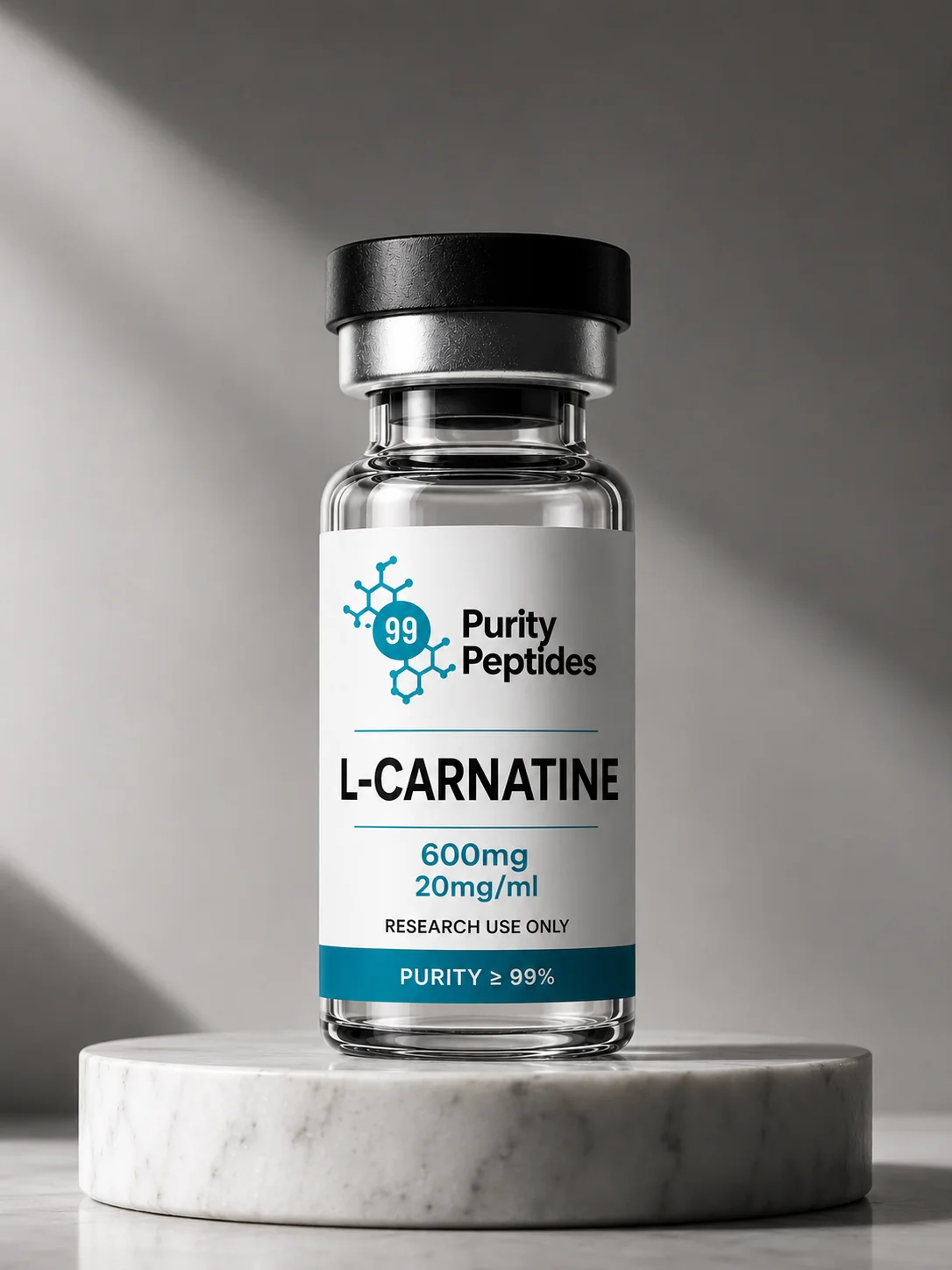
Originally discovered in 1905 and isolated from muscle tissue in 1927, L-carnitine has evolved from a biochemical curiosity to a well-researched supplement with decades of clinical investigation documenting its roles in fat oxidation, endurance performance, recovery, and metabolic health. Unlike many supplements making grand claims with minimal evidence, L-carnitine benefits from rigorous research establishing both its legitimate applications and realistic limitations.
Whether you're an endurance athlete seeking to enhance fat oxidation capacity, someone pursuing fat loss goals, a fitness enthusiast optimizing energy production, or an individual concerned about maintaining metabolic health, understanding L-carnitine's mechanisms, evidence-based benefits, optimal dosing protocols, and practical applications provides scientifically-grounded guidance for informed supplementation decisions. This comprehensive guide explores everything you need to know about L-carnitine 600mg supplementation.
What is L-Carnitine? Understanding This Amino Acid Derivative
The Chemistry and Structure
L-carnitine is a quaternary ammonium compound derived from the amino acids lysine and methionine:
Chemical Structure: L-carnitine is technically not an amino acid itself but an amino acid derivative—a compound synthesized from amino acids but with a different chemical structure than amino acids.
Molecular Function: The distinctive feature of L-carnitine is its ability to form ester bonds with long-chain fatty acids, creating acyl-carnitine complexes that can cross the inner mitochondrial membrane—a barrier that free fatty acids cannot traverse.
Stereochemistry: L-carnitine is the biologically active form. D-carnitine (the mirror-image molecule) and DL-carnitine (equal parts L and D) are less biologically active. Only L-carnitine should be used for supplementation.
Dietary Presence: L-carnitine is found naturally in animal-based foods, particularly:
- Red meat (beef, lamb)
- Poultry (chicken, turkey)
- Fish and seafood
- Dairy products (milk, cheese)
- Eggs
Plant-based foods contain minimal L-carnitine, making adequate intake more challenging for vegetarians and vegans.
Endogenous Production
Your body produces L-carnitine independently:
Synthesis Pathway: L-carnitine is synthesized primarily in the liver and kidneys through enzymatic reactions:
- Lysine and methionine (amino acids) provide the carbon backbone
- Several enzymatic steps convert these amino acids into L-carnitine
- Vitamin C (ascorbic acid) is a required cofactor in this synthesis
- Iron, vitamin B6, and niacin are also required
Production Rate: A healthy 70kg adult produces approximately 1-2g L-carnitine daily endogenously.
Storage: L-carnitine is stored primarily in skeletal muscle (approximately 95% of total body L-carnitine) and secondarily in other tissues.
Regulatory Factors:
- Adequate dietary protein (lysine and methionine precursors)
- Sufficient vitamin C
- Adequate iron
- Proper kidney and liver function
- Adequate B vitamins
Historical Context and Discovery
L-carnitine's scientific journey provides context for understanding its roles:
Original Discovery: Identified in 1905 as a component of muscle tissue.
Chemical Isolation: Isolated and characterized in 1927, leading to structure elucidation.
Biochemical Role Recognition: By mid-20th century, carnitine's role in fatty acid oxidation was established.
Clinical Research: Extensive research from 1960s onward documented L-carnitine's effects on metabolism and performance.
Supplement Development: Commercial L-carnitine supplements emerged in the 1980s-1990s, becoming increasingly popular.
Current Status: Well-established supplement with decades of research documenting effects, limitations, and applications.
How L-Carnitine Works: Mechanisms of Fat Metabolism
The Carnitine Shuttle System
L-carnitine's primary function involves a sophisticated molecular shuttle system enabling fat oxidation:
Step 1 - Fatty Acid Activation: When triglycerides are broken down, free fatty acids (particularly long-chain fatty acids with >12 carbons) are released into the cytoplasm.
Step 2 - Acyl-CoA Formation: An enzyme (acyl-CoA synthetase) attaches a CoA molecule to the fatty acid, creating acyl-CoA. This activated fatty acid cannot cross the inner mitochondrial membrane.
Step 3 - Carnitine Binding: L-carnitine (provided from diet, supplementation, or endogenous synthesis) binds to the acyl-CoA through enzyme carnitine palmitoyltransferase I (CPT I), creating acyl-carnitine. This esterified form can cross the inner mitochondrial membrane barrier.
Step 4 - Membrane Transport: The acyl-carnitine molecule crosses the inner mitochondrial membrane through the carnitine-acylcarnitine translocase protein.
Step 5 - Carnitine Release: Inside the mitochondrial matrix, another enzyme (carnitine palmitoyltransferase II or CPT II) removes the carnitine, regenerating the acyl-CoA.
Step 6 - Beta-Oxidation: The freed acyl-CoA enters the beta-oxidation pathway, where it's progressively broken down, generating NADH and FADH2 (energy carriers) and ultimately producing acetyl-CoA that enters the citric acid cycle for ATP production.
Step 7 - Carnitine Regeneration: The carnitine is transported back out of the mitochondria, becoming available for another round of fatty acid transport.
Critical Function: Without adequate carnitine, long-chain fatty acids cannot efficiently enter mitochondria, dramatically reducing fat oxidation capacity. This is why carnitine is essential for fat metabolism.
Energy Production from Fat Oxidation
Understanding how fat oxidation produces energy clarifies L-carnitine's benefits:
Fat as Fuel: During aerobic exercise (particularly lower-intensity efforts) and at rest, the body preferentially oxidizes fat for energy. Fat is the largest energy reservoir in the body, providing 9 calories per gram (compared to carbohydrate's 4 calories per gram).
ATP Production: Each complete cycle of beta-oxidation and the citric acid cycle produces significant ATP (energy molecules). A single palmitate (16-carbon fatty acid) produces approximately 129 ATP molecules through complete oxidation.
Exercise Duration: During prolonged, lower-intensity exercise (like distance running or cycling), the body shifts from carbohydrate dependence to fat oxidation. Enhanced fat oxidation capacity enables longer sustained efforts.
Metabolic Efficiency: More complete fat oxidation means more energy from stored fat, supporting both performance and weight management.
L-Carnitine's Role: By ensuring adequate carnitine availability, supplementation optimizes this fat-to-energy conversion process, particularly during exercise when fat oxidation demand is high.
Substrate Utilization and Exercise Intensity
L-carnitine's effects vary depending on exercise intensity and substrate availability:
Low-Intensity Exercise (<50% VO2max):
- Body primarily oxidizes fat for energy
- Carbohydrate is spared
- L-carnitine supplementation effects are most pronounced
- Enhanced fat oxidation can extend endurance
Moderate-Intensity Exercise (50-75% VO2max):
- Body uses mixture of fat and carbohydrate
- L-carnitine benefits modest but meaningful
- Carnitine can enhance fat oxidation component
High-Intensity Exercise (>75% VO2max):
- Body primarily oxidizes carbohydrate (glucose/glycogen)
- Fat oxidation is minimal regardless of carnitine
- L-carnitine supplementation provides minimal performance benefit
Practical Implication: L-carnitine is most valuable for endurance athletes, particularly in aerobic/lower-intensity training where fat oxidation is primary fuel.
Effects on Mitochondrial Function
Beyond fat transport, L-carnitine affects broader mitochondrial function:
Mitochondrial Density: Some research suggests L-carnitine supplementation may support mitochondrial biogenesis (formation of new mitochondria), enhancing cellular energy production capacity.
Mitochondrial Efficiency: Optimized fatty acid oxidation may improve mitochondrial efficiency—producing more ATP per unit of fuel.
Metabolic Flexibility: Enhanced capacity to oxidize fat improves metabolic flexibility—the ability to efficiently switch between fuel sources depending on availability and exercise context.
Cellular Energy Status: More efficient energy production from fat oxidation improves overall cellular ATP status, supporting both performance and recovery.
Key Benefits of L-Carnitine 600mg
Enhanced Fat Oxidation and Metabolism
The primary benefit of L-carnitine is optimized fat metabolism:
- Increased Fat Utilization: L-carnitine supplementation increases the rate of fatty acid oxidation, particularly during exercise
- Metabolic Efficiency: More complete fat oxidation means more energy extracted from stored fat
- Body Composition Support: Enhanced fat oxidation, combined with training and nutrition, supports fat loss goals
- Carbohydrate Sparing: By increasing fat oxidation, carbohydrate is spared, extending endurance capacity
- Mitochondrial Optimization: Improved fatty acid transport optimizes mitochondrial function
Practical Significance: For those seeking to improve body composition and optimize energy metabolism, L-carnitine supplementation provides a physiological mechanism supporting these goals.
Improved Endurance Performance
Particularly for aerobic/endurance athletes, L-carnitine provides performance benefits:
- Enhanced Fat Oxidation Capacity: Ability to oxidize fat more efficiently extends time before metabolic limitations occur
- Reduced Fatigue: By providing alternative fuel (fat) and sparing glycogen, perceived fatigue reduces
- Improved Time-to-Fatigue: Particularly in efforts lasting 30+ minutes, L-carnitine enhances performance
- Training Efficiency: Better fuel utilization during training supports higher training volumes
- Glycogen Preservation: Sparing carbohydrate reserves enables maintaining performance in later training efforts
Endurance Application: Runners, cyclists, swimmers, and other endurance athletes benefit from enhanced fat oxidation capacity during training and competition.
Exercise Recovery Support
L-carnitine supports multiple recovery mechanisms:
- Reduced Exercise-Induced Damage: Some research suggests L-carnitine reduces muscle damage markers
- Enhanced Recovery Metabolism: Better fat oxidation supports efficient recovery metabolism
- Improved Subsequent Performance: Faster recovery enables higher training frequency and quality
- Reduced Fatigue Accumulation: Efficient energy metabolism reduces fatigue accumulation between sessions
- Mitochondrial Recovery: L-carnitine supports mitochondrial function recovery post-exercise
Recovery Application: Athletes using high training frequency benefit from enhanced recovery capacity.
Weight Management and Body Composition
L-carnitine supports fat loss goals through multiple mechanisms:
- Increased Fat Oxidation: Direct enhancement of fat metabolism
- Energy Metabolism Optimization: Improved fuel utilization efficiency
- Reduced Appetite: Some research suggests modest appetite reduction with L-carnitine
- Lean Mass Preservation: During calorie restriction, optimized metabolism helps preserve muscle
- Metabolic Health: Enhanced fat oxidation supports healthy metabolic markers
Body Composition Application: Those seeking to reduce body fat while maintaining muscle benefit from L-carnitine's effects on energy metabolism.
Secondary Benefits: Brain and Cardiovascular Health
Beyond direct metabolic effects, L-carnitine provides broader health benefits:
- Mitochondrial Function: Supports cellular energy production in all tissues
- Brain Energy: L-carnitine may support brain mitochondrial function and cognition
- Cardiovascular Health: Enhanced cardiac mitochondrial function may support heart health
- Metabolic Health: Improved fat metabolism supports healthy metabolic markers
- Aging Support: L-carnitine may help maintain mitochondrial function during aging
General Health Application: For those seeking to optimize cellular energy production and metabolic health, L-carnitine supplementation provides systemic benefits beyond performance.
Current Research and Scientific Evidence
Extensive Research Database
L-carnitine benefits from decades of rigorous scientific investigation:
Fat Oxidation Studies: Multiple investigations consistently demonstrate that L-carnitine supplementation increases fatty acid oxidation rate, particularly during aerobic exercise.
Performance Research: Extensive studies document performance benefits, particularly in endurance contexts. Benefits are typically modest to moderate (2-5% improvement) but meaningful for competitive athletes.
Long-Term Studies: Multi-week and longer interventions demonstrate real-world training adaptation benefits when combined with consistent aerobic training.
Population Studies: Research spans diverse populations including trained athletes, sedentary individuals, older adults, and those with specific health conditions.
Mechanism Studies: Research clarifies the specific mechanisms of L-carnitine effects on fatty acid oxidation and energy production.
Key Research Findings
Fat Oxidation Enhancement:
- Studies show 10-30% increases in fat oxidation rate with L-carnitine supplementation
- Effects most pronounced during aerobic exercise
- Timing relative to exercise matters; pre-exercise dosing optimal
- Effects develop over 1-4 weeks of consistent supplementation
Endurance Performance:
- Performance improvements typically 2-5% in aerobic contexts
- Most pronounced in longer duration efforts (>30 minutes)
- Untrained individuals show larger improvements than highly trained athletes
- Effects are consistent but modest
Body Composition:
- Combined with training and calorie deficit, L-carnitine supports fat loss
- Muscle preservation during deficit improved with supplementation
- Effects require consistent training; supplementation alone insufficient
Recovery:
- Some studies show reduced muscle damage markers
- Enhanced recovery between training sessions documented
- Improved training capacity with consistent supplementation
Important Research Context
While research is generally positive, important nuances exist:
Baseline Carnitine Status: People with adequate baseline L-carnitine status (meat eaters, adequate liver/kidney function) show smaller supplementation benefits than those with suboptimal status.
Individual Response Variability: Individual responses vary substantially. Some people respond excellently; others show minimal response. Genetics influence carnitine metabolism.
Vegetarian/Vegan Advantage: Those with plant-based diets (minimal dietary L-carnitine) show larger supplementation benefits than omnivores.
Training Status: Untrained individuals show larger performance improvements than highly trained athletes whose mitochondria are already optimized.
Realistic Expectations: L-carnitine provides 2-5% benefit at best—meaningful for competitive athletes but not transformative for casual exercisers.
L-Carnitine Dietary Sources and Supplementation
Natural Food Sources
Obtaining L-carnitine from food is the first approach:
Animal-Based Sources (Highest Bioavailability):
- Red meat (beef, lamb): 300-600mg per 3.5 oz serving
- Ground beef: 87mg per 3.5 oz serving
- Venison: 180-600mg per 3.5 oz serving
- Pork: 24-50mg per 3.5 oz serving
- Poultry (chicken, turkey): 3-17mg per 3.5 oz serving
- Fish (salmon, tuna): 10-50mg per 3.5 oz serving
- Dairy (milk, cheese, yogurt): 8-15mg per serving
- Eggs: 0.7mg per egg
Plant-Based Sources:
- Mushrooms: 10-20mg per cup
- Asparagus: 1-3mg per cup
- Avocado: 2mg per fruit
- Most plant foods: <1mg per serving
Dietary Context: A typical omnivorous diet provides 50-100mg L-carnitine daily from food. Vegetarians/vegans receive 1-5mg daily from food alone, making supplementation more beneficial.
Who Needs Supplementation?
Certain populations benefit most from L-carnitine supplementation:
Vegetarians and Vegans: With minimal dietary L-carnitine, supplementation (600mg daily or more) provides clear benefit for exercise performance and recovery.
Endurance Athletes: Aerobic athletes seeking fat oxidation enhancement benefit from supplementation.
Aging Populations: L-carnitine synthesis and carnitine tissue levels decline with age; supplementation supports metabolic health.
Those with Metabolic Challenges: Individuals with suboptimal fat oxidation benefit from L-carnitine support.
High-Volume Trainers: Athletes using high training frequency benefit from optimized recovery metabolism.
Calorie Restriction: Those dieting benefit from enhanced fat metabolism and metabolic optimization.
Casual Exercisers: Those exercising for general health receive modest benefits; whole diet optimization more important.
L-Carnitine Supplementation Forms and Administration
Available Supplementation Forms
L-carnitine supplements come in several forms:
L-Carnitine Base (Free Form):
- Most common and researched form
- Fastest absorption
- Available in powder or capsule
- Most cost-effective
- Slightly bitter taste in powder form
L-Carnitine L-Tartrate:
- L-carnitine bound to tartaric acid
- Enhanced absorption compared to base form
- May provide modest additional bioavailability benefit
- Slightly higher cost
- Better taste than base form
Acetyl-L-Carnitine (ALCAR):
- L-carnitine with acetyl group attached
- Better blood-brain barrier penetration
- Potentially better for cognitive effects
- More expensive than base L-carnitine
- Both systemic and central nervous system effects
Propionyl-L-Carnitine:
- L-carnitine with propionyl group attached
- May have additional cardiovascular benefits
- Limited research compared to other forms
- More expensive
Glycine-L-Carnitine:
- L-carnitine bound to glycine amino acid
- Enhanced absorption
- Additional synergistic effects from glycine
- More expensive
Standard 600mg Dosing: Most 600mg supplements use L-carnitine base or L-carnitine L-tartrate.
Dosing Protocols
Standard L-carnitine supplementation protocols:
Endurance Performance Enhancement:
- Daily Dose: 1,000-2,000mg (1-2g) daily in divided doses
- Timing: 500-1,000mg 30-60 minutes pre-training with carbohydrate
- Protocol: Multiple smaller doses (500mg x 2-4 times daily) often more effective than single large dose
- Duration: Requires 1-4 weeks of consistent supplementation for full effects
Fat Loss Support:
- Daily Dose: 1,500-2,000mg (1.5-2g) daily in divided doses
- Timing: With meals, particularly around training
- Protocol: Consistent daily dosing
- Duration: 4-8 weeks minimum to assess benefits
General Health/Recovery:
- Daily Dose: 500-1,000mg daily
- Timing: With meals
- Protocol: Consistent daily dosing
Vegetarians/Vegans:
- Daily Dose: 1,000-2,000mg daily due to minimal dietary sources
- Timing: Divided doses with meals
- Protocol: Consistent supplementation
Individual Dosing Adjustments:
- Body Weight Scaling: 10-20mg per kg body weight daily optimal
- 150-lb person: 680-1,360mg daily
- 180-lb person: 820-1,640mg daily
- 200-lb person: 900-1,820mg daily
Timing and Administration
Optimal timing for L-carnitine supplementation:
Pre-Exercise Timing:
- Dose: 500-1,000mg L-carnitine L-tartrate
- Timing: 30-60 minutes before aerobic exercise
- Combination: Best absorbed and utilized with carbohydrate (30-50g carbs enhances uptake and creates optimal substrate utilization conditions)
- Purpose: Elevate plasma carnitine for optimal fat oxidation during exercise
Post-Exercise Timing:
- Dose: 500-1,000mg L-carnitine
- Timing: Immediately post-exercise with carbohydrate and protein
- Purpose: Support recovery metabolism and replenishment
Non-Training Days:
- Dose: 500-1,000mg with meals
- Purpose: Maintain elevated tissue carnitine levels
Consistent Daily Dosing:
- Frequency: 1-2 doses daily (divided dosing often more effective than single dose)
- Timing: Same times daily for consistency
- Food: Take with meals for better absorption
Peak Effectiveness Timeline:
- 1-2 weeks: Initial carnitine levels begin increasing
- 2-4 weeks: Tissue carnitine saturation, initial performance benefits appear
- 4-8 weeks: Full adaptation to supplementation, maximal benefits
- Ongoing: Benefits maintained with continued supplementation
Safety Profile and Considerations
L-Carnitine Safety Profile
L-carnitine has an excellent safety profile:
Well-Tolerated:
- Years of research and millions of users demonstrate excellent tolerability
- Minimal adverse effects at standard doses
- No known long-term toxicity
- Generally recognized as safe (GRAS) by FDA for food use
Minimal Side Effects:
- Gastrointestinal: Occasional mild nausea, cramping, or diarrhea (particularly at high doses on empty stomach)
- Odor: High doses can cause "fishy" body odor from trimethylamine production (harmless but noticeable)
- Insomnia: Rare, occasionally reported by sensitive individuals at high doses
- Headache: Rarely reported by some individuals
- Allergy: True allergic reactions are rare but possible
Optimal Tolerability: Taking with food, using divided doses, and staying within 1-2g daily minimizes side effects.
Upper Limit and Toxicity
While extremely safe, excessive L-carnitine has theoretical limits:
Recommended Upper Intake: While no formal upper limit is established, doses above 3-5g daily provide no additional benefit and increase side effect risk.
Safety Range:
- Therapeutic doses: 500-2,000mg daily (excellent safety)
- High doses: 3,000-5,000mg daily (still safe but increases side effect risk)
- Excessive doses: >5,000mg daily (minimal benefit, unnecessary risk)
Long-Term Safety: Years of supplementation at standard doses show no adverse effects. L-carnitine is not liver or kidney toxic at physiological levels.
Special Populations
Certain individuals should exercise caution:
Kidney Disease: L-carnitine accumulates in renal disease. Lower supplementation doses (500-1,000mg daily) appropriate; medical guidance important.
Liver Disease: Carnitine synthesis occurs in liver; severe disease may impact metabolism. Medical guidance appropriate.
Seizure Disorders: Theoretically, excessive carnitine could affect seizure threshold (though evidence is minimal). Medical guidance important.
Thyroid Conditions: L-carnitine may affect thyroid function in some individuals. Medical monitoring appropriate for those with thyroid disease.
Pregnancy/Breastfeeding: L-carnitine is present in breast milk and normal diet. Supplementation is likely safe but individual medical guidance appropriate.
Children/Adolescents: L-carnitine is safe for growing individuals; dosing should be body-weight scaled appropriately (typically 250-500mg daily for children).
Drug Interactions
L-carnitine has minimal drug interactions:
Warfarin (Blood Thinner): Very high L-carnitine doses may theoretically affect warfarin metabolism. Medical provider discussion appropriate.
Thyroid Medications: Potential minor interactions; medical guidance appropriate.
Diabetes Medications: L-carnitine may affect glucose metabolism in some diabetics. Blood glucose monitoring appropriate.
Most Medications: No significant interactions with common medications. L-carnitine is well-tolerated alongside standard medications.
CALLOUT BOXES
💡 TIP: Optimizing L-Carnitine Effectiveness
To maximize L-carnitine 600mg (and supplementation generally) benefits:
- Assess Dietary Sources First: Calculate current L-carnitine intake from food. If eating adequate red meat or fish, supplementation provides modest additional benefit.
- Prioritize Aerobic Training: L-carnitine benefits are most pronounced during aerobic/endurance exercise. Include regular endurance training for maximum supplementation value.
- Combine with Carbohydrate: Taking L-carnitine with 30-50g carbohydrates enhances absorption and creates optimal substrate utilization. Pre-workout timing with carbs is optimal.
- Use Powder Form: Powder is most economical and allows precise dosing. Choose L-carnitine L-tartrate for slightly better bioavailability.
- Divide Daily Doses: Multiple smaller doses (500mg x 2-3 times) often more effective than single large dose for saturation and consistency.
- Be Patient: Give L-carnitine 2-4 weeks minimum to assess benefits. Results develop gradually, not immediately.
- Track Performance: Objectively measure endurance performance, training recovery, and body composition changes to assess L-carnitine benefit for you personally.
- Optimize Training: L-carnitine enhances training effects; without consistent aerobic training, supplementation provides minimal benefit.
- Combine with Sleep: L-carnitine works best combined with 7-9 hours quality sleep and overall healthy nutrition.
- Consider Vegetarian Status: If vegetarian/vegan with minimal dietary L-carnitine, supplementation (1,000-2,000mg daily) provides clearer benefits than for omnivores.
⚠️ WARNING: Critical Considerations with L-Carnitine
- Not a Magic Solution: L-carnitine enhances training results; it doesn't replace proper training and nutrition. Without aerobic training and calorie deficit (if weight loss goal), supplementation provides minimal benefit.
- Fishy Odor Risk: High-dose L-carnitine supplementation can cause noticeable "fishy" body odor from trimethylamine production. Stay within 1-2g daily to minimize this.
- Kidney Disease Risk: Those with kidney disease should consult healthcare providers before supplementing; L-carnitine accumulates with renal impairment.
- Modest Performance Gains: Expect 2-5% performance improvements at best—meaningful for competitive athletes but not transformative for casual exercisers.
- Individual Response Variability: Some people respond excellently; others notice minimal benefit. Don't assume it will work for you until testing personally.
- Dietary Priority: Obtaining L-carnitine from food (red meat, fish) is preferable to supplementation for those with dietary access.
- Quality Variability: Supplement quality varies between manufacturers. Purchase from reputable sources with third-party testing.
- Timing Matters: Taking L-carnitine randomly throughout the day provides minimal benefit. Pre-exercise timing with carbohydrates is optimal.
- Not for High-Intensity Training: L-carnitine's benefits are primarily during aerobic/lower-intensity exercise. High-intensity training relies primarily on carbohydrate metabolism where L-carnitine provides minimal benefit.
- Cost-Benefit Analysis: For casual exercisers, L-carnitine supplementation may not justify cost. Optimizing training and diet often provides better return on investment.
✅ BEST PRACTICES: Safe and Effective L-Carnitine Use
If you're considering L-carnitine 600mg supplementation:
- Assess Dietary Intake: Calculate current L-carnitine from food sources. If adequate meat/fish consumption, supplementation benefit is modest.
- Identify Performance Goal: Specifically identify what L-carnitine will improve (endurance performance, fat oxidation, recovery). Vague expectations indicate unnecessary supplementation.
- Verify Baseline Metabolism: If concerned about metabolic health, establish baseline before supplementing to assess whether L-carnitine provides real benefit.
- Choose L-Carnitine L-Tartrate: When selecting among forms, L-carnitine L-tartrate provides slightly better bioavailability than base form at modest additional cost.
- Use Powder Form: Powder is most economical and allows precise dosing. Budget $10-20 per month for quality powder L-carnitine.
- Divide Daily Doses: Use 500-1,000mg in morning, 500-1,000mg pre-exercise (with carbs), and potentially 500mg evening if high training volume.
- Combine with Carbohydrate: Always take pre-exercise L-carnitine with 30-50g carbohydrate for optimal absorption and substrate utilization.
- Prioritize Aerobic Training: Concentrate supplementation timing around aerobic training where fat oxidation is primary fuel.
- Give Adequate Trial: Supplement consistently for 4-8 weeks before assessing benefit. Initial 1-4 weeks involve tissue saturation without obvious benefit.
- Monitor Objectively: Track endurance performance metrics, recovery quality, and body composition changes to assess whether L-carnitine provides real benefits for you.
- Combine with Sleep: Ensure 7-9 hours quality sleep. L-carnitine-enhanced recovery is limited without adequate sleep.
- Communicate with Healthcare Providers: Inform healthcare providers about L-carnitine supplementation, particularly if taking medications or having kidney/liver conditions.
- Reassess Periodically: Every 8-12 weeks, evaluate whether continued L-carnitine supplementation provides real benefits versus simply costing money.
- Discontinue if Ineffective: If noticing minimal benefit after 8 weeks, consider discontinuing and redirecting money toward optimizing training and nutrition.
L-Carnitine in Specific Contexts
L-Carnitine for Endurance Athletes
Application: Endurance athletes benefit most from L-carnitine supplementation.
Protocol:
- Pre-training: 1,000mg L-carnitine L-tartrate 30-60 minutes pre-exercise with 40-50g carbohydrate
- Daily maintenance: 500-1,000mg with meals on non-training days
- Total daily: 1,000-2,000mg in divided doses
Expected Benefits:
- Enhanced fat oxidation during aerobic training
- Improved time-to-fatigue in efforts lasting 30+ minutes
- Faster recovery between training sessions
- Improved training capacity for high-volume aerobic training
- Modest (2-5%) performance improvements
Sport-Specific Examples:
- Distance runners: Enhanced fat oxidation supports sustained pace
- Cyclists: Improved endurance capacity in long training rides
- Triathletes: Enhanced fat utilization across multiple sports
- Rowers/Kayakers: Support for sustained power output
- Cross-country skiers: Fat oxidation enhancement for long efforts
L-Carnitine for Fat Loss/Body Composition
Application: Those seeking fat loss combined with training benefit from L-carnitine.
Protocol:
- Pre-training: 1,000mg L-carnitine L-tartrate with pre-workout meal
- Additional: 500-1,000mg with meals (morning, post-workout)
- Total daily: 1,500-2,000mg in divided doses during deficit
Expected Benefits:
- Enhanced fat oxidation supporting calorie deficit
- Improved metabolic health markers
- Maintained performance and training capacity during deficit
- Preserved muscle mass with continued resistance training
- Accelerated fat loss (modest but measurable with combined training)
Synergy: Most effective combined with:
- Resistance training to preserve muscle
- Aerobic training to utilize fat oxidation enhancement
- Moderate calorie deficit (not extreme restriction)
- Adequate protein (1.8-2.2g per kg)
L-Carnitine for Aging and Metabolic Health
Application: Older adults seeking to maintain metabolic function benefit from L-carnitine.
Protocol:
- Daily: 500-1,000mg daily divided doses
- With meals for consistency and absorption
- Combine with regular aerobic and resistance training
Expected Benefits:
- Maintained mitochondrial function during aging
- Preserved fat oxidation capacity
- Supported exercise performance and recovery
- Enhanced metabolic health markers
- General wellness support
Aging Considerations:
- Carnitine synthesis declines with age; supplementation more valuable
- Kidney function important for clearance; lower doses if kidney concerns
- Combined with strength training, benefits substantial
L-Carnitine for Vegetarians/Vegans
Application: Plant-based dieters have greatest supplementation need.
Protocol:
- Daily: 1,000-2,000mg daily (compensating for minimal dietary sources)
- In divided doses (500-1,000mg morning, 500-1,000mg pre-training)
- Pre-training dose with carbohydrate for optimization
Expected Benefits:
- Compensation for minimal dietary L-carnitine
- Enhanced endurance performance
- Improved fat oxidation capacity
- Metabolic optimization
- Training capacity support
Vegetarian Advantage: Plant-based dieters show larger supplementation benefits than omnivores (who obtain L-carnitine from food). Supplementation becomes more valuable tool for vegan athletes.
L-Carnitine Comparison with Alternatives
L-Carnitine vs. Caffeine
Caffeine:
- Mechanism: Central nervous system stimulation, adenosine antagonism
- Effects: Reduced perceived fatigue, enhanced alertness, increased heart rate
- Timing: 30-60 minutes pre-exercise
- Benefit: 2-3% performance improvement in many contexts
- Cost: Inexpensive
L-Carnitine:
- Mechanism: Fat oxidation enhancement, mitochondrial function
- Effects: Improved substrate utilization, enhanced endurance capacity
- Timing: 30-60 minutes pre-exercise with carbohydrate
- Benefit: 2-5% endurance performance improvement
- Cost: Moderate ($10-20/month)
Combination Approach: Using both caffeine and L-carnitine provides complementary benefits—caffeine for CNS stimulation and L-carnitine for fuel optimization.
L-Carnitine vs. Beta-Alanine
Beta-Alanine:
- Mechanism: Increases muscle carnosine, buffering lactate
- Effects: Enhanced high-intensity performance
- Timing: 3-5g daily consistently
- Benefit: 2-3% high-intensity performance improvement
- Best for: Short-duration, high-intensity efforts
L-Carnitine:
- Mechanism: Fat oxidation enhancement
- Effects: Improved aerobic/endurance capacity
- Timing: Pre-exercise with carbohydrate
- Benefit: 2-5% aerobic performance improvement
- Best for: Longer-duration, aerobic efforts
Different Mechanisms: These supplements work through different pathways and target different energy systems. Beta-alanine for high-intensity, L-carnitine for aerobic.
L-Carnitine vs. Creatine
Creatine:
- Mechanism: Increases phosphocreatine, enhancing ATP regeneration
- Effects: Improved high-intensity power output, muscle growth support
- Timing: 5g daily consistently
- Benefit: 5-15% high-intensity strength/power improvement
- Best for: Strength and power training
L-Carnitine:
- Mechanism: Fat oxidation enhancement
- Effects: Improved endurance capacity
- Timing: Pre-exercise with carbohydrate
- Benefit: 2-5% aerobic/endurance improvement
- Best for: Endurance and aerobic training
Combination Approach: Creatine + L-carnitine serve different energy systems and complement each other well for comprehensive training support.
L-Carnitine vs. Whole Protein
Whole Protein (Meat, Fish, Dairy):
- Contains L-carnitine plus all other amino acids
- Micronutrient-rich
- Satiating
- Cost-effective
- Digestive benefits
L-Carnitine Supplement:
- Isolated compound
- Rapid absorption
- Convenient dosing
- Specific timing capability
- Less satiating
Verdict: Whole protein is generally preferable for general nutrition. L-carnitine supplementation adds value primarily for aerobic athletes seeking fat oxidation optimization beyond whole protein intake.
Conclusion: Optimizing L-Carnitine 600mg for Your Goals
L-carnitine represents a well-researched, physiologically-sound supplement supporting fat metabolism, endurance performance, and metabolic health. Unlike many supplements making grand claims with minimal evidence, L-carnitine benefits from decades of rigorous research establishing both its legitimate mechanisms and realistic limitations—it genuinely works within specific contexts, but isn't transformative for casual exercisers.
The Honest Assessment: L-carnitine works, but provides modest benefits (2-5% performance improvements at best) and only when combined with consistent aerobic training. It optimizes fat oxidation during exercise but doesn't replace the fundamental requirements for training results: proper training, adequate nutrition, sufficient sleep, and consistency over time.
When L-Carnitine Makes Sense:
- You're an endurance athlete seeking to enhance fat oxidation capacity
- You follow a vegetarian/vegan diet with minimal dietary L-carnitine
- You're seeking to optimize fat loss combined with training and calorie deficit
- You're willing to test supplementation objectively for 4-8 weeks to assess personal benefit
- Your budget accommodates $10-20 monthly cost
- You prioritize aerobic/endurance training where fat oxidation is primary fuel
When L-Carnitine Doesn't Make Sense:
- You don't train aerobically; L-carnitine requires aerobic training stimulus
- You have adequate dietary L-carnitine from meat/fish consumption
- You're a casual exerciser pursuing general health; fundamental approaches matter more
- Your budget is limited; training and nutrition optimization provides better return
- You're expecting dramatic body transformation; realistic expectations are 2-5% benefit
The Practical Reality: Most people achieve 80-90% of possible fitness and body composition results from:
- Consistent resistance and aerobic training
- Adequate protein intake (1.6-2.2g per kg body weight)
- Calorie balance appropriate for goals
- 7-9 hours quality sleep
- Stress management
- Long-term consistency (months and years)
L-carnitine 600mg supplementation can provide 5-10% additional optimization on top of excellent fundamentals. For someone with poor fundamentals (inadequate training, poor diet, insufficient sleep), supplementation provides minimal value.
Recommendation: Optimize fundamentals first. Once training, nutrition, and sleep are dialed in, strategic L-carnitine 600mg supplementation before aerobic exercise can accelerate endurance performance and fat loss results. Give it 4-8 weeks, objectively assess whether you notice improved endurance, faster recovery, or accelerated fat loss, and continue only if providing real value.
For endurance athletes, vegetarians/vegans, and those pursuing fat loss combined with training, L-carnitine 600mg remains a worthwhile supplemental tool within a comprehensive training and nutrition approach.
Key Takeaways
- L-carnitine is an amino acid derivative essential for transporting long-chain fatty acids into mitochondria for beta-oxidation and energy production
- 600mg is a standard supplemental dose; effective daily range is 500-2,000mg depending on body weight and training intensity
- Primary benefits: enhanced fat oxidation (10-30% increases), improved endurance performance (2-5% in aerobic contexts), accelerated fat loss with training, and improved recovery
- L-carnitine works by forming acyl-carnitine complexes that shuttle fatty acids across the inner mitochondrial membrane where they undergo oxidation for energy
- Most valuable for endurance athletes, vegetarians/vegans with minimal dietary L-carnitine, and those pursuing fat loss combined with training
- Timing around aerobic exercise with carbohydrate enhances effectiveness; 30-60 minutes pre-exercise with 40-50g carbs is optimal
- Safety profile is excellent; minimal side effects at standard doses; long-term supplementation is safe
- Individual response varies; some people respond excellently, others show minimal benefit; 4-8 weeks needed to assess personal benefit
- Requires consistent aerobic training to provide meaningful benefit; supplementation without training provides minimal value
- More effective for vegetarians/vegans (minimal dietary sources) than for omnivores (adequate dietary intake from meat/fish)
- Food sources (red meat, fish) provide L-carnitine; supplementation provides marginal additional benefit for those with adequate dietary intake