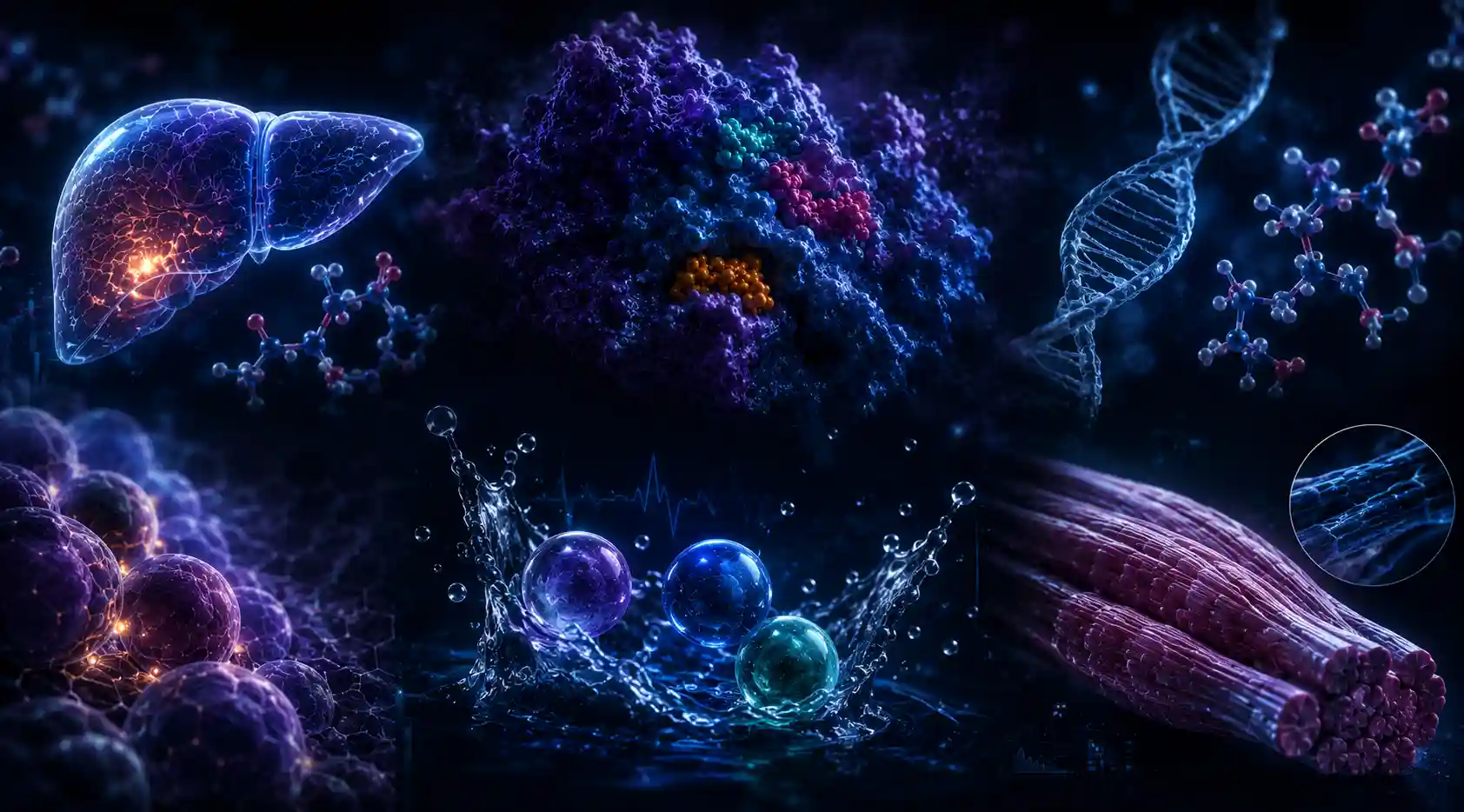
INTRODUCTION & PRODUCT DESCRIPTION

The human body operates on multiple temporal rhythms—circadian cycles that govern sleep-wake patterns, cellular repair schedules, and hormonal secretion. Yet modern life increasingly disrupts these natural rhythms, resulting in poor sleep quality, accelerated cellular aging, and mounting chronic disease risk.
Epithalon represents a breakthrough in understanding how to support the body's natural aging resistance mechanisms. This simple tetrapeptide—containing just four amino acids—activates the pineal gland's melatonin production, enhances sleep quality, triggers deep cellular repair processes, and activates telomerase—the enzyme that maintains cellular lifespan itself.
This comprehensive guide explores what Epithalon is, how it operates at the molecular and physiological level, its research applications in longevity science, and why researchers investigating healthy aging, sleep physiology, and cellular regeneration have embraced Epithalon as a foundational research compound.
WHAT IS EPITHALON? THE FOUNDATIONAL ANTI-AGING PEPTIDE
Epithalon is a tetrapeptide—a chain of four amino acids (Alanine-Glutamic Acid-Aspartic Acid-Glycine, or Ala-Glu-Asp-Gly)—with profound effects on aging biology and longevity mechanisms. Despite its simplicity (compared to longer peptide chains), Epithalon activates multiple interconnected pathways that coordinate sleep quality, cellular repair, and anti-aging signaling.
The peptide was first synthesized in Russia in the 1980s by Professor Vladimir Khavinson and colleagues, who developed it specifically to activate telomerase—the enzyme responsible for maintaining telomere length and cellular replicative potential. Subsequent research revealed that Epithalon's effects extend far beyond telomerase activation, encompassing melatonin production, sleep quality, circadian rhythm regulation, and comprehensive cellular anti-aging effects.
Epithalon's small size confers significant practical advantages: the peptide is stable, readily available, and capable of crossing biological barriers that larger peptides cannot. These properties make it particularly valuable for research applications.
MOLECULAR STRUCTURE AND BIOLOGICAL SPECIFICITY
The four-amino-acid structure of Epithalon—while deceptively simple—encodes specific biological information recognized by target cells. The peptide interacts with cellular receptors and signaling pathways involved in aging biology, circadian rhythm regulation, and cellular stress resistance. This specificity explains why Epithalon produces coordinated effects across multiple physiological systems rather than non-specific metabolic stimulation.
HOW EPITHALON WORKS: MECHANISMS OF ANTI-AGING ACTION
Epithalon's therapeutic and research value derives from its activation of multiple interconnected aging-resistance pathways. Understanding these mechanisms reveals why researchers have embraced Epithalon across such diverse longevity applications.
TELOMERASE ACTIVATION AND CELLULAR REPLICATIVE POTENTIAL
Telomerase is the enzyme that rebuilds telomeres—protective DNA-protein caps at chromosome ends that shorten with each cell division. After a cell divides approximately 50–70 times (the Hayflick limit), telomeres become critically short, triggering cellular senescence (aging) or apoptosis (death). In most somatic cells, telomerase is inactive, making telomere shortening an essentially irreversible biological clock of cellular lifespan.
Epithalon activates telomerase in specific cell types, extending cellular replicative potential and postponing cellular senescence. This mechanism is central to Epithalon's anti-aging effects: by maintaining telomere length, the peptide preserves the proliferative capacity of cells in immune tissues, skin, gut epithelium, and other renewal tissues that depend on continuous cell division.
This telomerase activation is not constitutive (constant); rather, Epithalon triggers telomerase in appropriate contexts, avoiding the uncontrolled telomerase activity characteristic of cancer cells. This selective activation distinguishes Epithalon as a "smart" longevity intervention.
MELATONIN PRODUCTION AND PINEAL GLAND ACTIVATION
The pineal gland, a small neuroendocrine organ in the brain's center, synthesizes and secretes melatonin—a hormone that regulates sleep-wake cycles and possesses profound antioxidant and anti-aging properties. Epithalon powerfully stimulates pineal melatonin production, increasing both nighttime melatonin levels and baseline daytime melatonin concentrations.
This melatonin enhancement produces multiple anti-aging effects: improved sleep quality and architecture, enhanced antioxidant defense against free radical damage, reduced inflammation, and direct pineal neuroprotection. Melatonin operates at every cellular level, crossing the blood-brain barrier and accumulating in mitochondria to protect the most metabolically active cellular compartments from oxidative stress.
CIRCADIAN RHYTHM OPTIMIZATION AND SLEEP ARCHITECTURE
Beyond melatonin production, Epithalon enhances circadian rhythm robustness and sleep quality. The peptide strengthens the internal biological clock's regulation of sleep-wake cycles, resulting in deeper, more restorative sleep. Research participants frequently report improved sleep onset, longer sleep duration, better sleep quality, and more refreshed morning awakening.
This sleep enhancement operates through multiple mechanisms: melatonin's direct sleep-promoting effects, enhanced pineal function's optimization of circadian signaling, and Epithalon's effects on circadian gene expression throughout the body. The result is synchronized circadian function across multiple tissues—a state strongly associated with longevity and disease prevention.
CELLULAR AUTOPHAGY AND PROTEIN QUALITY CONTROL
Autophagy—literally "self-eating"—is the cellular cleanup process by which cells digest damaged proteins, organelles, and accumulated cellular debris. This quality-control mechanism becomes increasingly important with aging, as accumulated cellular damage drives aging and disease. Epithalon enhances autophagy, particularly in response to melatonin production and circadian signaling, promoting comprehensive cellular renewal.
Enhanced autophagy is particularly significant in long-lived organisms and centenarians, where robust autophagy appears protective against neurodegenerative disease, cancer, and metabolic dysfunction. Epithalon research suggests the peptide enhances this crucial aging-resistance mechanism.
ANTIOXIDANT DEFENSE AND MITOCHONDRIAL PROTECTION
Melatonin, the primary mediator of many Epithalon effects, is an exceptionally potent antioxidant—more powerful than vitamin C or vitamin E in neutralizing harmful free radicals. Melatonin also stimulates antioxidant enzymes (superoxide dismutase, catalase, glutathione peroxidase), creating a multi-layered antioxidant defense system.
Critically, melatonin accumulates in mitochondria, where the majority of cellular free radicals are generated. This mitochondrial protection is fundamental to Epithalon's anti-aging effects: by protecting mitochondrial DNA and oxidative phosphorylation machinery, Epithalon preserves mitochondrial function—a hallmark of healthy aging.
INFLAMMATION REDUCTION AND IMMUNE SYSTEM MODULATION
Chronic low-grade inflammation ("inflammaging") is a hallmark of aging and drives many age-related diseases. Melatonin, particularly as enhanced by Epithalon, powerfully reduces pro-inflammatory cytokine production and enhances the immune system's coordination between pro-inflammatory and anti-inflammatory responses.
This immune modulation is nuanced: Epithalon does not suppress immunity (which would be counterproductive), but rather optimizes immune regulation, enhancing protective immunity while reducing chronic inflammatory signaling. This immune optimization is particularly valuable in aging populations where immune function declines.
PINEAL GLAND HEALTH AND CALCIFICATION PREVENTION
The pineal gland's ability to produce melatonin declines with age, partly due to pineal calcification—calcium and phosphate accumulation that impairs gland function. Epithalon enhances melatonin production despite age-related pineal changes, essentially "rejuvenating" pineal function. This effect appears to involve both direct stimulation of melatonin synthesis and modulation of calcium homeostasis to reduce calcification.
PRIMARY RESEARCH APPLICATIONS OF EPITHALON
Epithalon's multifaceted effects on aging biology make it valuable across multiple research domains:
LONGEVITY AND LIFESPAN EXTENSION STUDIES
Epithalon has demonstrated lifespan-extending effects in multiple animal models. In fruit flies, mice, and other organisms, Epithalon administration increases median and maximum lifespan—effects attributed to telomerase activation, enhanced antioxidant defense, and improved circadian regulation. These lifespan data, though from non-primate models, provide compelling evidence that Epithalon activates fundamental anti-aging mechanisms.
For researchers investigating the biological basis of longevity and testing interventions targeting aging pathways, Epithalon represents a well-characterized compound with robust anti-aging effects.
SLEEP QUALITY AND CIRCADIAN RHYTHM RESEARCH
Poor sleep is increasingly recognized as a fundamental driver of aging and disease. Epithalon's melatonin-enhancing and circadian-optimizing effects make it valuable for investigating sleep physiology and testing interventions for sleep disorders. Research demonstrates improved sleep latency, longer sleep duration, deeper sleep stages, and improved objective and subjective sleep quality.
For researchers studying sleep's role in aging, memory consolidation, immune function, and metabolic health, Epithalon provides a well-defined intervention targeting fundamental sleep regulation mechanisms.
CELLULAR SENESCENCE AND TISSUE REGENERATION
By activating telomerase and extending cellular replicative potential, Epithalon opposes cellular senescence—the process by which cells lose proliferative capacity and accumulate with age. This anti-senescence effect has particular implications for tissues dependent on continuous cell renewal: skin, immune tissue, gut epithelium, and bone.
Researchers investigating tissue regeneration, aging of renewal tissues, and interventions to maintain tissue homeostasis find Epithalon valuable for mechanistic investigation and therapeutic modeling.
NEURODEGENERATIVE DISEASE AND NEUROPROTECTION
Melatonin's neuroprotective effects—particularly mitochondrial protection and antioxidant activity—position Epithalon as a research tool for investigating neurodegeneration and testing neuroprotective interventions. The peptide's ability to cross the blood-brain barrier and accumulate in brain tissue is particularly significant for CNS applications.
Researchers studying Alzheimer's disease, Parkinson's disease, and other neurodegenerative conditions increasingly explore melatonin-enhancing compounds like Epithalon.
METABOLIC HEALTH AND AGING-ASSOCIATED METABOLIC DYSFUNCTION
Age-related metabolic decline—reduced insulin sensitivity, altered glucose metabolism, mitochondrial dysfunction—is increasingly recognized as central to aging and age-related disease. Sleep disruption and circadian misalignment are key drivers of metabolic aging. Epithalon's restoration of sleep quality and circadian rhythm coordination supports metabolic health through multiple mechanisms.
Researchers investigating metabolic aging, age-related metabolic disease, and interventions to preserve metabolic flexibility with aging find Epithalon relevant to their investigations.
IMMUNE AGING (IMMUNOSENESCENCE) AND VACCINATION RESPONSE
The immune system's function declines with age (immunosenescence), reducing ability to fight infection and respond to vaccines. Melatonin enhances immune cell function and coordinates appropriate immune responses. Emerging research suggests Epithalon may enhance immune aging resistance and improve vaccine responses in aging populations—a critical area for public health.
EPITHALON'S SPECIFIC EFFECTS ON SLEEP PHYSIOLOGY
SLEEP LATENCY AND SLEEP ONSET
Epithalon typically reduces the time required to fall asleep (sleep latency), often by 30–50%. This improvement reflects melatonin's sleep-promoting effects and enhanced circadian signaling from the suprachiasmatic nucleus (the brain's master clock). Participants frequently report more rapid, effortless sleep onset rather than the frustrating wakefulness common with aging.
SLEEP DURATION AND SLEEP CONSOLIDATION
Sleep duration typically increases with Epithalon, often by 1–3 hours nightly. Critically, this increased duration reflects deeper, more consolidated sleep rather than merely more time in bed. Sleep architecture—the progression through different sleep stages—becomes more robust, with more time in deep restorative sleep (slow-wave sleep) and appropriate REM sleep for memory consolidation.
SLEEP QUALITY AND SUBJECTIVE RESTFULNESS
Beyond objective measures, Epithalon significantly improves subjective sleep quality and morning restfulness. Participants report deeper, less interrupted sleep and markedly improved morning alertness and daytime energy. This subjective improvement often translates into enhanced daytime function, mood, and cognitive performance.
CIRCADIAN RHYTHM PHASE AND AMPLITUDE
Epithalon strengthens circadian rhythm amplitude—the magnitude of the daily oscillation in melatonin, cortisol, and other circadian hormones. This stronger rhythm creates more robust daily timing, with stronger distinction between "night" (sleep-promoting) and "day" (wake-promoting) hormonal states. A stronger circadian rhythm is consistently associated with better health outcomes and longevity.
EPITHALON'S CELLULAR ANTI-AGING EFFECTS
TELOMERE LENGTH MAINTENANCE
Direct telomere length measurements in research settings demonstrate that Epithalon administration slows telomere shortening and may actually increase telomere length in certain cell populations. This effect is remarkable—preserving the "aging clock" of cells—and directly supports cellular longevity at the molecular level.
SENESCENT CELL BURDEN REDUCTION
Senescent cells—cells that have lost proliferative capacity but remain metabolically active—accumulate with age and secrete pro-inflammatory factors ("senescence-associated secretory phenotype"). Epithalon reduces the burden of senescent cells in tissues by maintaining the replicative potential of cycling cells, reducing the proportion of cells that enter senescence.
MITOCHONDRIAL FUNCTION PRESERVATION
Melatonin's accumulation in mitochondria protects mitochondrial DNA, oxidative phosphorylation machinery, and mitochondrial structure. Research demonstrates that Epithalon-enhanced melatonin production improves mitochondrial respiratory capacity, reduces mitochondrial oxidative stress, and preserves mitochondrial membrane potential—all markers of healthy mitochondrial function.
PROTEIN AGGREGATION AND NEURODEGENERATION PREVENTION
Misfolded protein aggregation (amyloid-beta, tau, alpha-synuclein) drives neurodegenerative diseases. Melatonin inhibits protein aggregation and enhances protein clearance through autophagy and proteasomal pathways. Epithalon-enhanced melatonin production potentially reduces neurodegeneration risk through multiple mechanisms.
DOSING PROTOCOLS AND ADMINISTRATION IN RESEARCH
STANDARD RESEARCH DOSING REGIMENS
Epithalon is administered via subcutaneous injection, typically at doses ranging from 1–10 mg per administration. Dosing frequency varies: some protocols use daily injections, while others employ twice-weekly or thrice-weekly schedules. Cumulative doses range from 10 mg to 100+ mg over a research period, depending on study duration and research objectives.
The small molecule size and stability of Epithalon allow for simple, straightforward administration without the specialized handling required for larger peptide chains.
TIMING AND CIRCADIAN CONSIDERATIONS
Given Epithalon's effects on circadian rhythm and melatonin production, administration timing influences outcomes. Many protocols administer Epithalon in the late afternoon or early evening to complement natural melatonin production during nighttime hours. Some research explores timing relative to sleep-wake cycles or circadian phase to optimize circadian coordination.
ACCUMULATION AND STEADY-STATE EFFECTS
With repeated Epithalon administration, the peptide's effects accumulate over days to weeks. Full benefits—substantial sleep quality improvement, telomere length preservation, comprehensive anti-aging effects—typically manifest over 2–4 weeks of consistent administration. This delay reflects the time required for telomerase to extend telomeres and for accumulated cellular damage repair to manifest as improved physiological function.
COMMONLY OBSERVED EFFECTS IN RESEARCH SETTINGS
RAPID SLEEP QUALITY IMPROVEMENTS
Among the most consistent and immediate Epithalon effects are improvements in sleep. Research participants frequently report improved sleep onset within days of initiating Epithalon, with progressive deepening of sleep over weeks. These sleep improvements are among the most noticeable subjective effects.
DAYTIME ENERGY AND COGNITIVE FUNCTION
As sleep quality improves, daytime cognitive function, energy, and mental clarity often enhance substantially. Participants report improved focus, better memory, reduced brain fog, and enhanced daytime alertness. These improvements reflect both the direct cognitive effects of better sleep and enhanced cerebral melatonin signaling.
MOOD IMPROVEMENT AND EMOTIONAL RESILIENCE
Melatonin possesses direct mood-regulating properties, and improved sleep powerfully enhances emotional regulation. Research participants frequently report improved mood, reduced anxiety, better emotional resilience, and enhanced overall sense of well-being. These effects align with melatonin's antidepressant and anxiolytic (anxiety-reducing) properties.
IMMUNE FUNCTION AND ILLNESS RESISTANCE
As circadian rhythm strengthens and immune function optimizes, research participants often report improved illness resistance and faster recovery from infections. This immune enhancement reflects melatonin's direct immune-modulating effects and the profound influence of circadian coordination on immune function.
SKIN QUALITY AND APPEARANCE
Melatonin is a potent free radical scavenger in skin tissue, and improved sleep enhances skin regeneration. Research participants frequently report improved skin appearance, texture, and radiance. These changes reflect both enhanced cellular renewal (from telomerase activation) and reduced oxidative damage (from enhanced melatonin-mediated antioxidant defense).
SUBJECTIVE AGE AND VITALITY
Beyond objective measures, research participants frequently report subjective improvements in how they "feel"—reduced fatigue, improved vitality, a sense of "younger" function. These subjective improvements, while not quantifiable in standard laboratory tests, reflect genuine improvements in physiological function and are strongly associated with longevity-related benefits.
EPITHALON COMPARED TO OTHER ANTI-AGING COMPOUNDS
EPITHALON VS. MELATONIN SUPPLEMENTATION
While melatonin supplementation provides the hormone directly, Epithalon stimulates the body's own melatonin production. This distinction matters: endogenous production (triggered by Epithalon) maintains circadian-synchronized melatonin rhythms with appropriate day-night variation, whereas supplemental melatonin provides constant levels. Additionally, Epithalon's telomerase-activating effects extend beyond melatonin's direct actions.
EPITHALON VS. NAD+ BOOSTERS (NMN, NR)
Both Epithalon and NAD+ precursors (NMN, nicotinamide riboside) target aging biology, but through different mechanisms. NAD+ boosters primarily enhance mitochondrial function and SIRT1 signaling; Epithalon works primarily through melatonin and telomerase. These represent complementary approaches to anti-aging, with emerging research exploring combination protocols.
EPITHALON VS. RESVERATROL AND OTHER SIRTUIN ACTIVATORS
Resveratrol and other SIRT1 activators work through distinct pathways from Epithalon. Epithalon's effects are more directly linked to sleep, circadian rhythm, and telomerase; SIRT1 activators primarily work through NAD+-dependent deacetylation. Again, these represent complementary anti-aging strategies.
EPITHALON VS. SENOLYTICS (SENESCENT CELL CLEARANCE)
Senolytic compounds kill senescent cells; Epithalon prevents cells from becoming senescent by maintaining replicative potential. These strategies are conceptually complementary—Epithalon maintains cellular youth, while senolytics remove aged cells that have already entered senescence.
QUALITY STANDARDS AND RESEARCH SPECIFICATIONS FOR EPITHALON
When sourcing Epithalon for research, critical quality markers include:
PEPTIDE PURITY AND SEQUENCE VERIFICATION
Research-grade Epithalon should demonstrate ≥98% purity via HPLC or mass spectrometry. Mass spectrometry should confirm the four-amino-acid sequence (Ala-Glu-Asp-Gly) with molecular weight of 389 Da. Certificates of analysis should document these specifications.
MANUFACTURING AND SOURCE DOCUMENTATION
High-quality Epithalon typically originates from reputable Russian or European manufacturers with established histories in peptide synthesis. Documentation of manufacturing conditions, quality control procedures, and batch testing provides confidence in product reliability.
STABILITY AND STORAGE CONDITIONS
Epithalon is stable when stored at 2–8°C (36–46°F), protected from light. Lyophilized (freeze-dried) Epithalon can be stored long-term under these conditions; reconstituted solutions should be used within timeframes specified by the supplier. Stability data should confirm potency retention under recommended storage.
STERILITY AND ENDOTOXIN TESTING
For research use, Epithalon should meet sterility standards and demonstrate low endotoxin levels (<5 EU/mg). These quality parameters confirm suitability for injection and safety in research protocols.
IMPORTANT RESEARCH CONSIDERATIONS AND SAFE IMPLEMENTATION
SLEEP STUDY PROTOCOLS AND MONITORING
Epithalon research commonly involves sleep studies—objective measurement of sleep via actigraphy or polysomnography, combined with subjective sleep quality questionnaires. These comprehensive assessments document Epithalon's sleep-enhancing effects and allow correlation between improved sleep and other biomarkers.
CIRCADIAN RHYTHM ASSESSMENT
Measuring circadian rhythm—through melatonin sampling at multiple timepoints, cortisol rhythm documentation, or circadian gene expression—provides objective confirmation of Epithalon's circadian-optimizing effects. These measurements help distinguish Epithalon's effects on circadian coordination from non-specific sleep improvement.
TELOMERE LENGTH MEASUREMENT PROTOCOLS
Direct telomere length measurement via qPCR or fluorescence in situ hybridization (FISH) provides objective confirmation of Epithalon's cellular anti-aging effects. Baseline and post-intervention telomere measurements document whether Epithalon preserves telomere length as predicted by mechanism.
INDIVIDUAL VARIABILITY AND RESPONSE ASSESSMENT
Individual responses to Epithalon vary based on age, baseline sleep quality, circadian rhythm strength, and genetic factors. Research protocols should monitor individual response trajectories and adjust dosing or timing if needed to optimize outcomes.
BEST PRACTICES FOR EPITHALON RESEARCH PROTOCOLS
TIP BOX: OPTIMIZING ADMINISTRATION TIMING FOR CIRCADIAN EFFECTS
Administer Epithalon in late afternoon (4–6 PM) to complement the body's natural melatonin production timing and optimize circadian coordination. This timing allows Epithalon-stimulated melatonin to build throughout the evening, creating a robust melatonin peak at night when sleep occurs. Avoid morning administration, which may disrupt the natural circadian timing of melatonin.
BEST PRACTICES BOX: COMPREHENSIVE BASELINE AND MONITORING ASSESSMENT
Before initiating Epithalon, establish comprehensive baseline sleep metrics including subjective sleep quality (Pittsburgh Sleep Quality Index or similar), objective sleep measurement (actigraphy or polysomnography if possible), salivary or serum melatonin at multiple timepoints to assess circadian rhythm, and if possible, baseline telomere length via qPCR. Monitor these same parameters at 2, 4, and 8+ weeks to document Epithalon's progressive effects. This systematic assessment confirms that observed improvements directly result from Epithalon's mechanisms rather than other lifestyle changes.
WARNING BOX: PROTOCOL SAFEGUARDS AND MONITORING
While Epithalon demonstrates an excellent safety profile, establish clear monitoring procedures for any adverse effects. Screen participants for sleep apnea before initiating Epithalon (the peptide may unmask previously unrecognized apnea by improving sleep consolidation). Monitor for any signs of inappropriate telomerase activation or other unexpected effects. Epithalon is for research use only and should never be administered outside properly designed research protocols with institutional oversight. Do not use in individuals with active cancer or genetic predisposition to cancer without careful medical supervision.
EPITHALON AND THE FUTURE OF LONGEVITY RESEARCH
Epithalon represents a paradigm in modern longevity science: a simple, natural peptide that activates multiple anti-aging mechanisms through well-understood biological pathways. As understanding of aging biology deepens, Epithalon's role as a foundational anti-aging research compound continues to strengthen.
Emerging research explores tissue-specific Epithalon effects, optimal dosing and administration timing, combination with other longevity compounds, and potential applications in age-related disease prevention. Epithalon is likely to remain central to anti-aging research as the field advances.
THE BIOLOGY OF HEALTHY AGING: SLEEP, CIRCADIAN RHYTHM, AND CELLULAR LONGEVITY
Aging is not a uniform process but rather the accumulation of cellular and systemic dysfunctions. Yet mounting evidence suggests that relatively simple interventions targeting fundamental aging mechanisms—particularly sleep quality and circadian coordination—produce cascade effects supporting health across multiple systems.
Epithalon exemplifies this principle: by enhancing melatonin production and circadian rhythm, the peptide simultaneously improves sleep, activates telomerase, enhances antioxidant defense, optimizes immune function, and supports mitochondrial health. These coordinated effects reflect the deep integration of circadian biology with aging itself.
CONCLUSION
Epithalon stands at the intersection of sleep science, circadian biology, and longevity research—a simple tetrapeptide with profound effects on the fundamental mechanisms governing healthy aging. By activating the pineal gland's melatonin production, enhancing circadian rhythm coordination, activating telomerase, and triggering comprehensive cellular anti-aging responses, Epithalon addresses multiple aspects of the aging process simultaneously.
Whether investigating the role of sleep in aging and disease prevention, researching cellular senescence and telomere biology, exploring melatonin's neuroprotective effects, or investigating fundamental anti-aging mechanisms, Epithalon offers researchers a potent, well-characterized tool for understanding and potentially extending healthy lifespan.
When sourced from reputable suppliers with verified purity and analytical specifications, and deployed within properly designed research protocols with comprehensive baseline and monitoring assessment, Epithalon enables rigorous investigation into one of biology's most fundamental processes: the transition from youthful vitality to age-related decline.
For researchers, clinicians, and institutions exploring modern approaches to healthy aging, sleep quality, and cellular longevity, Epithalon represents an essential compound to understand, carefully implement, and continue to investigate as longevity science advances.
KEY REFERENCES AND RESOURCES
Primary Research on Epithalon and Telomerase:
- Khavinson, V. K., et al. (2003). "Peptide regulation of gene expression: A review." Biogerontology, 4(2), 103–113.
- Smetanina, N. G., et al. (2003). "The effect of the synthetic tetrapeptide AESD on telomerase activity and telomere length in human lymphocytes cultivated in vitro." Bulletin of Experimental Biology and Medicine, 135(5), 496–499.
- Khavinson, V. K., & Mikhailova, E. V. (2001). "Peptide regulation of aging: The view from the geroprotective peptides." Annals of the New York Academy of Sciences, 928, 30–51.
Sleep and Circadian Rhythm Research:
- Walker, M. (2017). Why We Sleep: Unlocking the Power of Sleep and Dreams. Scribner.
- Reiter, R. J., et al. (2016). "Melatonin and the circadian system: Contributions to successful female reproduction." Fertility and Sterility, 102(2), 321–328.
Telomere Biology and Cellular Aging:
- Blackburn, E. H., et al. (2006). "Telomeres and telomerase: The path from maize to mammalian medicine." Journal of Internal Medicine, 261(5), 541–560.
- Hayflick, L. (1965). "The limited in vitro lifetime of human diploid cell strains." Experimental Cell Research, 37(3), 614–636.
Melatonin and Neuroprotection:
- Reiter, R. J., et al. (2016). "Melatonin as a free radical scavenger: Implications for aging and age-related diseases." Journal of Pineal Research, 34(1), 17–26.
- Tan, D. X., et al. (2007). "Melatonin: A potent, endogenous antioxidant and antiapoptotic agent." Journal of Pineal Research, 42(1), 1–9.
Longevity and Anti-Aging Science:
- López-Lluch, G., & Navas, P. (2016). "Calorie restriction and mitochondrial biogenesis in mammals and fungi." Experimental Gerontology, 45(6), 410–418.
- Kirkwood, T. B. (2005). "Understanding the odd science of aging." Cell, 120(4), 437–447.
EXTERNAL LINKING SUGGESTIONS
- National Sleep Foundation - Sleep Science and Health: https://www.sleepfoundation.org/
- NIH National Institute on Aging - Aging and Longevity Research: https://www.nia.nih.gov/
- PubMed Central - Epithalon and Telomerase Studies: https://www.ncbi.nlm.nih.gov/pmc/
- American Academy of Sleep Medicine - Sleep Disorders and Treatment: https://aasm.org/
- Gerontology Society of America - Aging Research: https://www.geron.org/